
In these times, when momentous events are often described as 'out of the blue', we often overlook the fact that nothing ever comes out of the blue. Cell theory itself states as much: "All cells arise only from pre-existing cells." From this, we understand how important knowledge of past discoveries and events are, whether it's a social phenomenon or a scientific discovery. So, we lay out the cell theory timeline and meet the pioneering minds that marked those milestones.
~1590
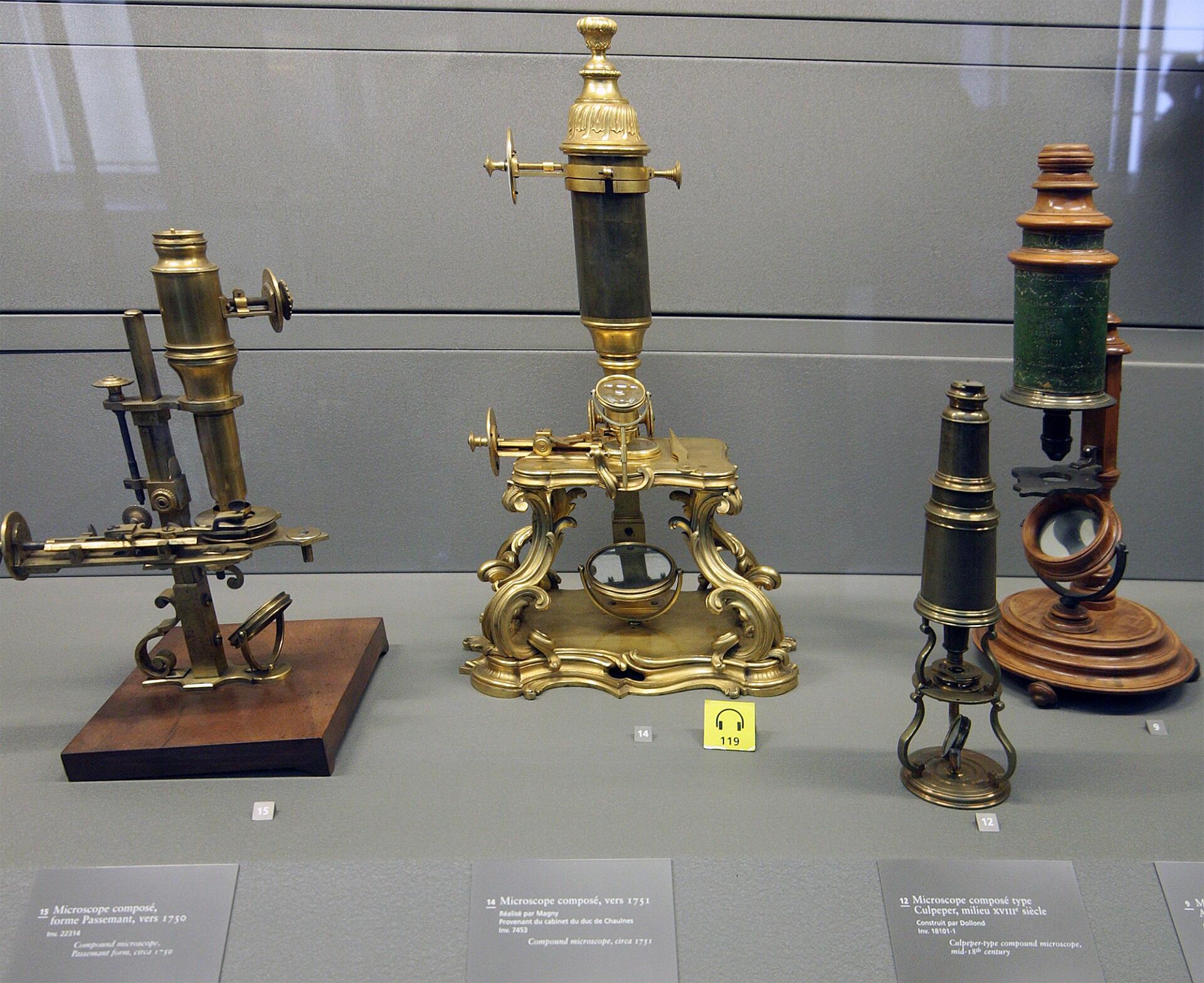
The first microscope lenses were made.
Jansson father and son usually get the credit for this invention, but who actually made the first lens is debatable.
1665
English polymath Robert Hooke describes the shape of cells.
He examined a section of cork through a custom-crafted microscope.
1670s
Anton van Leeuwenhoek discovered bacteria and protozoa in a pond water sample.
He named them 'animalcules'.
1833
Scottish botanist Robert Brown discovers that plant cells have a nucleus.
It's the first revelation of cells' internal structures.
1838
German botanist Matthias Jakob Schleiden avers that all plants consist of cells.
He sets the foundational marker for cell theory.
1839
German botanist Theodor Schwann extends Schleiden's concept to cover animal cells.
His discovery ended the hypothesis that plants and animals were fundamentally different.
1855
German physician Rudolf Virchow completes cell theory.
He concludes that all cells come from already-existing cells.


Robert Hooke
All debates about the genesis of microscopes1 aside, Englishman Robert Hooke is indisputably a pioneer of cell discovery.
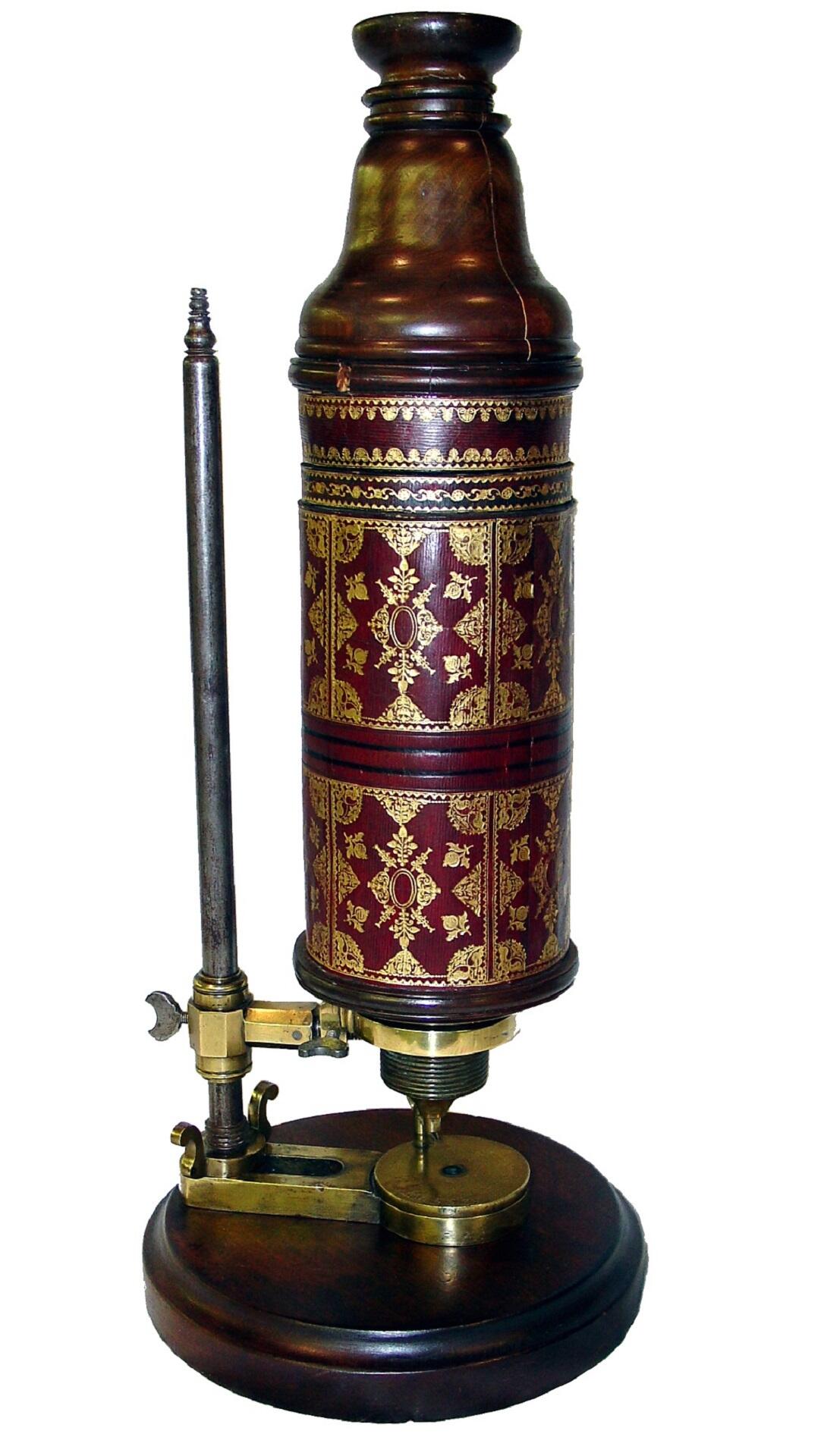
Using a hand-tooled leather and brass microscope crafted especially for him (pictured), he examined a cross-section of cork under his lenses.
He remarked over its dense, orderly honeycomb structure, noting the appearance of 'walls' to keep individual clusters contained.
He applied the term 'cell' to those self-contained clusters. Note that the word 'cell' emerged around the 12th century to describe satellite monasteries. Later, it came to define a monk's room: a smaller, enclosed space within a larger structure. In that sense, the word 'cell' is wholly apt to describe plant and animal cells.
Unfortunately, his studies on cells were limited by his lack of quality equipment as much as by his hyperactive intellect.
After making his monumental discovery, he moved on to other intellectual pursuits, leaving the field wide open.
Antony van Leeuwenhoek
Today, we call Antony van Leeuwenhoek the father of microbiology, only in part for discovering 'animalcules'. Realising the limitations crude equipment placed on his intellectual curiosity, he ground his own lenses and built better microscopes2. This allowed him to examine more samples in greater depth.
Imagine his surprise upon his first detailed view of pond water teeming with life!
Van Leeuwenhoek was a deeply religious man, and he revelled in discovering God's smallest creatures. However, he was not generous in sharing how he came about his discoveries, only what the discoveries were. This paved his way into Royal Society of London circles, where the intellectually curious lapped up his findings.
Robert Brown
Stunning as those early discoveries were, cell biology kind of stood still for about 150 years. And then, Scottish botanist Robert Brown discovered that plant cells have a nucleus. His work revealed crucial internal structures inside the cell.
Besides identifying the cell's nucleus, Robert Brown described cytoplasmic streaming and pioneered plant pollenisation and fertilisation.
The Brownian movement is named in his honour.
Matthias Schleiden
Building on all the discoveries made so far, this German botanist made a momentous leap. He advanced the idea that all of plants' tissues consist of cells. He further posited that cells are plants' basic building blocks. His conclusions set the stage for formulating cell theory.
In those early days, thinkers maintained that plants and animals were fundamentally different.
Theodor Schwann
A contemporary and friend of Schleiden's (though not formally a colleague), Schwann focused on the animal side of biology studies. Working from his friend's hypothesis, he studied animal tissues with new eyes3. He, too, identified cells and concluded that animals, too, were collections of cells.
Furthermore, he found that animal cells had many of the same components (organelles) as plant cells. Drawing on his friend's observations, he formulated the first two statements of cell theory.
1. Cells are organisms, and all organisms consist of one or more cells.
2. The cell is the basic unit of structure for all organisms.
Cell Theory Timeline: Honourable Mentions
The cell is the basic unit of life.
Alexander Carl Heinrich Braun
Though not as momentous as the discoveries listed so far, these two entries merit inclusion because they refocused cell biology towards a more targeted direction. In fact, they're not discoveries at all; they're more like clarifications.
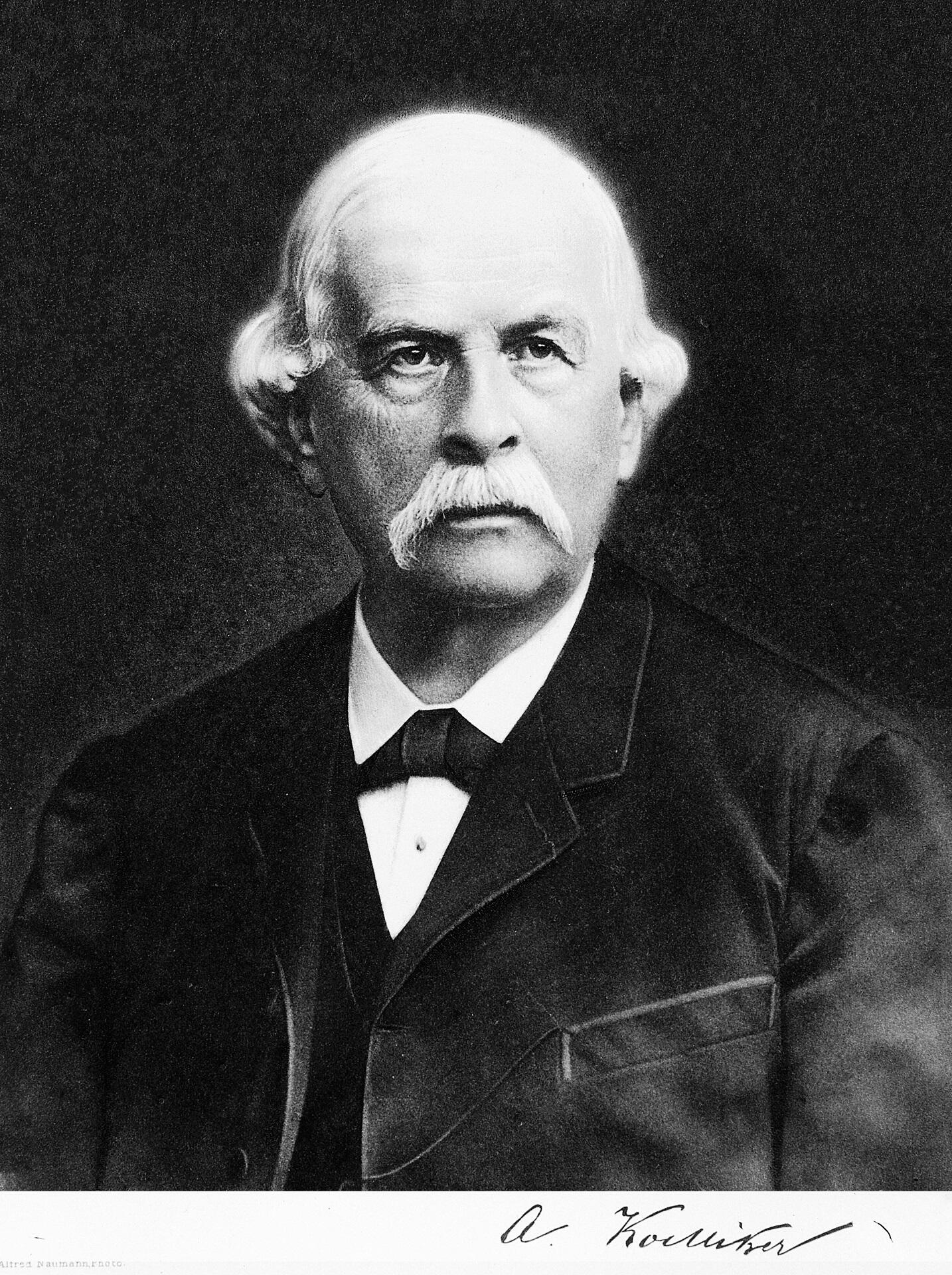
- Albrecht von Koelliker
- Swiss embryologist
- asserted that sperm and ova are cells
- identified smooth muscle cells
- established nerve fibres were cell extensions
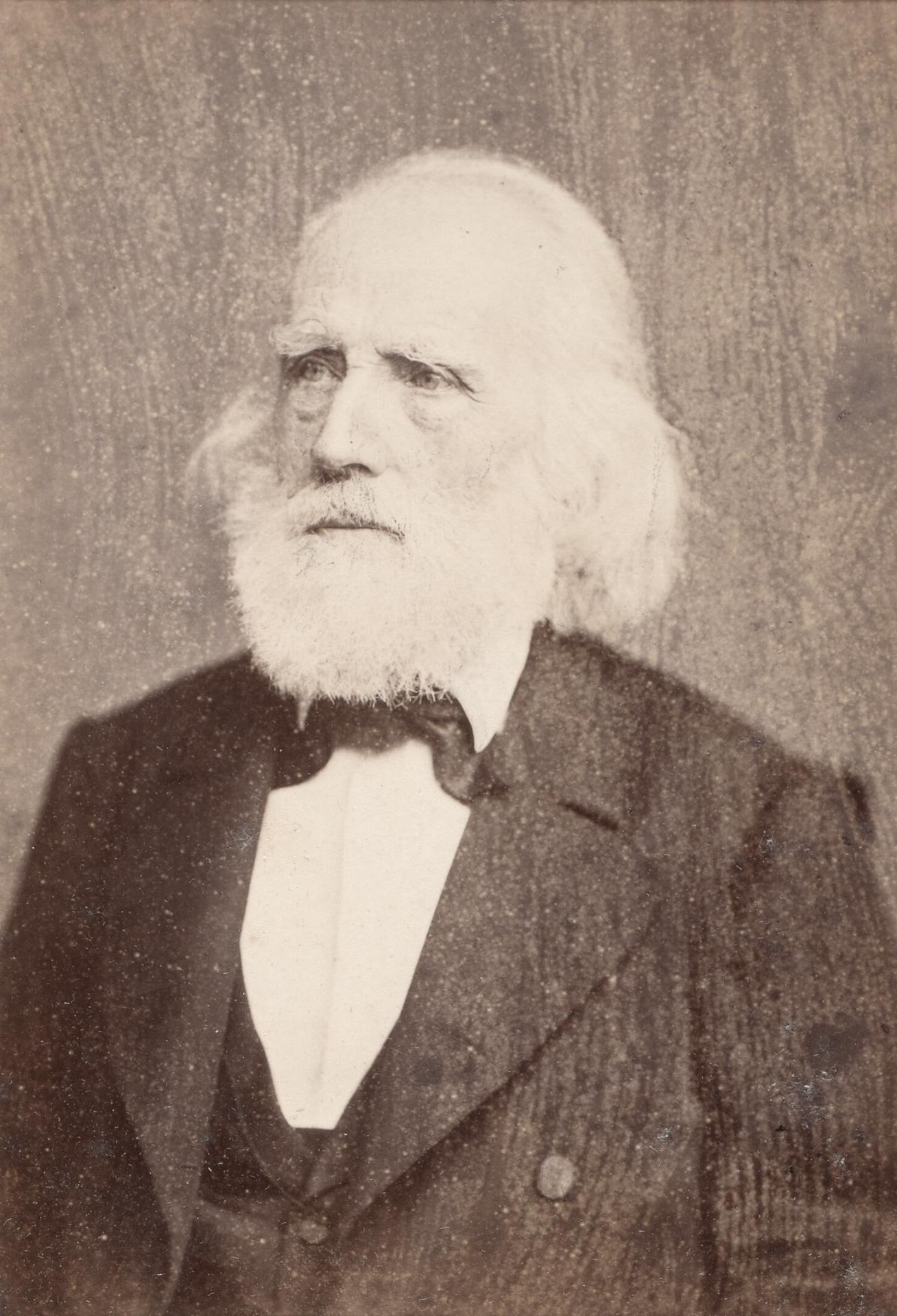
- Alexander Carl Heinrich Braun
- German botanist
- rephrased cell theory's first statement
- studied plant morphology
- ardent vitalist
It sounds odd that an ardent vitalist would subscribe to cells being life's currency. Vitalists believed that living matter was imbued with a regulatory force that kept it functioning. One might think Dr Braun fell short of connecting cells' power to the 'vital force' he believed in. But then, maybe that's what he meant.
Rudolf Virchow
Dr Virchow's contributions to social health and medicine arguably far outweigh his work in cellular biology4. We hail him as the father of modern pathology and the founder of public health and social medicine. Seen from that perspective, we might consider his addition to cell theory almost a throwaway line.
Dr Virchow added cell theory's third statement: "All cells come from pre-existing cells."
Dr Virchow wrote or contributed to more than 2 000 scientific papers. In one of them, titled Cellular Pathology, he advanced the idea that "all cells come from cells".
Later, it was discovered that he had plagiarised the idea from the Prussian embryologist Robert Remak. Still, Dr Virchow gets the credit for finalising the third tenet of cell biology's fundamental principles.
History of Cell Biology: Impact on Today's Research
Everything that ever has been always will be, and everything that ever will be always has been.
Kurt Vonnegut, Jr.
Author Vonnegut's pronunciation puts a philosophical spin on Dr Virchow's addition to cell theory. It also shines a light ahead to help us see what might come to be in microbiology.
Electron Microscopy
The electron microscope has been around for about a century.
The German physicist Heinrich Hertz laid the groundwork for it in 1883, and a working prototype captured the first images in 1931.
Who invented the electron microscope is a hotly debated subject, though. Suffice to say that this device charted the next chapter in the history of the cell5.
Earlier microscopes were limited in their focal power but electron microscopes could peer much further into the cells. Early work in this field led to discoveries of cells' internal membranes and the inner workings of mitochondrial and nuclear pore structures.
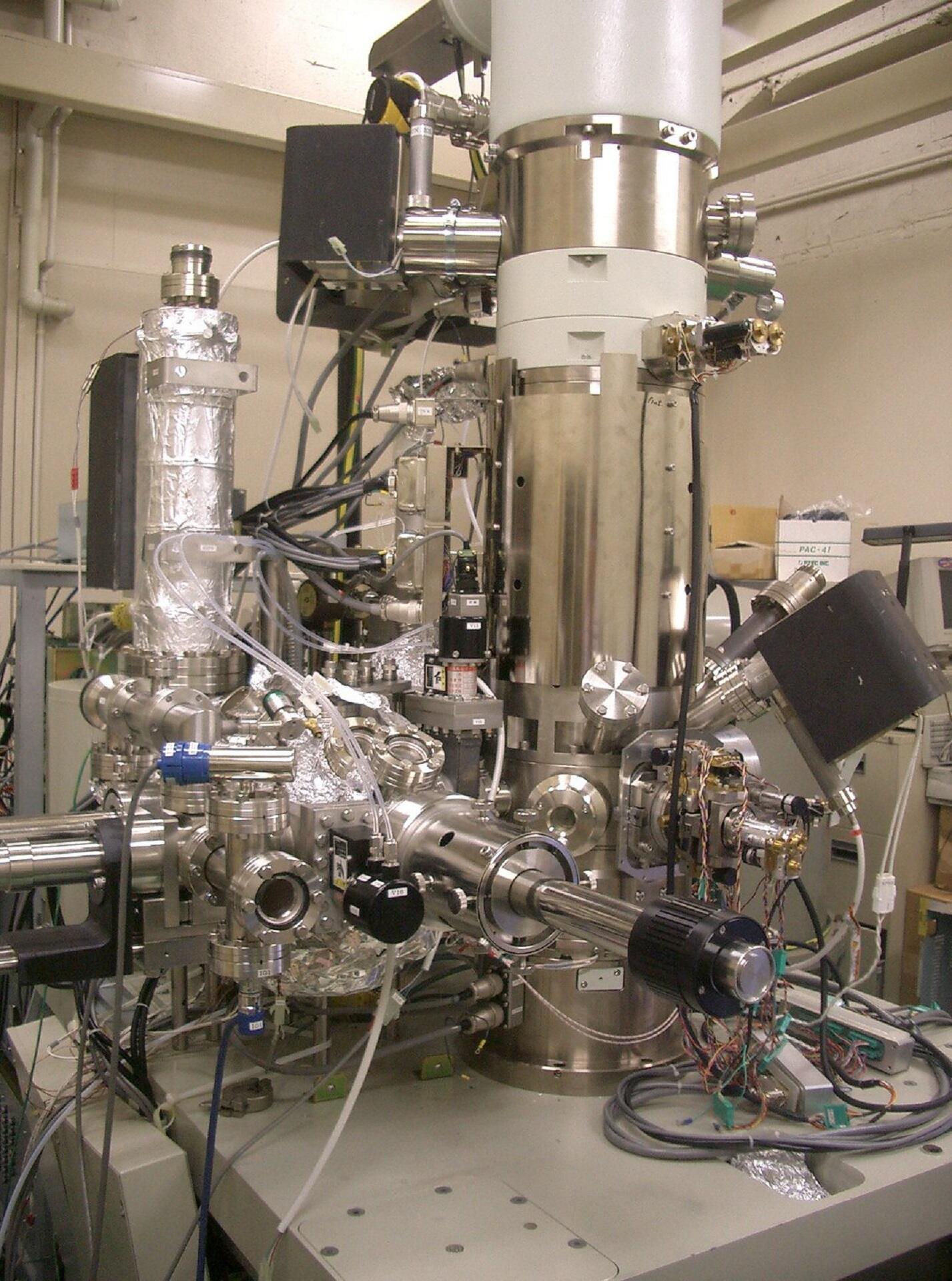
Naturally, this technology didn't stand still. New iterations, refined procedures, and enhanced capabilities promise ever deeper exploration into cells' functions and structures.
The Human Cell Atlas Project
The project started in 2016.
It includes 36 000 members in 102 countries.
As of 2024, the team has mapped roughly 62 million cells across 18 biological networks.
The project is a grassroots initiative, with scientists arranging their own funding.
In 1990, the Human Genome Project set out to map the entire human genome. This international initiative is intended to identify every gene in the human body. The project wrapped in 2003, and has proven to be instrumental in genetic research and disease eradication.
Now, another international team of scientists intends to map all 37+ trillion cells in the human body6. This project's purpose is to understand and monitor human health, and diagnose and treat diseases.
Cell Biology: From Past to Future
The Human Cell Atlas project is cutting-edge and ambitious, but is it really such a large takeoff from the earliest discoveries? One might argue that it's not.
As more discoveries are made, some biologists argue that cell theory is too limited in its scope. Competing theories have emerged but, just like cell theory, quickly found their limitations. Maybe, as science adds ever more to our body of knowledge, the theory might expand?
Informally, it already has. Cell theory's modern interpretation includes mentions of DNA, RNA, and chromosomes. It further states that "All cells are basically the same in chemical composition in organisms of similar species". How much more can new discoveries expand on the fundamental theory?
References
- Cox, Lauren. “Who Invented the Microscope?” Livescience.com, Live Science, 14 Sept. 2013, www.livescience.com/39649-who-invented-the-microscope.html. Accessed 28 Jan. 2026.
- Gillen, Dr. Alan L. “Celebrating Leeuwenhoek’s Life 300 Years Later.” Answers in Genesis, 26 Aug. 2023, answersingenesis.org/biology/celebrating-leeuwenhoeks-life-300-years-later/. Accessed 28 Jan. 2026.
- BD Editors. “Cell Theory Timeline | Biology Dictionary.” Biology Dictionary, 25 Sept. 2017, biologydictionary.net/cell-theory-timeline/. Accessed 28 Jan. 2026.
- Lange, Klaus W. “Rudolf Virchow, Poverty and Global Health: From “Politics as Medicine on a Grand Scale” to “Health in All Policies.”” Global Health Journal, vol. 5, no. 3, 1 Sept. 2021, pp. 149–154, www.sciencedirect.com/science/article/pii/S2414644721000646#bib0002, https://doi.org/10.1016/j.glohj.2021.07.003. Accessed 28 Jan. 2026.
- ThermoFisher Scientific. “Cell Microscopy | Cell Electron Microscopy | Cell Biology | Thermo Fisher Scientific - US.” Thermofisher.com, 2025, www.thermofisher.com/pl/en/home/electron-microscopy/life-sciences/cell-biology-research.html. Accessed 28 Jan. 2026.
- UNESCO. “Home.” Humancellatlas.org, 2016, www.humancellatlas.org/. Accessed 28 Jan. 2026.
Summarise with AI:
Did you like this article? Leave a rating!

 Loading...