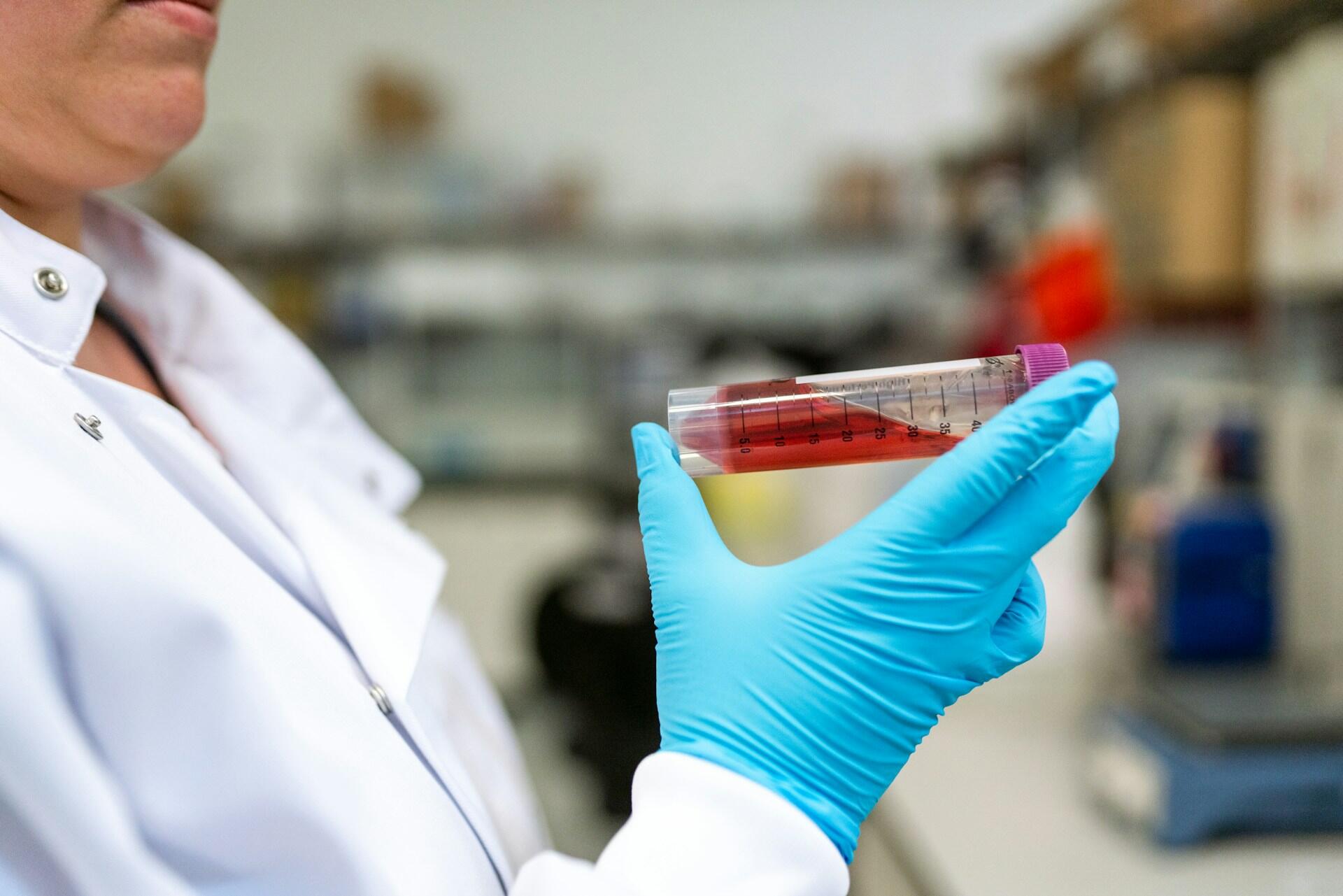

A Bachelor of Chemical Engineering is one of the most prestigious and useful degrees a student can strive for. The best Australian Universities, such as the University of Queensland and Monash, are tops at home and around the world for studies in this field. Now, Superprof discovers the best Chemical Engineering study programs.





What Is Chemical Engineering?
The narrowest definition of chemical engineering gives us only the perspective of improved production in chemical factories. However, the science and practice of chemical engineering reaches far back into history, long before chemical production plants existed.
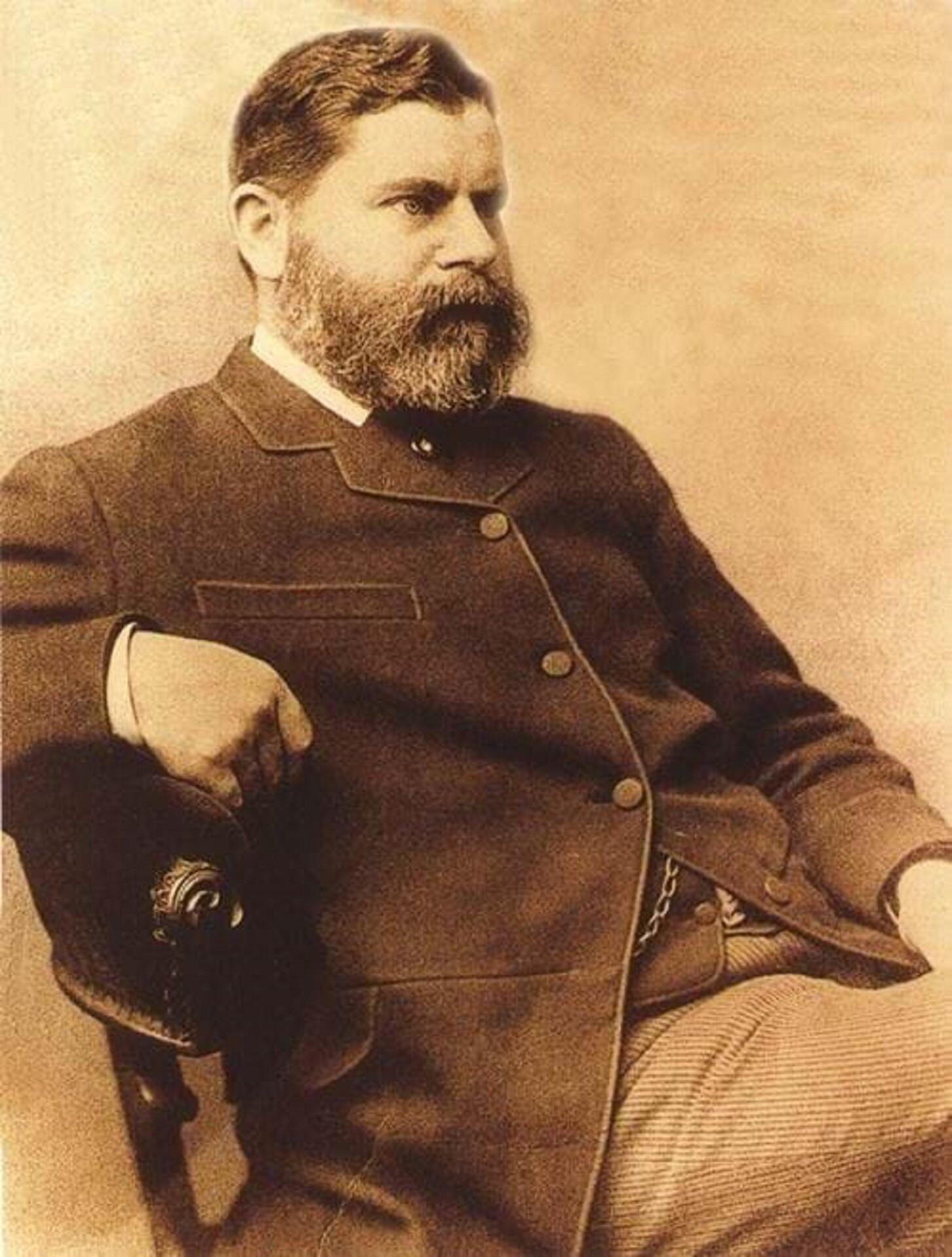
An 1839 scientific paper described the engineering processes to make sulphuric acid. George E. Davis, hailed as the Father of Chemical Engineering, coined the job's title in that paper. He further tried to found a Society of Chemical Engineering.
Ultimately, that group's members decided to call themselves the Society for Chemical Industry. Mr Davis served at its first secretary. This proves the discipline's history, but not what it encompasses.
In the simplest terms, chemical engineering is turning raw materials into useful products, through chemical reactions.
Ultimately, the goal is to make products. Chemical engineers work on all facets of production, from designing facilities to devising new processes and products. To make the point clear, let's focus on the pharmaceutical industry, and the types of medicine it produces:
- droplets and elixirs - liquid medicines
- medicinal powders: medicine in powder form
- tablets: ultra-compressed medicinal powders
- caplets: loose medicinal powders in a gel capsule
- transdermal: medicines applied to a sticking plaster, for absorption through the skin
- atomisers: medicines in suspension, disbursed through the air
At every step of the medicine-making process, from mixing the formulas to designing the systems to make them, we find the work of chemical engineers. Should you investigate bachelor's degrees in pharmacology, you'll find chemical engineers' work in balancing medicines' formulations, too.
Yet, that is still not the extent of this undergraduate degree's reach. Chemical engineers work in agriculture, environmental science, and any other industry you can think of. Where can you earn such a degree that gives you access to practically every manufacturing sector?
Top Universities for a Chemical Engineering Degree
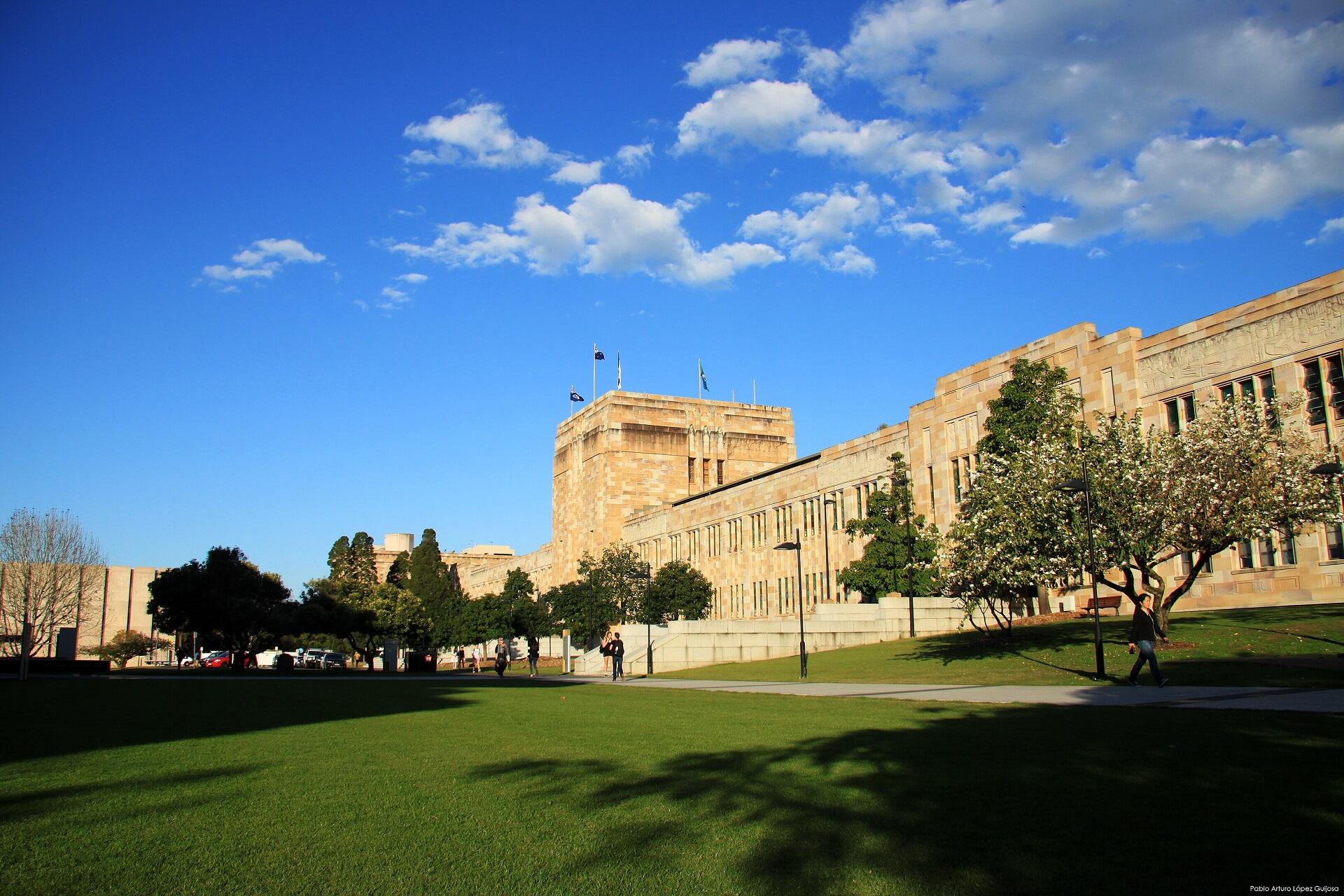
According to the website EduRank, the University of Queensland is the best school for Chemical Engineering education. It ranks #1 in Australia, and 70th in the world. For a good reason: it offers an expansive catalogue of courses, including honours (hons) and double-degree courses.
This specialisation explores energy and mass flows, interconnected systems and their inherent possibilities, and how to reduce waste and energy consumption. The course instructors stress safety and sustainability throughout, all while promoting critical thinking and visionary skills.
This university is also top for food science degrees in Australia. In fact, the University of Queensland ranks first in our country for many chemistry-related sciences. You might also investigate this school's biochemical engineering, environmental chemistry, and organic chemistry offering, if you're not sure which field to study.
University of New South Wales
This school ranks #2 in Australia, and #81 worldwide for this field of study. The UNSW chemical engineering degree program stresses critical analysis, as well as economic and management principles. You'll note that
Enhance your potential with one of this school's 10 dual-degree programs.
They range from Art and Commerce, to Computer Science and Biomedical Engineering.
This university's chemical engineering program focuses more heavily on the engineering aspects. Students learn to design equipment and systems used for chemical processes. It's a wide-ranging program that touches on everything from industrial to environmental chemistry applications.
Monash University
Monash comes in at #3 in Australia, and ranks 104 in the world for chemical engineering studies, according to EduRank. Its seven chemical engineering degree programs ensure that students have a broad selection of opportunities, across possible career fields.
Pursue your chemical engineering degree at Monash to access:
1. World-class facilities and equipment, including a TITAN microscope
2. Student teams specialising in select aspects of the engineering field
3. Opportunities at programs and internships to boost experience and job prospects.
If anything, Monash's minor-degree catalogue is even more impressive than UNSW's. You might choose a Mining Engineering minor to support one of Australia's most critical industries. Or go for an Artificial Intelligence dual degree, to place yourself on the cutting edge of technology.
These three schools' Chemistry Bachelor offerings are tempting, but they are not all that Australian universities deliver on the subject. This chart presents Edurank's Top Ten Australian universities for undergraduate chemical engineering studies.
| 🏫 School | 📍 Location | 🎓 Programs | ⌚ Part-time available? | 👩🎓 Honours? | 📆 Course duration |
|---|---|---|---|---|---|
| University of Queensland | Queensland | 13 | Yes | Yes | 4 years full-time, or part-time equivalent 5 - 5.5 years for double-degree programs (or part-time equivalent) |
| University of New South Wales | NSW | 1 | No | Yes | 4 years |
| Monash University | Victoria | 7 | Yes | Yes | 4 years full-time, or part-time equivalent 5 - 5.5 years for double-degree programs (or part-time equivalent) |
| University of Melbourne | Victoria | 6 | Yes | Yes | 3 years full-time, or part-time equivalent |
| University of Sydney | NSW | 1 | Yes | Yes | 4 years full-time, or part-time equivalent |
| University of Wollongong | NSW | 3 | Yes | Yes | 3 years full-time, or part-time equivalent Hons: 4 years or part-time equivalent. |
| Australian National University | ACT | 2 | No | Yes | 3 years full-time |
| Curtin University | Western Australia | 3 | No | Yes | 4 years full-time |
| Queensland University of Technology | Queensland | 2 | Yes | Yes | 4 years full-time, or part-time equivalent |
| University of Adelaide | South Australia | 3 | Yes | Yes | 4 years full-time, or part-time equivalent |
Bachelor of Chemical Engineering Curriculum
Each school and chemical engineering degree program we investigated brought unique aspects to this study field. Were we to outline them all, you would be reading far longer than you likely have patience for. However, all these courses have a core curriculum in common, which is far more reasonable to present here.
Obviously, chemistry studies feature heavily across all these programs. Mathematics does too, particularly higher maths. Engineering fundamentals form the third leg of this degree plan's core courses.

You will also study from courses from these schools' digital technology selections. This, too, is sensible, as the industry moves inexorably into the digital realm. Such courses include everything from Matlab and Excel programming, to Software Engineering fundamentals.
Chemical Engineering Majors
Beyond your core curriculum, which direction your undergraduate education takes depends on the major you choose. Across all our schools, we found much variety in the majors on offer. We list three schools' majors, for comparison:
University of Queensland
- Biomedical Engineering
- Metallurgical Engineering
- Materials Engineering
- Environmental Engineering
University of Adelaide
- Food Engineering
- Minerals Processing
- Renewable Energy
- Pharmaceutical Engineering
Monash University
- Environmental Engineering
- Renewable Energy Engineering
- Mining Engineering
- Smart Manufacturing
Where you study should depend on which major you intend to pursue. All the schools featured here offer top degree plans, but not all of them offer the same fields of study. In all, you should consider:
Chemical Engineering ATAR and Other Entry Requirements
It's all fine and well to aim for the best chemical engineering course, but you have to have the credentials to qualify for them. You'll be happy to know that, as intensive as these study programs as, the bar to entry is reasonably set.
Across our reviewed universities, the lowest selection rank ranges between 80 and 85.10
Far more important than a qualifying ATAR is the list of required qualifying courses. Without acceptable marks in these courses, schools will reject your application to their Chemical Engineering degree programs. These courses include:
- English
- Maths and Advanced Maths courses
- Chemistry and/or Physics
International Students Entry Requirements
Students from abroad must present the same satisfactory marks in all prerequisite subjects. They must prove their English abilities through an official language test, such as IELTS, and present a satisfactory score.
International students will demonstrate their academic achievements through their International Baccalaureate (IB) results. These students should aim for an overall IB score of 30 (but be sure to check with the school you're applying to if that's high enough).
Whether your passion lies in Chemistry and Environmental Science, or in manufacturing and production, meeting or exceeding these entry requirements paves your way to your desired career.
Finding the right path as a local or international student can be somewhat tough. Students might benefit from the guidance of a private tutor who can help them prepare their entry requirements and shed some light on the path of a professional chemist.
If you would like to find a chemistry tutor, visit Superprof and find a long catalogue of teachers all over Australia. Search for "chemistry tutor brisbane," for example, followed by "Superprof," and you'll have access to chemistry lessons in your city!
Chemical Engineering Degree Career Opportunities
Our featured chemical engineer, Ms Hutchinson Rousseau, is a sterling example of the opportunities in this field. Granted, times were different in her day.
Women were only just gaining access to traditionally male fields, and much had yet to be discovered. Still, she embodied the spirit of discovery that fuels many of today's chemical engineers' pursuits.
The list of possible careers this degree affords is far longer than, say, for a graduate with a forensic chemistry bachelor's degree. In fact, a chemical engineering degree includes forensic chemistry study aspects, and it serves these career fields:
- Process (and) Consulting Engineer
- Manufacturing technician
- Chemical plant operator
- Analytical chemist
- Mining and minerals processing
- Reliability Engineer
- Cell test engineer
- Environmental Specialist
- Nuclear facility manager
- Process development associate
These job titles don't reveal much, on their own. And, a Bachelor of Chemical Engineering might not be enough to reach the top position in these career fields. That's why many of Australia's top chemical engineering programs offer double degrees, Master's studies, and doctorate programs.
Also, the schools we explored are all public research facilities. You might decide to stick with academia, and apply for a research position at your alma mater. On the other hand, you could leave school with the ink still wet on your Bachelor's Degree, to cast your fortunes in on-the-job training.
In any case, Chemical engineering is one of the best degrees in Chemistry to strive for. Not just because of what you learn, but because earning it teaches you to think of what's possible. For the world, and for yourself.
If you would like to know more about degrees and careers related to chemistry, private lessons and the guidance of a chemistry tutor can help shed some light on the right path for you.
Superprof is a platform that allows chemistry students to find local tutors quickly. If you live in Sydney, search for "chemistry tutor sydney," for example, followed by "Superprof," and you'll have access to chemistry lessons near you!
Summarise with AI:
Did you like this article? Leave a rating!

 Loading...