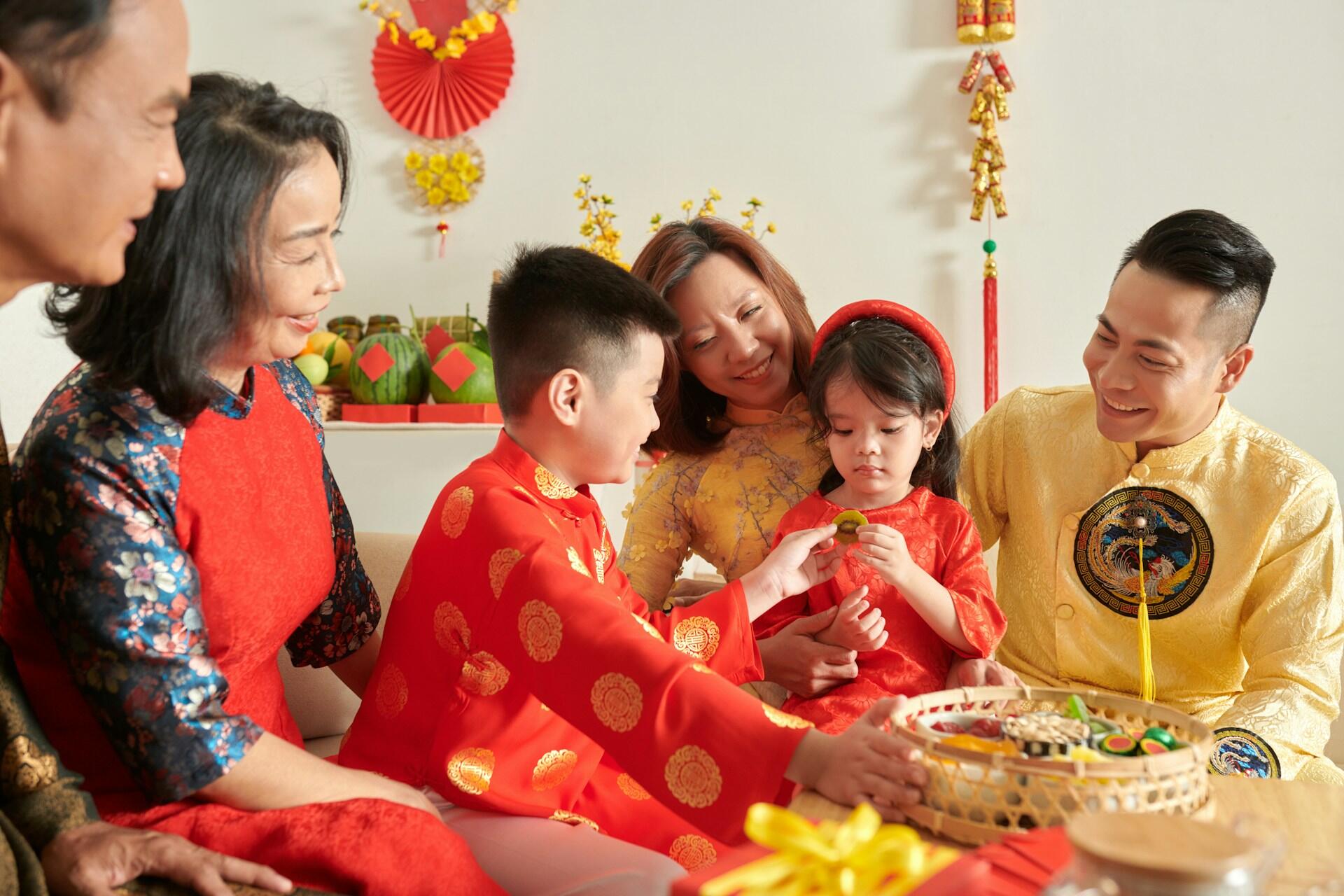

For millennia, China has been the envy of the world for its rich, luxurious clothing. Various dynasties built their territories' international trade on silk, and nations have gone to war over this fine fabric. These days, Chinese vendors are happy to sell silk and silk blends to make traditional Chinese clothing — or sell complete outfits. This article details the four main styles you might enhance your wardrobe with.
Traditional Chinese Clothes:
- Hanfu: literally Han clothing; the Han are China's ethnic majority.
- The Tang suit has its design roots in the Qing Dynasty.
- The Qipao (and the men's changshan) emerged under Manchu rule.
- The Mao suit, also called a Zongshan suit, defined early 20th century China.


Hanfu: Ancient Chinese Clothing
Hanfu (hàn fú - 汉服) is the definition of ancient Chinese clothing. Archaeologists have discovered evidence of this clothing style dating to the Shang Dynasty (1600 Before the Current Era - 1045 BCE).
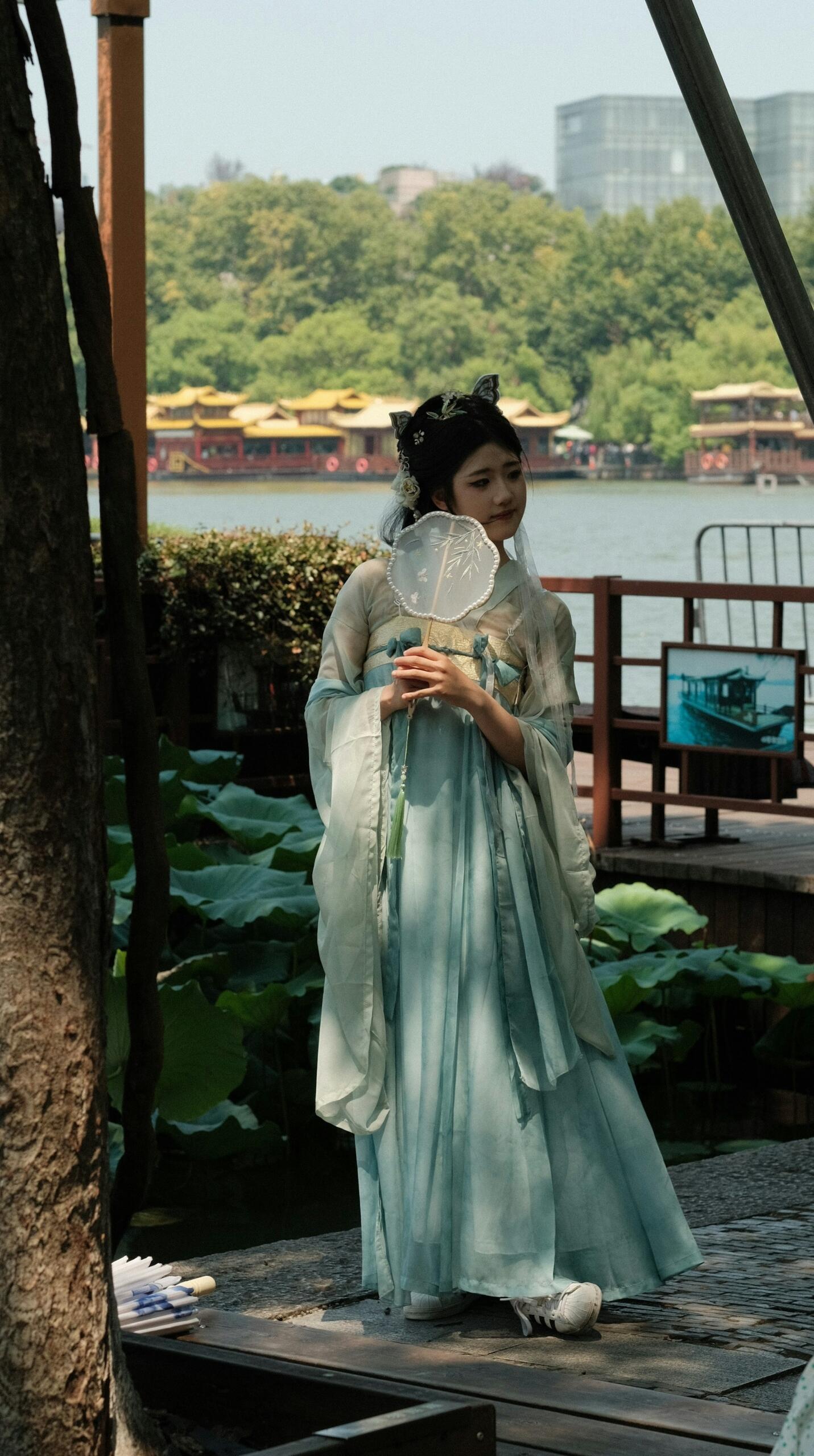
Before the Han Dynasty, people wore shēnyī (深衣) - a long, one-piece draping garment that cinched at the waist.
That outer garment could have a rounded hemline or a straight one. Invariably, it featured wide lapels/collars that crossed over, and covered many layers of undergarments. Those elements carried into hanfu styles.
Still, it's impractical to set a definite date for hanfu as an overarching clothing style that far back. Back then, China was not a unified country that one could identify through distinct cultural markers.
It's far more logical — and probably far more accurate — to set hanfu's development during the Han Dynasty (202 BCE - 220 CE).
That's when the Han people emerged as the land's dominant ethnicity. As rulers, they determined the Han identity and culture, including what would be acceptable for people to wear.
During the later Han era, clothing styles evolved into the 'top-and-bottom' look: a shorter jacket with either a skirt or trousers. For men as well as women, this new style comprised several different components.
| Outfit (pinyin) | Chinese Character | What it is |
|---|---|---|
| yī | 衣 | The open-front, cross-collar garment with typically wide sleeves |
| páo | 袍 | Men’s full-body garment |
| rú | 襦 | Cross-collar shirt that opens in the front |
| shān | 衫 | Open (cross-collar) jacket worn over the yī |
| qún | 裙 | Women’s skirt |
| cháng | 裳 | Men’s skirt |
| kù | 裤 | Trousers (typically breeches) |
| pèi | 配 | Accessories, decorations |
Accessorising became a matter of fashion and social standing during the Han Dynasty. The more lavishly decorated your outfit, the wealthier and better positioned you were. For women, pèi included hairpins, purses, and embroidery on their clothing. Men also displayed embroidered signs of wealth, along with jewellery and belt studs, or decorated weaponry.
Before the Han Dynasty, society's elites adopted and promoted this elegant, flowing style.
Tracing the long arc of Chinese history, the Han Dynasty pulls far ahead in its productivity, discoveries and advancements. Today, we consider this period one of China's Golden Ages, despite it being among this civilisation's most turbulent of times.
Han style — of government, social structure, cuisine, and clothing — influenced people in neighbouring lands. For instance, if you happen to enjoy Korean historical dramas, you might notice their clothing styles look a lot like hanfu. That's because, originally, it was! And as hanfu evolved through the centuries, Korean (and Vietnamese) adopted the style.
Traditional Chinese Clothes During China's Last Dynasty
The Qing Dynasty (1636 - 1912) ended Han rule, as well as the evolution of hanfu clothing styles. The Manchu people wrested power from the dominant Han group and immediately instilled their cultural markers on the population.
One of their earliest edicts called for men to abandon their hanfu and wear manfu - Manchu-style clothing.
The change didn't happen overnight, and it wasn't universal. Within the power's immediate circle, all bureaucrats and other institutions complied.
However, in the lands' outer reaches, enforcement was lax.
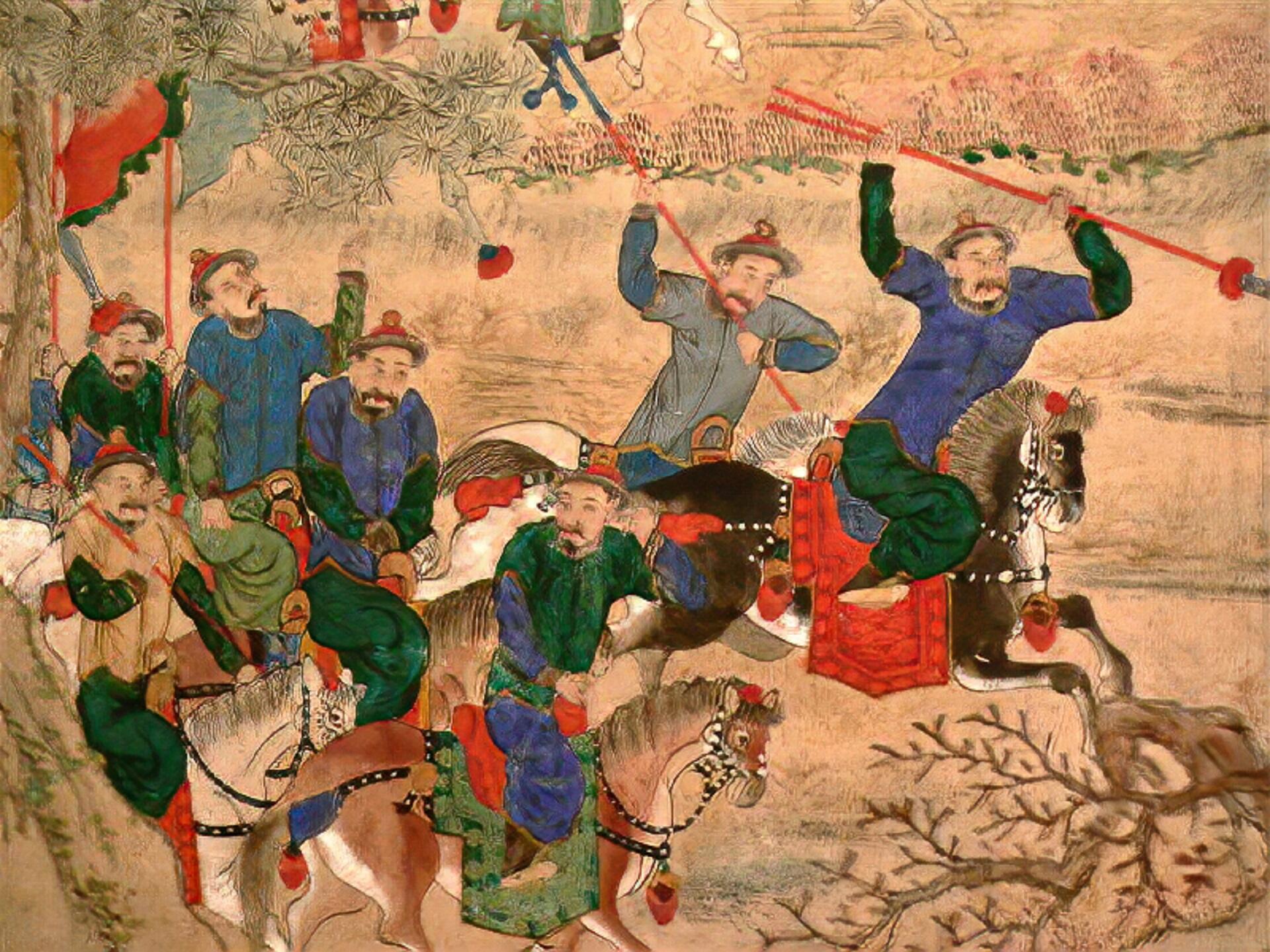
Women lingered in their elegant hanfu for a few more centuries. Men had a bit more urgency to change style, as they would more likely be punished.
Snug-fitting undergarments
A long overcoat with four slits (front, back, both sides).
Trousers that typically ended just below the knee.
Hard-soled shoes.
The historical record shows that quite a few Han Chinese 'converted' to manfu simply because it was more efficient. With no wide sleeves and flowing robes to get in the way, people could work with no concern over ruining their clothing. Still, many Han did their best to incorporate Han fashion accents to their manfu.
The Tangzhuang
Before detailing this comfortable, functional garment's features, we must shed light on its confusing name.
The Tang Dynasty (618-907) is another of China's eras of discovery, innovation, and production.
During that period, many Chinese travelled abroad to work and learn. Inevitably, they brought their culture with them - food, clothing, and music. Soon, everything associated with Chinese people became 'tang': 'tang' noodles, 'tang' shops, and 'tang' clothes.
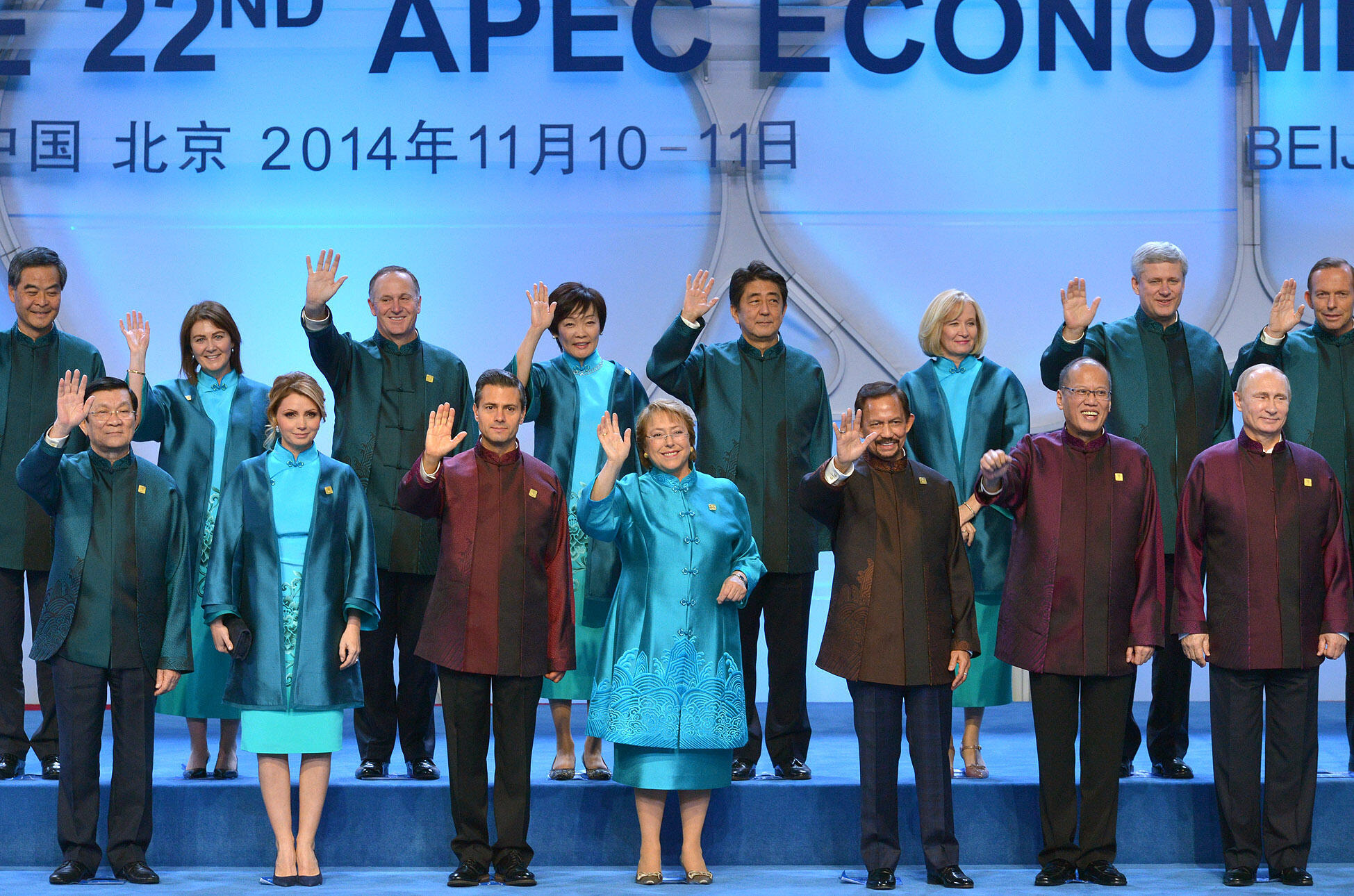
The táng zhuāng (唐装) has no association with the Tang Dynasty; it got its name from its overseas 'tang' connection. The tangzhuang - literally 'tang' suit, surfaced during the Qing Dynasty. It roughly hews to the Manchu clothing style:
- short tunic, typically ending just under the hips
- relatively narrow sleeves
- a standing collar
- knot buttons for closure
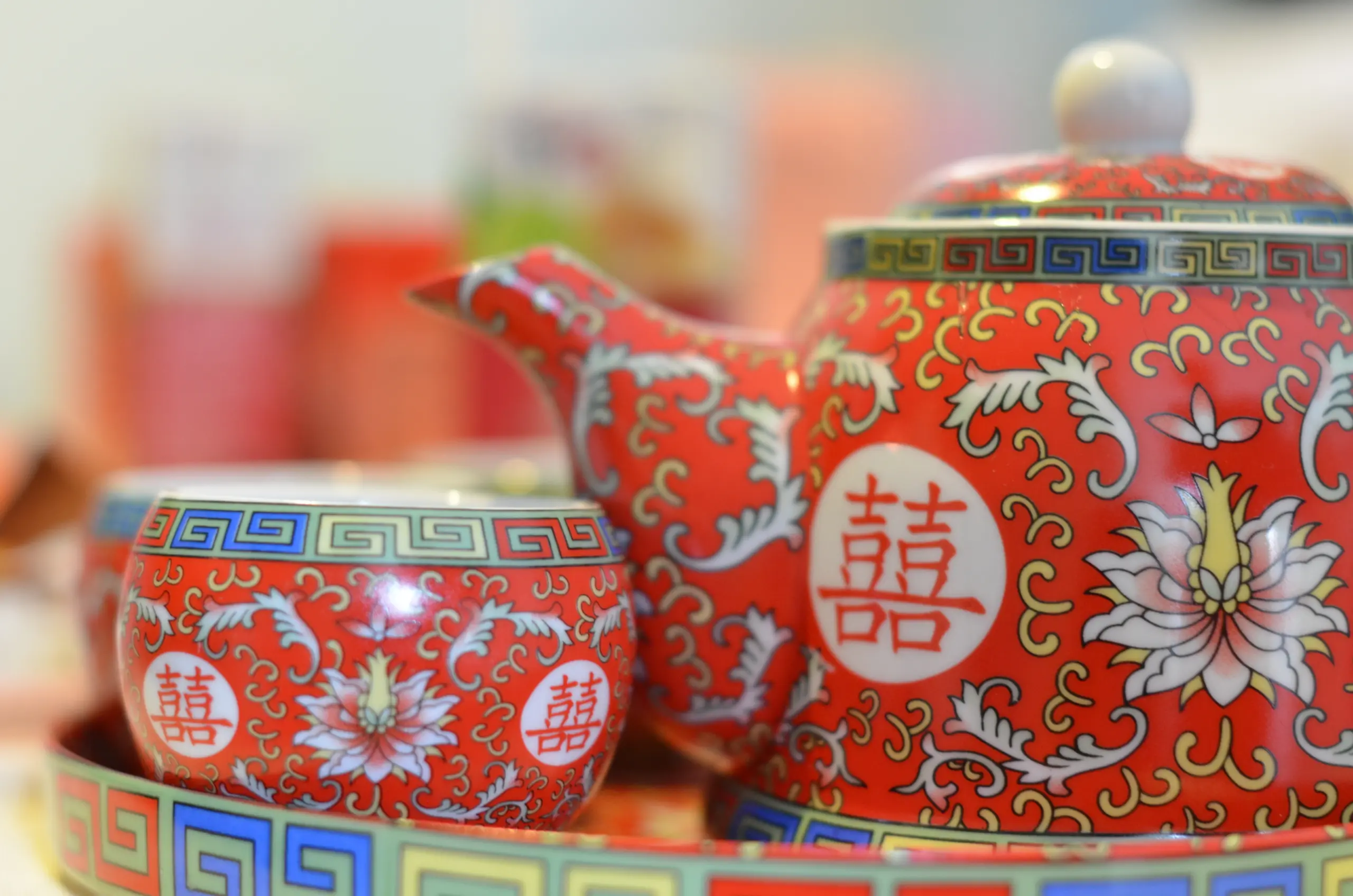
The Han people put their spin on this clothing style. Their brocade or silk garments included repeating fú (福) patterns. Such could be auspicious characters like shòu (寿 - longevity) or xǐ (喜 - happiness). Dragons and phoenixes, powerful symbols in Chinese culture, also feature.
Today, the tang suit mostly makes its appearance during cultural celebrations. Many Chinese men wear theirs during Lunar New Year celebrations.
You may even catch television presenters and politicians wearing such an elegant silk garment. This traditional Chinese jacket is one of the most prominent examples of historical Chinese style.
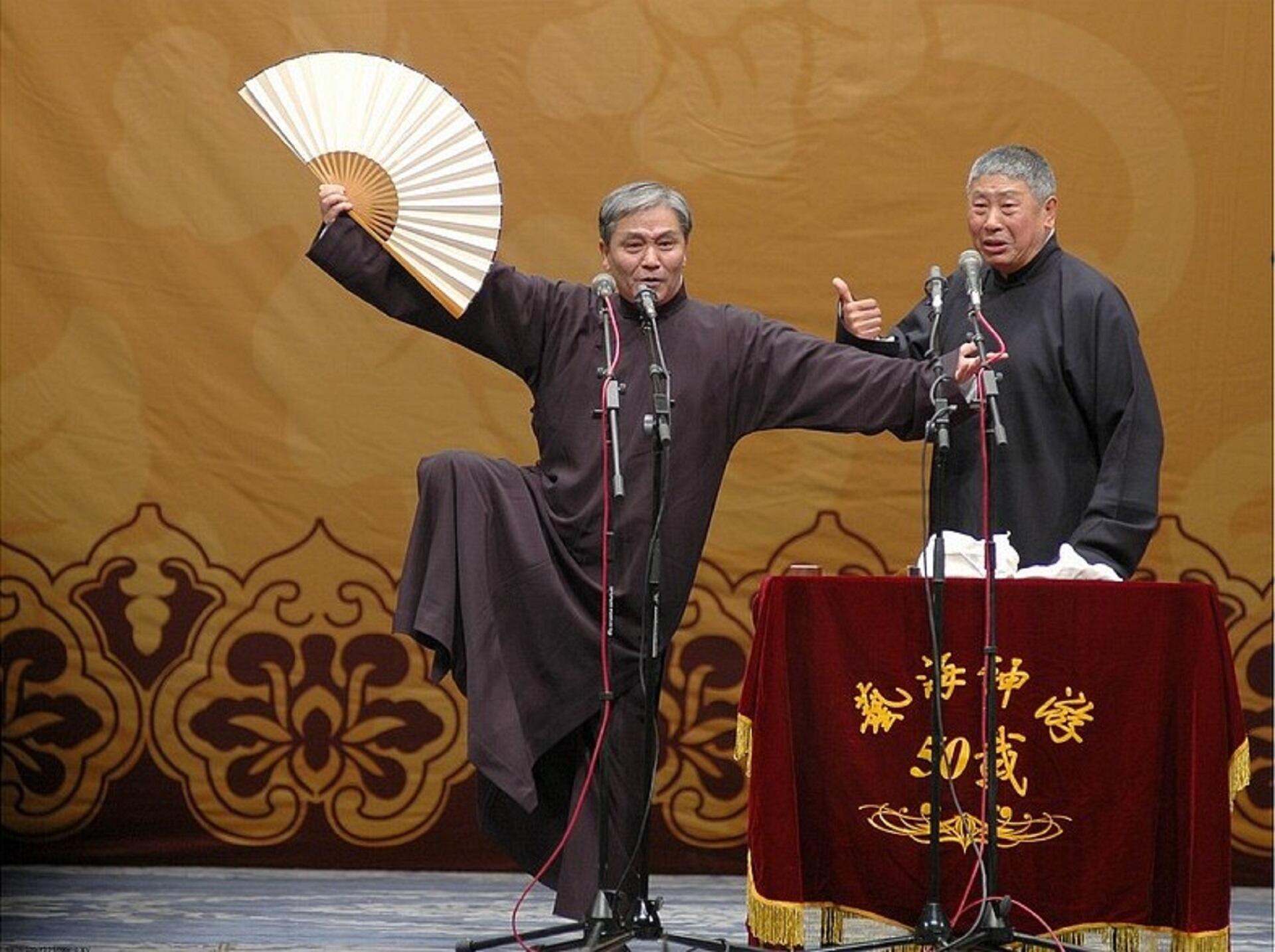
The Changshan: Chinese Traditional Dress (Male)
Today, Chinese traditional dress is making a comeback and, perhaps surprisingly, it's men driving the effort.
Historically, prettying oneself up has been largely left to the female of the species. European kings were one notable exception. They insisted on wearing lavish outfits, changing clothes several times each day.
By contrast, Manchu leaders emphasised their garments' practicality. As noted above, Han men suffered more pressure to conform with Manchu clothing edicts. Outside of cultural resentments, most didn't mind shedding hanfu's flowing robes for less elaborate clothing:
The most notable difference from the mandated Manchu style was the lack of belt and the wider sleeves. Also, Manchus' 'nietao' robe had much narrower sleeves that ended in cuffs. Both styles included trousers (closer to breeches in style).
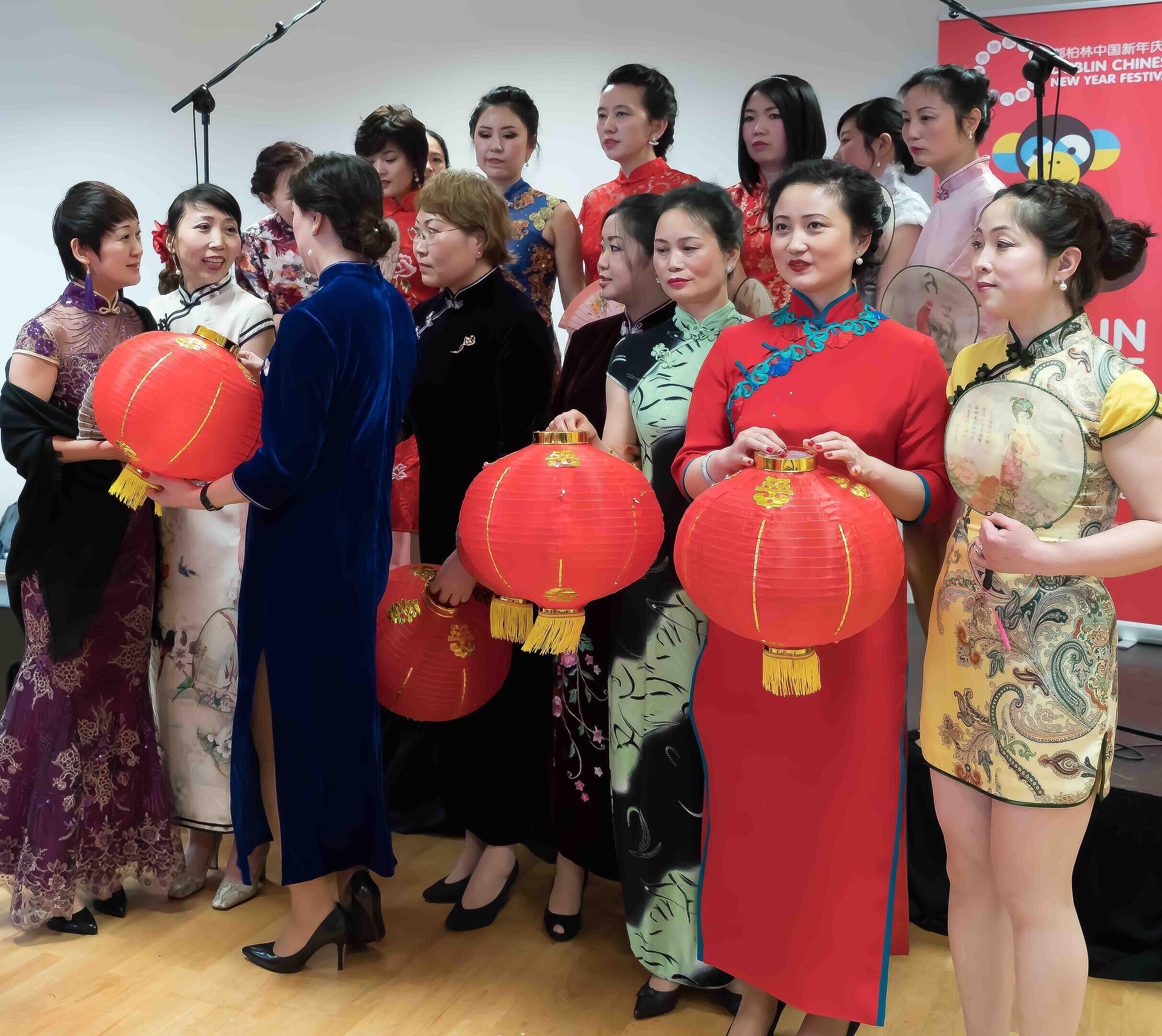
The Qipao: Tops Among Traditional Chinese Clothes
While men were getting practical in their clothing choices, women were trying to figure out how to make the Manchu cháng páo (长袍 - long gown) more attractive. And how to make it uniquely theirs.
The Han called Manchu people 'Qi'.
The gown the 'Qi' people mandated became known as the qí páo (旗袍 - Qi gown).
Today, far from being a symbol of resentment, the qipao is a testament to Chinese resilience and pride. Also called cheongsam, these form-fitting dresses come in a variety of fabrics and three main styles:
Women in China and abroad reserve their finest silk qipao for special occasions: holidays and special celebrations. Brocade or blended-fabric dresses are suitable for office work and fine dining. Wedding cheongsam must be red, embroidered with golden fu symbols for luck.
One final question: is there a difference between cheongsam or qipao? Cheongsam is the Cantonese word; Qipao is Mandarin. They both represent a timeless Chinese dress tradition.
The Mao Suit: Traditional Chinese Clothing for Revolution
In this article, we've only vaguely mentioned the turmoil Chinese people have lived in throughout this culture's 5 000-year history.
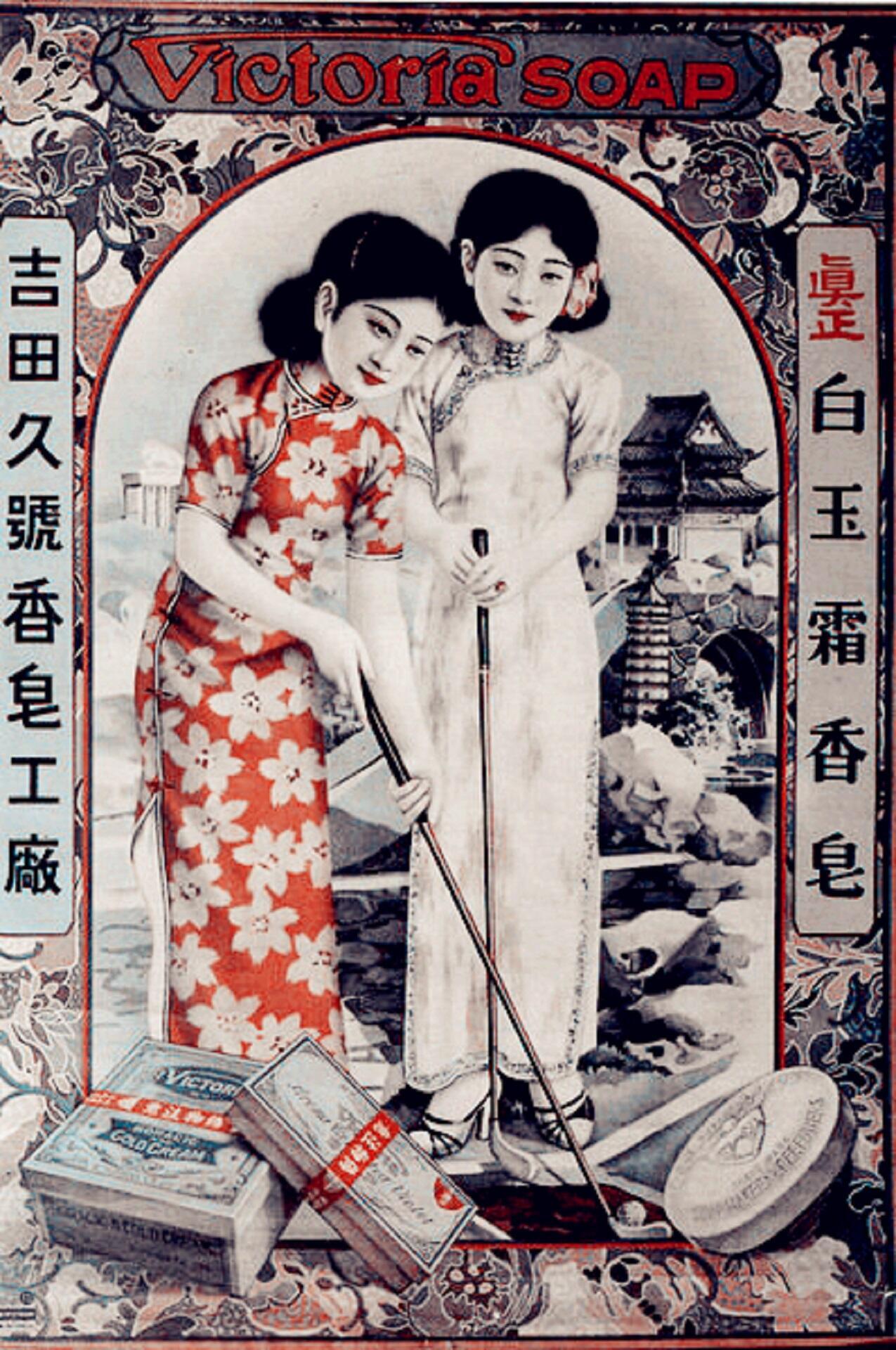
Among the closest to our time was the 1911 Revolution. Under Sun Yat-sen's leadership, the Kuomintang political party took the lead in shaping the country's direction.
Around that time, the qipao resurfaced, this time as a schoolgirl's uniform in Shanghai. The tangzhuang and changshan remain staples of men's wardrobes. However, the revolutionary leader Sun declared that his military-inspired outfit should become the norm.
The trouble was, his design was based in part on Japanese military garb. The Chinese weren't at all keen to embrace anything Japanese, having fought bloody battles to end the Japanese occupation.
Sun Yat-sen sold the Chinese public on his look by attaching Chinese values to this design.
In 1949, Leader Mao Zedong wrested power from Sun Yat-sen and declared the birth of the People's Republic of China. The Sun Yat-sen suit underwent near-immediate revisions, including doing away with the frivolous pleats in the pockets. He also ditched the belt and the slit in the back, two holdovers from Japanese-inspired design.
There's much more to know about this austere-looking garment known as the Mao suit or Zhongshan suit. Though not as ornate as other Chinese clothing styles, it represents China's revolutionary past and consolidation, the harshest milestone on the way to modern China.
Summarise with AI:
Did you like this article? Leave a rating!

 Loading...