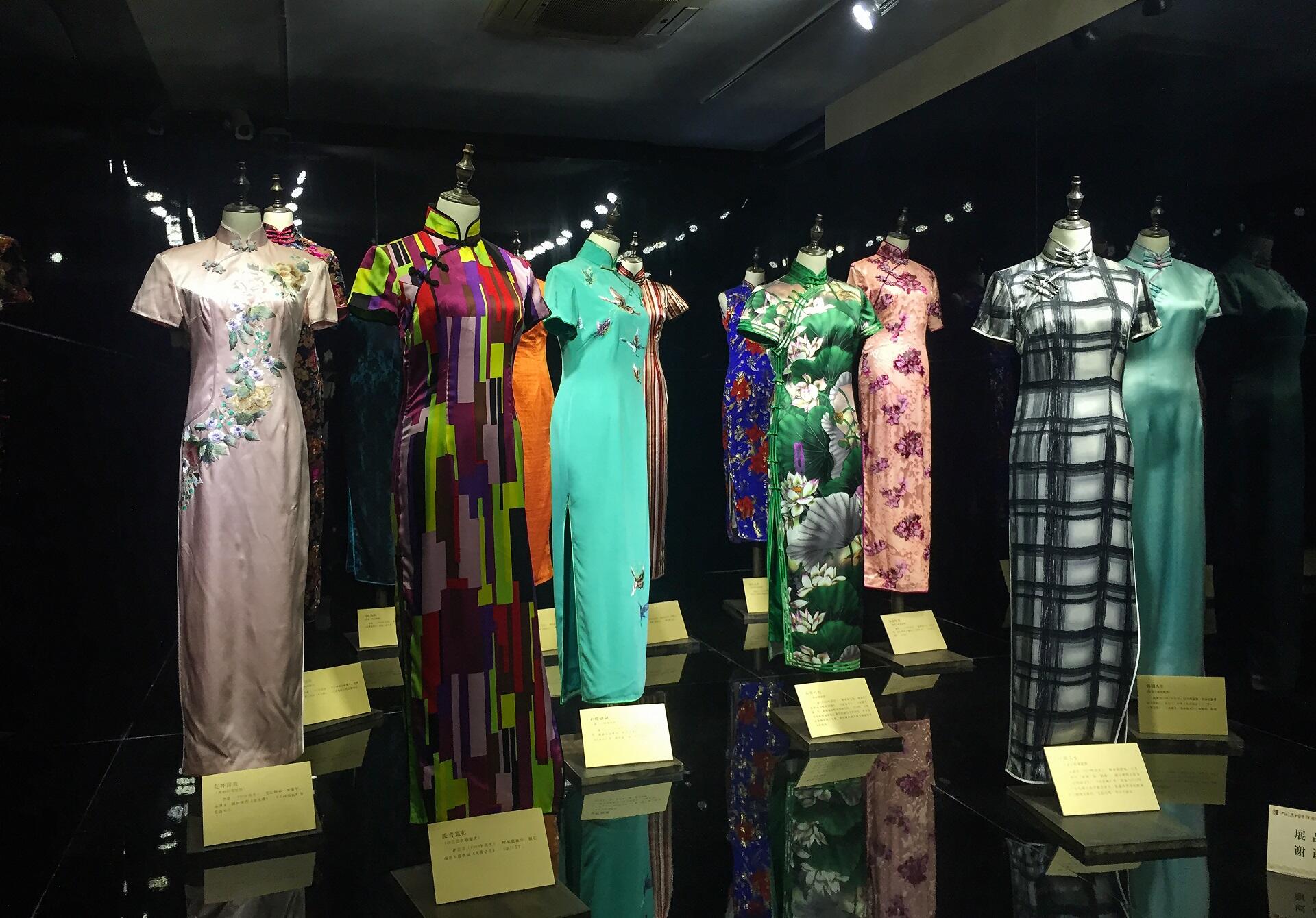

Lots of confusion swirls around this Chinese traditional dress, not the least of which is when it emerged as a distinct fashion choice. People also wonder about its name: is it a qipao or a cheongsam? One point everyone agrees on: it is an iconic statement of Chinese culture, rich in colour and style. Now, we present what to know about the elegant qipao.
Cheongsam Dress Facts
- Historians contend the qipao evolved from Manchu clothing styles and believe Western fashion styles influenced its current design.
- The qipao boasts three major styles: Beijing style, Shanghai style, and Hong Kong style.
- The Cantonese word for 'qipao' is 'cheongsam'; both words represent the same garment.
- Men's matching outfit is called 'changshan', meaning 'long shirt'.


The Cheongsam Dress' Origins
To see why the qipao's origins are so murky, we have to travel roughly 400 years back in time. In the mid-1600s, the Ming Dynasty came to its end. The ruling Manchu proclaimed its authority by starting the Qing Dynasty, China's last dynasty.
Ming Dynasty emperors were Han Chinese.
The Han were (and still are) the dominant ethnicity in China.
The Manchu were/are an East Asian ethnicity.
With the Manchu takeover, the country's ethnic majority became a minority ruled.
As always happens when new rulers take power, all the laws governing society change. One Manchu edict, called tì fà yì fú (剃发易服 — lit. 'shave hair change costume') forbade anyone from wearing traditional Chinese clothing styles.
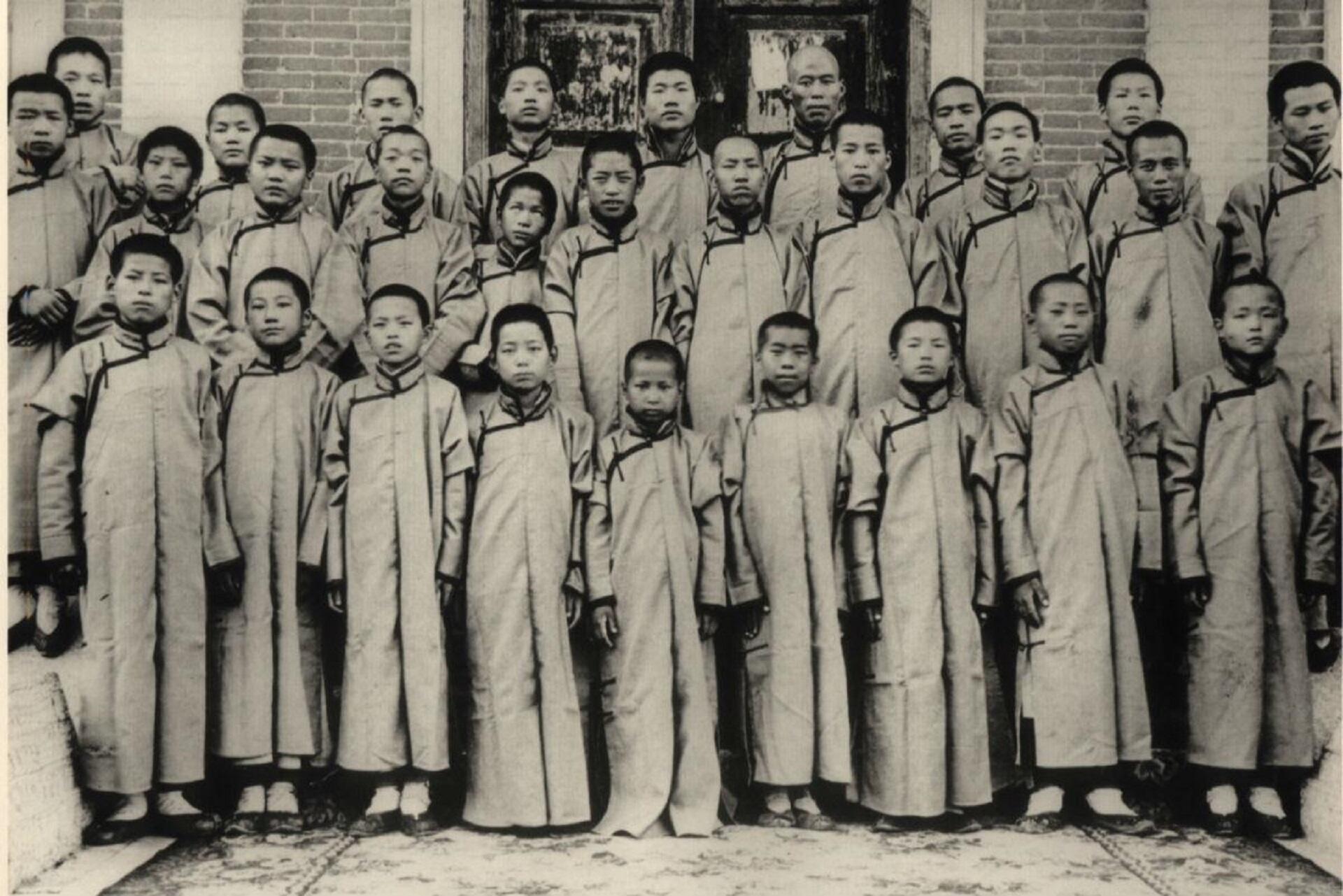
However, things then weren't like they are today; the rulers lacked instant headlines and immediate enforcement capabilities.
It was easy to enforce rules in institutions like schools and offices. But it took years for people in the far reaches of the land to get word of the new rules, and even longer for them to comply.
Ultimately, though, most people adopted the new look mainly because that clothing style was practical. Manchu style meant no more foot binding, no more flowing robes, and far fewer accessories. Not to say that those aspects disappeared altogether, particularly not the binding of feet.
Manchu women wore 'changpao' - literally 'long gown'.
The Han Chinese called the Manchu people Qi.
'Qipao' translates to 'Qi gown', or 'Manchu gown'.
Qipao Early Influences
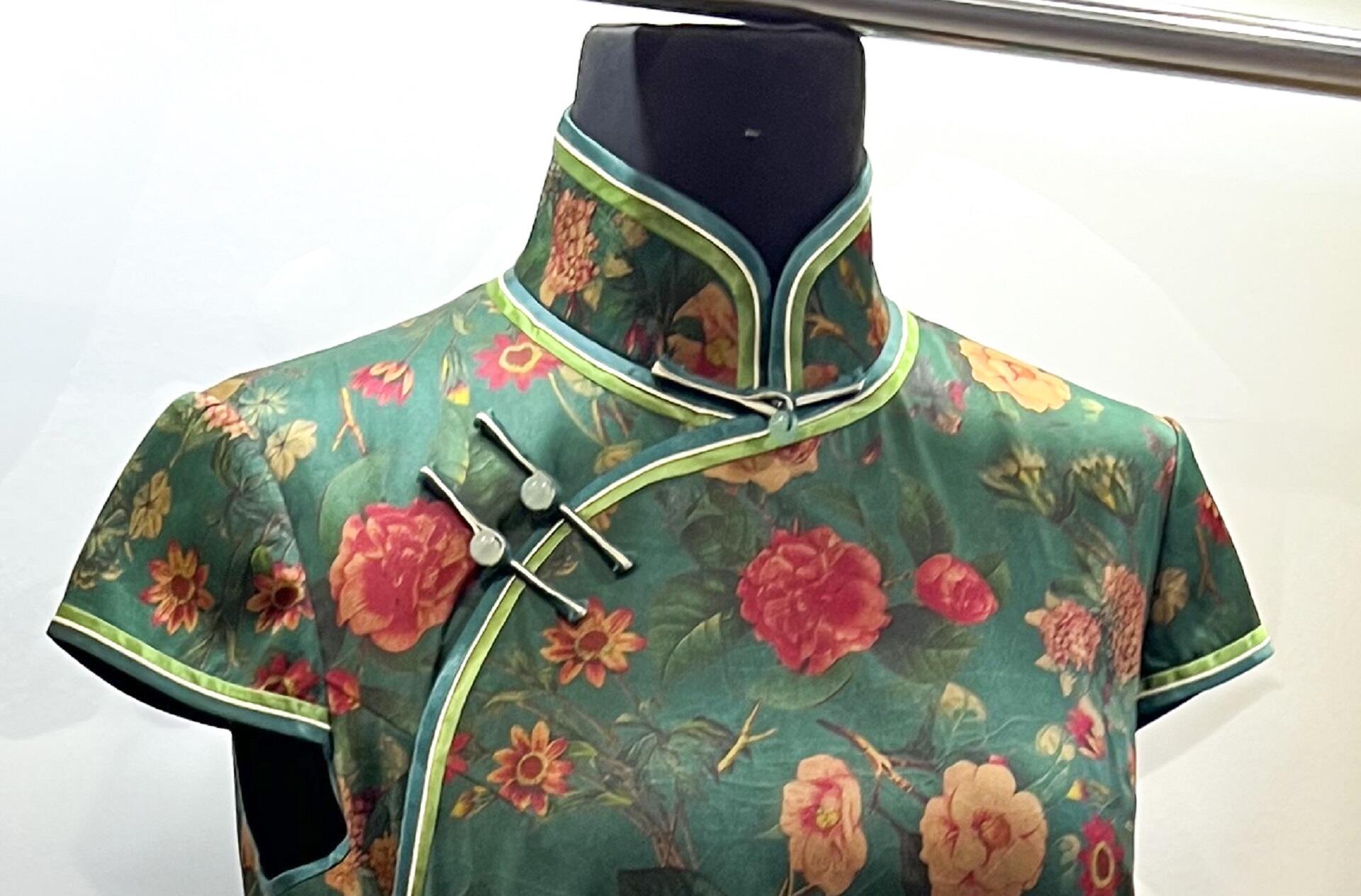
Manchu-style clothing featured a short raised collar split in the front. The garment opened off-centre and fastened diagonally from the neck to just under the right arm and down the right side. Fasteners were typically rope buttons.
Sleeves were usually elbow-length, though they could vary, depending on the wearer's status and the type of work they did. The outer robes were usually knee-length and split on four sides to make horse riding more convenient.
Unlike traditional Chinese clothing, Manchu wear was more functional and form-fitting, with more defined lines.
All of these aspects impacted future qipao designs. But these elegant, stylish garments had other influences that helped decide their look, feel, and wear.
Qipao Changes in the 20th Century
Chinese women abandoned the cheongsam dress after the 1911 Rebellion, which brought about the founding of the Republic of China. During that time, the qipao was repurposed as a school uniform for Shanghai girls. Thus, it became a symbol of enlightened, educated females.
The country's evolution to the People's Republic of China (1949) rejected the qipao as a bourgeois symbol.
It was only after China implemented its Reform and Opening Policy (1980s) that the cheongsam dress regained favour.
The Qipao's Design and Features
The cheongsam dress isn't a single style with more or less decoration. It offers fashionistas three distinct designs to choose from.
Beijing style
- more conservative
- keeps traditional lines
- brighter colours
- more elaborate decorations
Hong Kong style
- shorter sleeves
- simpler decorations
- more European influence
Shanghai style
- progressive design
- more western elements
- modern designs and colours
- typically shorter
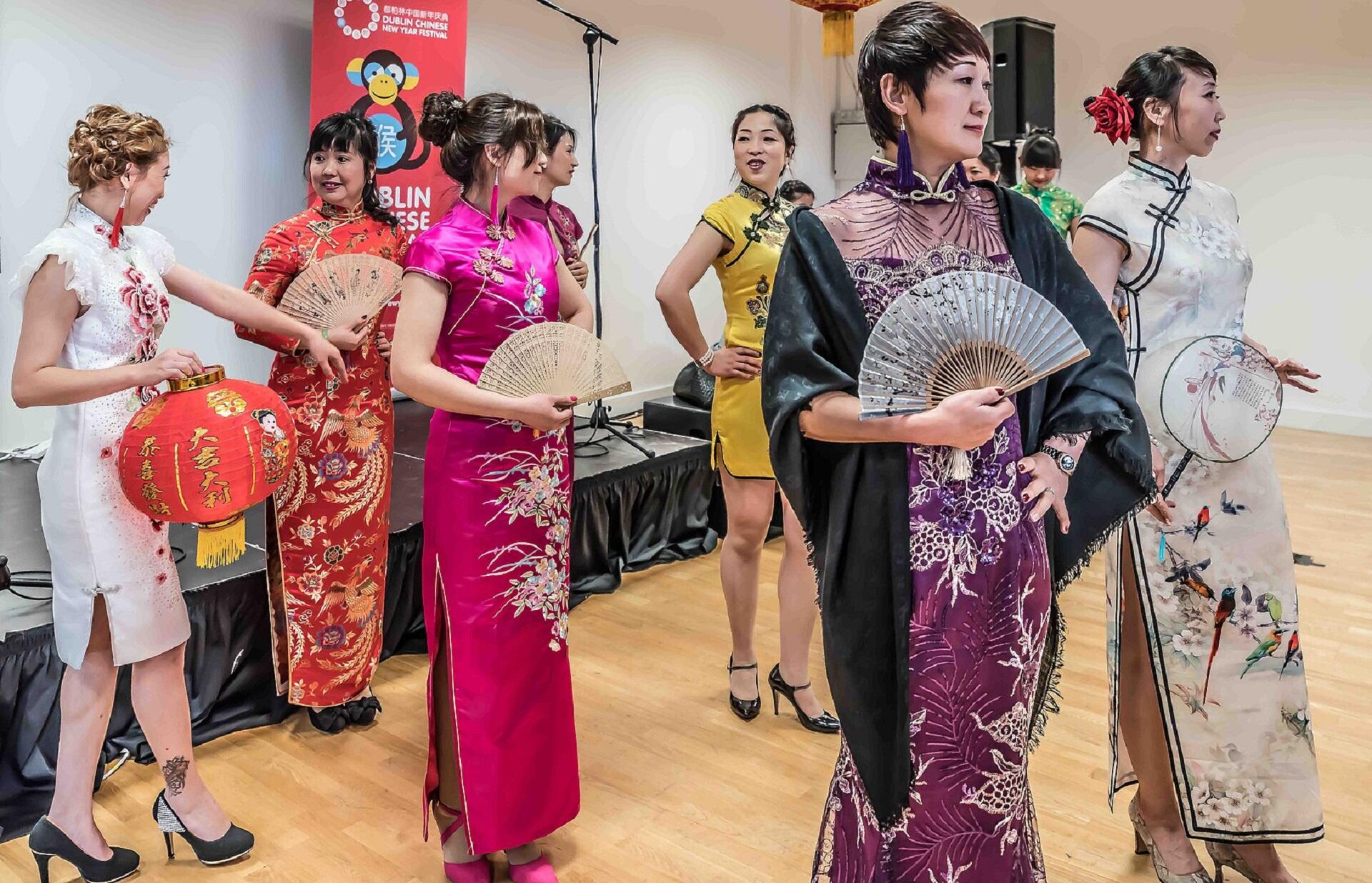
Those distinctions aside, we can make a few general points about Hong Kong traditional clothing - another name for qipao.
A final word about qipao styles. Americans were busy living it up in Shanghai during the 1920s. Their presence and cultural influence led to more daring dress designs.
By contrast, the British had a firm hold on Hong Kong. Their more austere sensibilities made Hong Kong traditional clothing more muted and sensible.
Which Fabrics Are Best for Qipao?
As elegant as silk qipao look and feel, a fully silk dress would be uncomfortable to wear. Silk is a strong material with little give, so the garment would have to be loose enough to move and sit in. That would defeat its form-fitting purpose.
Furthermore, silk is hard to care for and not suitable for everyday wear. At least, not for today's active woman. Try these materials to make your first cheongsam dress, instead.
| 👚Fabric type | 👍Pros | 👎Cons | 🥇Best for |
|---|---|---|---|
| Brocade | sturdy, colourful, wears well | still a bit stiff | autumn and winter wear. |
| Lace | soft, airy, light, uber-feminine | fragile, transparent, hard to work with. | summer wear |
| Cotton | durable, breathable, affordable | wrinkles easily, risk of shrinking | everyday wear and special events |
| Tulle | gauzy, flowing, great with embroidery | stiff, not exactly comfortable, requires a lining | the ethereal look! |
| Velvet | light but voluminous, drapes well | a dust magnet and hard to clean | winter wear |
| Blended fabrics Wool - silk blend | elegant yet durable, soft texture, easy to work with | needs prep work and dry cleaning | autumn and winter wear |
That's not to say that nobody wears pure silk qipao, of course! Only that most reserve their finest dresses for big celebrations, like weddings or formal occasions.
Changshan: The Men's Qipao Equivalent
In general and across cultures, women's fashion is more diverse than men's. Women have more choice of colours, adornments, accessories, and excesses. Such include flowing panels, lengths, and decorative options.
That doesn't mean that men are completely out of the fashion loop, though. Granted, today's business suits don't give men much room to express themselves. The Changshan, on the other hand, is full of possibilities!
This garment has a more direct connection with Qing Dynasty clothing. It traces its design lines from that era's qí zhuāng (旗裝 - lit. banner dress). But that's not the whole story.
Recall that Manchu rulers decreed that everyone must stop wearing hanfu. Han people weren't all happy about that, so they engaged in what we might call today malicious compliance.
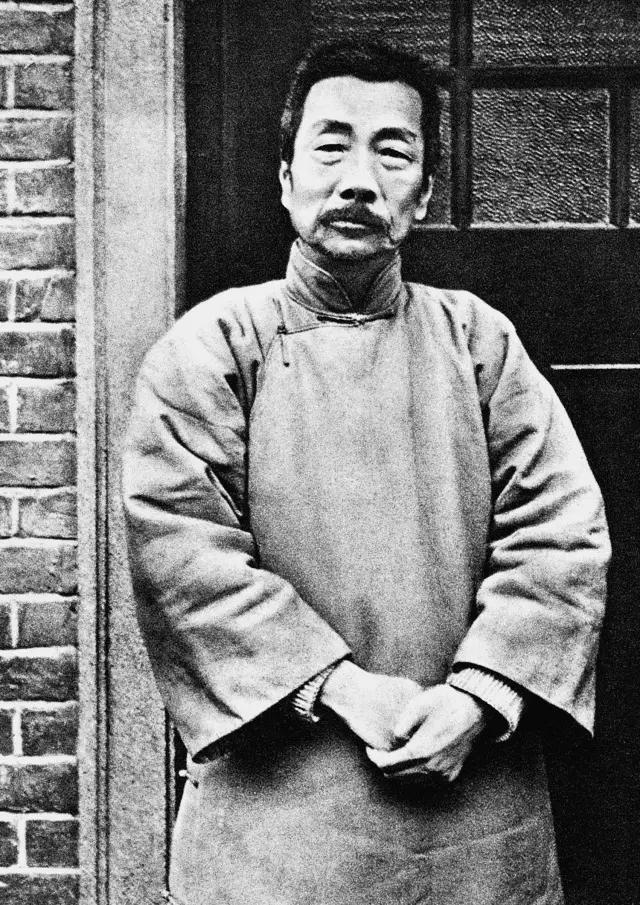
They followed the basic Manfu clothing silhouette but kept distinctly Han elements:
Manfu's neitao
- long robe
- slanted collar
- right-side close
- typically belted at the waist
- cuffed sleeves ending at the wrist
- four slits: sides and front/back
Han changshan
- long robe
- slanted collar
- right-side close
- no belt
- wide, uncuffed sleeves to cover the hand
- 2 slits on the side only
The result is the distinguished robe we know today as changshan. Academics, civil servants, and businessmen made this their signature look until 1911. That year, men abandoned their fashion garb for the more regimented, practical Zhongshan suit.
Does the Changshan Matter Today?
Fashion typically focuses on women's styles, but men's fashion is a growing industry. In fact, Chinese men are driving the push to return to Chinese traditional dress styles, particularly the millennia-old hanfu style.
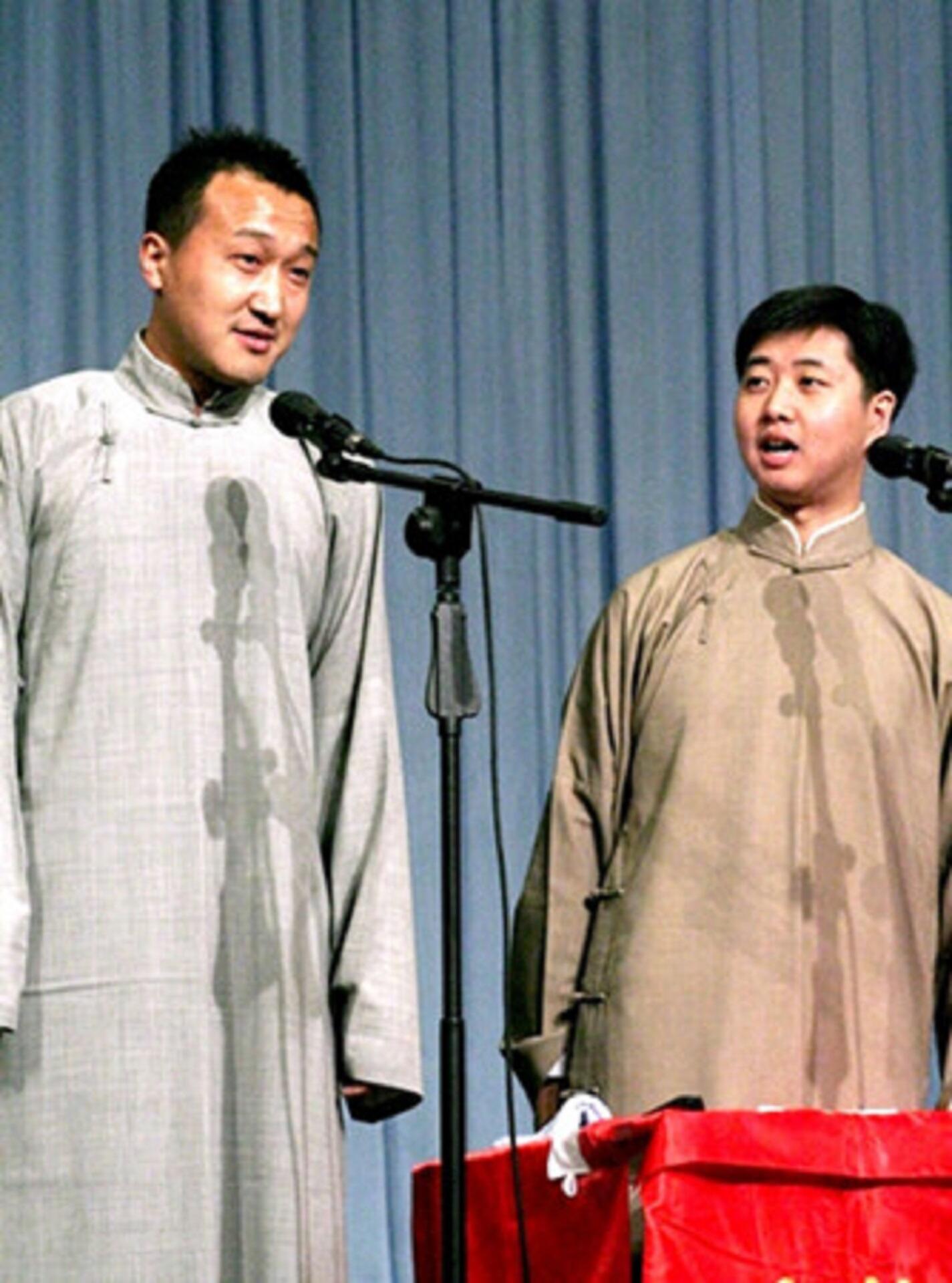
Furthermore, thanks to popular games like Genshin Impact, more people are gaining access to historical Chinese clothing styles. Also, thanks to skateboarder Ah Kang and others like him on social media, people are developing a true craving for these elegant, flowing garments (see clip below).
Along the Chinese traditional dress array, the qipao and changshan hold great significance.
Firstly, because of their history; secondly, because they create a slimmer, more distinguished profile.
Finally, because they don't have many flowing parts that might hamper or restrict ordinary movement and activity.
That makes wearing changshan and cheongsam comfortable and convenient for both sexes. As one of the most practical and accessible types of Chinese traditional dress, more Westerners are embracing this style.
From that perspective, the changshan matters a great deal, both in promoting Chinese culture and attracting more men to Chinese fashion.
Qipao: Fashionable Around the World
Today, people around the world are privileged to enjoy cultural exchange programs like the Confucius Institute and spectacles at sporting events and the Lunar New Year.
mt And then, there's social media, games, and films. All this allows more people than ever to discover Chinese traditional dress styles. The trick isn't just wearing it well, though. It's also knowing when wearing it makes the statement you want to make.
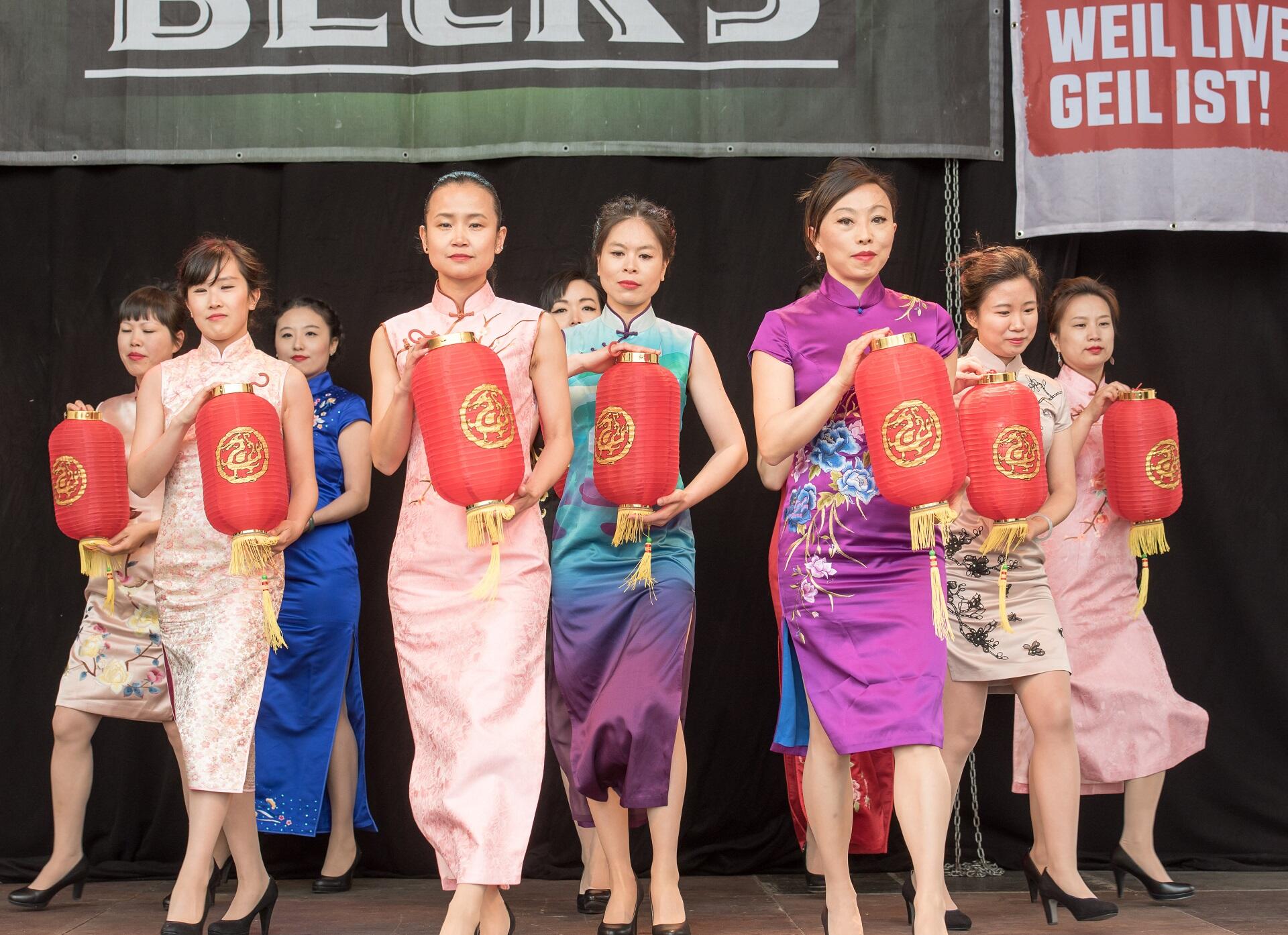
When to Wear a Qipao or Changshan
Once again, we find fashion standards unfair to men. Women may wear their qipao to their office, to the supermarket, or out for holiday shopping. Poor men! Just let one ditch his suit and tie in favour of a changshan for his next business meeting!
Unless he's meeting with Chinese clients, in which case wearing a changshan might be welcome. That disparity aside, fashion-conscious individuals generally have a good sense of when they can dress outside their cultural norms.
So, we leave you with a list of occasions you might not have thought wearing a qipao or changshan to would be appropriate.
- Special occasions: weddings, baptisms, birthdays and so on.
- A night out: at the theatre, a concert, or a fine restaurant.
- Cultural events: art expositions, outreach, political events
- Formal occasions: award ceremonies, graduations, retirement parties, etc.
- Chinese celebrations: Lunar New Year, Lantern Festival, Dragon Boat Festival and others.
While you ponder which events to wear your cheongsam/changshan to, remember 11 November. That's Single's Day in China, a fine time to look your best so you won't have to spend the next November 11th bemoaning your 'single' status. For this mission, wearing your ultra-comfortable tang suit simply won't do.
Summarise with AI:
Did you like this article? Leave a rating!

 Loading...