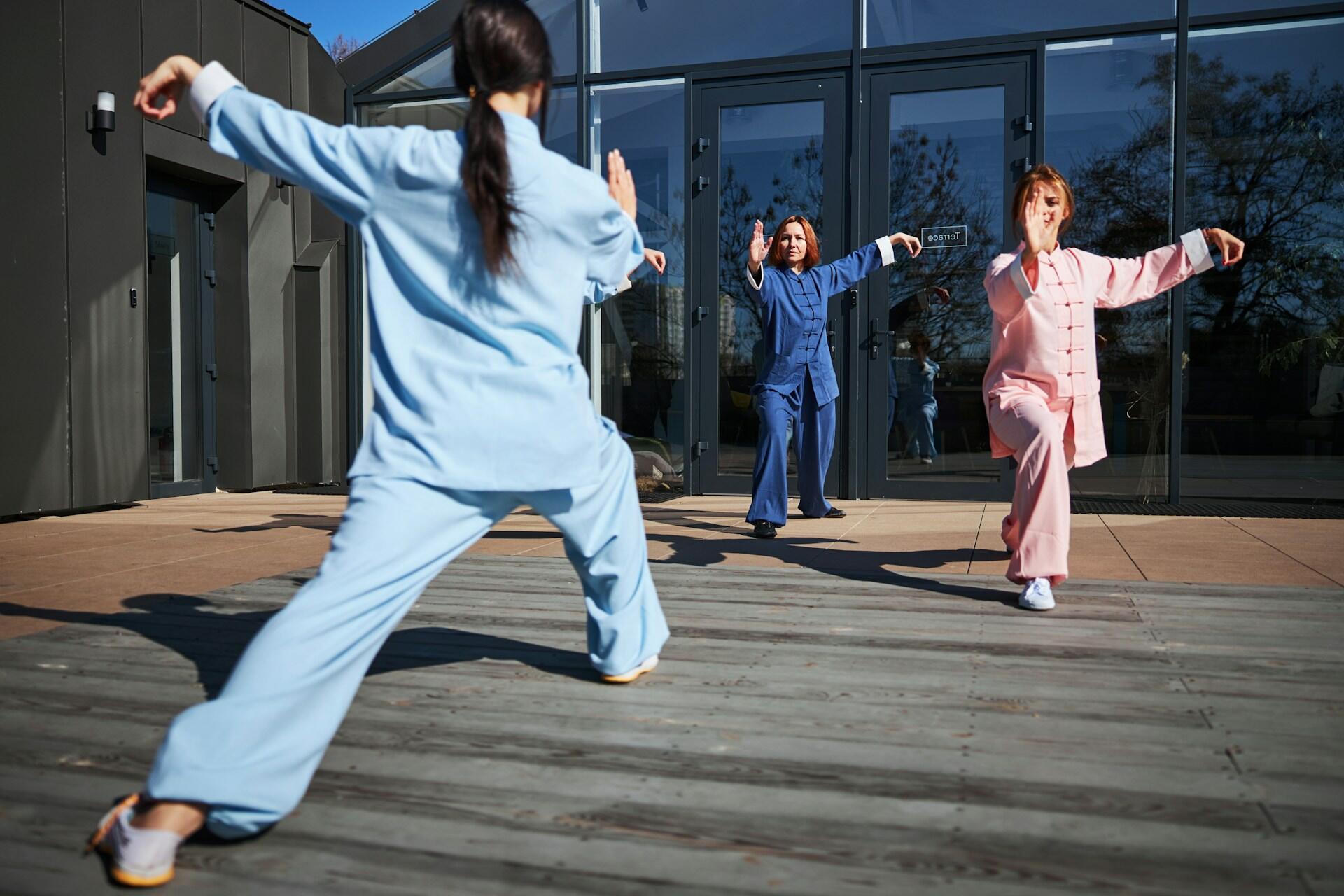

The iconic tang suit jacket has made appearances on Hollywood's red carpet, on our tellies, and in politics. Isn't it remarkable, then, that we know so little about it? This article sets the record straight on this garment's history, style, and importance in Chinese culture.
Tang Suit Jacket Key Information
- It is not called 'tang' because it originated in the Tang Dynasty.
- Its unique features set the tang suit apart from other Chinese styles of clothing.
- The tangzhuang made a splash on the world stage at the 2001 APEC summit.
- Today, men and women show off their fashion sense with their modernised tang suit jacket.


The Origins of the Tang Suit
Before we begin exploring the tang suit's history and wearability, we must explain this garment's name.
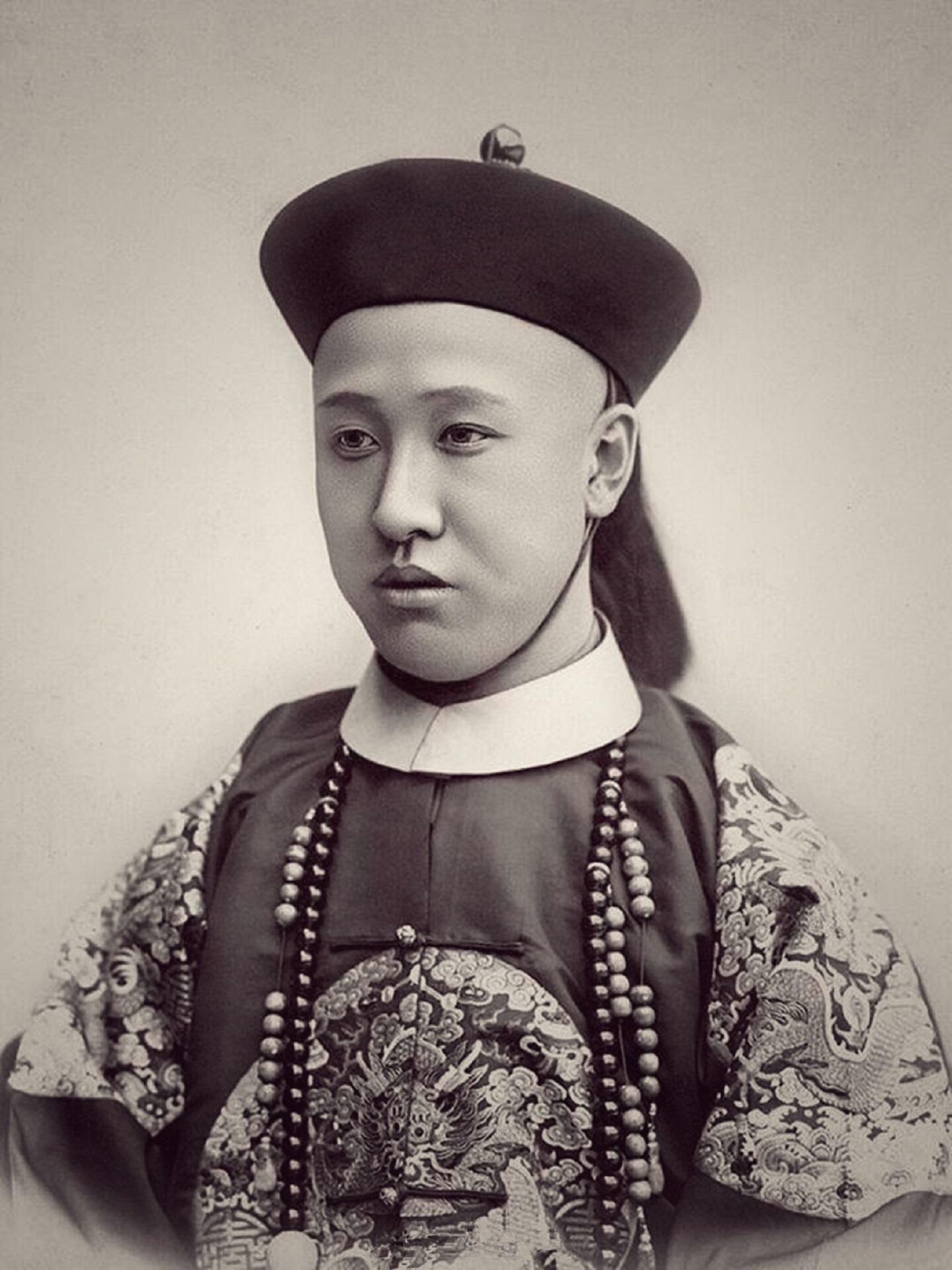
Many people assume it must be a representation of clothing from the Tang Dynasty (618-907 of the Current Era - CE). That's a logical conclusion, but incorrect. This clothing design emerged during the Qing Dynasty (1644-1912 CE), making this traditional style much younger than one might assume.
So why do we call it a tang suit, then? The Tang Dynasty had an enormous impact on civilisation, particularly abroad. Soon, everything Chinese came to be known as 'tang': neighbourhoods, people, food, and industries. By extension, the clothing the Chinese people wore became known as tang suits.
With that confusion cleared up, we can talk about how this distinctive garment came to be, who influenced its style, and how it has changed over time. To start properly, we have to learn three words:
Lifu (礼服)
- ceremonial dress
- typically very ornate
- mainly upper classes wore it
Xingfu (行服)
- lit. 'walking' clothes
- business attire
- general word for clothing
Changfu (常服)
everyday clothing
Xingfu was, by far, the broadest collection of clothing. On the Mongolian steppes, that's the garb that the horsemen wore. Those Manchu hunters wore xingfu while engaged in their everyday riding work.
Guan: a crown-type hat
Pao: a long, split robe
Gua: the jacket that inspired the tangzhuang
Shang: lower garment half (breeches)
As a result of horsemen wearing this outfit, the jacket came to be called magua (马褂 - horse coat). So functional and practical was this dress style that it became standard military garb, as well as the bureaucrat's 'uniform'.
Over time, the magua saw a few style revisions: varying sleeve lengths, fur-lined or unlined, and flared or narrow sleeves. Of all the clothing styles of traditional China, the tang suit may be the best known. And, perhaps, the most versatile. In this 1930s film reel, you can see people wearing theirs to a wedding.
The Tangzhuang Gains Global Recognition
For the most part, the tangzhuang remained a uniquely Chinese look. If and when westerners enjoyed the comfort and elegance of Chinese silk clothing, it was typically only for niche activities. Perhaps a tai chi class or a special occasion.
The 2001 Asia-Pacific Economic Cooperation (APEC) summit put traditional Chinese clothing on the global stage. Member country leaders met in Shanghai that year to discuss the financial crises of the day. Those included the Asian Financial Crisis (1997), the Russian Financial Crisis (1998), and public discontent with globalisation.
Taking group photos of members wearing the host country's traditional garb became a sign of goodwill among nations. Come China's turn to host, the tangzhuang became the article of choice.
As China now has a reputation for, the 2001 event planners laid out a lavish affair that was part work and part showmanship. At the time, China wasn't such a big deal on the world stage; it had yet to enter the World Trade Organisation (WTO). As this was China's first time hosting the gathering, striking the right tone was of critical importance.
A month before the summit, the September 11 events rocked the world. The American president Bush had been scheduled to tour Asia around that time. He put off his trip to manage the US crisis.
Instead, President Bush appeared at the 2001 APEC summit. And so, he found himself wearing a traditional tangzhuang, alongside Russian President Putin and others. Footage of world leaders wearing Chinese clothing struck just the right note, taking the tang suit jacket to centre stage.
Tang Suit Jacket Characteristics
Keep in mind that the tang suit jacket is not the same as a magua. Rather, the magua influenced the tang suit design.
Among the features carried over from their magua origins, the iconic knot buttons remain the most prominent. These are long, horizontal stretches of rope whose ends meet in the jacket's middle. One side ends in a knot and the other in a loop. Passing the knot through the loop holds the tang suit jacket closed.
Other distinctive features include:
NOTE: the garment's closing line may be offset, with a slanted top closure (xiejin - 斜襟)
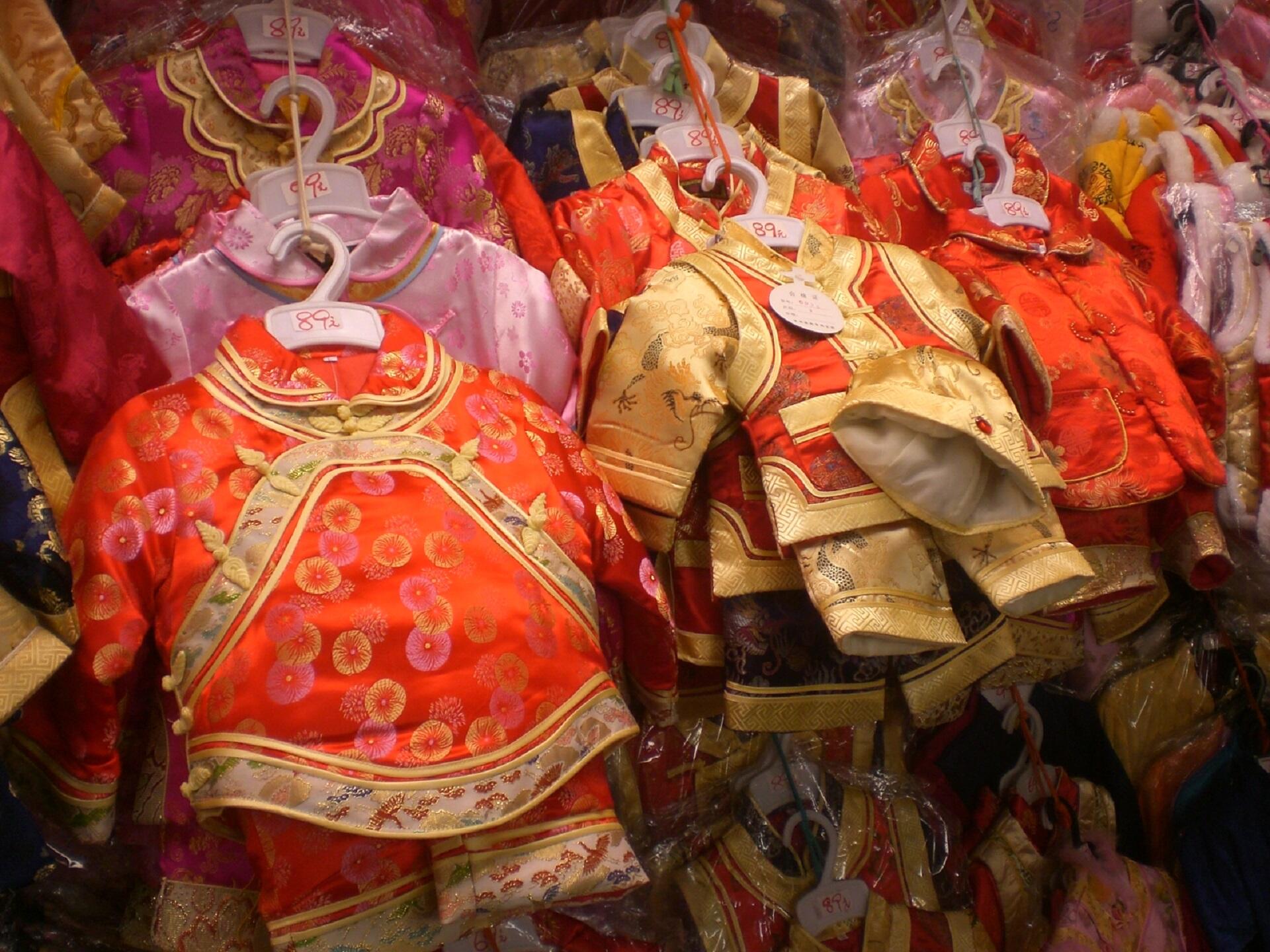
Today's tangzhuang is usually silk or brocade, though ones for sale at tourist outposts may contain synthetic fibres. They may be lined for warmth, and have varying sleeve lengths. Children's tang suits are typically gold or red, and are reserved for celebratory events.
How Does the Tang Suit Compare to the Mao Suit?
Oh, the differences between these two styles of Chinese clothing! The Mao suit's history and severe lines speak of struggle and regimentation (control). By contrast, the quiet elegance of a silk tangzhuang proclaims civility and comfort. Beyond impressions, here's how these two Chinese styles compare:
Tangzhuang
- 5 or more knot buttons
- 2 flat pockets
- wide, loose sleeves
- sleeves of varying lengths
- many different colours
- typically silk or brocade material
- formerly horseman's garb
- a symbol of Chinese history and culture
Mao suit
- five standard buttons
- 4 flat pockets; button-down flaps
- straight, narrower sleeves
- long sleeves only
- green only
- typically a cotton/polyester blend
- formerly military garb
- a symbol of Chinese unity and national pride
Tangzhuang's Cultural Significance
Since the 2001 APEC summit, the tang suit has been a symbol of Chinese tradition and culture on the world stage. However, long before then, these garments had a profound meaning in China.
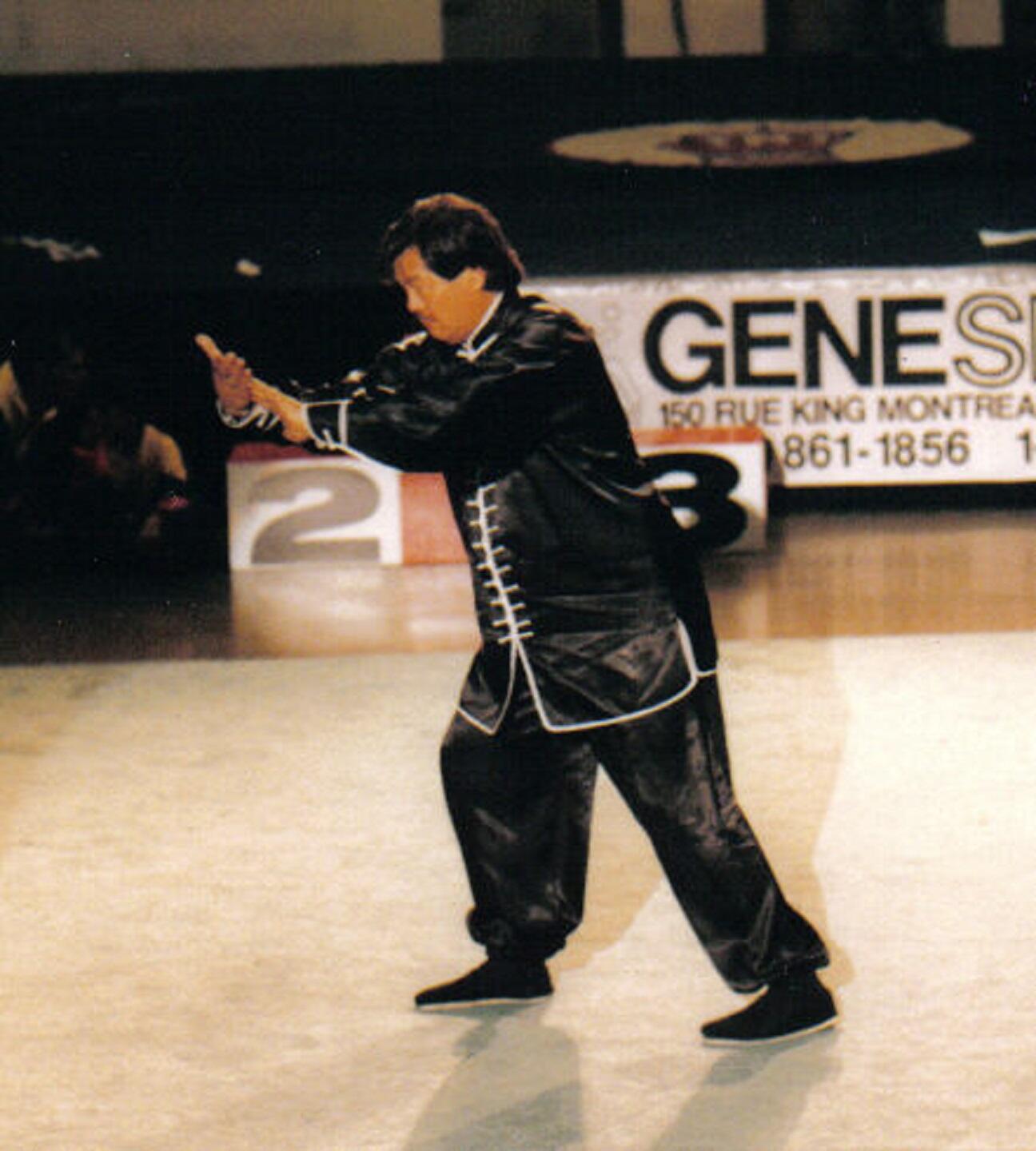
Mongolian hunters didn't just hunt. They fought for their land and people, so the magua was also a military uniform of sorts. The tangzhuang honours this history with its clean lines, rope buttons, and generous dimensions to afford unrestricted movement.
At some point, tai chi martial arts masters adopted the tang suit as its standard 'uniform'. This centuries-old discipline is as emblematic of Chinese culture as the tangzhuang itself.
Though famous practitioners are few in western countries, across China, this discipline has many masters.
When to Wear a Tangzhuang
Typically, Chinese men wear their tang suits for celebrations. Such include weddings, ringing in the New Year, and marking their babies' first 100 days on Earth, called bǎi rì yàn (百日宴). This important cultural milestone recalls the times of high infant mortality in China, and gives thanks that those days are far behind.
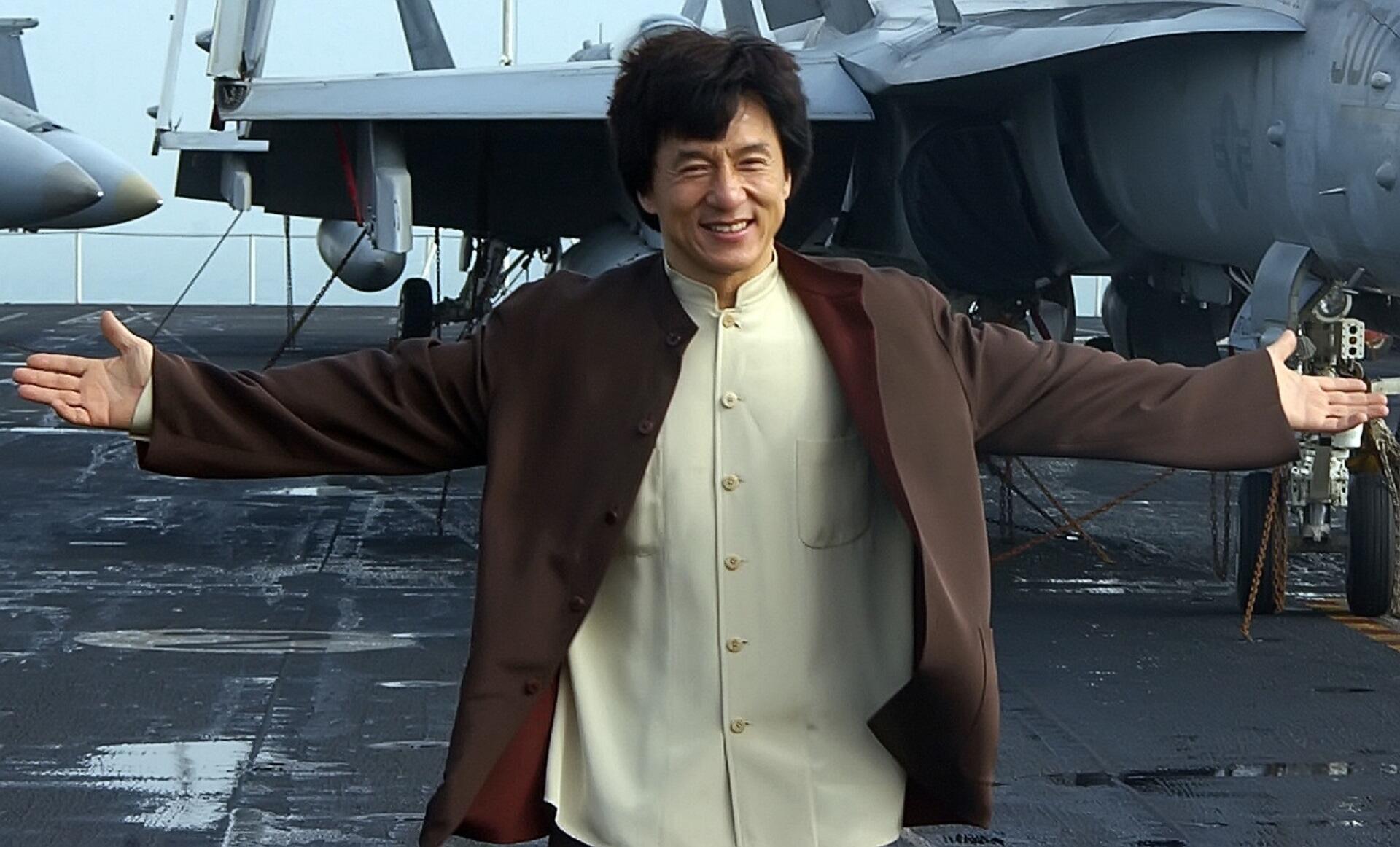
Formal occasions are another good reason to reach for your tang suit. The APEC summit opened that floodgate but, today, we see Chinese film and singing stars wearing tangzhuang at press conferences. Jackie Chan is one high-profile individual who attends award ceremonies in creamy silk garments. He also travels in one, ever mindful that he is representing his country everywhere he goes.
Can Women Wear a Tang Suit?
From a historical perspective, even asking this question would earn you funny looks. Women had their own clothing styles; the elegant, form-fitting qipao was chief among them.
The Manchu people also gave Chinese fashion the qipao, then known as qizhuang.
Today's women are free to wear tang suits, either along traditional lines or today's more jazzed-up versions. Updates to the tang suit jacket include faux fur lining, flared sleeves, and appliqué, and they often feature knot buttons and large pockets.
The Tang Suit vs. Hanfu: Key Differences
Hanfu (汉服) — literally 'Han people's clothing' is much older than the tang suit. Around 2 500 years older, to be exact. Unlike the misleadingly named tang suit, which did not originate in the same-name dynasty, hanfu rightfully gets its name from the Han Dynasty (206 BCE - 220 CE).
That's the first point of comparison. You have quite a few more to consider.
Tangzhuang
- a top-and-bottoms outfit
- a few layers
- no belt
- symmetrical front panels
- limited or short sleeves
- made of brocade or silk
- muted embroidery, typically auspicious signs
Hanfu
- flowing robes
- many layers
- the outer garment is belted
- front panels overlap
- wide, flowing sleeves
- made of linen, cotton, or silk
- vivid decorations, typically nature motifs
Our companion article describes the hanfu, its history, and relevance in today's Chinese culture. For this page's purposes, it's enough to compare these two styles of dress so you can see the dramatic changes in traditional Chinese clothing throughout history.
Summarise with AI:
Did you like this article? Leave a rating!

 Loading...