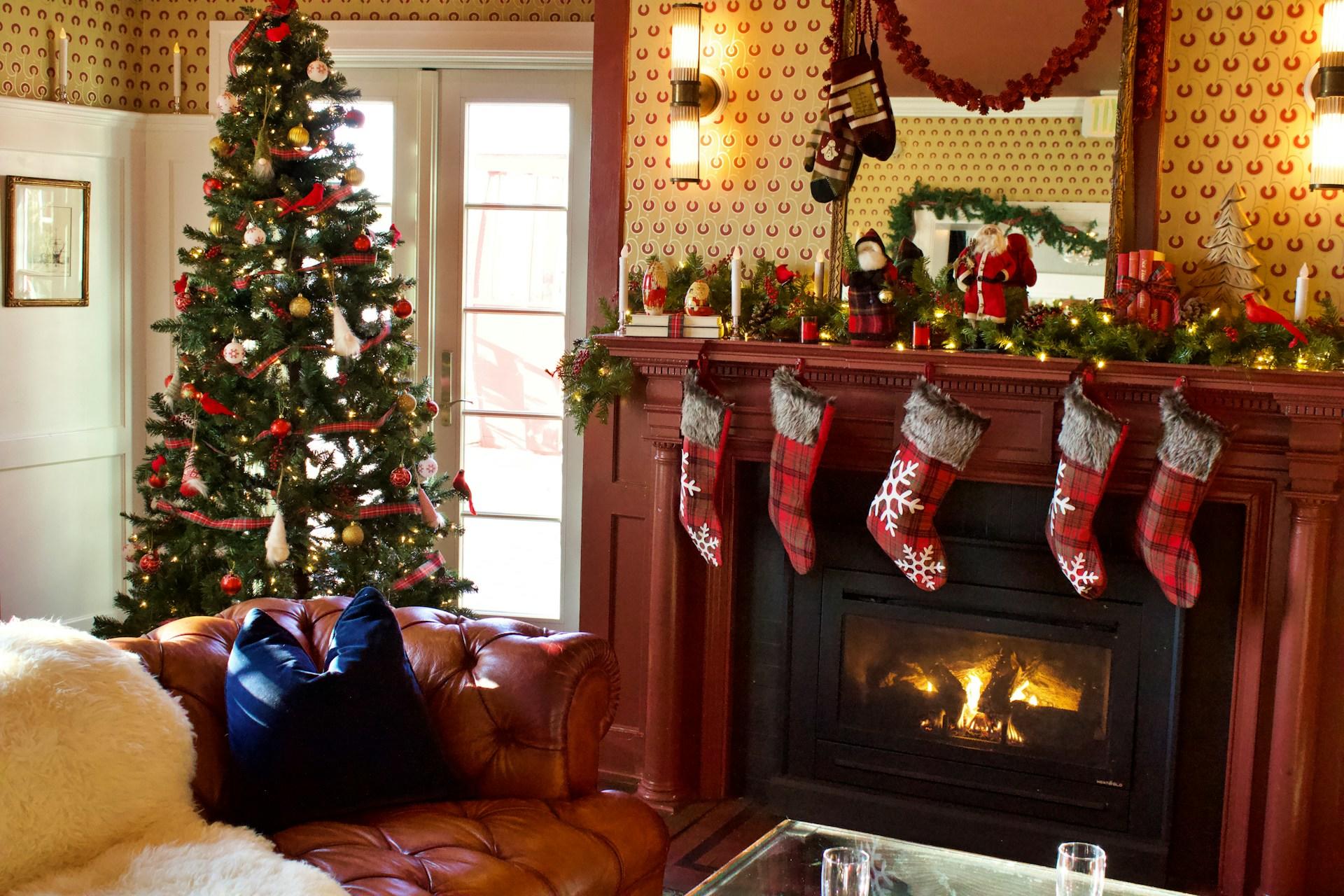

There is no doubt that Christmas is one of the most important and significant celebrations in the calendar of many cultures around the world. Its importance even transcends religion: we can say that these celebrations even encompass universal values such as solidarity and union.
And if Christmas in Australia is known for being sunny and magical, Christmas celebrations around the world are very different. Many of them are equally rich and diverse, reflecting the cultural and religious traditions of each region. In this quiz, we will test your knowledge of some of the most peculiar ways to celebrate this date in different countries. Let's go!
Quiz
Quiz :


Christmas in Australia
Christmas in Australia is a celebration marked by summer sunshine and outdoor festivities. With temperatures soaring, many Australians trade in the traditional snow-covered imagery for beach outings, barbecues, and seafood feasts. While Christmas trees and decorations are still common, it’s not unusual to see Santa Claus sporting sunglasses or a surfboard. Christmas lunch often features prawns, turkey, and ham, served alongside cold salads and fresh fruit, making it a relaxed, outdoor affair.

Gift-giving takes place on the morning of December 25th, with families exchanging presents and many participating in Secret Santa exchanges. Carols by Candlelight is a popular event in many cities, where people gather in parks to sing festive songs under the stars. Christmas parades, local markets, and community events also bring people together, adding to the celebratory atmosphere.
Though the weather may be warm, the spirit of generosity remains central to Australian Christmas celebrations. Many communities host charity drives to help those in need, ensuring the holiday season is as much about giving as it is about receiving.
The Origin of Christmas
The history of Christmas has deep roots, ranging from pagan traditions to its consolidation as the celebration of the birth of Jesus Christ in Christianity. Before Christmas was associated with Christianity, winter solstice celebrations were already held by different people:
A festival in honour of Saturn, the god of agriculture, celebrated from December 17th to 23rd. It was a period of exchanging gifts, banquets and suspending social hierarchies.
The Germanic peoples celebrated the return of light after the winter solstice with bonfires, dances and banquets. Some elements of this tradition, such as the decorated tree, have influenced modern Christmas.
These festivals had in common the celebration of renewal and hope, themes that were later connected to the birth of Jesus.
The Birth of Jesus
Although Christianity has adopted Christmas as the celebration of the birth of Jesus Christ, the Bible does not specify a date for this event.
Scholars believe that Jesus was probably born in spring or autumn. In the fourth century, the Catholic Church chose December 25th to celebrate the birth of Christ, coincidentally at the same time as pagan festivities. This facilitated the conversion of pagan peoples to Christianity, mixing traditions.
In the year 336, Christmas was officially celebrated in Rome for the first time, marking the beginning of its adoption as a Christian holiday. In the 9th century, the Pope introduced Midnight Mass, held at midnight on December 24, as a solemn celebration of the birth of Jesus. Nativity scenes, popularized by Saint Francis of Assisi in the 13th century, helped make Christmas more accessible to ordinary people, representing the scene of Jesus' birth in a visual and symbolic way.

Over time, Christmas incorporated elements from various cultures. The Christmas Tree originates from the Baltic countries and Germany, and its popularization took place in the 16th century, when Martin Luther decorated a tree with candles to symbolize the stars in the sky on the night of Christ's birth. Santa Claus was inspired by Saint Nicholas, a 4th century bishop known for his generosity, especially towards children. In the 19th century, the figure gained its current appearance (red clothes and white beard), thanks to literature and advertising, especially in the United States.
Expansion and Popularization
During the Middle Ages, Christmas spread across Europe and was celebrated with plays, music and parties. In the 19th century, Christmas gained strength as a family celebration and less focused on large public festivals. This was thanks to Charles Dickens' work, A Christmas Carol (1843), which popularized Christmas as a time of charity, love and family unity.
In the 20th century, Christmas became more commercialized, especially due to the exchange of gifts and the appearance of Santa Claus. As you saw in this quiz, Christmas is currently celebrated in different ways around the world, combining religious, cultural and commercial traditions. Today, Christmas represents more than a religious event: it symbolizes hope, love, unity and generosity. Happy holidays!
Summarise with AI:
Did you like this article? Leave a rating!


 Loading...