
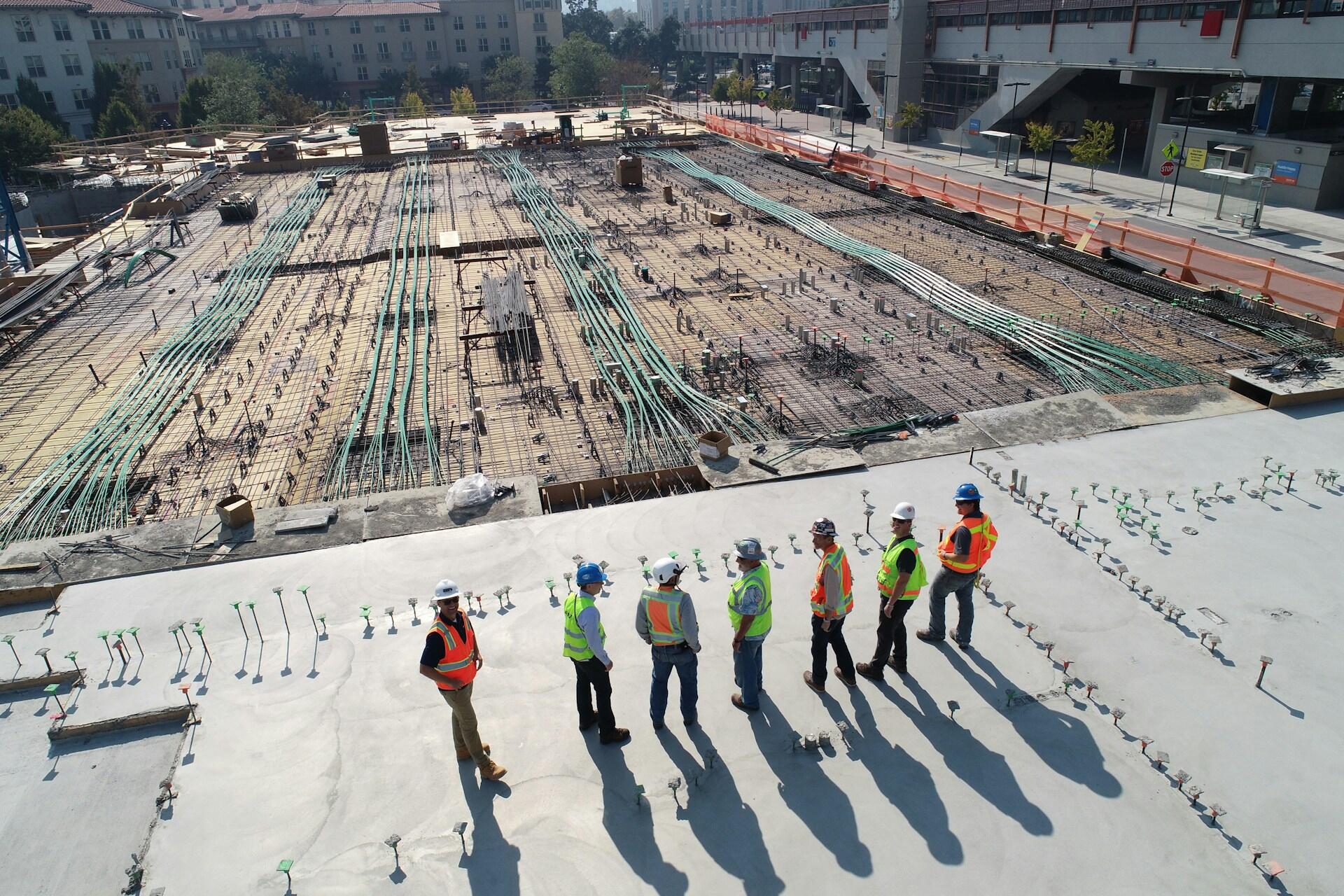

Civil engineering focuses on designing, constructing, and maintaining the infrastructure we need for modern living. From transport networks and water systems to public buildings and urban environments, civil engineers impact almost every part of our lives. Here are the roles that civil engineers play in planning and improving the built environment.


What is Civil Engineering?
Civil engineering is the branch of engineering that focuses on designing, constructing, and maintaining built environment¹. This involves applying principles from mathematics, physics, and materials science. Civil engineers work with structures and systems like roads, bridges, water supply networks, buildings, airports, coastal defences, and waste management facilities¹. Their goal is to ensure that these projects are safe, durable, sustainable, and efficient.

Civil engineering is one of the oldest branches of engineering, with examples dating back to ancient irrigation systems, Roman aqueducts, stone bridges, and monumental architecture¹. As societies expanded and industrialised, the field of civil engineering evolved into a formal profession with standards, building codes, and structured educational programs. Civil engineering advances today through new materials, digital design tools, and sustainable practices to address environmental and urban challenges.
Roles and Responsibilities of a Civil Engineer
Civil engineers are involved in planning, designing, constructing, and maintaining infrastructure projects². Their work will include technical analysis, project coordination, regulatory compliance, and ongoing evaluation to make sure everything is safe, efficient, and sustainable. While civil engineers can have a range of roles, here are some key aspects of their work.
Civil engineers plan, design, and oversee the construction of infrastructure projects that support daily life. They work across concept development, technical analysis, and site coordination, ensuring each project meets safety, regulatory, and environmental standards. Their role continues beyond construction through ongoing inspection and maintenance to ensure long-term performance and resilience.
Design and Planning
Whether you're a chemical engineer or a civil engineer, projects typically begin with engineers assessing project requirements, environmental conditions, and structural constraints. At this stage, they develop preliminary concepts, perform technical analyses, and produce detailed plans and specifications. This is the stage where they select appropriate materials, evaluate load capacities, and ensure that designs comply with the relevant codes and standards.

Construction Management
When construction begins, civil engineers oversee the on-site implementation of plans. They have to coordinate with contractors, surveyors, architects, and government authorities to monitor progress, manage timelines, and resolve technical issues. Their goal is to ensure that work meets design requirements and safety regulations. Civil engineers will verify the quality and accuracy of construction activities.
Maintenance and Inspection
A civil engineer's job isn't done once something is built. They're actually responsible for the long-term performance of the infrastructure. They have to conduct inspections, assess structural integrity, and identify areas that require repairs or upgrades. Thanks to regular maintenance and monitoring, the lifespan of infrastructure can be extended, preventing costly failures or safety hazards.
per year².
Specialisations Within Civil Engineering
There are many specialisation areas for civil engineers. Each specialisation generally focuses on a specific kind of project or technical challenge. Some of the most common specialisations include:

Civil engineering includes a wide range of specialised fields. Structural engineers focus on buildings and bridges, while geotechnical engineers analyse soil and ground conditions to support stable foundations. Environmental engineers work on water treatment and waste management systems, while transport engineers plan road networks and public transit systems. Coastal engineers design harbours and shoreline protection to manage marine environments.
Is Civil Engineering in Demand in Australia?
In Australia, civil engineering is a strong and stable profession³. Thanks to ongoing investment in public infrastructure, transport networks, water systems, and urban development, civil engineers shouldn't have too much problem finding work. Cities are expanding, and many essential assets are aging, creating a consistent need for professionals who know how to design, manage, and maintain them.
With large-scale national and state infrastructure programmes like road and rail upgrades, renewable energy projects, and climate resilience initiatives, demand for civil engineers looks strong for the foreseeable future³. Programmes are creating ongoing opportunities across the public sector and in private engineering firms.
Civil engineering roles aren't just for new developments and projects, either⁴. With many parts of Australia needing infrastructure updated to meet safety, environmental, and population needs, there are likely roles even in areas where it doesn't look like many new projects are underway.
The growth of civil engineering is typically linked to infrastructure budgets, regional development priorities, and environmental planning requirements. Still, employment opportunities are expected to remain steady. Luckily, the profession is generally relevant across diverse industries and regions, making it relatively resilient to change.
How to Become a Civil Engineer in Australia
To become a civil engineer, mechanical engineer, chemical engineer, or almost any other type of engineer in Australia, you'll need to complete the appropriate tertiary education, gain industry experience, and meet professional accreditation standards. Graduates typically have a range of technical expertise and practical skills. Since civil engineers often work on significant public and private developments, there are also professional training options available, which ensure they operate responsibly and in accordance with regulations.
Educational Pathways
Students typically complete a Bachelor of Engineering (Honours) with a major in civil engineering¹. This degree will give them the foundational knowledge they need in mathematics, physics, structural analysis, geotechnical principles, fluid mechanics, and construction materials. Programmes often include laboratory work, surveying training, and industry experience placements. While a bachelor's degree is enough for entry-level roles, there are postgraduate options to specialise further.
Professional Accreditation (Engineers Australia)
Accreditation through Engineers Australia (the national body that regulates engineering standards) is often required to practise professionally³. With an accredited degree, your qualifications will be recognised in Australia and internationally through agreements such as the Washington Accord. Civil engineers can work towards becoming a Chartered Professional Engineer, a designation respected across government, consultancy, and significant infrastructure organisations.

Skill Development and Competencies
While most professional qualifications will teach and test the necessary skills for becoming a civil engineer, there are also specific skills that specialist roles might require or that you may have to work on yourself. Generally, whether it's civil engineering, electrical engineering, or any other type of engineering, it's important to have proficiency in design software (such as CAD and modelling tools), strong analytical and mathematical reasoning, communication skills for working with clients and multidisciplinary teams, and project management capabilities. It's also essential to have a solid understanding of safety regulations and environmental standards to ensure infrastructure is being built responsibly and sustainably.
per year².
Challenges and Opportunities in Civil Engineering
Changing environmental conditions, technological developments, and evolving societal needs all make civil engineering an exciting and dynamic field. Engineers must deliver resilient, sustainable solutions as infrastructure ages and populations grow. With advancements in digital tools and construction methods, there are also opportunities for efficiency and innovation. Civil engineers will need to adapt their knowledge and skills throughout their careers.
Civil engineering plays a vital role in shaping sustainable and resilient communities. Modern projects must respond to environmental pressures, population growth, and increased infrastructure demand. Through responsible design and innovative technologies, civil engineers contribute to safer cities, cleaner water systems, more efficient transport networks, and a higher quality of life.
Technological Innovations
New technologies are changing how civil engineering projects are designed, planned, and executed³. With tools like Building Information Modelling (BIM), engineers can create detailed digital representations of structures and coordinate and solve problems before construction begins. With improvements in surveying accuracy from drone mapping and laser scanning, on-site labour can be reduced. Automation and data-driven modelling are also helping with design and asset management, enabling engineers to make informed decisions that result in better project outcomes.
Sustainability and Environmental Responsibility
Civil engineers often look to design infrastructure that meets current needs while minimising its environmental impact. This can include choosing sustainable materials, improving energy and water efficiency, and developing systems to support long-term ecological balance. Engineers also have to focus on climate resilience, ensuring structures can withstand extreme weather, sea-level rise, and other environmental factors.
References
- University of Dundee – “What is civil engineering?” https://www.dundee.ac.uk/stories/what-civil-engineering
- Jobs & Skills Australia – “Civil Engineering Professionals (2332)” https://www.jobsandskills.gov.au/data/occupation-and-industry-profiles/occupations/2332-civil-engineering-professionals
- Engineers Australia – “The Engineering Labour Market Overview (August 2024)” https://www.engineersaustralia.org.au/sites/default/files/2024-09/The-Engineering-Labour-Market-Overview-August-24.pdf
- CanApprove – “High Demand for Civil Engineers in Australia” https://canapprove.com/blog/demand-for-civil-engineers-in-australia/
Summarise with AI:
Did you like this article? Leave a rating!

 Loading...
