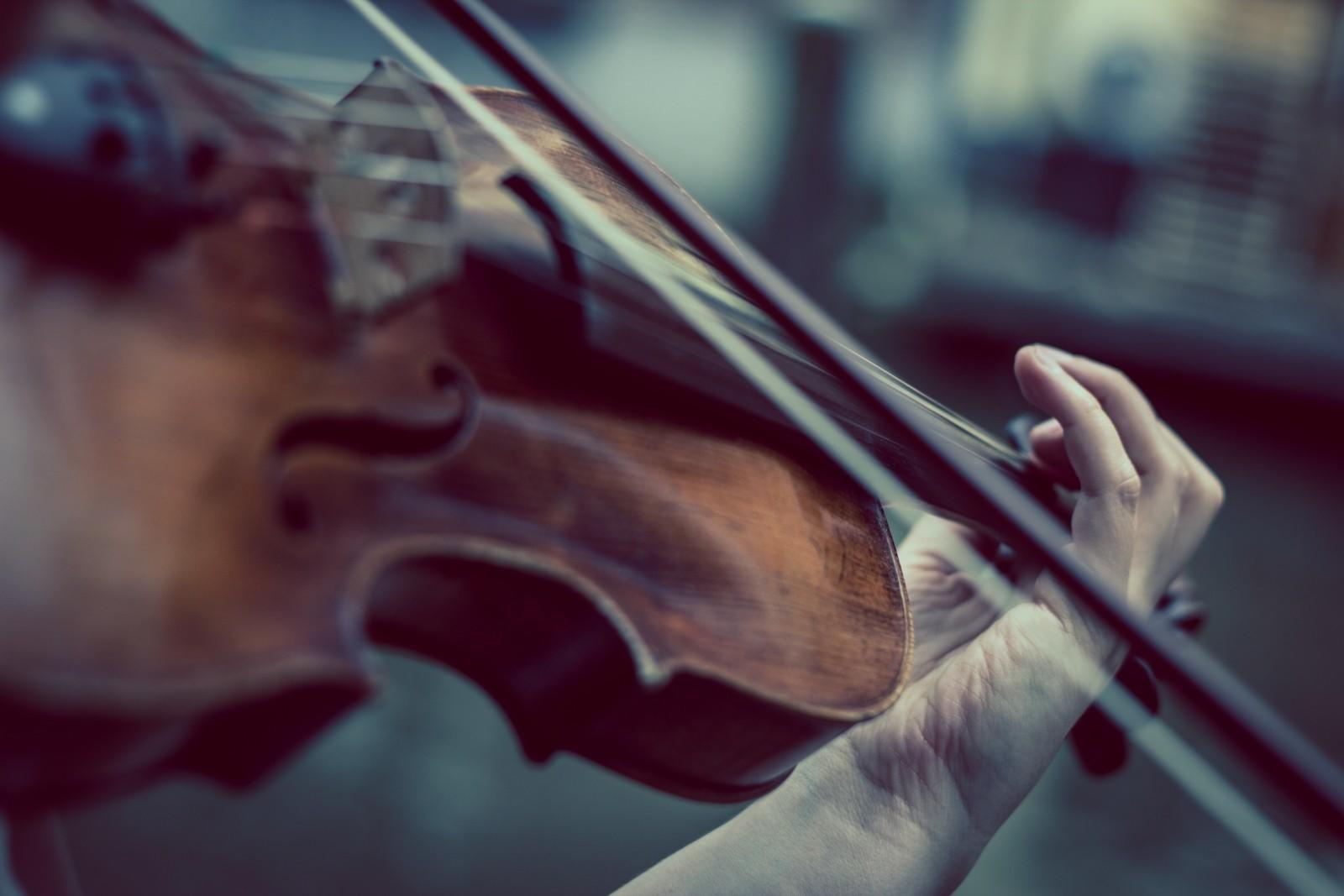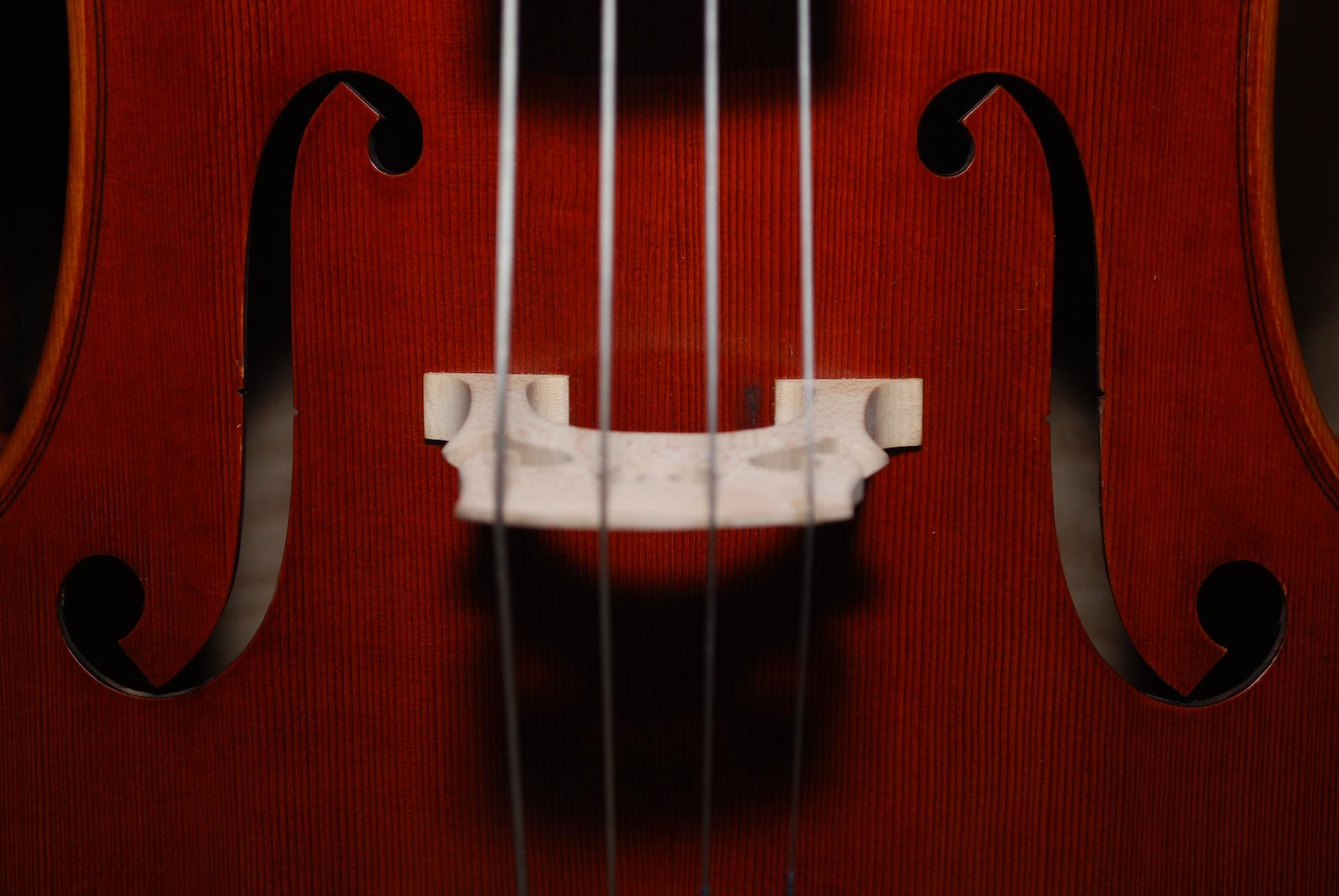

Famous for its rich and emotive sound, the violin is a staple in orchestras and solo performances alike. What many don’t realise is that it belongs to a broader violin family, alongside the viola, cello, and double bass.
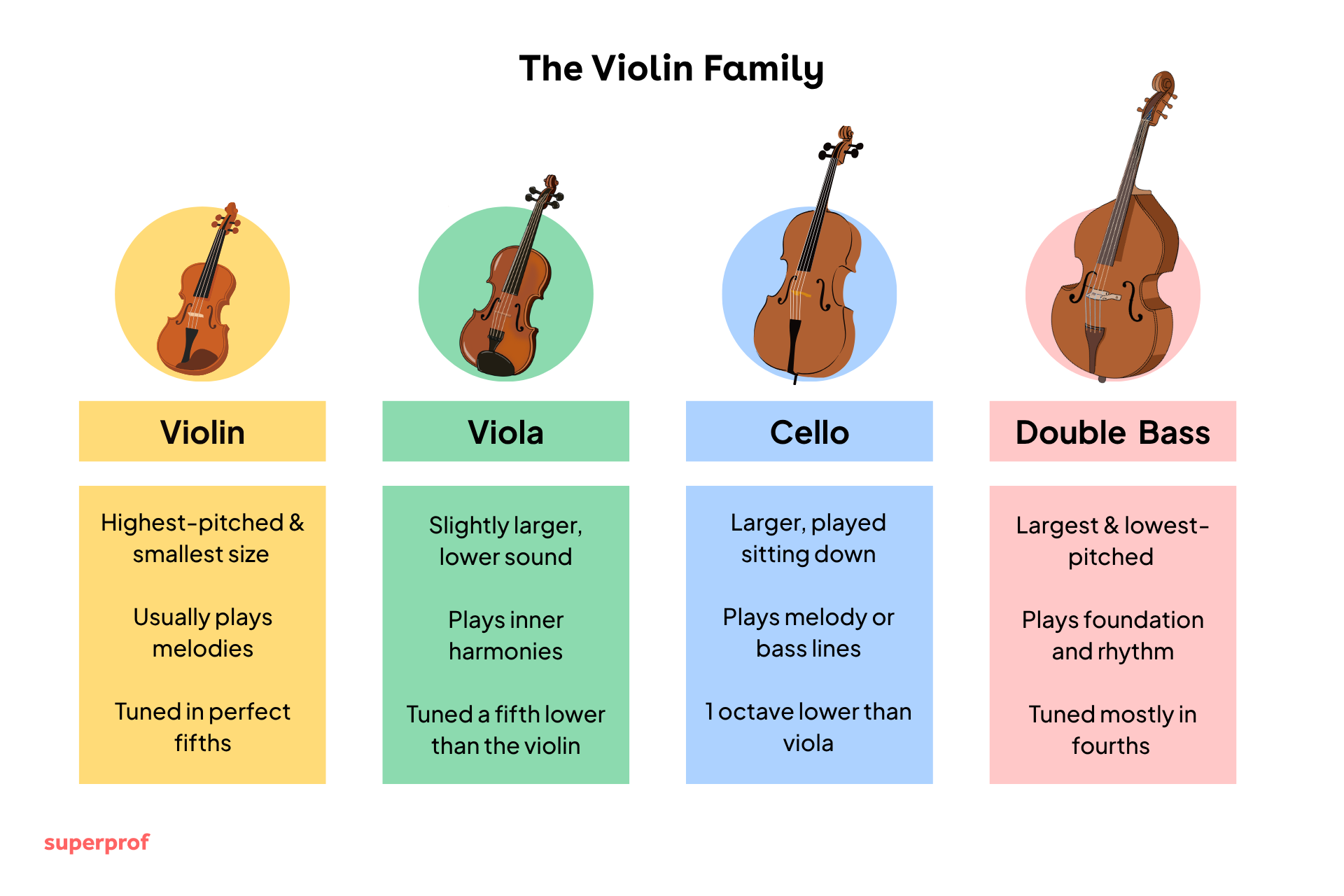
Although these instruments share similar designs, each one produces a unique sound and plays a specific role in an orchestra. In this article, we’ll explore the different types of violin family instruments and how they work together in performance.
| Instrument | Approximate size | Pitch / Range | Typical Role in Music / Ensemble |
|---|---|---|---|
| Violin | ~35 cm (14 in) | Highest range of the family | Carries melodic lines, often the main voice in orchestras and ensembles. |
| Viola | ~38–43 cm (15–17 in) | Lower than violin, deeper tone | Adds warmth and harmonic depth, bridges violin and cello. |
| Cello | ~75 cm (30 in) | Rich low to mid range | Supports harmonies, but often plays lyrical solo passages. |
| Double Bass | ~100–120 cm (40–47 in) | Lowest range of the family | Provides rhythmic foundation, shapes the pulse in orchestral and jazz settings. |





Violin: The Most Recognised String Instrument
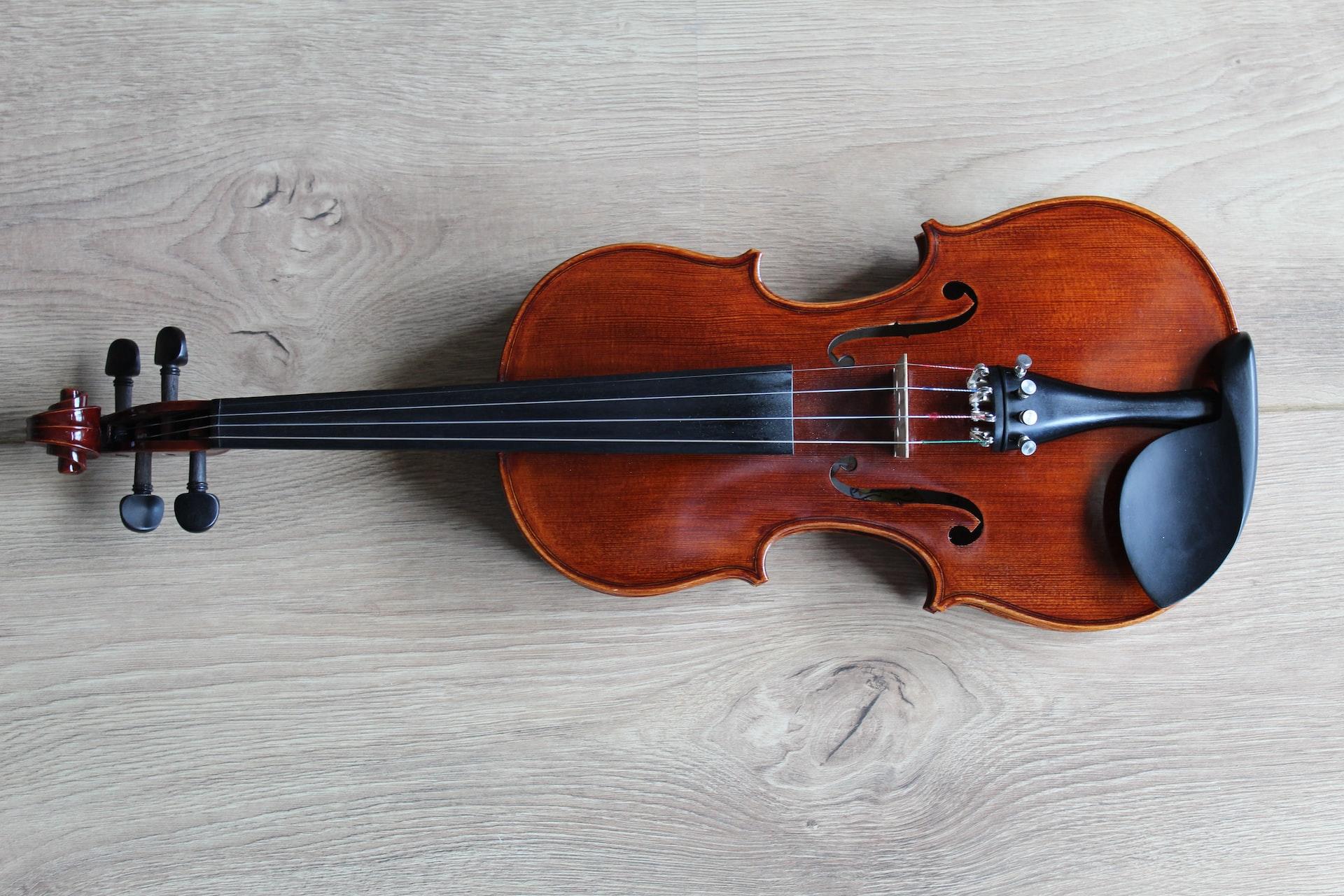
The violin, also known as a fiddle, is a stringed instrument made from a hollow wooden body. It is among the smallest of the violin family and also the highest in pitch, which makes it quite a common instrument in the music business.
Crafting a traditional violin can involve more than seventy individual pieces of wood. Each part (from the arch of the top plate to the curve of the ribs) plays a vital role in how the instrument sounds.
Violins are tuned in perfect fifths: G3, D4, A4, and E5. This tuning gives it its bright and expressive range and allows players to move smoothly through notes. If you're looking to get started with violin lessons, understanding the tuning is a great first step.
Bowing
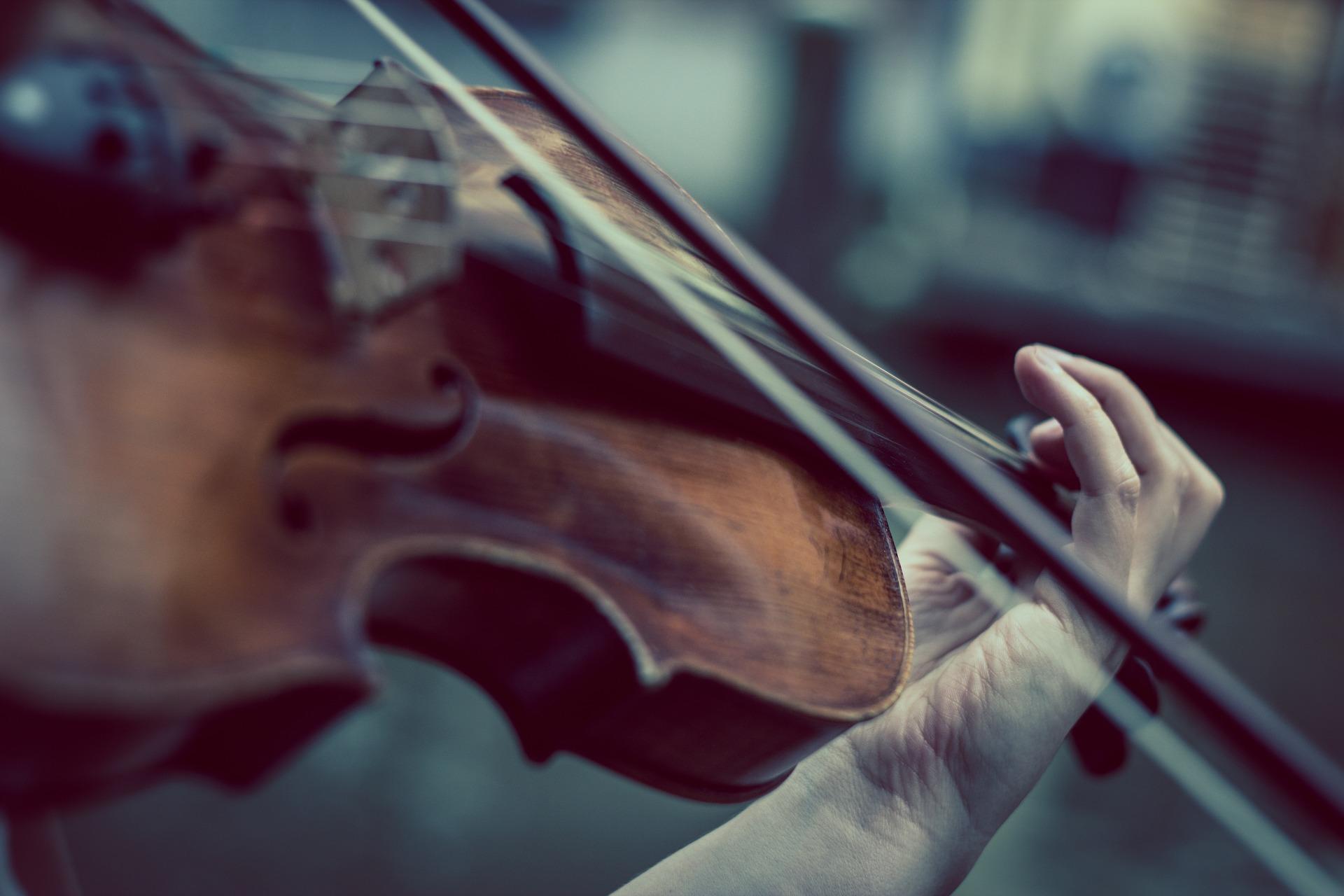
The player creates sound by moving the bow across the strings. The tone largely depends on how much pressure is applied and the speed of the stroke.
Left-Hand Technique
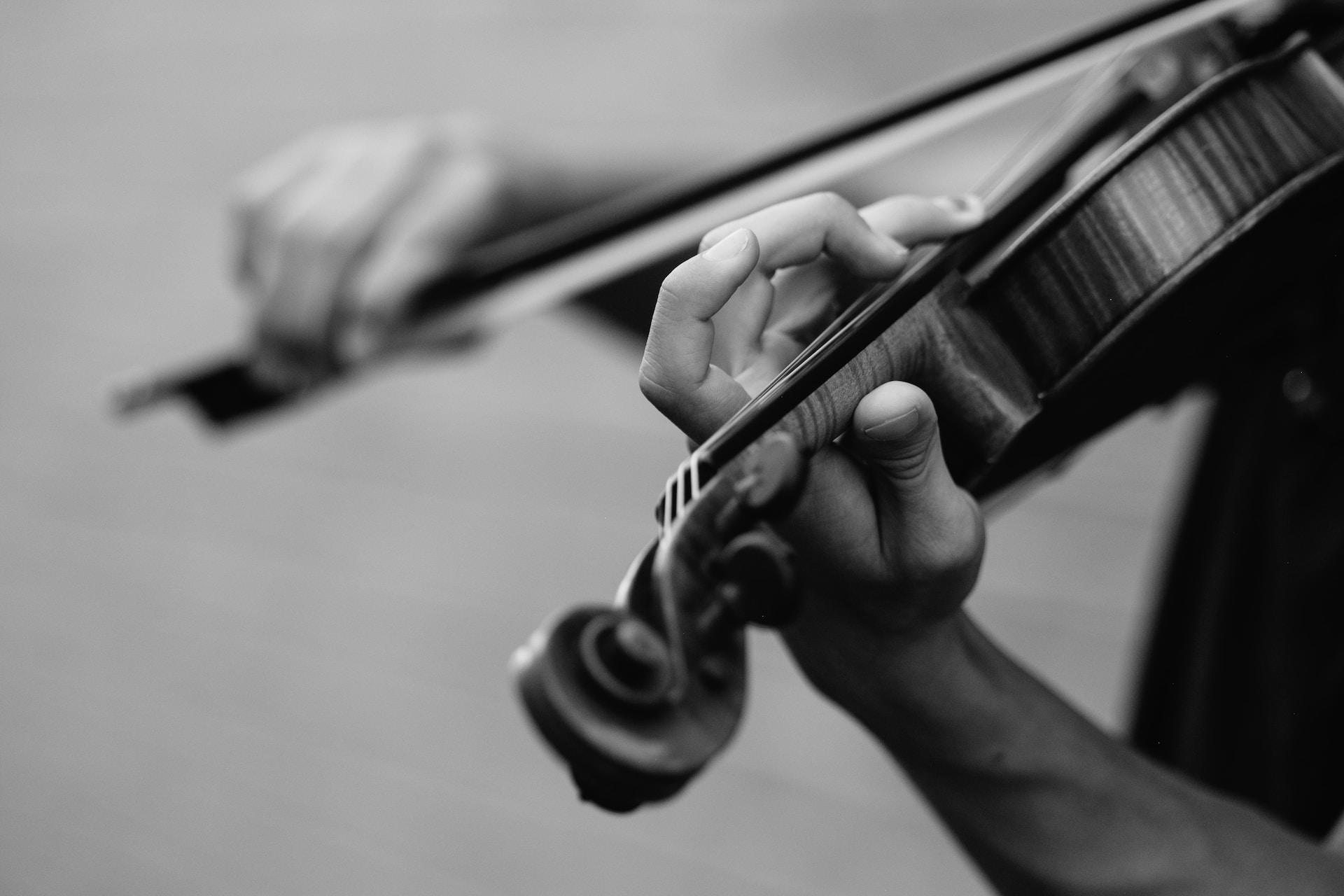
The left hand presses the strings against the fingerboard to change pitch. There are no frets or markers, so accuracy comes from muscle memory and careful listening
Pizzicato
Instead of using the bow, the player can also pluck the strings to produce a bright and rhythmic sound. This approach ( known as pizzicato), is common in jazz and film scores
Viola: The Warm Middle Voice of the String Family
At a glance, the viola looks remarkably similar to a violin. However, once played, the difference is stark. The viola famously produces a much deeper and warmer tone than its slightly smaller, more well-known cousin.
Like the violin, the viola is held under the chin, and the bowing technique looks virtually identical too. However, because the instrument is slightly bigger and heavier, it requires more bow control and subtle strength from the player
The viola also has thicker strings that are tuned at C3, G3, D4 and A4 - one fifth lower than the violin.1 Often, composers use the viola to fill in harmonies or introduce emotional tension to passages that might otherwise feel empty.
Cello: Deep and Expressive
The cello, also known as the violoncello2 in some circles, is one of the most recognisable instruments in the entire string family. Due to its hefty size, the cello is played seated. Typically, the body of the instrument is placed between the knees, while the end pin at the bottom provides extra support by resting against the floor.
In an orchestra, the cello often ends up filling the space between the high, bright sound of the violins and the deeper notes of the double bass. A lot of the music written for the cello involves steady flowing lines that help pieces feel full and connected, but the instrument is capable of more.
The cello features four strings tuned C2, G2, D3, and A3, giving it a broad range that stretches from deep bass notes to warmer, more lyrical upper tones.
For example, if a composer wants a smooth melody that isn't too high or heavy, the cello is usually the first choice as its range fits naturally into that middle area where the tune can stand out without sounding sharp.
Famous Cello Works
Double Bass – The Foundation of the Ensemble
Even bigger than the cello, the double bass is the largest member of the violin family3. In an orchestra, the double bass usually sits at the back of the string section, where it can be seen towering over the other instruments.
Most players using it tend to stand or use a tall stool instead of holding it between their legs. A double bass is usually crafted with four strings pitched E1, A1, D & G, but a fifth string is sometimes added to allow lower notes to be played with more ease.
However, rather than having a fifth string, many basses have a mechanical device with levers that helps to increase the length of the fourth string.
The double bass tends to vary a lot in appearance compared to the other instruments in its family. Some instruments have broader, more rounded shoulders, while others have a sloped upper bout to make higher positions easier to reach. Most full-size basses stand close to 1.8 metres tall, with the body taking up the majority of that height, though slightly smaller versions are also used by younger players and some professionals.
Playing the double bass heavily depends on the style of music. In classical settings, players use the bow to create long and deep notes that support the rest of the orchestra. However, in Jazz and many modern styles, the strings are mostly plucked by hand. That's where the ‘walking bass line’ comes from - a steady pattern that guides the rhythm from underneath the melody.
Comparing the Instruments of the Violin Family
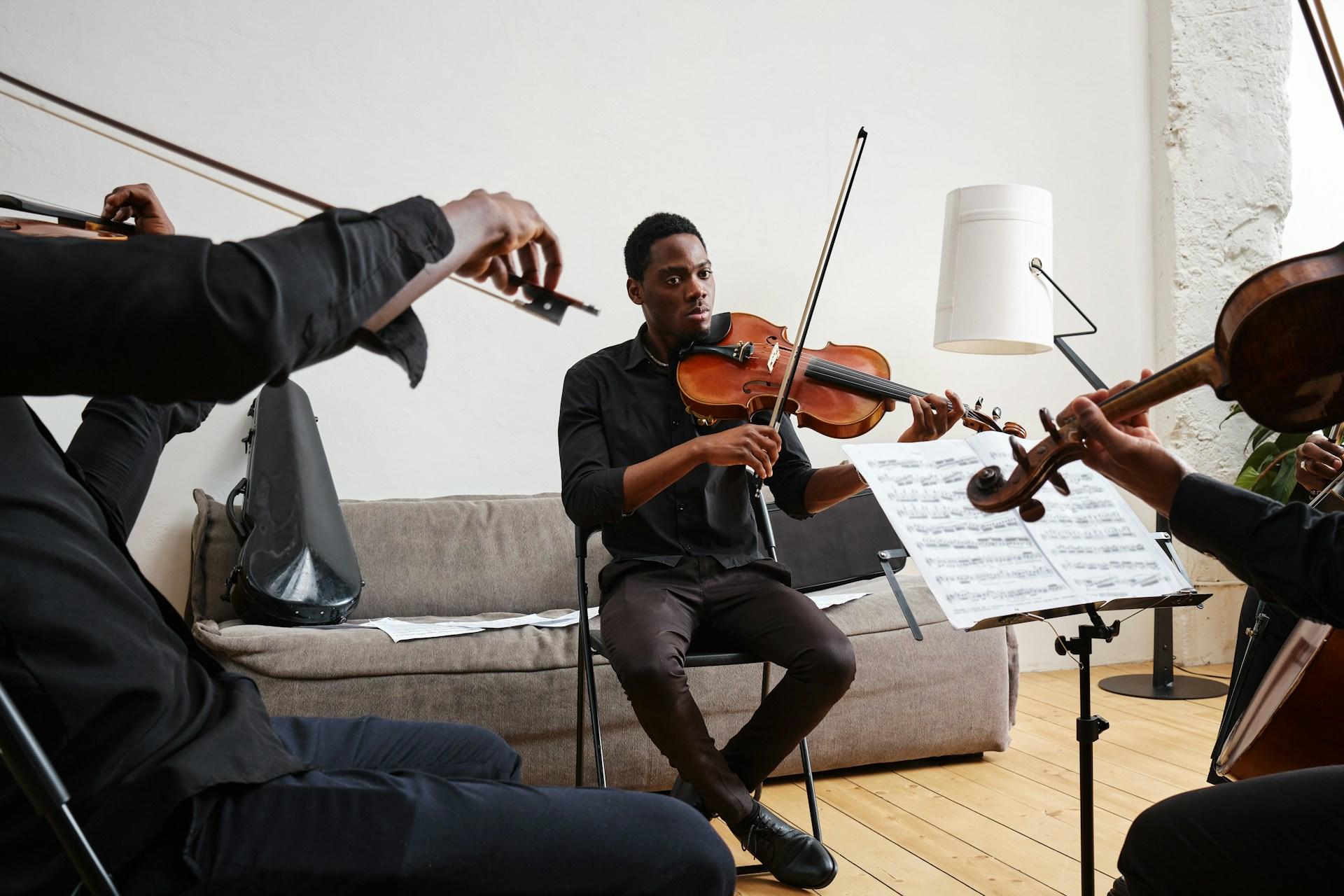
Even though the violin, viola, cello, and double bass belong to the same family, they each bring something widely different to the way music sounds and feels. In this quick comparison section, we'll further highlight what sets them apart and why they work so well together.
How the Different Instruments All Come Together
| Instrument | What They Listen For | Why It Matters |
|---|---|---|
| Violin | The main melody and subtle timing cues from the leader | Keeps the melody clear and together across the section |
| Viola | Inner movement between violin and cello lines | Helps transitions feel smooth and connected |
| Cello | How the harmony shifts above their part | Supports the shape of the music and guides mood changes |
| Double Bass | The pulse and weight of the ensemble’s rhythm | Provides the steady base the rest of the group relies on |
References
- Viola | Philharmonia. (n.d.). Philharmonia. https://philharmonia.co.uk/resources/instruments/viola/
- Bogossian, R. (2025, February 11). Cello: History, Fun Facts, and Benefits of Learning — Stage Music Center In Acton and Winchester MA. Stage Music Center in Acton and Winchester https://stagemusiccenter.com/music-school-blog-winchester-acton-ma/2019/9/6/cello-history-fun-facts-and-benefits-of-learning
- Double Bass | Philharmonia. (n.d.). Philharmonia. https://philharmonia.co.uk/resources/instruments/double-bass/
Summarise with AI:
Did you like this article? Leave a rating!

 Loading...