


In Australia, like many other countries around the world, you can't just become a doctor overnight. Instead, you need quite a few qualifications to practise medicine in Australia.
Today, we'll be looking at the main academic qualifications you'll need to become a doctor as well as some of the other steps you'll need to take on your way to practising medicine.
Not everybody's route to becoming a registered doctor is the same, but these are the main prerequisites that the vast majority of you will need to complete. While the steps for Australia are very similar to other places around the world, they mightn't be exactly the same so if you're not in Australia, note that your requirements may differ.


Secondary School
To go onto higher education in Australia, you'll generally need to have completed secondary school or a similar level of education.
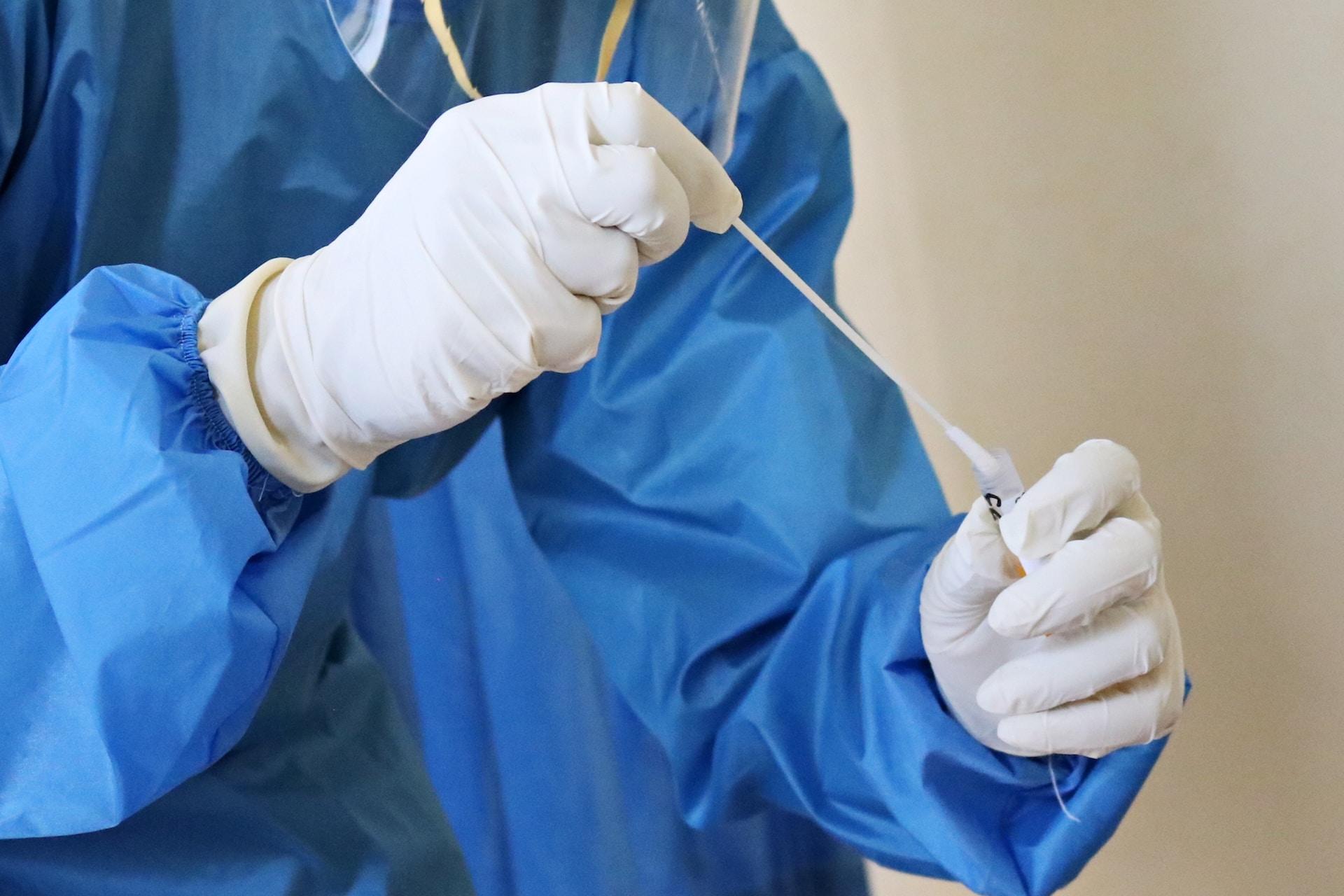
For every state and territory in Australia, you'll need to finish high school and because of the competition surrounding medicine and the best universities in the country, you'll want to do quite well to give yourself the best chance of being accepted onto courses.
Generally, doctors are among the most academically gifted and they have to be because, as you'll see, you have many years of education ahead of you after you finish school.
What Grades Do You Need to Become a Doctor in Australia?
In Australia, undergraduate programs for doctors tend to require an ATAR of around 95. The most exclusive and competitive courses ask for an ATAR higher than that, but since there are universities accepting students with an ATAR of 80, more people can become doctors in Australia than you think.
This doesn't mean that becoming a doctor is easy and you'll still need to be quite academically gifted to complete all the subsequent education that comes as part of becoming a doctor, but the barrier to entry is lower than a lot of people think.
That said, if you do get onto a program with a lower ATAR, it does mean that you'll likely have to work harder than your peers as a lot of students who aspire to be doctors do get good results at school. Naturally, if you want to study on a competitive university course, the requirements will be higher in terms of your ATAR.
Bachelor's Degree
Once you've finished school, you can head to university and start on your long and difficult academic path towards becoming a doctor.

There are lots of undergraduate medicine programs that combine with the doctor of medicine postgraduate degree for aspiring doctors, but you can also just study a bachelor's degree in whatever you want and then go to medical school.
Naturally, it makes more sense to study related subjects so that you have the foundational knowledge required of medical students, but it's not essential or even a requirement.
For example, subjects like anatomy, physiology, biochemistry and similar subjects are all recommended for those who want to become doctors, especially from the most competitive medical schools.
Every university course is different and while stricter requirements for admission generally indicate a better quality of graduate, this doesn't mean they'll necessarily be the right fit for you. Thus, it's best to consider medical schools that are easy to get into, as well.
GAMSAT
Becoming a doctor requires a postgraduate degree in medicine, but to get onto a doctor of medicine course at a medical school, you'll likely need to take the Graduate Australian Medical School Admission Test (GAMSAT). As the name suggests, this is a test for those wanting to go to medical school.
You can take the test in your last or second-last year of your bachelor's degree and it's one of the requirements for attending medical school.
The are other tests like the UCAT and the MCAT that you can also take, but the GAMSAT is one of the most common requirements.
These kinds of tests are famously quite difficult and not like the tests you've probably seen so far in your academic career. It's really important that you adequately prepare for the GAMSAT or whichever admissions test you have to do.
Doctor of Medicine
The Doctor of Medicine (MD) is a graduate qualification that pretty much every Australian doctor will need to have. Of course, other equivalent international qualifications exist, but this is not only the most specialised academic qualification you'll do for medicine, but it's also where you'll learn the most about being a doctor.
You'll study your doctor of medicine at a medical school and the programs are often very competitive and difficult, taking four years of full-time education to complete. Much like with undergraduate university courses, the requirements for entry tend to be stricter for more reputable schools and admissions can also rely on students with excellent academic results and extracurricular activities, etc.
An MD isn't cheap, either, and students can expect to pay around $80,000 a year for the privilege to study medicine. You should also keep in mind that while there are different kinds of financial aid out there for medical students, the price doesn't include the cost of living and things like accommodation, food, etc.
You can be looking at close to $350,000 just for your MD, which doesn't include the $20,000 to $50,000 that you may have paid for your undergraduate degree. While the GAMSAT costs over $500, it hardly seems worth mentioning once you've seen the eye-watering prices of medical school. Fortunately, doctors' salaries in Australia are pretty good.
Internship
When you finish your Doctor of Medicine, you're still not actually a doctor. Every medical school graduate in Australia will need to do a year-long internship before they can register as a doctor.
However, you will need to apply for provisional registration with the Australian Medical Board before you complete your medical degree. This will become a full registration once you complete your year-long internship.
In practice, your internship is actually 47 weeks in a hospital and is something that graduates have to organise themselves.
While medical internships are coordinated across states and territories, the applications are dealt with at the state level so you'll need to apply through them.
At this point, you're so close to becoming a doctor!
Residency
When you complete your internship, the Medical Board of Australia will grant you your general medical registration.
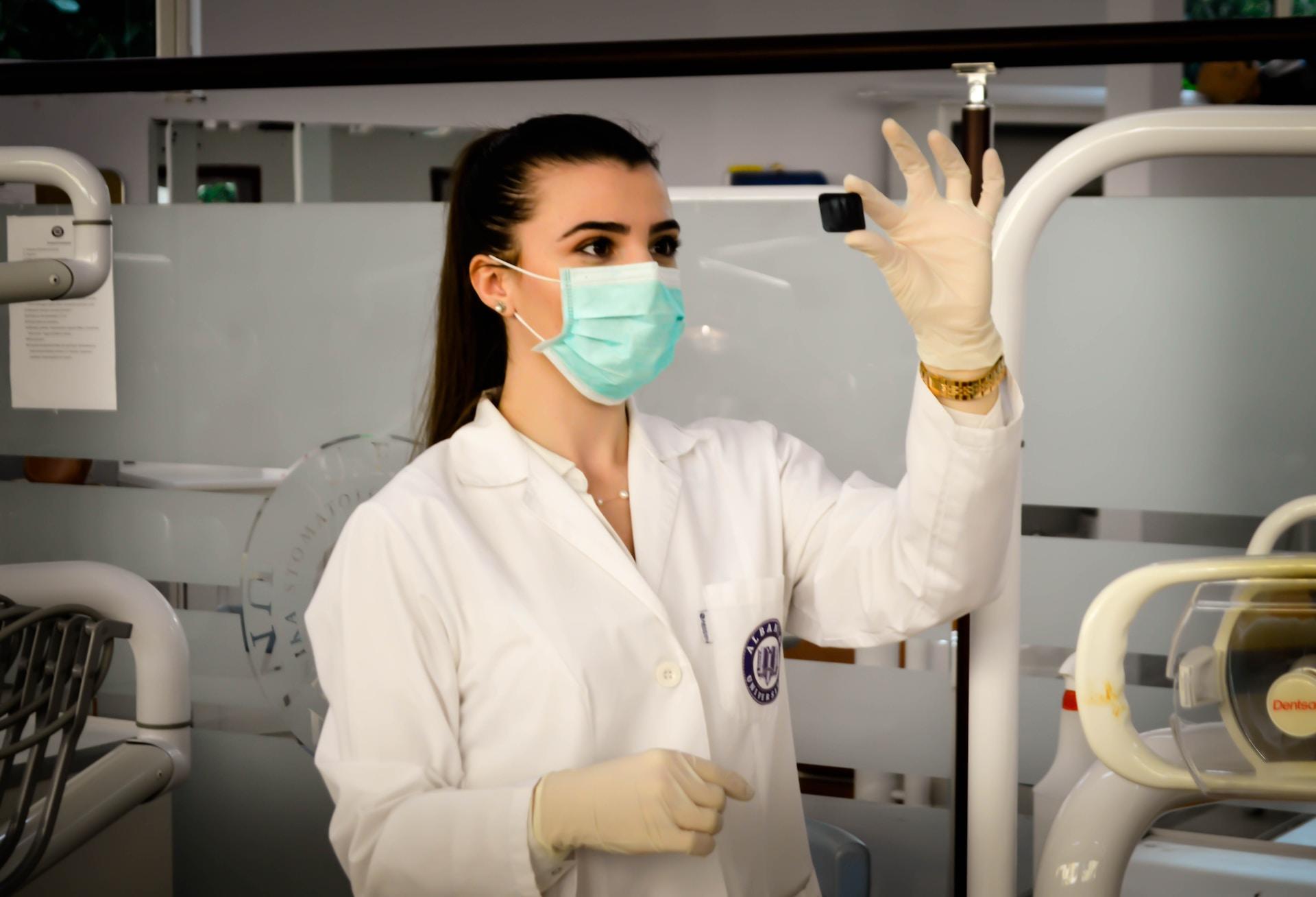
More often than not, doctors will continue to learn and specialise during their residency. The amount of time residency lasts depends on the specialisation with certain specialties taking more years of residency than others.
In medicine, residency can be referred to as pre-vocational training, which leads us nicely onto our very last step towards becoming a specialised doctor: vocational training.
Vocational Training
The last step towards practising medicine as a doctor with a specialty is your vocational training. Vocational training is usually done through specialist schools and some of the programs can last as long as all your previous education combined.
With vocational training programs lasting between 3 and 7 years, becoming certain kinds of doctors can take an impressive amount of time and training.
How Many Years Does It Take to Become a Doctor in Australia?
The amount of time it takes to become a doctor in Australia will vary according to the specialisation you choose, but the bare minimum is the best part of a decade.
With a 3-year bachelor's degree, 4 years of medical school, and a year as an intern, it'll take you at least 8 years to become a registered doctor.
By the time you've completed a year or two as a resident, it'll have been at least a decade since you finished school. With certain specialisations, it'll have been 17 years since you left secondary school, though you'll have been working as a doctor for quite a while by that point.
Can Foreign Doctors Work in Australia?
If you're not from Australia or studied in another country, you mightn't have taken this path towards medicine and though your experience may have been very similar, there'll be some extra steps that you have to take before you can practise medicine.
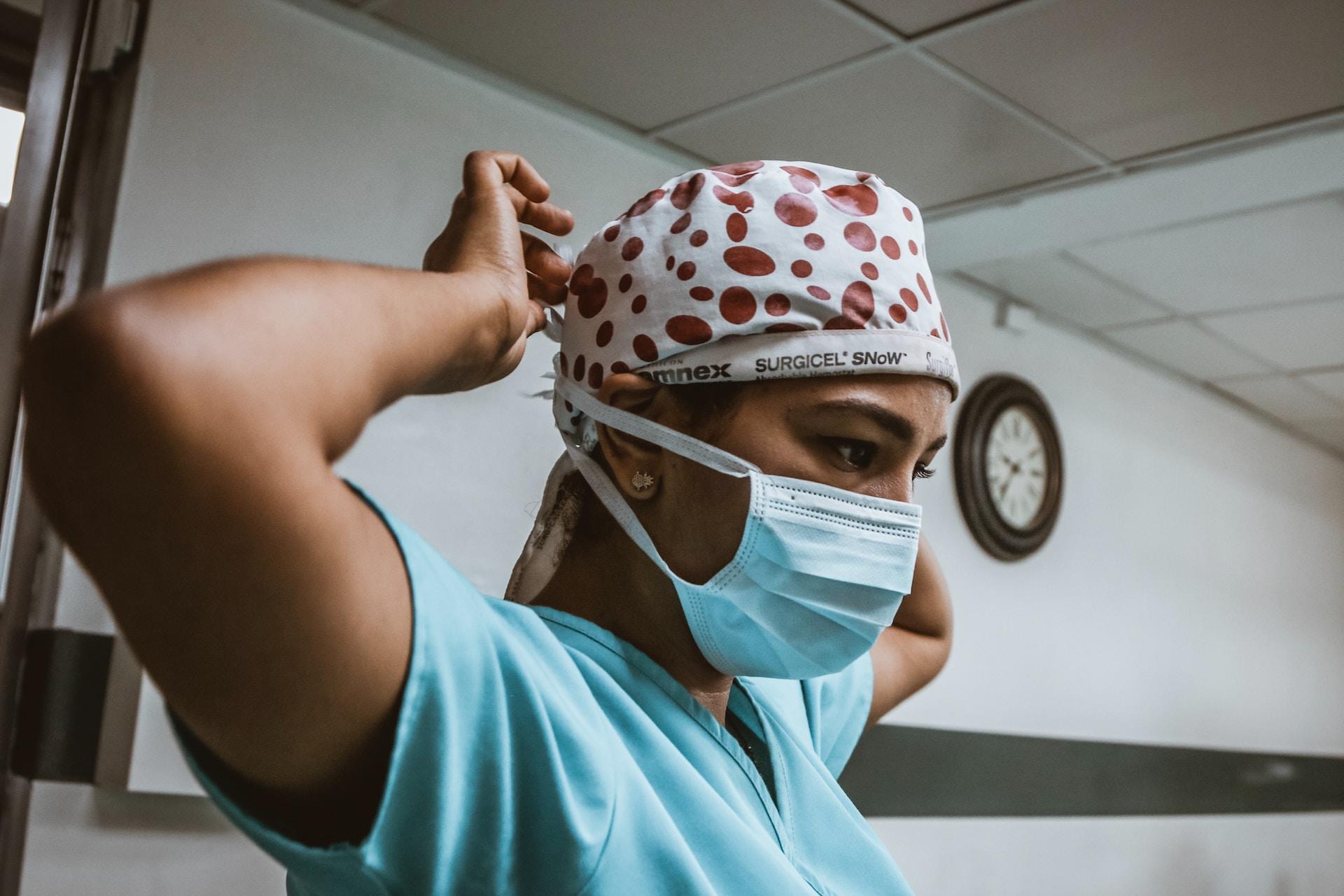
Foreign doctors will need to have their qualifications verified by the Australian Medical Council (AMC). After that, they can register to practise medicine within the country.
There are international authorities in the UK, Canada, the US, New Zealand, and Ireland that are classed as "competent to assess" which means doctors from these countries will be able to apply directly to the Medical Board of Australia for provisional registration.
For those outside of these options, they can also take AMC examinations, be approved through workplace-based assessment, or take part in short-term training in a medical specialty.
Get Help with Your Studies
If you need help with gaining your medical qualifications to become a doctor in Australia, consider working with a private tutor.
There are private tutors for all levels and budgets and since every student is different, you must get a private tutor that works for you and your budget.
Fortunately, there are lots of qualified and experienced private tutors all over the country and even if you live rurally, you can work with private tutors online from all over the world. Of course, it makes sense to work with tutors who are familiar with the Australian education system and the programs that aspiring Australian doctors will be studying.
Whether you're wanting to improve your ATAR to help with admissions before starting a university course or you're already a medical student looking for help with your studies, a private tutor can help an awful lot.
Enjoyed this article? Leave a rating!

 Loading...
Needing mopre information about being a doctor and the qualifications needed.
Hi Donna! We suggest signing up on the Superprof AU site (https://www.superprof.com.au/) and reaching out to a medicine tutor. They’ll be able to help you out. If you encounter any difficulties in your search, feel free to contact our customer care team at gday@superprof.com.