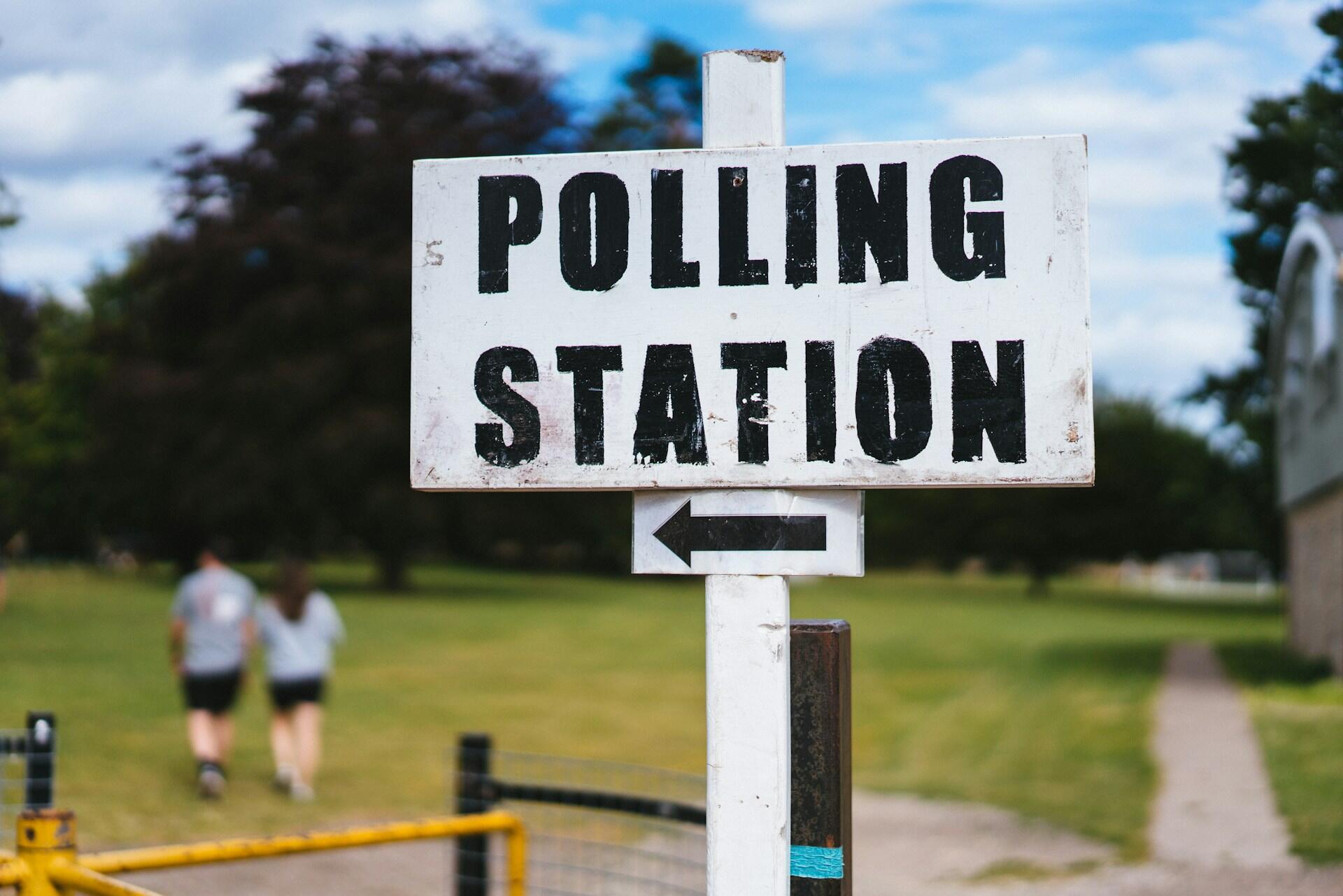

At first glance, elections seem like a simple thing. On the day in question, we repair to our polling stations and cast our ballots. Some voters throw a watch party to wait for the results, while others sigh with relief that yet another round of politicking is over. This article is a behind-the-scenes look at who has the right to vote in Australia, how our votes are counted, and how they shape our government.





What is Compulsory Voting?

To date, 21 countries practise compulsory voting. This system requires every citizen who is of voting age to participate in elections.
Some countries, like Australia, enforce their mandatory voting laws. Others, like Belgium and Egypt, do not fine their citizens if they do not participate in mandatory elections.
Australia has one of the highest voting turnouts worldwide, with more than 90% of all enrolled voters casting their ballots. That doesn't mean every politically engaged voter likes the mandatory voting system. Ipsos and other polls consistently show support for this initiative in the low 70s.
It seems we're happy to take our political duties seriously, with or without a mandatory voting law.
What is the Penalty for Not Enrolling to Vote in Australia?
In theory, every citizen who comes of voting age should enrol to vote in Australian elections. However, plenty don't and, alarmingly, they don't always need to. To the question "Can I be enrolled without filling out the form?", the Australian Election Commission (AEC) replies:
Electoral laws provide for the AEC to directly enrol or update your address on the electoral roll.
From the AEC website
Anyone enrolled to vote must do so, or risk paying a fine (more on that in a bit). This automatic enrolment means voters may have to pay a penalty, even if they didn't know they were enrolled. But, this system is not foolproof, so it's still your responsibility to enrol once you reach the legal voting age.
From the beginning of democracy in Australia, voting was compulsory for all British males, aged 21 and over. The voting age was lowered in 1973, through an amendment to the Commonwealth Electoral Act of 1918. Lowering the voting age meant more fines for non-voters.
It depends on the type of election, and which state you're in. Fines range from $20 to over $150. The fines grow higher each time one fails to vote.
Who has the Right to Vote in Australia?
Every Australian citizen has voting rights. Prisoners serving less than three years must also vote, but those serving longer sentences are barred from voting.
Seasonal workers
People with religious objections
People without a fixed address
People not enrolled to vote
Not having to vote and being barred from voting are two different things. Permanent residents are barred from voting in state and federal elections, no matter how long they've lived in Australia.
However, they may vote in local elections, depending on which state they live in. Victoria, Tasmania, and South Australia allow those residents to vote in local elections. So, if you've ever wondered "Can permanent residents vote in Australia?", now, you know the answer!

The Indigenous Vote
Though voting was compulsory across Australia as early as 1924, Indigenous Australians were barred from the vote for 60 years. It was only in 1984 that the whole of the Australian population was held to the same standards, and given the same voting rights.
Voting Systems in Australia
Around the world, societies use different methods to select their leaders. Some countries, like the UK, use different voting systems, depending on the type of election at hand.
For instance, those voters use First Past the Post (FPTP) to elect Parliament representatives. But, the Single Transferable Vote (STV) serves for some local elections.
In Australia, we strive to make every vote count. We use some type of ranked-choice voting for all our elections. Our ballot papers feature lists of candidates, and the parties they represent. Voters' mission: to rank those candidates in order of preference.

Should your #1 choice of candidates fail to get enough votes for the win, election officials transfer your vote your #2 choice. If that candidate or party doesn't make the cut, your vote moves to your #3 choice, and so on, until a winning candidate emerges.
Voting systems such as FPTP means that the votes for the 'losing' parties have no weight.
Our Australian voting system ensures that no vote is wasted. On the downside, it's the reason it takes so long to resolve elections, and post final tallies. We see the fallout from this right now: our parliament political parties don't know how many seats they have, until the AEC assigns all the votes. Still, it's a fairer system than other, commonly used ones around the world.
Ranked choice voting
- voters rank all candidates by preference
- votes transfer to the next-ranked candidate if preferred earns too few votes
- majority is required
First Past the Post
- voters choose one candidate from those listed on the ballot
- the candidate with the most votes wins
- majority is not required
This degree of fairness is perhaps one reason why voter turnout is so high in our country. We don't need to hope our candidate wins, because one of our choices will. This clip explains a bit more about this voting system's advantages.
Australian Federal Election: the Australian Electoral Commission
This agency formed 41 years ago, in 1984. The AEC built its platform on legacy programs that date to when Australia became a federation of states.
The Minister of Finance, and the Minister of State, oversee its operation.
The AEC's main function is to oversee federal elections. When not organising and conducting elections, this agency audits electoral rolls, to make sure voters' data is valid.
This helps them redraw voting district lines, to keep roughly the same number of voters per district.
Other AEC duties and responsibilities include:
- maintaining and updating election rolls
- organising elections: printing ballots, providing ballot boxes, staffing elections
- training election officials
- counting votes
- reporting results
- responding to parliamentary oversight requests
Other Types of Australian Elections
AEC has an impact across all of Australia's government structures. It keeps our country's election schedule, and sets the voting system each election type uses.
It then reports its results to Parliament. Admittedly, it plays a smaller role in these elections:
State Elections
- held every four years
- to staff state governments
- AEC involvement: medium
Local Elections
- held every four years
- WA: every three years
- to elect council members
- AEC involvement: low
Referendums
- called by the government
- to change the constitution
- AEC involvement: heavy
How Is the Government Formed in Australia?
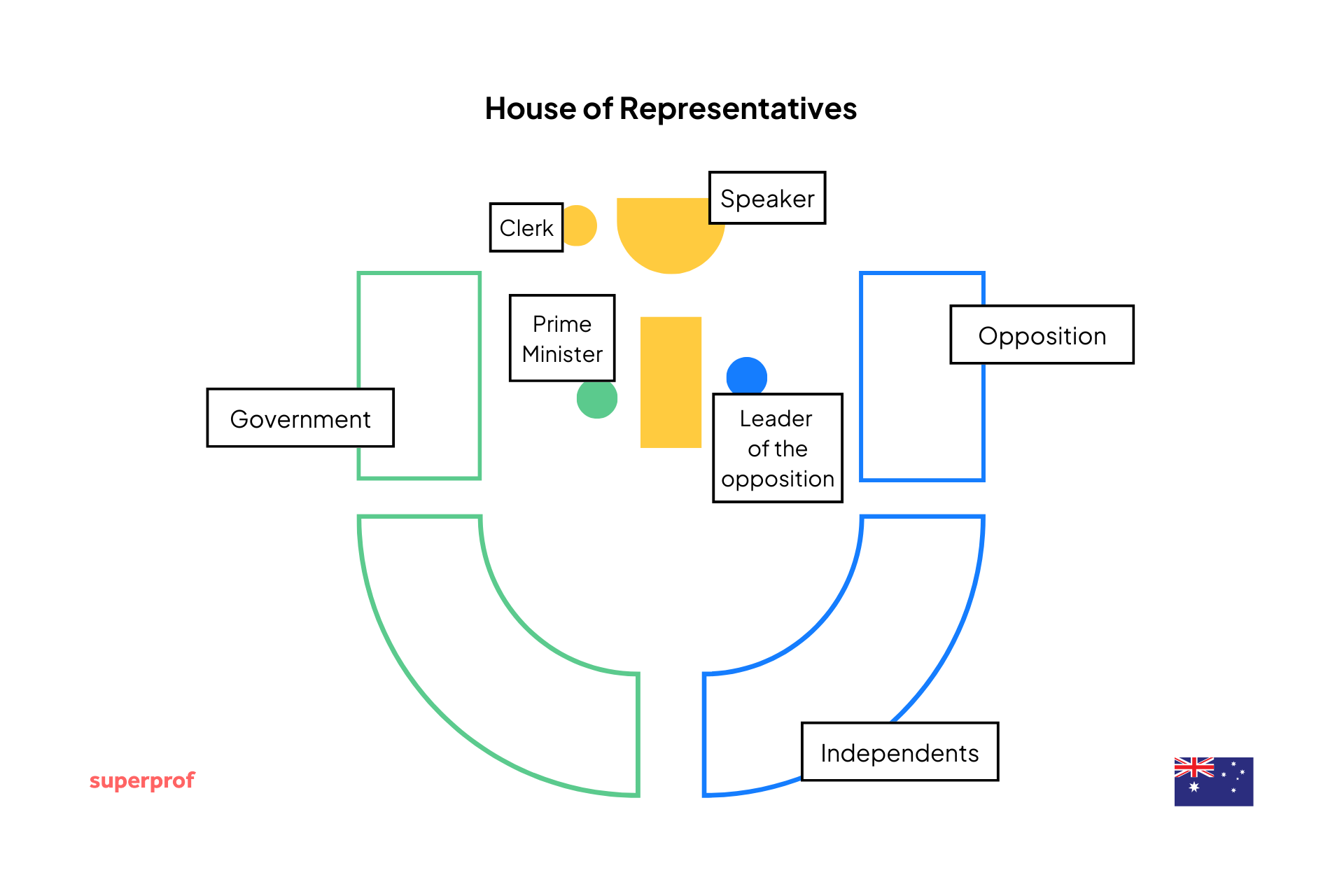
Once the AEC accounts for all the ballots, it determines the number of seats each party has in Parliament. The party that wins the most seats in the House of Representatives forms the government. That party's leader becomes our Prime Minister.
A party with a slim majority will form a coalition with a minority party. The Liberal Party and the Nationals often work together. This ensures them the votes to pass legislation.
Of the last 10 Prime Ministers, half have been Labor. Our most recent election saw that party reclaim the lead, keeping Anthony Albanese in the Prime Minister's role. Staffing his cabinet is his first task. He will choose people (ministers) to head various departments: education, foreign relations, finance, and so on.
Meanwhile, the Senate and House organise their officials. Each party must have:
- a leader
- a deputy leader
- at least one clerk
- a secretary
- a number of whips, among other positions.
Party leaders then form and staff committees to manage specific government matters: defence, foreign relations, domestic policy, and more.
All of this happens when we have an absolute majority in the House of Representatives. Should that not be the case, we must contend with a hung parliament.
What Happens in a Hung Parliament?
An absolute majority means having more than half the House seats. For our current House, that means Labor must have at least 76 seats. The vote counts are far enough along to know that the party has far outpaced its opposition. But, what if it hadn't?
Parties seek support from minority party members to boost their share of seats.
As noted above, a political party must have a majority to form a government. With no majority, a coalition government is the next-best option. That means minority party members and/or independents pledge to vote with their coalition partners.
A minority government is the weakest option for parliamentary leadership. It is one where minority parties support a larger one, but only on certain aspects, such as the budget.
Should it be impossible to form a government, the Governor-General dissolves Parliament, and calls for a snap election.
It helps to know how Parliament works to understand why a hung parliament is such a grave affair. It's only happened twice in Australia's history, most recently in 2010. The Prime Minister, Julia Gillard, managed to secure support rather quickly, narrowly avoiding disaster.
Summarise with AI:
Did you like this article? Leave a rating!

 Loading...