

In 1971, an American folk singer named Peggy Seeger unleashed a tongue-in-cheek lament about why she couldn't be an engineer. She confesses that she never dreamed of being an engineer herself and that she has no idea where the song came from. But her lyrics expose the challenges of becoming an engineer even though they don't specify what type of engineer 'she' wanted to be.
Today, engineering titles are specific and the job descriptions overlap. A software engineer knows about a computer engineer's job because those two types of engineers work together. And an environmental engineer has to know what an agricultural engineer knows so they can work together to find sustainable solutions.
Almost all types of engineering are connected in some way. If so many engineering fields are related, could there be much difference between engineering degrees?
That's the question we explore today.


Engineering Degrees Australia
As you likely well know, the Australian Qualifications Framework (AQF) sets the standards for every educational level in Australia. This government agency works with state and territory governments and their statutory bodies. Those professionals, in turn, determine which conditions students should meet before earning their certificates.
AQF also partners with industry and professional groups. They and other parts of the Australian educational system establish and review curriculum elements and the skills each will confer. They also decide the levels of achievement students must obtain before receiving their awards.
Each state government has input on what their schools teach and the standards their universities must meet. But states' requirements must fit within AQF's national standards. So no matter whether you study engineering at Monash University or the University of Western Australia, the education you receive will meet that level of expectation.
With that said, let's take a closer look at the different types of engineering degrees available. We'll stick with Monash University's Faculty of Engineering as we've already mentioned it. But universities across Australia with such a faculty follow more or less the same blueprint.
Monash's Faculty comprises five departments:
- Department of Civil Engineering
- Department of Chemical Engineering
- Department of Materials Science and Engineering
- Department of Electrical and Computer Systems Engineering
- Department of Mechanical, Mechatronics and Aerospace Engineering
Each of those departments prepares future engineers for an array of possible career paths. For instance, an education in civil engineering could lead to a career as a structural engineer, a drilling engineer or a construction engineer. You'll find no big distinction in the quality of study materials or career pathways each of these degree plans provides.
But the higher your level of education, the higher the salary you stand to earn as an engineer. So there are differences in opportunity depending on whether you end your studies at the undergraduate level or pursue your Master's degree.
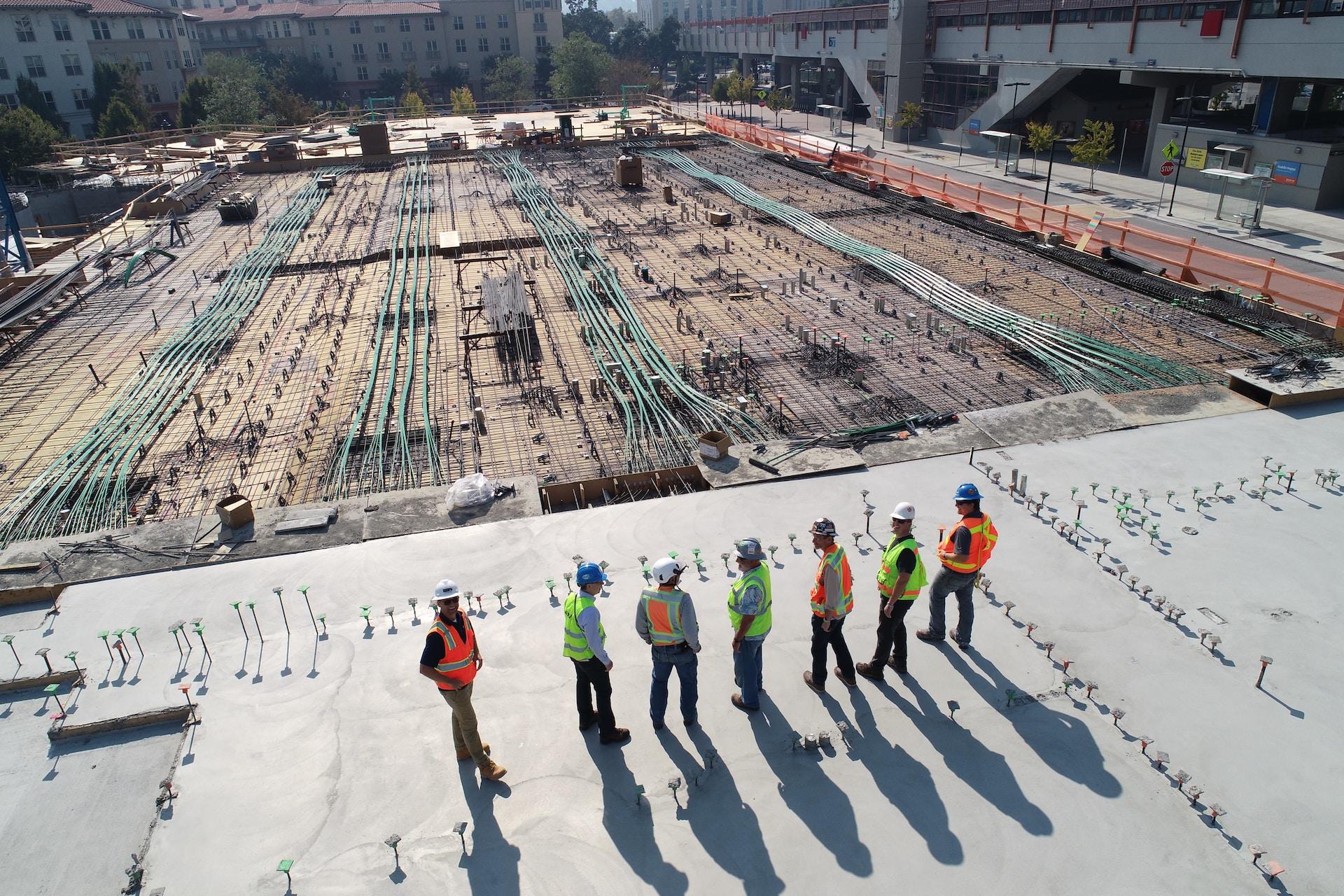
Types of Engineering Degrees
As you might tell just from that small snapshot of one engineering faculty in one Australian university, types of engineering degrees abound. We already know that several engineering fields overlap, for example, environmental and agricultural engineering. Furthermore, students have the choice of earning a double degree.
They might pursue an industrial engineering degree paired with business management.
Your local university campus might not offer a degree plan in your engineering area of interest. If that's the case, you'll have to choose one that covers or comes close to the type of engineering work you want to do. Or you might change your plan and leave home to study engineering.
By all accounts, one of four engineering degrees will prepare you for graduate-level study in the engineering field of your choice. This is particularly helpful if you know you want to be an engineer but you're not sure yet which direction to take your career. Those four are civil, electrical, computer and mechanical engineering.
With a degree in civil engineering, you might work in urban planning and development, including transportation and logistics. You'll also learn surveying and geotechnical engineering, studying soil and rock formations to ensure they can support proposed structures.
You could even manage construction sites, combining your engineering and management skills to bring projects in under budget and on time.
Computer engineering is often considered a subset of electrical engineering. Electrical engineers concern themselves with electronics, communications and digital systems. You can see where the overlap with computer engineers comes in.
A computer engineer mainly deals with computer hardware but they also work with software engineers to design and build powerful computer systems.
There are fewer engineering degrees than there are engineering specialities. Or, more precisely said, one engineering degree opens doors to many specialities. You only need to focus on a general engineering degree, at first.
Once you've earned your Bachelor's degree, you can decide whether to continue in school or learn your trade in the field.

Pathways to Engineering Degrees
Sometimes, people choose their jobs and other times, their jobs choose them. Authors and actors often say their first success was a fluke. Lots of people accidentally discover what they want to do with their lives by chance.
My mate took a part-time gig for some extra cash while in school and realised they felt more inspired by that work than the work they were studying for.
Only rarely does that happen in engineering these days, though historically, that's how one became an engineer. Today's engineers have to have the education to back up their titles. That's because history is littered with examples of engineering blunders that cost lives.
The Mount Kembla mine disaster and countless other engineering miscalculations make that point for us.
High school students who score well in maths, physics and other sciences will succeed in earning their place in the university engineering program of their choice. But you don't always have to go to university to earn your engineering credentials. Vocational Education and Training (VET) will prepare you for a career as a software engineer, for example.
Students to choose the VET pathway to their engineering careers almost always transfer into a university graduate program. Some do so because they want more experience in a lab setting or more education in a specific type of engineering. Others follow the maxim that the higher the level of education, the better their earnings will be.
When you train to become an engineer in Australia, you have a range of learning and career opportunities to choose from. Your choices are only limited by your preferences and circumstances. Let's explore the factors that might influence your decisions.

Engineering Degrees Australia: Which One to Choose?
If you, like Peggy Seeger, only know you want to be an engineer but you're not sure which type of engineer you want to be, relax. You don't have to make that choice while you're still in high school. If you have your sights set on university education, your first year as an undergraduate will give you time to decide.
If you're like other students around the world, you may be tired of school by the time you have to decide which engineering degree plan to apply for. You may baulk at still having years of learning ahead of you but maybe you're groaning over nothing.
Some engineering specialities only demand four years of university study. Those include chemical engineering and biomedical engineering.
With the evolution towards personalised healthcare, biomedical engineering is a particularly enticing field. These engineers work with computer and software engineers to build a healthcare delivery system based on Artificial Intelligence (AI).
The concept entails the continuous collection of patients' health data via already-existing wearables and weighing it against their medical histories.
Agricultural engineering degrees only demand a four-year commitment, too. This degree doesn't mean you're destined for life on a farm, you might specialise in designing and building the tools and equipment farmers use.
What if you're worried about conservation and the environment? Your agricultural engineering courses would prepare you as a specialist in forestry, irrigation and land development.
Choosing your engineering degree depends on which engineering jobs you want to do. If you're certain of which type of engineer you want to be, you can research them on university websites and schools' course catalogues. You might be surprised to find that some universities offer honours courses, particularly for more exacting engineering studies.
Aerospace engineering courses at the Royal Melbourne Institute of Technology (RMIT) are a good example of such. This program is heavy in maths and science but it will fuel your imagination and creativity. You'll enjoy courses in mechanical and automotive engineering, as well as systems engineering.
This RMIT course proves that studying engineering isn't about learning one specific type of engineering. Everything you learn in engineering courses will serve you well regardless of the career path you follow.
Even if you choose one of the Big Four majors - mechanical, electrical, computer and civil engineering, everything you learn will carry over.
The best engineering degree is the one that suits you the best. Only you know what resources you have and how many years you can dedicate to your engineering studies.
Summarise with AI:
Enjoyed this article? Leave a rating!

 Loading...