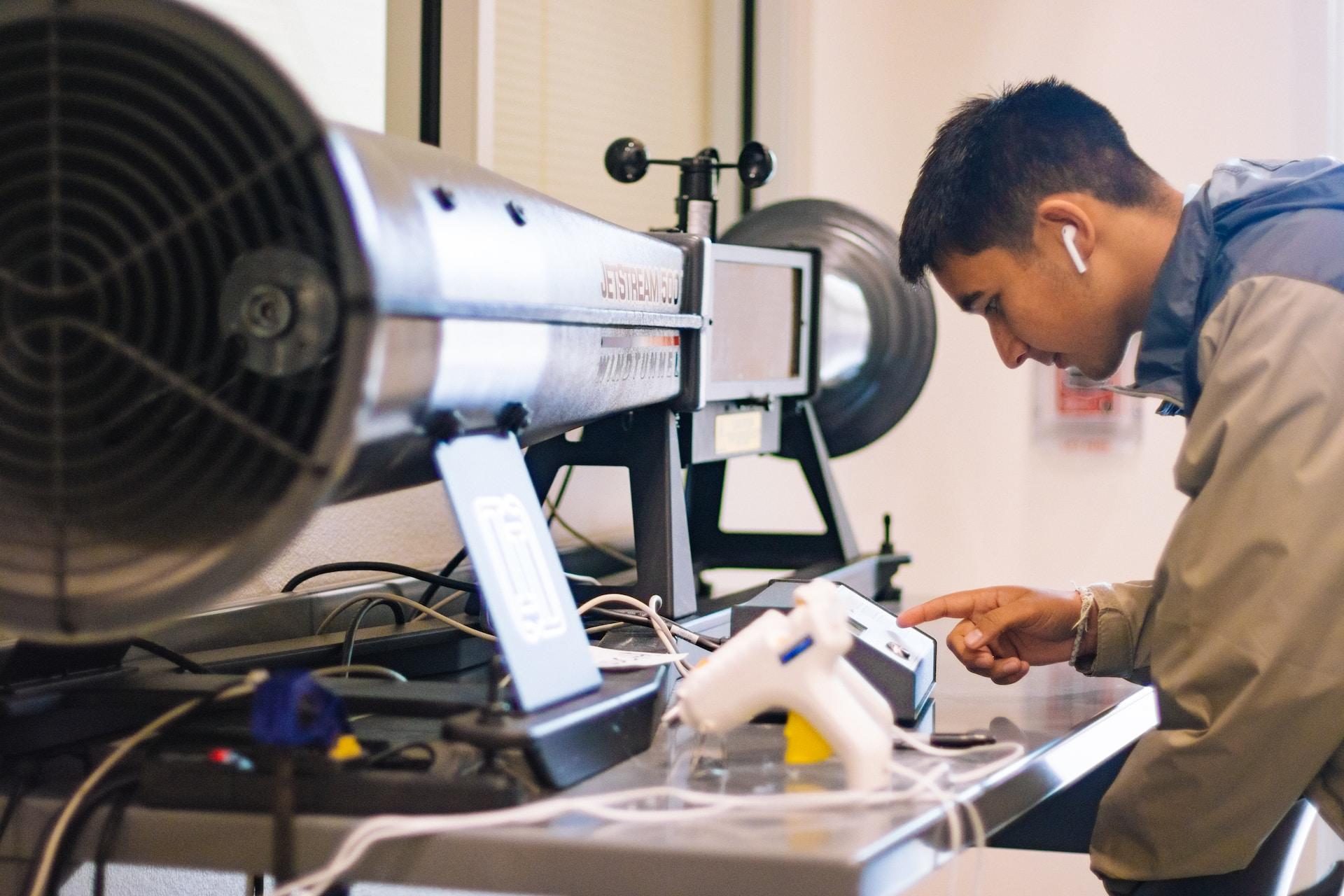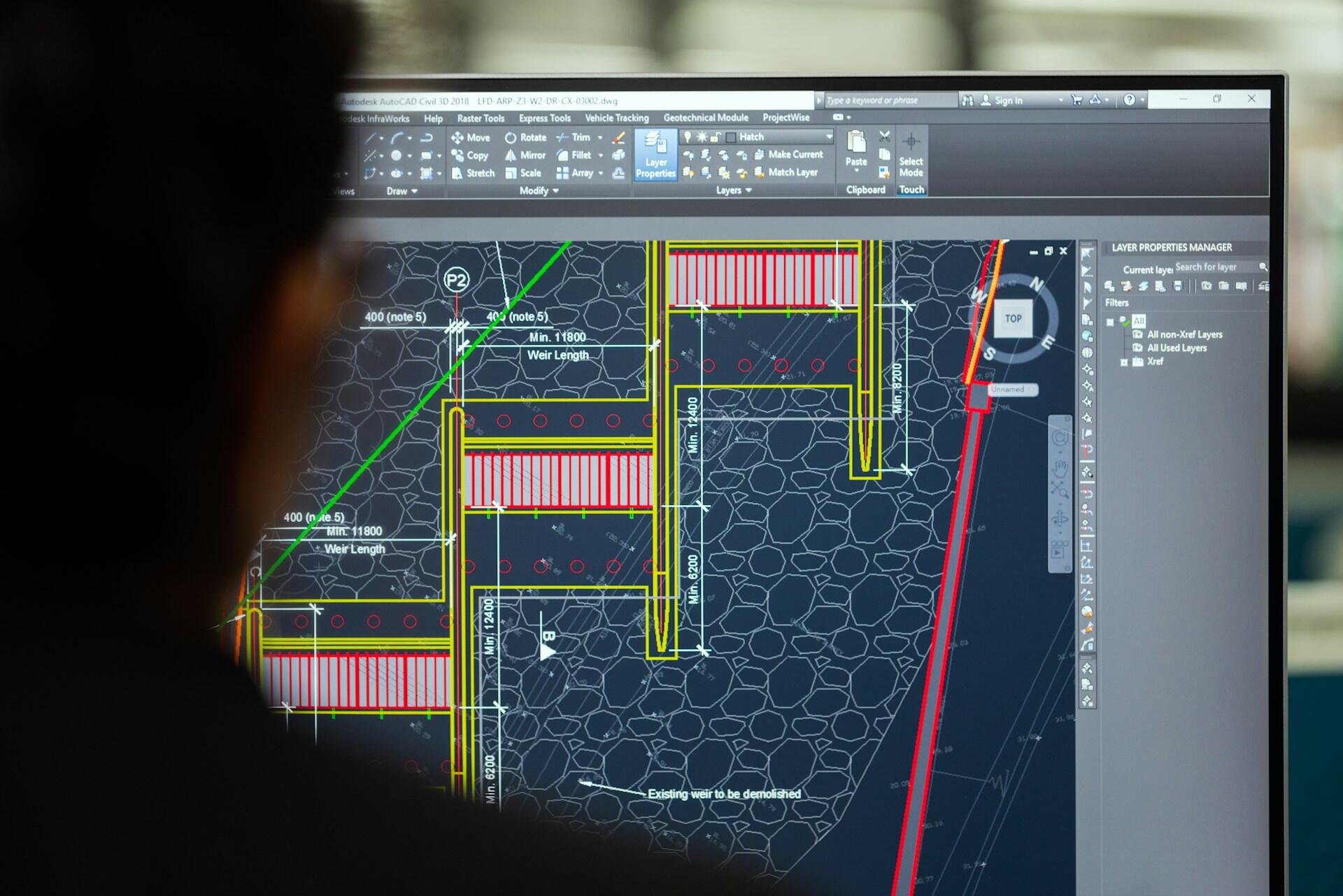
Engineering isn't just a single field. Instead, it's a range of interconnected disciplines. Here, we'll explore the various branches, specialisations, and how you can get started as an engineer.

The best Engineering tutors available
Dr chintan
5
5 (91 avis)
Dr chintan
$70
/h
Gift icon
1st lesson free!
Mayank mnsb
5
5 (24 avis)
Mayank mnsb
$50
/h
Gift icon
1st lesson free!
Hardik
4.9
4.9 (14 avis)
Hardik
$40
/h
Gift icon
1st lesson free!
Viral
4.9
4.9 (84 avis)
Viral
$45
/h
Gift icon
1st lesson free!
Dr smit
4.9
4.9 (74 avis)
Dr smit
$60
/h
Gift icon
1st lesson free!
Teoh
5
5 (13 avis)
Teoh
$70
/h
Gift icon
1st lesson free!
Jamshaid
4.9
4.9 (12 avis)
Jamshaid
$50
/h
Gift icon
1st lesson free!
Joshua
5
5 (6 avis)
Joshua
$200
/h
Gift icon
1st lesson free!
Dr chintan
5
5 (91 avis)
Dr chintan
$70
/h
Gift icon
1st lesson free!
Mayank mnsb
5
5 (24 avis)
Mayank mnsb
$50
/h
Gift icon
1st lesson free!
Hardik
4.9
4.9 (14 avis)
Hardik
$40
/h
Gift icon
1st lesson free!
Viral
4.9
4.9 (84 avis)
Viral
$45
/h
Gift icon
1st lesson free!
Dr smit
4.9
4.9 (74 avis)
Dr smit
$60
/h
Gift icon
1st lesson free!
Teoh
5
5 (13 avis)
Teoh
$70
/h
Gift icon
1st lesson free!
Jamshaid
4.9
4.9 (12 avis)
Jamshaid
$50
/h
Gift icon
1st lesson free!
Joshua
5
5 (6 avis)
Joshua
$200
/h
Gift icon
1st lesson free!
Let's go

What is Engineering?

Engineering is the application of scientific and mathematical principles to design, build, and improve structures, machines, and technologies¹. This can involve identifying real-world problems and developing practical solutions that are efficient, safe, and reliable. Today, engineering spans infrastructure and manufacturing to medicine and computing, and it plays a key role in shaping modern society².

The Five Major Branches of Engineering

Engineering comprises several main branches, with even more as you dig deeper. You could think of these major branches as the pillars that most specialist fields would belong to, but they're also fields in their own right. By understanding the difference between them, you can make better decisions when it comes to your career.

Civil Engineering

Civil Engineering
What It Focuses On:
Infrastructure, public works, and the built environment.
Key Skills / Methods:
Structural analysis, surveying, project planning.
Examples of Work:
Roads, bridges, dams, water supply systems, urban development.
Where They Work:
Government agencies, construction firms, consultancies, transportation authorities.
Who They Work With:
Urban planners, architects, geotechnical engineers, and environmental engineers.

The field of civil engineering focuses on designing, constructing, and maintaining the infrastructure of daily life. This can include transportation networks and water systems, as well as large public structures such as bridges and tunnels³. The role of a civil engineer is to ensure these systems are safe, efficient, and sustainable.

Mechanical Engineering

Mechanical Engineering
What It Focuses On:
Machines, mechanical motion, and energy conversion.
Key Skills / Methods:
CAD modelling, thermodynamics, prototyping, system analysis.
Examples of Work:
Engines, robotics, HVAC systems, and manufacturing machinery.
Where They Work:
Manufacturing plants, automotive/aerospace companies, research labs.
Who They Work With:
Electrical engineers, materials engineers, and industrial designers.

The focus of mechanical engineers is on machines, mechanical systems, and the conversion of energy into motion⁴. This includes applying the principles of physics and materials to tools, engines, and automated systems that improve everyday activities and industrial processes. Mechanical engineers often look to increase efficiency, reduce waste, and improve system performance.

Electrical Engineering

Electrical Engineering
What It Focuses On:
Power systems, circuits, electronics, and signal processing.
Key Skills / Methods:
Circuit design, control systems, testing and diagnostics.
Examples of Work:
Power grids, telecommunications equipment, embedded systems.
Where They Work:
Utility companies, tech firms, telecommunications providers, engineering consultancies.
Who They Work With:
Computer engineers, mechanical engineers, and power system technicians.

The branch of electrical engineering focuses on electricity, electronics, and systems that transmit power and data. It's key to many modern technologies, from household devices to large-scale energy and communication networks². Electric engineers must ensure that systems are reliable, safe, and capable of meeting growing energy and digital demands.

Chemical Engineering

Chemical Engineering
What It Focuses On:
Transforming raw materials into usable products and industrial-scale processing.
Key Skills / Methods:
Reaction engineering, process simulation, thermodynamic modelling.
Examples of Work:
Pharmaceuticals, petrochemicals, food and beverage processing.
Where They Work:
Refineries, manufacturing plants, research labs, environmental facilities.
Who They Work With:
Chemists, process engineers, and environmental compliance teams.

Typical chemical engineers focus on working with raw materials to make them into products using controlled chemical and physical processes. This combination of chemistry and large-scale engineering makes production efficient, safe, and repeatable at the industrial scale³. Chemical engineering is essential in everything from pharmaceuticals and fuel production to food processing and materials manufacturing.

Industrial Engineering

Industrial Engineering
What It Focuses On:
Efficiency, systems optimisation, logistics, and workflow design.
Key Skills / Methods:
Operations research, data analytics, process mapping.
Examples of Work:
Supply chains, manufacturing line optimisation, quality control systems.
Where They Work:
Logistics firms, manufacturing plants, healthcare systems, corporate operations.
Who They Work With:
Mechanical engineers, data analysts, management stakeholders.

Industrial engineers focus on improving systems, workflows, and efficiencies in complex organisational environments. They focus on how people, machines, materials, and information interact and how improvements can be made. Industrial engineering often concentrates on optimising supply chains, reducing waste, and improving productivity across various sectors¹.

The best Engineering tutors available
Dr chintan
5
5 (91 avis)
Dr chintan
$70
/h
Gift icon
1st lesson free!
Mayank mnsb
5
5 (24 avis)
Mayank mnsb
$50
/h
Gift icon
1st lesson free!
Hardik
4.9
4.9 (14 avis)
Hardik
$40
/h
Gift icon
1st lesson free!
Viral
4.9
4.9 (84 avis)
Viral
$45
/h
Gift icon
1st lesson free!
Dr smit
4.9
4.9 (74 avis)
Dr smit
$60
/h
Gift icon
1st lesson free!
Teoh
5
5 (13 avis)
Teoh
$70
/h
Gift icon
1st lesson free!
Jamshaid
4.9
4.9 (12 avis)
Jamshaid
$50
/h
Gift icon
1st lesson free!
Joshua
5
5 (6 avis)
Joshua
$200
/h
Gift icon
1st lesson free!
Dr chintan
5
5 (91 avis)
Dr chintan
$70
/h
Gift icon
1st lesson free!
Mayank mnsb
5
5 (24 avis)
Mayank mnsb
$50
/h
Gift icon
1st lesson free!
Hardik
4.9
4.9 (14 avis)
Hardik
$40
/h
Gift icon
1st lesson free!
Viral
4.9
4.9 (84 avis)
Viral
$45
/h
Gift icon
1st lesson free!
Dr smit
4.9
4.9 (74 avis)
Dr smit
$60
/h
Gift icon
1st lesson free!
Teoh
5
5 (13 avis)
Teoh
$70
/h
Gift icon
1st lesson free!
Jamshaid
4.9
4.9 (12 avis)
Jamshaid
$50
/h
Gift icon
1st lesson free!
Joshua
5
5 (6 avis)
Joshua
$200
/h
Gift icon
1st lesson free!
Let's go

Emerging and Specialised Engineering Fields

The number of branches continues to increase as new disciplines emerge, driven by new technologies, environmental requirements, and industries. Generally, the specialised fields build on a preexisting area of engineering, but some are very distinct and specialised. Modern problem-solving is increasingly interdisciplinary, so let's start with the primary key branches of engineering.

Computer Engineering

Computer Engineering
What It Focuses On:
Integration of computer hardware, software, and digital systems.
Key Skills / Methods:
Microprocessor architecture, digital systems design, embedded programming.
Examples of Work:
Computer hardware, networking devices, intelligent systems.
Where They Work:
Tech companies, telecommunications firms, automation and controls companies.
Who They Work With:
Software engineers, electrical engineers, cybersecurity teams.

Computer engineers are at the crossroads between electrical engineering and computer science². They design the hardware and software that power digital systems. Engineers in this field develop processors, embedded systems, and communication hardware that enable devices to function and interact. This work is essential to modern computing, telecommunications, and innovative technologies.

Biomedical Engineering

Biomedical Engineering
What It Focuses On:
Medical devices, prosthetics, diagnostics, and clinical technology.
Key Skills / Methods:
Biomechanics, biomaterials design, and medical imaging technologies.
Examples of Work:
Prosthetics, implant devices, diagnostic equipment, and rehabilitation systems.
Where They Work:
Hospitals, medical device manufacturers, research institutes.
Who They Work With:
Physicians, physiologists, mechanical/materials engineers.

Biomedical engineers apply engineering principles to healthcare, developing devices and systems that support medical treatment and improve patient outcomes⁴. This field combines biology, materials science, and mechanical design to develop technologies like prosthetics, surgical tools, and imaging equipment. Biomedical engineers work with clinicians to solve problems directly impacting human health.

Environmental Engineering

Environmental Engineering
What It Focuses On:
Sustainability, pollution control, ecological protection, and resource management.
Key Skills / Methods:
Water treatment design, air quality modelling, environmental assessment.
Examples of Work:
Wastewater systems, remediation projects, and sustainability planning.
Where They Work:
Environmental consultancies, government agencies, water utilities.
Who They Work With:
Civil engineers, chemical engineers, ecologists.

Environmental engineering involves protecting natural systems and reducing the environmental impact of human activities. Environmental engineers design solutions to manage waste, improve water and air quality, and support sustainable resource use¹. The overall goal of environmental engineering is to balance human development and ecological responsibility.

Aerospace Engineering

Aerospace Engineering
What It Focuses On:
Aircraft, spacecraft, satellite systems, and flight technologies.
Key Skills / Methods:
Aerodynamics, propulsion, structural analysis.
Examples of Work:
Aircraft design, spacecraft components, satellite systems.
Where They Work:
Aerospace companies, defence contractors, research labs, space agencies.
Who They Work With:
Mechanical engineers, materials engineers, systems engineers.

Aerospace engineers design and develop aircraft, spacecraft, and related support systems³. They need advanced knowledge of aerodynamics, propulsion, and materials to ensure safe and efficient flight. Aeropace engineers work on aviation, satellite technology, space exploration, and defence.

Materials Engineering

Materials Engineering
What It Focuses On:
Developing and improving materials for performance, durability, or cost.
Key Skills / Methods:
Microstructure analysis, processing techniques, and mechanical testing.
Examples of Work:
Aerospace alloys, biomedical implants, advanced composites.
Where They Work:
Manufacturing firms, aerospace companies, biomedical device laboratories.
Who They Work With:
Mechanical engineers, chemical engineers, product designers.

Materials engineers focus on the composition, structure, and performance of materials in manufacturing and product design. They focus on creating stronger, lighter, more durable, or more cost-effective materials⁴. The advances made in this field apply to almost every other branch of engineering, from aerospace and energy to healthcare and electronics.

Choosing the Right Engineering Path

When choosing an engineering path, consider your personal interests, strengths, preferred work environments, and long-term career goals. Specific fields include hands-on work with large systems, while others may focus on digital design, research, or environmental impact. By understanding the different disciplines, you can make better decisions about your education, training, and career.

Assessing Your Interests and Skills

The best way to choose which engineering is right for you is by choosing the types of problems you enjoy solving. Specific engineering roles are more hands-on than others. Think about your strengths and whether you'd prefer to focus on digital modelling, laboratory research, system analysis, or manufacturing.

Educational Requirements and Career Prospects

Generally, you'll need a bachelor's degree in engineering, majoring in your chosen discipline. From there, you can complete internships, graduate training positions, and professional accreditation. Career prospects vary by field, but most engineering fields offer strong opportunities.

References

  1. CDMG – “What Are The Five Main Sectors Of Engineering?”
    https://cdmg.com/building-faqs/the-five-main-sectors-of-engineering
  2. Young Engineers Waterloo – “5 Different Types of Engineering Explained”
    https://waterloo.youngengineers.org/blog/types-of-engineering-explained/
  3. National University – “Types of Engineering: What Are They? Everything Explained”
    https://www.nu.edu/blog/types-of-engineering/
  4. Repsol – “22 Types of Engineering: What Are They and What Do Engineers Do?” https://www.repsol.com/en/energy-move-forward/people/types-of-engineering/index.cshtml

Enjoyed this article? Leave a rating!

5.00 (2 rating(s))
Loading...

Sophia

How do you summarise your life in five words? Mine is 'the eternal pursuit of knowledge. Besides that, I am a avid reader, traveller and cycler. When not thus occupied, you can find me volunteering at the local animal shelter or enjoying time with friends.