
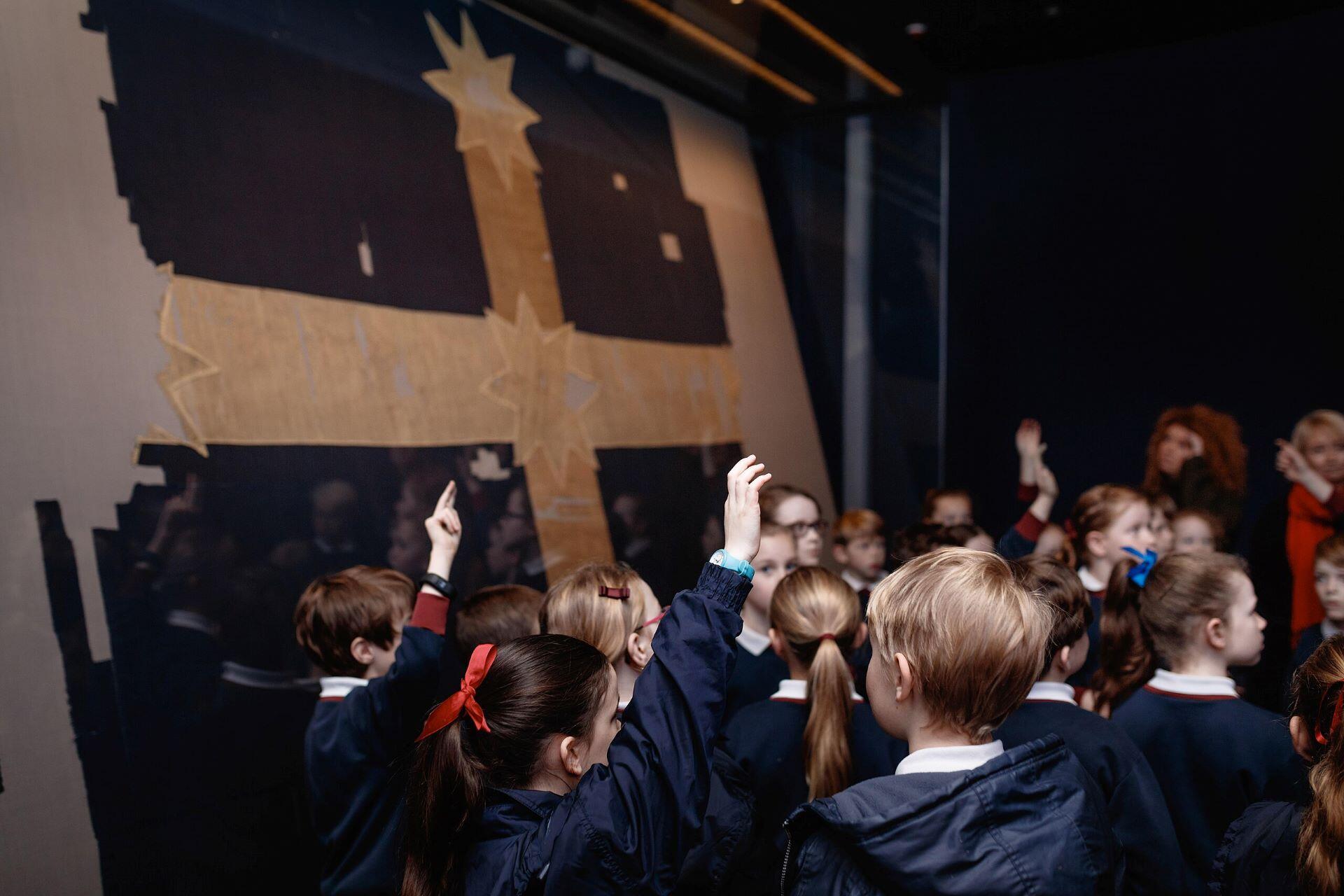

The Eureka flag is a recognisable symbol from Australian history. The blue field, white cross, and constellation of stars emerged from a turbulent moment on the Victorian goldfields in the mid-19th century. The flag has since come to recognise the broader ideals of democracy, defiance, and solidarity, though not uncontroversially. Here, we'll explore why the Eureka flag continues to resonate today, where it came from, its design, and how different generations have adopted and reinterpreted it.


Origins at the Eureka Stockade
The Eureka flag was first raised at Ballarat, Victoria. In 1854, during the Eureka Stockade, miners clashed with colonial authorities. Thousands of miners, many immigrants from Europe, China, and America, were working the Ballarat goldfields. High licence fees, frequent police harassment, and a lack of political representation in the colonial government were parts of their everyday lives, and they were sick of it.
The miners organised mass meetings and formed the Ballarat Reform League. They demanded fairer taxation and democratic rights. On 29 November 1854, they gathered at Bakery Hill and swore an oath under the Eureka flag. The flag was designed to represent unity and defiance and was the rallying point for the miners' cause.

Colonial troops attacked the stockade on 3 December 1854. Though the battle was brief, 30 miners and soldiers were killed. The rebellion was crushed, but public opinion was essentially in favour of the miners, and the outcry led to many of the miners' demands being implemented, including greater political representation and reduced licence fees. The Eureka Stockade flag became a symbol of resistance, democratic aspiration, and the fight for justice in colonial Australia.
The conflict at Eureka wasn’t only about licence fees. Miners were frustrated by police corruption, discriminatory practices against non-European diggers, and the lack of political representation in colonial Victoria. Many were recent immigrants who had left behind revolutionary movements in Europe, bringing with them democratic ideals.
The stockade was as much about demanding a say in government as it was about gold. These wider grievances explain why Eureka has often been described as the birthplace of Australian democracy.
Design and Symbolism of the Eureka Flag
The Eureka flag is a blue field with a bold white cross. The cross features five eight-pointed stars arranged as the Southern Cross. The "cross and constellation" motif was legible and distinctive, and something that was also used for the blue Australian national flag. These elements were particularly useful and recognisable on the goldfields. The historic flag was a hand-sewn patchwork of different textiles. A Prussian blue wool ground, off-white twill cross, and white cotton lawn stars appliquéd onto the cross.
Tradition credits Anastasia Withers, Anne Duke, and Anastasia Hayes (three women on the Ballarat diggings) with sewing the original Eureka banner in late 1854. Using dress fabrics and wool bunting, they produced a flag nearly four metres wide, large enough to be seen by thousands at Bakery Hill.
While historians debate the details, the involvement of these women highlights how the Eureka story was not only about miners and soldiers but also about the community that supported them.
All of the five stars on the historic flag are eight-pointed. This is distinct from the Australian national flag, which uses four seven-pointed stars and one five-pointed star. On the Eureka flag, the eight-point star is entirely within the cross. The design is symbolic since the real Southern Cross' middle star is offset. The cross is similar to a broad Greek cross (equal arm widths). Since the outer stars are appliquéd onto the cross, the stars appear as charges on the cross rather than a field of stars.
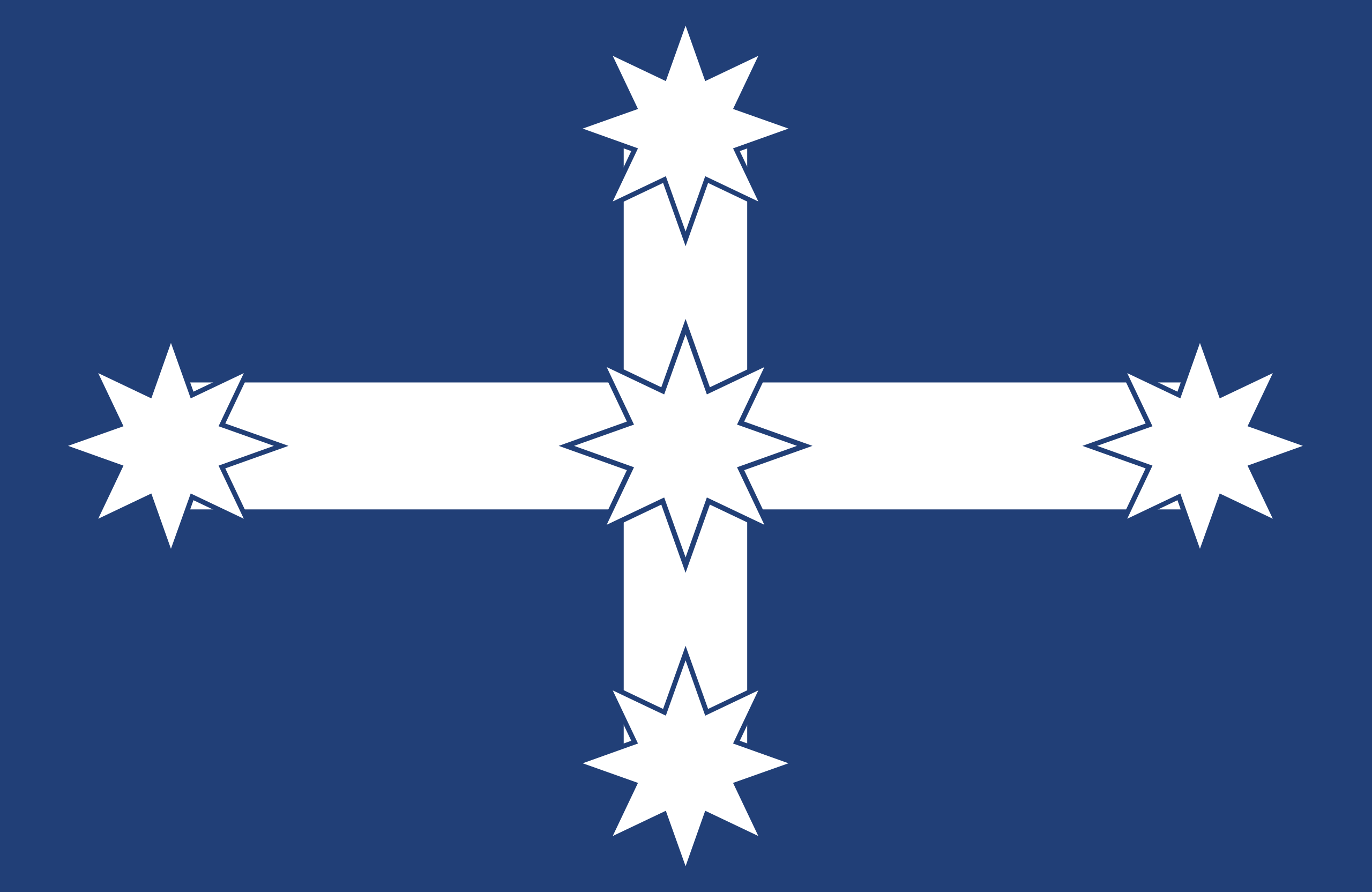
The Eureka flag is a fusion of a cross symbolising authority, union, and faith, with the Southern Cross symbolising place and identity. Since the stars aren't floating on the field like they do in the Australian national flag, they become part of a structural element.
The Eureka Flag in the 19th Century
The flag became part of the story after the bloody clash at the Eureka Stockade in December 1854. Colonial troops seized the banner as evidence, and it was later kept at the Ballarat police barracks.
The Eureka flag (or pieces of it) was occasionally displayed at reunions, political meetings, or commemorations. Its symbolism began to shift, with it moving from a miners' battle standard, like a type of military flag, to a people's flag, with ideals of democracy and fair representation.
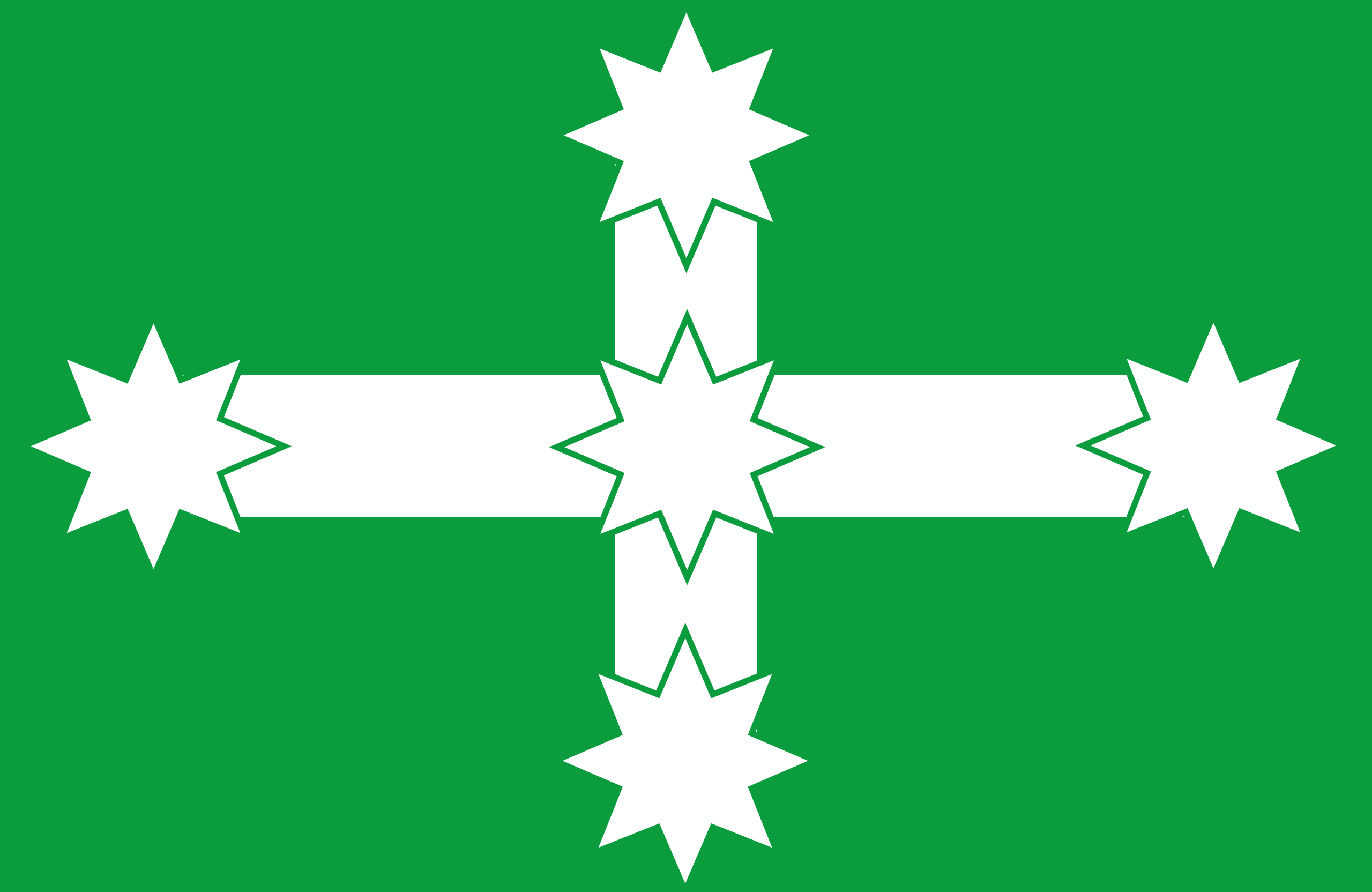
The great shearers' strike in Queensland in 1891 saw the motif of the Southern Cross used again. The physical flag was fragile and fragmented by the end of the century. Still, its design and symbolism had extended beyond the goldfields. A living emblem, it was invoked in debates about democracy, workers' rights, and representation in colonial society.
When 1,300 striking shearers marched through Barcaldine, Queensland, in 1891, many carried banners with the Southern Cross. Though not exact copies of the Eureka design, these flags drew on the same imagery of defiance.
The strike is remembered as one of the key origins of the Australian labour movement and the Australian Labour Party. The use of the constellation here shows how the Eureka symbol had already broken free of Ballarat and was being reinterpreted for new struggles.
Revival in the 20th Century
In the 20th century, the Eureka flag was reborn as a symbol of workers' rights, political activism, and cultural identity. Labour movements rediscovered it and used it as a banner of protest, much like the Aboriginal flag was before it was officially recognised (and after). Trade unions, particularly in Victoria, were among the first to reclaim the flag. It became a shorthand for workers against exploitation. It was used during strikes, marches, and May Day rallies.
The flag found new life in Leftist politics in the mid-20th century. The Communist Party of Australia, trade union federations, and student protest groups all used the Eureka design in support of egalitarianism.
Artists, historians, and cultural institutions began using it. In 1944, Melbourne's Trades Hall started to display the flag, placing it within the narrative of Australia's labour history. In the 1970s, anti-conscription protests and Indigenous rights campaigns also saw the flag carried by activists for various causes.
The Eureka flag's meaning had evolved from one specifically for the miners. It was synonymous with defiance against injustices, be they economic, political, or social. Some Australians saw it as a "people's flag" that was representative of ordinary citizens demanding fairness, without any links to government or the monarchy.
The Eureka Flag in Modern Australia
The meaning behind the Eureka flag continued on its trajectory into contemporary Australia. It's now a widely recognised protest banner, but its myriad uses mean that its symbolism is increasingly complex and nuanced, unlike the state flags of Australia, which have fairly clear and limited uses.
Unions still use it for workers' rights and fairer conditions, and you can see it flown at rallies across the country. Social justice activists often use it at demonstrations, paralleling their struggles with the spirit of defiance seen at Ballarat. Many view the flag as a symbol of standing up against injustice in any form.
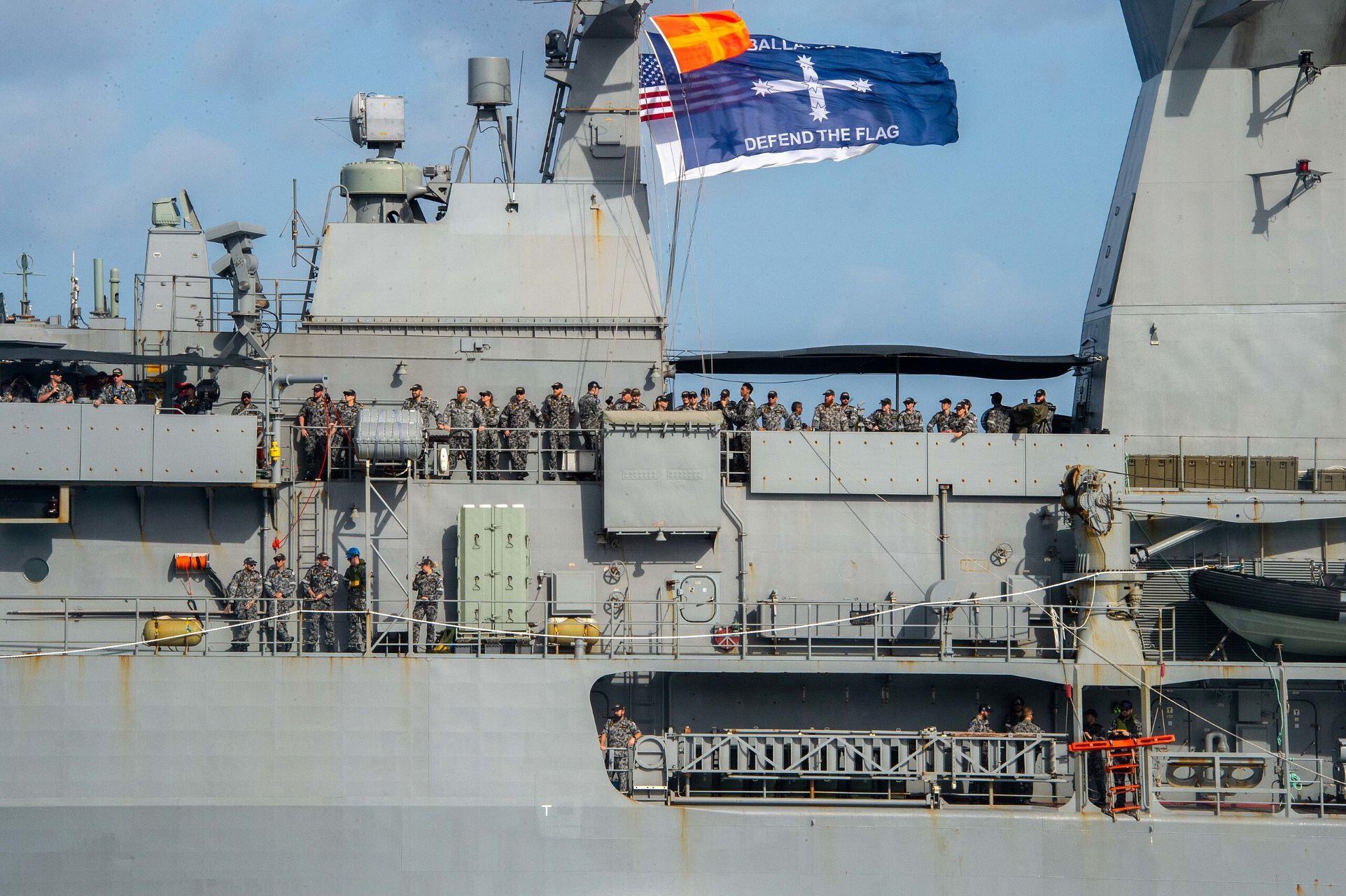
Far-right and nationalist groups have also adopted the flag. Critics argue that the use of the Eureka flag distorts its historical significance, especially in the Australia First Party logo. With the Eureka flag being used in often diametrically opposed contexts, some find its use tainted and avoid carrying it.
The flag’s multiple uses mean it is one of the most contested symbols in modern Australia. For unions and activists, it represents fairness and collective strength. For some nationalist groups, it has been rebranded as a sign of exclusion.
This tension has led to debates about whether the flag should be banned from Parliament House rallies or reclaimed by progressive movements. Its ambiguity keeps it relevant, a symbol that sparks argument as much as unity.
The Eureka flag has no official status, unlike the Australian national flag and the Aboriginal and Torres Strait Islander flags. However, it is displayed at the Eureka Centre in Ballarat and widely recognised as an emblem of Australian national heritage.
Summarise with AI:
Did you like this article? Leave a rating!

 Loading...
