
Facilitated diffusion is the passive movement of molecules across a cell's membrane. It differs from simple diffusion in that it uses proteins specific to the molecule it transports. For example, a glucose molecule will not attach to a calcium transport protein. Facilitated diffusion is a vital process to maintain cell homeostasis and import nutrients.
Facilitated Diffusion Key Characteristics
- Facilitated diffusion relies on specific membrane proteins to transport molecules into the cell.
- These molecules move along their concentration gradient, from high concentration areas to areas of low concentration.
- Cells gate-keep molecules, ensuring that only those it needs, such as glucose and amino acids, enter.
- Facilitated diffusion requires no energy (no ATP).


The Mechanism of Facilitated Diffusion
Cells need nutrition. They need to exist in a stable environment, and they must perform specific functions. This happens in a variety of ways, including through facilitated diffusion - a type of passive transport, and active transport.
'To facilitate' means 'to make easier'.
Facilitated diffusion means that transporting molecules into cells is made easier with the help of transport proteins. These proteins come in two varieties1.
Channel proteins
These proteins form pores (channels) to permit specific ions or molecules into the cell.
Carrier proteins
These proteins bind to specific molecules to transport them across the membrane.
To be sure, not all diffusion processes work in exactly the same way, even though they serve the same purpose (cell homeostasis) and work along the same lines. So the question arises about why some molecules need facilitation into the cell.
Larger, polar molecules, such as glucose and amino acids, cannot pass through the lipid bilayer without this help.
The Role of Transport Proteins
Biological imperative, yes. Environmental factors, yes. Promises, no.
Jeff VanderMeer, author
Our bodies are chemical stews of ions, molecules, gases, and water. Sorting all those ingredients into a functioning organism takes a bit of gatekeeping. The right ion going into the wrong place might not be a killing proposition, but it's safe to say it would at least disturb the body's equilibrium.
Cells' lipid bilayer is a gate of sorts. It helps protect the cell, and allows only certain particles through. Those include water (via osmosis), nutrient accumulation (via active transport), and other critical molecules.
Above, we mentioned glucose, amino acids, and ions. Those are so vital to the cells' function that they have priority pathways into the cell, in the form of transport proteins. Again, this is not a 'first-come, first-served' proposition; the first-come participant cannot simply grab the first available transport. Each type of molecule has its own transport channel.
Facilitated Diffusion vs. Simple Diffusion
By any measure, diffusion is a fascinating phenomenon, even for us well-trained science geeks. But if it's so great, why are there so many types of diffusion?
Remember the gatekeeping principle. Different types of diffusion work as a sorting system to make sure the right particles get to the right places in the right measures.
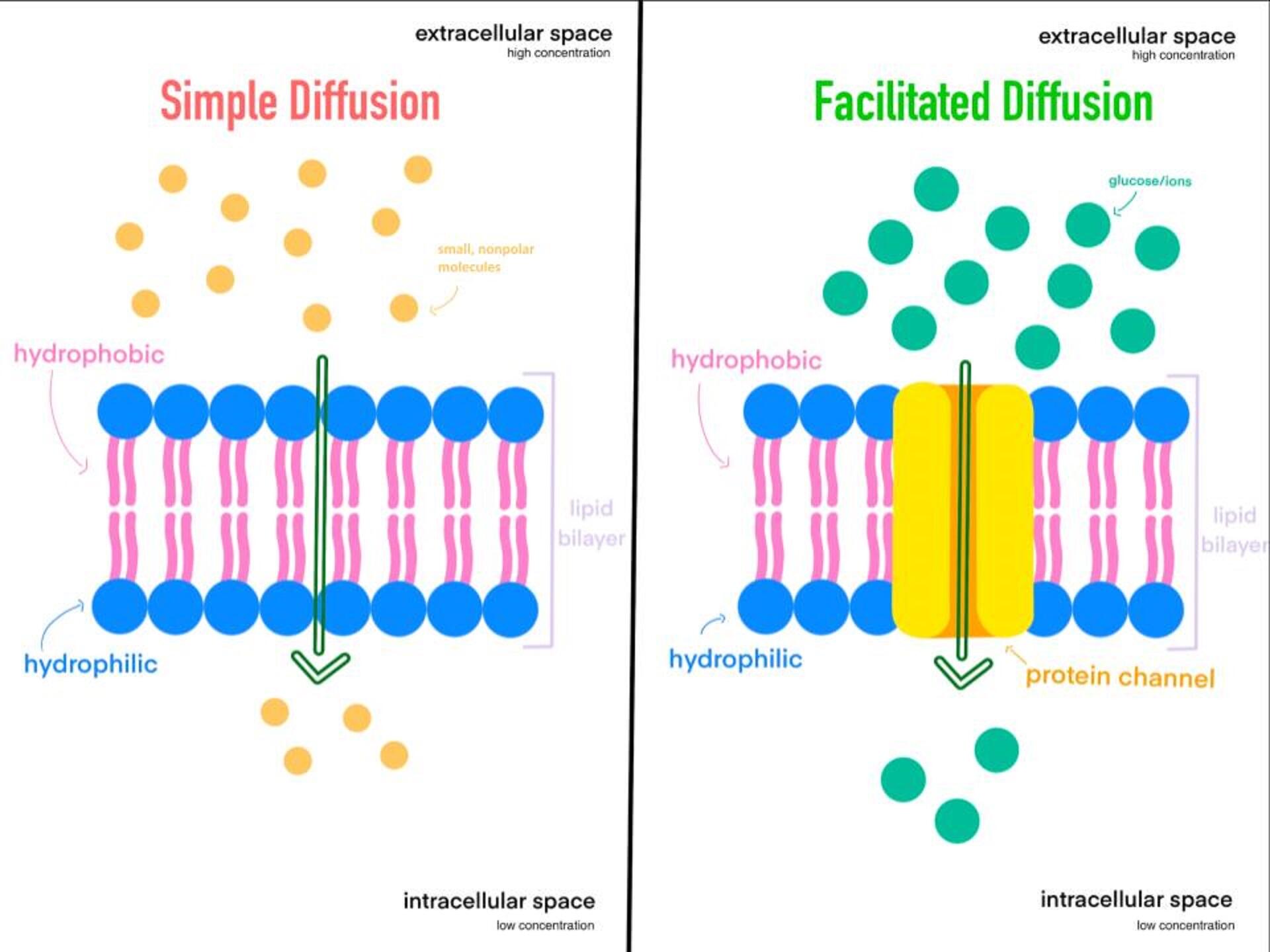
Osmosis and, more loosely, filtration are considered types of diffusion. However, the real difference in diffusion function and purpose lies between simple and facilitated diffusion2.
Simple diffusion
- occurs through the membrane
- it's non-specific
- typically moves small, non-polar molecules into the cells
- the molecules move through the lipid bilayer unaided
- the rate of diffusion increases with concentration
- particle movement follows the concentration gradient
Facilitated diffusion
- occurs through proteins
- it's highly specific
- typically moves large, polar molecules into the cells
- the process involves specific transport proteins
- the rate of diffusion depends on the availability of transport proteins
- particle movement may occur along or against the concentration gradient
In facilitated diffusion, the saturation point comes when all transport proteins are occupied, a condition that cannot happen in simple diffusion. Despite their many differences, simple and facilitated diffusion have one crucial factor in common.
Neither facilitated nor simple diffusion requires any energy to activate.
Factors That Affect Facilitated Diffusion
Dynamic homeostasis means that, whenever a part of the system is out of balance ...
John Bradshaw, author and educator
Maintaining homeostasis serves the biological survival imperative. Homeostasis is the state of balance that assures the imperative; it is a self-regulating system that maintains stability. As such, anything that might disturb that balance should be cause for (great) concern. This table presents what conditions might negatively affect facilitated diffusion processes3.
| 😷Condition | ⛔Why it's bad | 📝Notes |
|---|---|---|
| Temperature extremes | Excessive heat can disrupt or disable channel and carrier proteins. | Mild temperature increases may be beneficial. |
| Reduced protein function or availability | These reductions reduce the membranes' capacity to transport molecules. | This condition is typically due to disease or genetic mutation. |
| Changes in membrane permeability | May negatively affect the channels' and carriers' ability to transport efficiently. | Generally due to changes in the lipid composition. Substances may be present that affect protein function. |
| Inhibitors and competitors | Blocked channels, and those transporting competitor molecules, make them unavailable for transport. | Competitive substances, and those that might inhibit protein functions can block transport. Toxins can block ion channels, preventing uptake. |
| Protein saturation | Each cell has a limited number of carriers. Increasing the proteins limits the transport process. | Increasing the concentration gradient does not increase the transportation rate. |
You'll note the chart states that a slight increase in temperature could be beneficial to the transport process. That's thanks to increased molecular motion in slightly elevated temperatures. Other factors that affect facilitated diffusion4 include:
To be sure, other than avoiding toxins and extreme temperatures, there's little we can do to help our cells maintain homeostasis. Eating a proper diet, getting enough sleep, and maintaining a level of physical activity will help, of course. But as far as cell homeostasis is concerned, they'll work with what they have to make sure they continue to function.
John Bradshaw's quote ends with "... the system will try to bring it back into balance." He was talking about societal imbalance, but his words suit biological functions equally well. In fact, his words describe what diffusion in biology is all about.
Examples of Facilitated Diffusion
From all this, we know that facilitated diffusion is important to maintain the cells' homeostasis and, more directly, their internal environment. We also know that facilitated diffusion ensures the cells receive needed molecules, and it helps with waste removal. How, specifically, does this happen?
Glucose Transport
Glucose is a large, polar molecule, so it cannot diffuse into cells via simple diffusion. This molecule needs carrier proteins, appropriately called glucose transporters, to travel through the lipid bilayer.
The small intestine's epithelial cells absorb glucose molecules via active transport.
These molecules get released into the bloodstream via facilitated diffusion.
As we eat, a portion of our food (carbs) becomes sugar. As you surely know, glucose is fast food for our cells, food that our bloodstream delivers throughout our body. As blood courses through, cells use the same glucose transporters to claim their share of food from our blood to keep our cells fed.
Ions
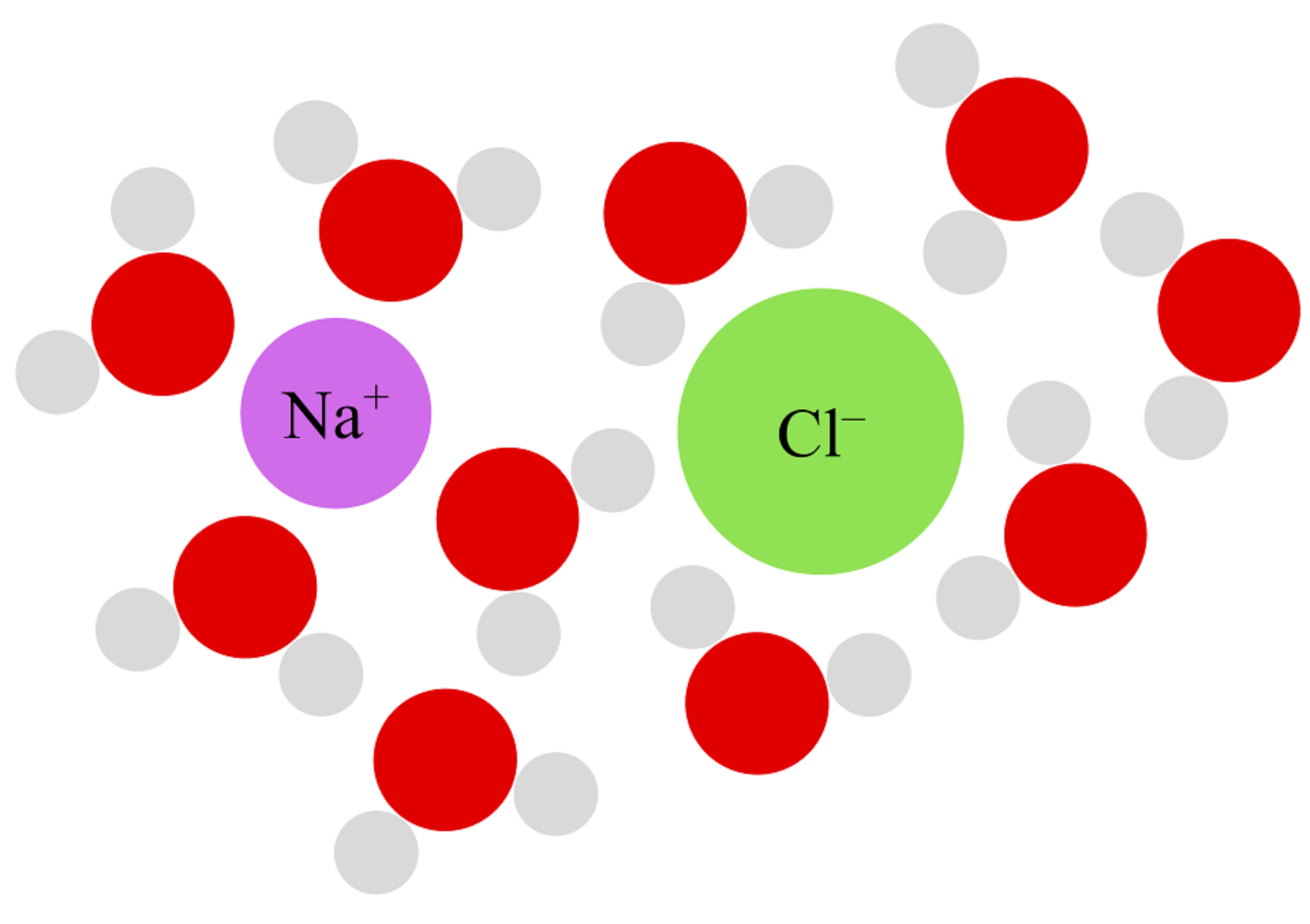
Salt, potassium, chloride, and calcium are crucial to maintain homeostasis and, therefore, cellular health. Our cells prioritise these and other ions, giving them passage through the bilayer via selective ion channels.
Recall that two factors determine the need for facilitated diffusion: size and polarity.
Despite ions' small size, their polarity prevents them from moving through the semipermeable barrier without dedicated channels.
Gated channel proteins (ion channels) allow the intake of ions along their concentration grades, typically at a much faster rate than larger molecules may diffuse.
Amino Acids
Like glucose, amino acids course through the body via the bloodstream, diffusing into cells via facilitated diffusion. However, unlike glucose, these molecules enter the cell via amino acid permeases.
These are carrier proteins that facilitate the movement of amino acids across cells' semipermeable membranes.
Note that permeases - all carrier proteins - change their configuration to facilitate their molecules' passage into the cells. Also, they are present in active transport as well as passive.
Gas Transport
Many textbooks typically assign gases a simple diffusion role; oxygen and carbon dioxide passing through the lungs' alveoli is a standard example. However, other gases course through biological systems, and they require more complex, targeted delivery systems.
In blood, haemoglobin is the red blood cells' carrier protein.
Red skeletal muscle cells use myoglobin as their carrier.
These carrier proteins have an affinity for oxygen, which diffuses thanks to a greater saturation pressure on one side of the membrane than the other. This tells us that this transport doesn't necessarily obey Fick's law of diffusion. In this case, it's more about pressure than concentration gradients.
In human adults, blood cells lack a nucleus and organelles to make maximum space available for haemoglobin, which binds with oxygen and carbon dioxide.
Unlike osmosis, which is how water moves across cell membranes, facilitated diffusion is a targeted, specific system. It delivers vital nutrients and substances to maintain cells.
References
- GeeksforGeeks. “Facilitated Diffusion: Understanding the Process.” GeeksforGeeks, 20 June 2022, www.geeksforgeeks.org/biology/facilitated-diffusion-explained/. Accessed 23 Jan. 2026.
- Sapkota, Anupama. “Simple Diffusion vs Facilitated Diffusion (11 Differences).” Microbe Notes, 29 May 2020, microbenotes.com/simple-diffusion-vs-facilitated-diffusion/. Accessed 23 Jan. 2026.
- Biology Notes Online. “Facilitated Diffusion - Definition, Principle, Examples - Biology Notes Online,” Biology Notes Online, 31 Mar. 2024, biologynotesonline.com/facilitated-diffusion/. Accessed 23 Jan. 2026.
- Unacademy. “Factors Affecting the Rate of Facilitated Diffusion.” Unacademy, 22 Apr. 2022, unacademy.com/content/neet-ug/study-material/biology/factors-affecting-the-rate-of-facilitated-diffusion/. Accessed 23 Jan. 2026.
- Biology Online. “Facilitated Diffusion Definition and Examples - Biology Online Dictionary.” Biology Articles, Tutorials & Dictionary Online, Biology Online, 10 Nov. 2019,www.biologyonline.com/dictionary/facilitated-diffusion. Accessed 23 Jan. 2026.
Summarise with AI:
Enjoyed this article? Leave a rating!

 Loading...