

The Tudor period is one of the most famous times in English history. This was when the country separated from the Catholic Church, when monarchs had multiple wives, and when much of England's later identity was established. Here are some of our favourite facts about the time.


The Tudor Dynasty Began After a Civil War
The Tudor dynasty began in 1485.¹ After Henry VII defeated Richard III at the Battle of Bosworth Field. The victory marked the end of the Wars of the Roses between two rival royal families, establishing the line of Tudor monarchs that would last over a century.
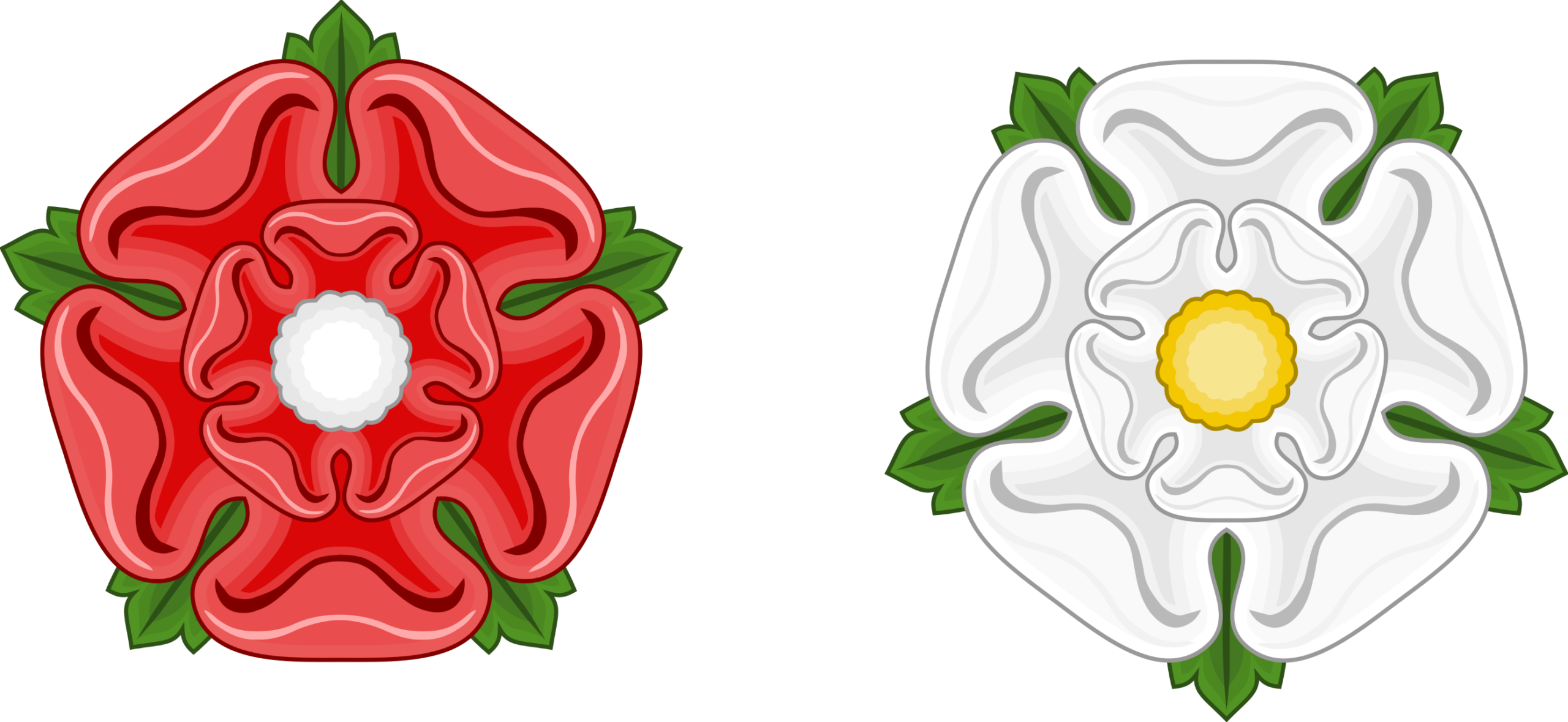
The Tudor Rose Symbolised Peace Between Rival Houses
The Tudor rose was a combination of the red rose of Lancaster and the white rose of York.² It represented the unity between the two families that fought during the Wars of the Roses. It was a powerful symbol of peace and is closely associated with the Tudors today.
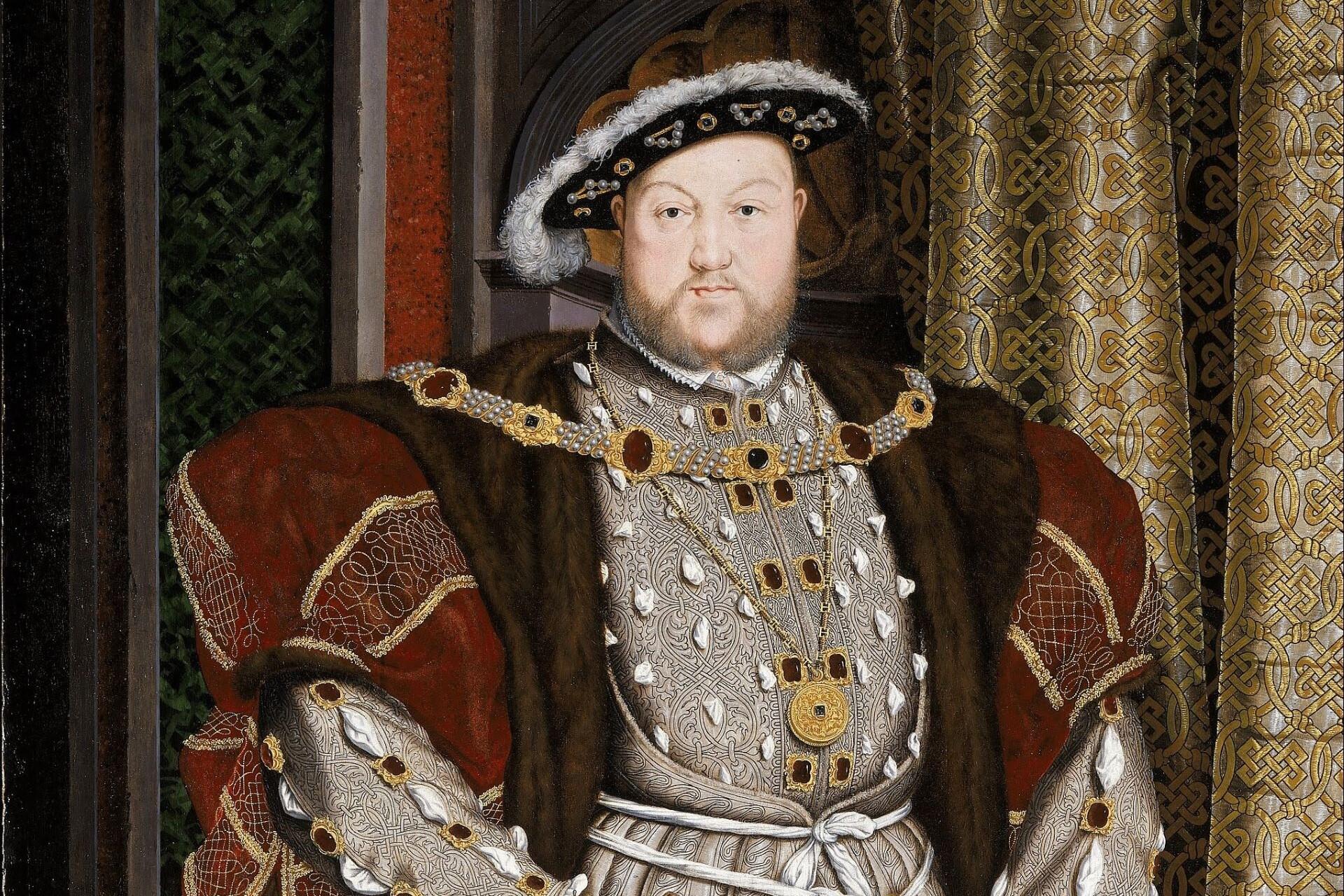
Henry VIII Had Six Wives
One of the most famous Tudor monarchs. Henry VIII is famous for several things, but having six marriages was arguably what he was most famous for.⁸ So how did he have six wives in a time when the Catholic church only allowed one marriage?
Henry VIII Changed England’s Religion to Remarry
The Pope refused to grant Henry VIII permission to end his first marriage.³ Henry separated England from the Roman Catholic Church, creating the Church of England in the process. This resulted in many significant religious changes across Tudor society and English history.
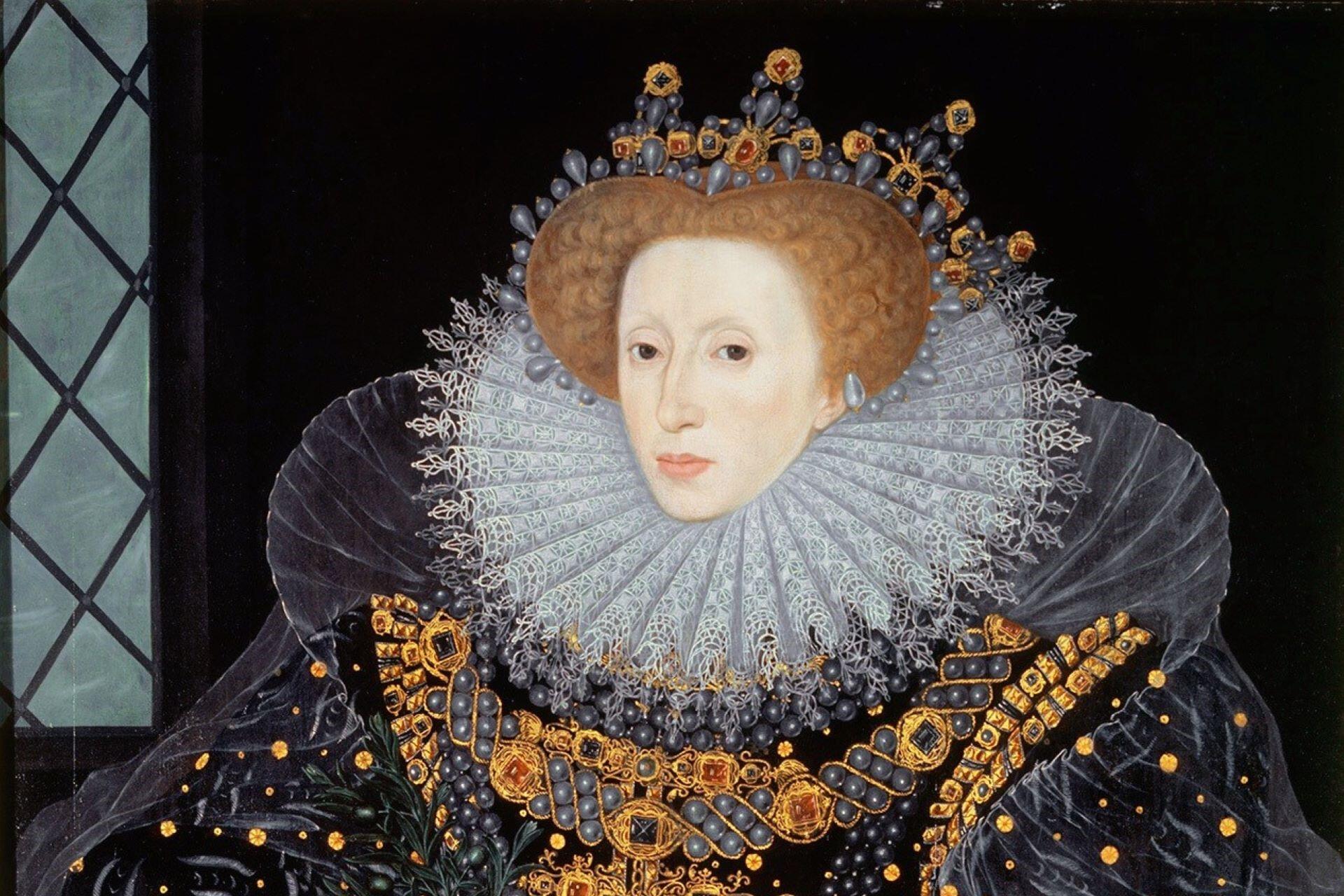
Elizabeth I Never Married or Had Children
Elizabeth I became known as the "Virgin Queen". She didn't marry largely because she believed it would weaken her political power. She died in 1603, and without an heir, so did the Tudor dynasty.⁷
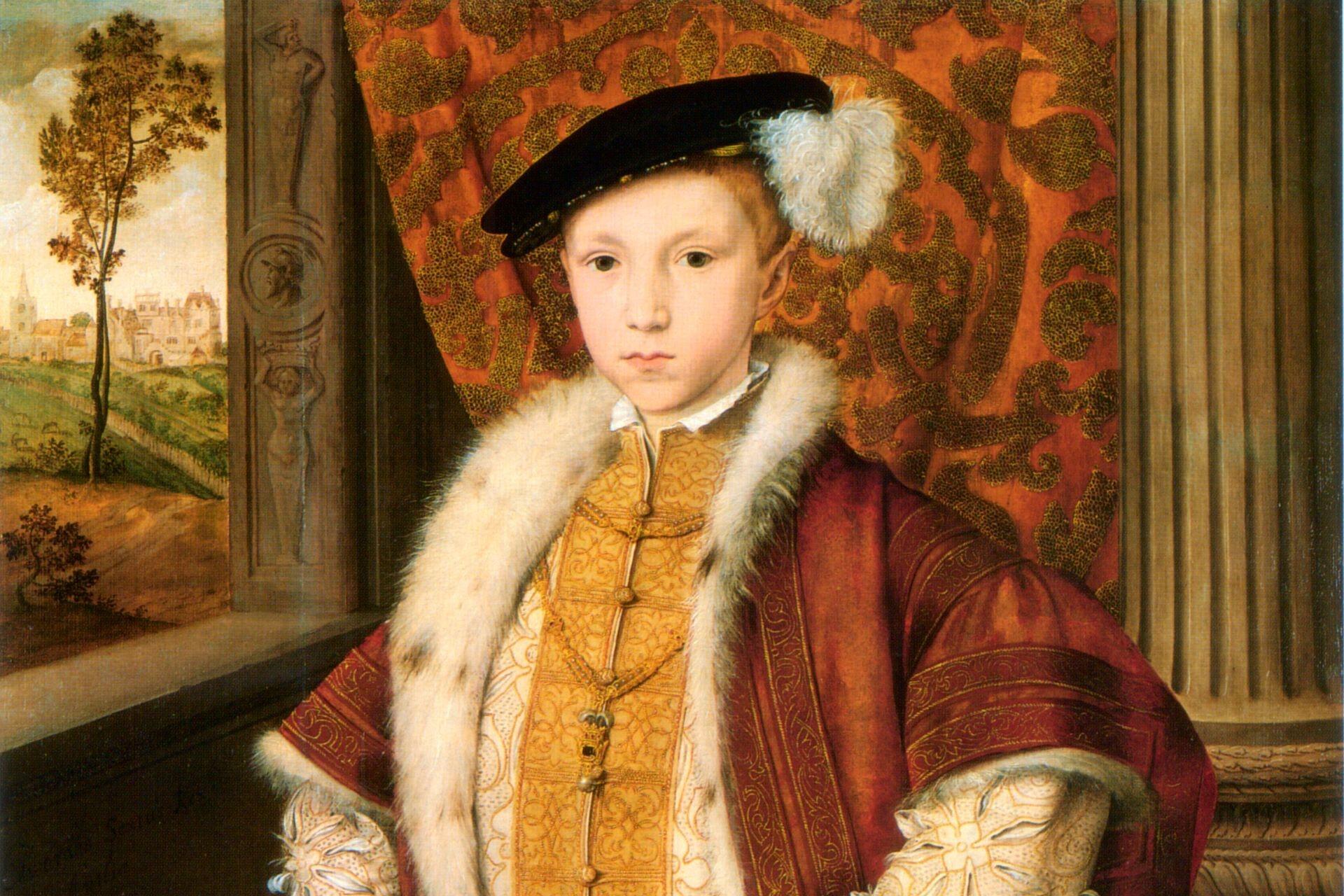
Edward VI Became King at Just Nine Years Old
After Henry VIII died, his son Edward VI became king.⁷ As he was so young, advisors essentially ruled the country for him. He became king at 9, and his short reign (he died aged 15) led to many Protestant religious reforms in England.
Mary I Earned the Nickname “Bloody Mary”
Mary I attempted to return England to Catholic rule.³ She ordered the execution of Protestants who refused to change their beliefs. Her actions earned her the nickname "Bloody Mary".
Tudors Believed Bathing Could Cause Illness
Many Tudors believed bathing was dangerous. The idea was that hot water opened the skin's pores, allowing disease to enter the body.⁵ They cleaned themselves with cloths, but their overall understanding of hygiene meant disease spread very easily, and life at the time of the Tudors was rife with disease.
Tooth Decay Was Extremely Common Among Wealthy Tudors
Despite wealthier classes usually having better health, tooth decay was a problem among wealthy Tudors. With sugar a popular luxury food during the time and a poor understanding of dental hygiene, tooth decay was common.⁸ Apparently, Queen Elizabeth I suffered from damaged teeth due to her diet.
Tudors Used Herbs as Medicine and Toothpaste
Speaking of dental hygiene, herbs such as mint, sage, and rosemary were common ingredients in remedies.⁵ Herbal remedies were popular at the time. Tudor healthcare regularly included them.
Rich and Poor Tudors Lived Very Different Lives
Wealthy Tudor families had large, decorated homes with furniture and tapestries.¹ Poor families had small timber houses with dirty floors. Social class influenced daily life, work opportunities, and diet.
Most Tudor People Could Not Read or Write
Literacy was very low during the Tudor period. Only boys from wealthy families or those preparing to work for the church were taught.¹⁰ Poorer children never attended school. Literacy improved during the period, but rates were still very low.

Tudor Children Often Worked from a Young Age
It was common for children to start working at a very young age. They'd work as apprentices, farm workers, or servants in wealthy households.¹¹ Work was an essential way for them to learn practical skills for adult life.
Tudors Rarely Used Forks When Eating
Forks weren't commonly used in Tudor England. It was more common for people to eat with knives, spoons, or their hands.⁸ That said, they still had table manners, especially in the homes of wealthy families.
Drinking Water Was Often Considered Unsafe
Since most water would make people sick, alternatives were used. Since beer and ale were boiled during production, this was preferred over water.⁸ Even children would drink it as part of their daily diet.
Tudor Banquets Were Displays of Wealth and Power
Royal banquets were extravagant events. It was often a way to impress guests with wealth. On the menu: exotic foods like swan, peacock, and venison.²
Sugar Was a Luxury and Status Symbol
Sugar was expensive during the Tudor period. It was only available ot wealthy families.⁸ In addition to consuming it, it could be used to create decorative sculptures during celebrations.
Theatre Became Extremely Popular During the Tudor Period
The Tudor period was a time when public performance and theatre became much more popular. Playwrights like William Shakespeare became popular during the reign of Elizabeth I.² Theatre was entertainment for both ordinary people and royal audiences.
Dancing Was an Important Social Skill in Tudor Courts
For court life and social gatherings, dancing was essential. Nobles and courtiers had to dance well to show off their elegance and education. Royal celebrations and festivals would include complex group dances.²
Sports and Physical Games Were Popular Tudor Pastimes
Tudor people loved physical sports and outdoor games. Archery, football (not like modern football), wrestling, and hunting were common forms of entertainment.⁵ Sports like archery were encouraged because they helped train soldiers.
Henry VIII Helped Build England’s Powerful Navy
Henry VIII invested heavily in warships and naval defences.⁴ He created shipyards and expanded England's fleet significantly. This helped establish England as a future global maritime power.
The Spanish Armada Attacked England in 1588
Spain's naval fleet, the Spanish Armada, invaded England during Elizabeth I's reign.⁴ England defeated the so-called “Invincible Armada”, which had been damaged in poor weather conditions. Naval tactics also helped secure victory.
Tudor Explorers Helped Expand English Trade and Influence
Explorers like Sir Francis Drake travelled the world in search of trade routes and new territories.² Their journeys helped make England wealthier and more influential. It was during this time that England began to become a major trading nation.
Tudor Clothing Showed Social Status
During the Tudor period, clothing was regulated by law.⁸ Wealthy Tudors wore silk, velvet, and jewellery. Poor people often wore wool or linen, practical and available materials.
Pale Skin Was Fashionable Among Wealthy Tudors
Wealthy Tudors avoided sunlight and used powders to make their skin appear lighter.⁸ After all, appearance played an essential role in social reputation and the beauty standards of the time. The logic was that wealthy people didn't have to work outdoors, so they wouldn't be tanned.
Tudor Makeup Could Be Dangerous and Toxic
Cosmetics containing ingredients like lead and mercury were hardly safe.⁸ While they were used to make the aforementioned pale complexions, they'd damage skin and health. Despite the risks, makeup was still fashionable among wealthy Tudor women.
One of the First Flush Toilets Was Invented in Tudor England
Sir John Harrington designed a flushing toilet during the reign of Elizabeth I.⁶ He demonstrated how it worked in his home. That said, it wasn't widely adopted, though its design would influence later technologies.
Tudors Strongly Believed in Witchcraft and Supernatural Forces
The Tudors believed in witches, curses, and magical creatures.⁵ Accusations of witchcraft could lead to trials and punishments. Superstition was part of religion and everyday beliefs.
Public Executions Were Considered Public Entertainment
Public executions were a deterrent for criminals.⁸ For those not being punished, they were also a form of entertainment. People would gather to watch them.
Tudors Believed Bad Smells Caused Disease
Before an understanding of germs, people believed diseases were caused by bad smells.⁵ People would carry flowers to protect themselves from illness. This misunderstanding led to how Tudor healers went about their business.
References
- English Heritage. “An Introduction to Tudor England (1485–1603).” English Heritage, www.english-heritage.org.uk/learn/story-of-england/tudors/introduction-to-tudor-england/.
- English Heritage. “Tudor England.” English Heritage, www.english-heritage.org.uk/learn/story-of-england/tudors/.
- English Heritage. “Tudors: Religion.” English Heritage, www.english-heritage.org.uk/learn/story-of-england/tudors/religion/.
- English Heritage. “Tudors: War.” English Heritage, www.english-heritage.org.uk/learn/story-of-england/tudors/war/.
- English Heritage. “Teaching Tudors and Stuarts.” English Heritage, www.english-heritage.org.uk/learn/teaching-resources/teaching-history/teaching-tudors-stuarts/.
- English Heritage. “Tudor and Stuart Ingenuity: 7 Inventions of the Tudors and Stuarts.” English Heritage, www.english-heritage.org.uk/visit/inspire-me/ingenious/tudor-and-stuart-ingenuity/.
- Historic Royal Palaces. “Tudor Kings and Queens Biographies and Key Facts.” Historic Royal Palaces, www.hrp.org.uk/schools/learning-resources/tudor-kings-and-queens-biographies-and-key-facts-ks2-ks3-ks4-ks5/.
- Rex, Richard. “The Tudors and Tudor England in the 16th Century.” Historic UK, www.historic-uk.com/HistoryUK/HistoryofEngland/The-Tudors/.
- Old Royal Naval College. “Greenwich Palace and the Tudors.” Old Royal Naval College, ornc.org/our-history/greenwich-palace/.
- Twinkl. “The Tudors Teaching Wiki.” Twinkl, www.twinkl.com/teaching-wiki/tudors/.
- Twinkl. “History Knowledge Organiser: The Tudors KS2.” Twinkl, www.twinkl.co.uk/resource/history-knowledge-organiser-the-tudors-ks2-t-h-721/.
Summarise with AI:
Did you like this article? Leave a rating!

 Loading...
