
Lots of my first dates turn into cultural awareness training workshops.
Anita Heiss
When asked about iconic Australian people, one usually hears glittery names: Steve Irwin, perhaps, and certainly Nicole Kidman. It takes a bit more digging for the names of famous Indigenous people to crop up. That's a shame, because Aboriginal Australian accomplishments should get far more recognition than they do. This article aims to set the record straight with these inspiring Australians.
| Who | When | Who are their people? | What are they known for? |
|---|---|---|---|
| David Unaipon | 1872 - 1967 | Ngarrindjeri | Inventor, politics and writer |
| Evonne Goolagong Cawley | 1951 - present | Wiradjuri | Tennis |
| Neville Bonner | 1922 - 1999 | Ugarapul | Being the first Indigenous person appointed to Parliament. |
| Cathy Freeman | 1973 - present | Kuku-yalanji and Birri-gubba | Being the fastest runner. |
| Archie Roach | 1956 - 2022 | Gunditjmara and Bundjalung | Singer, songwriter and activist |
| Lowitja O'Donoghue | 1932 - 2024 | Yankunytjatjara | She was a public administrator and the first chair of ATSIC |
| Albert Namatjira | 1902 - 1959 | Western Arrernte | Pioneering contemporary Indigenous art |
| Bronwyn Bancroft | 1958 - present | Bundjalung | Artist and fashion design |
| Benn Harradine | 1982 - present | Wotjobaluk | Olympic discus thrower. |
| Anita Heiss | 1968 - present | Wiradjuri | Writing and activism |
| Adam Goodes | 1980 - present | Wallaroo, South Australia | Football, GO Foundation |
| Emily Kame Kngwarreye | 1914 - 1996 | Anmatyerr | Painting |


David Unaipon
Did you know that $50 Australian bank notes have a picture of an Australian polymath on them? David Uniapon was a community leader, preacher, author, and politician - to an extent. He functioned as a cross-cultural go-between, doing much to tear down barriers between communities.
That word describes people who have a keen interest and ability in one or more subjects. David's speciality was the English language, but his interests ranged wide.
David's passion was creation. He invented at least 19 devices while trying to invent a perpetual motion machine. At that, he didn't succeed, but many of his inventions are still in use today. Unfortunately, he never had the funds to go beyond securing provisional patents for his inventions. Others capitalised on his designs without compensating or crediting him for his ideas.
Evonne Goolagong Cawley
Anyone even vaguely familiar with tennis knows this name.
Evonne retired from professional tennis in 1983. Since then, she's devoted her time and energy to helping Indigenous youths stay in school through her Goolagong National Development Camp.
Neville Bonner
Neville Bonner should feature on every list of famous politicians in Australia. He was the first Indigenous person to take a seat in Queensland's Parliament - albeit by appointment, to fill a vacancy. He later stood for election, which he won, four times.
A term to describe members of one political party who join the opposition to help pass a piece of legislation.
Unfortunately, his political career was short-lived: just nine years. He served on several committees while in the Senate but was never considered for any cabinet position, and never would be. Also, his tendency to 'cross the floor' made him a darling on both sides but ultimately cost him political points. Neither party believed Neville was wholly in their camp.
Cathy Freeman
Meet the ninth-fastest woman of all time, an Olympian sprinter and Olympic Flame lighter (2000 Summer Olympics).
Cathy started training when she was 14 years old, after finding success in school events.
She made her international debut in 1990, at the Auckland Commonwealth Games. Her success at that event made her the first Aboriginal Australian to win a gold medal. In all, Cathy has won seven gold medals, two silver and one bronze.
She retired in 2003 but continues to inspire through her Cathy Freeman Foundation, which helps children in remote Indigenous communities access education.
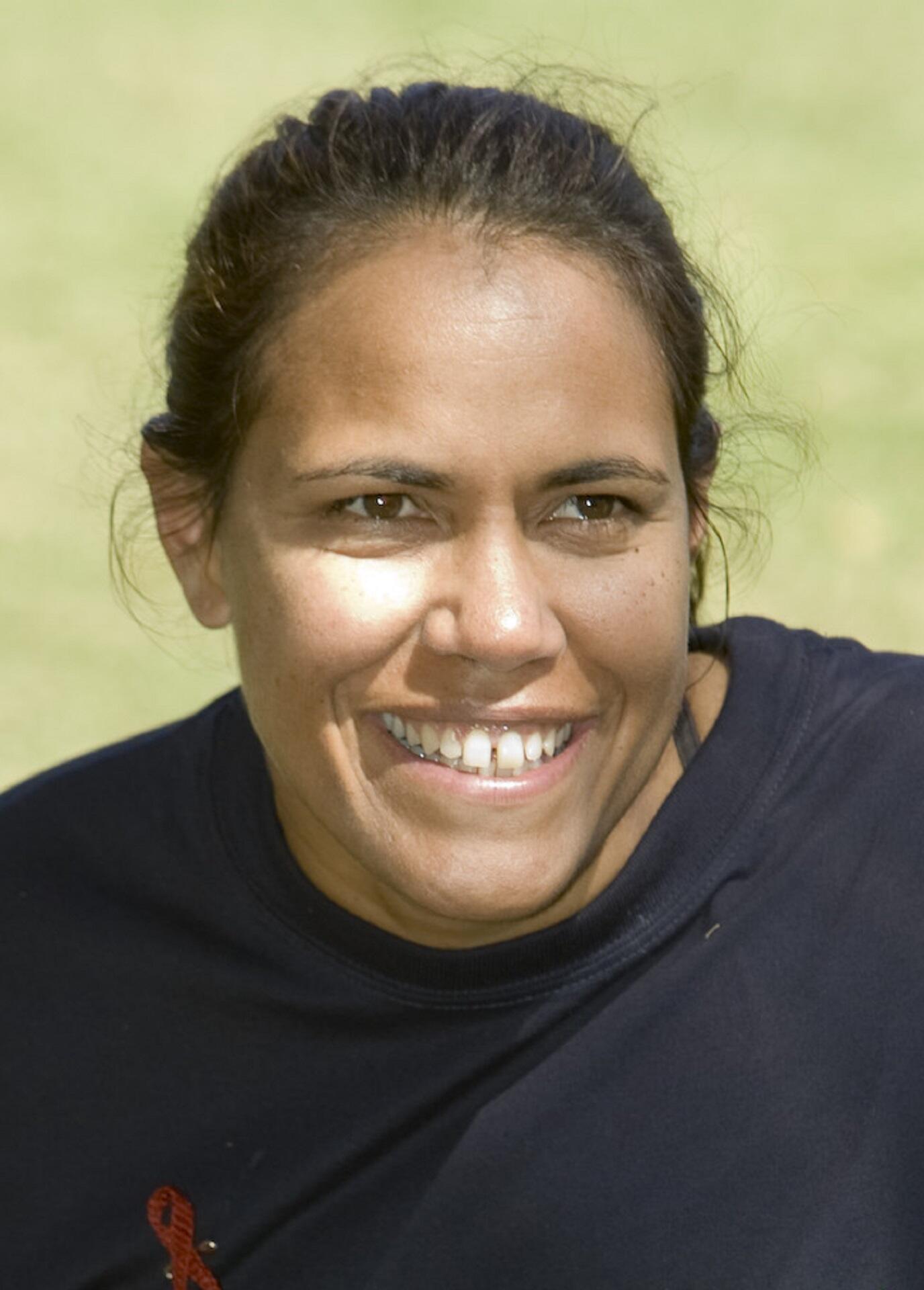
She's also active in many community and charity ventures.
Archie Roach
It's hard to decide whether this Aboriginal musician was more effective as an artist or activist. He and his partner, Ruby Hunter, dedicated their careers and lives to fighting for Aboriginal and Torres Strait Islander Peoples' rights.
His debut album and, in particular, its first release was an indictment of actions taken against Aboriginal families. Charcoal Lane earned its gold certification in 1992, gaining recognition around the world. Success notwithstanding, Archie never stopped trying to heal Aboriginal wounds, and did his best to make sure none would happen again.
Lowitja O'Donoghue
Lowitja O'Donoghue (Lois Smart) was a public administrator who made her mark as an advocate of Indigenous rights.
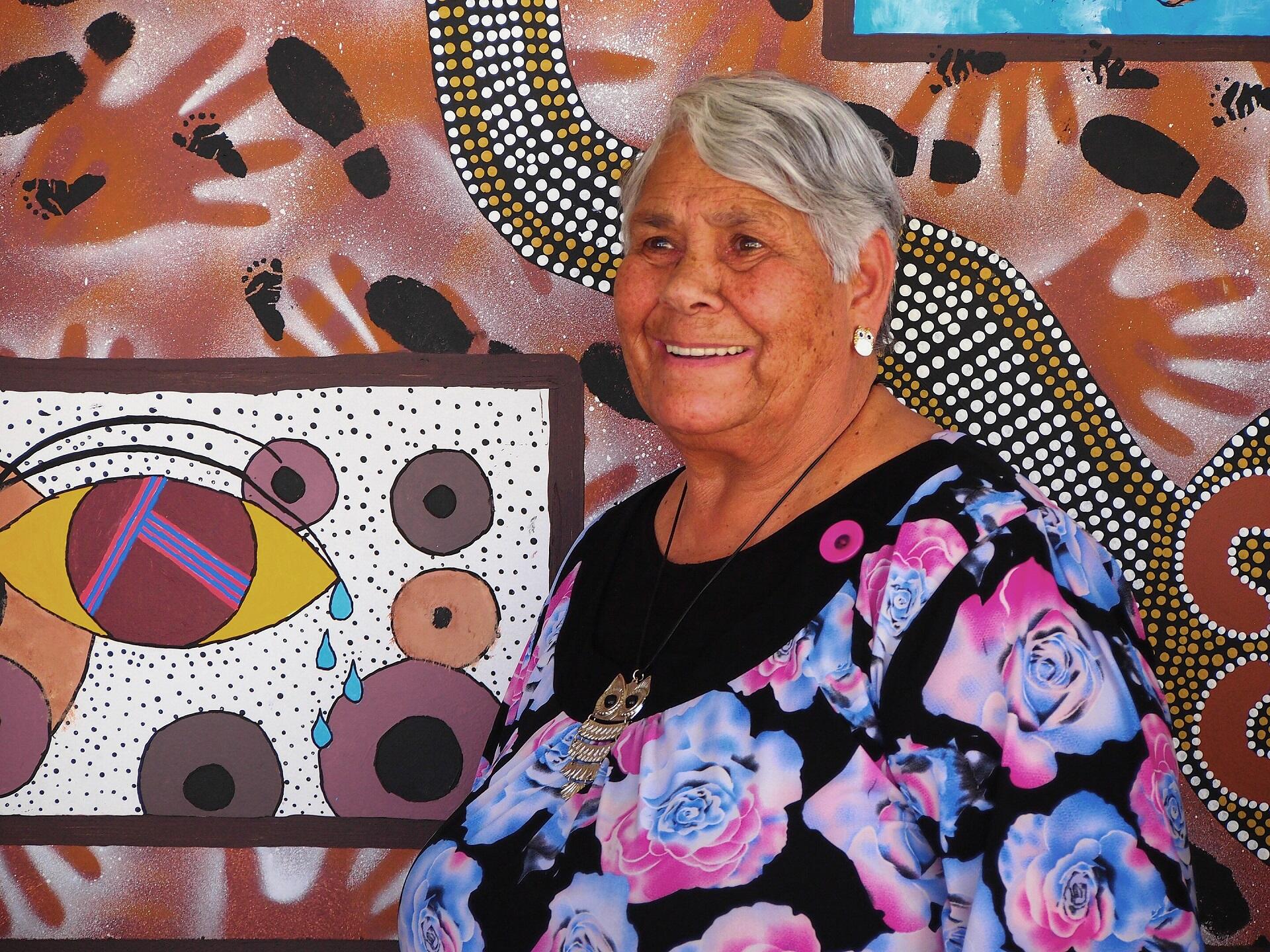
Early in her career, Lois took a position in the Department of Aboriginal Affairs. At the time, that initiative was new, unsure of its direction. Eight years into her tenure, Lois became the director of the department's South Australia division. As the branch's senior official, she formulated and implemented Aboriginal welfare policies.
Lowitja was the first Indigenous woman inducted into the Order of Australia (1976). She was the first Aboriginal Australian to address the United Nations during their Year of Indigenous People (1992).
After she retired from public life, she launched the Lowitja Institute. This initiative is called Australia's National Institute for Aboriginal and Torres Strait Islander Health Research.
Albert (Elea) Namatjira
Aboriginal art is impactful and full of meaning. This artist took all the best of Aboriginal art and layered his own vision onto it. His artistic expressions earn him a place as one of history's most famous Australians.
Albert Namatjira had always created art but didn't get serious about his artistic career until he was in his 30s. He got a bit of tutoring in painting techniques from Rex Battarbee. Those tips changed Albert's painting style.
Albert Elea Namatjira didn't paint in the traditional Aboriginal style. His work found appreciative audiences, but he could do little with his wealth and fame due to restrictive laws in his day. Still, his recognition may have contributed to him becoming the first Aboriginal person to gain Australian citizenship (in 1957).
Bronwyn Bancroft
The fashion world is exclusive. It's very hard to break into that circle, let alone find acclaim. Bronwyn succeeded on both counts.
Bronwyn studied design in Sydney and Canberra. She incorporates Aboriginal art and textile production into her designs.
Bronwyn was among the first Aboriginal fashion designers invited to Paris to show her work.
In 1985, she opened a shop called Designer Aboriginals, but fashion isn't her only creative expression. Bronwyn's artwork hangs in galleries across Australia, and her children's books populate bookshop and library shelves.
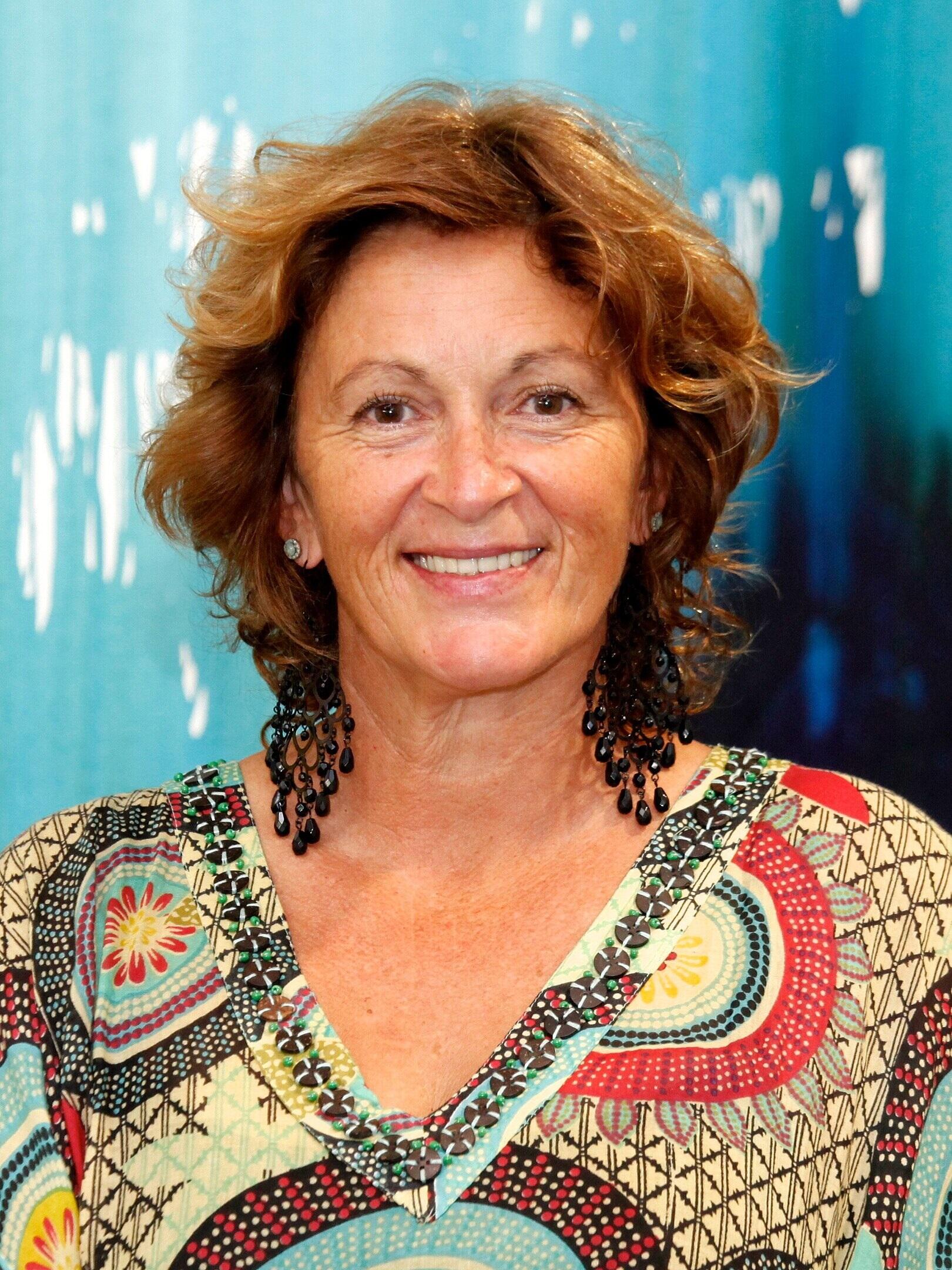
Somehow, after all this, she still finds time for activism and community support.
Benn Harradine
Benn is the first Australian to reach the Olympic finals in discus throwing. He was the first Aboriginal athlete to represent Australia in a field event (2008 Beijing Olympics). In 2010, he earned gold at the Commonwealth Games and silver at the Continental Cup competition. He was the first Aboriginal athlete to do so.
Benn only learnt of his Aboriginal heritage when he was 22 years old.
His father, who had been searching for his relatives, discovered his family's roots.
When not exercising his athletic abilities, Benn is a role model for young Australians. He mentored the Athletics Australia Jump Start to London programme (2012) and continues to speak publicly on a variety of topics.
Anita Heiss
This Aboriginal writer is doing all she can to educate Australians and the world about Indigenous culture. She's published poetry collections, children's books and historical fiction. She has a knack for weaving Aboriginal themes into mainstream narratives, which makes her writing that much more engaging.
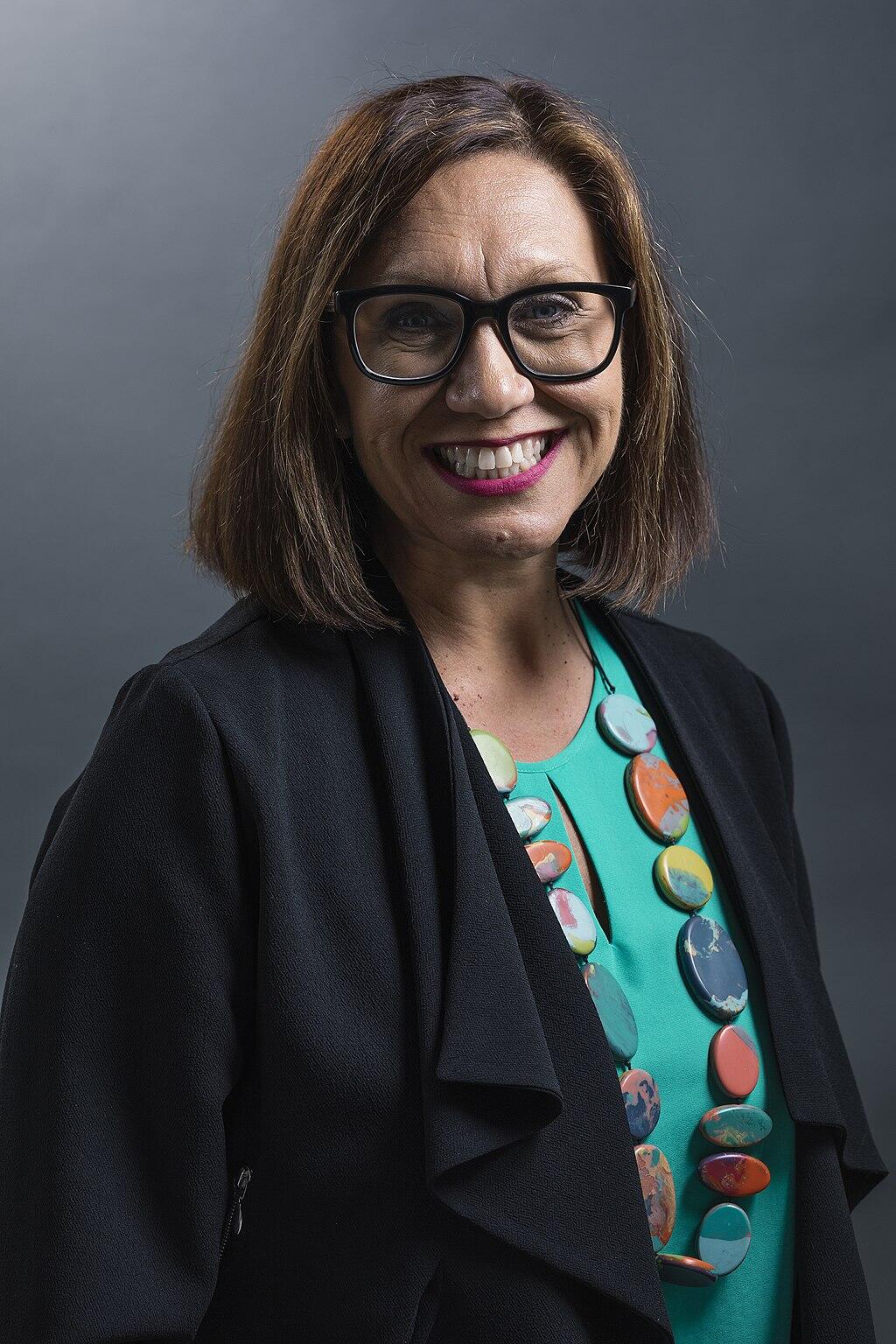
She's won many awards for her writing, but Anita takes her message further. She works to ensure that Aboriginal authors' works find the right publication outlets, and helps promote them.
She's also an advocate for Aboriginal education, devoting time and money to various causes. She channels those efforts through the GO Foundation.
Among her many awards, Anita has earned four Deadly Awards for Most Outstanding Contribution to Literature for her writing between 2007 and 2011.
Adam Goodes
This retired Aussie Rules footballer is one of the founders of the aforementioned Go Foundation.
Adam retired in 2015 and launched himself into community and outreach work. Local sports were a natural fit, but he also worked with troubled youths, particularly those in detention centres.
Besides co-chairing the GO Foundation, he owns/operates the Indigenous Defence & Infrastructure Consortium. This enterprise works with Aboriginal businesses to help them bid on job contracts.
Emily Kame Kngwarreye
Emily's painting career only lasted eight years but, in that time, she painted more than 3 000 tableaux.
Born in 1914 in a remote town called Utopia, Emily did not lack for visual input. However, she didn't begin painting until 1977. Her initial pieces were in batik; she moved to painting on canvas in 1988, when she was 74 years old. She continued to experiment with various media throughout her artistic career.
Throughout her life, Emily enjoyed limited contact with the outside world. As her fame grew, she found it difficult to live in the spotlight. Imagine becoming an overnight sensation at 80 years old! As an artist and a custodian of the women's Dreaming sites for her clan, Emily helped shape women's history in Australia.
Summarise with AI:
Did you like this article? Leave a rating!

 Loading...