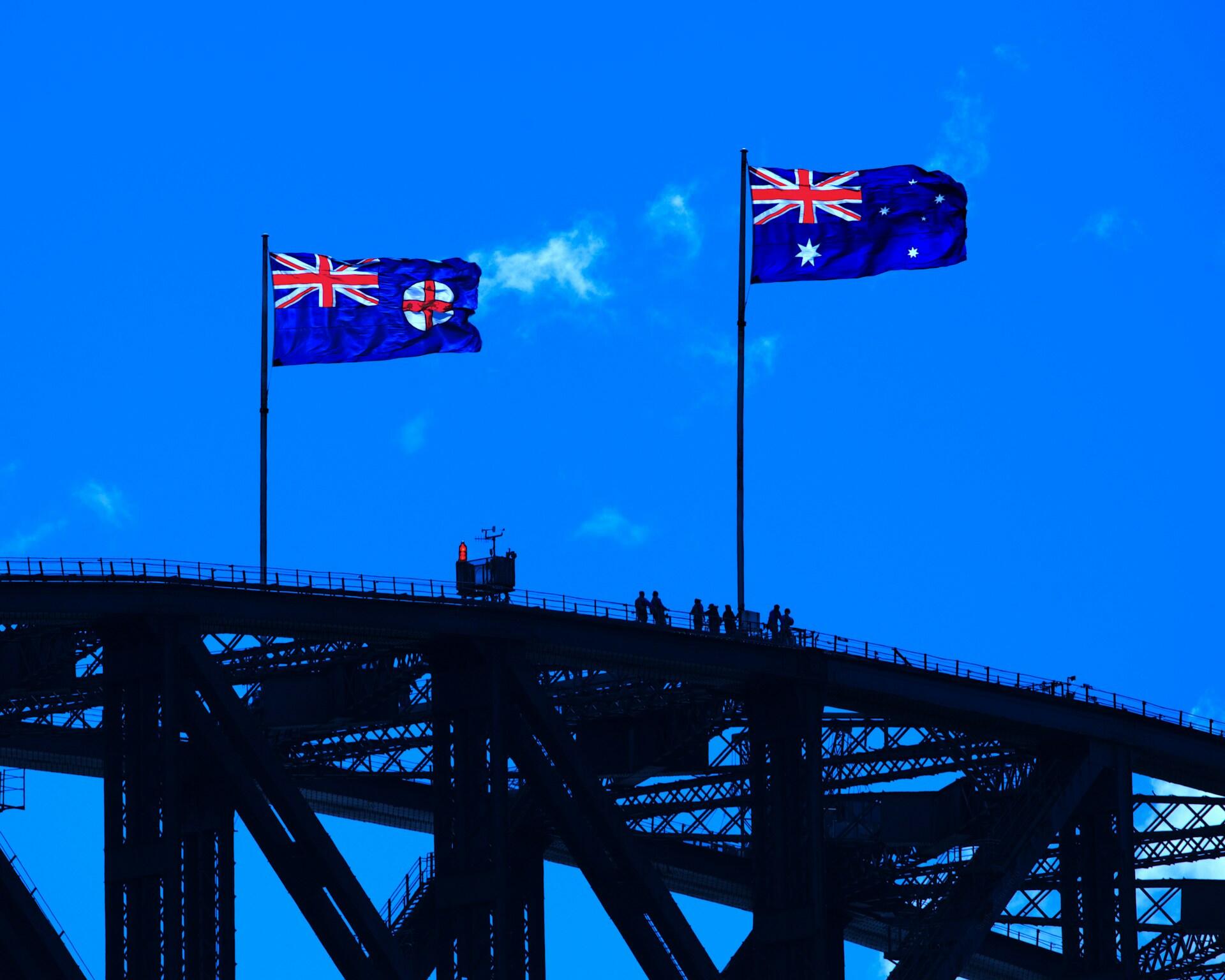

One might say that famous Australian heroes like John Monash, Catherine Helen Spence and David Unaipon define Australia's history. Renowned persons such as those aren't the sum total of famous and infamous historical Australians, though. Names perhaps less oft-spoken, like those featured here, wove their deeds into our country's rich fabric.
| Name | When | Known for |
|---|---|---|
| Matthew Flinders | 1774 - 1814 | Sailed around Australia and mapped the continent. |
| Vivian Bullwinkel | 1915 - 2000 | She was a nurse during the Second World War; faked death to survive. |
| Eddie Mabo | 1936 - 1992 | He fought for Indigenous land rights. |
| Oodgeroo Noonuccal | 1920 - 1993 | She fought for Indigenous rights. |
| Reginald Ansett | 1909 - 1981 | He set up Australia's first logistics network. |
| Captain Starlight | ~ 1837 - 1899 | He was an outlaw. |
| Billy Hughes | 1862 - 1952 | He was an Australian politician. |
| John Bradfield | 1867 - 1943 | He was an engineer who built the Sydney Harbour Bridge. |
| W. C. Wentworth | 1790 - 1872 | He was a rights activist, publisher, writer and educator. |
| Mary Reiby | 1777 - 1855 | She was a businesswoman. |
| Alfred Deakin | 1856 - 1919 | It's thanks to him that Australia is a federation of states. |
| Ned Kelly | 1854 - 1880 | He was a bushranger and outlaw |


Matthew Flinders
The Flinders name is all over Australia: Flinders University, the town of Flinders in Victoria, and an assortment of Flinders streets all over the country. All those tributes just about equal the stature of the most renowned of famous Australian legends.
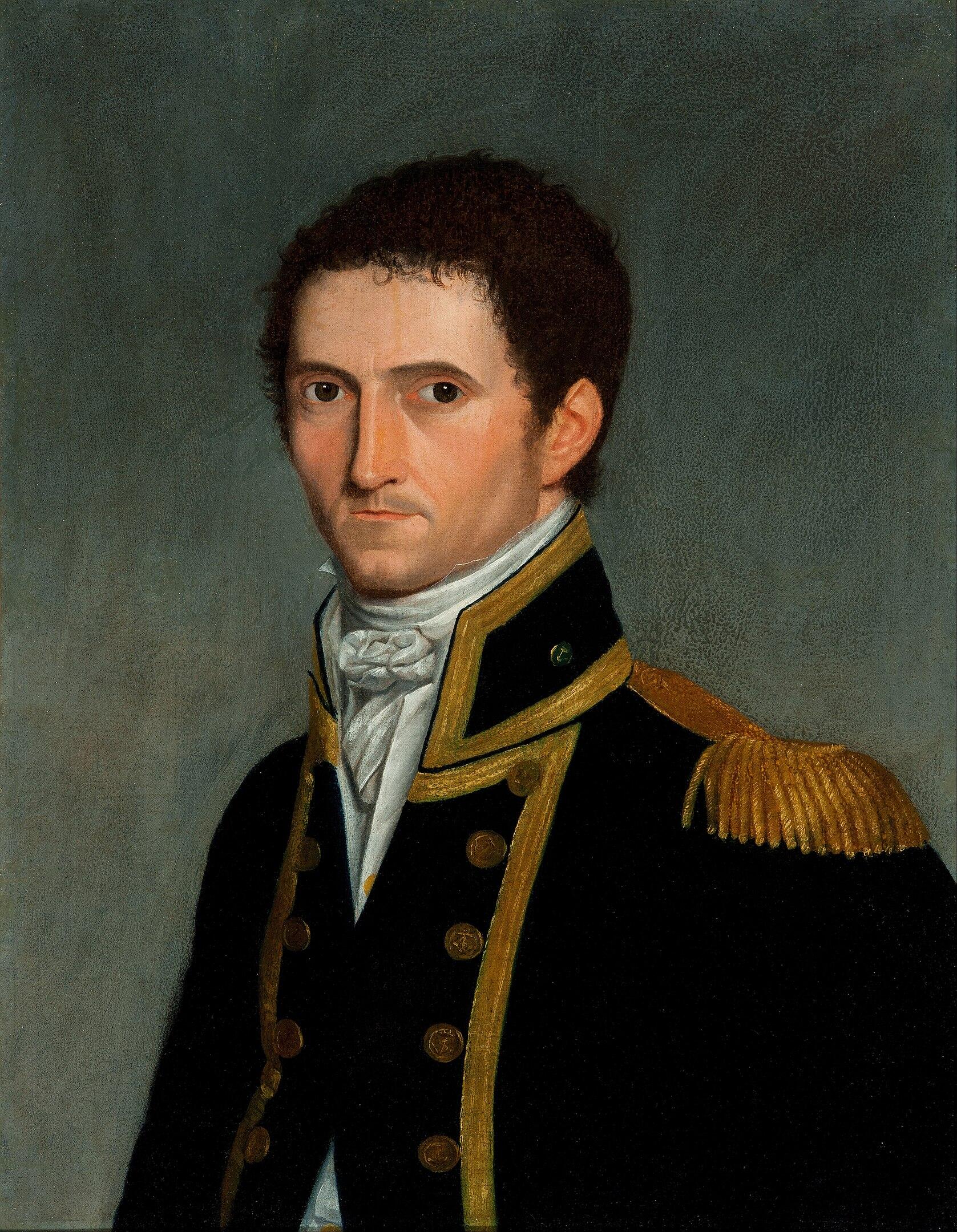
This British Navy officer and cartographer was the first to sail around Australia. Indeed, he was (likely) the first to use the name 'Australia' to describe the land he was mapping. He made several exploratory trips between 1791 and 1803, refining his information base with every voyage.
At that time, France and Britain were at war. Matthew Flinders thought he would find safe passage, as his sailing was scientific in nature, not military. The French didn't see things that way; they kept him in prison for more than six years.
That gave him the time to organise and record his findings, but it impacted his fragile health. He died before he could see the success his work became.
Vivian Bullwinkel
Typically, when talking about inspiring Australian women in history, the people featured on Australian banknotes often come to mind - Edith Cowan, Dame Nellie Melba and Dame Mary Gilmore. These women have rightfully earned their place in history for their cultural and social contributions.
Yet, Vivian Bullwinkel deserves equal recognition for her extraordinary courage and dedication. Her legacy as a wartime nurse and humanitarian stands among the most inspiring stories in Australian history.
Like many patriotic Australians during World War II, Vivian felt a deep sense of duty and attempted to enlist for active service. She and her unit, the 2/13th Australian General Hospital, were deployed to Singapore in September 1941.
Only months later, Japanese forces invaded Malaya and quickly overran the island, cutting off any hope of evacuation. During a harrowing attempt to flee, Vivian and her fellow nurses were among those captured and subjected to the infamous Bangka Island Massacre.
Despite being shot and wounded, she survived by pretending to be dead—becoming the sole survivor of the Bangka massacre.
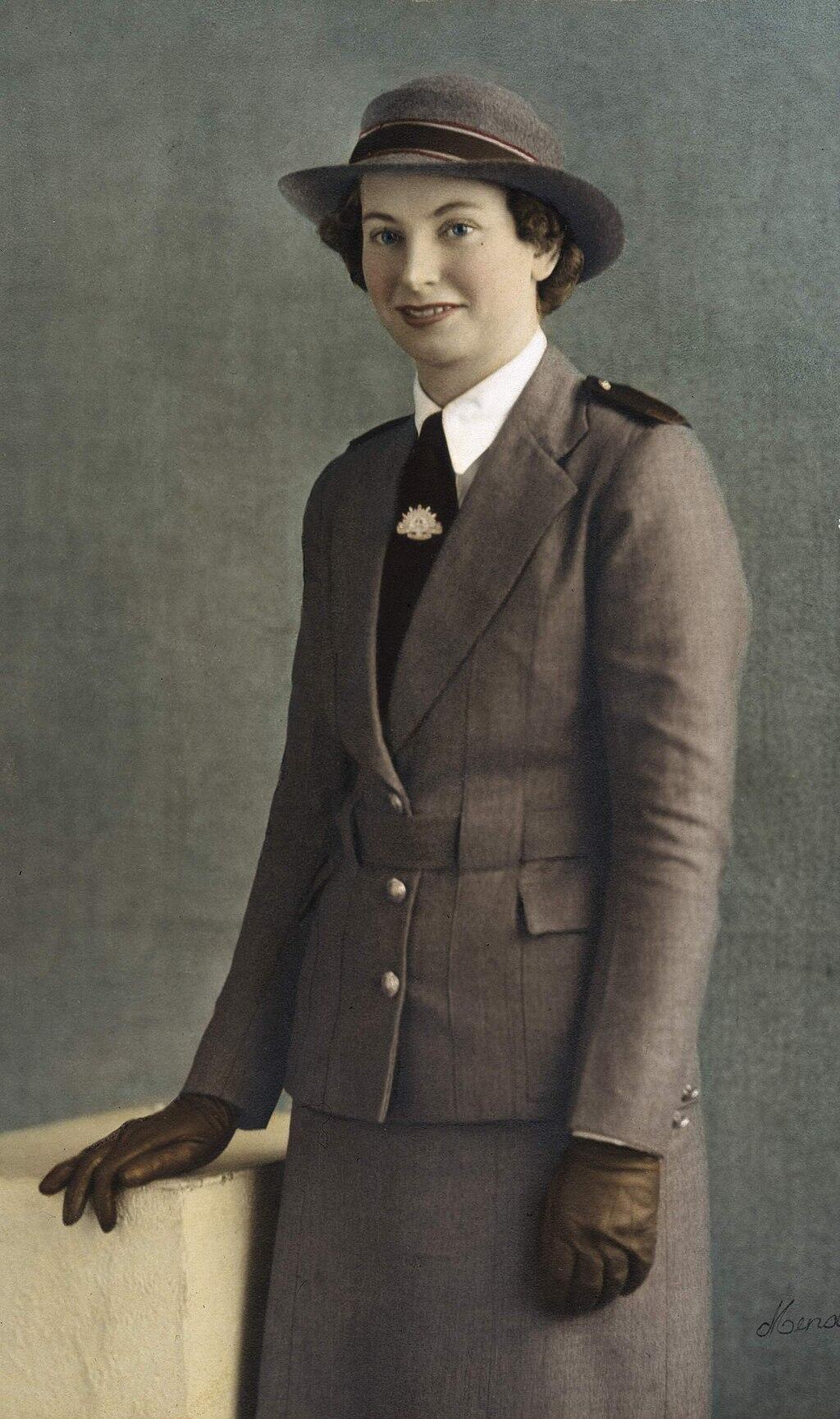
After the war, Vivian Bullwinkel left military service in 1947 but continued to serve through her nursing career. She became a tireless advocate for veterans, a voice for her fallen comrades, and took part in humanitarian efforts like the Vietnam baby airlift in 1975. Her unwavering dedication made her a national symbol of resilience and compassion.
Eddie Mabo
The list of Indigenous Australians famous for their lives and deeds includes names like David Upainon, Neville Bonner, Fanny Balbuk and many others.
Eddie Mabo stands with Aboriginal activists fighting for Indigenous land rights and the right to their own cultures. Growing up in the Torres Strait, he had no exposure to mainland issues until an English teacher made them discussion topics in class.
Even then, Eddie anticipated a conventional life. He married and worked various jobs to support his growing family. One such job was gardener at James Cook University, Queensland. In 1981, the school hosted a land rights conference, where Eddie gave a speech.
It took more than a decade for Mabo v. Queensland to make it through the courts. Eddie never got to enjoy the fruits of his struggle. By the time the legal system finished wrangling over the issue, Eddie had died of cancer.
Oodgeroo Noonuccal
Another name worthy of inclusion on the list of famous Australians in history is Oodgeroo Noonuccal. Oodgeroo was a poet, educator, and political activist whose legacy continues to inspire generations.
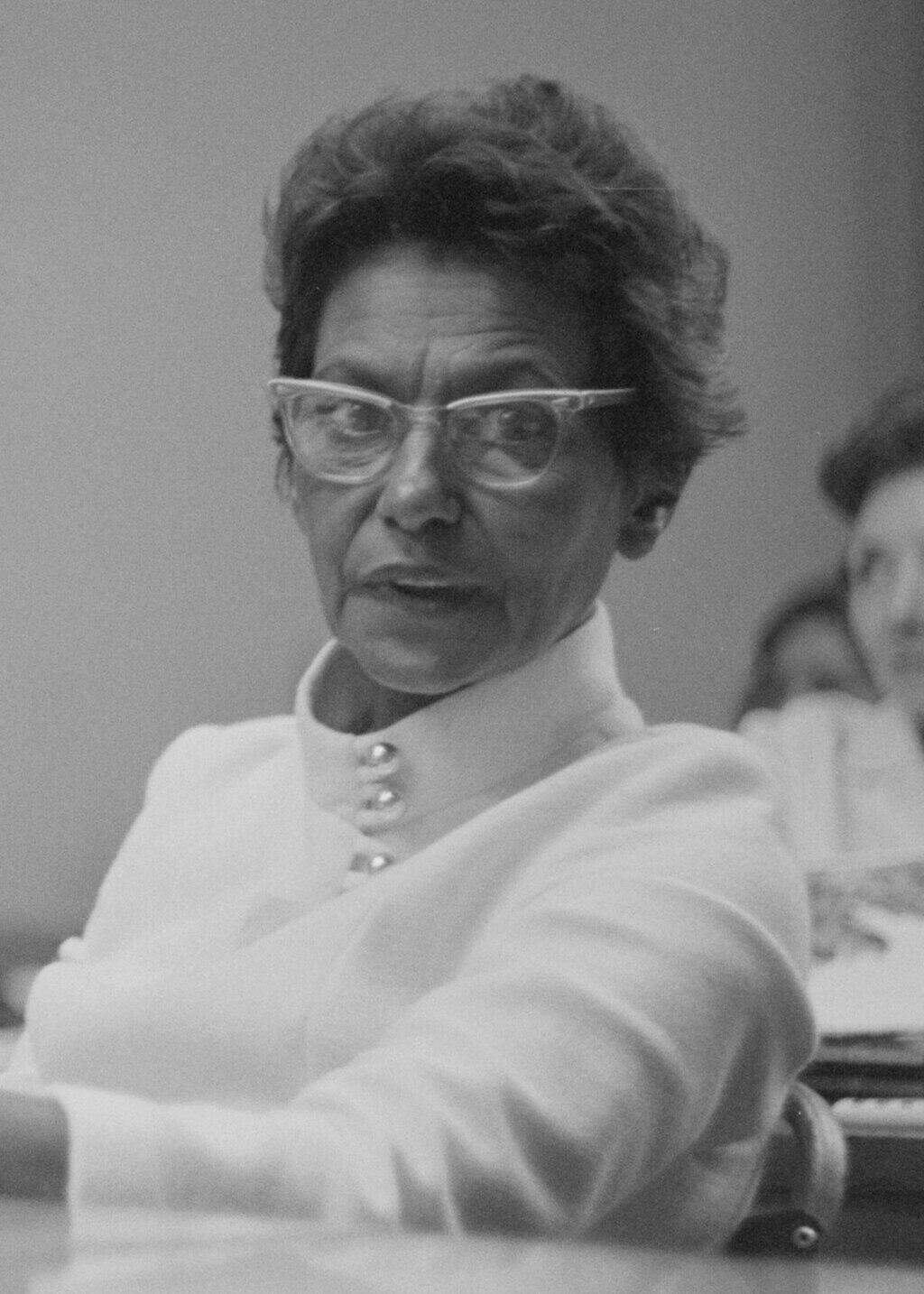
She was the first Aboriginal Australian to publish a book of poetry, giving a powerful voice to Indigenous experiences and struggles.
Beyond her literary achievements, she worked tirelessly to promote Aboriginal rights, cultural awareness, and social justice. Through education, community engagement, and her art, Oodgeroo challenged inequality and helped pave the way for greater recognition of Indigenous identity and heritage in Australia’s national story.
As an author
her poetry made real and tangible Aboriginal Peoples' concerns.
As an activist
joining the growing chorus of Indigenous voices demanding their rights.
As an educator
to teach younger generations about Aboriginal life and culture.
Reginald Ansett
Australia is the largest landmass in Oceania. Despite it being smaller than other continents, it is still a challenge to navigate.
That's where Reg Ansett fits in our list of notable Australians. As an aviator and businessman, he saw transportation logistics - preferably by air, as a necessary component of Australia's growth. He built his network over 40 years, which ultimately included travel coaches, freight rail lines, and car rentals.
Of course, travel demands supporting industries, so Reg dabbled in:
Captain Starlight
Little is known about this mysterious 'captain's early life. He was fond of telling tales, including those that involved where he came from and how he got to Australia.
We know what he did once he got here, though. Calling himself Doctor Frank Pearson, he and Charley Rutherford conducted a series of robberies across New South Wales (NSW). With the law hot on their heels, these two bushmen holed up until the law found them. A shootout ensued, but everyone survived.
Frank Pearson claimed he was the model for the Captain Starlight character in the book titled Robbery Under Arms. The author, Rolf Boldrewood, denied those claims.
The bushmen rode on, ever deeper inland, until there was nothing but caves. By the time the law caught up to them, they were insect-bitten, dehydrated and nearly starving. The men served their prison sentences and, from there, legends about them vary.
All we know for sure is that Frank Pearson continued his life of crime, cycling in and out of prisons across Australia. Stories such as these are what make Australian historical figures so colourful.
Billy Hughes
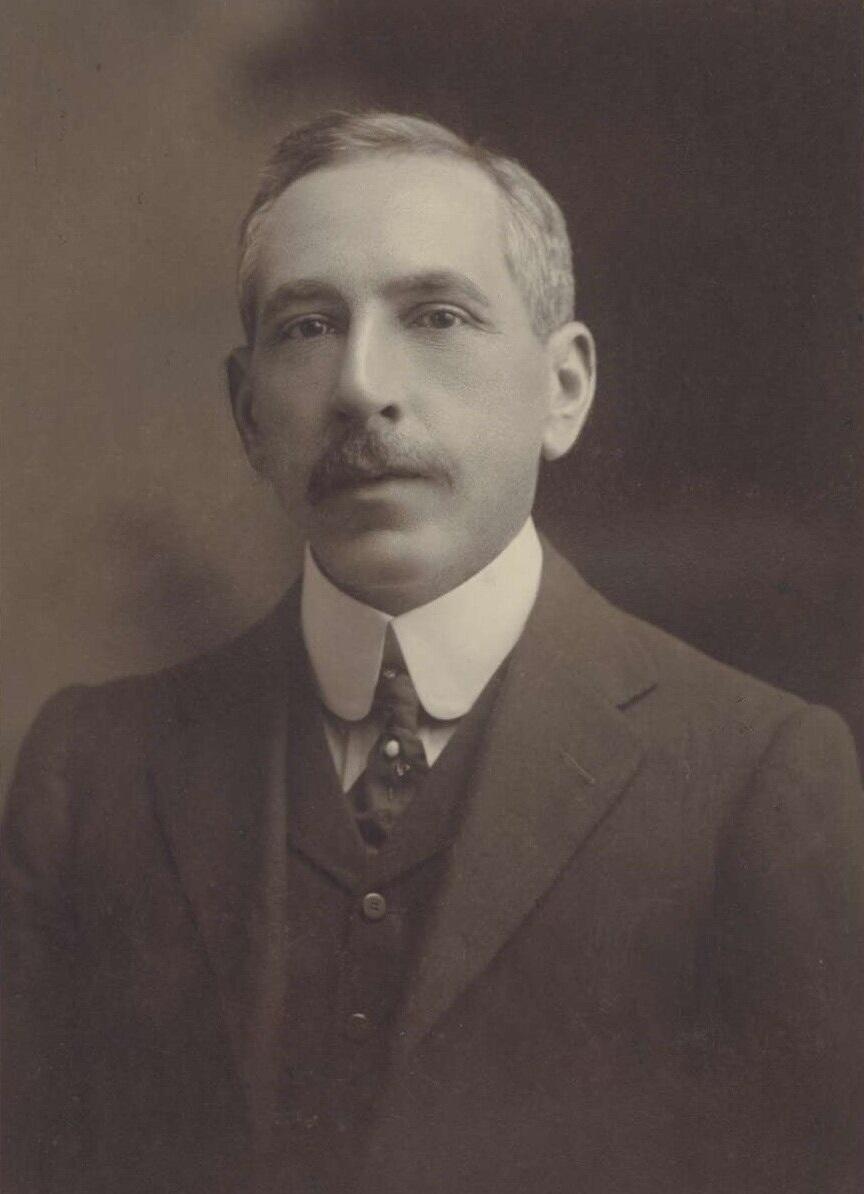
Like many famous Australian politicians, Billy Hughes' legislative actions helped shape Australia as we know it. He served as prime minister from 1915 to 1923, steering our country through the First World War. Among his legislative accomplishments, we count:
- laying the foundation for the Australian Federal Police
- the beginnings of the Commonwealth Scientific and Industrial Research Organisation (CSIRO)
- institutional pensions for those in benevolent asylums
- supported military conscription for the war abroad
- electoral reform
- civil aviation initiatives
Mr Hughes enjoyed popular support, but his fellow politicians opposed him at every step; he was run out of office a couple of times. Despite that, he remained active and influential in politics for decades, even from behind the scenes.
John Bradfield
Some famous Australian heroes built our legislative framework, and others fought for their rights. Some, like John Bradfield, built the country's infrastructure.
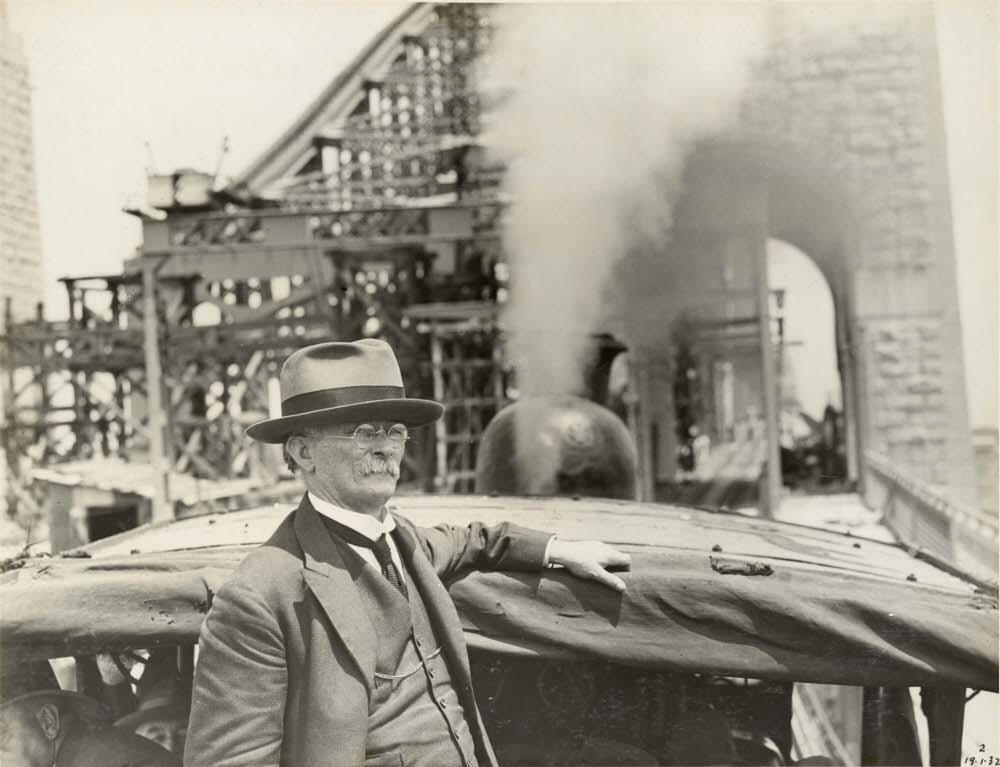
In fact, John Bradfield is responsible for one of Australia's most iconic sights: the Sydney Harbour Bridge.
He designed the structure and planned the build during his time at the NSW Department of Public Works.
John Bradfield didn't rest on his laurels after that feat. He designed Brisbane's Story Bridge, as well as Burrinjuck and Cataract dams. You can see his work at the Argyle Street railway substation and five of NSW's City Circle railway stations.
W. C. Wentworth
Of all the Australian historical figures presented so far, none is as diverse or colourful as William Wentworth.
William Wentworth was an explorer, author, lawyer, newspaper editor, and statesman.
He led the charge for emancipists' rights, for jury trials and representative self-government.
He established the first independent newspaper in Australia - The Australian, which led to our country's culture of press freedom. He also helped build our state education system and legislated the University of Sydney's foundation.
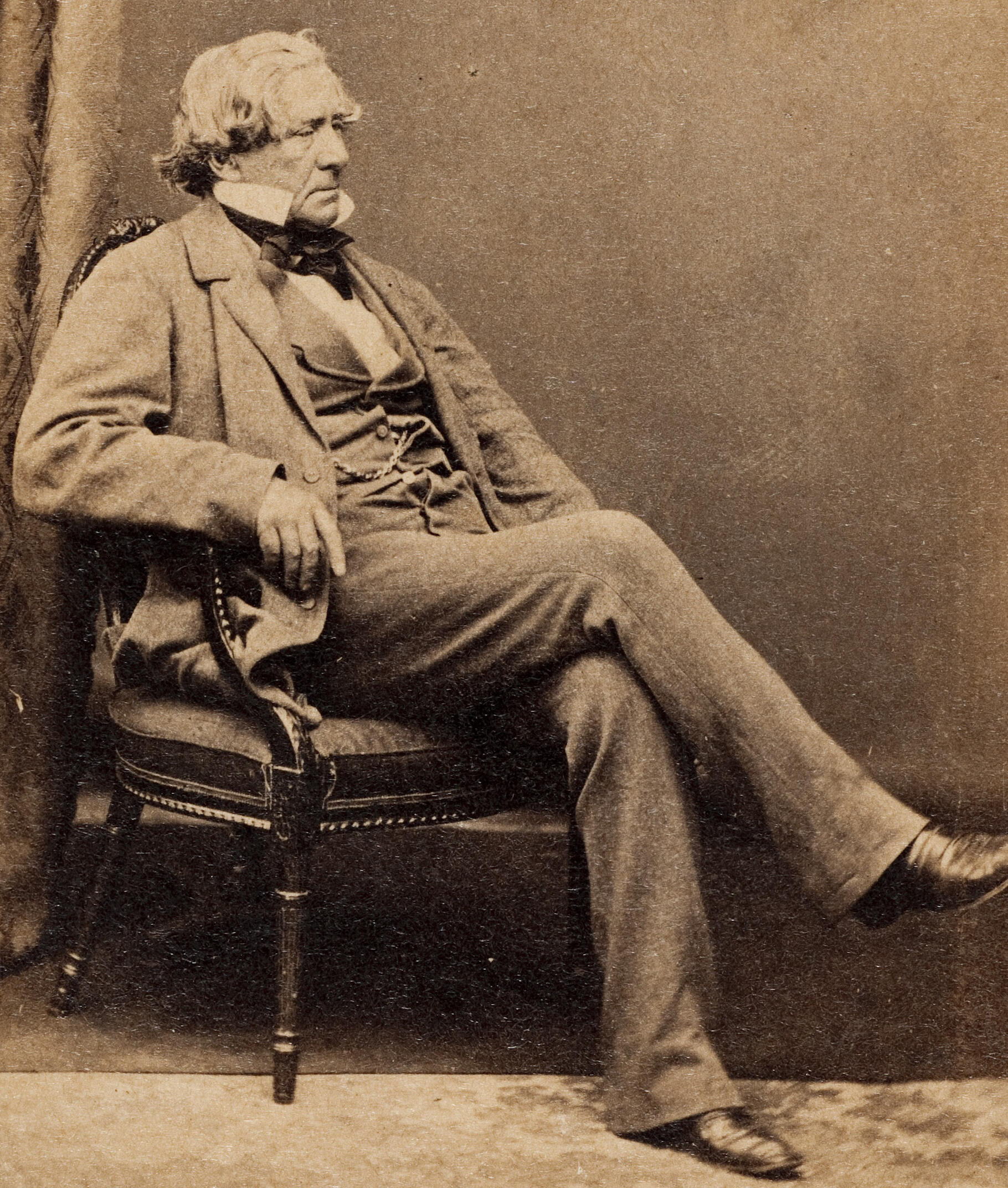
On the other hand, he believed in subjugating the Aboriginal Australian population and claiming land no matter who it belonged to. He was both cheered and jeered when he finally left Australia in 1854.
Mary Reiby
Mary Reiby's portrait features on the front of our $20 banknote. She fits well among the people on Australian money, having earned her place in Australian history through grit and determination. And not a little bit of deception.
Though she came to Australia aboard a convict ship, she declared herself newly arrived after a trip abroad, years later. That little lie gave her the legitimacy she needed to continue her various enterprises. Not too shabby for a woman who started her adult life dressed as a boy!
Alfred Deakin
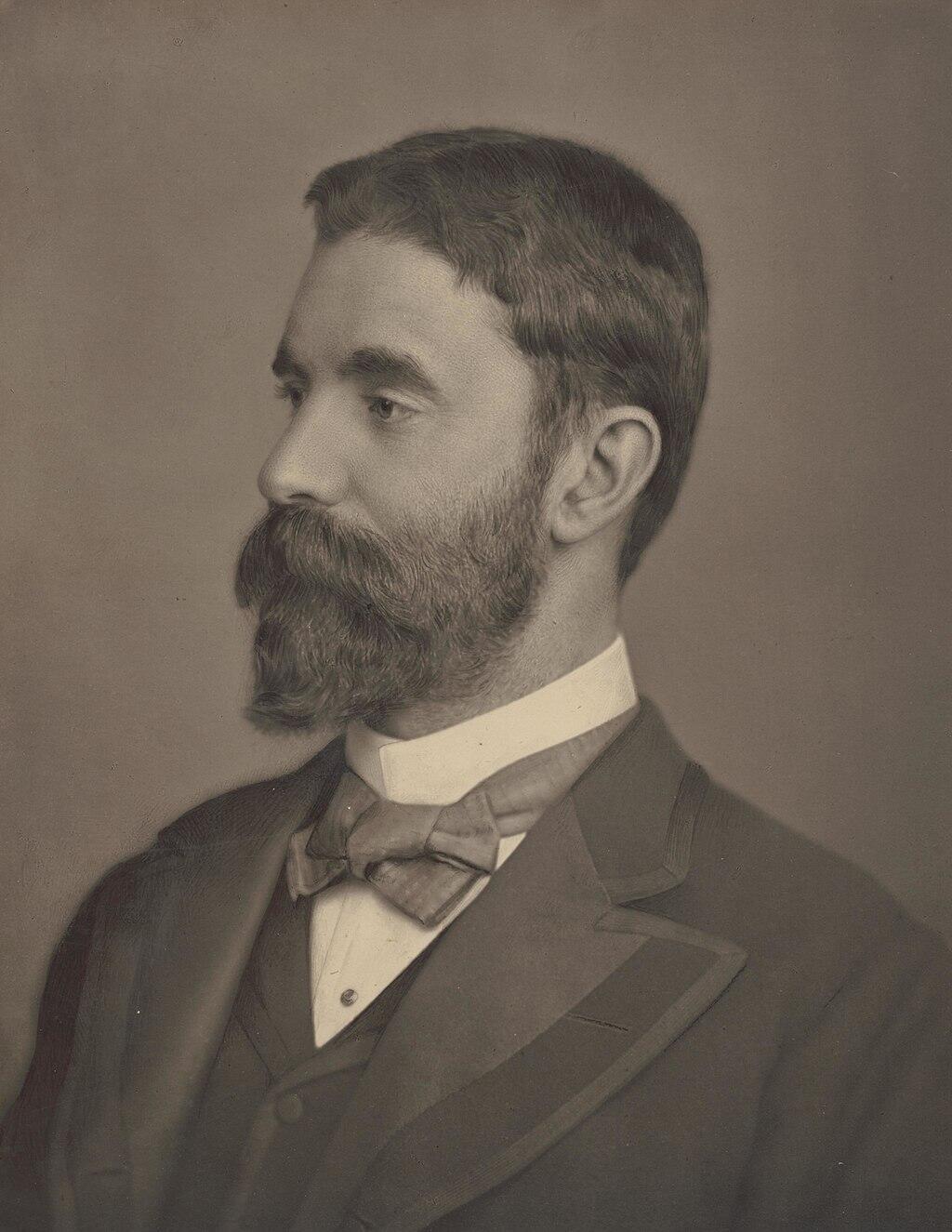
Like Matthew Flinders, Alfred Deakin’s name is etched across Australia, appearing on universities, towns, and streets nationwide.
Remembered as one of the nation’s founding fathers, he played a pivotal role in shaping the new Commonwealth. Serving as Australia’s second prime minister, Deakin used his position to influence key policies on education, immigration, and the development of enduring national institutions.
Known affectionately as “Affable Alfred,” Deakin’s warmth and approachable nature earned him respect from colleagues and opponents alike. Yet, despite his prominence, he remained remarkably humble. Throughout his life, he rejected numerous honours, including three appointments to the Privy Council and even a knighthood. For Deakin, serving his country was recognition enough—a principle that helped cement his legacy as one of Australia’s most admired leaders.
Alfred Deakin was instrumental in establishing Australia as a federation of states.
Ned Kelly
Ned Kelly stands as the quintessential Australian icon—famous for being infamous—a bushranger whose legend has grown larger than life itself.
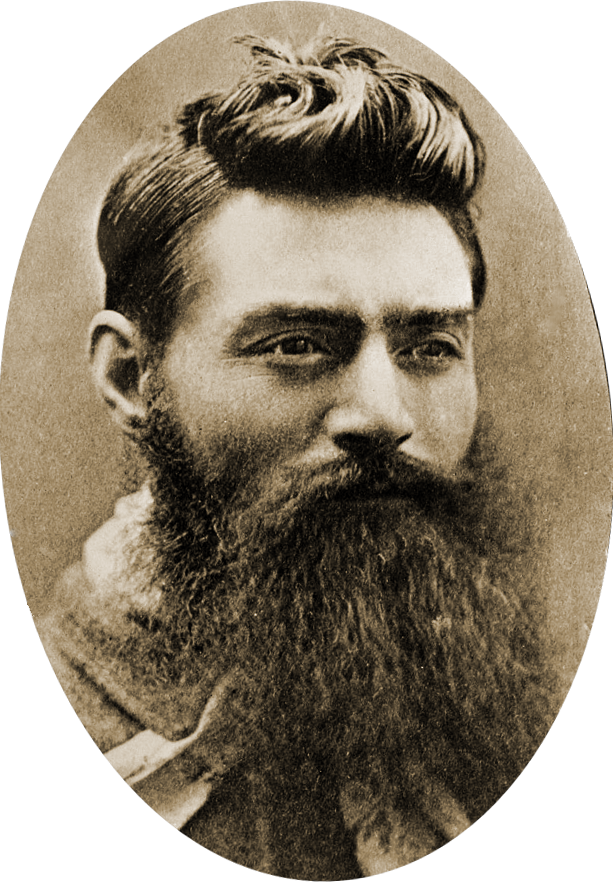
The third of ten children, Ned took on adult responsibilities early, becoming the man of the house after his father’s death when he was just 12. The Kellys, poor and often at odds with authority, saw themselves as victims of a legal system that favoured the wealthy.
These beliefs helped shape Ned’s combative stance against injustice. His early crimes, seen by some as acts of survival, set the stage for a life of defiance. And over time, his rougher edges have been softened in the national imagination.
Today, Ned is seen as both outlaw and folk hero—a kind of colonial Robin Hood, defying corrupt power and defending the underprivileged. His story endures, a cornerstone of Australia’s folklore, shaped as much by fact as by the romanticism of a young nation's growing identity.
Summarise with AI:
Did you like this article? Leave a rating!

 Loading...