

In today's world of stress and uncertainty, many feel hopeless about the future, with trust in religion seemingly on the decline. In the tolerant Western world, freedom of worship remains, but major faiths like Christianity are less embraced than in the past. This article explores the history of Christianity, from its origins and growth to its core beliefs, key figures, symbols, sacred texts, and places of worship, offering insight for both believers and non-believers alike.
1 Century CE
Judea
1st - 4th Century
Birth of the early church
4th - 11th Century
The rise of Christianity in the Roman Empire
11th - 15th Century
Decline of medieval Christianity and the Crusades
15th - 17th Century
Reformation and new denominations
18th - 21st Century
Modern world Christianity


What Is Christianity?
The term Christianity stems from Old French but is primarily influenced by the word Christus in ancient Latin. Christianity is defined as a religion based on the teachings of Jesus of Nazareth, or his beliefs and practices. Therefore, the history or roots of Christianity began with Jesus and his apostles.
Jesus' birth, life, teachings, death, and resurrection
✝ The Beginnings of Christianity (1st - 4th Century)
Christianity began to take shape in Judea during the middle of the first century CE, initially rooted in the teachings of Jesus and subsequently influenced by the writings and missionary efforts of Paul of Tarsus.
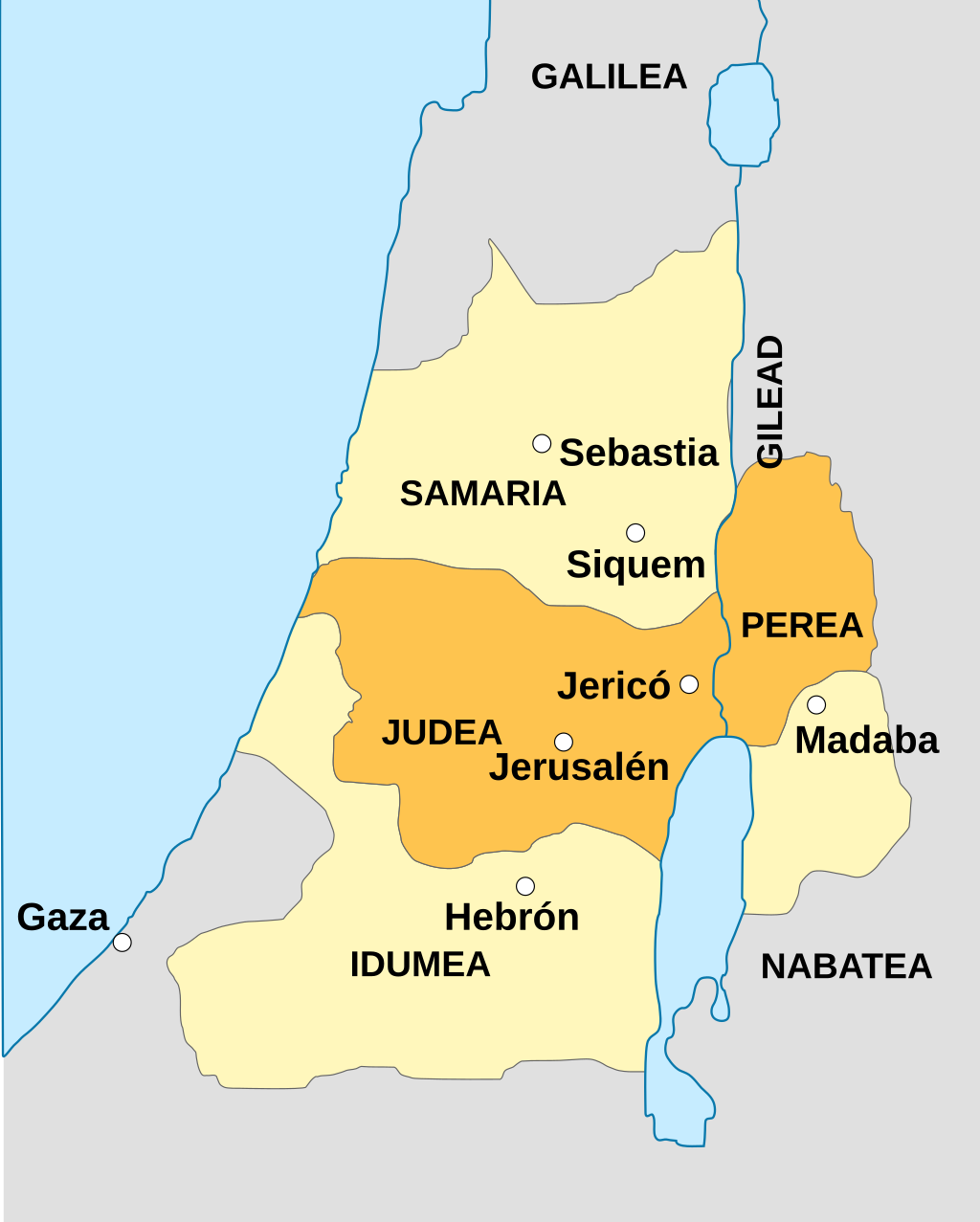
In its early stages, Christianity represented a modest and loosely structured movement, offering the hope of individual salvation in the afterlife.
Christianity stems from the teachings of Jesus while he was on Earth. Nevertheless, only after his death in 33 CE did the Christian congregation begin to flourish and grow in number. Jesus' apostles continued the preaching work and primarily taught Jews but also people of various nations the good news from the Ancient Scrolls or Holy Scriptures.
Although the Christian congregation was persecuted in the beginning by other religious leaders, the teachings based on the words and actions of Jesus while he was on earth quickly spread throughout the Roman Empire and quickly became the state religion.
It is essential to state that the first official Christians were ethnically Jewish, and this fact raised the concern for many in the first century if only those who were of Jewish faith could convert to Christianity.
While Jesus was born in the small town of Bethelem, His teachings originate from and are the words of God. However, since Jesus spent most of his ministry in and around Jerusalem, it can be said that Christianity stemmed from these regions.
To be a Christian without prayer is no more possible than to be alive without breathing.
Martin Luther
👑 The Rise of Christianity in the Roman Empire (4th–11th Century)
We certainly cannot overlook the influence of the Roman Empire, considering how Christianity spread during the early Middle Ages. Previously, the Roman Empire was associated with pagan practices and a wide worship of many gods. On the other hand, Christianity was a minority religion where its followers were persecuted.
Emperor Constantine was the first Roman emperor to embrace Christianity. As a result, he legalised it through the Edict of Milan in 313 CE , marking the end of persecution against Christians and the beginning of Christianization.
With the new legislation, the Christians are free to publicly worship and rebuild their churches.
Eventually, Nicene Christianity became the official state religion under another emperor, Theodosius I, in 380 CE, elevating the influence of the church through the Edict of Thessalonica.
After many years of wars and invasions from Germanic tribes, the Western Roman Empire eventually weakened and ended. Amidst this period of uncertainty, the Church in Rome remained the only stable institution that the people looked to for help and guidance. In other words, the Church's leadership during the Middle Ages became more prominent, especially in these areas:
Politics and Social Influence
- Negotiation and alliance with European rulers
Education and Culture Influence
- Roman knowledge, Christian art, and adopting Christian calendars
Spiritual and Moral Teachings
- Offering of sacraments, spreading of the gospel to new regions
In 800 CE, a strategic Church–state alliance was formed between Pope Leo III and Charlemagne, King of the Franks (in what is now modern-day France), when the Pope crowned Charlemagne as the Holy Roman Emperor. In this partnership, Charlemagne offered protection to the Church, while the Church granted legitimacy for his rule. This relationship allowed Charlemagne to spread Christianity as he expanded his empire across Western and Central Europe.
⛪ Decline of Medieval Christianity and Crusades (11th–15th Century)
Moving into the later part of the Middle Ages, two definitive events changed the course of the history of Christianity. This period was marked by a series of divisions and conflicts between different regions and communities, resulting in the weakening of the Catholic church's dominance across Europe, although Rome remained the central seat of the Pope.
The first event is the Great Schism, which was finalised in 1054 CE, where the Christian community was divided: the Roman Catholic Church (West) and the Eastern Orthodox Church (East). Let's look at their main differences:
[table “us_101450” not found /]The main reason and trigger point for this division was the disagreement over the authority of the Pope. Even though Pope Leo IX sent a delegate (Cardinal Humbert) to Constantinople to assert papal authority, the discussion ended badly. Eventually, both parties had a mutual excommunication, which officially marked the beginning of The Great Schism — a sign of diminished church unity.
Mutual excommunication, in simple terms, means that both sides officially declared that the other side was cut off from the Church community.
📌Cardinal Humbert, representing the Pope, entered the Hagia Sophia in Constantinople and placed a document on the altar declaring Patriarch Michael Cerularius and his followers cut off from the Church.
📌In response, Cerularius gathered his bishops, rejected the Pope’s authority, and excommunicated Humbert and his group.
Another significant event that happened was the Crusades. During that period, Islam was gaining influence around the Middle East and other parts of Europe. The Roman Catholic Church decided to launch the Crusades (in the name of holy wars) to reclaim Jerusalem and other parts of the Holy Land from Muslim rule. There were about four main stages of the Crusades, and this religious warfare lasted approximately 200 years.
[table “us_101451” not found /]🔥 Reformation and New Denominations (15th–17th Century)
Next, we’ll discuss a movement that changed the course of Christian history and changed how Christianity was spread — the Reformation. During the 1500s, the Catholic Church faced many criticisms, particularly for their support of selling indulgences (turning a spiritual practice into a financial transaction), and also massive corruption among the clergy.
This led Martin Luther, a German monk, to nail his 95 Theses to the door of Wittenberg Castle Church, and affirm that salvation is by faith alone (sola fide), which sparked the movement of the Reformation in Europe.
Under the Reformation movement, new denominations emerged and continued to evolve according to different theological reforms, which subsequently challenged the authority of the Pope and the Catholic Church in Rome:
Lutheranism
Based on Luther's teachings
Calvinism
Based on John Calvin's teachings
Anglicanism
Took place during Henry VIII's reign when he broke from Rome
One of the reasons why these new denominations experienced a huge growth, which expanded to many countries, is due to the translation and printing of the Bible into local languages instead of Latin. It made the Bible more accessible to the general public. In other words, Christianity was spread faster and further!
Johannes Gutenberg came out with a new printing technology, which allowed the Bible to be copied quickly and cheaply, fueling circulation and the Reformation movement.
While many people left the Catholic Church during the peak of the Reformation, the Catholic Church responded with the Council of Trent, introducing its own reforms to maintain relevance and address issues such as corruption and non-biblical practices (like the selling of indulgences).
Also known as the Counter-Reformation, this series of reforms aimed to strengthen the identity of the Catholic Church through worldwide missionary work (such as the Jesuits) and through art, music, and culture (such as the patronage of artists). In a way, this movement also helped to spread and shape Catholicism into what we know today.
🌐 Modern World Christianity (18th–21st Century)
Finally, let's talk about two important events that shaped modern-day Christianity from the Protestant point of view and the Catholic point of view.
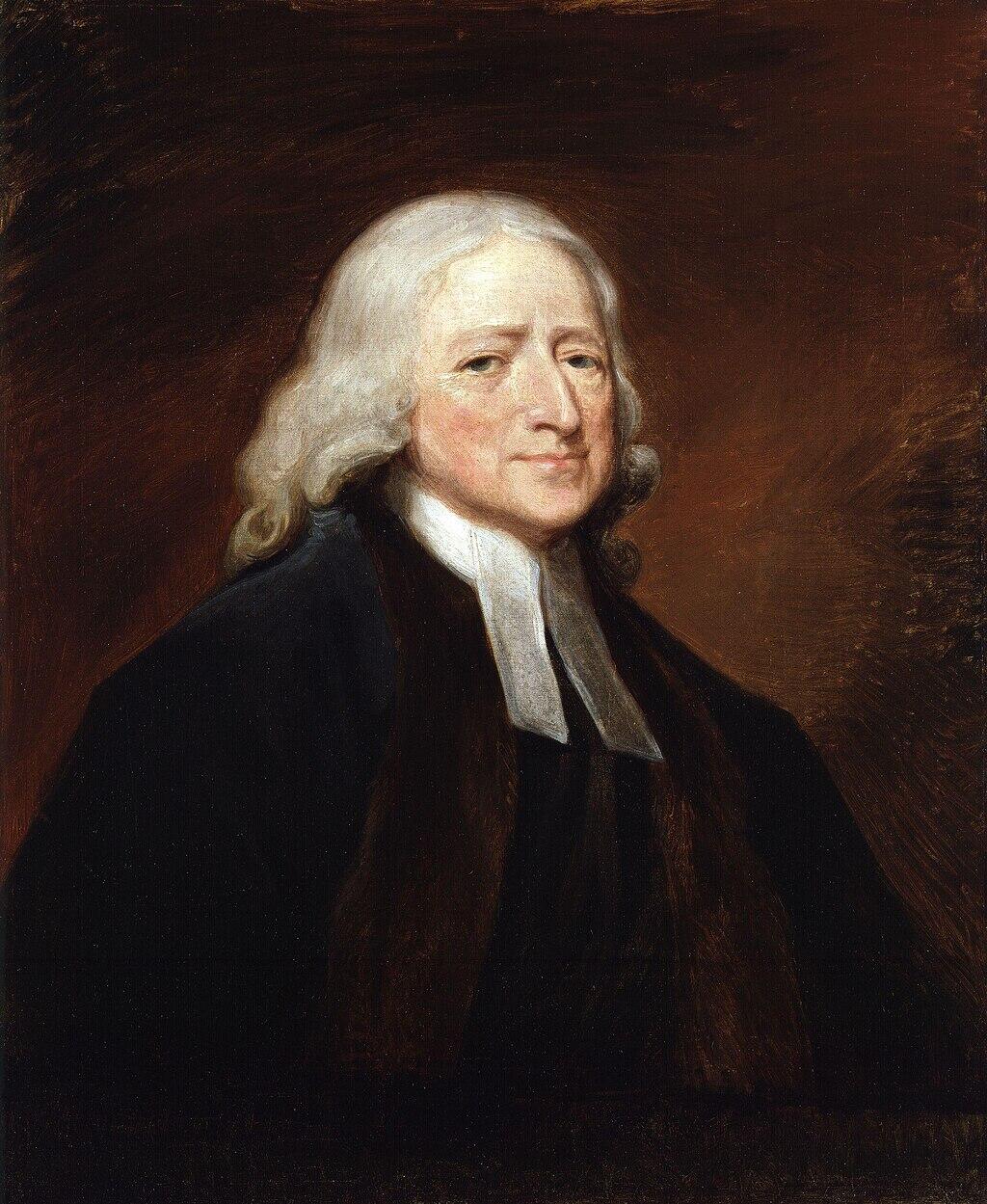
For the Protestants, the 18th century was the beginning of the Methodist Revival, led by John Wesley, an ordained Anglican priest in the United Kingdom.
The Methodist Revival went on to inspire other new movements from the 19th to 20th century, like the Holiness Movement, Pentecostal Movement, and also Charismatic Movements, spreading from the UK to even America.
On the other hand, the Second Vatican Council Reforms (Vatican II) in the Catholic Church took place during the 20th century (around the 60s). The implementation of Vatican II was a key catalyst for modernizing Catholicism among its massive believers 2 across the globe.
Vatican’s Central Office for Church Statistics
Let's look at the overview and impacts of these two events among the Protestant and Catholic communities.
Methodist Revival
Second Vatican Council Reforms
Basic Beliefs of Christianity
The Bible and Jesus Christ
Baptism
The Holy Trinity
Like any religion, Christianity has many beliefs that have been brought down through centuries and remain the same today.
While many denominations of Christianity vary in some ways, an overwhelming amount of more than 1.332 billion Christians claim to be Catholic. Therefore, since Catholicism is the most recognised branch of the Christian faith, the following are some of its most characteristic beliefs:
- Bible: The Bible should be read and analysed since it is the inspired, infallible, and authoritative written word of God. The Holy Bible was not written by God personally using a pen and paper, but he inspired over 40 different men to write the words using the holy spirit.
- Jesus Christ: Jesus is the son of God, and his teachings, birth, miracles, bodily resurrection, reign in heaven, and atoning death are written in the holy writings for the benefit of those who strive to imitate Jesus' perfect example. Also, the only means of being cleansed from sin is through repentance and faith in the precious blood of Christ.
- Baptism: All denominations of Christianity believe in water baptism. Catholics have their children baptised to welcome them to the Catholic church and to be cleansed from the original sin with which they were born.
- Holy Trinity: A primary doctrine taught by the Catholic church is the trinity, even though there is no scriptural evidence to back it up. The trinity is the belief that the one God comprises three distinct co-existing persons: the Father, the Son, and the Holy Spirit.
The previously mentioned beliefs are only a few Christian doctrines that are practised by the majority of followers. It is essential to state that certain denominations, such as the Mormon Church or Jehovah's Witnesses, do not recognise doctrines such as Saints or the Holy Trinity.
Before concluding this section, it is essential to state that there are many beliefs, doctrines, and dogma that make the Christian faith unique from other world religions such as Islam, Buddhism, or Judaism.
Prominent Christian Figures, Symbols, Holy Books and Places of Worship
Since Christianity is the world's most practised religion, some distinct symbols and traditions may be unique to specific geographic locations. However, public figures, holy books, and places of worship are practically identical from one place to the next.
We will now consider some of Christianity's essential symbols, holy books, public figures, and places of worship.
Symbols of Christianity
Christianity has used many logos, markings, identifiers, and distinguishing signs to describe certain events and personages that are of significant importance. The following are the most important symbols of the Christian faith:
Search for History courses here.
Holy Books of Christianity
Similar to other world religions, Christianity boasts a sacred book that is probably the most published in the entire world.
What is it? If you guessed Bible, you're right!
The following is a brief description of the Bible and another holy book used by a Christian denomination:
- Bible: The Holy Bible is divided into two main sections: the Old Testament and the New Testament. Both parts are divided into individual books such as Genesis, Ruth, Proverbs, Psalms, Jeremiah, Matthew, Acts, Hebrews, and Revelation, to name only a few. The books are divided into chapters and verses. The Bible covers various topics such as the creation of the world, the first sin, God's dealings with the Israelites, prophecies about the coming Messiah, and the beautiful teachings of Jesus.
- Book of Mormon: a sacred text of the Latter Day Saint movement, the Book of Mormon is uniquely used by the Mormons and contains writings of ancient prophets who lived on the American continent from 2200 BC to AD 421. The first published Book of Mormon appeared in 1830 from the experiences of Joseph Smith.
Public Christian Figures
The Christian faith has had many famous public figures throughout centuries. The following are a few public figures who have left their impact on the world of Christianity for the good and the bad:
- The Pope: Also known as the supreme pontiff, the pope is the bishop of Rome and worldwide leader of the Catholic Church. The current pope is Francis from Argentina who was elected in 2013.
- Martin Luther: Known as a reformer of the Roman Catholic Church which he thought was corrupted. He is a crucial figure of the Protestant Reformation.
What about public figures, symbols, and holy book of the Hindu people?
Places of Worship for Christians
Key buildings where Christians spend time with other individuals who share their faith are an essential part of Christianity. The following are the most common Christian places of worship:
- Basilica: The Roman Catholics meet in spaces known as Basilicas.
- Church: A shared space of worship for Christians of the Orthodox, catholic, and Protestant faiths is a church.
- Kingdom Hall: Jehovah's Witnesses apply this term to any meeting place used for their formal meetings for worship.
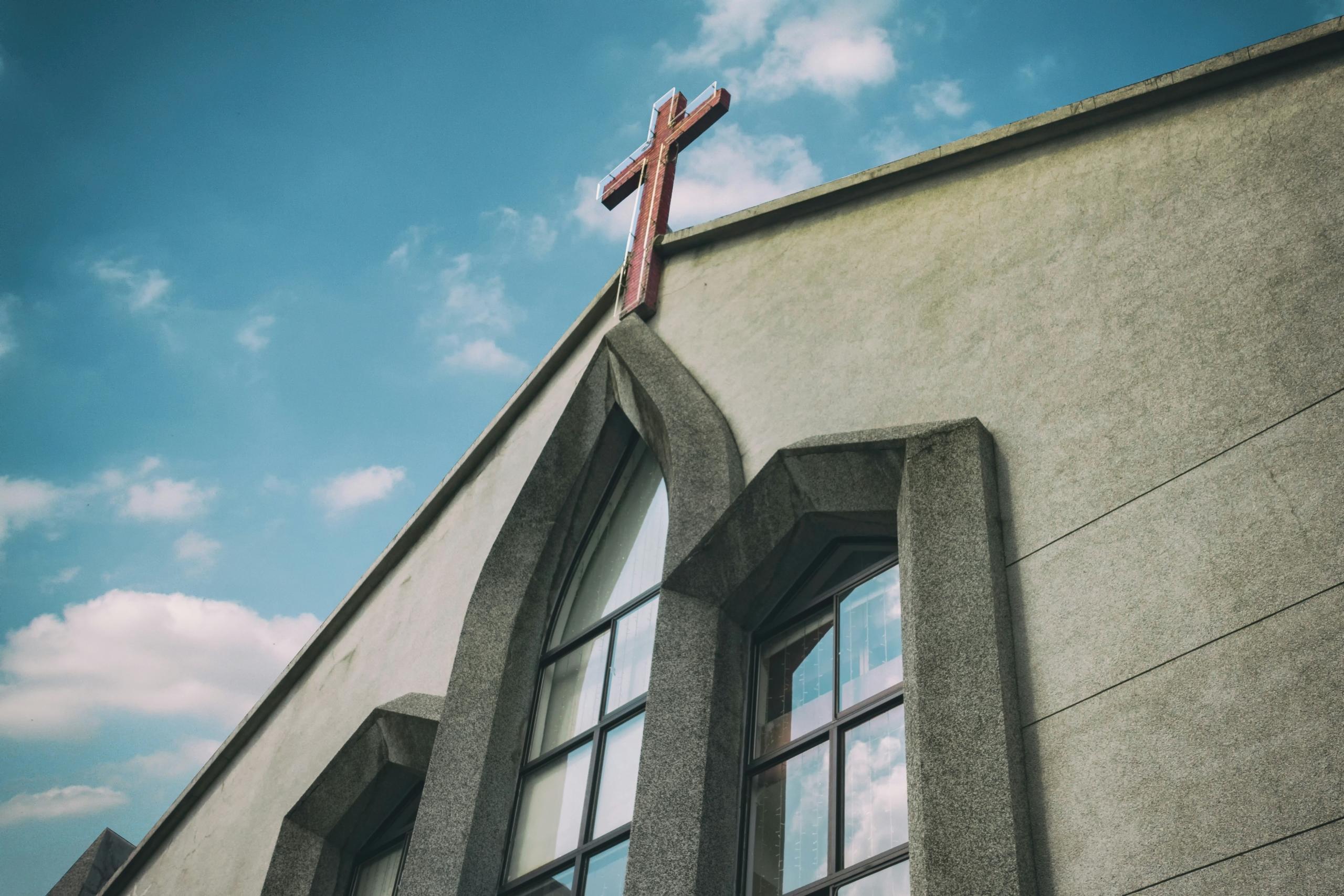
Since there are more than 2.2 billion professed Christians in the world today, it comes as no surprise that there are individual variations that change from one denomination to another. The most common denominations of Christianity can be found in the genres of Catholicism, Eastern Orthodox Church, Oriental Orthodoxy, Anglicanism, Protestantism, Restorationism, and other Minor Branches.
Acquiring more knowledge about world religions is an enriching experience that allows for more tolerance and a better understanding of the people around us; who knows, you might learn something!
Summarise with AI:
Did you like this article? Leave a rating!

 Loading...
