
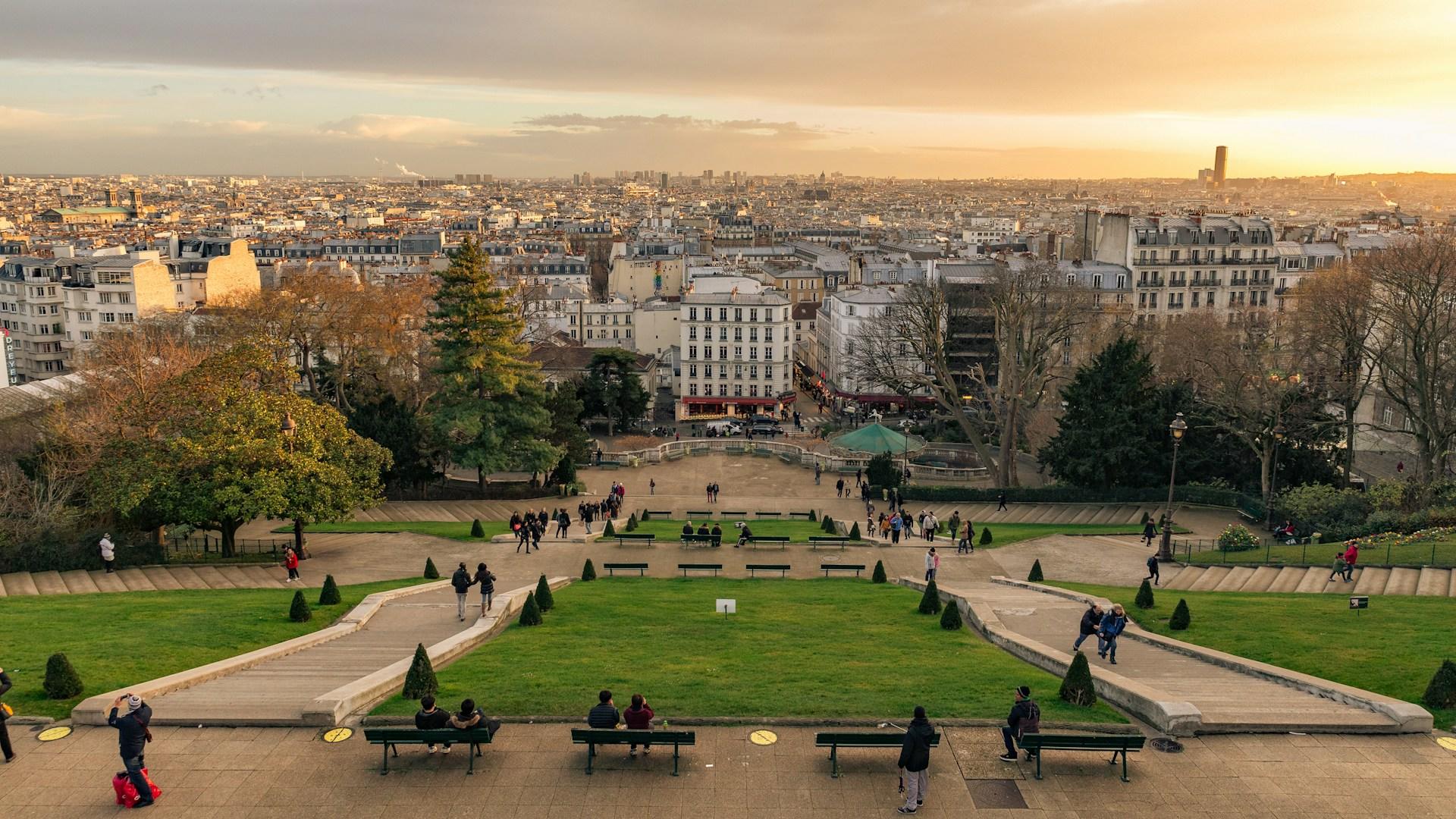

If you're thinking about moving to France from Australia, you're not the first, and you won't be the last. Plenty of Australians have been lured by France's rich culture, scenic landscape, and quality of life.
However, moving to a new country can be difficult, and not just on an emotional level. France is famous for its bureaucracy. Moving there will require careful planning, navigating visas, finding somewhere to live, and securing work.
In this article, we'll guide you through some of the essentials so you can start thinking about your move to France as an Australian, from visa requirements to settling in.




1. Understand France's Visa Requirements
Before going to France, you need to consider the visa requirements for living there. The first main consideration is how long you intend to stay there.
France has both short-stay and long-stay visas. Australians travelling to France for up to 90 days within a 180-day period for tourism, family visits, or short-term business won't require a visa.
However, you should be aware that, starting in 2025, Australians will need an ETIAS (European Travel Information and Authorization System) for short visits.
If you intend to stay in France longer than 90 days, you must consider a long-stay visa. These kinds of visas are typically for people living in France for work, studying in a French university, or retirement, and you'll need to apply for them.
Applying for a Long-Stay Visa
Here are the main and typical steps to the visa process for long-stay visas in France.
- Documentation: You'll need a passport valid for at least six months beyond the end of your stay in France, recent passport-sized photos (carefully check France's requirements for photos), proof of accommodation, and proof of financial means to support yourself. Different visas will require slightly different documentation
- Choose Your Visa Type: The long-stay visa you choose will depend on your reason for staying. There are options for student visas, work visas, visitor visas (for retirees or self-supported individuals), and family visas.
- Submit your Application: Visa applications can be submitted through the French consulate or visa application centre. You should apply a few months in advance as processing times can vary.
- Prepare for the Interview: Some visa processes may require an interview at the consulate. You may be required to provide further documentation or clarify your reasons for moving to France.
- Complete Residence Permit (Titre de Séjour) Registration: Once you're in France, you must validate your visa to obtain your residence permit.
Start gathering visa documents (passport, proof of income, and accommodation) well in advance, as missing paperwork can delay your application process.
2. Finding Housing in France
Large parts of this step may happen parallel to your visa applications, but we've put it here as our second step as finding out your visa type will likely precede it.
Like everywhere in the world, the type of housing available and the cost can vary dramatically depending on the region.
In larger cities like Paris, the cost of living is higher than the costs of properties whether you're buying or renting.

Renting vs. Buying
Typically, Australians moving to France should consider renting first, as they may still need time to decide exactly where they want to settle in the long term.
- Renting: The cost of renting depends on the city. Paris, for example, has one-bedroom apartments available for anywhere between €1,200 and €2,500 per month. For example, other cities like Lyon and Marseille have more affordable rental options, typically between €800 and €1,500 per month.
- Buying: Buying a property in France is an option for those who are ready to commit to a life in France, but French bureaucracy is notoriously complicated, especially if you don't speak the language yet. We recommend working with local agents to help you.
Rental Application Process
Before renting in France, you'll be expected to show proof of income, bank statements, and a valid visa.
In some cases, having a French bank account can make paying rent and bills much easier, and some local landlords may even require direct debits from a French account.
Opening a French bank account can also be an ordeal if you don't have the right paperwork, so be sure you're ready for that, too.
Use local rental websites like SeLoger and Leboncoin and be prepared for the “guarantor” requirement; if needed, some rental insurance services can act as a guarantor for you.
3. The Cost of Living in France
You must understand the cost of living in France before you move. As with moving to any country, certain things will be surprisingly cheap, whereas others (particularly home comforts) are typically more expensive.
Here are the main things you need to think about:
- Rent or housing: These prices will vary by location and even within areas of larger cities.
- Utilities: Monthly utilities like electricity, heating, and water can range from €30 to €40.
- Groceries: The average monthly grocery budget per person in France is between €250 and €300.
- Healthcare: France has a good healthcare system, but you have to contribute to social security. You may opt for additional insurance (mutuelle) to cover any out-of-pocket costs.
Remember that you also need to consider the initial costs of moving and a lot of one-off purchases, which can make the first few months in France more expensive, especially if you aren't bringing or shipping certain things from Australia.
To save on groceries, shop at local markets and supermarkets like Lidl and Carrefour, which offer better prices than smaller specialty stores.
4. Finding Employment in France
A key part of securing your visa is providing information on how you intend to support yourself in France.
Employment is how many visas are issued, and some of the most popular jobs for Australians include English teaching, tech and digital roles, and work in tourism and hospitality.
- English teaching: Salaries for English teachers range between €1,500 and €2,000 per month.
- Tech and Digital Roles: France is home to growing tech industries that typically welcomes skilled workers through the Tech Visa programme.
- Tourism and Hospitality: Major cities and popular tourist destinations often hire English speakers during the peak seasons.

Average Salaries and Workplace Culture in France
As in Australia, salaries vary according to industry, location, and experience. In France, the standard workweek is 35 hours, and French labour laws strongly protect workers' rights, including paid leave and overtime compensation.
Tips for Finding Work in France
If you're already in France, consider attending events, joining expat groups, and connecting on platforms like LinkedIn.
Don't forget to learn the language, even if you're looking for work with English. Even basic French can greatly improve your job prospects. Take language courses or work with a private French tutor.
There are also online job boards on websites like Indeed, LinkedIn, and through France's national employment agency.
Join LinkedIn and attend expat networking events to expand your connections, as many job opportunities are shared within these circles before appearing on job boards.
5. Accessing French Healthcare
The French healthcare system is affordable and accessible. Once you have your French social security number and Carte Vitale (health card), you'll be able to access French healthcare services, with most costs reimbursed through the French public system.
Requirements for Health Insurance in France
As mentioned, you'll need to be part of the French social security system. You may even consider additional insurance (mutuelle) to cover healthcare costs that aren't reimbursed.
Retirees should consider health insurance essential. Those with working visas often gain access through employer contributions.
Apply for your Carte Vitale (health card) as soon as possible after arrival, as processing can take a few weeks, and it will reduce your out-of-pocket healthcare costs.
6. Setting Up a French Bank Account
You'll likely need a French bank account to access your money, be paid, and pay your bills. There are a few requirements:
- Documents: Passport, visa, proof of address, employment contract.
- Procedure: Visit local branch, complete application, provide documents, etc.
Look into online banks like N26 or Revolut as these may have easier setup processes for expats and fewer fees than traditional French banks.
7. Taxes and Social Security in France
If you plan to live in France for a long time, you'll need to pay taxes and register with URSSAF, the social security agency, to ensure your contributions are properly deducted.
- Income Tax: French residents pay taxes on their income, and the rates are based on income and family size. We recommend speaking to a tax advisor in France about this.
- Social Contributions: Working residents also contribute to social security, which covers pensions, healthcare, and family benefits.
Hire a local tax advisor for your first year in France to help navigate tax laws and avoid any surprises in tax obligations.
8. French Culture and Language
A key part of moving to any country is immersing yourself in the language and culture. In France, there are a few ways you could do this:
- Take French Classes: Classes are a great way to learn the language and meet people.
- Join Expat Communities: Communities are a great way to meet people in similar situations, but that doesn't mean you only need to hang out with Australians!
- Explore the Local Culture: Whether it's cuisine, regional festivals, or other events, head out and enjoy what's happening in your new community.
Attend free or low-cost language exchange meetups in your area to practice French with locals and meet others adjusting to French life.
9. French Bureaucracy
No matter how much you hear about it, no one is ever truly ready for French bureaucracy. The residency, banking, healthcare, and taxes processes can all be frustrating.

After you've gone through the process of moving to France, you can go through even more bureaucracy after five years of living there to apply for permanent residency or even citizenship.
Always keep copies of important documents (passport, visa, bank information) in a dedicated folder to streamline bureaucratic processes and avoid redoing paperwork.
10. The Challenges of Settling In
Relocating internationally can take time and patience, especially when settling in. It might be a while before France feels like your new home.
Everybody experiences moving differently, but here are a few great tips that could help.
- Expect Culture Shock: Things will be different. Expect them to be and attempt to embrace them as best as possible.
- Build a Support Network: Finding friends through work, hobbies, or groups is a great way to make France feel more like home.
- Maintain Connections: Keeping in touch with people back home in Australia can also help, though the time difference will make it a little more complicated.
Explore online expat forums, such as the “Australians in France” Facebook group, for advice, social events, and support from people familiar with your experience.
Moving to France Checklist
Here are the steps we highlighted. Depending on your circumstances, you can always move some of these steps around, but if you're just getting started, try tackling them in this order.
Step 1
Understand France's Visa Requirements
Determine the visa type based on your stay duration and purpose, with specific documents and processes for long-stay visas.
Step 2
Look for Housing in France
Decide between renting or buying, considering location and costs, and prepare required documents for rental applications.
Step 3
Research the Cost of Living
Budget for variable expenses like rent, utilities, groceries, and additional health insurance if needed.
Step 4
Find Employment in France
Look into job options such as teaching, tech, and tourism, and improve prospects by learning basic French.
Step 5
Arrange French Healthcare
Enroll in social security and consider additional health insurance for complete healthcare coverage.
Step 6
Set Up a French Bank Account
Open a local bank account with necessary documents to simplify rent payments and other expenses.
Step 7
Taxes and Social Security
Register for social contributions and understand tax obligations for income earned in France.
Step 8
Immerse Yourself in French Culture and Language
Learn French and engage in local culture to ease integration and enjoy French traditions.
Step 9
Prepare for French Bureaucracy
Be ready for complex paperwork for residence, banking, and healthcare, and consider permanent residency after five years.
Step 10
Settle In and Adjust to Life in France
Build a support network, expect cultural adjustments, and stay connected to loved ones back home.
Summarise with AI:
Did you like this article? Leave a rating!


 Loading...
Hello Erin! I’m also an Australian classical musician (living in the US) who has been coming to France every year for… well quite a while! I enjoyed your piece very much, as I’m thinking about moving France in the next couple of years.
Two small typos caught my eye that you might wish to fix: campagne instead of champagne and chambre instead of chamber…
Best wishes from Washington, DC
Antony
Great article except I would adjust 2 things:
1/ you may have to sign a rental for a year or three years minimum but you can always cancel the contract with no penalties with one month to 3 months notice
3/ furnished does not mean just a kitchen a furnished rental is required to have almost everything including plates and cups and forks spoons etc by law
Could you please add to the information that there exists no social security agreement between Australia and France. Unless blessed with a public sevice pension, very healthy superannuation or other private means, an Australian retiring to France without having first claimed and been in receipt of the aged pension in Australia cannot file a claim for Australian aged pension whilst resident in France. Australia has social security agrrements with 32 countries. France is not one of them.
Hello, thank you for the feedback!