
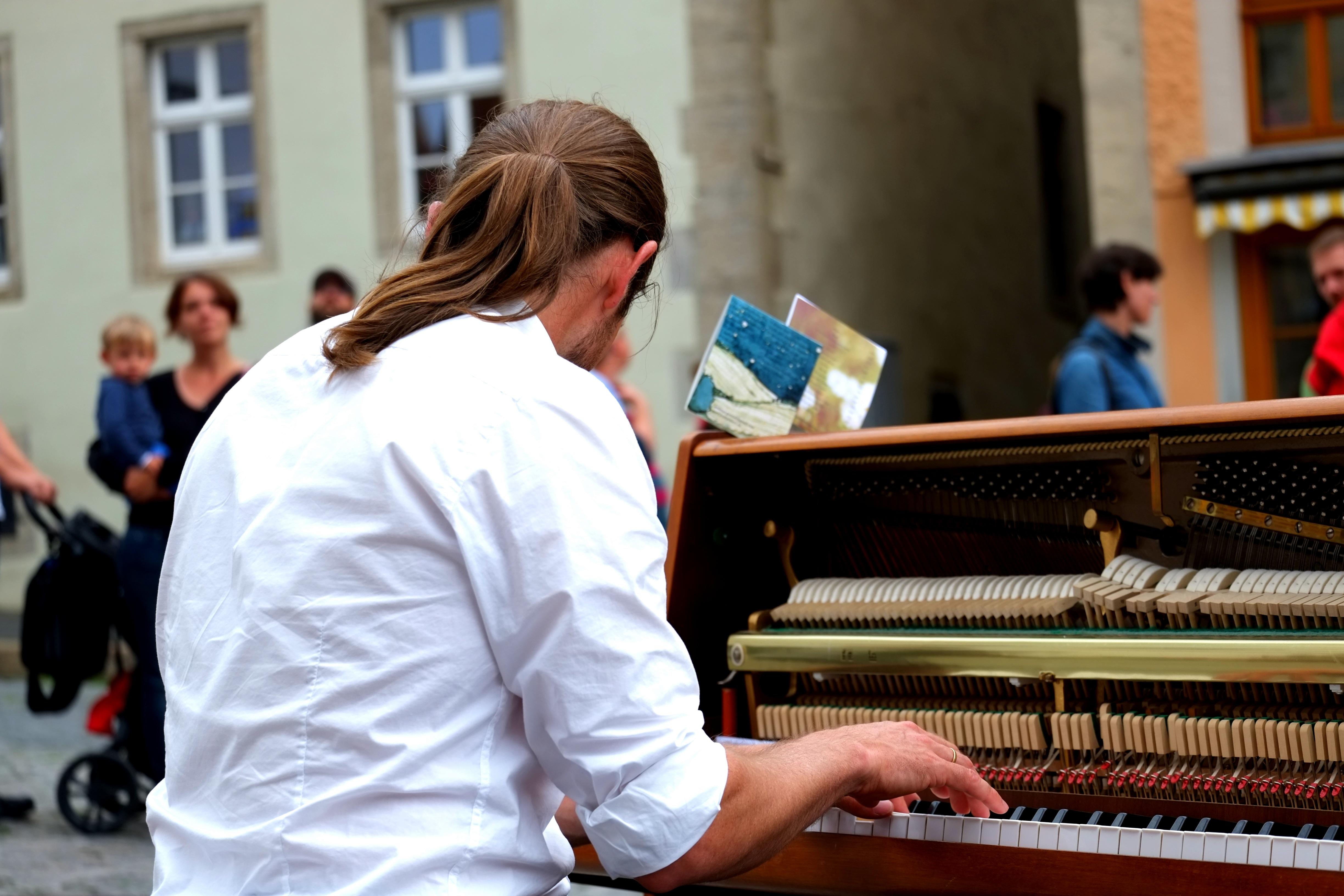

Well, one thing is certain: no one becomes a piano teacher overnight. Whether you dream of being a famous performing artist giving world-class recitals or teaching the piano to a roster of local students, you need years of practice. Furthermore, if you wish to become a pianist or take up piano teaching, it's much better to have started your piano lessons at a very young age.
Maybe you already have a few years of piano study behind you. You may have acquired considerable skills and now you're thinking of turning your love of music and the piano into a source of income by teaching others how to play the piano. Maybe you even have dreams of starting up your own music studio. You may have even already looked up piano tutoring jobs in Sydney.
But a few questions weigh on your mind. You may ask yourself: am I ready to be a piano teacher? I know my stuff, but what if I haven't completed a Bachelor of Music? Do I need any piano teaching or piano pedagogy qualifications? I have a few years of studying and performing under my belt, but is my experience enough to start teaching?
Read on for all the answers to your questions and more. First, we cover what it takes to be a piano teacher. And then, we outline the number one consideration for new piano teachers and list three main pathways you can follow to become a piano teacher.
Want to give private lessons?
Join the Superprof community and share your knowledge with interested and motivated students.
How to teach piano: empathising with your student
The first question to ask yourself is: why do I want to pursue piano teaching? The answer is usually something along the lines of 'because I love playing' or 'because I love the instrument'.
Proficiency and love of the instrument are essential to becoming a piano teacher and might make you an excellent player. But to be a truly excellent teacher you also need to know how to put yourself in your student's shoes and adapt to their level of piano playing.
-
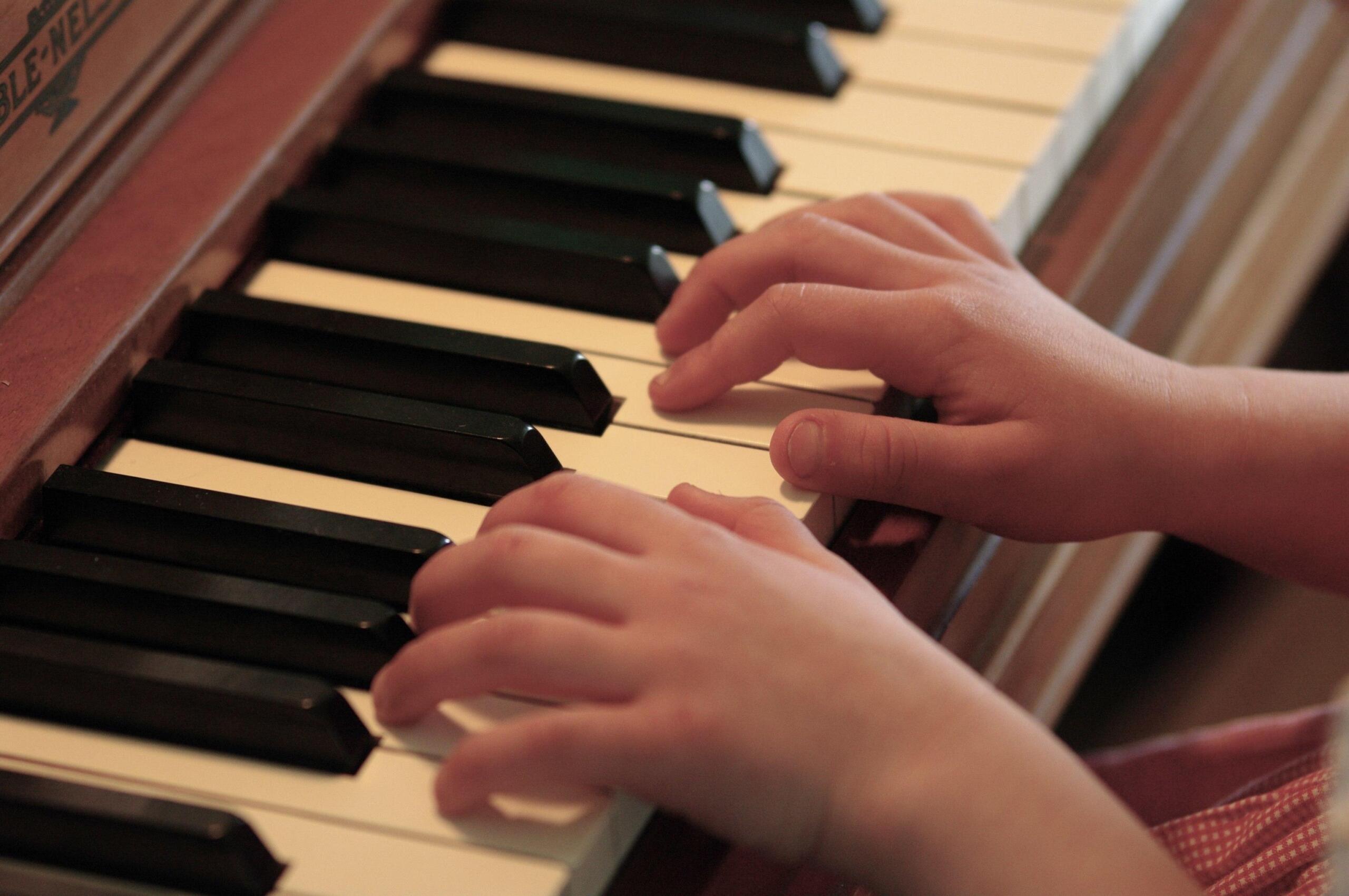
Teaching piano is all about adapting to your student's level and learning style.
Teaching students to how play the piano, whether they are beginners or established pianists, can be extremely gratifying. However, even if you're an experienced pianist, you still have to learn how to teach piano. Among other challenges, being a piano teacher will challenge your educational and interpersonal skills. And you'll need up basic marketing skills to to attract new students to your lessons.
Simplifying popular songs is an essential skill to teach beginner students. This comes in handy for all students, but especially adult beginners, who may come into their first lesson with strong ideas about which pieces they want to play, but aren't quite ready to tackle something so complex yet. Simplifying more complex songs keeps adults and kids alike interested, and avoids putting adult or teenage students off by making them play Mary Had A Little Lamb over and over.
You may have already mastered a high level of music theory, technique, performance and interpretation. Now, you need to know how to simplify your explanations of music theory and piano technique so students can take that information at their own pace. That means brushing up on your piano pedagogy and establishing an accessible and simple piano method for your beginner students. Before you give your first lessons, pick up on the best tips on giving piano lessons.
A teacher who knows how to listen patiently and gently correct mistakes is a prize, especially for beginner students. While teaching the piano is generally a joyful experience, it can be frustrating when a teenage student refuses to practice, a toddler won't focus on their lesson, or an enthusiastic adult beginner keeps making the same mistake over and over again.
If you are plan to teach younger students, try casting your mind back to yourself at their age. Ask yourself how long your attention span was and the kind of teaching you responded best to. You probably remember your kindest and most empathetic teachers. You probably tried the hardest in their lessons. Emulating those instructors will help you get the best from your piano students.
If you've been playing the piano for years, you've surely had your own struggles. Is there a piece or technique that has eluded you no matter how hard you practice? Thinking of your own musical challenges will help you empathize with the challenges of your students.
How to Teach Piano: Lesson Structure
Take a moment to reflect on how you approach a session at the piano. Do you first do warm-up exercises? Do you work your wrists, elbows and shoulders? You might even take a moment to loosen up your neck. And probably a few hand flexes before your fingers naturally fall on the C position.

Now, travel further back in time to your earliest piano lessons. Do you remember your piano teacher coaching you through your warm-up routine? As you are now a piano player wanting to learn how to teach piano, that routine obviously worked well for you. Thus, you should make warm-ups a part of any piano learning session you lead.
As a beginner learner, how did your lessons invariably start? With scales, of course. Again, this lesson starter was effective for you to learn how to play. It will be just as effective for your students. Ah, but now we remember how boring it was to practise scales. How to keep your piano players from grinding their teeth as their fingers run up and down the octave?
That depends on how advanced the student is. And on their age. A child as young as three can start learning the piano. But at that age, attention spans are short and distractions are plentiful. Adorable though they may be, plinking out notes, they'll likely not sit still and practise scales for more than a few minutes.
Older piano students - say, aged seven and up, will have more staying power. They'll also have more dedication to learning how to play. To keep them from getting bored with basic piano scales, you might inject a few arpeggios into the mix. In fact, you could make a bit of a game out of it: "Scales! Now arpeggio! Back to scales!" You might teach them hands-together scales and, once they're good at it, throw that into the mix.
This isn't to say that piano players younger than seven can't do more than a few minutes at piano. It's simply wiser to keep things lively with students that young. Consider doing a bit of elemental aural training away from the piano. You can play a note, and then sing it so the student can mimic your sound. Alternating between different types of music learning will help them keep their enthusiasm for music lessons and learning how to play the piano.
What comes after scales and arpeggios? That depends on the student too. Do they want to learn jazz piano, rock or classical? How and when you introduce new music and piano skills depends on your pedagogy and their aptitude. You can learn more about selecting pieces to suit students' preferences in our guide to effective piano teaching.
Want to give private lessons?
Join the Superprof community and share your knowledge with interested and motivated students.
How to Teach Piano: What You Need to Know
Social media memes aside, you can't teach anyone how to do anything unless you know how to do it yourself. So, if you're asking about how to teach piano, we'll assume you know how to play one. Can you also sight-read and write music? Do you know musical theory? Do you have an Australian Music Examination Board (AMEB) grade?
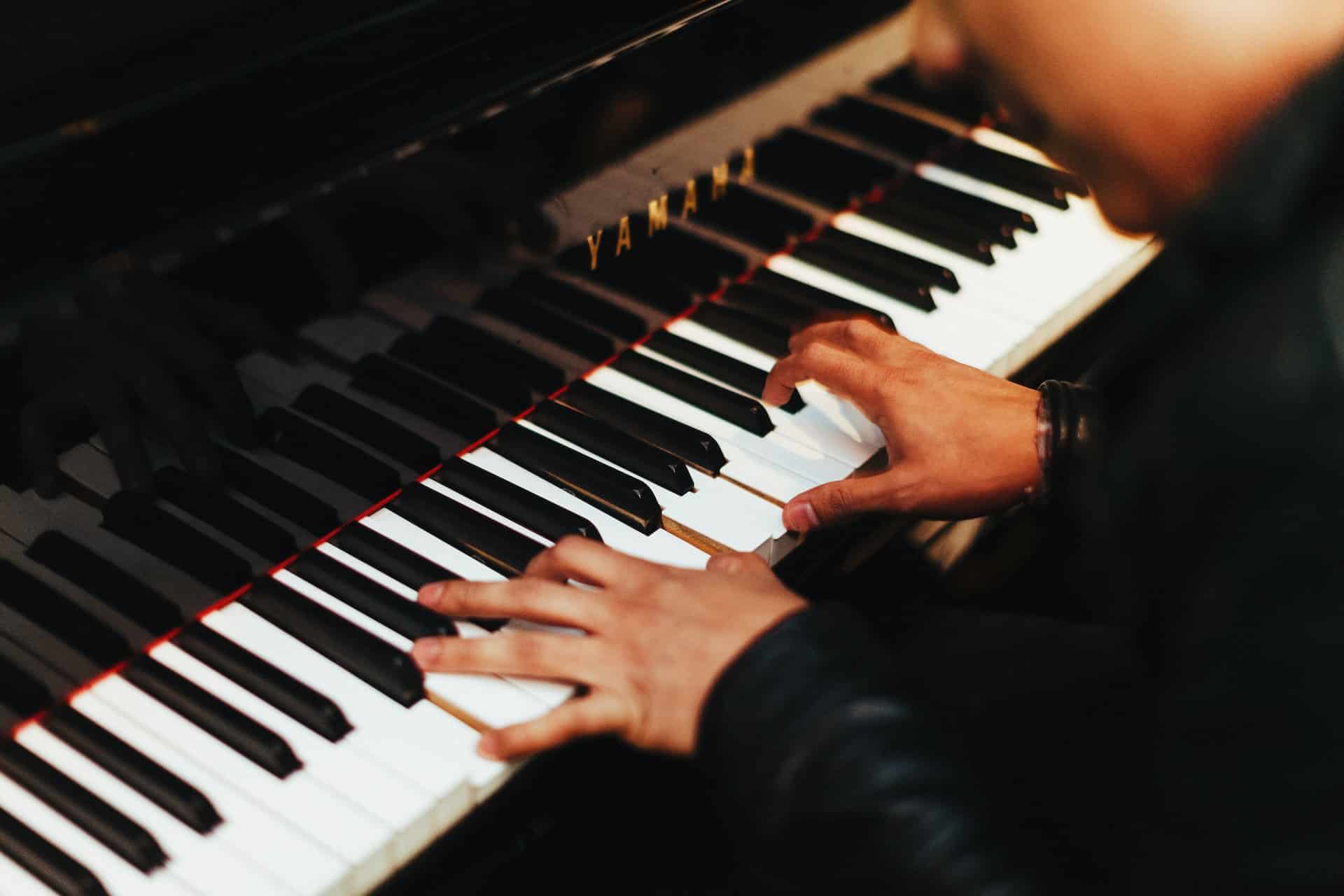
All of these factors determine who you can teach how to play the piano. You may be self-taught; there's nothing wrong with that. Particularly if you're a gifted pianist. However, you will likely have to restrict your piano lessons to only beginner players. More advanced ones will probably prefer a teacher with formal qualifications.
If you are a fully qualified piano player, do you know how to teach piano? Prospective piano players prefer experienced piano instructors, even if they cost a bit more. If you have no experience giving piano lessons, you may consider teaching piano with an established music school or with another, more renowned instructor. Just until you make a name for yourself.
Have you thought about teaching piano online? This lesson delivery method offers several advantages. It's an easy way to qualify prospective students and for them to learn about you. All you need to do is build a profile on a reputable tutoring platform. Superprof is home to many successful online piano tutors.
Tutoring is not considered a protected occupation in Australia. You don't have to attain any certifications or apply for a license. Still, there are a few things you need to know about becoming an independent tutor. First, you must register for your Australian Business Number (ABN). The penalties for not paying taxes on your earnings as a tutor are severe so it's best to make that your first step to becoming an independent piano teacher.
You're not required to have a National Police Check to work with children in Australia. It's a good idea to submit to one, though. Proving your clean bill of legal health encourages clients to trust you. Obtaining one without having to proves to caregivers of piano students that you'll go to the lengths needed to assure them their child is safe in your hands.
Now, a couple of best practices for your piano teaching business. First, if you're a piano student yourself, you should teach piano learners two degrees below your skill level. For instance, if you're in your second year of university music studies, you can teach students in secondary school how to play. If you're in secondary school, feel free to give lessons to primary school students.
Finally, always adjust your teaching to your students' needs. Here again, it helps to reflect on your own learning experiences. You likely learned the most from teachers who made you an active participant in your learning. You can make your students participants in their learning by asking what pieces they feel like playing. Or maybe suggest that they improvise a bit; let their musical genius fly.
You should then critique their performance and make suggestions for improvement. Or, better yet: ask them to teach you how to play that melody. No matter your level and experience with the piano, surely there's still something you have left to learn. Not sure how much you should charge per piano lesson? Read our guide to setting your rates.
-
Become a piano teacher at through a conservatorium or music school.
Paths to teaching piano: Conservatoriums and Music Schools
Funding for music education is on the decline in both public and private schools. Luckily, conservatories and private music schools are stepping in to fill the gap.
With fewer options to study the piano at school, many students wishing to learn to play the piano are turning to cultural institutions such as local conservatories and music schools. This could be for professional reasons - they may aspire to a career in music production or music teaching - or simply for the pleasure of playing a musical instrument. This means that learning and teaching at a private music school are both rewarding options open to you.
Flexible programs adapted to your schedule and level of commitment are one of the conservatoires' main benefits. You can usually choose the teacher specializing in the kind of music you are passionate about: classical piano, jazz and improvisation, or music production. You will have opportunities to hone your performance skills by playing a piano recital each year. Best of all, if you a star pupil on the piano, your private music school may ask you back to become part of the teaching staff
Learn piano teaching through a degree program
This is the traditional way of becoming a piano virtuoso or expert teacher. Earning your place at an esteemed music conservatory is no easy feat. Auditions are usually held for young musicians who are coming out of high school or their gap year, but mature students are often accepted as well. In Australia, prestigious conservatories are usually attached to larger universities. Such is the case with the Melbourne Conservatorium of Music (MCM) at The University of Melbourne, or the Sydney Conservatorium of Music (SCM) at The University of Sydney.
University programs usually have two major paths for performers - a classical or a jazz. They may also offer optional classes in composition, ethnomusicology or different vocal and instrumental ensembles. In these institutions, music theory classes are usually mandatory. If you aim to become a highly-qualified music teacher, you may wish to take classes in music psychology or piano pedagogy alongside your piano performance classes. Once you have finished a three-year Bachelor's degree, you may elect to do an Honours year, a Master's degree, or even a PhD.
These degrees are expensive. If you are an Australian citizen and gain a place, you can usually take out a higher education loan (HEC) loan through the Australian government for the cost of the degree. You will also need to commit a considerable amount of time - at least three years of full-time study. But before you go off and search for piano tutoring jobs Melbourne, read on to find out the different pathways to reaching the level of piano necessary to enter piano teaching.
-
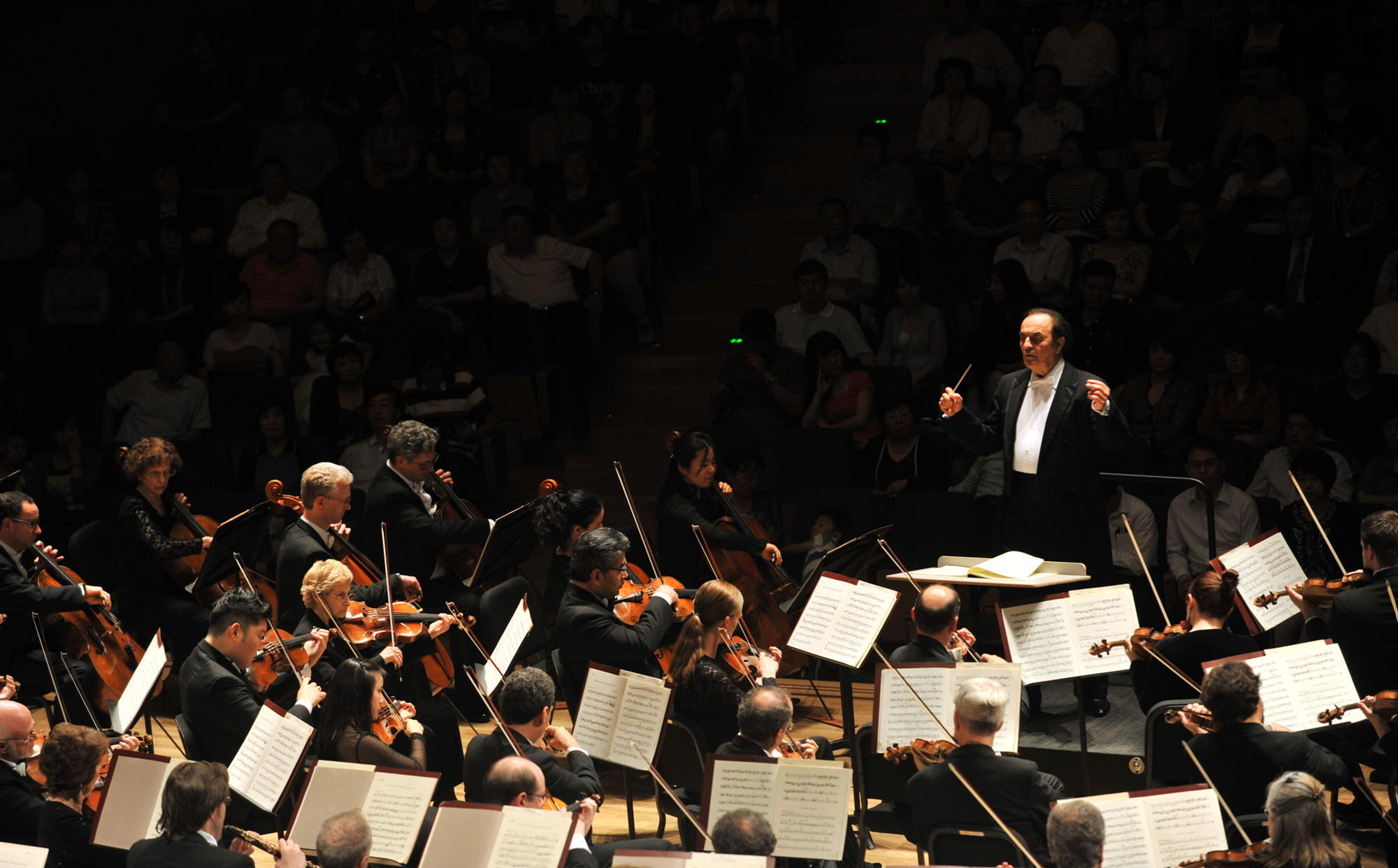
A music degree from a renowned conservatory will allow you to gain a degree, pursue your musical dreams, and set you up with the best qualifications for becoming a piano teacher.
Become a piano teacher after many years of private lessons
As noted before, the market for private piano lessons in Australia is completely unregulated. This means almost anyone can offer private piano lessons. However, when advertising your services, you are obliged under Australian Consumer Law to give a true and accurate description of your skills. So you can't say you have a Bachelor of Music if you don't, or that you have 30 years of teaching experience if you are only 24 years old!
As stated earlier, piano teachers should have at least two more years of piano experience than the students they are teaching. That means you'll need at least five or six years of studying and playing the piano before you are competent enough to teach beginners. However, equally important is the piano teacher's attitude towards piano pedagogy and aptitude for teaching.
Private piano lessons in your home are a very popular way to teach others how to play the piano. So many successful piano teachers in Australia prove that point. Some piano students, including perhaps yourself, don't have the time, money or motivation to earn a university musicology degree. Your community music school may even be out of reach. Thus, you'll need to commit to a great deal of practice to become a highly-skilled pianist and competent teacher.
Also, once you start teaching, there is no need to stop your personal piano lessons. The best teachers are lifelong learners and potential students will be drawn to your passion to keep exploring the piano. Why not let us here at Superprof help you find the perfect piano teacher? And who says you can't be both learner and a teacher? While you're on the Superprof platform, create your teacher's profile and let new students find you.
Want to give private lessons?
Join the Superprof community and share your knowledge with interested and motivated students.
Summarise with AI:
Did you like this article? Leave a rating!


 Loading...
If I was 14 (I will be soon), could I teach adults? Could I teach kids? Could I start a business with the help of my parents? I am in 5th grade ameb