
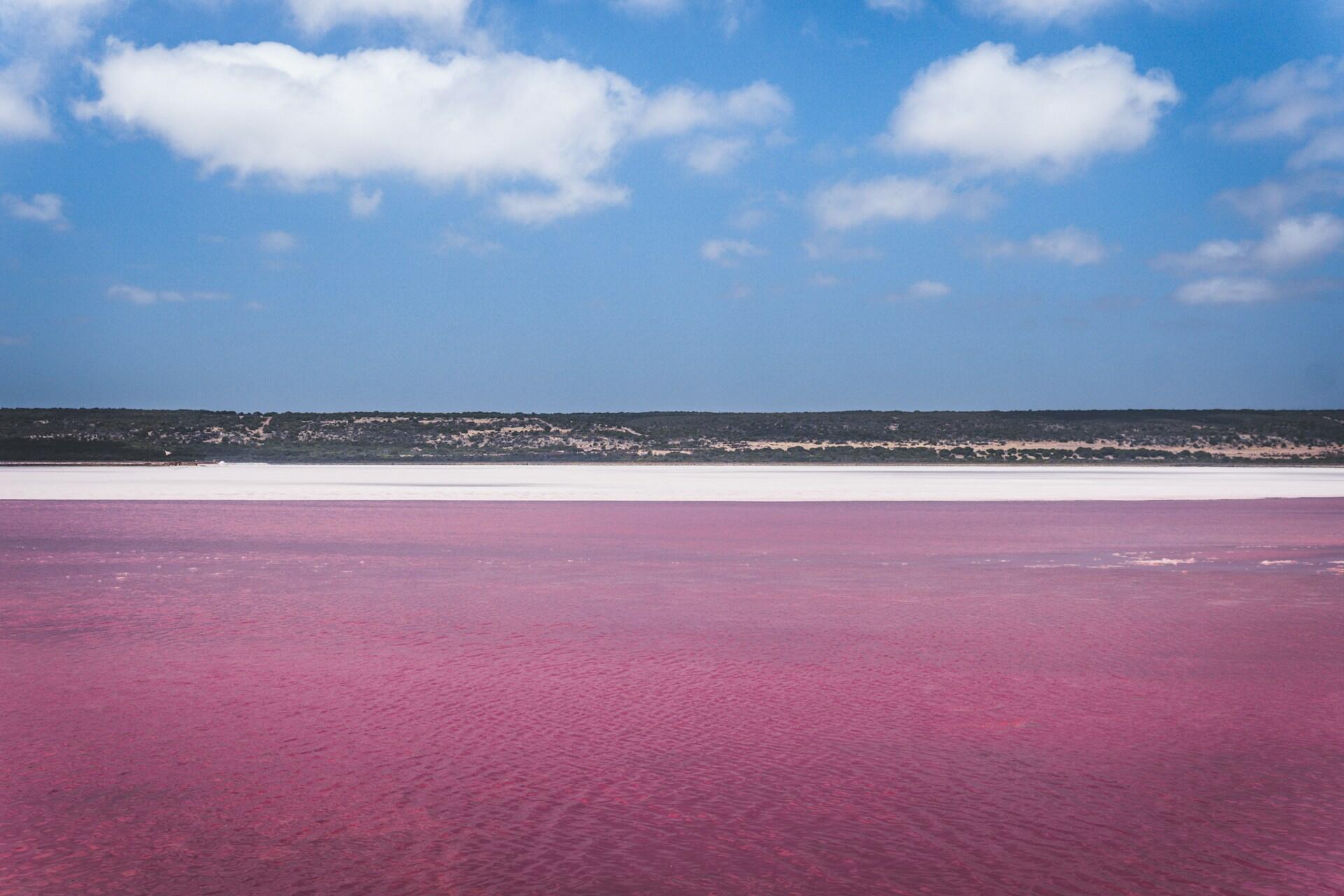

Australia is home to a wide variety of lakes, from salt pans to pink lakes. Some of these lakes are only temporary, filling during the rainier years, while others are entirely manmade. Let's explore Australia's lakes.
| Lake Name | Type | Area (km²) | State/Territory | Basin/Region | Key Feature |
|---|---|---|---|---|---|
| Lake Eyre / Kati Thanda | Salt, ephemeral | ~9,500 | SA | Lake Eyre Basin | Largest lake in Australia |
| Lake Torrens | Salt, ephemeral | ~5,700 | SA | Lake Torrens Basin | Second-largest salt lake |
| Lake Frome / Munda | Salt, ephemeral | ~2,500 | SA | Lake Frome Basin | Desert salt pan and reserve |
| Lake Macquarie | Coastal lagoon | ~110 | NSW | Central Coast Basin | Largest coastal lake |
| Lake George / Weereewa | Ephemeral | ~155 | NSW | Southern Tablelands | Dramatic size changes |
| Lake Alexandrina & Lake Albert | Fresh/brackish | ~817 total | SA | Murray–Darling Basin | Ramsar-listed wetland lakes |
| Lake Argyle | Artificial freshwater | ~1,000 | WA | Ord River Basin | Australia’s largest reservoir |
| Lake Burley Griffin | Artificial freshwater | ~6.6 | ACT | Molonglo River Catchment | Canberra’s man-made lake |
| Lake Hume | Artificial freshwater | ~202 | NSW/VIC | Murray–Darling Basin | Major Murray River storage |
| Pink Lake / Lake Hillier | Saline | ~0.15 | WA | South Coast Basin | Iconic pink-coloured lake |


1. Lake Eyre / Kati Thanda
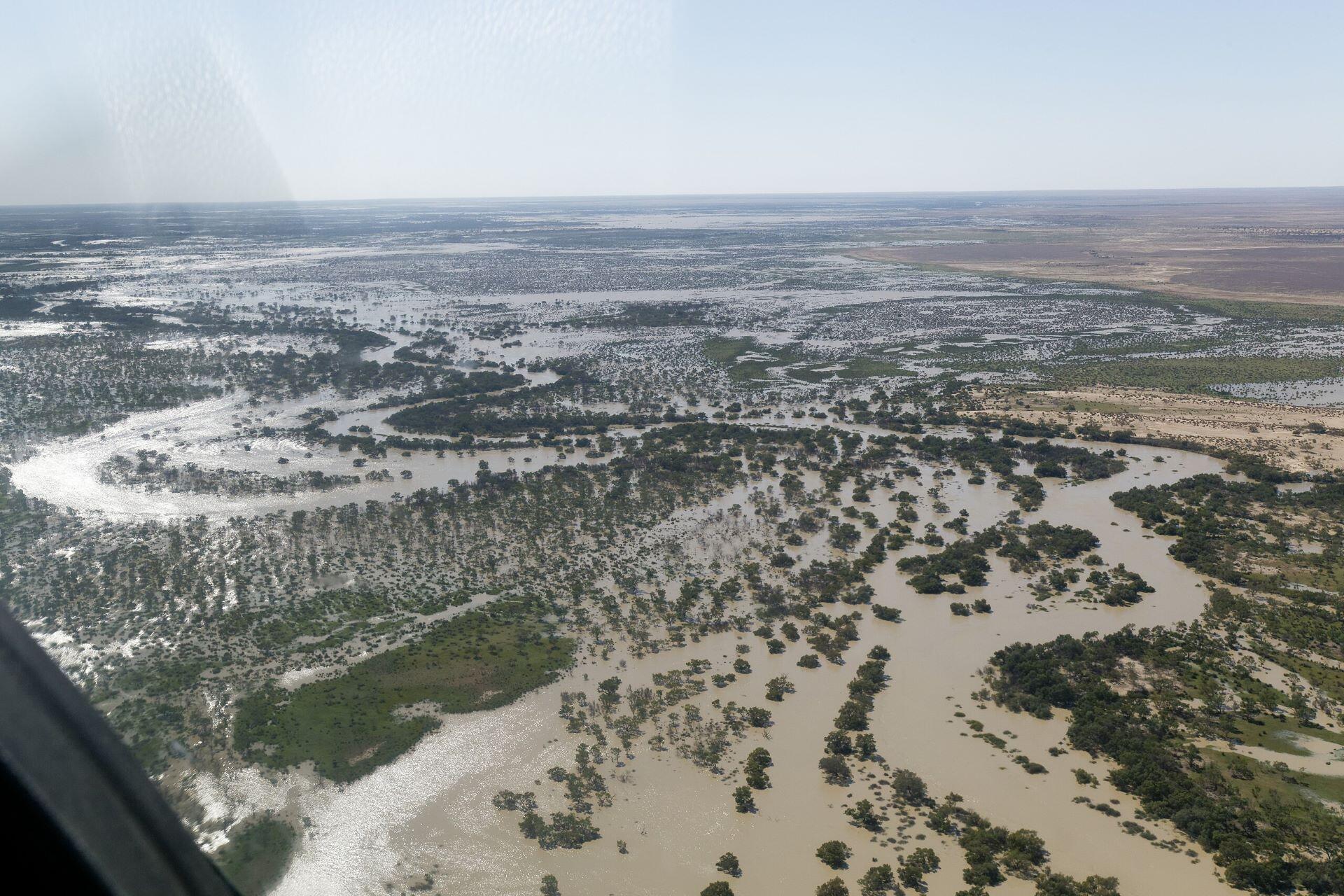
Lake Thanda-Lake Eyre is the largest lake in Australia. In contrast to Australia's highest mountains, it's actually 15 metres below sea level at its lowest point. Most of the time, you can see its shimmering white salt crust, but after heavy rains in Queensland's Channel Country, it becomes an inland sea. This is a rare event, but when it happens, it attracts pelicans and other migratory birds from all around.
The Arabana people are the traditional custodians of this region, and they regard it as a sacred landscape that's tied to their Dreaming stories. The surrounding national park is popular with photographers, scientists, and adventurers hoping to see it in flood. The drought and renewal make it a fascinating part of Australia's desert heartland¹².
2. Lake Torrens
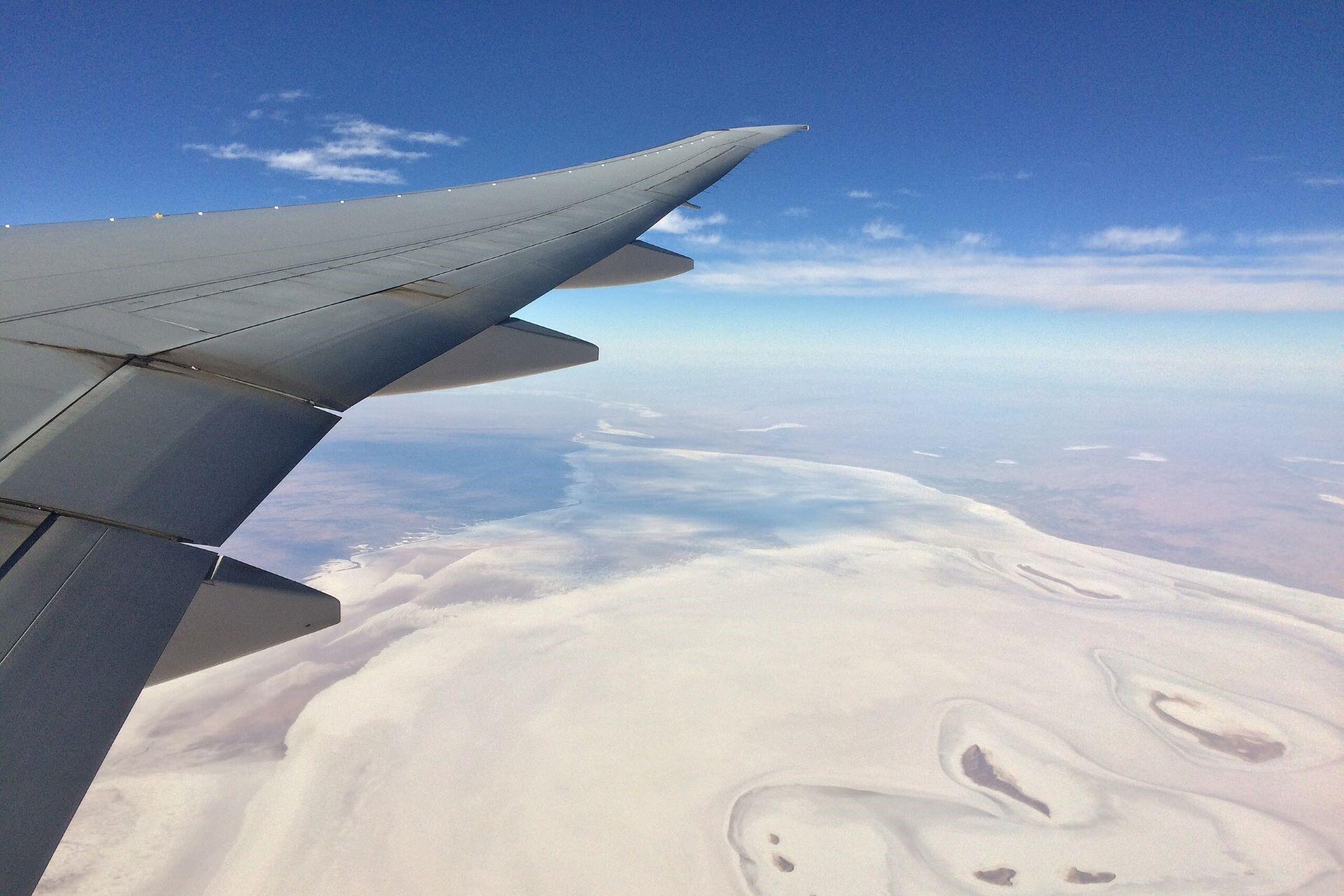
Lake Torrens stretches roughly 250 kilometres from north to south and is Australia's second-largest salt lake. It's usually dry, forming a white plain of salt and clay. Only occasionally, after significant rainfall, does it hold water, and even then, it's pretty shallow. The lake is in a tectonic depression west of the Flinders Ranges. Although it may look barren, it's home to hardy desert flora and birdlife when it floods.
You can see its bright, reflective surface from space, and it's been used for geophysical studies of Australia's crustal structure. The lake is located entirely within the namesake Lake Torrens National Park, which is home to it and the cultural sites of the Kokatha and Kuyani peoples³.
3. Lake Frome / Munda
Lake Frome, or Munda to the Adnyamathanha people, is a vast salt pan that stretches over 2,500 square kilometres. It's part of a chain of ancient inland drainage systems that used to flow into the Lake Eyre Basin.
More often than not, its surface is white, encrusted with salt and gypsum. During wetter years, it temporarily connects to nearby creeks, creating pools that transform the desert landscape into spots for waterbirds.
Scientists like to study Lake Frome to find out more about past climates and the fluctuating shorelines of prehistoric lakes, which were once common in central Australia. It's part of the Lake Frome Regional Reserve, which is a protected site for its geological importance and its cultural significance to Aboriginal communities⁴.
4. Lake Macquarie
Lake Macquarie is Australia's largest coastal lake and is nearly twice the size of Sydney Harbour. This is a saline-freshwater lagoon that opens to the Pacific Ocean through the Swansea Channel, allowing tidal exchange, which is key for supporting marine life.
The lake's foreshore is home to sailing clubs and bushland reserves, making it popular for recreation and tourism. Kayakers, fishers, and swimmers love its calm waters. At the same time, the wetlands on its edges are more popular with pelicans, black swans, and migratory waders.
Even though the surrounding area is built up, there are conservation programs to maintain its water quality and biodiversity. Its namesake city (Lake Macquarie) wraps around much of its shoreline, creating an interesting juxtaposition between the urban and the natural⁵.
5. Lake George / Weereewa
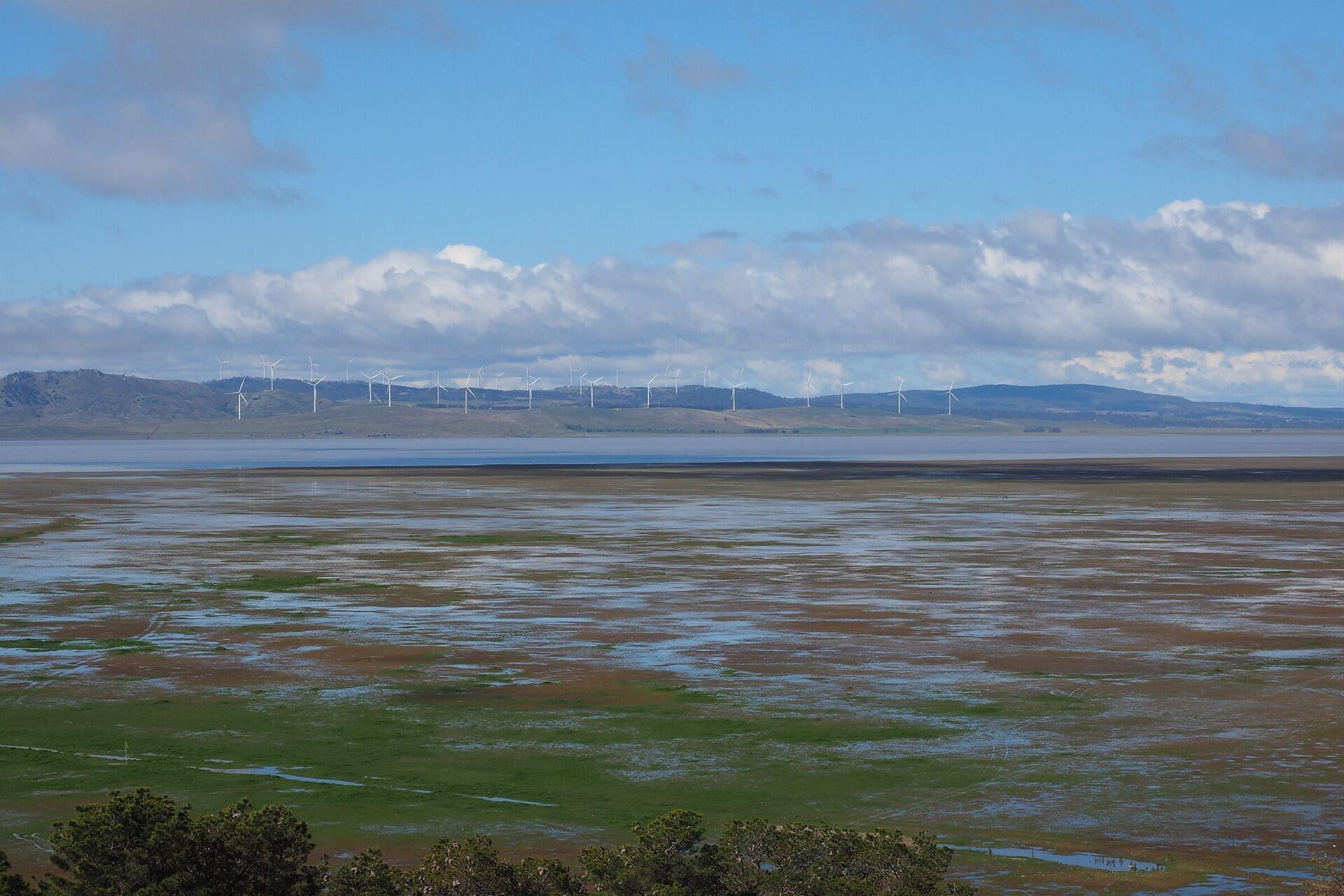
Lake George, known to the Ngunnawal people as Weereewa, is famous for its dramatic changes in size. Sometimes, the lake is nearly full, while other times, it's dry for decades. This is because of groundwater fluctuations and the local rainfall patterns.
This shallow lake can span over 150 square kilometres. However, when it's dry, it's a windswept plain that's mainly used for grazing and renewable-energy projects. Its vanishing waters have long fascinated locals and scientists, and archaeological findings have shown that Aboriginals have been here for thousands of years⁶, potentially at a time when there were active volcanoes on the Australian mainland.
6. Lake Alexandrina and Lake Albert
Lake Alexandrina and Lake Albert are twin lakes that form the southern gateway of the Murray-Darling Basin. The two lakes are connected by a narrow channel and together make up part of the Coorong and Lower Lakes Ramsar Wetlands. This system supports birdlife, including swans, pelicans, and migratory species. The lakes are also culturally important to the Ngarrindjeri Nation; their traditional lands encompass the shores of the lakes⁷.
7. Lake Argyle
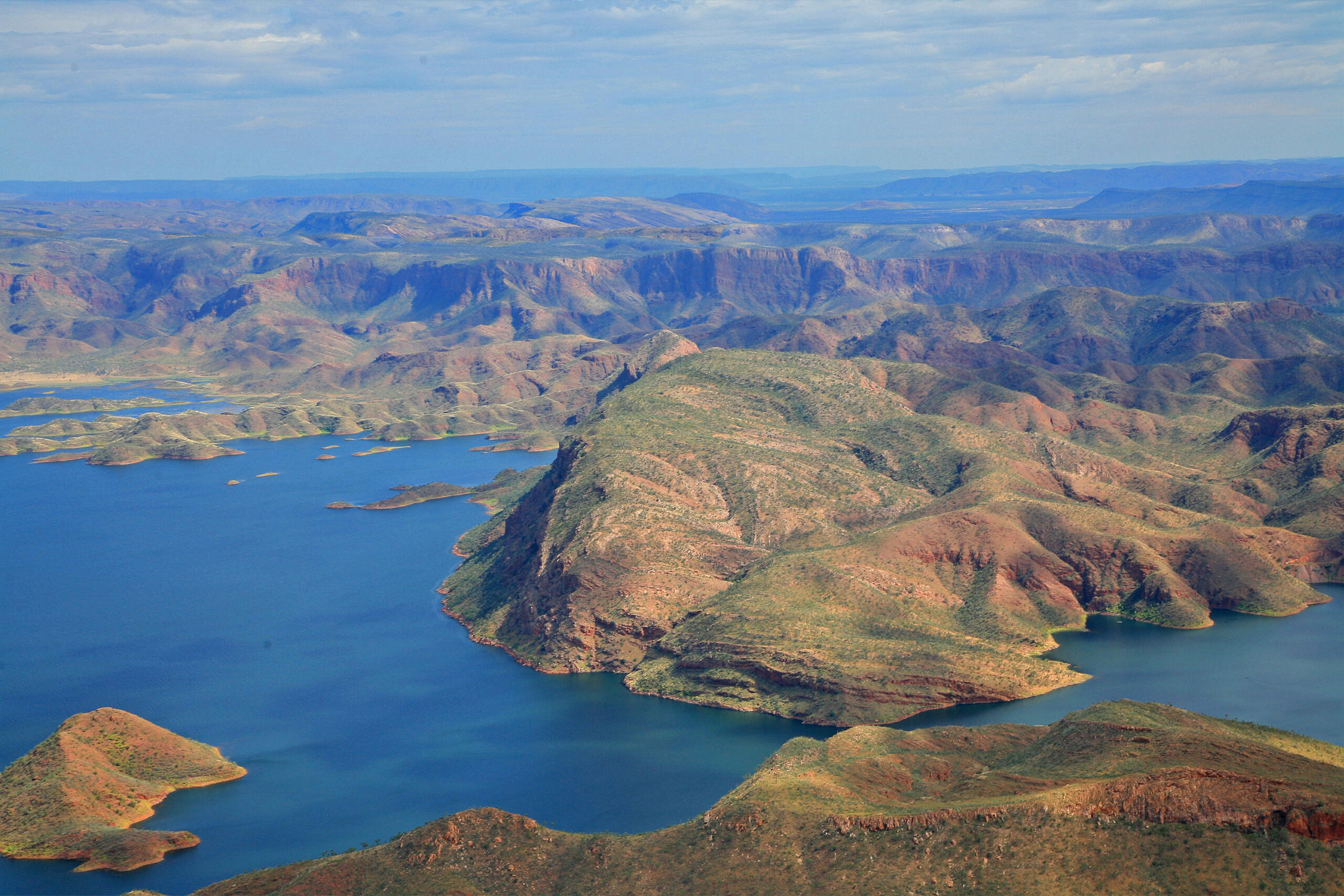
Lake Argyle was created by damming the Ord River in the early 1970s. This is Australia's largest artificial lake by volume, located in the Kimberley region of Western Australia. It covers up to 1,000 square kilometres when it's full. It's now home to more than 270 bird species and freshwater crocodiles. It's popular for boating, fishing, and the scenic flights that show off its red cliffs and turquoise waters⁸.
8. Lake Burley Griffin
Lake Burley Griggin is a civic landmark that was made by damming the Molonglo River. It's in the heart of Canberra and was designed as part of Walter and Marion Burley Griffin's original plan for the capital.
There are paths and parks encircling the lake, which make it a popular spot for cycling, rowing, and public events. Though it's an artificial lake, it provides a valuable habitat for waterbirds. It's managed by the National Capital Authority⁹.
9. Lake Hume
Lake Hume was formed by the construction of Hume Dam on the Murray River, Australia's longest river. It's one of southeastern Australia's most important water storages, supplying irrigation, drinking water, and hydroelectric power to regions in New South Wales and Victoria. The reservoir covers 200 square kilometres when full, and when it was created in the 1930s, it submerged the old town of Bowna. Today, it's managed by WaterNSW and Goulburn-Murray Water¹⁰.
10. Pink Lake / Lake Hillier
Lake Hillier is famous for its pink colour. This is caused by its high salinity and microscopic algae. Unlike other pink lakes, the water is still pink when you bottle it. The lake is separated from the ocean by a strip of dunes and a eucalypt forest. Visitors can take a boat tour from Esperance or see it from the air in a scenic flight¹¹.
References
- Kati Thanda–Lake Eyre National Park. (n.d.). Department for Environment and Water – Parks SA. Retrieved October 9, 2025, from https://www.parks.sa.gov.au/parks/kati-thanda-lake-eyre-national-park/about
- Lake Torrens National Park. (n.d.). Department for Environment and Water – Parks SA. Retrieved October 9, 2025, from https://www.parks.sa.gov.au/parks/lake-torrens-national-park/about
- Largest Waterbodies of Australia. (n.d.). Geoscience Australia. Retrieved October 9, 2025, from https://www.ga.gov.au/scientific-topics/national-location-information/landforms/largest-waterbodies
- Lake Frome Regional Reserve. (n.d.). Department for Environment and Water – Parks SA. Retrieved October 9, 2025, from https://www.parks.sa.gov.au/parks/lake-frome-regional-reserve/about
- Lake Macquarie. (n.d.). Lake Macquarie City Council – Visit Lake Mac. Retrieved October 9, 2025, from https://www.visitlakemac.com.au/lake-macquarie
- Lake George (Weereewa). (n.d.). NSW Government – Environment & Heritage. Retrieved October 9, 2025, from https://www.environment.nsw.gov.au/heritageapp/ViewHeritageItemDetails.aspx?ID=5053065
- Coorong and Lower Lakes Ramsar Wetland. (n.d.). Department for Environment and Water – South Australia. Retrieved October 9, 2025, from https://www.environment.sa.gov.au/topics/water/lakes-rivers-and-wetlands/wetlands/coorong-lower-lakes
- Lake Argyle. (n.d.). Tourism Western Australia. Retrieved October 9, 2025, from https://www.westernaustralia.com/en/Attraction/Lake_Argyle/56b266a02880253d74c4ebeb
- Lake Burley Griffin. (n.d.). National Capital Authority – Canberra. Retrieved October 9, 2025, from https://www.nca.gov.au/visit-our-capital/lake-burley-griffin
- Hume Dam and Lake Hume. (n.d.). WaterNSW. Retrieved October 9, 2025, from https://www.waternsw.com.au/nsw-dams/regional-nsw-dams/hume-dam
- Lake Hillier (Pink Lake). (n.d.). Western Australia Parks and Wildlife / Australia’s Golden Outback. Retrieved October 9, 2025, from https://www.australiasgoldenoutback.com/business/attractions/lake-hillier
Summarise with AI:
Did you like this article? Leave a rating!

 Loading...
