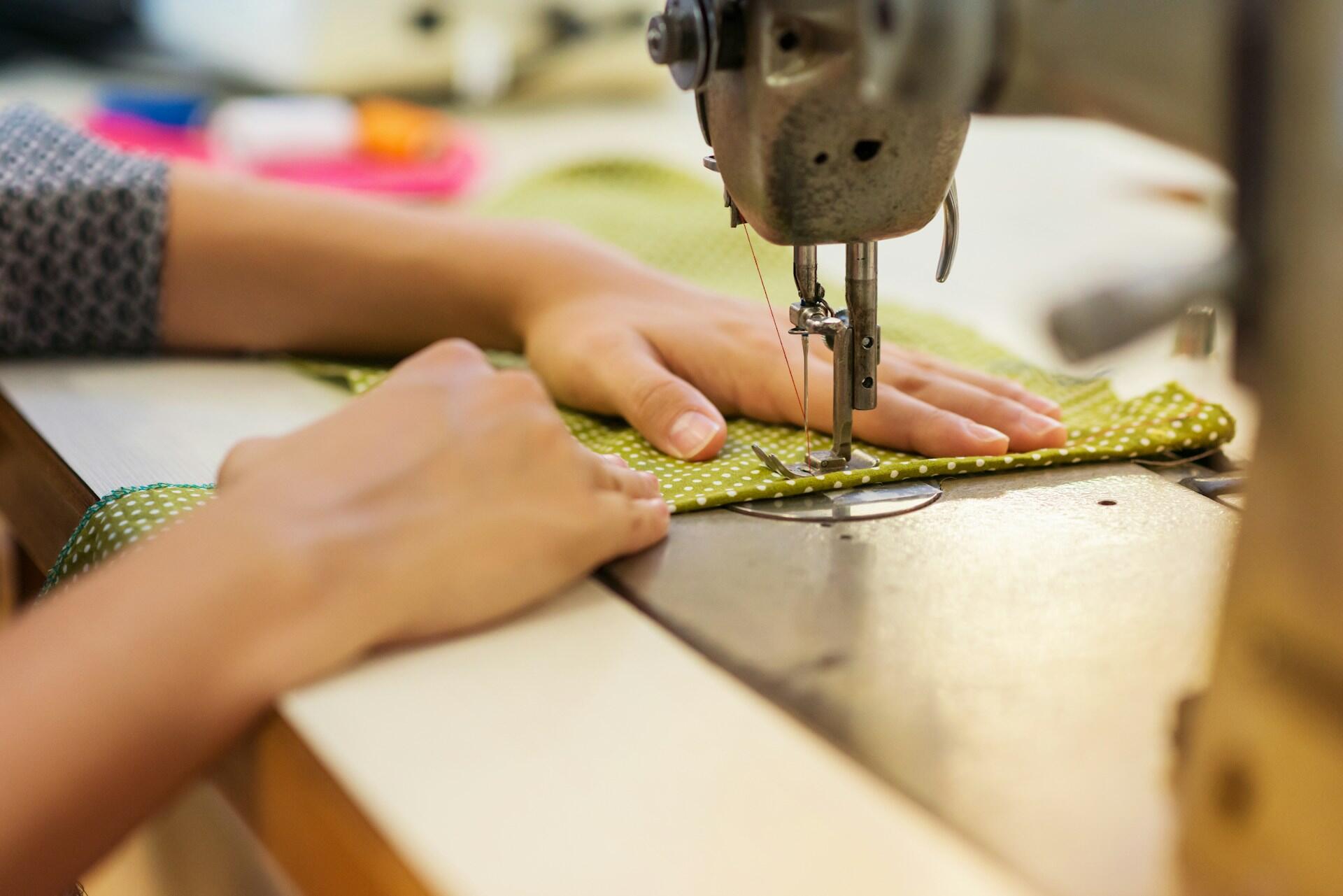

Learning to sew requires understanding new terms and concepts. Getting started is easier when you’re already familiar with vital sewing vocabulary! Find out the must-know basics of making a seam, sewing tools, stitching techniques, garment parts and more.


Essential Sewing Terms and Their Meanings
Ready to dive into the world of sewing? Approach your sewing class or self-learning with confidence after learning the basic terms you need to understand tutorials. This guide provides you with some of the most useful sewing words for beginner and intermediate sewers to know.
Here's a quick overview of the sewing terms defined in this guide:
| Term | Simplified Definition | Term | Simplified Definition |
|---|---|---|---|
| Anchoring Stitch | Stitches laid to keep the thread from pulling out | Lining | Inner layer of fabric inside a garment |
| Appliqué | Fabric or lace stitched to the foundation fabric | Muslin | Fabric used for prototyping; a test garment |
| Armscye | Armhole; located on the bodice | Nap | Texture of a fabric that runs in a specific direction |
| Backstitch | Doubling back on the last stitch to secure seams | Notch | Diamond-shaped marks on a pattern's cutting line, indicating where to place seams; small cuts that help curved edges sit properly |
| Baste/Basting Stitches | Temporary, loose, long stitches that hold something in place | Pleat | Fold created by doubling back the fabric on itself |
| Bias | 45-degree diagonal direction of a fabric based on the selvage | Preshrink | To wash fabric before cutting or sewing |
| Blanket Stitch | Handsewn stitch used on fabric edges | Presserfoot | Part of the sewing machine that holds fabric in place near the needle |
| Boning | Thin strips of plastic, metal, etc. sewn into a garment | Quilt | Technique of stitching layers together beyond just the seams |
| Button Band/Button Stand | The pair of panels that feature the buttons and their accompanying buttonholes | Raw Edge | The fraying or unfinished edge of the fabric |
| Calico | Fabric usually used for prototyping | Right Side | The front or outside of the fabric that you see |
| Chain Stitch | Series of looped stitches | Ruching | Gathered fabric along a seam |
| Collar Stand | Grade of how unfolded/flat a collar lies against the neck | Running Stitch | Handsewn stich that creates a dahed line by weaving in and out |
| Dart | Folds sewn into garments to make them fit curves better | Seam Allowance | The fabric between the edge and the stitching line |
| Ease | The space between a garment's and wearer's measurements | Seam Tape | Thin strip of fabric or other material that stabilizes seams |
| Edgestitch | Straight stitches close to the edge or trim | Selvage | The finished lengthwise edge of fabric from the manufacturing process |
| Facing | Folded-over fabric on the inside of certain edges | Serger | Type of sewing machine that can sew a seam, trim fabric, and finish a raw edge at the same time |
| Fashion Fabric | The main fabric used in a garment | Shank | The loop-shaped back of a button |
| Feed Dogs | The "teeth" beneath the presser foot on a sewing machine | Stay Stitch | Stitches that stabilize the fabric before sewn into a garment |
| Fusible Interfacing Tape | Iron-on adhesive tape to bind fabric together | Straightstitch | Machine stitch that creates a single row of stitches |
| Grading | Converting a garment pattern to different sizes | Termination Point | Where two seamlines end |
| Grainline | Lengthwise selvage of a fabric | Topstitching | Stitches on the right side of a garment |
| Hand-overcast/Overcast Stitch | Stitch which wraps around an edge | Understitching | Stitches on the facing or lining that make the edge/seam look finished |
| Hem | Finished edge of a garment | Warp | Lengthwise thread in a fabric |
| Interfacing | Additional layer of fabric for stability and structure | Wash-away Stabilizer | Temporary backing for supporting delicate fabrics that dissolves in water |
| Invisible Stitch | Used to join two pieces of fabric without visible stitches | Weft | Crosswise thread in a fabric |
| Jersey | Soft, stretchy fabric | Wrong Side | The inside of backside of a garment or fabric |
| Lapped Seams | Overlapped fabric stitched together right side to wrong side | Zigzag Stitch | Z-shaped machine stitch |
A - C
Anchoring Stitch
An anchoring stitch secures the thread at the start or end of a seam. It prevents stitches from coming loose. Many sewers use a short backstitch on a machine to anchor.
Discover how to use different types of seams, such as French seams.
Appliqué
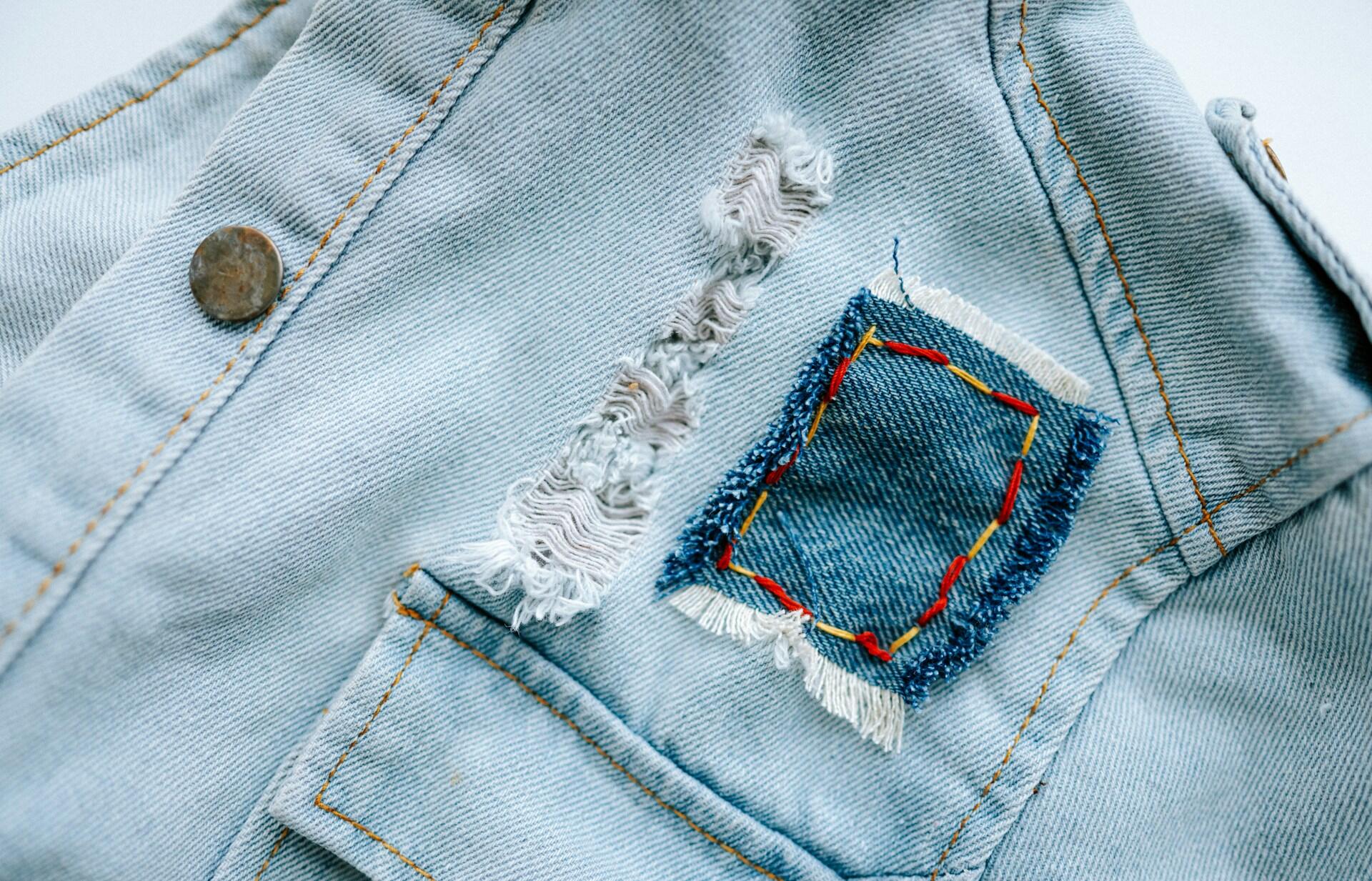
Appliqué is a method where a piece of fabric is sewn on top of another fabric to create a design. The edges are stitched down, often with a zigzag stitch or blanket stitch.
Armscye
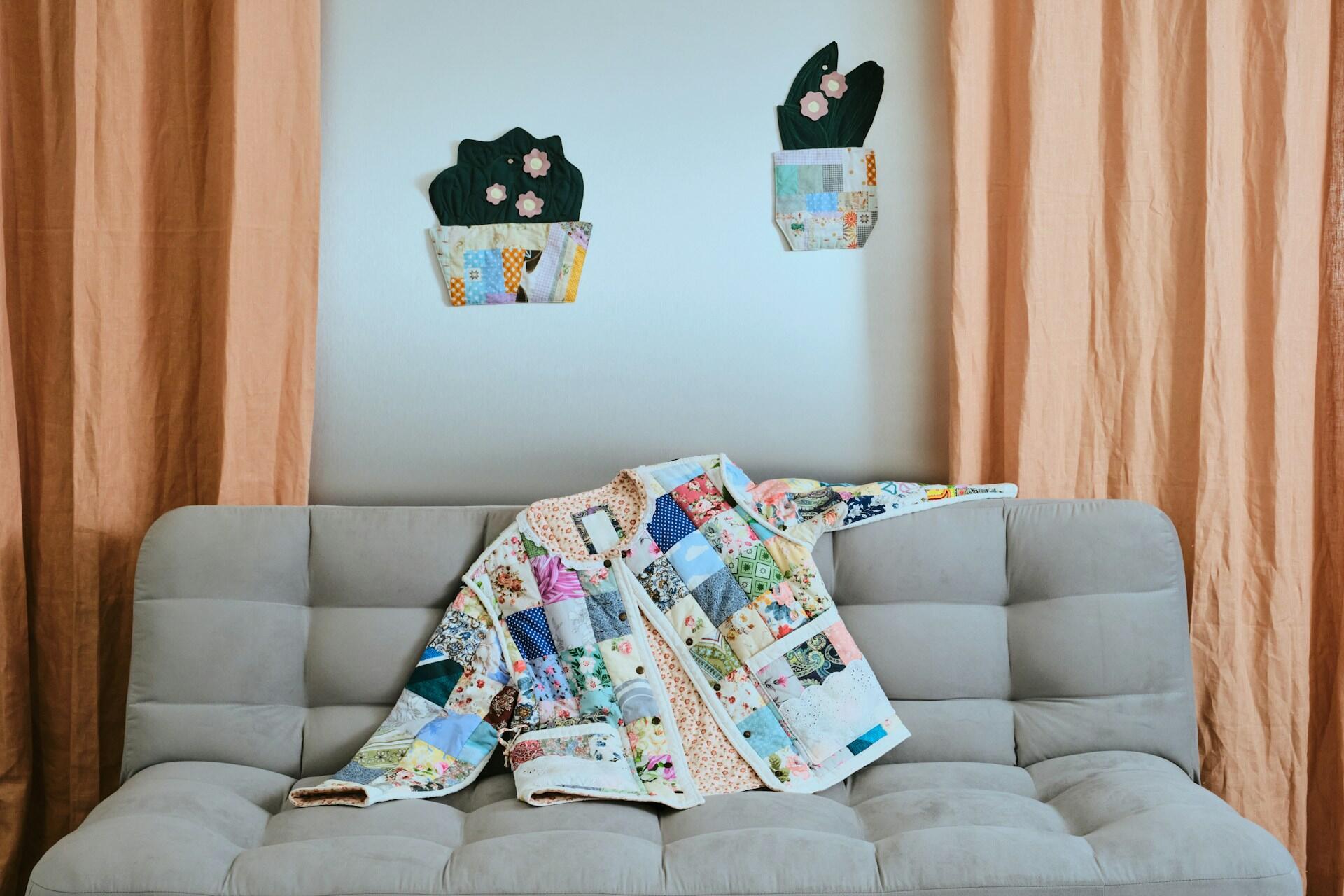
The armscye is the armhole opening in a garment. It is where the sleeve attaches to the body of the garment.
Backstitch
A backstitch is a strong stitch used to secure a seam. On a machine, it means sewing a few stitches backward over the same line.
Baste / Basting Stitches
Basting stitches are long, temporary stitches. They hold fabric pieces together before final stitching. These stitches are easy to remove.
Discover personalised sewing classes Brisbane, so you can start making your own creations today!
Bias
Bias refers to the diagonal direction at exactly 45° of woven fabric. Fabric cut on the bias has more stretch and drapes smoothly.
Blanket Stitch
A blanket stitch is a decorative edge stitch sewn by hand. It is often used to finish raw edges or secure appliqué.
Boning
Boning is a stiff, thin strip of material, usually plastic or metal, inserted into garments like corsets. It adds structure and shape.
You can see the boning in this corset example, enveloped in fabric and running vertically through the garment.

Button Band / Button Stand
This is the strip of fabric where buttons and buttonholes are placed. It is common in shirts and jackets.
Calico
Calico is a plain-woven fabric made of raw cotton. It’s usually cheaper than other fabrics, so it is often used for practice or test garments.
Chain Stitch
A chain stitch is a series of looped stitches that end up looking like a chain. It is flexible and often used in embroidery or decorative stitching. It can be made by hand or with certain sewing machines.
Collar Stand
The collar stand is the part of a shirt collar that supports the collar and helps it stand upright. It can also refer to the grade at which a collar stands up or lies flat against the neck and shoulder.
D - F
Dart
A dart is one of the basic tailoring terms. It is a fold sewn into fabric to shape a garment. It helps the fabric fit the body. Darts are usually used on busts, waists, hips, and shoulders to provide a fitted look.
Ease
Ease is the space between a garment's natural drape and the wearer's body. A large ease prevents tightness. A negative ease is used for stretchy fabrics to provide a form-fitting or bodycon look.
Edgestitch
Edgestitching is stitching placed very close to the edge or seam of the fabric. It gives a clean finish. Edgestitches are visible on the right side of the fabric. It is usually made of straight stitches, and can be used to finish a hem, secure an appliqué, or hold seam allowances down flat.
Facing
Facing is a folded-over piece of fabric used to finish the edges of a garment, such as necklines or armholes. It can either be completely hidden on the inside of a garment or show along the hem as a part of the garment’s style.
"Facing" probably originated from the 1520s use of the word to mean "action of turning the face toward", referring to the fabric facing the body.
Fashion Fabric
This is the main fabric used for the outer part of a garment. It is the visible layer.
Feed Dogs
Feed dogs are metal teeth under the presser foot of a sewing machine. They move the fabric forward as you sew.
Fusible Interfacing Tape
This is a narrow strip of interfacing with adhesive. It is used to stabilise seams or edges when pressed with heat. It’s applied to the wrong side of the fabric, and works best on fabric like cotton, linen, and denim. It can add structure to features such as collars, cuffs, buttonholes, and pockets.
Start sewing today with sewing classes Perth on Superprof!
G - I
Grading
Grading refers to two different techniques in sewing.
Seam grading
Seam grading reduces bulk in seams by trimming layers of fabric to different widths, allowing them to lie flat.
Pattern grading
Pattern grading is resizing a pattern up or down (small, medium, large, etc.)
Grainline
The grainline (or grain line) is the direction of threads in woven fabric, which can be lengthwise or crosswise. Patterns include grain line markings (usually a long arrow) to guide fabric placement. Some fabrics have very strong grain lines, such as canvas, denim, brocade, and knits.
Hand-overcast / Overcast Stitch
This stitch is used to hem fabrics or finish edges. It wraps thread over the edge of the fabric in a spiral pattern. It prevents fraying.
Hem
A hem is the finished edge at the bottom of a garment. It is folded and stitched in place.
Interfacing
Interfacing is added between fabric layers to provide structure. It is used in collars, cuffs, and waistbands. Learn more about interfacing fabric with our guide.
Invisible Stitch
An invisible stitch is used for attaching two folded edges of fabric together with no visible stitches. Other names for invisible stitch are ladder stitch, slip stitch, blind stitch and hidden stitch.
J - L
Jersey
Jersey is a knit fabric. It stretches and is commonly used for T-shirts.
Lapped Seams
In a lapped seam, one fabric edge overlaps another, wrong side to right side. This type of seam is strong and often used in denim.
Lining
Lining is an inner layer of fabric. It improves comfort and hides seams and construction on the wrong side of the fashion fabric.
M - O
Muslin
A muslin is a test garment made from inexpensive fabric, which is also called muslin. It’s used for prototyping and creating test garments to check the fit and construction before using the final materials.
Nap
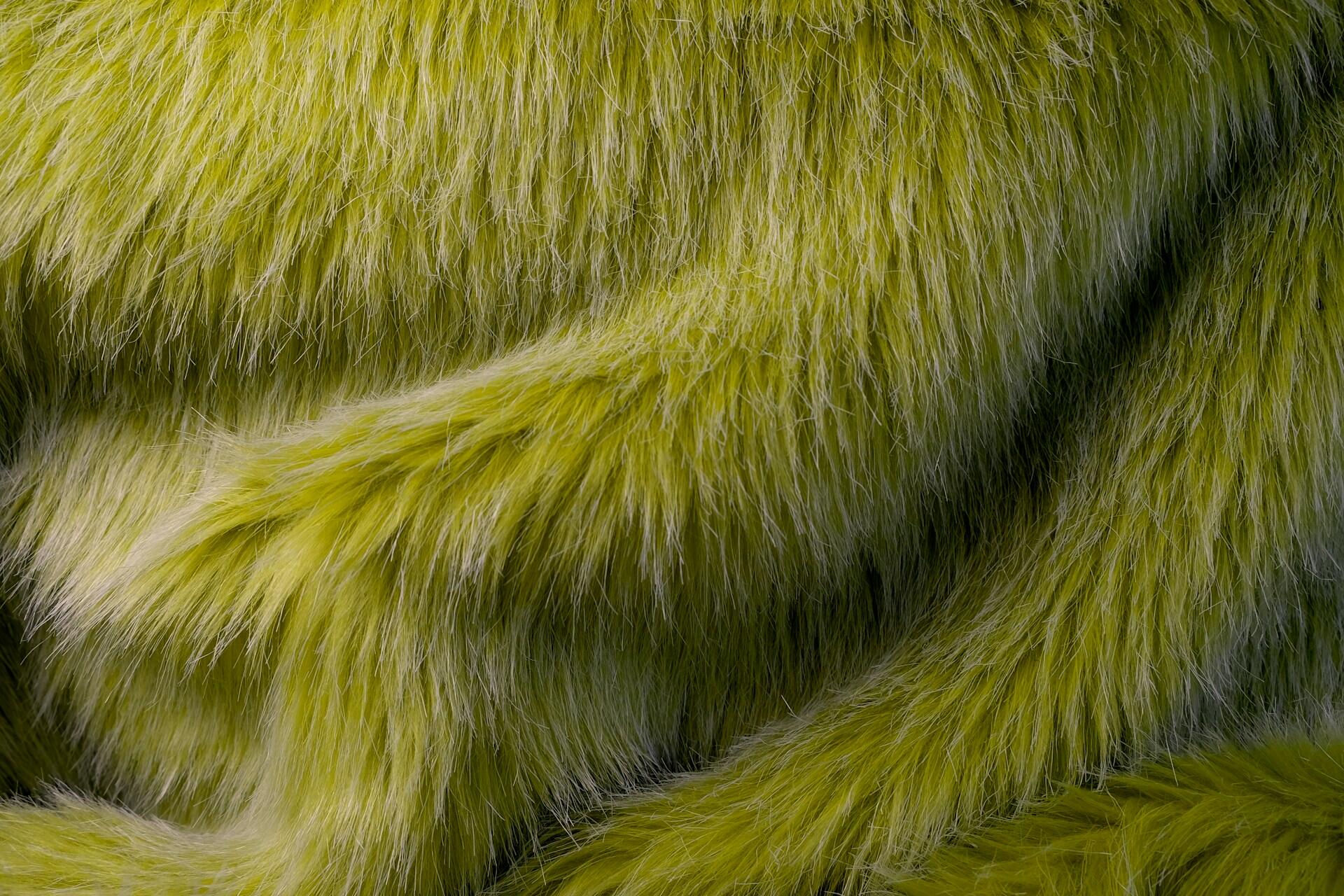
Nap refers to the direction of texture on fabric, such as velvet. It’s easy to see in fabrics like fur/faux fur, corduroy, velour, minky and suede.
Notch
A notch is a small cut or marking on a pattern or fabric. It helps align pieces during sewing, especially along edges, for gathers/ruching, and sewing seams.
Hone your sewing skills with sewing courses Melbourne.
P - R
Pleat
A pleat is a fold in fabric that adds shape or fullness. It’s made by folding a fabric back on itself and securing the fold in place.
Preshrink
Preshrinking removes shrinkage from fabric before sewing. It usually involves washing and drying the pre-cut material before fashioning it into a garment.
Presser Foot
The presser foot holds fabric in place while the sewing machine stitches. The feed dogs are located directly underneath.
Quilt
A quilt is made by stitching layers of fabric together, often with padding in between. Quilting as a technique involves topstitching layers of fabrics together, often in a decorative pattern.
Raw Edge
A raw edge is the unfinished edge of fabric. It may fray, so most raw edges are finished with stitching.
Right Side
The right side is the visible outer side, or top side, of the fabric.
Ruching
Ruching gathers fabric into soft folds for decoration.
Running Stitch
A running stitch is a simple, straight stitch used in hand sewing.
S - U
Seam Allowance
Seam allowance is the difference between the stitching line and the edge of the fabric. They are usually 1.5cm (⅝ in) or 6.4mm (¼ in).
Seam Tape
Seam tape reinforces seams and prevents stretching.
Selvage
The selvage is the finished edge that runs along the length of woven fabric from the manufacturer. It does not fray and is often used as a reference for laying out patterns.
Serger
A serger is a machine that trims and finishes edges at the same time. It creates overlocked seams. Learn how to use a serger while sewing.
Shank
A shank is the loop or tunnel on the back of a button (as opposed to a flat button with holes). It allows room for thicker layers since the button is not flush with the fabric.
Stay Stitch
Stay stitching prevents fabric from stretching out of shape or distorting, especially along curved edges. It is sewn through one layer of fabric.
Straight Stitch
The straight stitch is the most basic machine stitch. It is used for most seams.
Termination Point
This is the point where stitching begins or ends on a pattern piece.
Topstitching
Topstitching is visible stitching on the outside of a garment. It can be functional and add decorative elements as well.
Understitching
Understitching keeps the lining or facing from rolling to the outside of the garment. It creates a clean, finished edge.
V - Z
Warp
Warp threads run lengthwise with the grain line in woven fabric, parallel with the selvage.
Wash-away Stabiliser
This stabiliser supports fabric during stitching and dissolves in water when washed afterwards. It’s usually used for delicate fabrics like lace, organza, and linen.
Find expert sewing classes on Superprof today!
Weft
Weft threads run across the fabric, perpendicular to the warp and selvage, also known as the crosswise grain line.
Wrong Side
The wrong side is the inner or hidden side of the fabric.
Zigzag Stitch
A zigzag stitch is a strong, Z-shaped stitch made by sewing machines. It is used to finish edges or sew stretch fabrics.
References
- Sewing Glossary – the Sewing Directory. www.thesewingdirectory.co.uk/sewing-glossary. Accessed 14 May 2026.
- “Threads Project Guides | Learn to Sew.” Threads Magazine, www.threadsmagazine.com/project-guides/learn-to-sew/sewing-terms-to-know. Accessed 14 May 2026.
Summarise with AI:
Did you like this article? Leave a rating!

 Loading...