
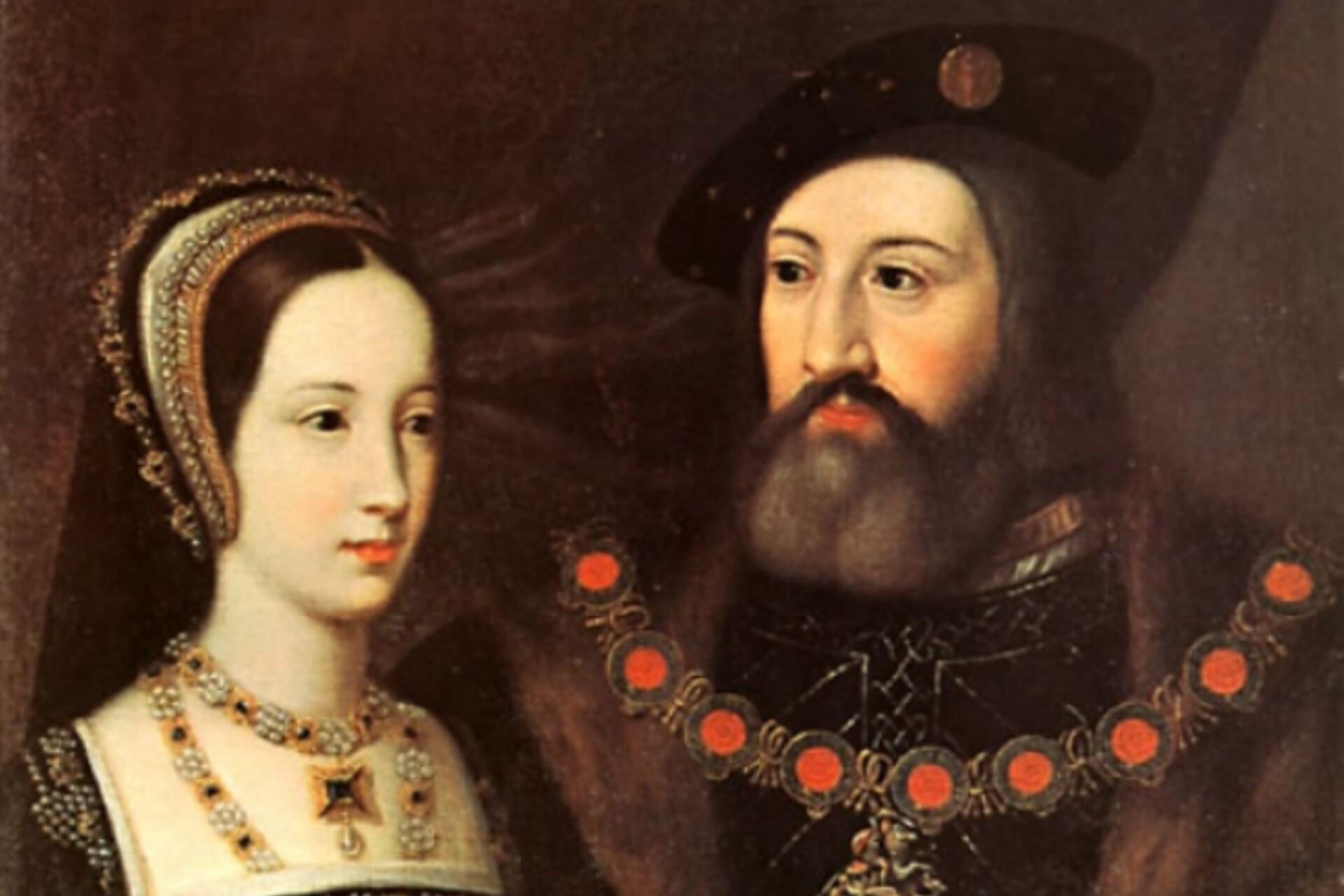

During the Tudor period, life was very different to today. While there were certain similarities, especially in how background and wealth determined the quality of life. Let's explore what life was like for the people of England under the Tudors.


Social Hierarchy and Daily Life
In Tudor society in England, there was a strict social hierarchy.¹ This shaped almost every aspect of daily life. People believed social order was part of a natural and religious structure.² It influenced power, work, and family life. The monarchs, such as Henry VIII and Elizabeth I, reinforced this structure.
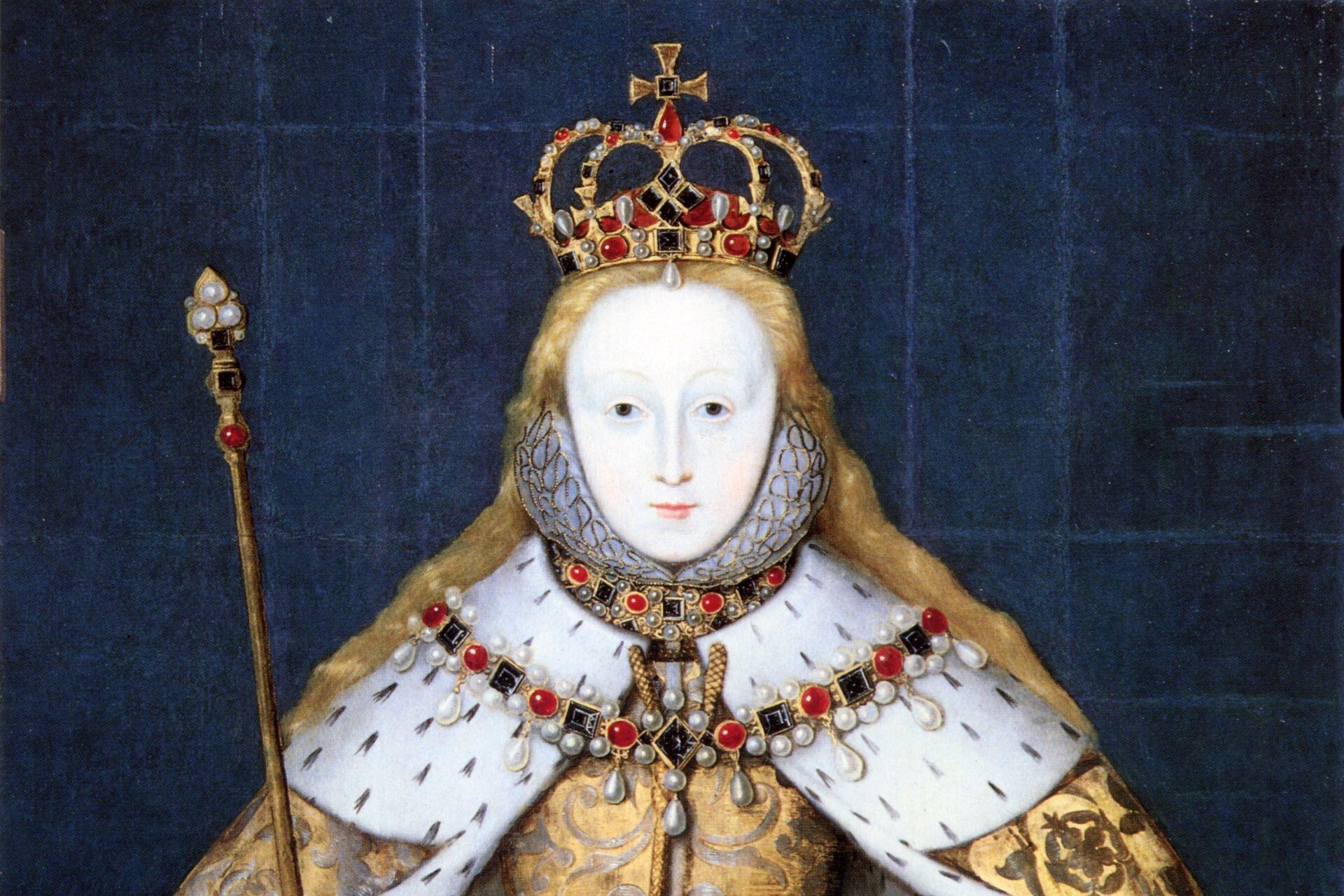
The Nobility and Gentry
The upper levels of Tudor society consisted of the nobility and gentry. These people held significant power in England. Noble families had large estates and served the Tudor king or queen in government, military, or the courts. Noble households were centres of political influence, education, and culture at the time.
The Merchant Class
The merchant class became increasingly crucial under the Tudors. With trade expanding across Britain and Europe, merchants helped develop urban economies in cities like London.⁴ England's growing commercial power helped shape the early modern economy. Thanks to their wealth, the merchant class gained social influence as life slowly shifted away from older feudal traditions.
Commoners and Peasantry
Most people were part of the commoner and peasant classes. They worked primarily in agriculture or manual labour. These families supported the economy by farming land owned by nobles or local landlords. They lived in small rural communities throughout Britain.
| 👑 Social Class | 📍 Position in Society | 🛠️ Roles & Responsibilities | 🏠 Living Conditions | 🍞 Diet and Lifestyle | 📜 Connection to Feudal Traditions |
|---|---|---|---|---|---|
| Monarch and High Nobility | Highest authority in Tudor society | Governed the country, controlled land ownership, led military campaigns, advised the crown | Lived in palaces, castles, or large estates with servants and retainers | Rich diets including meat, imported spices, wine, and elaborate feasts | Maintained feudal land systems where loyalty and land grants supported royal authority |
| Lesser Nobility and Gentry | Wealthy landowners below the highest nobility | Managed estates, served as local magistrates, provided military and political support to the crown | Lived in manor houses or large country homes | Comfortable diet including meat, bread, ale, and seasonal produce | Continued feudal landlord traditions by overseeing tenant farmers and collecting rents |
| Merchant Class and Skilled Tradespeople | Growing middle class, especially in cities | Engaged in trade, finance, crafts, and professional services such as law and medicine | Lived in townhouses and urban dwellings, often above shops or workshops | Varied diets including bread, fish, meat, and imported goods | Represented economic transition away from feudal land-based wealth toward trade and commerce |
| Yeomen Farmers | Independent farmers owning or renting medium-sized landholdings | Farmed land, supplied food, and sometimes served in local militias | Lived in sturdy rural houses with family and farm workers | Better diet than peasants, including bread, dairy, and occasional meat | Considered remnants of feudal rural society but with increasing independence |
| Commoners and Peasantry | Largest social group in Tudor England | Worked as agricultural labourers, servants, or manual workers | Lived in small cottages or shared rural housing, often overcrowded | Basic diet of pottage, bread, vegetables, and small amounts of meat when available | Direct continuation of medieval feudal labour systems where workers depended on landowners for survival |
| The Poor and Vagrants | Lowest social position | Relied on charity, casual labour, or parish support | Often homeless or lived in extremely poor housing conditions | Irregular diet, often dependent on charity or parish aid | Reflected breakdown of feudal support networks following population growth and economic change |
Urban and Rural Life
In addition to the various strata of Tudor life by class, life also varied greatly depending on whether you lived in towns or the countryside. Urban centres like London grew rapidly under the Tudors.⁹ However, most of the population still lived in rural farming communities.¹⁰
Life in Tudor London
London was the largest city in England during the Tudors. It was the centre of trade, government, and culture. Many people in London worked in skilled trades, markets, or merchant businesses supporting the expanding English economy.
Rural Communities
Most of the population in Tudor England lived in rural areas. Farming dominated daily life. Families worked long hours growing crops and raising livestock to support local communities and landowners.
Cultural and Religious Practices
Religion and culture were central to Tudor daily life. Changes in church leadership and religious belief influenced education, traditions, and social expectations across England. The Tudor monarchs famously used religion to strengthen political power and national identity.
The English Reformation
The English Reformation was when Henry VIII separated England from the authority of the Catholic Church.³ New Protestant traditions changed church services, religious holidays, and worship across England. These reforms also increased royal control over religion and national governance.
This realm of England is an empire.
King Henry VIII, Act in Restraint of Appeals (1533)
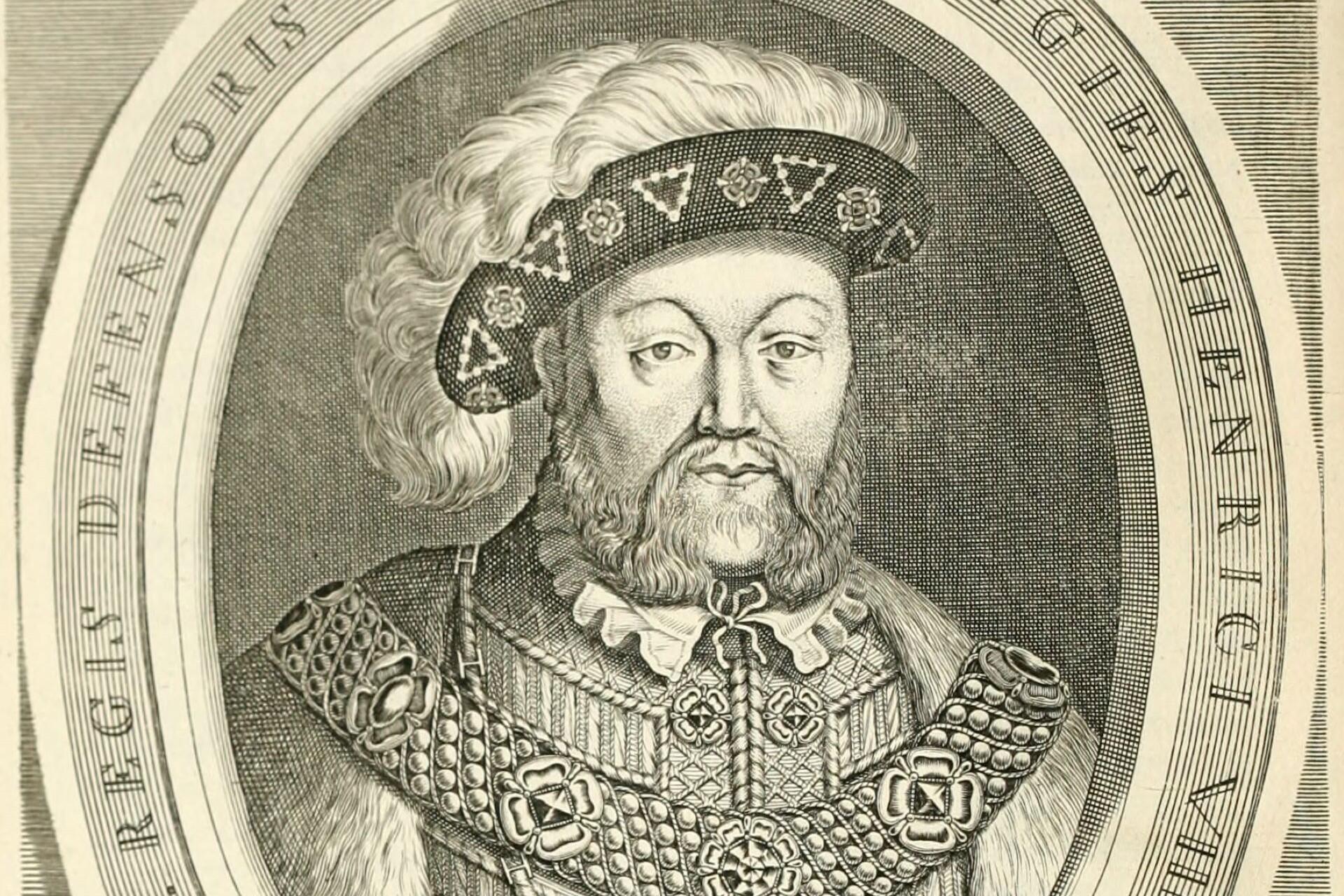
Between 1536 and 1541, Henry VIII ordered the closure of monasteries across England during the English Reformation.³ Monasteries had provided charity, education, healthcare, and employment for many ordinary people. Their closure forced communities to rely more on local parishes. It brought long-term economic and social changes across Tudor England.
Education and Literacy
Education was only really available to wealthy boys in Tudor England.⁶ Grammar schools and private tutors educated children in reading, writing, and religious studies. Most others were illiterate, especially in rural communities.
Arts and Entertainment
The Tudor Era was a period of cultural growth, especially in literature, theatre, and music. Writers like William Shakespeare helped shape English cultural identity during the later Tudor period.⁹ Public performances and court entertainment were popular forms of social and artistic expression.
Health and Medicine
Health and medicine in Tudor England were primarily based on traditional beliefs and superstition. As a result, illness was common, and treatments were mostly herbal remedies or advice from local healers. Poor sanitation made disease a constant in Tudor life.
Common Diseases and Treatments
Plague, smallpox, and sweating sickness frequently affected Tudor communities.⁹ Doctors based their treatments on the theory of balancing bodily humours rather than medicine. Remedies would include herbal medicines, bloodletting, and spiritual healing practices.
Public Health Measures
Public health in Tudor England focused on controlling outbreaks rather than disease prevention. Authorities sometimes used quarantine measures, such as closing markets, during epidemics. Poor waste disposal and overcrowded towns made hygiene very difficult.
Clothing and Fashion
In Tudor England, what you wore reflected social class, wealth, and status. Strict laws and traditions controlled what people could wear, and maintaining social order was incredibly important to the ruling classes. Fashion reflected political power.
Attire of the Nobility
The Tudor nobility wore elaborate clothing made from expensive fabrics such as silk, velvet, and fur. Wealthy families wore jewellery and decorative embroidery. Their clothing choices reflected their loyalty to the Tudor court.
During Tudor England, sumptuary laws regulated clothing by social class.⁷ These laws restricted expensive fabrics, jewellery, and colours to the nobility and gentry. The purpose was to reinforce social hierarchy and prevent lower classes from appearing wealthier than their status allowed.
Commoners' Dress
Commoners wore simple and practical clothing. Materials like wool and linen were common because they were affordable and they lasted. Clothing styles were basic because they had to be practical.
Food and Diet
What people ate in Tudor England also depended on their social class. However, seasonal availability and local agriculture also largely affected diets. Meals had to be locally grown because transporting fresh food across the country was almost impossible.
Typical Meals
Meals varied between rich and poor families. Nobles and wealthy families regularly ate meat, fish, spices, and even imported food. Common people ate mainly bread, vegetables, and pottage. Ale and small beer were widely consumed because clean drinking water was unavailable in most places.
Feasts and Festivals
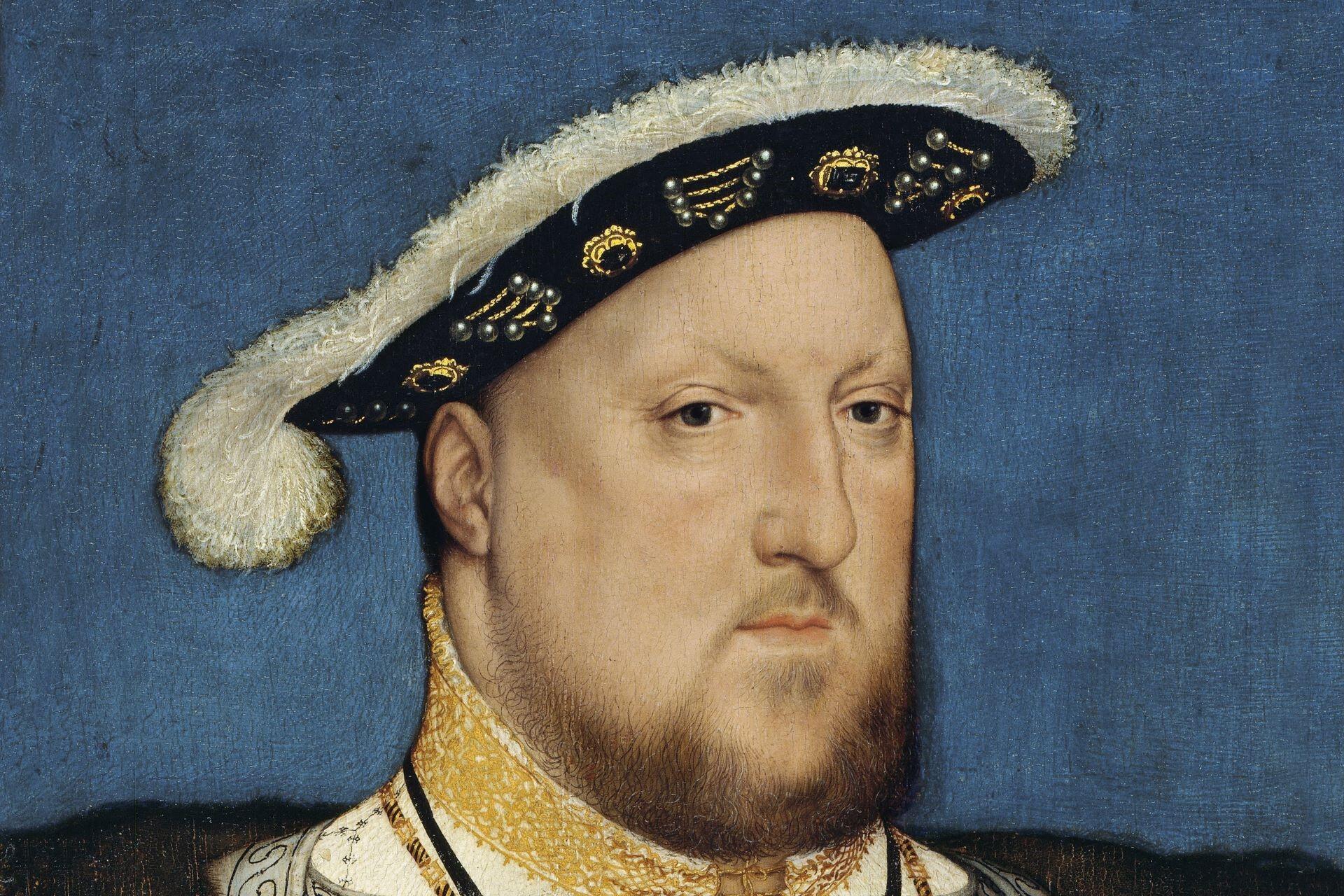
Feasts and festivals were a key part of Tudor culture. These were often linked to religious celebrations and royal events. Wealthy households would host large banquets to demonstrate their status and political influence.
Housing and Architecture
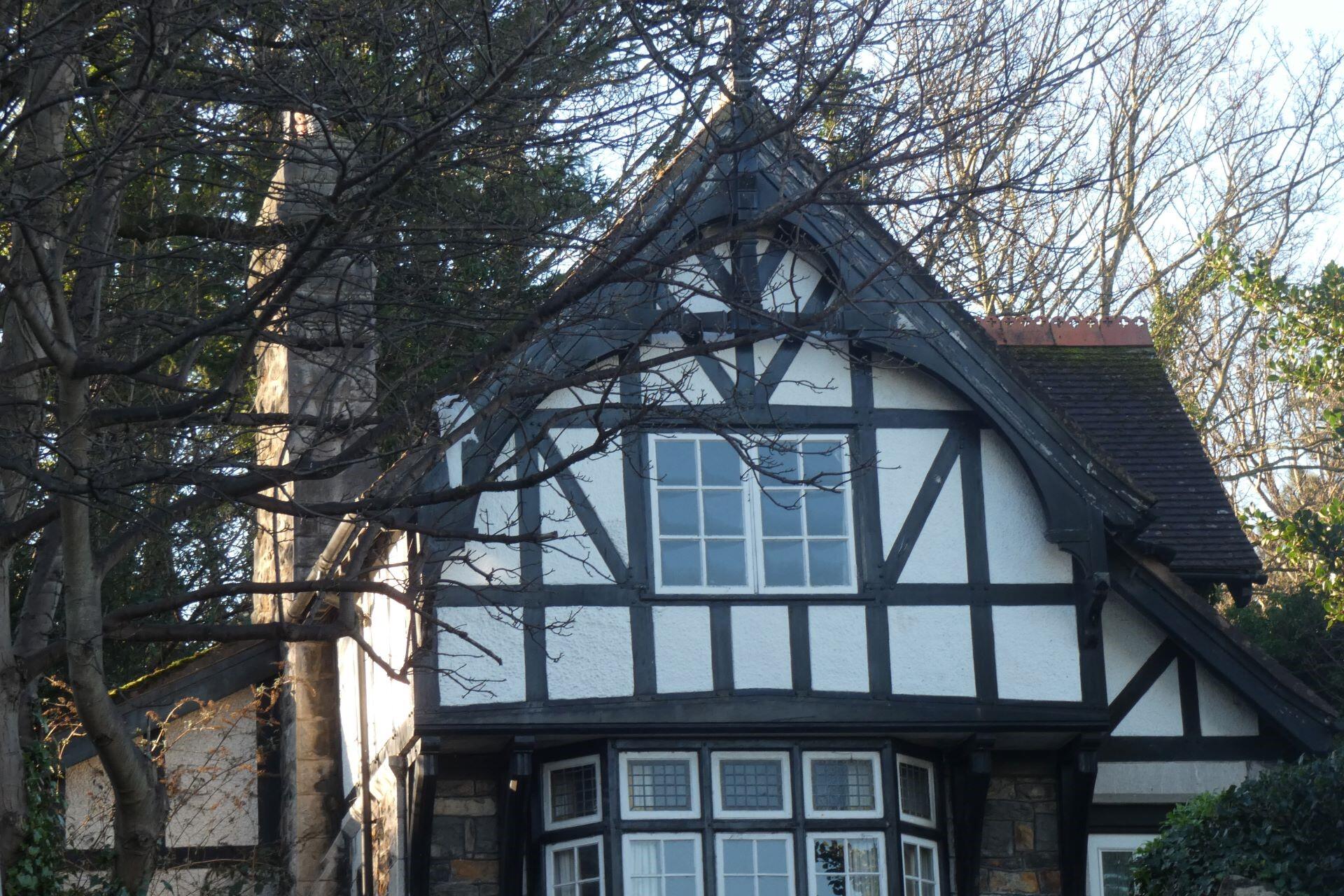
Where you'd live in Tudor England would depend on your social class, occupation, and location. Buildings were made from local materials, and living conditions were dictated by social class. Architecture at the time reflected the growing prosperity.
Urban Housing
Urban housing in Tudor towns and cities was built from narrow timber frames. Families often lived above workshops or shops. Overcrowding and poor sanitation made urban living uncomfortable and dangerous.
Rural Dwellings
Rural homes were often small timber, clay, or stone cottages. Farming families shared their homes with animals or stored food in them. Simple but practical, these homes supported the agricultural lifestyle.
Law and Order
Law and order in Tudor England aimed to maintain social stability and ultimately protect royal authority. The legal system reflected the strict social hierarchy. Punishments at the time were often harsh.
Legal System
The monarchy controlled the legal system. Local officials, such as magistrates and sheriffs, maintained order at the local level. Laws regulated behaviour, property ownership, and religious practices throughout England.
Crime and Punishment
Theft, vagrancy, and rebellion against authority were among the crimes punished in Tudor England. Punishments were harsh, including public whipping, imprisonment, or execution, depending on the offence. Punishments were often carried out in public, too.
Education and Literacy
In Tudor England, your education, like many other opportunities, was dictated by your social class. Learning was closely linked to religion and government, and was only really available for men. Most ordinary people couldn't read or write.
Schooling
Schooling was available only to boys from noble, gentry, or merchant families. Grammar schools taught subjects such as Latin and religious studies to prepare students for careers in government or the church. Girls could be educated at home, but this focused mainly on domestic skills and household management.
Literacy Rates
Literacy rates across Tudor England were low. In rural communities, rates were remarkably low. Wealthier families could access books and tutors, thereby improving reading and writing skills.
of the Tudor population could read and write.¹
Gender Roles and Family Life
Gender roles and family structure were central to Tudor lifestyles. They reflected the religious and social expectations. Tudor society gave men authority, while domestic and childcare responsibilities were assigned to women.⁵
Roles of Men and Women
Men in Tudor England were expected to work, manage property, and represent their families in legal or political matters. Women ran households, raised children, and supported family businesses or farming. Some women gained influence through marriage or court connections.
Marriage and Family Structure
Marriage in Tudor England was largely arranged. These marriages were strategic, used to strengthen social status, economic security, or family alliances. Families would live in close-knit households, and children would contribute to work from a very early age.
Economy and Trade
The economy of Tudor England was based on agriculture.¹ Trade and urban development gradually expanded the economy during the period. Trade networks connected Britain to Europe, providing employment opportunities.
Agricultural Economy
Agriculture was the foundation of the Tudor economy. It provided food and employment. Farmers grew crops such as wheat, barley, and oats while raising livestock to supply local markets.
Trade and Commerce
Trade expanded significantly during the Tudor era. Merchants exported goods like wool and cloth across Europe. Growing commercial activity increased wealth, and banking and skills professions developed.
Leisure and Entertainment
With many ordinary people having limited free time, leisure and entertainment mainly depend on social class. However, festivals and religious holidays provided recreation opportunities. However, entertainment was a key part of Tudor culture and community life.
Popular Pastimes
In Tudor times, games, sports, and public performances were common forms of entertainment. Activities like archery, wrestling, and traditional village games were popular. Music, travelling performers, and storytelling were important.
Festivals and Public Celebrations
Religious events and royal occasions were marked by festivals and public celebrations. Communities would gather for dancing, theatre performances, and shared feasts at these times. These often reflected the cultural traditions of the time.
References
- Bucholz, Robert, and Newton Key. Early Modern England 1485–1714: A Narrative History. Archive.org, https://archive.org/details/earlymodernengla02edbuch.
- English Heritage. “Tudor England.” English Heritage, https://www.english-heritage.org.uk/learn/story-of-england/tudors/.
- English Heritage. “Tudors: Religion.” English Heritage, https://www.english-heritage.org.uk/learn/story-of-england/tudors/religion/.
- Mueller, Robert J. The Tudors: 1485–1603. Utah State University, https://digitalcommons.usu.edu/cgi/viewcontent.cgi?article=1010&context=oer_course.
- Norton, Elizabeth. “Tudor Women: What Was Life Like?” BBC HistoryExtra, https://www.historyextra.com/period/tudor/tudor-women-what-was-life-like/.
- Osborne, James. “Want to Live Like a Tudor? Historian Ruth Goodman Did, and Here Are Five Crucial Lessons She Learned.” BBC HistoryExtra, https://www.historyextra.com/period/tudor/live-like-ordinary-tudor-ruth-goodman-lessons/.
- Q-Files. “Life in Tudor Times.” Q-Files, https://www.q-files.com/history/british-history/life-in-tudor-times.
- Rex, Richard. “The Tudors.” Historic-UK, https://www.historic-uk.com/HistoryUK/HistoryofEngland/The-Tudors/.
- World History Encyclopedia. “Daily Life in Tudor England.” World History Encyclopedia, https://www.worldhistory.org/collection/106/daily-life-in-tudor-england/.
- History on the Net. “The Tudors: Society.” History on the Net, https://www.historyonthenet.com/the-tudors-society.
Summarise with AI:
Did you like this article? Leave a rating!

 Loading...
