
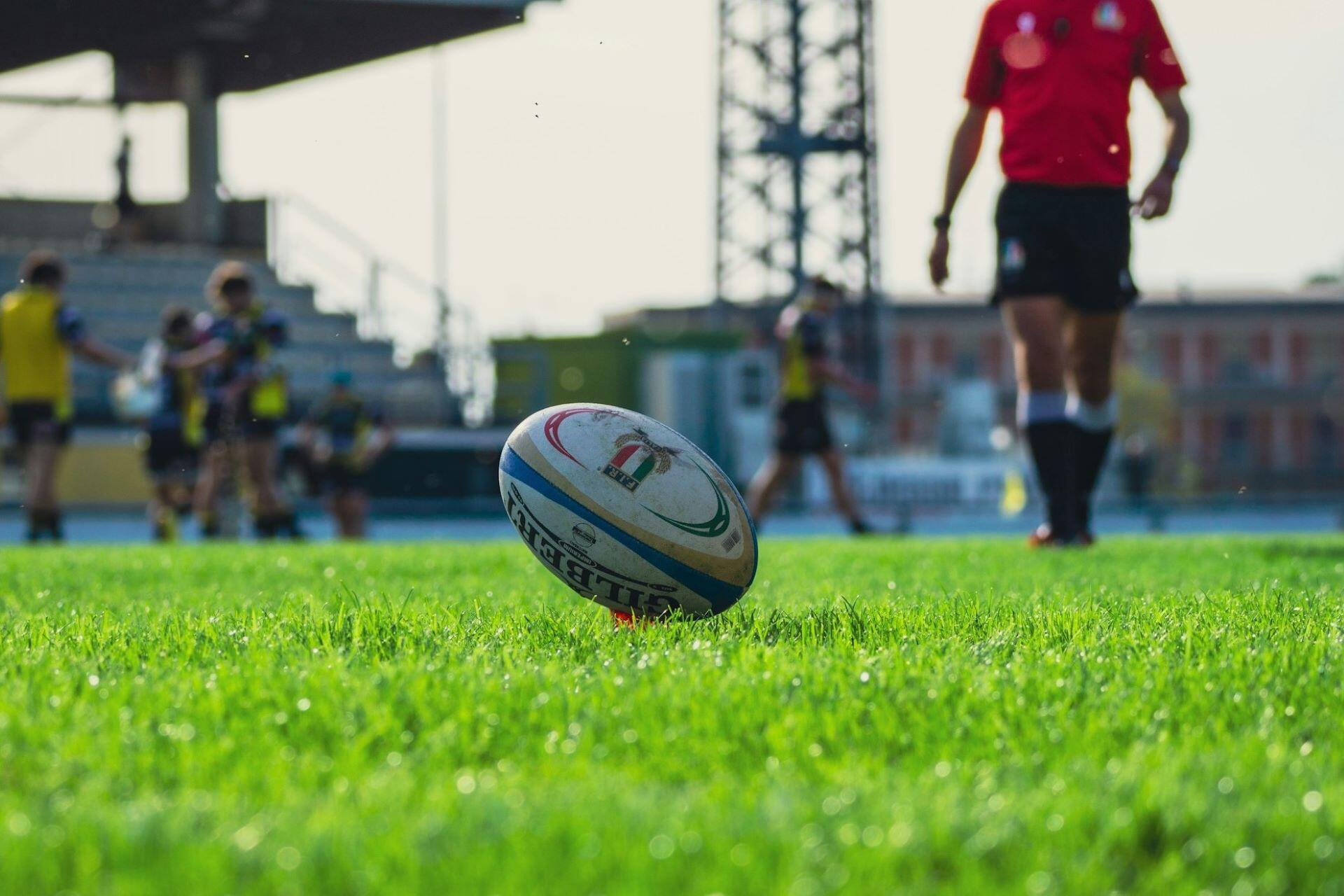

If you know rugby league, all you have to remember is that the rules of NRLW are no different. However, it can be difficult to follow the NRLW if you're new to rugby league. Luckily, here's our guide explaining it all.
Key Takeaways
- NRLW positions are the same as NRL positions.
- NRLW teams have 13 players on the field.
- NRLW rules follow the same core rugby league rules used across the sport.
- A try is worth 4 points, and a conversion is worth 2 points.
- Teams usually use six tackles to move upfield before possession changes.
- The ruck is the area around the play-the-ball after a tackle.
- Backs usually focus more on speed, kicking, passing, organising and finishing.
- Forwards usually do more tackling, carrying and physical work through the middle.


Are NRLW Positions the Same as NRL Positions?
NRLW positions are the same as NRL positions, as both use the standard rugby league structure with 13 players on the field and the same numbered positions from fullback at number 1 to lock at number 13.⁵ If you're familiar with rugby league, then you won't need to learn new rules for the NRLW. You'll see that official NRLW team lists use the same position names as in the NRL, including fullback, winger, centre, five-eighth, halfback, prop, hooker, second row, and lock.⁴ If you're new to rugby league, look at the numbers first. Players numbered 1 to 7 are usually called the backs, while players numbered 8 to 13 are usually called the forwards. The backs tend to handle more speed, kicking, passing, and finishing, while the forwards usually do more of the tackling, carrying, and physical work in the middle.
| Number | NRLW position | Main beginner role |
|---|---|---|
| 1 | Fullback | Last line of defence, kick returns, support play |
| 2 & 5 | Wingers | Finish tries, defend edges, carry the ball out of defence |
| 3 & 4 | Centres | Link the halves and wingers, defend wide channels |
| 6 | Five-eighth | Support playmaking, passing, running and kicking |
| 7 | Halfback | Organise attacking sets, direct play and kick for field position |
| 8 & 10 | Props | Make strong carries, defend the middle and gain territory |
| 9 | Hooker | Pass from dummy-half, control ruck speed and defend heavily |
| 11 & 12 | Second rowers | Run on the edges, tackle strongly and support attacking shapes |
| 13 | Lock | Work through the middle, link play and handle a big defensive load |
Basic NRLW Rules Beginners Should Know
Want to start watching NRLW? Finding it hard to follow? Here's what you need to know. Each team is trying to move the ball upfield to score tries, defend its own try line and manage possession across each tackle set. If you want to really get into it, you can look at the official laws, which explain the main scoring methods, restarts, tackles, play-the-ball rules and possession changes used in rugby league.⁵
NRLW teams have 13 players on the field, using the same rugby league position structure as the NRL.⁵ A try is worth 4 points, and the scoring team can usually attempt a 2-point conversion afterwards.⁵ Teams normally have six tackles to move upfield before possession changes, so the tackle count is one of the first things beginners should follow.⁶ NRLW positions are the same as NRL positions, which means numbers 1–7 are backs and numbers 8–13 are forwards.⁴
To start, watch the tackle count, field position, and the attacking team's actions near the end of each set. Early tackles tend to gain metres, while later tackles occur when teams pass wider, attack the try line or kick for territory. Once you start to understand the patterns, you'll be able to read games more easily during live NRLW games.
How the Six-Tackle Set Works
One of the special defining features of NRLW is the six-tackle set. This means that the team has six tackles to move upfield, create pressure or score before possession changes.⁶ This could look like forwards carrying the ball through the middle, then the halves organising the attack, then a kick near the end of the count. You'll hear commentators talk about “fifth tackle option” or “last tackle play”. Keeping the tackle count in mind will help explain why teams choose to run, pass, kick, or set up for field position.
What Happens After a Try?
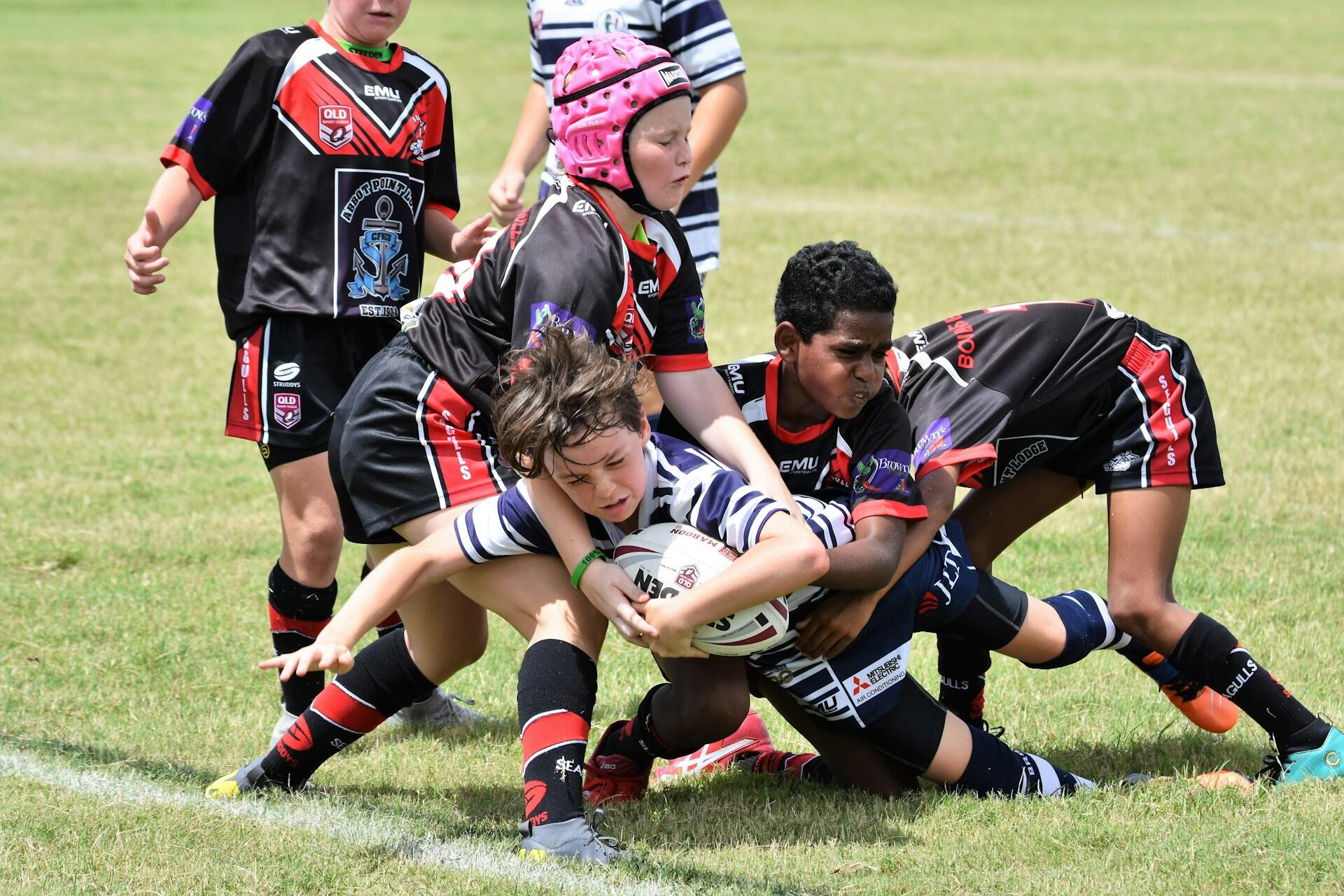
After a try in NRLW, the team that scored usually gets a conversion attempt. This is when they have the chance to add 2 more points to the 4-point try.⁵ After the conversion attempt, play restarts.

The referee awards a try when the attacking player grounds the ball in the opposition in-goal area according to the laws of the game.⁵
The scoring team then gets a chance to kick a conversion and add 2 extra points.⁵
If the conversion is successful, the team adds the extra points to the 4-point try.⁵
Play then restarts, and the next passage of the game begins.⁵
What Is the Ruck in Rugby League?
The ruck is the area around the play-the-ball after a tackle. Once a player is tackled, they get back to their feet and play the ball backwards, and the next attacking play begins.⁵ The player who collects or passes the ball from behind the play-the-ball is often called the dummy-half, and this is why the hooker is such an important position.⁵
Backs vs Forwards in the NRLW
Splitting the team into backs and forwards can help you understand the game more easily. Backs are normally numbered 1 to 7, and forwards are numbered 8 to 13. Backs are more involved in speed, kicking, passing, organising, and finishing attacking plays, while forwards do more of the physical work, including tackles, carries through the middle, and winning field position.⁵ These aren't strict rules. Forwards can pass, and backs can still tackle, but these are more generally their roles and how they're involved in the game.
| Group | Positions | Main job |
|---|---|---|
| Backs | 1–7 | Speed, kicking, passing, finishing and organising |
| Forwards | 8–13 | Tackling, carries, field position and physical work |
NRLW Rules vs NRL Rules: What Beginners Need to Know
NRLW and NRL have the same rules with wildly different salaries. The core game is the same: teams use the same 13-player structure, the same main scoring system, the same tackle-set idea and the same basic position names.² If you learn rugby league through NRLW, you can apply it to NRL, or vice versa. The main difference for beginners is not the structure of the sport, but the competition details around the NRLW season, match format and any confirmed rule settings for that year.³
Common Beginner Mistakes When Watching or Playing NRLW
If you try to follow everything all at once, you'll likely confuse yourself. As we mentioned earlier, follow the tackle count. From there, you can think about the field position and the difference between backs and forwards. Keep watching, and you'll start to see the nuance of the game as teams build pressure, organise their defensive line and use kicks near the end of a set.
References
- National Rugby League. “Explainer: WSOO and NRLW Rules Confirmed.” NRL.com, 22 Apr. 2026, https://www.nrl.com/news/2026/04/22/explainer-wsoo-and-nrlw-rules-confirmed/. Accessed 8 July 2026.
- National Rugby League. “How to Play & Game Rules of Rugby League Australia.” NRL.com, https://www.nrl.com/operations/the-game/. Accessed 8 July 2026.
- National Rugby League. “NRLW Premiership.” NRL.com, https://www.nrl.com/nrlw/nrlw-premiership/. Accessed 8 July 2026.
- National Rugby League. “NRLW Team Lists: Round 2.” NRL.com, 7 July 2026, https://www.nrl.com/news/2026/07/07/nrlw-team-lists-round-2/. Accessed 8 July 2026.
- National Rugby League. “Rugby League Laws of the Game International Level with Notes on the Laws and NRL Telstra Premiership Interpretations.” Play Rugby League, 2023, https://www.playrugbyleague.com/media/14513/nrl-international-rules-book-2023_web-version-1.pdf. Accessed 8 July 2026.
- Play Rugby League. “International Laws of the Game (13+).” Play Rugby League, https://www.playrugbyleague.com/laws-of-the-game-community/international-13splus-laws/. Accessed 8 July 2026.
Summarise with AI:
Did you like this article? Leave a rating!

 Loading...

