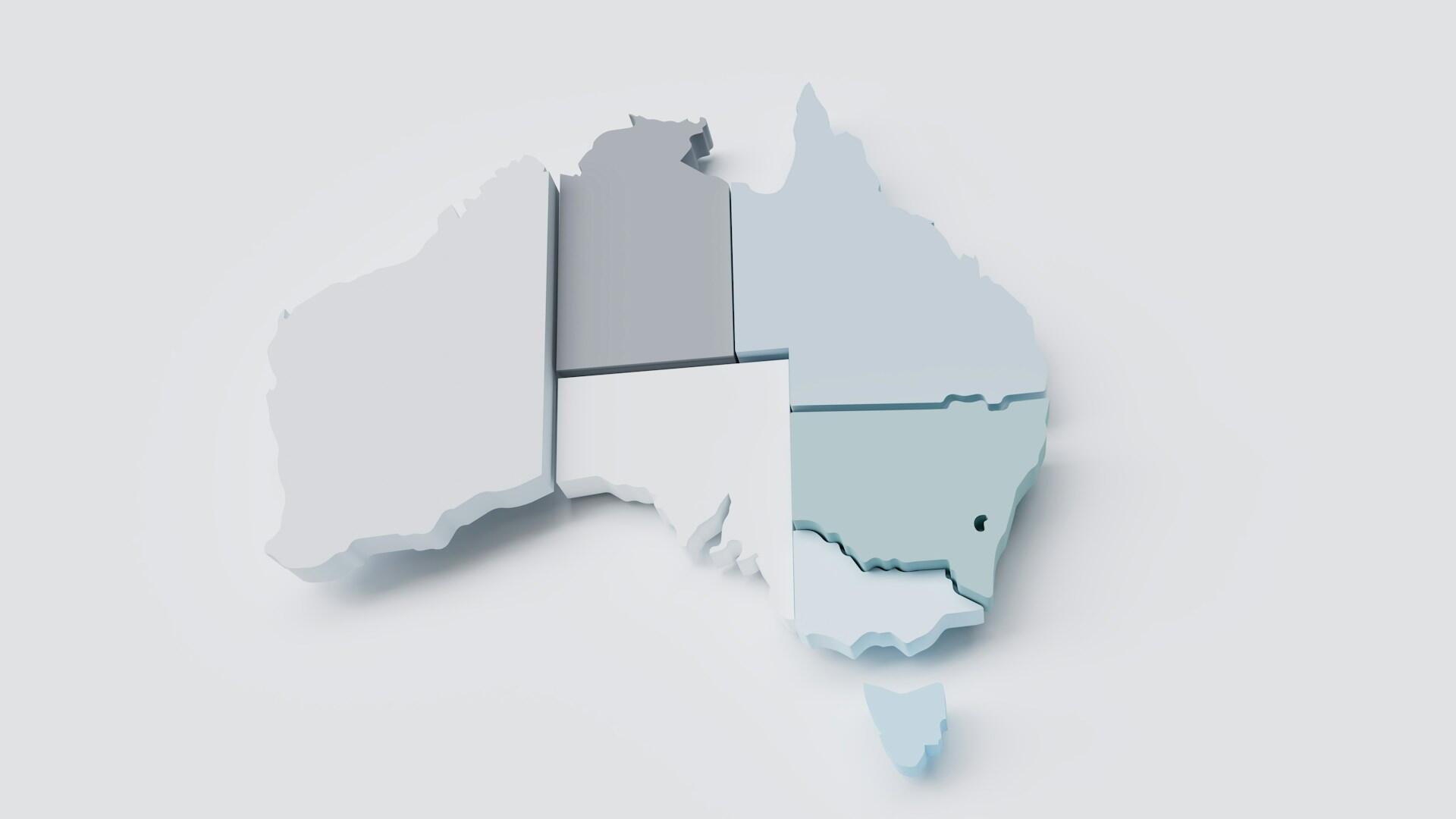

As a relatively young country, Australia doesn't have a long history of party politics. Many historical parties united to form new platforms, some of which survive today. Some fell by the wayside, as ideologies changed to suit the times, while others emerged to meet the day's needs. Of Australia's 12 active political parties, these are the five that enjoy the most activity and support.
| 🟥🟦Party Name | 📅Year Established | 🎩Current Leader | 💡Ideology |
|---|---|---|---|
| The Australian Labor Party | 1891 | Anthony Albanese | Social democracy |
| The Liberal Party of Australia | 1944 | Liberal conservatism, Social conservatism, Economic liberalism | |
| The National Party of Australia | 1920 | David Littleproud | Conservatism, agrarianism |
| Australian Greens | 1992 | Green politics, progressivism | |
| One Nation | 1997 | Pauline Hanson | Hansonism, Right-wing populism |





The Australian Labor Party
Our recently-concluded election saw the Labor Party retain control of the government. We hear some debate over whether it was a vote for Labor, or a pushback against what the opposing party had to offer. Whatever the degree of truth in these statements - both likely have some truth to them, Labor retains control of the federal government.
and description
and description
Our Parliament's bicameral (two-chamber) structure means that, sometimes, one dominant party commands the House of Representatives, while the other leads in the Senate. Currently, that's not the case. The 2025 election delivered Labor a clear majority in the House, and more Senate seats than the opposition.
The Labor Party is both the oldest party, and the one that has been in power the longest.
However, the Liberals held office for the longest continuous stretch, from 1949 to 1972.
The Social Democracy Ideology
This political ideology favours economic market regulation, social justice, and fair distribution of income. Social democracies have a strong economic and social structures to protect their citizens. Initiatives include child- and eldercare, workers' compensation, and emphasis on education.
Labor Leader Anthony Albanese is the first Prime Minister to win reelection since 2004, when Liberal Party leader John Howard swept the ballot boxes.
The first Albanese government demonstrated its commitment to these principles when it addressed the 2021 cost-of-living crisis, and education reform. He's set to continue those agenda items when he resumes leadership.
The Liberal Party of Australia
In the 2025 federal Election, the former leader of the Liberal Party, Peter Dutton, suffered a massive upset at the ballot box. It cost him not only his bid for the Prime Minister role, but his own seat in Parliament
As the Labor Party won the election, the Liberal Party will function as the opposition party.
Sussan Ley replaced him as the new leader of the liberal party. She has years of experience across every level of Australian government, including as Liberal Party Deputy Leader.

A straight-talking politician from regional NSW, Ley brings both practical bush sense and ministerial clout to the top job.
Known for her no-nonsense approach and ability to connect with everyday Aussies, she faces the tough yakka of rebuilding party morale after their devastating loss.
Many reckon her moderate stance on key issues might just help the Libs reconnect with voters in traditional blue-ribbon seats that turned their backs on Peter Dutton's leadership style.
What the Liberal Party Stands for
This party defines itself as anti-Labor, and anti-Socialist. That makes it sound like whatever the Labor Party stands for and does, the Liberal Party stands against it. But, the Liberal ideology is a bit bigger than that.
It supports individual freedom and private enterprise, but doesn't define what those ideas mean. Though it positions itself as anti-Labor, Liberal Prime Ministers enjoyed their highest success rates when overseeing governments rich with Labor initiatives.
Decades ago, when class-based voting was the norm, Liberals called themselves the Party of the Middle Class. Those lines aren't so clear anymore. The Liberal Party is now redefining itself to serve its new voters.
The National Party of Australia
The National Party, called the Nationals, stand centre-right on the political spectrum. Upon its founding, in 1920, it represented farmers and rural voters, mostly.
This party has worked in coalition with the Liberal Party practically since its founding.
All of Australia's past prime ministers on the Liberal ticket enjoyed firm support from the Nationals. In fact, David Littleproud served in Scott Morrison's cabinet, along with four other National party members. This collaboration has lasted so long, and has been so productive, that suggestions for a merger ring through Parliament's halls.
At the time of writing, Leader Littleproud is fighting for his seat. We may soon see fresh talent lead this party. Stay tuned!
The National Party Ideology
Platform
Stands with and for farmers; agrarianism; conservatism
Political role:
representing Australians who live outside metropolitan areas.
The Nationals see themselves as the minority party in their centre-right coalition partnerships. Whether the Liberals are leading the government or in opposition, the Nationals work with them, hand in glove.
The 2019 'Sports Rorts' Affair put a dent in the National Party's steadfast farmer support.
That scandal involved questionable dealing to secure farm funding during the second Morrison government. It cost the National Party deputy leader their seat, and several other Nationals resignations, too. It may have even played a role in the Morrison government's downfall.
Australian Greens
In the 2025 Australian federal election, the Greens experienced significant losses, reducing their representation in the House of Representatives from four seats to just one. Notably, party leader Adam Bandt lost his Melbourne seat, ending his 15-year tenure in Parliament. The sole remaining Greens MP is Elizabeth Watson-Brown, who retained the Queensland seat of Ryan

Following the election, Larissa Waters was unanimously elected as the new federal leader of the Greens.
A Queensland senator with 15 years of parliamentary experience, Waters is known for her advocacy on environmental issues and women's rights.
She emphasised a "firm but constructive" approach to working with the Labor government, focusing on climate action, social justice, and Indigenous rights
Environmental values have long resonated with Australians, but it was under Tasmanian Senator Bob Brown that these ideals gained a national political voice. Brown became the Greens’ first federal senator in 1996, and the party entered the House of Representatives in 2002 when Michael Organ won the Cunningham by-election.
Since then, the Greens have steadily expanded their presence, particularly in the Senate, evolving from a grassroots movement into a key player in Australia’s political landscape.
The Greens Ideology
Small and scattered as it is, our Greens stand on four fundamental concepts:
- Peace and non-violence
- Social justice
- grassroots democracy
- environmental sustainability
The Greens prefer to vote with Labor. In fact, when the new Parliament begins its session, Green support in the Senate should permit Labor to pass laws without crossbenchers.
One Nation
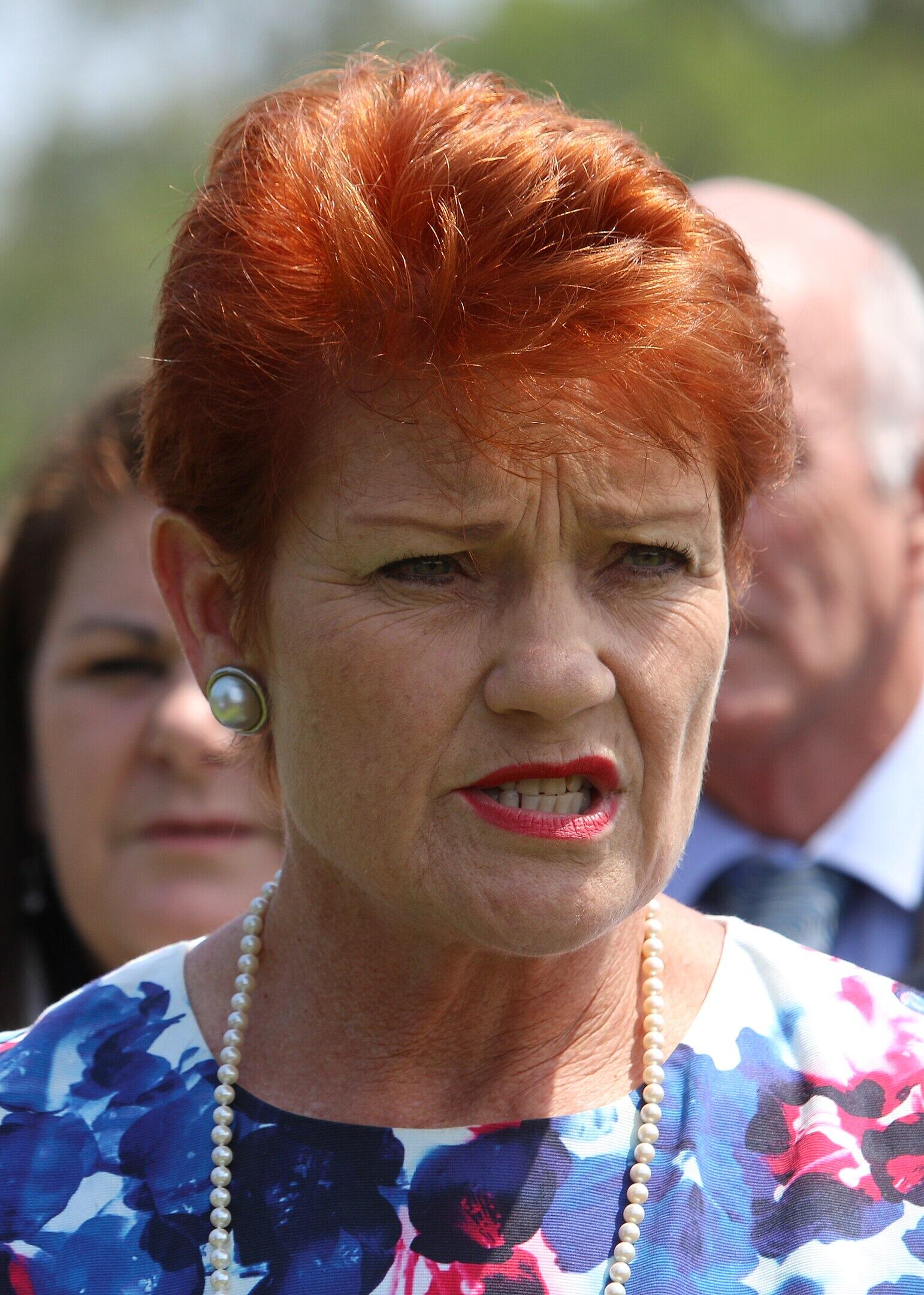
Pauline Lee Hanson leads this right-wing populist party. She, and her party, are more noteworthy for their mean, combative ways than for any positive legislative action. Still, the party meets the qualifications for national representation, and holds seats in the Senate.
Ms Hanson's One Nation party stands for Australian nationalism, which excludes our Indigenous populations. The platform is dead-set against immigration, and does not believe in climate change.
Pauline's economic policies run along Thatcherist lines: deregulate and privatise everything. She would also like to do away with social safety nets, and raise tariff barriers. At the National level, One Nation boasts no significant accomplishments. However, at the state level, Ms Hanson managed to:
Australian Political Parties Explained
Australia is, essentially, a political duopoly. Our country has 12 national political parties, but power switches between Labor and Liberals.

In part, that's because those are the legacy parties: the oldest, and best-established, generally representing citizens' political interests.
However, at the state and federal levels, barriers to becoming a legitimate political party exist. A new political party must first register its presence at the state level. To do so, it must have a number of declared members. Each state has its own required member count.
| 🦘State | 🔢Membership requirement |
|---|---|
| New South Wales | 750 |
| Queensland | 500 |
| Northern Territory | 200 |
| Western Australia | 500 |
| South Australia | 200 |
| Victoria | 500 |
| Tasmania | 100 |
| Australian Capital Territory | 100 |
Once the new party receives state-level certification from all the states, it may register as a federal party. The required membership number is much higher.
and description
The membership requirement explains why Australians have just 12 political parties to vote for. A party may enjoy strong support in one or two states, but fall flat in others. Lacking universal support, it doesn't qualify for federal-level recognition.
Political parties must keep their membership numbers above minimum levels.
Otherwise, it loses its legitimacy.
Every Australian democracy handbook details these rules, and provides a brief summary of what each party stands for. They also explain the need for citizens to understand Australia's political system, and how important it is to be politically engaged.
Summarise with AI:
Did you like this article? Leave a rating!

 Loading...