


The Pearson Test of English (PTE) is a globally recognised English proficiency test commonly taken by students, professionals, and migrants worldwide. Universities, employers, and immigration authorities all accept the PTE Academic tests.
Unlike other English tests like the IELTS, the PTE exam is fully computer-based. Results are usually quick and available within 48 hours. It is a popular option for those looking to study, work, or get a visa in Australia.


What is PTE, and Why is it Important?
As an internationally recognised English proficiency test, the Pearson Test of English (PTE) evaluates candidates' key language skills (speaking, reading, writing, and listening).
So why is it important?
Firstly, PTE is widely accepted for:
You probably heard the same about IELTS, though. So, how do the two differ?
| Feature | PTE | IELTS |
|---|---|---|
| Test Format | Computer-based | Paper-based or computer-based |
| Scoring | AI-based, automated | Human examiners |
| Results Time | 24–48 hours | 3–5 days (computer) or 13 days (paper) |
| Speaking Test | Recorded responses | Face-to-face with an examiner |
| Test Duration | 2 hours | 2 hours 45 minutes |
| Accepted for Visas | ✅ Yes | ✅ Yes |
Tip: Many students and visa applicants choose PTE for its faster results and AI scoring system, ensuring fair evaluation without human bias.
Who Needs to Take the PTE Test?
Put simply, the PTE Test is for almost anybody who needs to demonstrate their English language proficiency, more specifically, those who need it for study, work, or migration to Australia.
1. International Students Applying to Australian Universities
Students looking to study in Australia may need to take PTE Academic, CAE, or another recognised English proficiency test for their university or college application.
Minimum PTE Score Requirements for Australian Universities:
- Undergraduate programs: 50–65
- Postgraduate programs: 58–79
- Specialised courses (e.g., Medicine, Law): 65+
Each university has different requirements, so always check the specific PTE score needed for your course.
2. Skilled Migrants and Visa Applicants
The Australian Department of Home Affairs accepts PTE Academic for various visa applications, including:
- Skilled migration visas (Subclass 189, 190, 491)
- Employer-sponsored visas (Subclass 482, 186)
- Student visas (Subclass 500)
- Partner and spouse visas
You must achieve a minimum PTE score based on the visa type to qualify for migration.
PTE Score Requirements for Australian Visas:
- Functional English: 30+
- Vocational English: 36+
- Competent English: 50+
- Proficient English: 65+
- Superior English: 79+
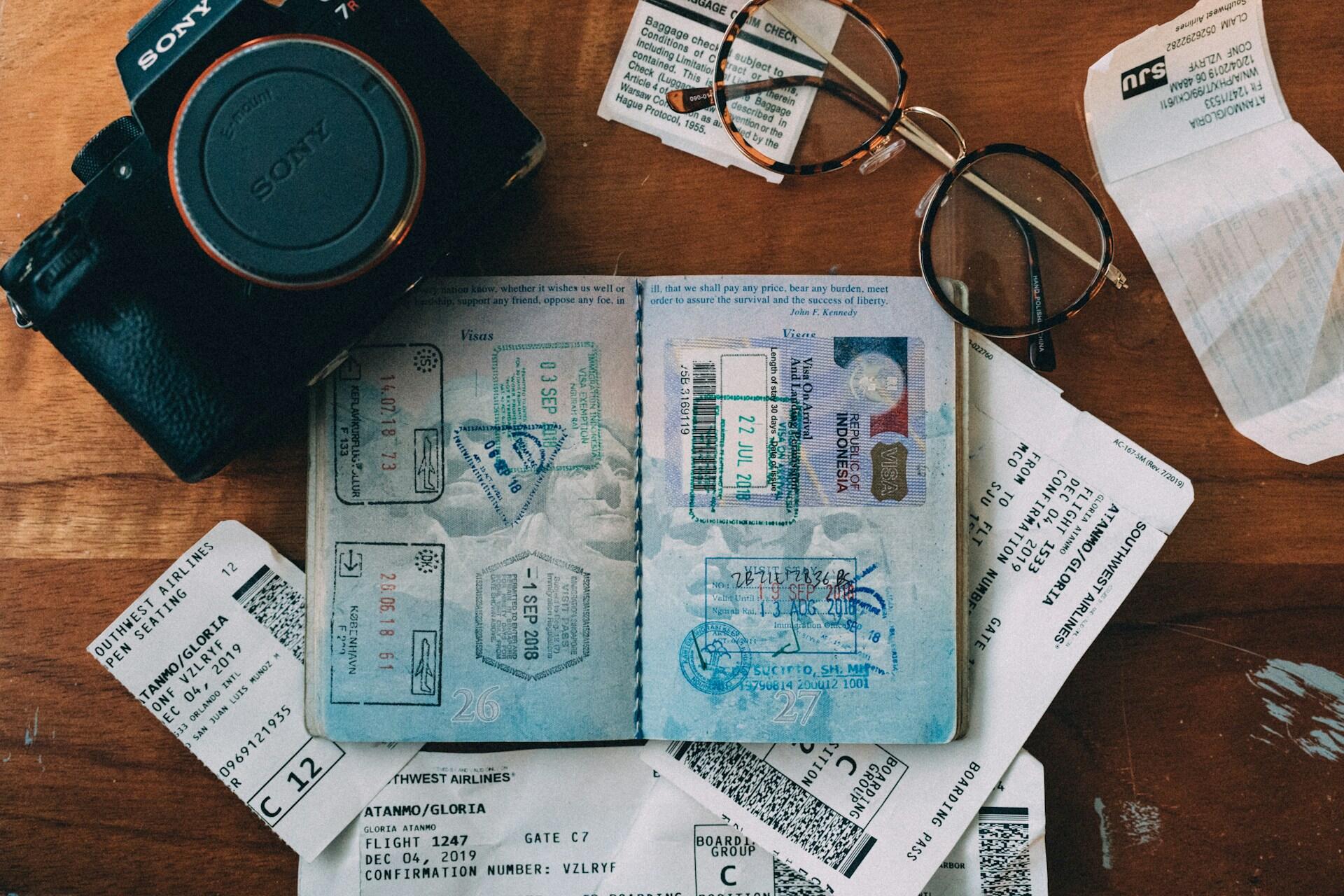
A higher PTE score can improve your visa points, increasing your chances of approval for Australian permanent residency.
3. Professionals Seeking Work and Certification in Australia
Many professional bodies require PTE scores for registration, especially in industries such as:
For example, the Australian Health Practitioner Regulation Agency (AHPRA) requires a minimum PTE score of 65 in each section for healthcare professionals.
4. Individuals Looking to Improve Their English Skills
Even if PTE is not a requirement, some people take the test to measure their English proficiency for career growth, job opportunities, or personal development.
If you do not achieve your target score, you can retake the PTE exam as soon as you are ready—there is no limit on retakes.
Types of PTE Tests
There are different PTE exams depending on what you need the test for. The most popular one is PTE Academic, but there are other versions.
1. PTE Academic
Students, professionals, and visa applicants who need to prove their English proficiency for Australia.
2. PTE General (Not Accepted for Visas)
People looking to evaluate and improve their English without academic or visa-related requirements.
3. PTE Young Learners
Young students who want to develop their English language skills in a fun way.
PTE Test Format and Key Components
Like most English proficiency tests and other language tests, the four primary skills of speaking, reading, writing, and listening are all tested.
However, unlike some other proficiency tests, the PTE is entirely computer-based, taking around 2 hours to complete.
| Section | Duration | Key Components |
|---|---|---|
| Speaking & Writing | 54–67 minutes | Read Aloud, Repeat Sentence, Describe Image, Essay Writing |
| Reading | 29–30 minutes | Multiple-Choice, Fill in the Blanks, Reorder Paragraphs |
| Listening | 30–43 minutes | Summarize Spoken Text, Fill in the Blanks, Highlight Correct Summary |
1. Speaking & Writing (54–67 Minutes)
The Speaking and Writing section assesses fluency, pronunciation, and grammatical accuracy through various tasks.
- Read Aloud – Read a text displayed on the screen.
- Repeat Sentence – Listen to a sentence and repeat it exactly.
- Describe Image – Explain an image in your own words.
- Re-tell Lecture – Summarise a short lecture in a few sentences.
- Answer Short Questions – Respond to general knowledge questions.
- Summarise Written Text – Write a one-sentence summary of a paragraph.
- Essay Writing – Write a 200–300 word essay in 20 minutes.

Practice speaking clearly and focus on correct pronunciation, as the test is AI-scored based on clarity and fluency.
2. Reading (29–30 Minutes)
The Reading section assesses comprehension skills with different question formats.
- Multiple-Choice, Choose Single Answer – Select the correct option from a list.
- Multiple-Choice, Choose Multiple Answers – Pick more than one correct answer.
- Reorder Paragraphs – Arrange sentences into a logical order.
- Fill in the Blanks – Complete missing words in a passage.
Scanning and skimming techniques help find answers quickly within the time limit.
3. Listening (30–43 Minutes)
The Listening section tests candidates' understanding of spoken English in different accents (Australian, British, and American).
- Summarise Spoken Text – Listen to an audio clip and write a summary.
- Multiple-Choice, Choose Multiple Answers – Pick more than one correct answer.
- Fill in the Blanks – Type missing words from an audio recording.
- Highlight Correct Summary – Select the summary that best represents the audio content.
- Select Missing Word – Choose the correct word to complete a recording.
Practice speaking clearly and focus on correct pronunciation, as the test is AI-scored based on clarity and fluency.
? Tip: The audio is played only once, so take notes while listening to capture key information.
PTE is 100% Computer-Based – What Does This Mean?
- The Speaking test is recorded and AI-scored (no human examiner).
- No handwritten answers. Everything is typed.
- Results are generated faster than IELTS (usually within 48 hours).
Familiarise yourself with the test interface by practising with official PTE mock tests online.
PTE Scoring Criteria and How the Test is Evaluated
PTE uses AI-based evaluation, which is said to promote fair and unbiased assessment. Scores are on a scale of 10 to 90. Each section (speaking, writing, reading, and listening) is scored individually.
| PTE Score | English Proficiency Level | Equivalent IELTS Score |
|---|---|---|
| 85–90 | Expert | 9.0 |
| 76–84 | Very Good | 8.0 |
| 66–75 | Good | 7.0 |
| 56–65 | Competent | 6.0 |
| 46–55 | Modest | 5.5 |
| 35–45 | Limited | 4.5 |
| 10–34 | Beginner | Below 4.0 |
Where to Take the PTE Test in Australia?
There are multiple PTE test centres across Australia. Here are just a few of the major ones.
| City | Test Centers | Availability |
|---|---|---|
| Sydney | Pearson Professional Centers, Navitas English, E2Language | Daily test slots |
| Melbourne | Pearson Test Centre, RMIT English Worldwide | Frequent availability |
| Brisbane | Pearson Professional Centers, TAFE Queensland | Multiple test dates |
| Perth | Pearson Test Centre, Navitas English | Regular test slots |
| Adelaide | Pearson Test Centre, SAIBT | Weekly sessions |
| Canberra | Pearson Test Centre | Limited dates |
| Hobart | Pearson Test Centre | Monthly availability |
| Darwin | Pearson Test Centre | Fewer slots, book in advance |
How to Book Your PTE Test in Australia
To register for PTE Academic, follow these steps:
- Go to the official Pearson PTE website.
- Create an account and provide your details.
- Find a test centre and choose an available date.
- Pay the test fee (typically AUD 410–$420).
- Check your email for confirmation and prepare for the test!
Some universities and migration agents offer assistance in booking PTE tests, so check if your institution provides this service.
How Superprof Can Help with PTE Preparation
The best way to do well on the PTE, TOEFL, or any English proficiency test is by studying for it. You can do this with structured practice, personalised feedback, and expert guidance from a private tutor.
On Superprof, tutors specialised in PTE offer one-on-one coaching to prepare you for your exams.

Why Choose Superprof for PTE Preparation?
- Experienced PTE Tutors – Learn from certified trainers with proven success in helping students achieve high scores.
- Customised Learning Plans – Focus on your weak areas (e.g., Speaking, Writing, or Time Management).
- Flexible Scheduling – Book private lessons online or in person.
- Mock Tests & Real Exam Practice – Get access to practice questions and personalised feedback to improve performance.
- Affordable Pricing – Choose from tutors that fit your budget and learning needs.
How to Get Started with a PTE Tutor on Superprof
- Visit Superprof’s website and search for PTE tutors.
- Filter tutors based on experience, pricing, and location.
- Book a trial lesson to discuss your goals and create a study plan.
- Start your PTE preparation with expert guidance and real exam practice.
Many tutors on Superprof offer the first lesson for free, allowing students to try a session before committing!
Summarise with AI:
Did you like this article? Leave a rating!

 Loading...
