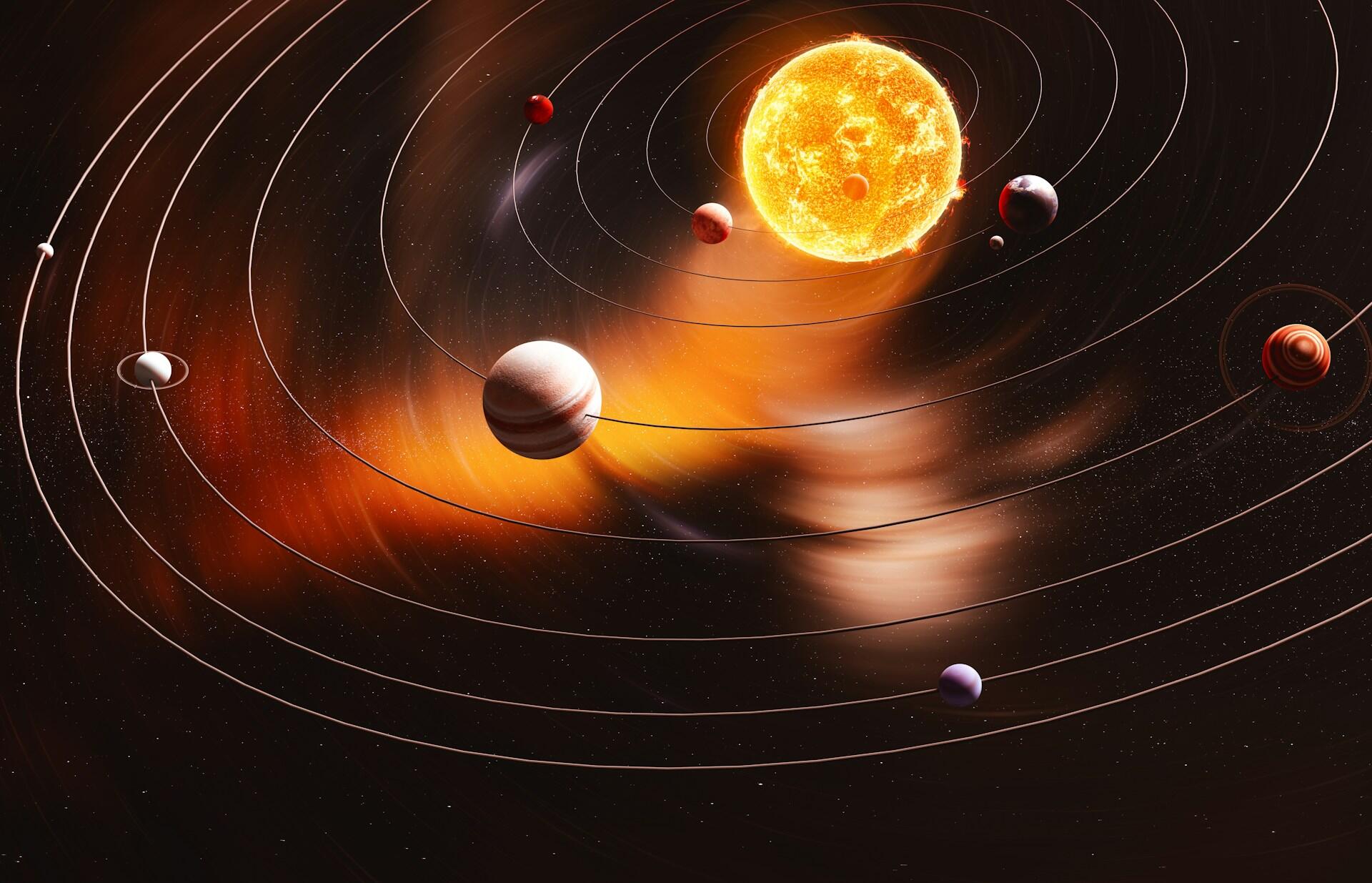

The solar system is the set of planets that orbit around the star we know as the Sun. Within that simple definition is a vast and complex system with billions of years of history, encompassing hundreds of natural satellites, over one million minor planets, thousands of comets, all spanning trillions of miles. Learning about the entire solar system is a complex undertaking, but there are many new things you can learn today just by reading this article!


The Sun: The Heart of Our Solar System
At the centre of our solar system is our personal star: the Sun. It’s thanks to the sun’s unique qualities that it provides a habitable amount of light and heat, which allows for life to exist on Earth (along with Earth’s atmosphere). Without the sun, the solar system would not exist, and neither would we.
Composition and Characteristics
The simple way to understand the sun is that it's a ball of hot gas giving off light and heat.
However, that’s not entirely accurate.
The sun is made mostly of hydrogen, but the state of the hydrogen is not the gaseous form we imagine here on Earth.
It’s held at such an intense pressure due to the sun’s immense gravitational pull that the hydrogen is fused into helium, which releases the heat and light energy. This is the nuclear fusion process in the sun. The sun’s state is a plasma, rather than a gas. It cannot burn because there is too much pressure and not enough oxygen.
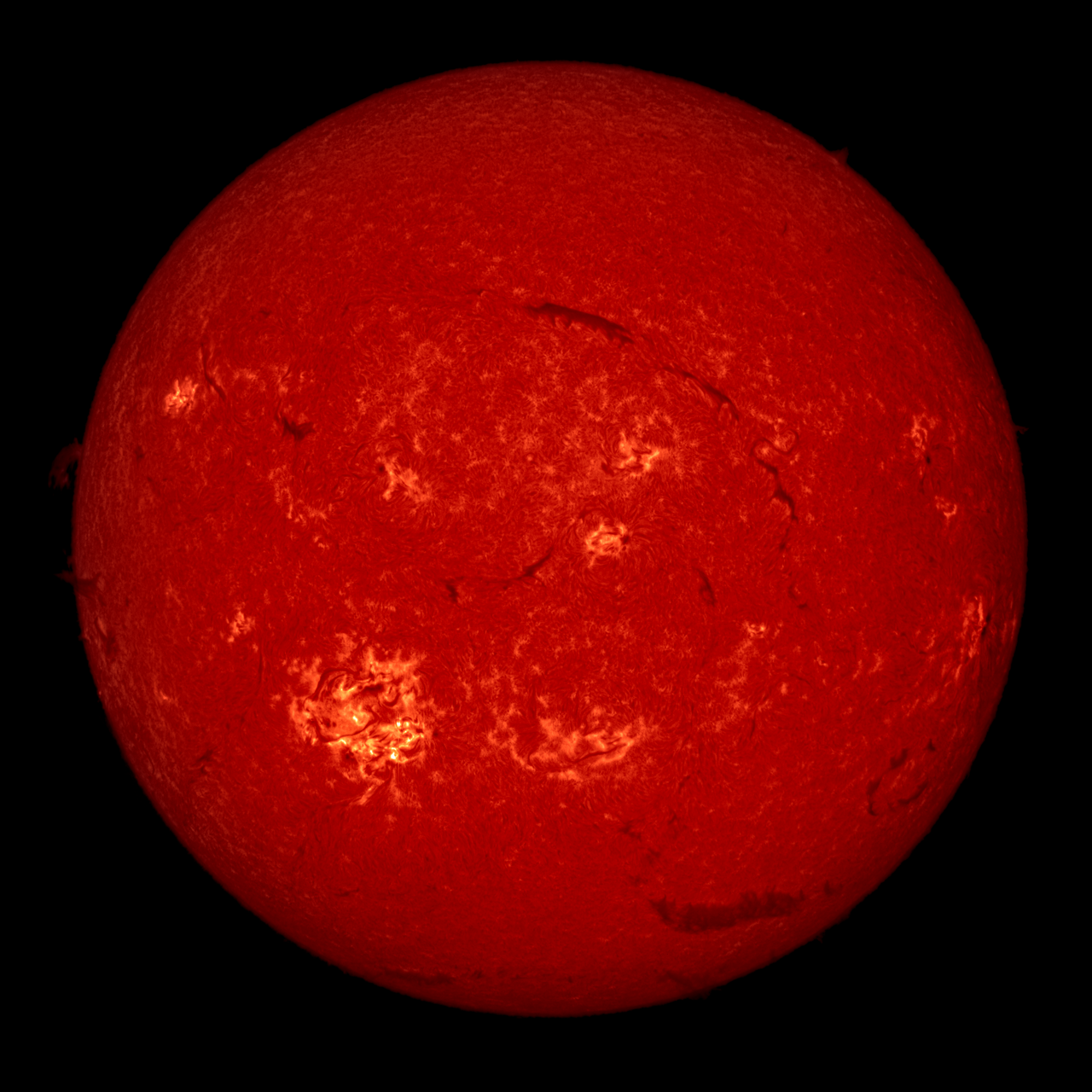
The gravity pulls the hydrogen, helium, and other elements inward, while the nuclear fusion releases energy and pushes the plasma outward. It’s a constant, boiling balance between inward and outward forces.
The sun appears red, orange, and yellow because the Earth's atmosphere changes the way we see its light. The sun actually emits white light; light across the entire colour spectrum.
The sun is made mostly of hydrogen (~73%) and helium (~25%), but also contains oxygen, carbon, neon, and iron.
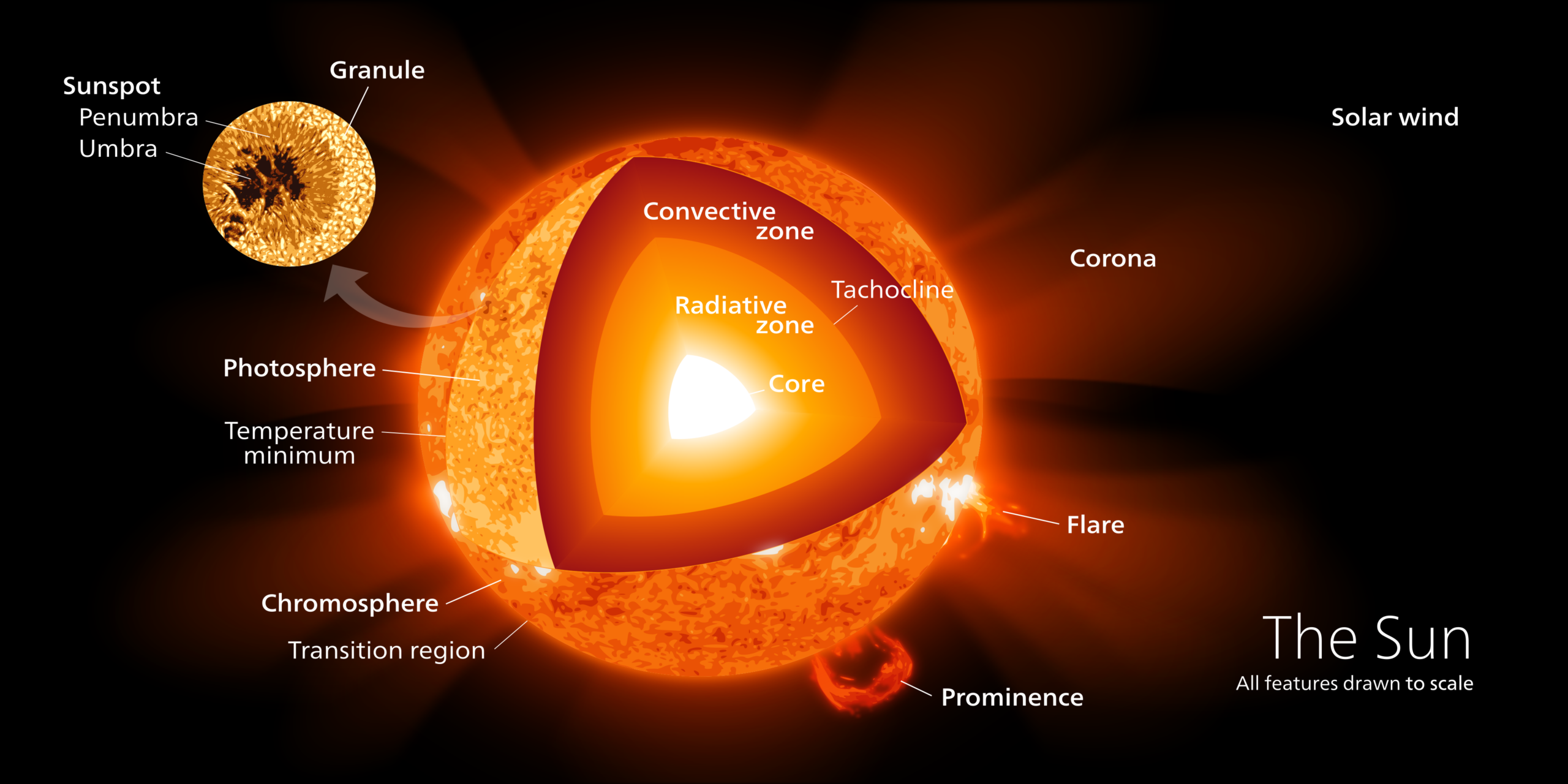
The sun, like the Earth, is made of layers. At the centre is the core, followed by the radioactive zone, then a thin layer called the tachocline, then the convective zone, then the surface (which is not defined like the crust of a planet), and the atmosphere. The solar system exists within the sun’s heliosphere, the region of space where the sun’s solar wind dominates over other influences from the interstellar medium.
The Sun’s Influence on the Solar System
The heat and light energy (as well as infrared and ultraviolet light) radiate outward, providing light and heat to the orbiting planets and other bodies. On Earth, the atmosphere lets in a survivable amount of heat, which influences weather and makes life possible.
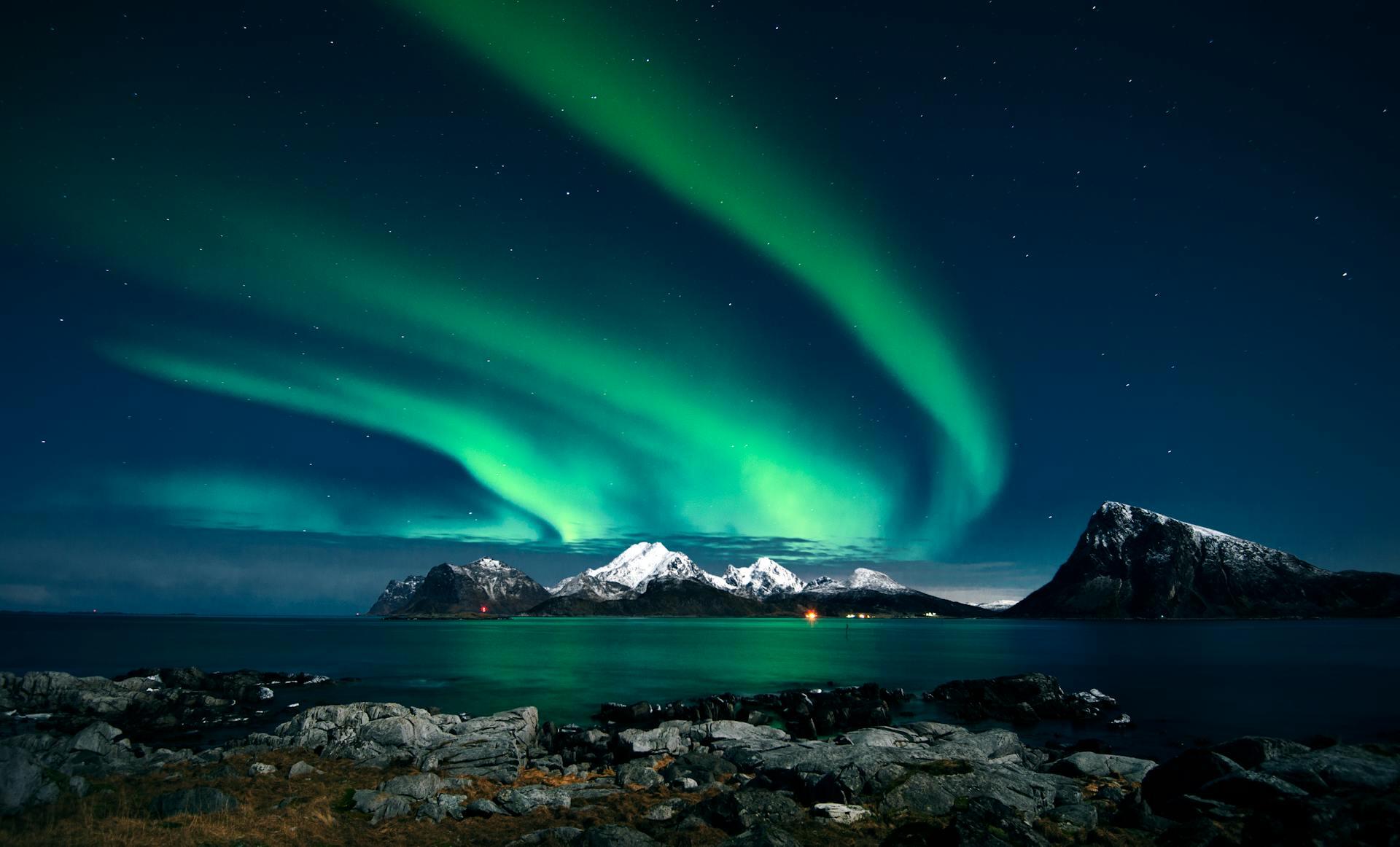
In addition to these energies, solar flares and streams of charged particles shoot out from the sun, creating space weather. These flares and particles can affect planets’ magnetic fields, disrupting satellites and power systems on Earth. They also cause auroras near the poles, which is what we know as the Northern Lights, aka Aurora Borealis, and the Southern Lights, aka Aurora Australis.
The gravity from this massive object holds the solar system together. Every planet follows an orbit around the sun, being held to that orbit by the opposing forces of the sun’s gravity and the planet’s inertia. Even distant objects like the Kuiper Belt and the Oort Cloud are held in place partly by the sun’s gravity.
Though the sun is constantly broiling, with flares of energy shooting off in all directions, it’s an overall very stable star that has provided consistent vital resources to Earth for billions of years.
Our planetary system is called “the solar system.” It consists of our eight planets (and all our other celestial objects) orbiting our Sun. There are other planetary systems in the universe consisting of a central sun with orbiting planets, but they are not referred to as solar systems.
The Eight Planets: Diverse Worlds
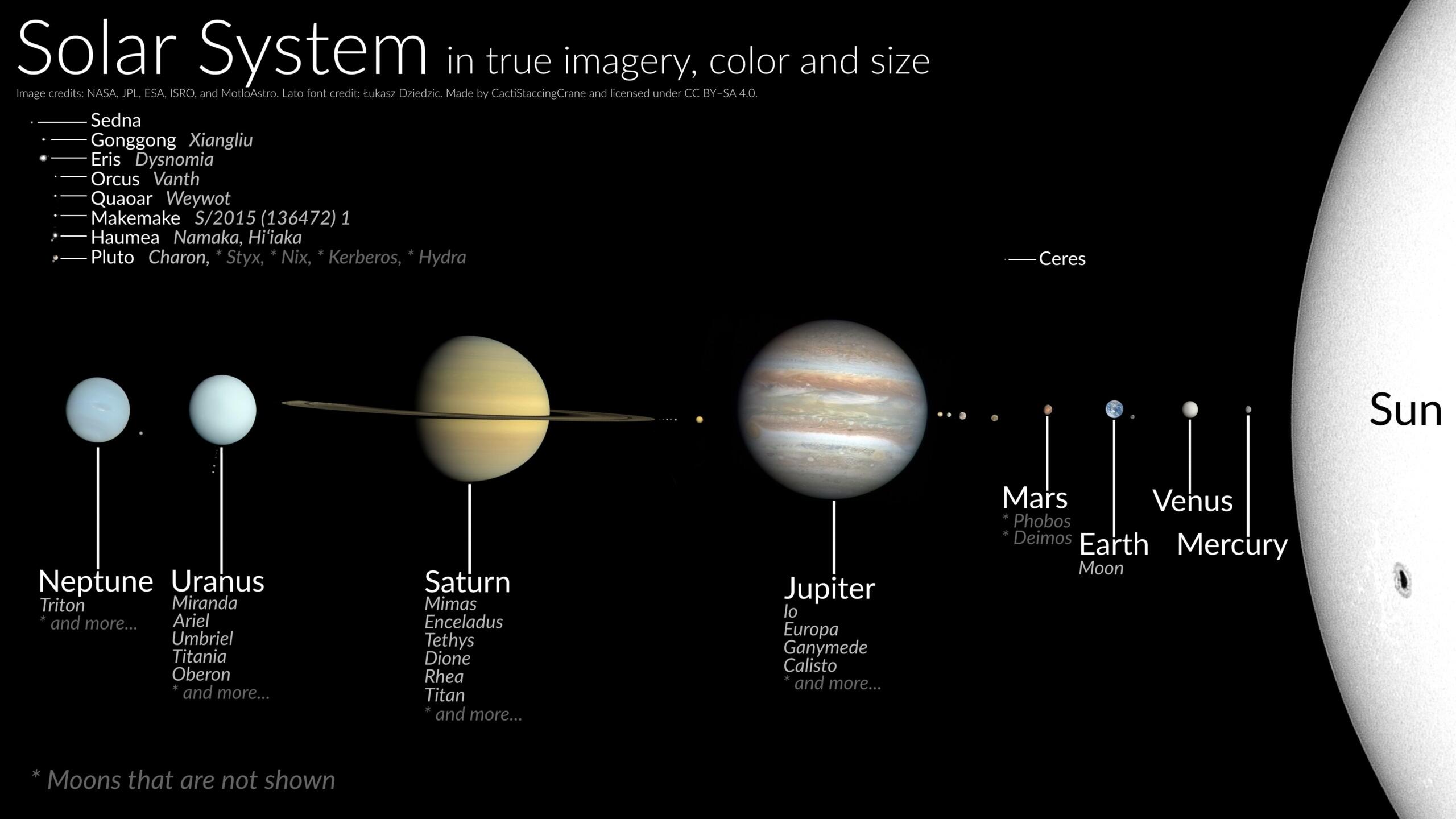
Our Solar System has eight planets. They are divided into two main groups: inner planets and outer planets. They are divided by the asteroid belt.
Inner Planets (Terrestrial Planets)
The inner planets are rocky and solid. They are smaller and denser than the outer planets. This is because they formed closer to the sun, where lighter gases could not remain.
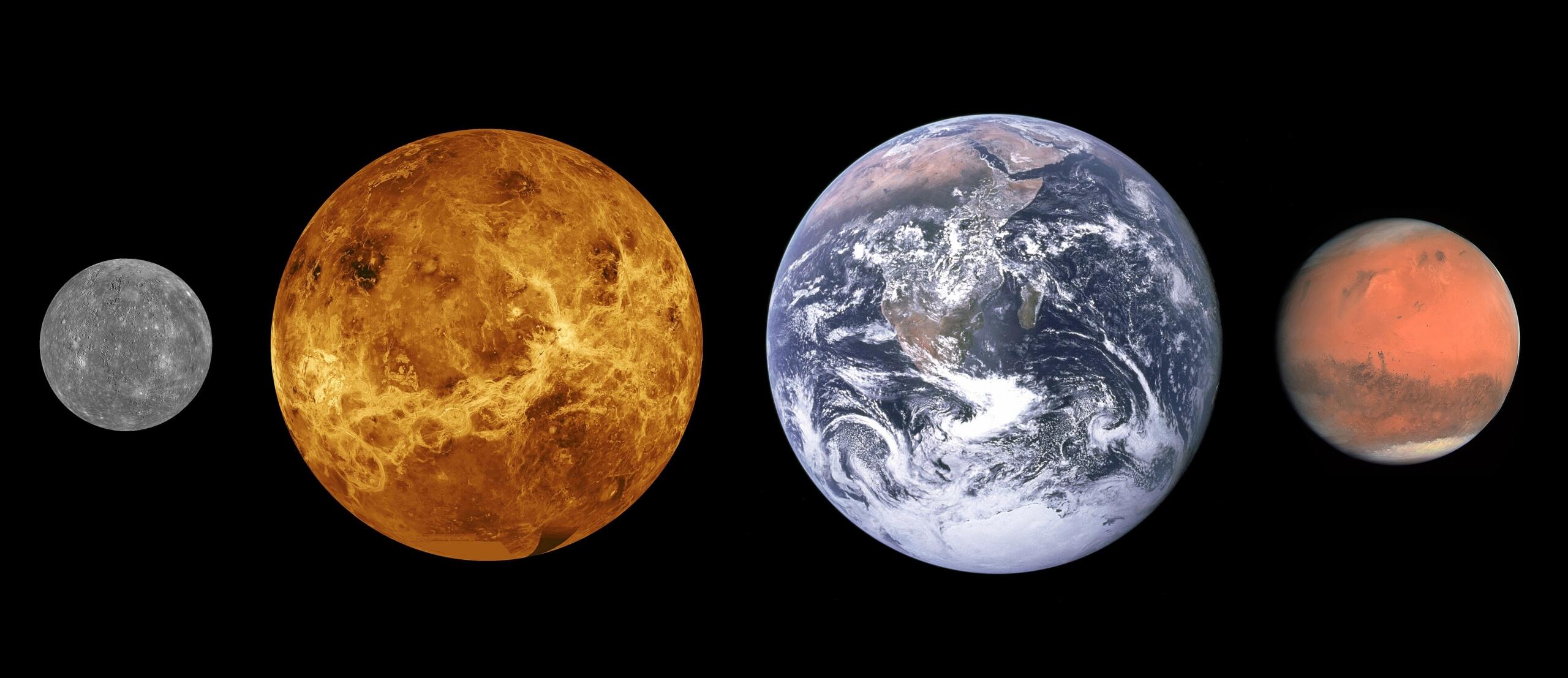
Inner planets are also known as terrestrial planets because they have solid surfaces.
NASA
Mercury
The smallest planet in our solar system, it is also closest to the sun. It has a very thin atmosphere, which contributes to its extreme temperature fluctuations. Temperatures can be higher than 400 ℃ in the day and lower than -170 ℃ at night. It has an equatorial radius of 2,439.7 kilometres and has no moons.
Venus
Venus is almost the same size as Earth, only slightly smaller. However, unlike Earth, Venus is covered in a thick atmosphere made of carbon dioxide and sulphuric acid. This thick atmosphere causes a severe greenhouse effect.
The sun’s heat gets trapped, as well as the heat from the planet itself, which comes from its many volcanoes, causing extreme temperatures (the mean surface temperature is 464 ℃). The heavy atmosphere also causes immense pressure, turning it from a gas to a supercritical fluid. It also has no moons.
Find out everything you need to know for your courses with a VCE Physics tutor on Superprof.
Earth
Earth is the only known planet in the universe that supports life. It has liquid water, a stable atmosphere with oxygen, and a magnetic field that protects the surface from harmful space radiation. The atmosphere maintains the delicate balance of heat, allowing enough heat to enter and escape the atmosphere so as to sustain an average surface temperature of about 15 ℃. Earth, of course, has one satellite: the moon.
Mars
Due to the high amount of iron (and therefore rust) in its soil, Mars is known as the Red Planet. It has the tallest known volcano in our solar system, Olympus Mons, which is 21.9 km tall (Mt. Everest is 8.8 km tall). Discoveries in the 21st century suggest that Mars may have had flowing water at one point in its history, and it may have underground water reserves today.
The atmosphere is very thin and dry, full of carbon dioxide, and allows a lot of space radiation in. It’s far from the sun and doesn’t have an insulating atmosphere, so although it has an arid appearance, the highest temperatures usually only reach about 20 ℃, but at night it can be as cold as -153 ℃.
It has two small moons, Phobos and Deimos.
Outer Planets (Gas and Ice Giants)
Past the asteroid belt, the planets become much larger. This can be explained with the Nebular Hypothesis, as we will cover in more detail later on in this article. These planets are made mostly of gas and ice.
In astrophysics, the frost line is the minimum distance away from a young star at which certain gases can condense into solids because of the low temperatures. It’s believed that when our solar system was forming, the line was much closer than the asteroid belt, which means that the giant planets Jupiter and Saturn actually formed closer to the sun and then moved outward later on.
Jupiter
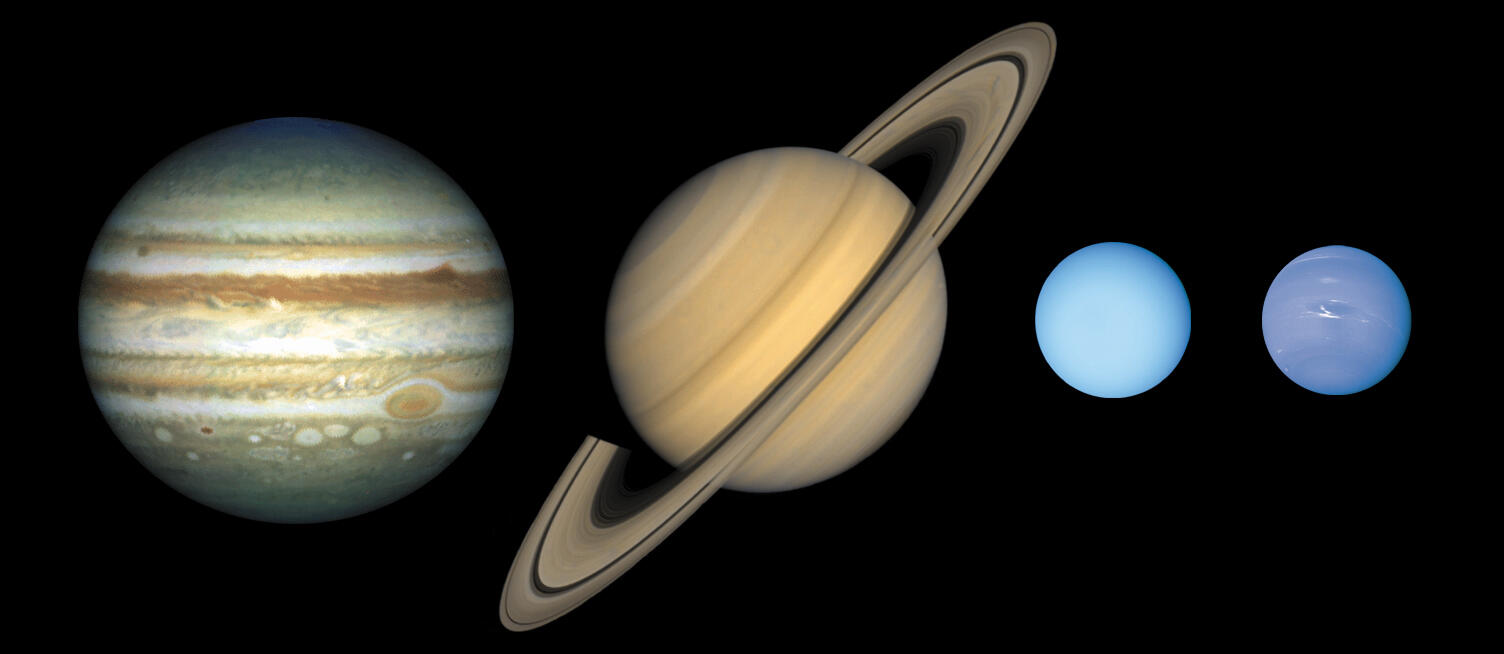
Jupiter, the gas giant, is the largest planet in our solar system. Its diameter is 142,984 km across, which is 11 times larger than Earth (and only 1/10 that of the sun!). It features an atmosphere made mostly of hydrogen and helium, just like the sun. However, it was nowhere near enough material even to come close to becoming another star (remember, 99% of the matter in the solar system already belongs to the sun).
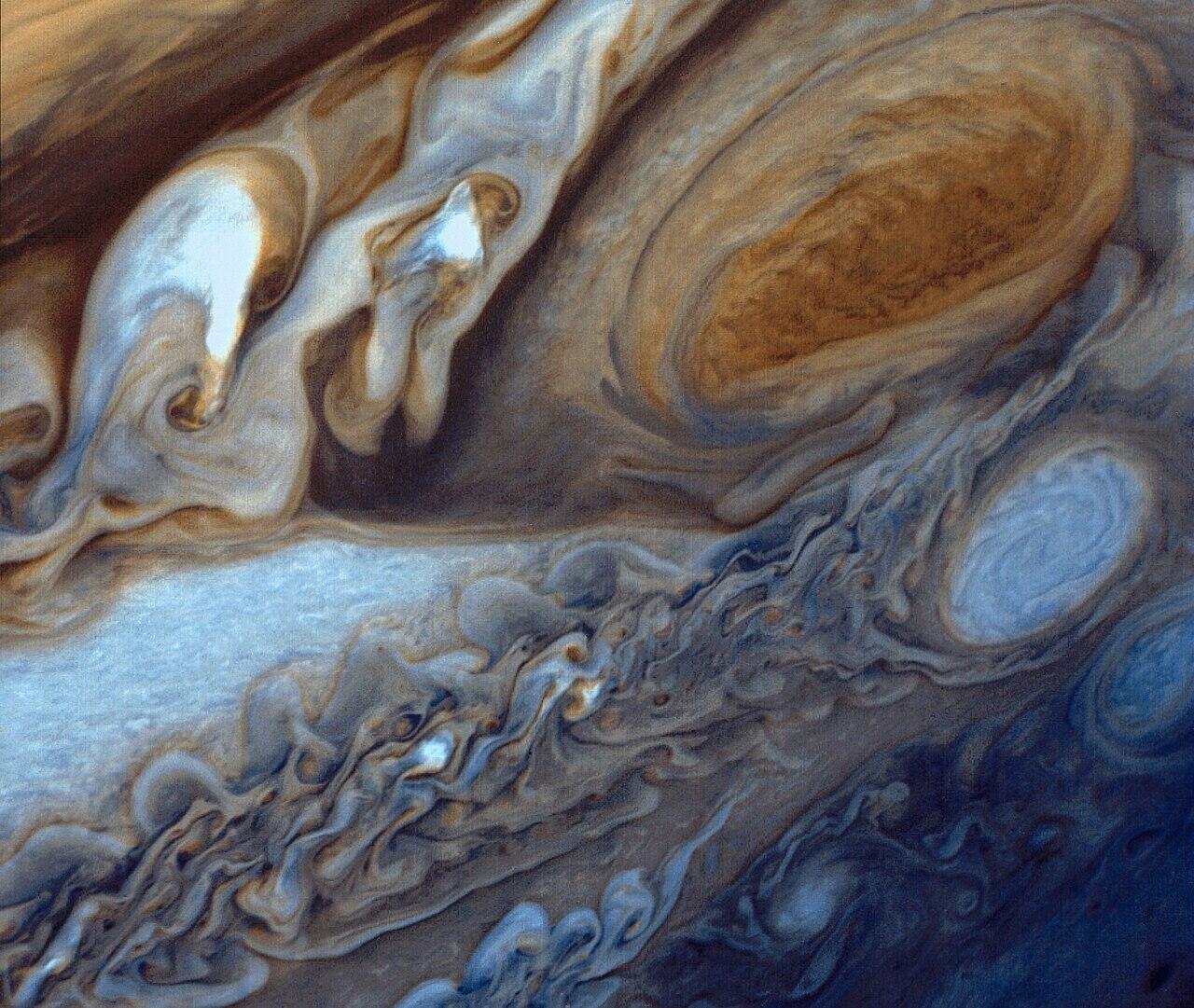
Jupiter is known for its striped appearance, featuring clouds of ammonia and water separating out from the atmosphere.
The Great Red Spot is a major storm bigger than the Earth, which has been raging for hundreds of years.
Jupiter spins extremely fast, causing all the swirling and storming.
Jupiter’s gravity is so great that it influences the movement of the asteroid field and acts as a shield to the inner planets, protecting against impacts from asteroids.
Jupiter has at least 95 recognised moons, with thousands of other small orbiting objects nearby.
Saturn
The second-largest planet in our system, it’s best known for its impressive rings. These rings are made of ice and rock particles, and were likely captured by Saturn’s gravity well after the planet’s formation.
Saturn is also a gas giant. It’s less dense than water, which means it would float if placed on a pool of water big enough to fit the planet.
Saturn has 274 confirmed moons, and like Jupiter, many other small objects in its orbit as well.
Uranus
Much smaller than Saturn, but still about four times bigger than Earth. Uranus is considered an ice giant instead of a gas giant, since most of its atmosphere is made of icy water, methane, and ammonia. Some of these gases have been solidified under pressure at the centre, creating a solid core.
The planet features an unusual tilt which appears to be almost completely sideways, as evidenced by its vertical rings. This tilt, combined with long years (84 Earth years), causes extreme seasons. In the “summer,” one hemisphere receives direct sunlight for 21 straight Earth years, while the other hemisphere doesn’t see a ray of light for the same 21 years.
It has 28 discovered moons.
Neptune
The farthest planet in our solar system from the sun, Neptune’s blue colour is caused by the icy methane crystals in the atmosphere. It’s the densest of the outer planets, having 17 times the mass of Earth.
Although Jupiter’s winds are easier to see because of all the ongoing storms, Neptune actually has the strongest winds in its atmosphere at 2,000 kilometres per hour.
The planet features 16 known moons.
Dwarf Planets and Other Celestial Bodies
The main planets are far from the only features of the solar system. There are hundreds of thousands of smaller objects orbiting the sun along with us. These celestial objects help astronomers, astrophysicists, and cosmologists piece together the history of the solar system and the universe.
Dwarf Planets
Of course, many of us remember when Pluto was the ninth planet in our solar system. Discovered in 1930, it was first classified as a planet. At that time, scientists thought it had about the same mass as Earth.
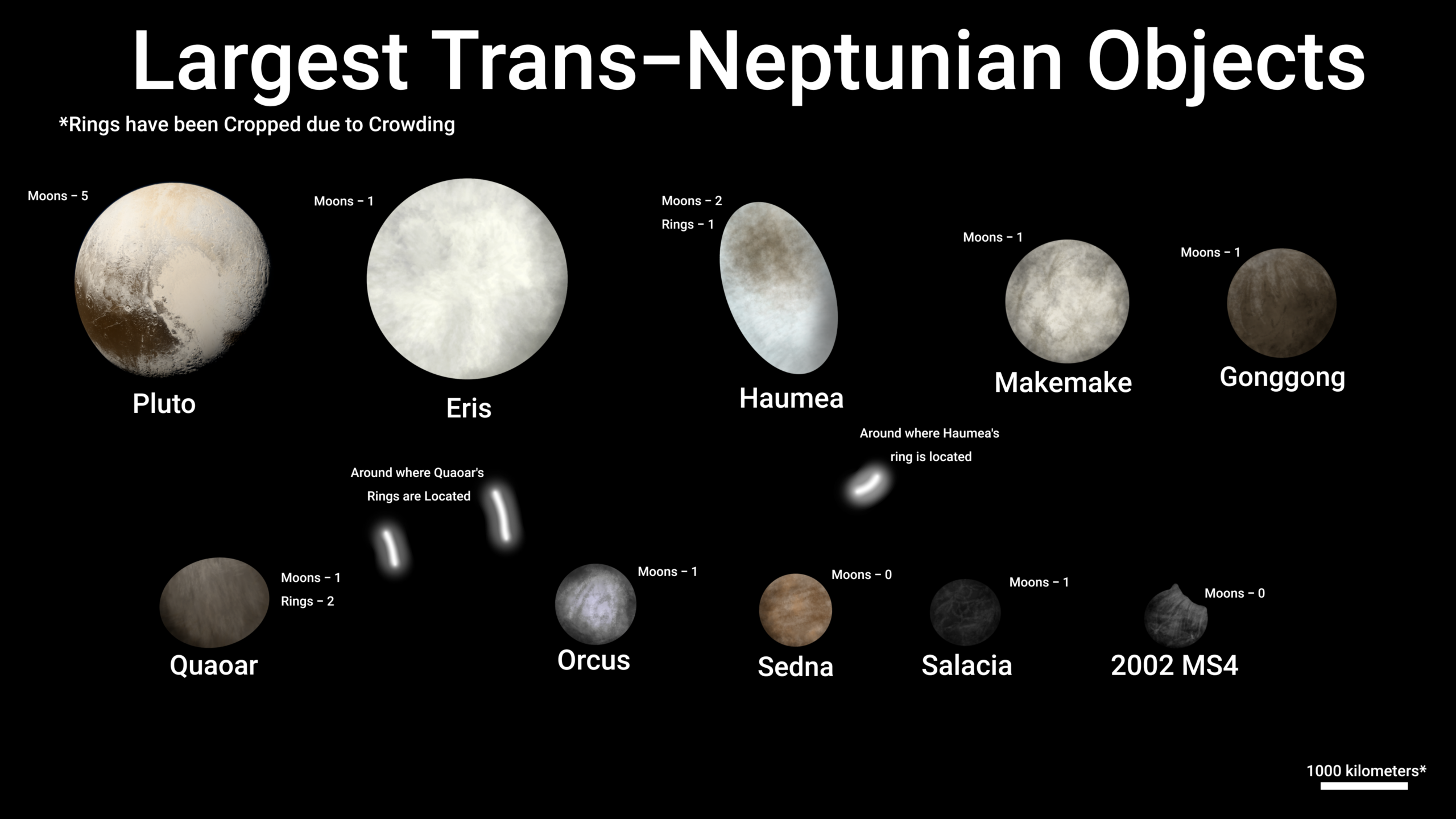
However, it was later calculated that it has only about 1/500th the mass of Earth. Plus, other objects started being discovered in the region, such as Eris in 2005, which is actually bigger than Pluto.
If we kept making every similar object a main planet, schoolkids would need to memorise dozens of names by now, and perhaps hundreds by the time astrophysicists have time to comb through all of this far-flung region of space.
Thus, a new classification was needed: dwarf planet.
Some other dwarf planets in our solar system include Haumea, Makemake, Gonggong, Quaoar, Ceres, and Sedna. Most are transneptunian objects (TNOs), and some are KBOs (see below).
A dwarf planet is a planet-like celestial object that doesn’t meet certain technical criteria to be considered a planet. The classification was invented to make a distinction between large, spherical celestial objects like Pluto and Eris from similarly-sized objects like asteroids. They are more “formed” than asteroids, and they travel in a predictable, regular path around the sun, like planets. However, they don’t have “orbital dominance,” which means that they share their orbital path with other large objects, unlike planets.
Comets and the Kuiper Belt
The Kuiper Belt is a region farther past Neptune; it’s where many of the known dwarf planets (including Pluto) are located. Objects found here are known as Kuiper Belt objects (KBOs). It’s believed that some KBOs occasionally migrate inward, such as Saturn’s moon Phoebe and Neptune’s moon Triton.
On the outer-edge of the belt is a region known as the “scattered disk.” This is where many short-period comets originate from.
All the objects in the Kuiper Belt and scattered disk are leftover remnants from when the solar system first formed.
The Oort Cloud
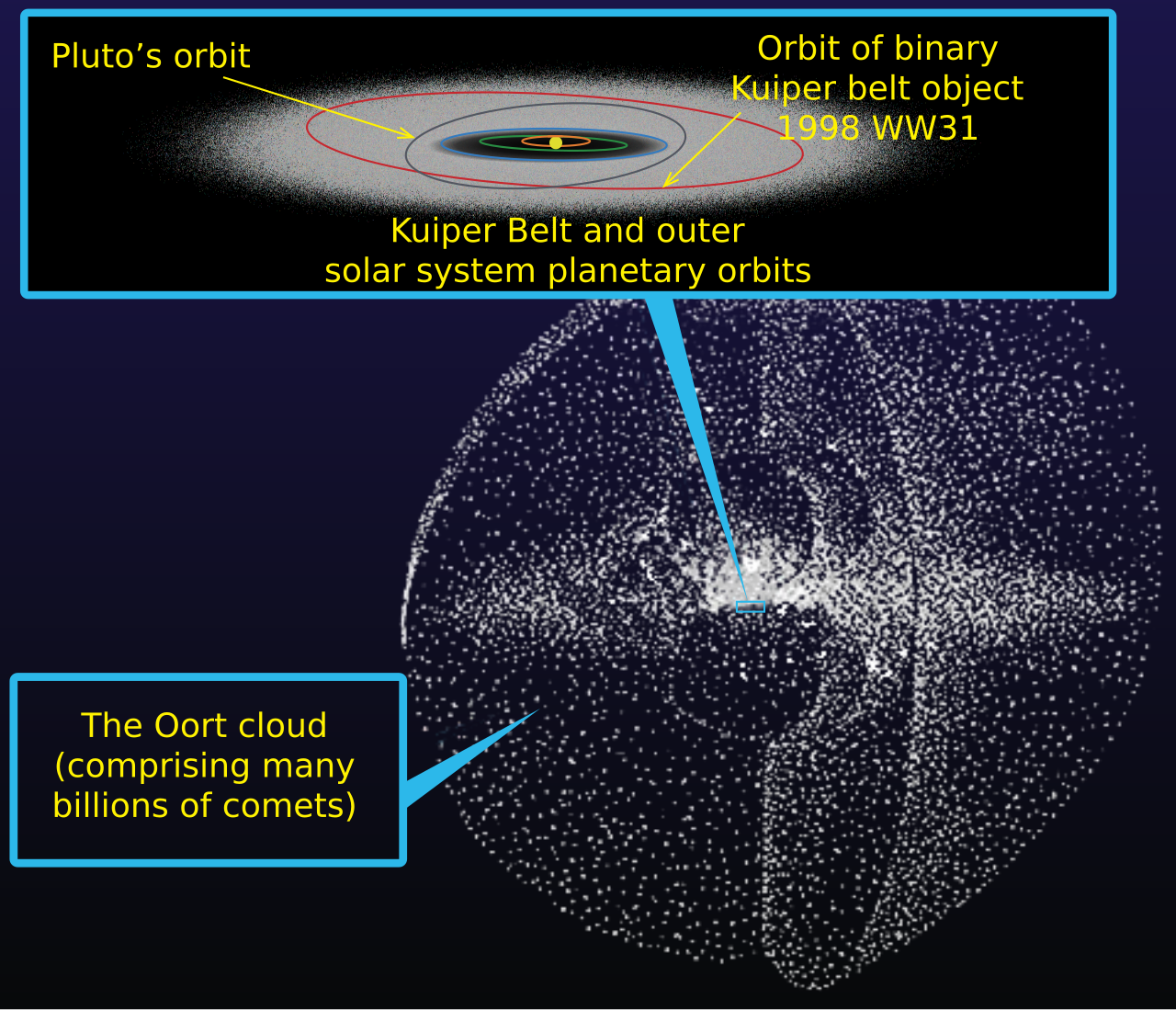
The Oort Cloud is a hypothesised region located past interstellar space, that is, outside our solar system (the boundary of which is designated by the sun’s heliosphere).
It’s believed that long-period comets come from this region.
The Cloud is thought to be bound to gravitational pulls aside from any found in our solar system.
Asteroids and the Asteroid Belt
The asteroid belt, which separates the inner and outer planets, contains between 700,000 and 1.7 million objects. The objects range in size, with the smallest measured ones being 1 km in diameter. The largest object is Ceres, the only non-TNO dwarf planet. Ceres is about ¼ the size of Earth’s moon, about 939 km in diameter.
Although the belt appears dense, the objects are actually spaced very far apart; it’s easy for a spacecraft to navigate.
Some asteroids occasionally cross into Earth’s orbit, which is why space authorities like NASA closely monitor the belt.
Fun Facts About the Solar System
Sometimes, the most interesting part of learning about the solar system is the small factoids that are easy to remember and share with others. Here are some of the most interesting space facts to keep you interested in learning more!
- Venus rotates in the opposite direction to most planets.
- Jupiter’s moon Ganymede is larger than the planet Mercury.
- There are more than 200 known moons in the solar system.
- Some of those moons orbit asteroids!
- Saturn’s rings likely formed only about a few hundred million years ago, when dinosaurs roamed the Earth.
- A single day on Mercury lasts longer than one Mercury year.
- The Sun alone contains more than 99% of all matter in the solar system.
- The footprints on the moon will likely last millions of years, since the moon has no weather (wind, rain) or tectonic activity that disrupts the soil.
- It’s believed that Jupiter actually formed close to the sun, but was moved outward by interference from Saturn.
- The actual centre of the solar system is not the centre of the sun; it’s just outside, and is known as the Barycentre.
Learn like an astrophysicist with physics tutors Melbourne on Superprof.
The Formation and Evolution of the Solar System
Astrophysicists and cosmologists spend a lot of time researching, analysing data, and theorising to try to understand how the solar system may have formed. They attempt to observe the planets, their features and chemistry, their locations and movements, and work backward to determine how they got there. It’s very complicated, but there are a few strong ideas about the origin of the solar system.
Nebular Hypothesis
The most accepted explanation for the formation of the solar system is the nebular hypothesis. First developed by philosopher Immanuel Kant in 1755, the modern version of the theory suggests that the formation of planets naturally follows the formation of a star.
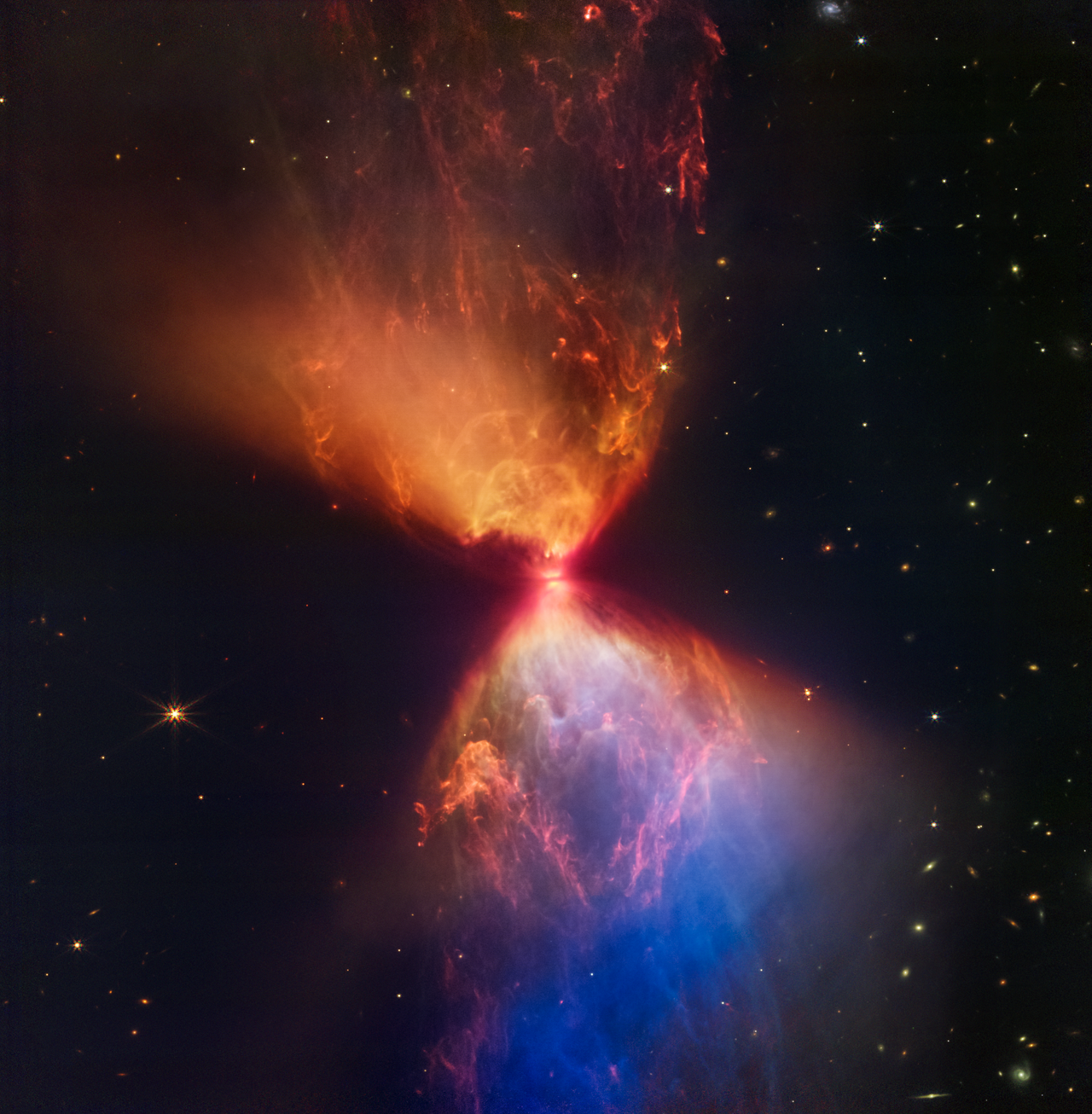
According to the theory, stars form inside giant molecular clouds (GMCs), which are extremely dense.
The matter begins to coalesce into clumps, which begin to pull on one another gravitationally, causing movement (spinning or rotating).
Eventually, the mass collapses into one object: a star.
The remaining unincorporated matter is pushed outward in a gaseous protoplanetary disk.
The material in this disk (gas and solid matter) eventually forms smaller lumps over millions of years, eventually creating planets. The remaining small bits are dwarf planets, moons, and asteroids.
This is what is believed to have formed our solar system, and possibly other planetary systems in the universe as well.
Evolution Over Time
Our solar system has been constantly changing since its formation. The planets formed at different times, acquiring moons and rings, and changing their orbital paths. They would have been hit with debris from time to time. It’s believed asteroids and comets carrying water and organic material hit Earth, which allowed for the first lifeforms.
Even now, the solar system is still changing. Most of the changes are very slow, which makes it seem like no change is happening at all. But scientists are carefully monitoring everything they can in order to piece together the past and make accurate predictions for the future.
The Future of Our Solar System
With the knowledge gained over thousands of years of observations from astronomers throughout history, today’s scientists have a lot of data to use for predicting the future of the solar system. However, there is still a lot to be learned, and we are finding out new things about space every year. While it’s not possible to give a 100% accurate prediction about the future, scientists can say with some authority that there are a few specific things that will probably happen.
The Sun’s Life Cycle
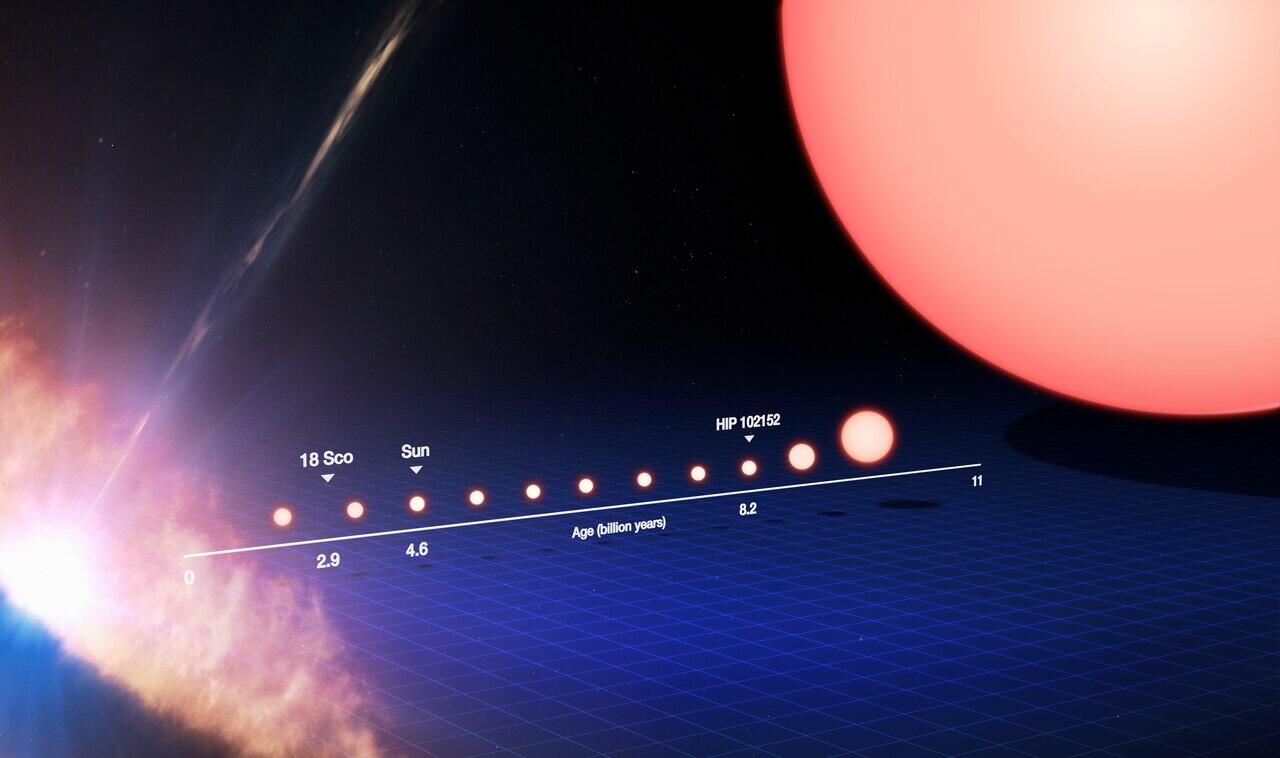
According to data, the sun likely formed about 4.6 billion years ago. Currently, it’s in a stable phase of its life, giving off consistent light and heat by steadily “burning” hydrogen. This is known as the main sequence of a star.
In about 5 billion years, the sun’s hydrogen will be exhausted. It will lose density, causing expansion, which means the sun will turn into a Red Giant. During this phase, it may expand enough to engulf Mercury and Venus, and possibly Earth. Then, it will shed the outer layers and leave behind a white dwarf star.
Impact on the Solar System
Towards the end of those 5 billion years from now, as the sun loses mass, the disruption in gravitational pull may cause the planets’ orbits to shift. Mars and the outer planets might survive the sun’s expansion, but they will drift away, likely settling into wider orbital paths around the sun.
Even if Earth is not engulfed by the sun, the expansion phase will boil the planet, making it uninhabitable.
When the sun shrinks again, the light and heat will be much weaker, and the remaining planets will be even farther away. This means they will become even colder and darker than they already are.
The entire event will cause a gravitational shift, which could influence the solar system in unforeseeable ways millions or billions of years later.
Timeline of the Solar System
It’s impossible to mark every main solar system event in one timeline, but we can try! Here are some of the biggest changes that have occurred (and are expected to occur) in our solar system.
Learn all about the solar system and beyond in detail with a professional physics teacher on Superprof!
~13.8 billion years ago
The Big Bang
All matter in the universe began to expand outward.
~4.7 billion years ago
Formation of the Giant Molecular Cloud
According to the Nebular Hypothesis, this cloud was the starting point of our solar system.
~4.6 billion years ago
Formation of the Sun
Gravity caused the molecular cloud to collapse inward. Nuclear fusion began, creating a star.
~4.6-4.5 billion years ago
Formation of the Planets
Jupiter formed first, but all the planets formed within a few million years of one another.
~4.1-3.8 billion years ago
Planetary Migration
The outer planets shifted their orbits due to gravitational interactions with one another and other space debris. This likely triggered the Late Heavy Bombardment, when asteroids hit the inner planets frequently, possibly bringing water and organic material to Earth.
~3.8-3.5 billion years ago
Beginning of Life on Earth
The earliest evidence of life as found in ancient rocks.
~4.6 billion years after sun's formation
Present Day
The solar system is stable. The Sun is in the middle of its main sequence phase.
~5 billion years from now
The Sun Becomes a Red Giant
The sun will run out of hydrogen and begin to expand, consuming the closest planets.
~7-8 billion years from now
The Sun Becomes a White Dwarf
After shedding the outer layers, the sun will collapse into a White dwarf star. Then it will cool over trillions of years before finally losing all heat.
Summarise with AI:
Did you like this article? Leave a rating!


 Loading...