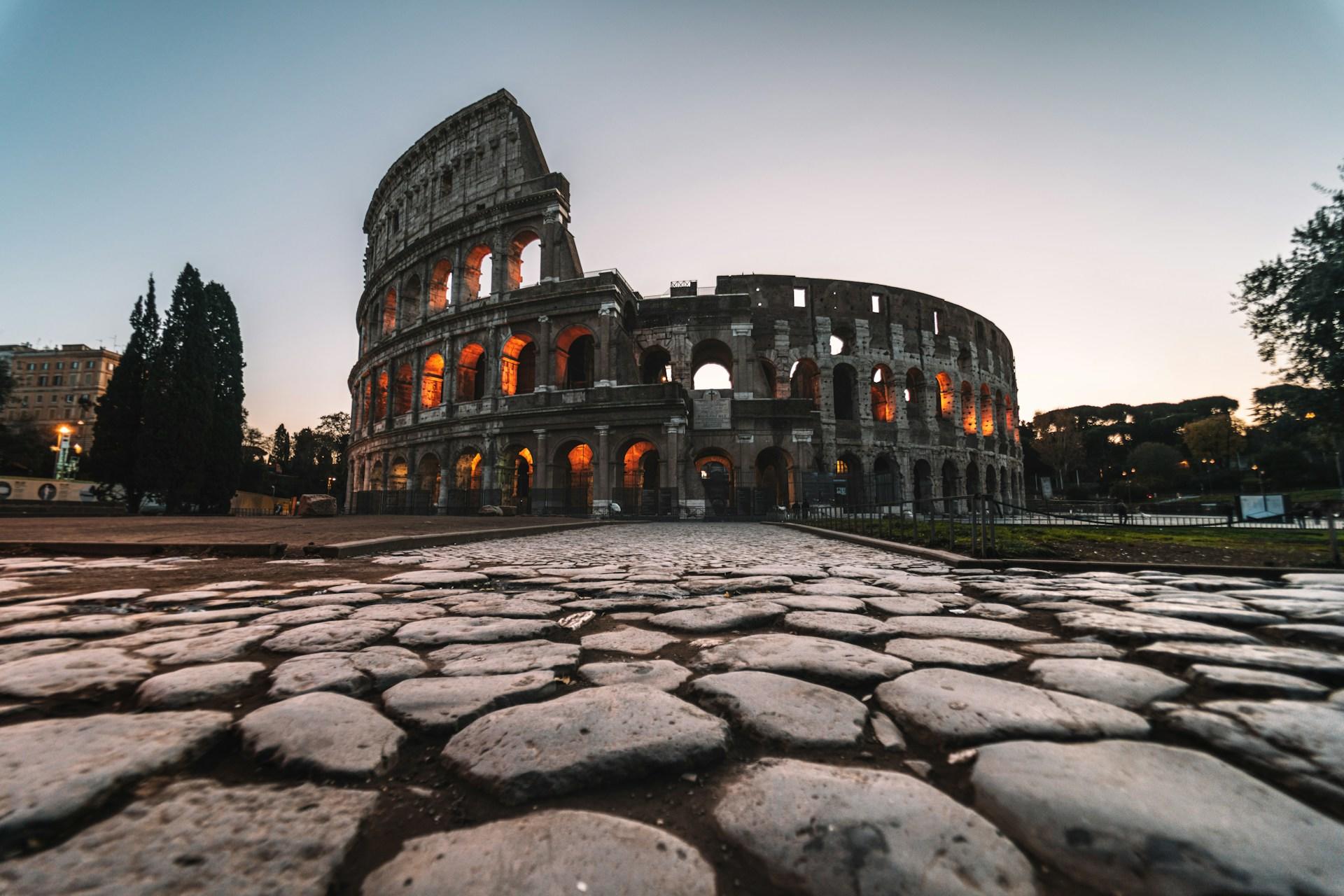

History includes a lot of things. After all, it's everything that ever happened.
Since human history has been going on for around 10,000 years, academics tend to break history down into different periods.
These periods aren't defined by a set amount of time but rather by what happened during each time. Major events tend to define the beginning and end of historical periods.
If you look at Australia's history since European settlement, you're only really looking at modern history. This will still include a lot of major events but misses out on thousands of years of human development.
While a history degree will provide you with options on which periods to focus on, you might want to consider which "type" of history you find most interesting.
Beyond different periods, there are also different aspects of history you can study. Every culture, nation, and people has their own history and while we can't go through them all here, there are a few main types of history we can look at to get you started.
In terms of what you study in a given historical period, you can also look more closely at:
- Cultural History
- Economic History
- Social History
- Diplomatic History
- Political History
You may be interested in historiography. This is the field of study focusing on historical sources.
Who wrote them? How do accounts differ? Is it biased?
If these are the kinds of questions you find yourself asking, historiography might be for you.


Ancient History (3000 BCE-500 CE)
In a typical history class, ancient history generally covers the period between 3000 BCE and 500 CE. This isn't to say that the period stops immediately at this time, but this is the general range that ancient historians will cover.
Important events during this time include the first written languages appearing. The main event that came at the end of this period was the fall of the Roman Empire.
Thanks to writing, ancient history is the first period where we have actual accounts from people of what life was like. Before this, there were no historical records so we call this "prehistory", which we tend to study through archeology.
Archaeology still plays a role in ancient history as not everything was recorded and written works don't often survive several thousand years.
Ancient history is sometimes known as the classics, referring to the mighty Greek and Roman Empires. If you're interested in European history from this time, you'll likely cover these two in great detail.
Discover art history courses Melbourne here on Superprof!
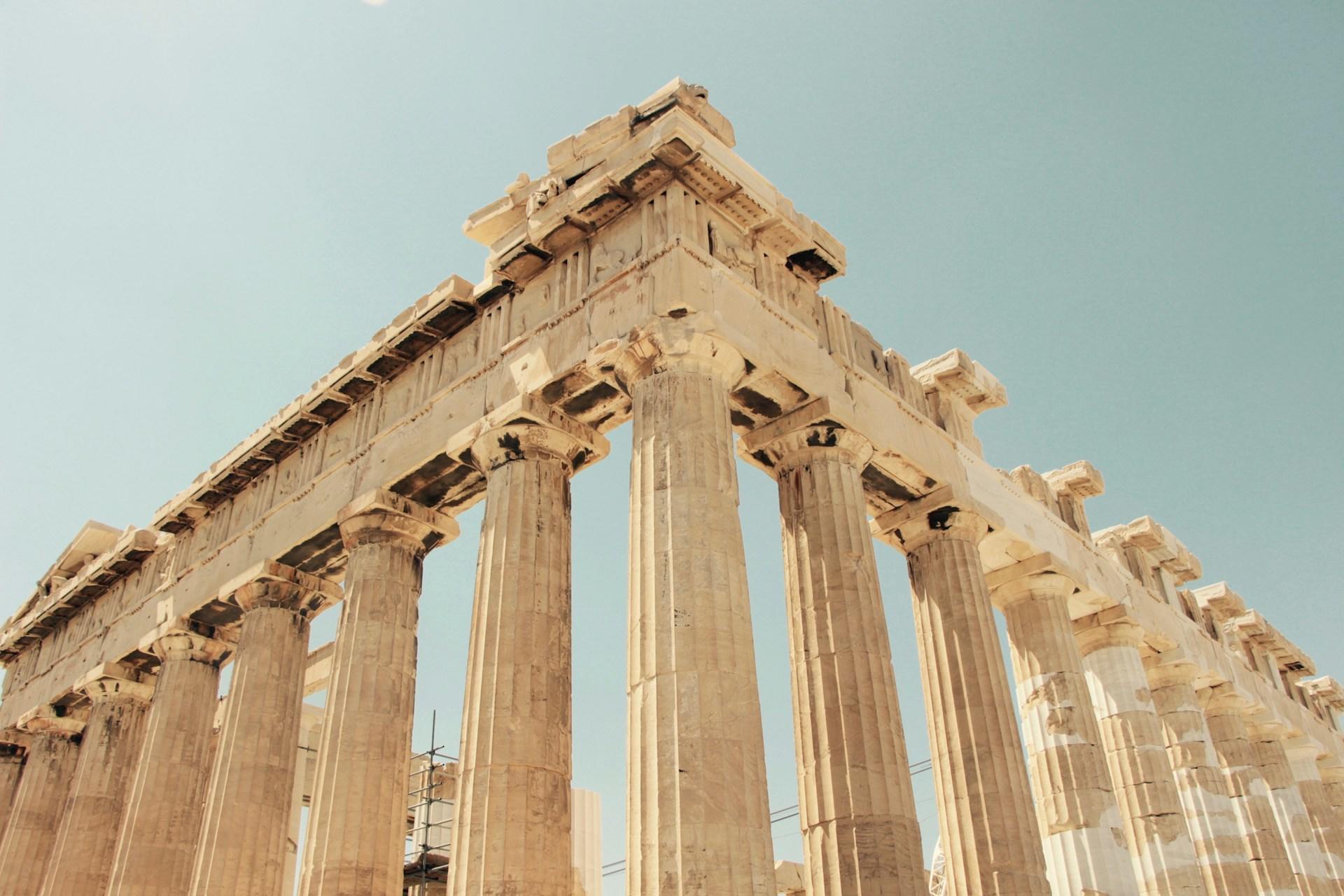
However, history is global and in China, there was the Qin Empire. The Americas were home to the Aztec, Mayan, and Incan people.
When studying ancient history, a lot of your work will include analysing sources. Due to the age of courses and the small number of sources that survive to this day, piecing together ancient history sometimes has to rely on sources that were written long after certain events took place. This comes with problems as it can affect the accuracy, include bias from the writer, and sometimes be completely fabricated.
The Battle of Marathon took place 50 years before the surviving accounts were created by the Greek historian Herodotus. Naturally, anyone studying ancient history would have to consider this when thinking about the Battle of Marathon.
between the Battle of Marathon and the historical record of it!
Ancient historians need to find accounts that are unbiased (or at least recognise that they're biased) and attempt to corroborate accounts with archeological evidence from the site of the battle in an attempt to find the truth.
While not easy, it's certainly a fascinating activity and a reason why so many people are drawn to ancient history. If it starts getting too difficult, however, you could always consider hiring a history tutor to help you out.
Medieval History (500-1500)
With modern history beginning in the 16th century, what goes between 500 and 1500?
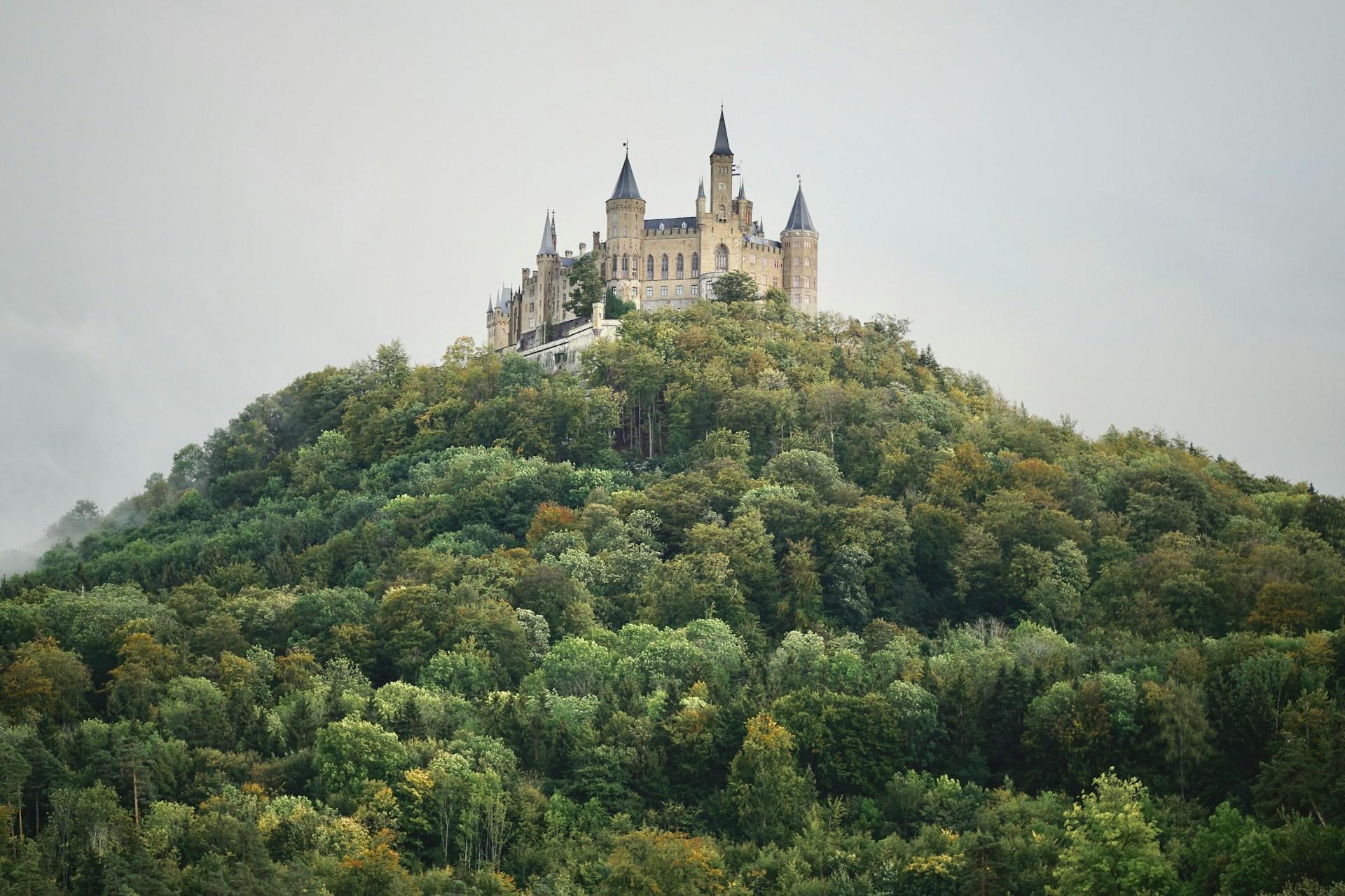
Medieval history, of course!
Medieval history or the Middle Ages spans a millennium. In European history, this period is between 500 and 1500, but the exact dates will differ on which part of the world you're studying.
A lot of things can happen in 1,000 years and the technological advances between the start and end of this period make it an incredibly interesting one to study.
Here are just some of the parts of Medieval History that fascinate historians.
Vikings raiding England and neighbouring nations.
10th century Viking North American exploration.
Japanese Feudal history.
Daimyo families from the 12th century.
Japanese unification.
The Holy Roman Empire and royal dynasties.
The Norman Conquest of England.
With so much history taking place all over the world, a Medieval history course would likely focus specifically on a certain place.
Modern History (1500CE - Present Day)
Last but not least, we have Modern History. While using the term "modern" for anything 500 years old is quite humorous, you'll quickly learn that historians aren't particularly great at naming things.
This period was principally marked by shifting ideologies, particularly in Europe. Huge social, political, religious, and economic shifts affected the continent.
It wasn't just the way that people thought in Europe that changed, though. War changed greatly, with technological tactics and global conflict claiming many lives.
The Renaissance and Enlightenment saw huge shifts in places like Italy and France, where people moved away from certain aspects of religious ideology, giving rise to systems of governance and thinking that we still consider modern and relevant today.
If you wish to work with a history tutor to improve your understanding of a topic, find out more about the price of working with Superprof tutors.
Some of the events that historians point to as the end of the Middle Ages:
- The Gutenberg Printing Press: This invention from 1439 and its widespread adoption drastically changed how information was produced and shared across the world.
- European exploration into the Americas. While Christopher Columbus was credited as "discovering" the Americas, he wasn't even the first European or person there.
The 500 years defined as modern history can also be split into early modern history and late modern history.
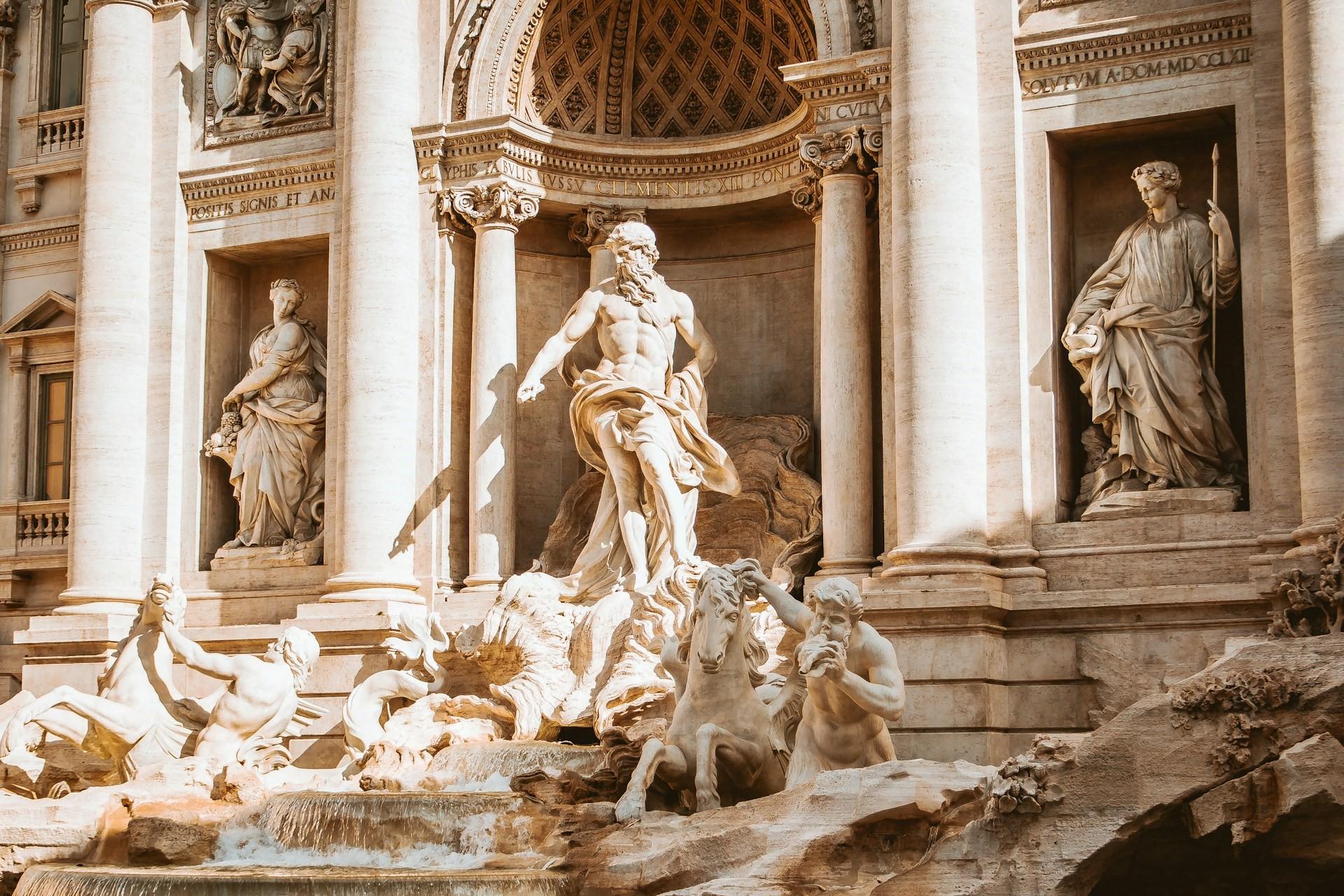
During Early Modern History, some key events include:
- The Renaissance
- European Colonialism
- The Age of Discovery
- Religious Reformation in Europe and the Counter-Reformation led by the Catholic Church
- Piracy and the East Indian Trading Company
- The development of sciences and political ideologies like capitalism
- Widespread use of slavery going into the late modern period
Late Modern History is the most recent period of history studied by historians and covers events such as:
- The French Revolution
- The American Revolution
- Australia's colonisation by and later independence from the British Empire
- The wave of European revolutions in 1848
- The 2 Russian Revolutions
- The First and Second World Wars, including the Holocaust
- The Space Race and the moon landing
- The Cold War and the Fall of the Berlin Wall
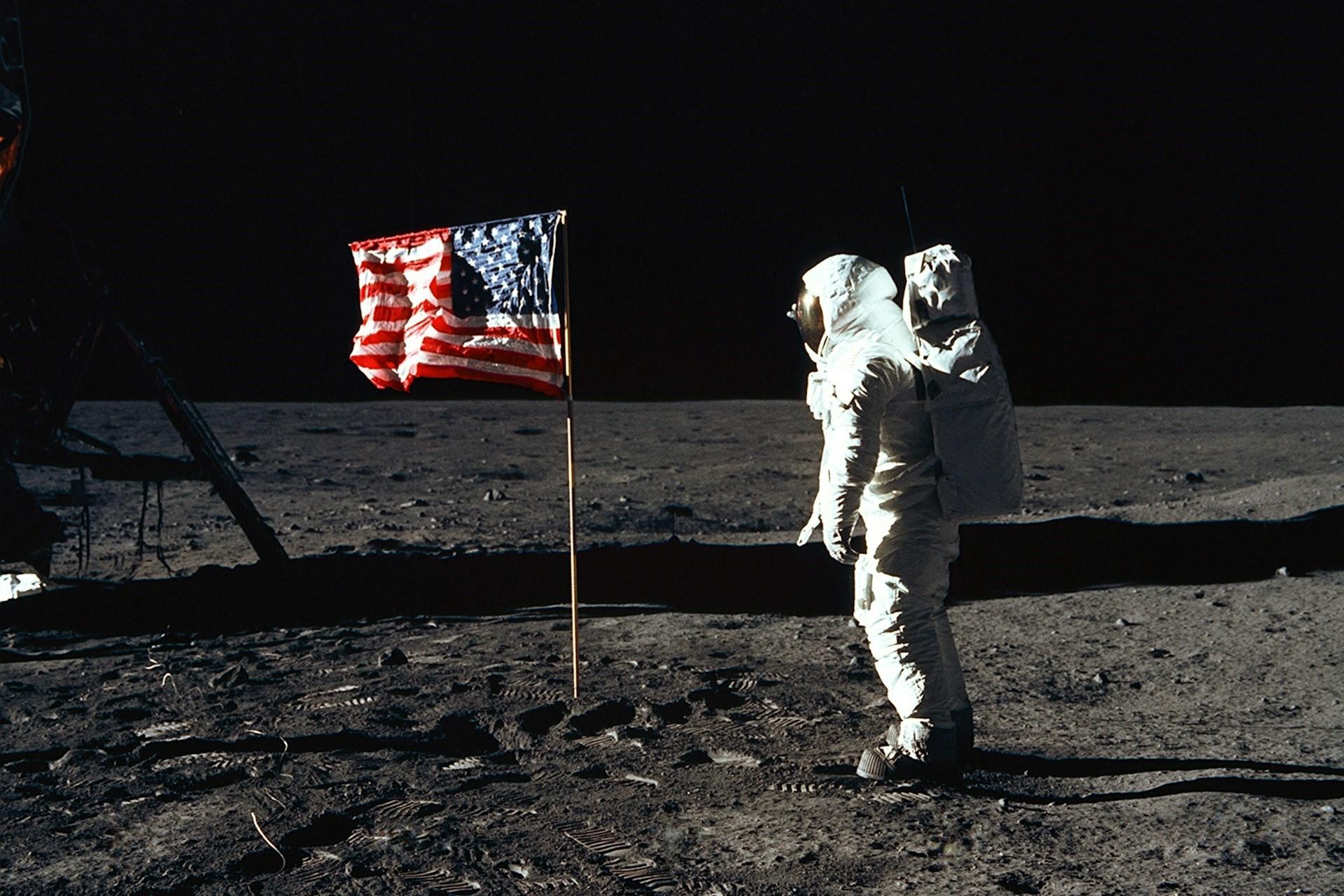
You could spend years studying just one of the minor topics mentioned in this article and still not have the complete picture of what happened.
Other Types of History to Study
While we've looked at history in terms of periods, you can also look at history in terms of specific areas of interest.
For example, you might want to look at history from a cultural, social, militaristic, environmental, or artistic perspective.
Every human endeavour has a history attached to it and there are as many different types of history as there are fields of study. If you have any interest in the past and how it shaped the present, you can study history.
Popular types of history for students to study at university can include art history, military history, intellectual history, the history of science, etc.
If your school or university isn't offering the type of history you want to study or you just need help studying history, look for a private tutor on the Superprof website.
There are tutors all over Australia and around the world specialising in almost every subject or skill you could think of.
Most offer the first session for free so you can try a few different tutors before choosing the one that's right for you and what you'd like to learn!
Discover online history courses on Superprof!
Summarise with AI:
Did you like this article? Leave a rating!


 Loading...