
Chinese weddings are full of rituals that symbolise prosperity, happiness, and harmony. High on that list is expressing gratitude, both to the couple's parents and to their wedding guests. Most of the steps to getting married happen behind the scenes, well before the wedding banquet. Here, you can learn about them all.
| Ritual | What it Means | When it Happens |
|---|---|---|
| Proposal (nà cǎi – 纳采) | The groom’s family formally proposes marriage to the bride’s family. | Early in the process (traditionally no fixed time; modern weddings often far in advance). |
| Birth matching (wèn míng – 问名) | Exchange of the couple’s birth details (八字) for compatibility divination. | After the proposal. |
| Auspicious confirmation (nà jí – 纳吉) | The bride’s family reports an auspicious sign confirming the match may proceed. | After birth matching and once compatibility is confirmed. |
| Betrothal gifts (nà zhēng – 纳征) | Formal betrothal gifts (聘礼) sent to seal the engagement. | Traditionally after 纳吉; modern practice 1–3 months before the wedding. |
| Selecting a wedding date (qǐng qī – 请期) | Requesting and confirming an auspicious wedding date. | After the betrothal is formally accepted. |
| The wedding / welcoming the bride (qīn yíng – 亲迎) | The groom personally fetches the bride and the ceremony begins. | On the wedding day. |
| Tea ceremony (jìng chá – 敬茶) | The couple serves tea to parents and elders as a sign of respect and unity. | On the wedding day. |
| Making the marital bed (ān chuáng – 安床) | Preparing and blessing the bridal bed for harmony and fertility. | A few days to one week before the wedding. |
| Hair-combing ritual (shàng tóu – 上头) | A coming-of-age blessing ritual for a harmonious marriage. | The night before (or the morning of) the wedding. |
| Fetching the bride (yíng qǔ – 迎娶) | The groom arrives to receive the bride, starting the day’s festivities. | Morning of the wedding day. |


Chinese Weddings From Ancient Times to Today
China is an ancient civilisation with more than 5,000 years of known history.
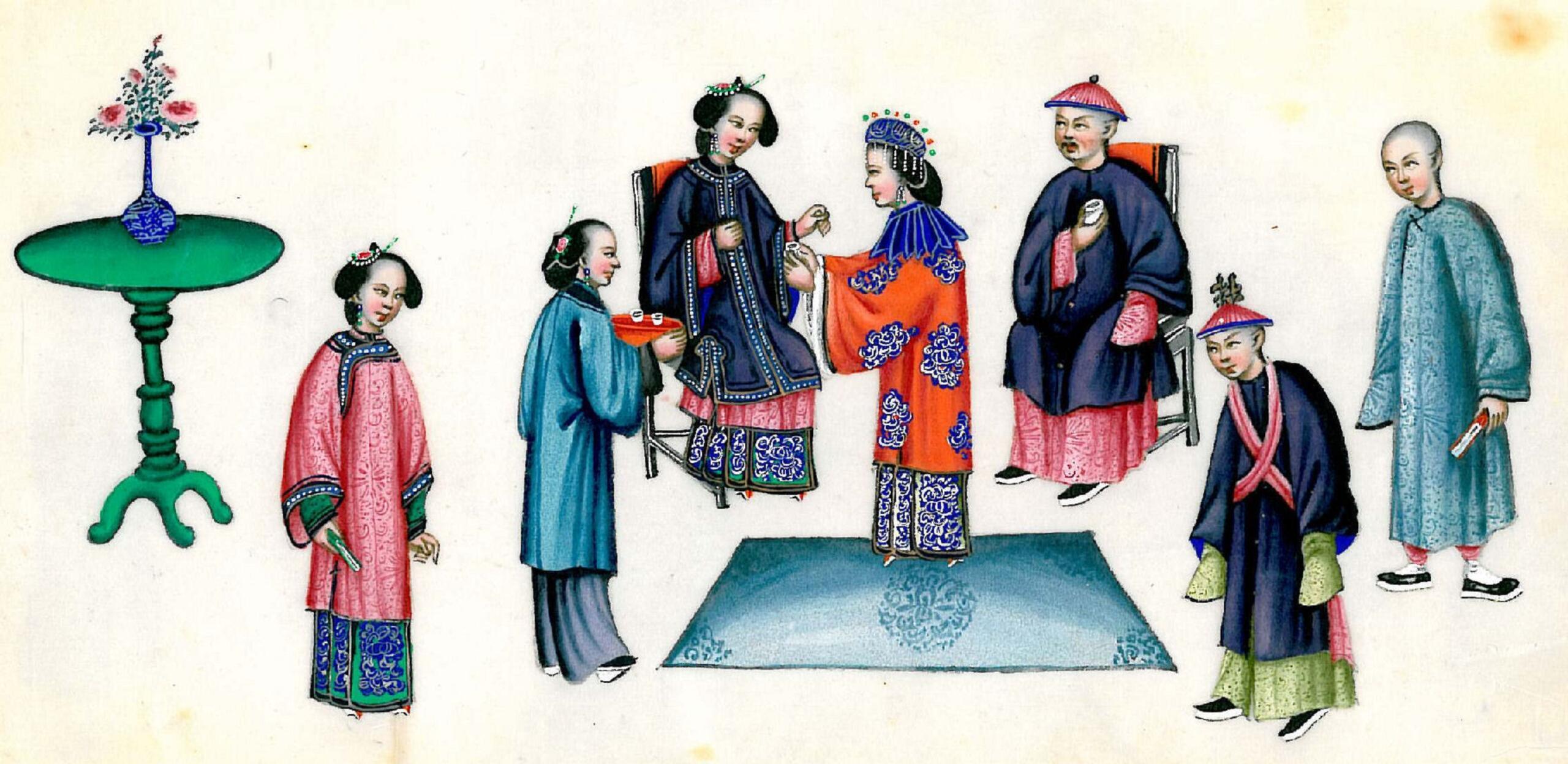
That statement contrasts sharply with the fact that China, as we know it today, is only 76 years old. Still, this is the country that gave the world paper, graphite (for pencils), the (block) printing press, and silk printing techniques.
In short, the people of the Middle Kingdom had many ways to record their deeds. Those relics, along with a rich oral tradition, are how we know so much about their ancient rituals. From them, we can piece together what Chinese weddings were like back then.
We can learn about Zhou Dynasty weddings, for instance. The style of dress was austere: black with flashes of red and yellow. It was during this period (1046 - 256 Before the Current Era (BCE)) that marriage laws established Six Etiquettes that remain the template of Chinese weddings today:
- proposal
- birthday matching
- betrothal gifts
- wedding gifts
- selecting a wedding date
- the wedding ceremony
The Tang Dynasty (618-907 of the Current Era (CE)) gave Chinese weddings more choices in fabrics and style. Bridal gowns were more opulent.
The Qing Dynasty (1644 - 1912 CE) arguably did the most to revolutionise clothing styles in China. People had been wearing Hanfu for millennia. When the Manchu people took the emperor's crown, banishing graceful, flowing hanfu was one of their earliest edicts.
The Hanfu traditional outfit, ruqun (rú qún - 襦裙) was a hip-length jacket with wide sleeves that tied on the right side over a long, flowing skirt. The Manchus' clothing style fit closer to the body.
During this period, the men began wearing changshan (cháng shān (长衫) and táng zhuāng (唐庄); the women called their garment qipao (qí páo - 旗袍) or cheongsam. To this day, those garments have a place in a traditional Chinese wedding.
Ancient poems, artwork, and documents most often recorded weddings of the rich and powerful. As was the case around the world, those unions were more about politics and economics than love. Seldom did anyone write about common people getting married.
From the lavish clothing and rituals described in those artefacts, we see that Chinese wedding customs remain remarkably consistent throughout the centuries.
Chinese Wedding Customs: What Happens Before the Wedding
In Western cultures, religion plays some role in weddings: either marriage in a church or couples marrying because of their shared spiritual beliefs. In China, Confucian thought underpins marriage concepts.
Filial piety ranks high among those ideas, meaning that children should honour and care for their parents. We see this principle at work throughout the marriage process.
The Six Etiquettes (liù lǐ - 六礼)
When a Chinese couple wishes to marry according to tradition, they will follow these steps.
The Tea Ceremony
This is another pre-wedding ritual, though it doesn't feature in the Six Etiquettes.
It involves the betrothed couple meeting with both sets of parents. The bride's father places his daughter's hand into the groom's, signalling his acceptance of losing his daughter.
The couple then kneels on 'tea pillows' before their parents to thank them for all they went through to raise them.
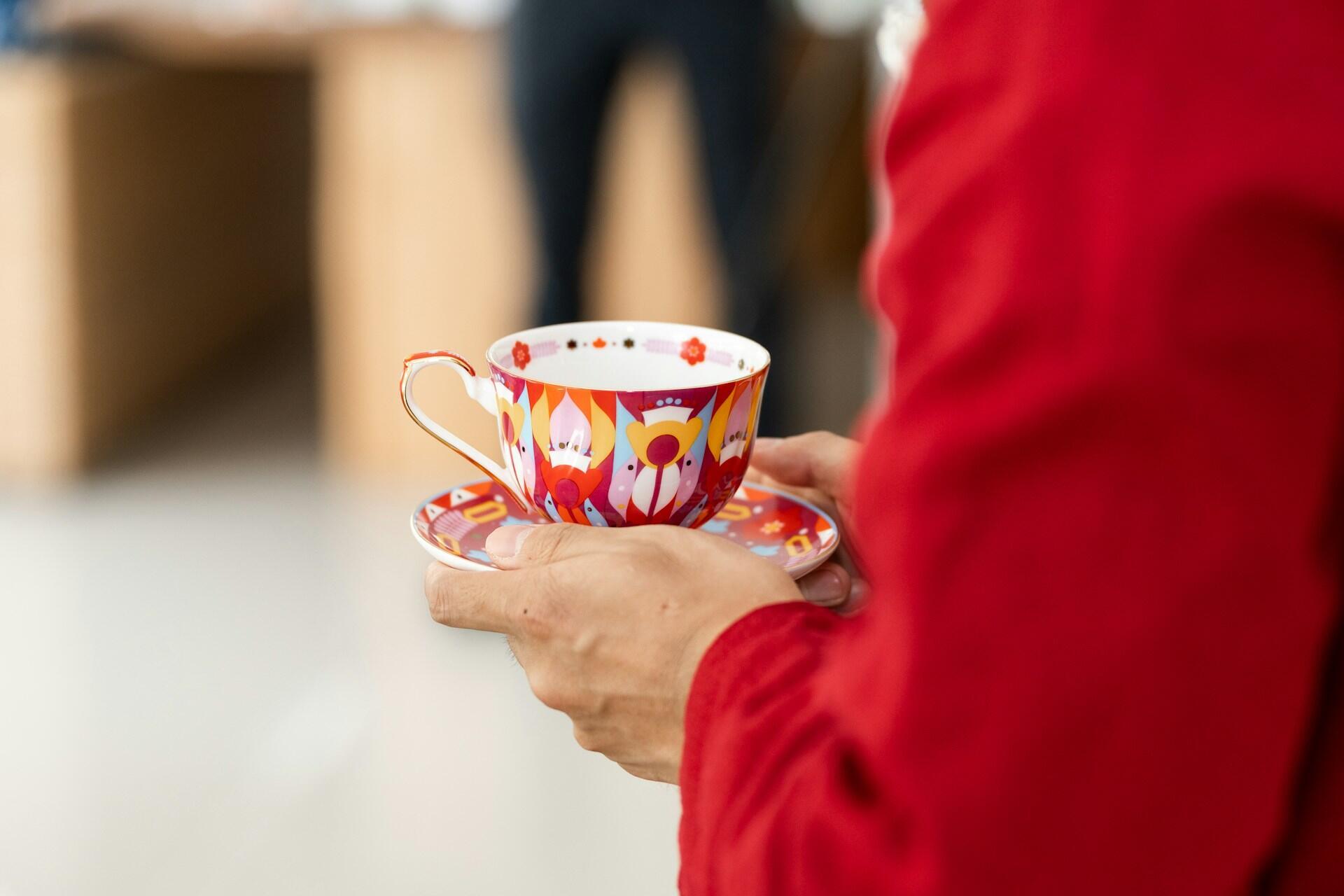
They further pledge to care for them and make sure they will have a comfortable life. The bride and groom take turns pouring tea for each parent: daughter for fathers and son for mothers.
The tea ceremony typically takes place about a month before the wedding, once everything has been decided. These Chinese marriage traditions exemplify both the culture's long history and Confucian philosophy.
Wedding Day: Chinese Marriage Customs
All that pre-wedding activity and ceremony! What happens on the day of the wedding, then?
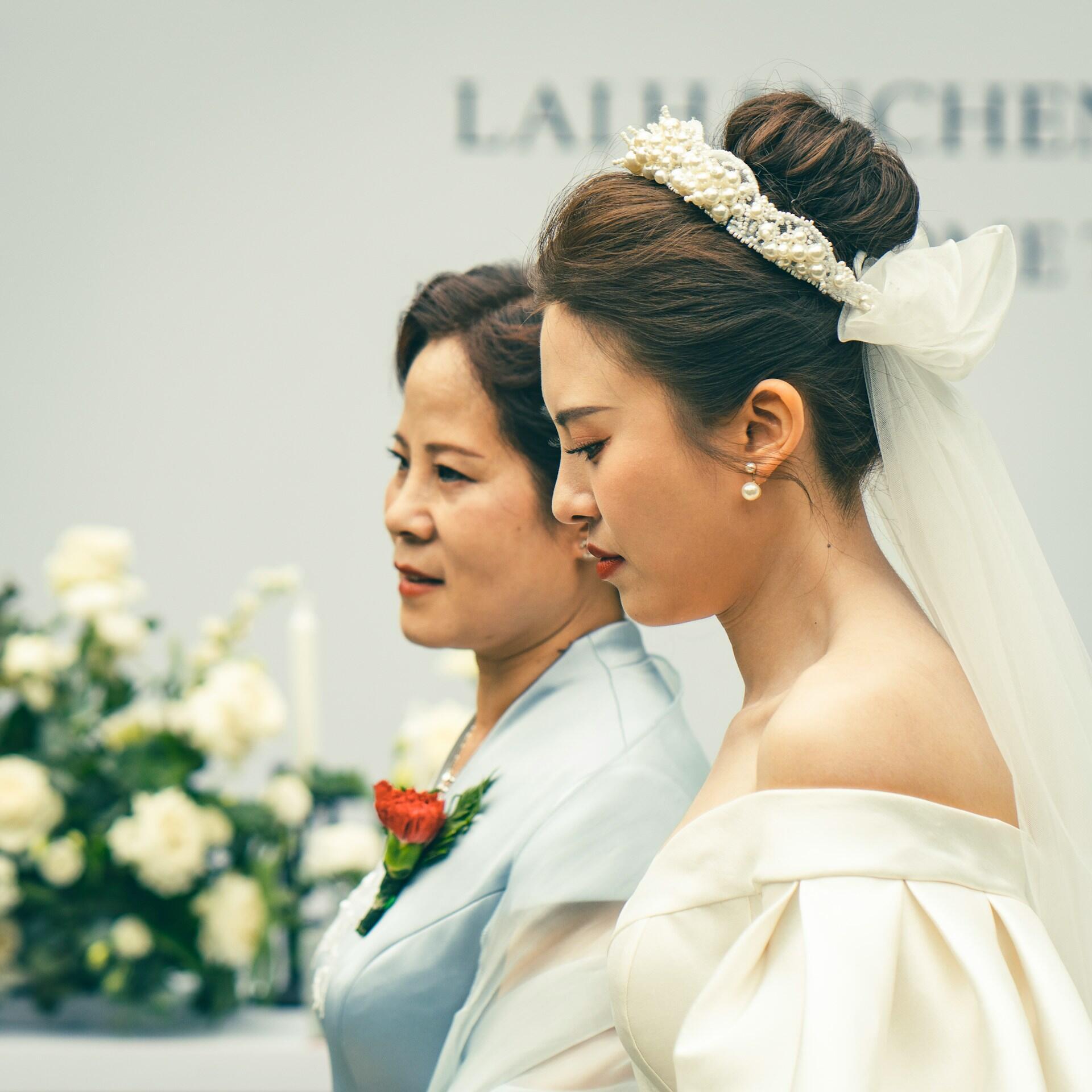
As mentioned above, wedding-day morning is a tender time for mother and bride. Mum will comb and style her daughter's hair. As she combs, she will deliver four blessings: for togetherness, marital harmony, a fruitful union (many children), and longevity.
Meanwhile, the groom and his groomsmen, all decked out, will make their way to the bride's home. It's time to fetch the bride, but they won't have an easy time of it.
They must first overcome the challenges the bridesmaids pose.
- "The bride isn't sure you're her husband; tell us something about her only you can know!"
- "Maybe you're not romantic enough; sing us a song (recite a poem)!" The groom must sing or recite.
- "The bride would love to marry you, but she can't find her shoe!" The men must find it.
- "The family said the bride price wasn't enough; you must pay more!" A fair amount of money changes hands.
Once all the challenges have been overcome, the groom scoops up his bride (literally!) and carries her out of her parents' house. The party makes its way to his home, lighting firecrackers and banging drums and gongs the whole way to ward off evil spirits.
This 'Bride's journey to Groom's home' is a key part of the traditional Chinese wedding. Only once it's complete will the couple make their way to the banquet hall.
Some Chinese ethnicities call for the bride to feign reluctance at getting married.
The procession is the ideal time for her to try to escape. The groom's party must chase her down (while being chased or blocked by the bridesmaids), and bring her back. It's all in fun, of course, and a great way to give parents the time they need to make it to the wedding hall.
As a guest entering that facility, you'll find a table discreetly set to the side with relatives from the bride's and groom's familes seated behind it. That's where you drop off your hongbao (hóng bāo - 红包), a red envelope full of money. The relatives will count your offering and enter the amount into a ledger.
People don't typically give wedding things; the hongbao is the gift.
It should contain some value of 8 — 80, 88, or 800 yuan. 888 yuan is ideal!
Next, you'll meet the couple's parents, greeting people at the door. Don't forget to congratulate them on their good fortune and thank them for inviting you! Other relatives (or members of the wedding party) will escort you to your seat.
The Wedding Ceremony
The mild irreverence continues as the wedding Master of Ceremonies (emcee) takes the stage. He will first invite the groom up; they exchange good-natured banter. Then, it's time for the bride to make her entrance. Clapping and appreciative noises are expected.
Chinese couples write their own vows.
The groom first pledges his devotion, then hands the microphone to his bride.
Before they exchange vows, the couple bow to their parents and drink in their honour. The emcee reclaims the mike after the vows, capping off the wedding with some final comments.
That's when the food begins appearing (parents and family are served first). Wedding attendees will feast on eight or nine dishes; both numbers are auspicious wedding symbols. Meanwhile, the bride and groom will change out of their Western wedding clothes and into their traditional Chinese wedding garb.
They will re-enter the banquet hall, making the rounds to thank the guests for coming to the wedding. The guests, in turn, will toast the couple three times: for a blissful marriage, for everlasting love, and for the quick arrival of an offspring.
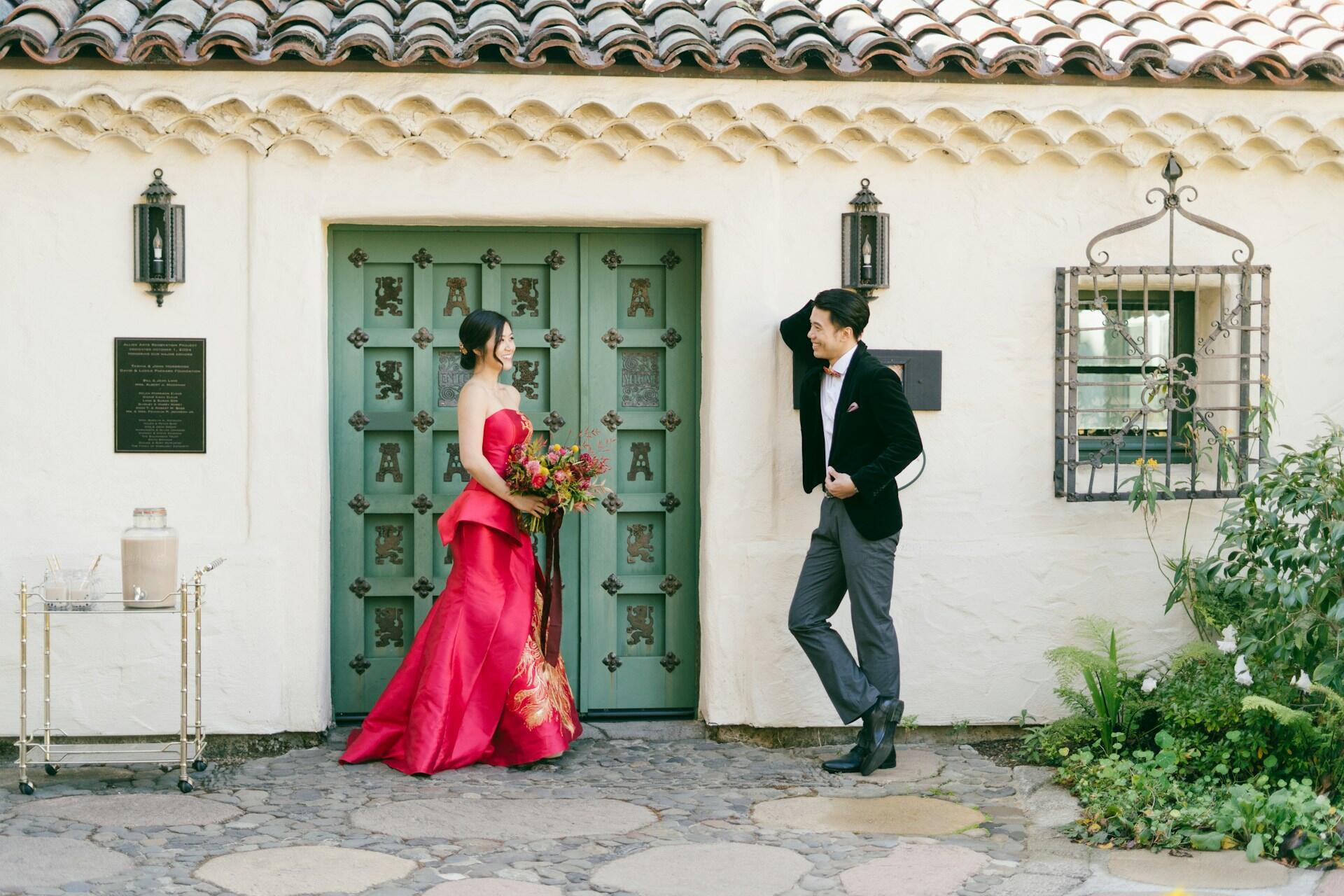
What Happens After a Traditional Chinese Wedding
All that and traditional Chinese wedding fanfare still isn't over!
Historically, once a daughter marries, she 'belongs' to her husband's family. This is true in Western and Eastern cultures. However, in China, she gets a final reprieve.
Three days after the wedding, the newlyweds return to the bride's family. After a tea ceremony to formally welcome the new son, the couple restates their gratitude and vows to cherish the parents. They also reaffirm unbreakable family bonds.
A whole, roasted suckling pig is among the gifts offered for this occasion. As tradition dictates, the animal's head and tail will be returned to the groom's family wrapped in red silk. This symbolises the complete unity of the two families.
Many modern Chinese couples do the three-day return ritual (sān zhāo huí mén - 三朝回门) the day of the wedding.
More specifically, they may plan their wedding's final ritual that way. However, after all the fanfare, excitement, and activity, the families and newlyweds may simply be too exhausted.
Summarise with AI:
Did you like this article? Leave a rating!

 Loading...