
The Championships (colloquially referred to as “Wimbledon”) is the world's most prestigious tennis tournament. It's held at the All England Lawn Tennis and Croquet Club in London (often also called Wimbledon).⁶ Here's what you need to know about it.
Key Takeaways
- Wimbledon is the oldest tennis tournament in the world, first held in 1877 and now one of the four Grand Slam events.⁶
- Tickets are available through a public ballot, the Queue for same-day entry, and an official resale system.²
- Matches follow a knockout format, with men’s singles played over five sets and women’s singles over three.⁶
- Grass courts, the all-white dress code, and traditions like strawberries and cream set Wimbledon apart from other tournaments.
- Planning your visit in advance helps you make the most of both the matches and the wider experience at the Championships.


The Origins and Evolution of Wimbledon
Lawn tennis will never rank among our great games.
Spencer Gore, Wimbledon's first champion tennis player
Wimbledon started in 1877. The All England Lawn Tennis and Croquet Club hosted the first Championships. This is the oldest tennis tournament in the world.⁶ It was a single-event competition for gentlemen, but has since evolved into one of the four Grand Slam tournaments.
1877
The First Championships
The first Wimbledon tournament is held by the All England Lawn Tennis and Croquet Club, featuring only the Gentlemen's Singles event.
1884
Expansion of Events
Ladies' Singles and Gentlemen's Doubles are introduced, broadening the competition beyond its original format.
1922
Move to Church Road
Wimbledon relocates to its current site, allowing for larger crowds and future growth.
1968
Start of the Open Era
Professional players are allowed to compete alongside amateurs, altering the sport's structure.
2009
Centre Court Roof Introduced
A retractable roof is added to Centre Court, reducing weather disruptions and ensuring continuous play.
Inception and Early Years
- 1877 launch: First Championships held by the All England Lawn Tennis and Croquet Club
- Single event format: Initially limited to Gentlemen’s Singles
- Grass courts: Established the surface that still defines Wimbledon today
- Growing interest: Early popularity helped position Wimbledon as England’s leading tennis event
Expansion and Modernisation
- New events added: Introduction of Ladies’ Singles, Doubles, and Mixed Doubles
- 1922 relocation: Move to Church Road enabled larger crowds and improved facilities
- Open Era (1968): Professional players allowed to compete
- Modern upgrades: Retractable roofs and improved scheduling enhance reliability
Traditions and Unique Aspects of Wimbledon
Wimbledon is different from the other Grand Slam tournaments. For one, it has several traditions and unique aspects that affect everything from the tennis to the broader event. From the playing surface to the atmosphere, Wimbledon is special.
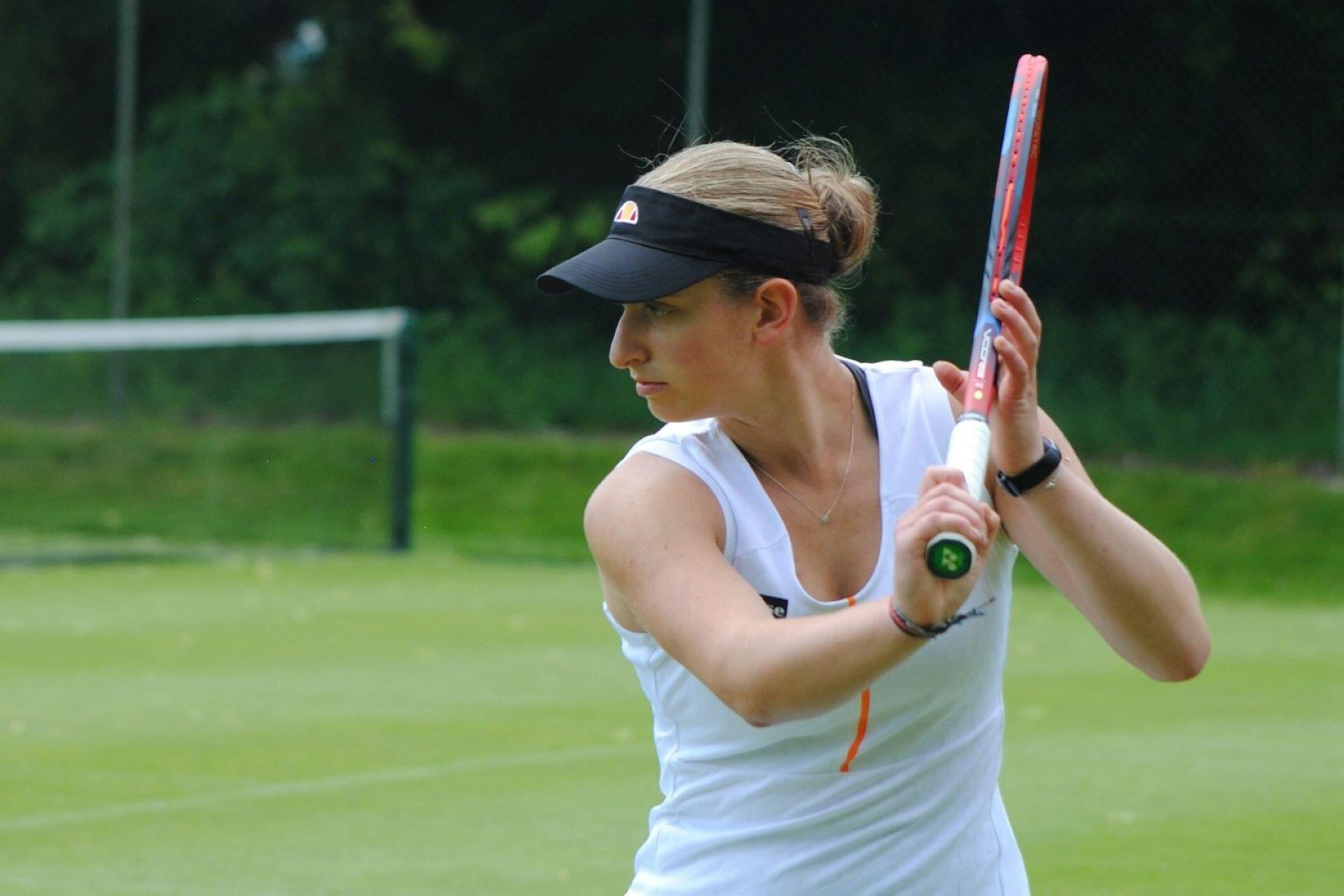
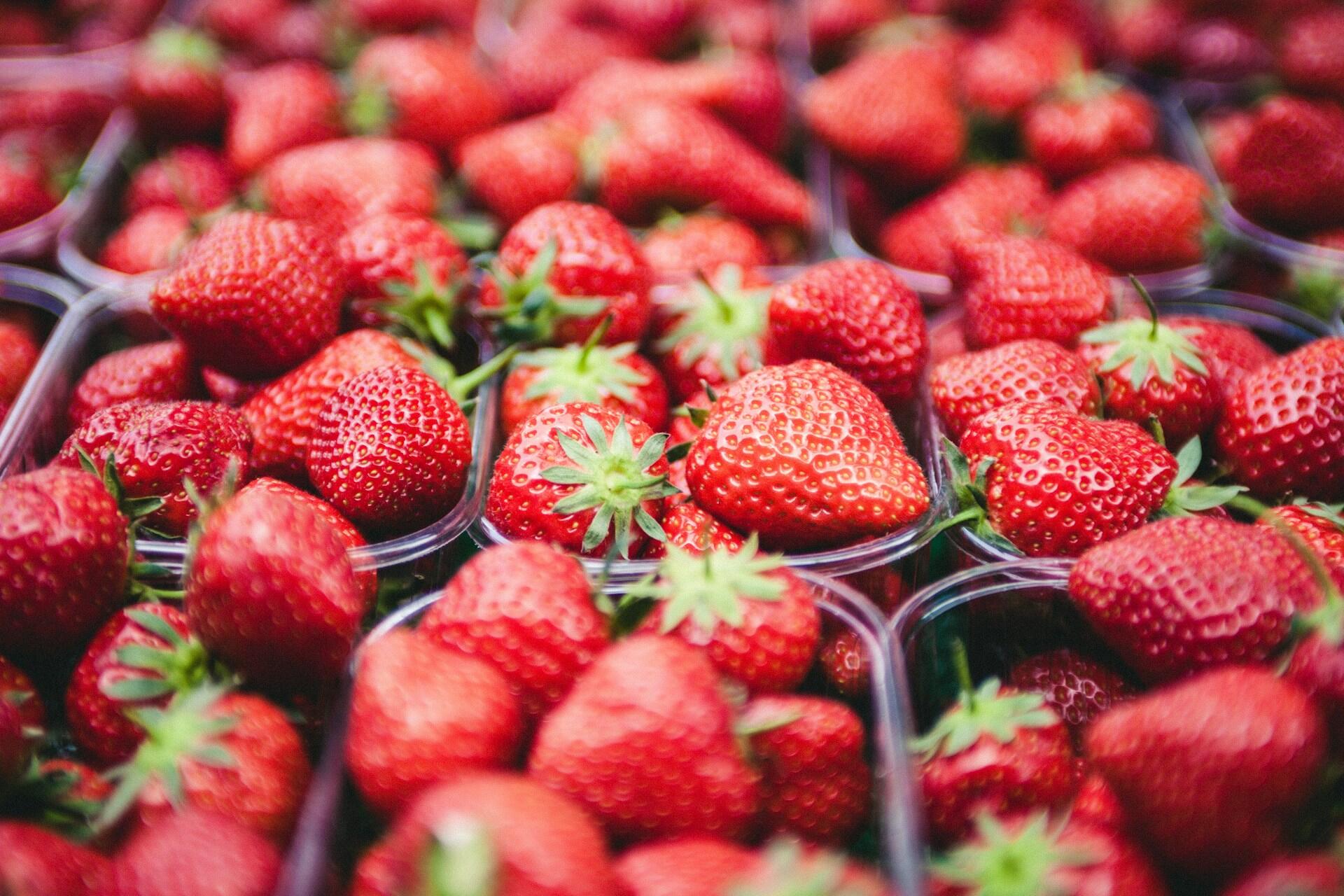
Wimbledon is known for its strict all-white dress code, regular royal attendance, and the tradition of serving strawberries and cream to spectators. These elements help define the tournament’s identity and set it apart from other Grand Slam events.
The Grass Courts
Wimbledon is the only Grand Slam played on natural grass, which creates a faster game with a lower bounce than clay or hard courts. This surface rewards strong serving and quick points, making matches feel noticeably different from other tournaments.
The All-White Dress Code
Royal Patronage and Presence
Strawberries and Cream
Tournament Structure and Key Components
Wimbledon's competition format is the same as the other Grand Slams. Matches are organised using a seeded draw, and entry is limited to players who meet specific qualification criteria.⁶ When the competition begins, there are plenty of matches. Then it starts to build up momentum as players progress to the later rounds and the prize money increases.
Wimbledon Draw and Match Formats
Men’s singles
Best of five sets, requiring three sets to win
Women’s singles
Best of three sets, requiring two sets to win
How Do You Qualify for Wimbledon?
Wimbledon Middle Sunday Explained
Trophies and Prize Money
The prize money at Wimbledon is in line with the level of competition and the event's prestige. The titles themselves are important, and the prize money has increased as the tournament's popularity has grown. High-performing tennis players can earn substantial prize money from the Championships and other Grand Slam events, including the Australian players at the tournament.
Wimbledon Trophies: Gentlemen’s Singles and Venus Rosewater Dish
Wimbledon Prize Money Breakdown
The official 2026 breakdown has not been released yet by the Championships, but the payouts are expected to be close to the 2025 Wimbledon Prize money.
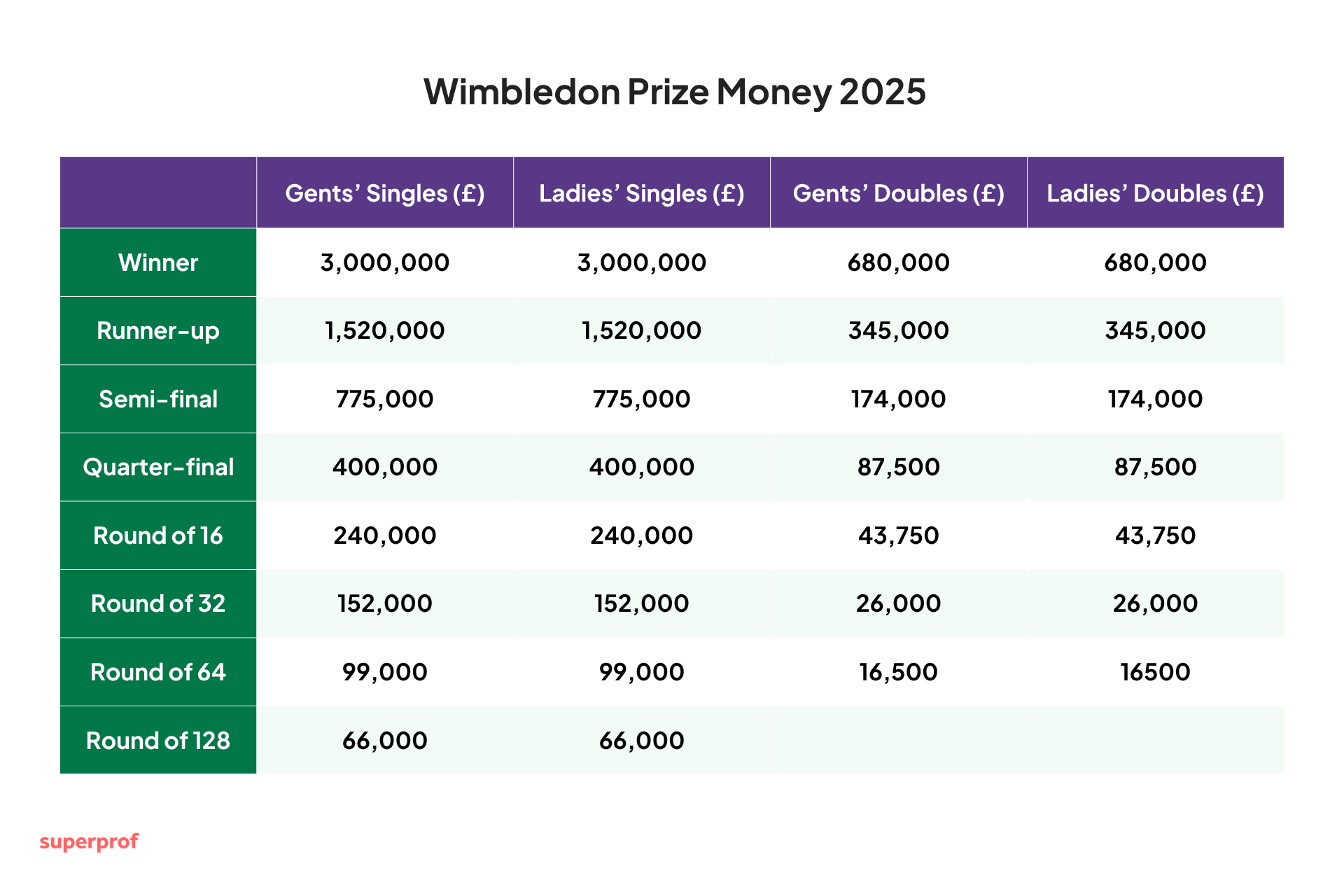
Among the four Grand Slams, Wimbledon was the final tournament to award equal prize money to men and women, after the US Open (1973), Australian Open (2001), and French Open (2006).
Notable Records and Champions
Wimbledon has produced some great tennis champions. However, some great tennis players have dominated the tournament. These kinds of dominance aren't just great for the players; they help etch moments of the game into Wimbledon's history.⁶
Men’s Singles Record Holders
viewers on BBC platforms.
Women’s Singles Record Holders
| Category | Player | Titles |
|---|---|---|
| Men's Singles | Roger Federer | 8 |
| Women's Singles | Martina Navratilova | 9 |
Attending Wimbledon 2026: Tickets, Queue, and Entry
Wimbledon is a unique sporting experience. Part of the experience is just getting your hands on tickets. The Championships use a combination of advance ballots, on-the-day sales, and official resale systems, meaning you have multiple ways to access the grounds.⁵ If you want to attend Wimbledon 2026, you have to plan ahead if you want seats on Centre Court or other show courts.¹
Wimbledon offers three main ways to get tickets: the public ballot for advance booking, the Queue for same-day entry, and the official resale system for returned show court tickets. Each option has different availability and pricing, so planning ahead improves your chances of getting onto Centre Court or other major courts.
How Much Are Wimbledon Tickets?
Wimbledon is a top tennis competition, and the ticket prices reflect this. The prices will depend on the court, the tournament stage, and how you purchase them. Ground passes give you access to outer courts, and the atmosphere offers the most affordable option. Centre Court tickets for later rounds are the most expensive.¹
Grounds Passes
Around £20–£30 in the early days of the Championships
Show Courts (early rounds)
Roughly £50–£150, depending on court and day
Centre Court (final stages)
Several hundred pounds, with finals tickets reaching the highest prices
How to Get Wimbledon Tickets: Ballot, Queue, and Resale
What Is the Wimbledon Queue and How Does It Work?
The Wimbledon Queue is a long-standing tradition (pun intended). It allows fans to buy tickets on the day without booking in advance.² Every morning, a limited number of show court tickets and grounds passes are sold. People are given a numbered queue card that determines their position and how likely they are to get a ticket.³ Ground passes are more available.²
spectators attended Wimbledon across the two-week Championships.
What Can You Bring to Wimbledon?
Wimbledon has clear rules on what you can bring to ensure the venue is safe. Reasonable amounts of food and drink are allowed, so you can spend the day without having to rely entirely on on-site catering.² That said, the amounts are restricted and monitored, so check the official sources for exact amounts.
Food and Drink Rules at Wimbledon
Bag Policy and Entry Restrictions
Bags brought into Wimbledon will be checked by security. There's a limit on the size of bags, bulky equipment, and certain items that would obstruct walkways and viewing areas may be refused.² The best option is to bring a small, easy-to-carry bag, and you'll get through security more quickly.
Planning Your Day at Wimbledon
Spending a day at Wimbledon? There are plenty of ways to make the most of your time there. It isn't just about the tennis, either.
What to Expect on a Match Day
Best Areas Around the Grounds (Centre Court, Henman Hill)
References
- All England Lawn Tennis and Croquet Club. “Ticket Prices.” Wimbledon, https://www.wimbledon.com/en_GB/atoz/ticket_prices.html Accessed 29 Apr. 2026.
- All England Lawn Tennis and Croquet Club. “Tickets and How to Buy.” Wimbledon, https://www.wimbledon.com/en_GB/tickets/index.html Accessed 29 Apr. 2026.
- All England Lawn Tennis and Croquet Club. “Queuing for Tickets.” Wimbledon, https://www.wimbledon.com/en_GB/atoz/queueing.html Accessed 29 Apr. 2026.
- All England Lawn Tennis and Croquet Club. “Ticket Resale Kiosk.” Wimbledon, https://www.wimbledon.com/en_GB/atoz/ticket_resale_kiosk.html Accessed 29 Apr. 2026.
- All England Lawn Tennis and Croquet Club. “How Can I Purchase Tickets for The Championships?” Wimbledon Help Centre, https://help.wimbledon.com/hc/en-gb/articles/15474175030300-How-can-I-purchase-tickets-for-The-Championships Accessed 29 Apr. 2026.
- Association of Tennis Professionals. “Wimbledon Overview.” ATP Tour, https://www.atptour.com/en/tournaments/wimbledon/540/overview Accessed 29 Apr. 2026.
Summarise with AI:
Did you like this article? Leave a rating!

 Loading...