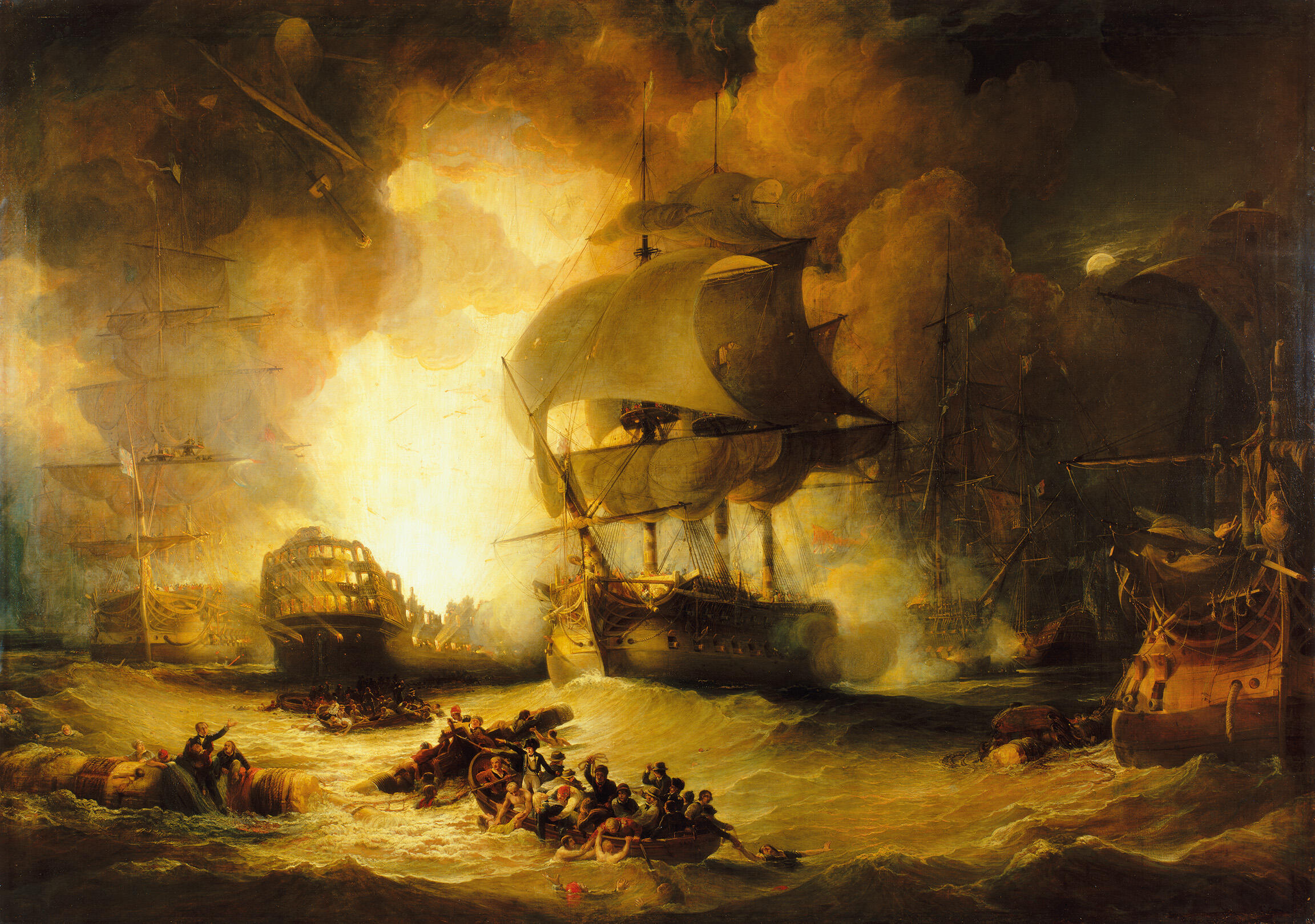

Flags are more important than the cloth or material they're made of. Within them, meaning is encoded, and this meaning often includes ideas of identity, belonging, history, and even a message. In Australia, the country's national flag is the most recognised. Still, it's merely one of many flags used in the country. With the Indigenous Australian Flags, the Eureka flag, the Red Ensign, and the Australian state flags, there are a lot of flags that make up the country's vexillogical narrative. Let's explore them!


The History of Australian Flags
The history of Australian flags starts with Britain's colonial presence during the late 18th and early 19th centuries. The earliest British settlements flew the Union Jack (technically the Union Flag), a reminder that the continent was under the dominion of the British Empire.
By the mid-19th century, as colonies gained more autonomy, they were required by the British to use their own flags. The states and territories had to use Blue Ensigns defaced with a badge, which is still used today.
When the six colonies federated in 1901, the new Commonwealth of Australia held a national flag competition. The winning design was very similar to the national flag we know today: a Union Jack in the corner, the Southern Cross constellation, and the Commonwealth Star. The only difference between the original and today's flag is that the Commonwealth star gained an extra point, going from a six-point star to a seven-point star.
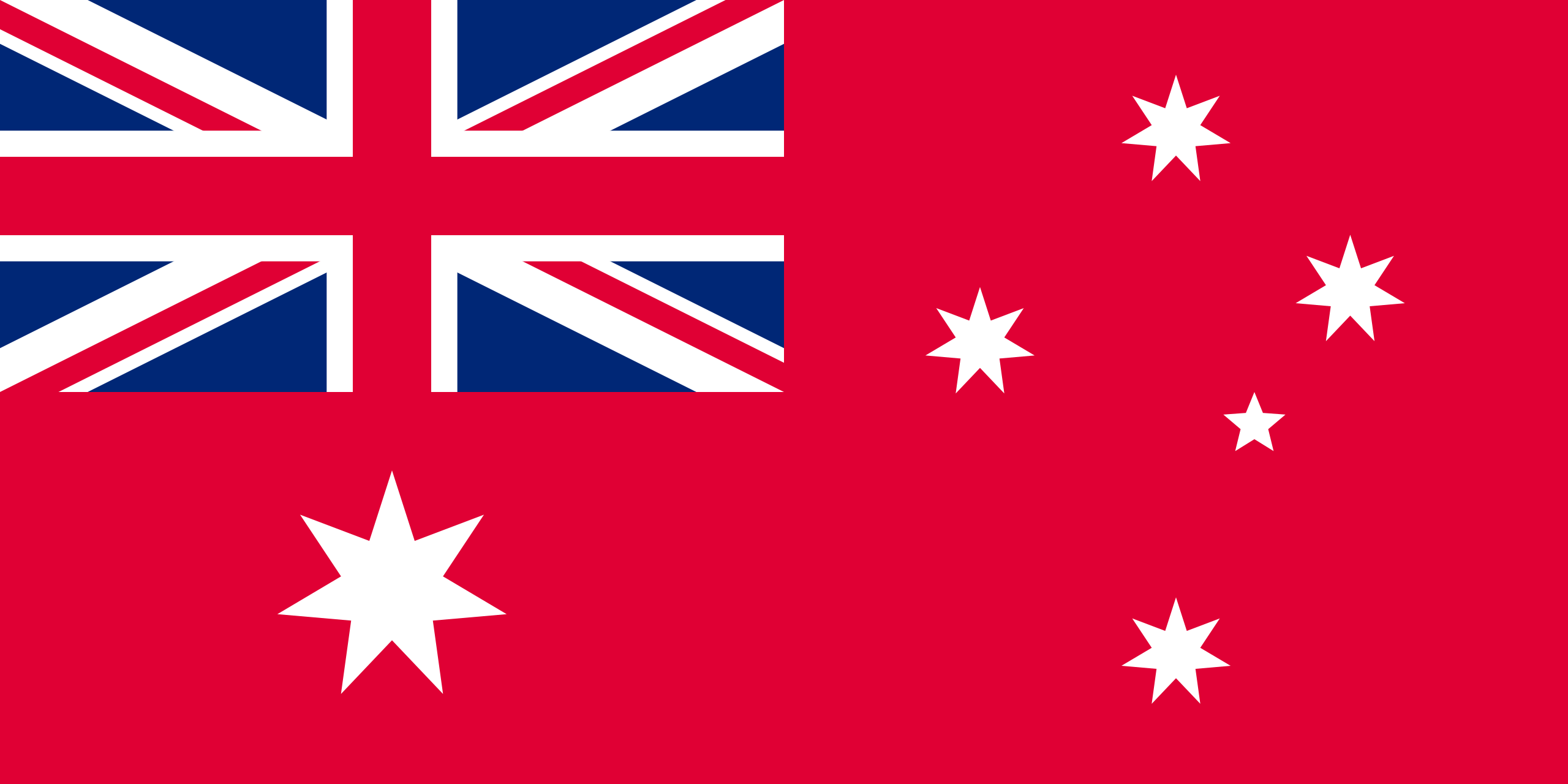
At the time, there was both the Blue Ensign (the one we know as the national flag) and the Red Ensign, which was identical except that it had a red field (background). In fact, the Red Ensign was more commonly used as the national flag, as the blue was reserved for government, and since the red version was flown by merchant ships and more readily available, civilians more closely associated the Red Ensign with the country.
The Blue Ensign became the sole national flag of Australia following the Flags Act 1953. However, by this time, other flags had also gained limited use, like the Eureka flag, which was flown in 1854 during the Ballarat goldfields. A flag with its own fascinating history and uses.
The State flags of Australia were adopted between 1876 and 1953. In 1995, the Aboriginal and Torres Strait Islander flags were recognised and given their own special status. The vexillogical landscape in Australia hence became as varied and diverse as the country itself.
Vexillogical Glossary
The National Flag of Australia
The national flag of Australia is a Blue Ensign. It has three key design features: the Union Jack in the canton (the corner), the Commonwealth Star beneath it, and the Southern Cross in the fly (the part of the flag away from the hoist).
The Union Jack represents the country's historical ties to Britain. The large white Commonwealth Star represents the six states and the territories. It was initially a six-pointed star (representing the states), but another point was added to include the territories. The five stars of the Southern Cross constellation represent Australia's position in the southern hemisphere.
A symbol of the Southern Hemisphere, the Southern Cross (also known as Crux) is featured on the flags of Australia, Brazil, New Zealand, Papua New Guinea, and Samoa.
The flag is a combination of heraldic and historical elements and local identity. The dark blue field offers clarity and contrast. The canton gives prominence to the country's imperial heritage. The other elements clearly establish Australia with its own identity. The 1:2 ratio of the flag also means that it's long and visually distinct when flown.
Indigenous Australian Flags
Australia also officially recognises two Indigenous Australian flags: the Aboriginal Flag and the Torres Strait Islander Flag. These two flags feature simple bold designs to communicate identity and meaning. They were recognised in the 1990s, though the Aboriginal Flag had been used in other contexts for decades.
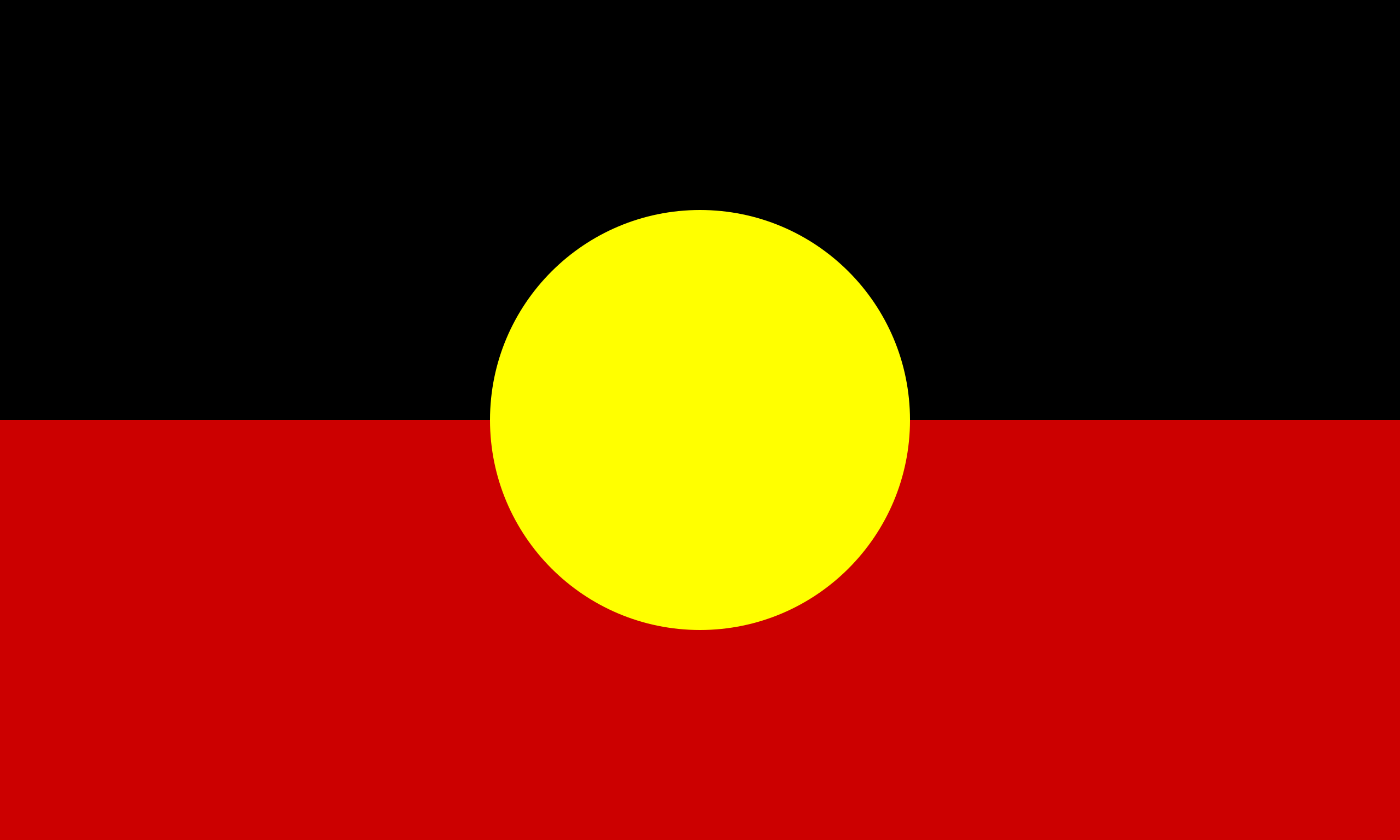
The Aboriginal Flag is divided into two equal halves. Black at the top and red on the bottom. In the middle is a yellow disc. Black represents Aboriginal people, red the earth and a spiritual connection to the land, and yellow represents the sun, which gives life. Geometric and balanced, it's a recognisable Indigenous symbol around the world.
The Torres Strait Islander flag is both more complex and newer. It features three horizontal bands, green at the top and bottom, with a central blue field. The colours are divided by thin black stripes that represent Torres Strait Islander people. A white dhari (traditional headdress) is in the centre of the flag with a white five-pointed star beneath it. Green represents land, blue the sea, and the star represents navigation. Its five points represent the main island groups.
The Eureka Flag
The Eureka flag features a rich Prussian blue field. A bold white cross has white eight-pointed stars on each arm and in the centre. This represents the Southern Cross constellation, though their relative positions are shifted to fit within the cross.
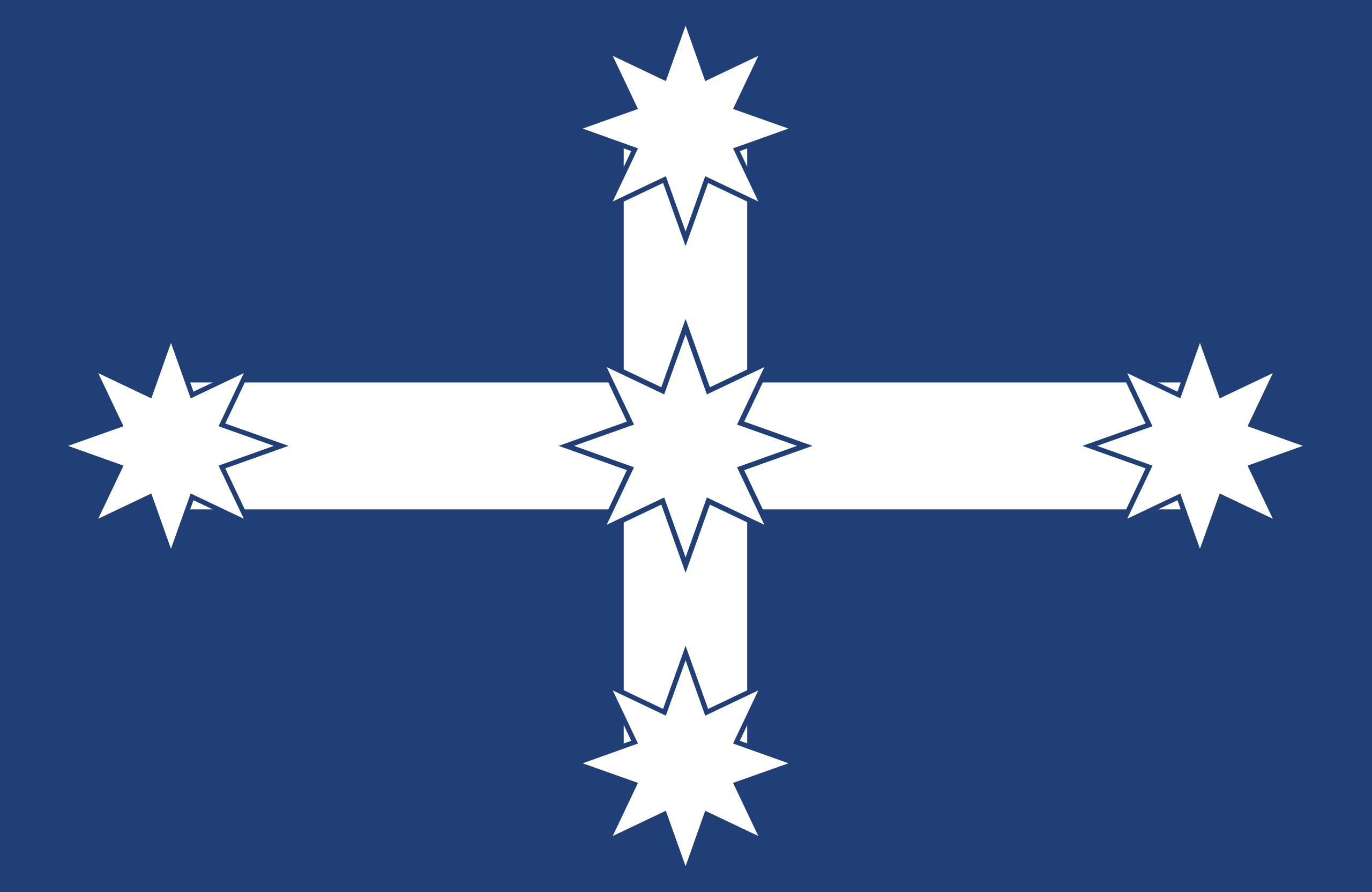
This is a minimal yet powerful flag. The broad white cross is a dominant structural device, and unlike the national flag, the stars do not float freely on the field. Instead, they're bound to it, which represents unity and solidarity. The eight-pointed stars stand out from the seven- and five-pointed stars on the national flag.
The Red Ensign and Maritime Flags
Australia inherited multiple Ensigns from the British system. The Australian Red Ensign is essentially the National Flag, but with a red field. The colour change is because it's for merchant shipping. The Red Ensign was the legal maritime flag of Australian merchant vessels from 1901 until the mid-20th century.
Australia has other ensigns in its flag family. The White Ensign is flown by the Royal Australian Navy, with the stars in blue. The RAAF Ensign has a light blue field (for the sky) and the Air Force roundel. These ensigns all follow the same design, but the colours of the field and other elements are changed for visibility.
Australian State Flags
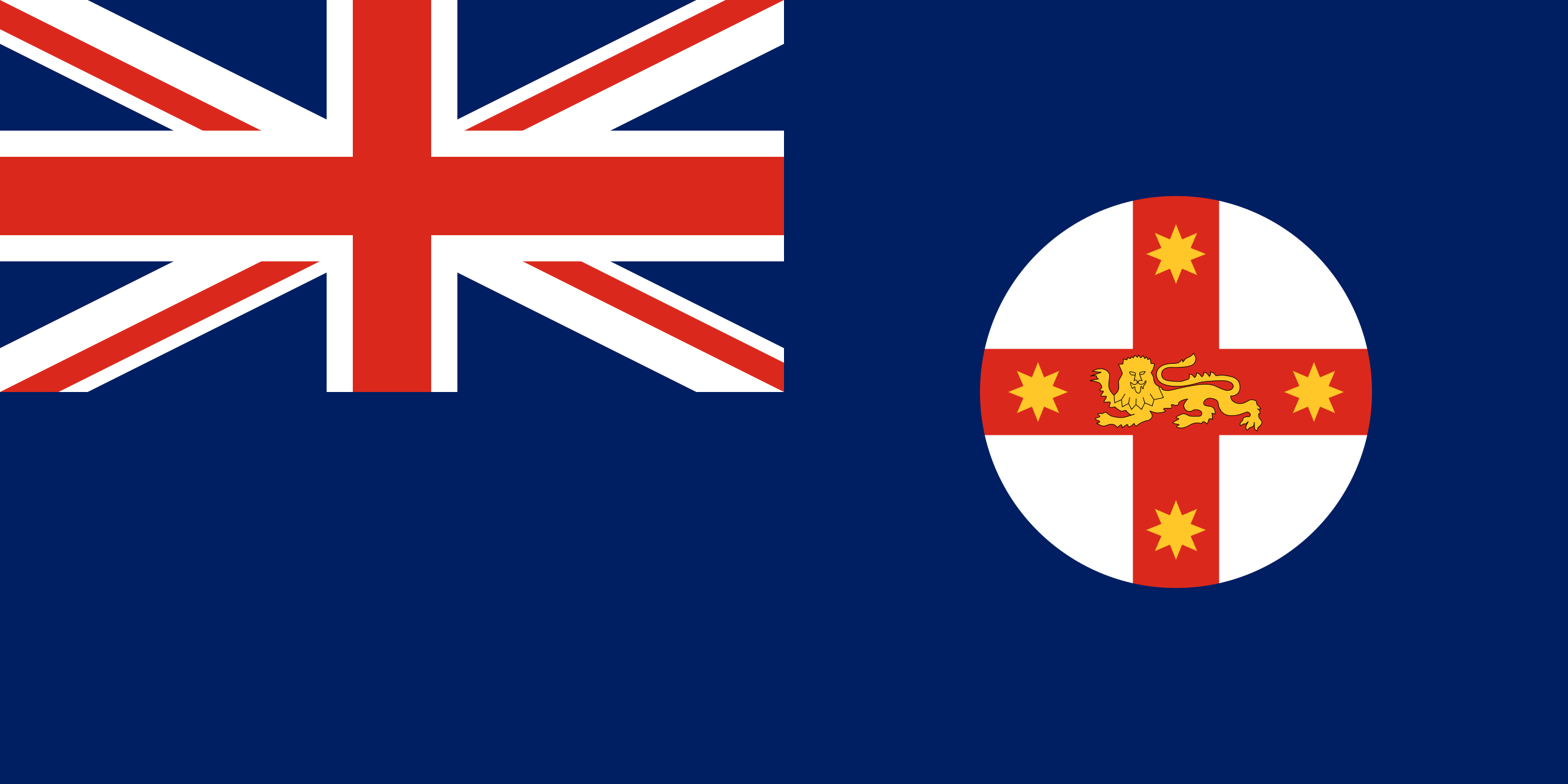
The Australian State flags are all a Blue Ensign defaced with a unique badge in the fly. This framework was imposed by British authorities and gives the state flags all a similar and Australian identity (resembling closely the national flag), while allowing them to add their own local elements.
The Role of Flags in Australian Identity
As with any flag, the different Australian flags create a layered visual language of identity. The national flag of Australia represents the federal unity of the country, which historically appeared to exclude the peoples present in Australia before the British Empire. The Indigenous flags affirm cultural pride and visibility while also being regularly used in protest by these groups.
The Eureka flag was initially used as a symbol of protest by immigrants and labour unions, but has recently been adopted by various groups. Similarly, the Red Ensign has found its use and context almost completely subverted.
The Australian state flags feature regional identity with a clear national identity, and this collective and cohesive design approach, following the ensign template, makes them all recognisably Australian.
Flags are powerful because they condense complex histories and identities into often geometric and straightforward designs. Naturally, there's nuance beyond their meaning that can't be interpreted just by looking at them; you have to know their histories. Similarly, the context within which a flag is flown can drastically change its meaning, too, which is why we think they're so darn fascinating.
Summarise with AI:
Did you like this article? Leave a rating!

 Loading...