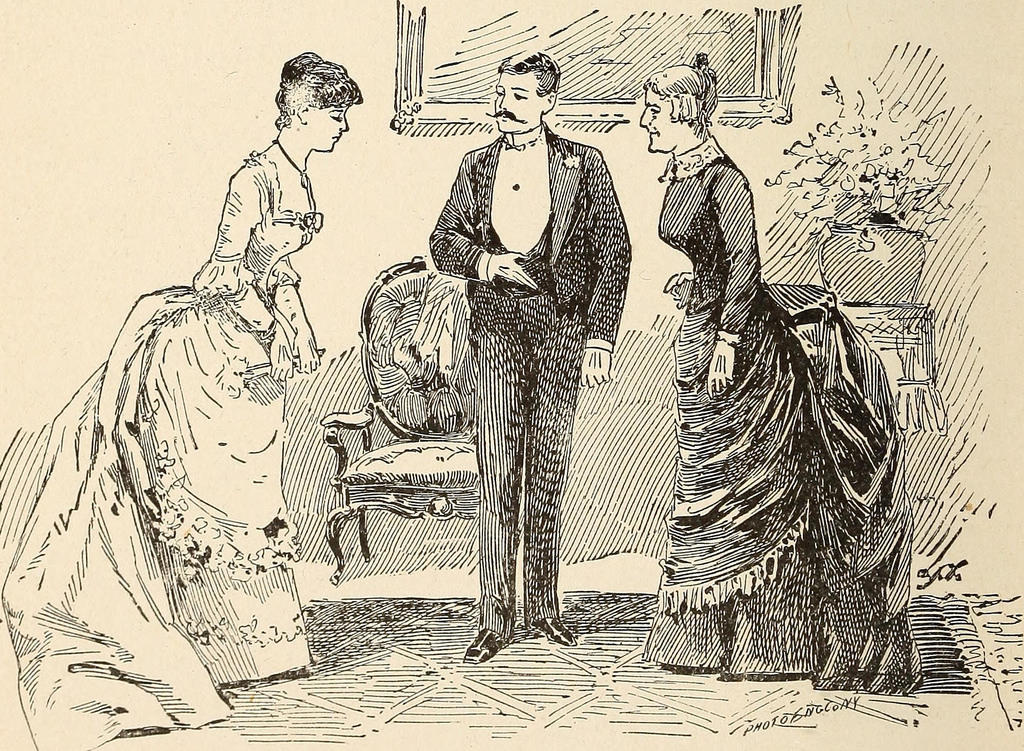

When travelling abroad, it’s easy to find yourself clueless in the face of different customs, living in fear of maiking one faux pas after another. While some of them are in the guidebooks, there are also a lot of unwritten rules when interacting with strangers. So you don’t look the philistine or stumble over cultural differences, here are some of the social norms you will encounter in France - a little “Emily Post” of modern interaction.




French Salutations: Greeting and Courtesy
You already know the French “bonjour”, but don’t know when it’s appropriate to use it in this context? Do you start like a hare whenever you get la bise? Here is an overview of ways of initiating social interaction.
French Greetings
How you will be greeted will depend:
- On the social status of the people relative to each other
- On the personal status of the people relative to each other.
Generally, you will start with a “bonjour”, a small pause, and then the gesture of greeting. Strangers and business associates will be greeted with a firm handshake and the words “Je suis ravi de faire votre connaissance.” If you are being introduced in a private context such as a party or informal dinner, you might say “enchanté”. If you already know each other, you might say “bonjour” while you are shaking hands, and follow up with “comment ça va?” 
La bise
Ah, la bise. The dread of any visitor to France, quacking at the uncertainty of proper etiquette. Should I initiate the bise? Do I actually have to kiss them? And the most important question of all: how many? It is common for French people to kiss each other on the cheek as a greeting. This is NOT acceptable in a professional context, though some artistic professions have a somewhat looser code of conduct. You will do so with casual acquaintances in an informal context and with friends and family. If one of this group of people introduce you to someone new, you will greet each other with a bise (unless that person is strictly a business associate). If you are unsure, simply stride toward the person with a slightly raised hand. If they take it, shake hands. If they lean in, you can rest your hand on their shoulder. This is perfectly acceptable behaviour and the other person will probably take you by the shoulders when administering la bise. Some overenthusiastic individuals may actually plant slobbery kisses on your cheeks - but generally, you bump cheeks and make a kissing sound with your lips. You can find and take good French lessons online. 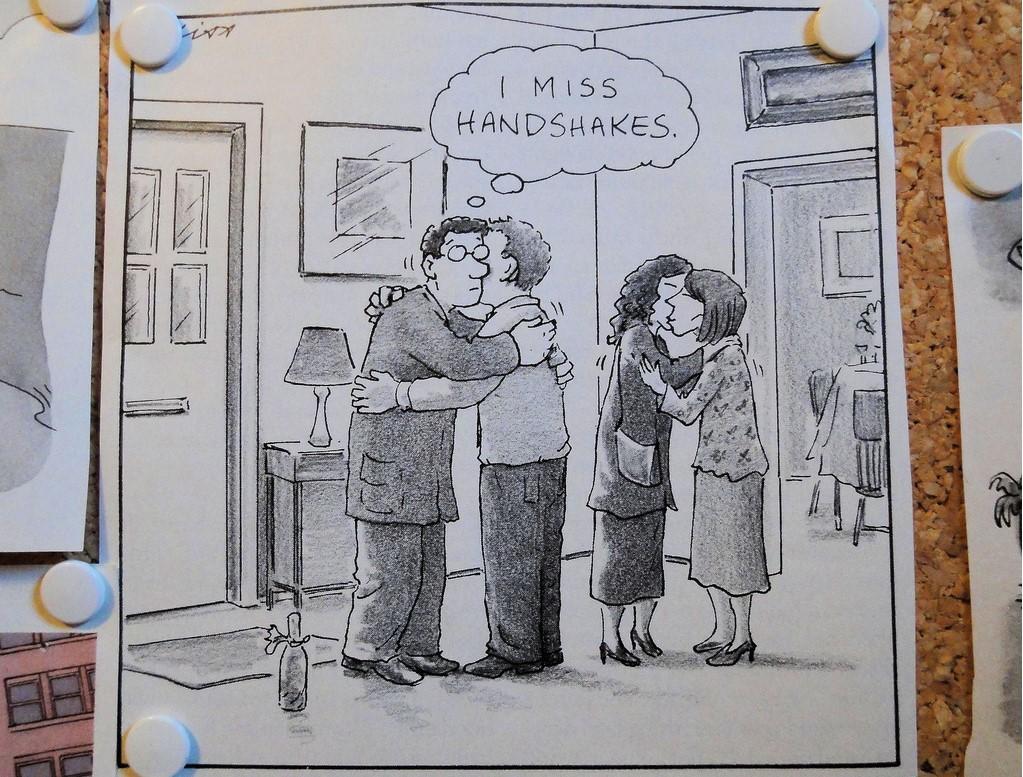
Vous me vouvoyer, tu me tutoies.
Introduce friends and family with their full name, but your superiors with “Monsieur …” or “Madame…” and their last name. The term “Mademoiselle” for unmarried women is phasing out; only use it for teens or women you know prefer this designation. When meeting a stranger, ALWAYS use the formal form of address. Even most French ads don’t dare to use “tu” when speaking to their customers. In other Romance languages that have a formal pronoun, it has gone out of vogue in advertising and among the younger generation, but in France you should call everyone “vous” unless you get told otherwise. Or you can try listening to how others address you. The younger generation might immediately start with “tutoyer” (using “tu”) - if others address you with “tu”, you can address them with “tu” (unless it’s your boss). In a formal context such as work or when you interact with the older generation, continue to “vouvoyer” until they tell you it’s all right to use “tu”.
Correspondance: French Email Etiquette, Writing Letters and Answering the Phone
French is fairly formal in its correspondance, and this has survived the digital age. The terms of address for formal letters may appear very stilted to English speakers; however, telephone etiquette is very lax.
Addressing letters in French
When writing letters, it is better to be too formal than not enough. Use “vous” with anyone who is not family or an intimate friend. Your letter should include the address of the person you are writing to, your own address, the date and place you are writing from. All letters should start with:
- “cher Monsieur” or “chère Madame” and their last name
- Unless the person has a title, then use the title rather than their name: “Monsieur le directeur”, “Madame la Consul”.
- The equivalent to the English “To Whom It May Concern” is “Cher Monsieur, chère Madame” or “chers Messieurs, chères Mesdames” if you think several people with be viewing the letter (for a job application, for example.)
Ending a letter is more problematic. There are many variations on the formules de politesse (you will find a mix-and-match table here), but you will probably be safe with “Veuillez agréer, Monsieur/Madame [insert title or name here] à l’expression de mes sentiments distingués”, though if you are a man writing to a woman, you might want to replace “sentiments” with “salutations”.
French email etiquette
In France, email etiquette is a little bit less formal than letters, but it is still better to follow the formalities. You can then take the tone from the answer you receive. Of course, social networking is as informal in France as anywhere else - just make sure your tone remains polite when tweeting or posting on social media in a discussion about your favourite French writers. Nobody likes a troll.
French phone etiquette
Most French people simply answer the phone with “Allô?”. There is no fixed etiquette for answering a business phone. You should start with “bonjour” instead of “allô”; then you might go on with “ici [your name] chez [name of business]”. If you are the caller, start with “bonjour, [your name] à l’appareil”.
French Business Etiquette
Workplace etiquette is quite similar all over the the world. However, it is a tad more formal in France compared to some other countries.
Everyday rules of conduct at the workplace
There is no such thing as casual Friday, so be sure you wear the appropriate business dress - though younger startups might not be as formal as older, established firms or an international business. Make sure you shake hands when meeting someone, firmly but not squeezing, while maintaing eye contact; use “vous” unless instructed otherwise and call your colleagues “monsieur” and “madame” until they allow the use of their names. First names in the workplace are not common in the French business world. Be careful with certain gestures - our gesture for “ok” means “zero” in French. Observe your colleagues and how they use their hands. Find great French class Melbourne here on Superprof. 
Meeting etiquette
Expect meetings to be scheduled ahead of time - up to two weeks. Spontaneous meetings are frowned upon, unless the matter is very urgent. Be certain to arrive on time (especially for a job interview). French business culture’s views on punctuality fluctuate from firm to firm. Officially, you should always come on time to a business meeting for fear of appearing unprofessional. However, your colleagues may have a more lax approach to punctuality. Be on time to make a good first impression; as you spend more time in the firm, you will learn the in-company dos and don’ts of punctuality. When doing business, any over-aggressive tactics, such as gifts with the name of your firm or forceful selling tactics, are considered inappropriate. Everyone knows you want to sell them something. They expect the pitch to be presented politely and professionally; they want to be convinced by the product, not the show. Remember, the French are philosophers and will see through the glitter. The exchange of business cards is acceptable, but not until the end of the interview. However, don’t be surprised if others interrupt you to ask questions or clarify a point. It’s not considered rude, but a sign of interest in what you have to say. Also, giving gifts to your business colleague is not usual, even books by your favourite French writer - promoting a collegial attitude in the workplace is better done with dinner invitations. Check for online French courses here on Superprof.
French Rules and Dining Etiquette
Do you know how invitations to a wedding have a request to “RSVP” to the bride’s family? This stands for “répondez s’il vous plaît” - please respond (to let the host know you are coming) - and if you see it on a French invitation to someone’s house you should definitely phone or write to tell them you will be there. Find great French lessons here on Superprof. 
Summarise with AI:
Did you like this article? Leave a rating!


 Loading...