Astrophysics is a complicated field of study that evolved from astronomy. It seeks to answer the seemingly simple questions about the space beyond our own planet: What are stars made of? How do galaxies form and change? Why does the universe look the way it does? How did it begin? Astrophysicists combine astronomy techniques with what we know about the laws of physics to explain things we can’t physically reach. With advancing technology, astrophysicists are learning more and more about our universe every year.


Defining Astrophysics
Astrophysics is a branch of science that combines astronomy and physics. Simple enough, but what does it really mean?
To understand the implications of the field and the scope of the work, you need to first understand what each discipline studies and what the intersection of the two looks like.
Astrophysics Meaning
Astronomy is the study of celestial objects, like stars, planets, and galaxies, through observation.
Physics is a science that uses ideas from astronomy, optics, mechanics, and geometry to formulate logical, mathematical, scientific equations to define physical phenomena.
Astrophysics combines the questions, data, and observations from astronomy with the scientific knowledge of physical and chemical processes from physics.
Astrophysics asks not only “Where is that star located?” but also “How hot is the star? How bright is it? What elements does it contain? How is it making heat and light? How did it form? When did it form?”
The answers to these questions can be determined by carefully examining and applying physical laws that also apply on Earth, such as gravity, thermodynamics, and electromagnetism.
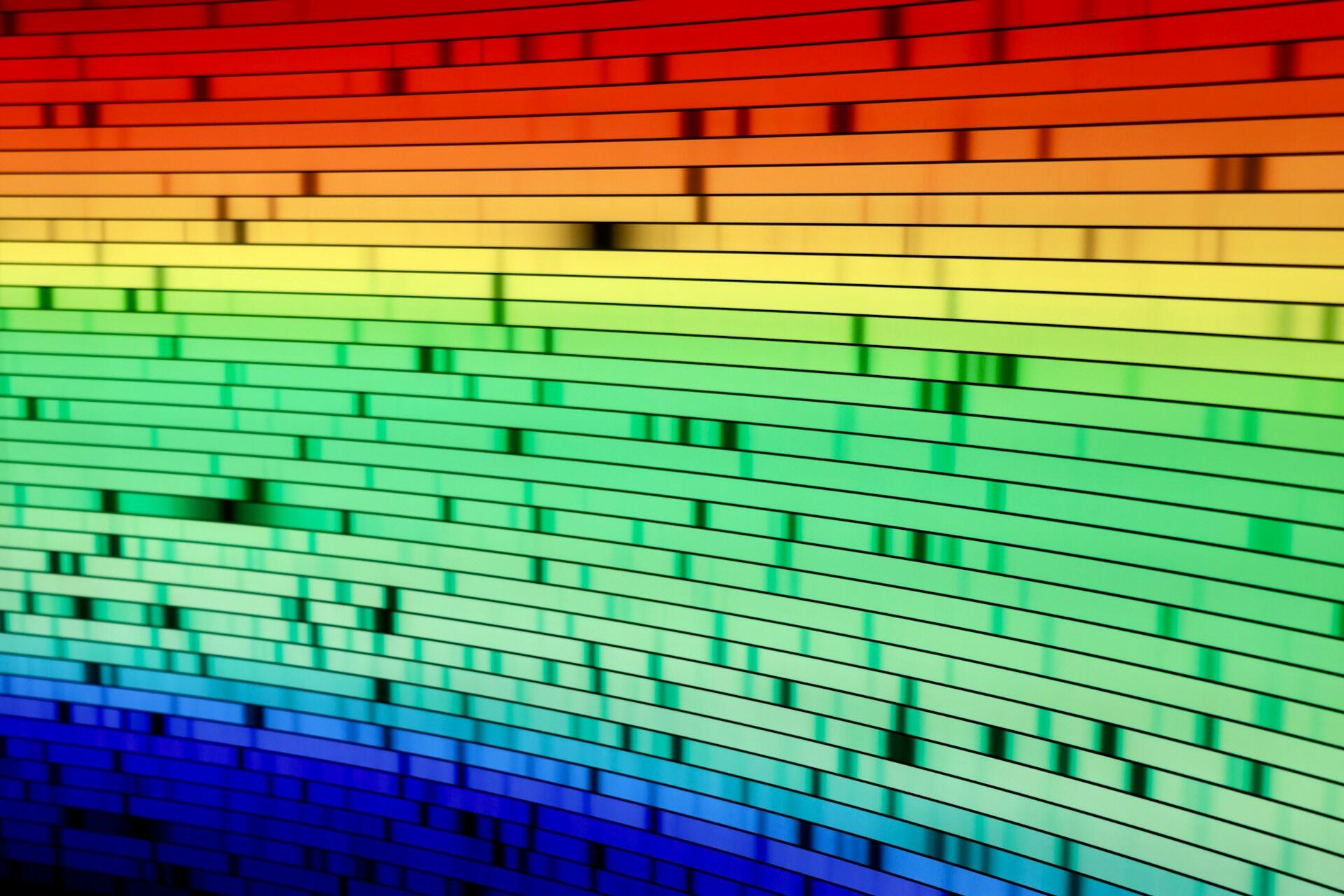
Much of astrophysics has to do with studying the light that can be seen from other celestial bodies. They can use the data about the light’s colour, changes, and non-visible light, such as gamma rays, to infer massive amounts of information. They can calculate an object’s position, distance, speed, trajectory, and even its chemical composition just by analysing the light.
Astrophysicists collect data about the objects they find in space using tools and methods like advanced telescopes, spectroscopy, coronagraphs, and space probes and rovers. They study properties like:
- Luminosity: The total amount of electromagnetic energy emitted per unit of time by a star, galaxy, or other object in space.
- Density: The ratio of a substance or object’s mass and volume.
- Temperature: The measurement of the average kinetic energy of the vibrating atoms in a substance.
- Mass: The strength of an object's gravitational attraction to other objects under specific conditions.
- Chemical composition: The chemicals that make up a compound, as well as their arrangement.
The astrophysicists compile every datapoint to create mathematical models that explain how celestial objects form and change over time.
Find a professional physics tutor Sydney on Superprof.
Historical Development
Observation was the first method humankind had for thinking about and explaining phenomena beyond the surface of the Earth. In ancient times, the only equipment available for observing space was the naked eye. Early civilisations observed the sky to track seasons, plan agriculture, and create calendars.
Using basic tools like sundials and other marking structures, ancient astronomers in Greece, India, China, and the Middle East recorded the movement of stars and planets accurately through pure observation. However, their explanations were often philosophical rather than scientific.
An astrophysicist is a scientist who studies celestial objects and phenomena in the universe.
Over time, tools like astrolabes and sextants were invented to track the movement of the sun and stars. The invention of the telescope in 1608 allowed people to see beyond the eye’s physical limits for the first time, leading to more observational data about the visual qualities of objects like the moon, comets, planets, and faraway stars.
Though many people through time have been physicists as we describe them now, the modern use of the term began with Sir Isaac Newton. Astrophysics emerged as a combined science in the late 18th century.

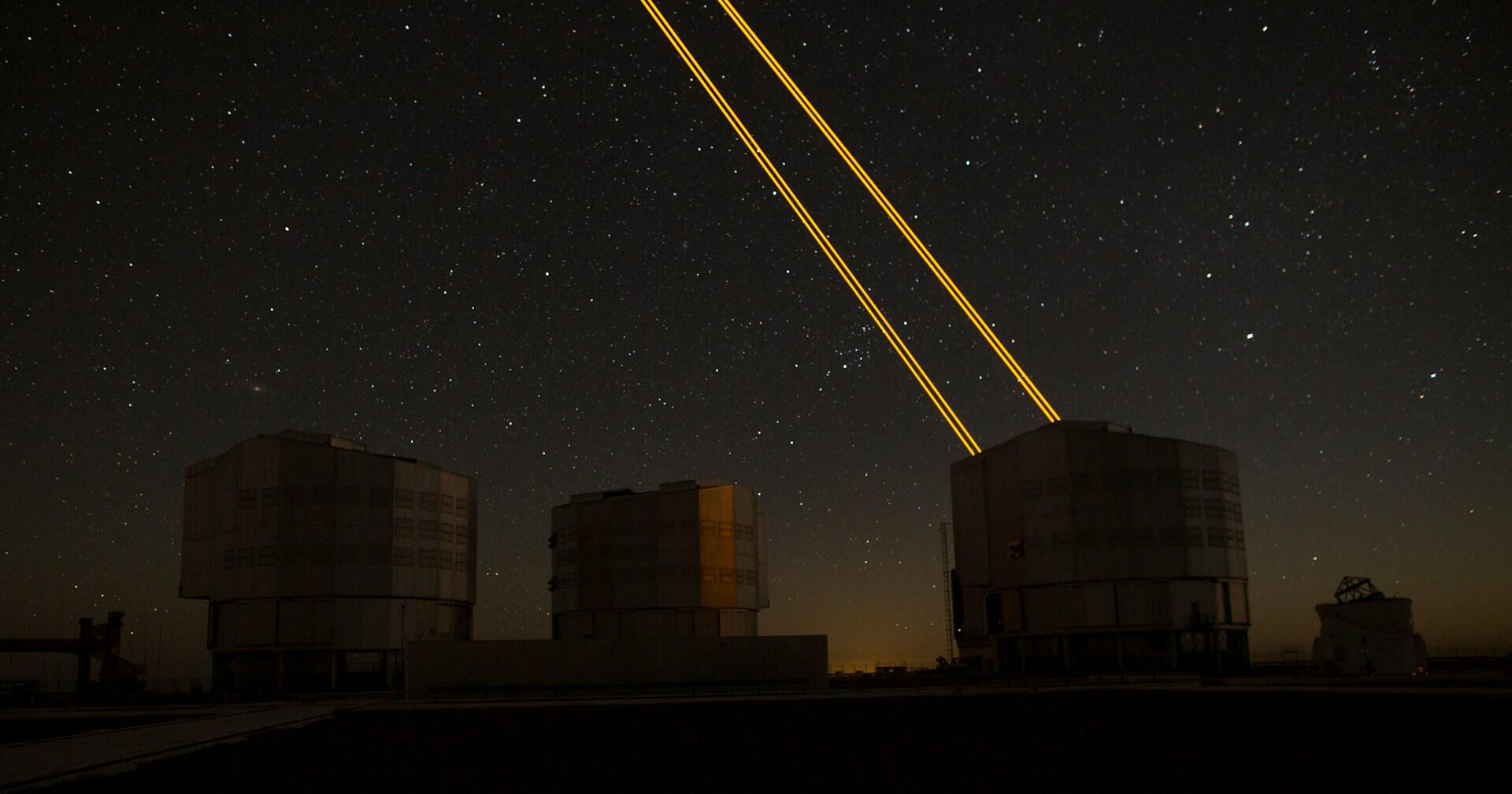
The 20th century saw rapid advancement in technology of all kinds, including tools used in astrophysics. Machines that detect gamma rays, X-rays, and radio waves gave scientists new tools for collecting brand-new data. Today, extremely strong telescopes, telescopes in space, space probes, and rovers on other planets provide valuable data that ancient astrophysicists could only dream of. Today, the field is constantly evolving.
Search for an HSC physics tutor on Superprof.
Discover the evolution of astrophysics through time with these highlight events:
1609
Galileo Galilei Uses the First Telescopes to Observe the Solar System
With schematics for the newly-invented tool called the telescope, Galileo built one and used it to systematically study the sky. He saw the rough surface of the moon, noticed Venus had phases like the moon, and even discovered 4 of Jupiter’s moons. His findings proved the universe is not unchanging and that the Earth is not the centre of everything.
1687
Isaac Newton: The First Astrophysicist
Newton is considered the first astrophysicist because he was the first to explain celestial motion using physical laws based in mathematics. He wrote Philosophiæ Naturalis Principia Mathematica, which introduced the laws of motion and gravity.
1859
Gustav Kirchhoff and Robert Bunsen Use Spectroscopy to Analyse Chemical Compositions of Stars
The scientific partners discovered that burning chemicals give off specific light signatures. By evaluating the light signatures from stars, keeping in mind the Earth’s atmosphere and its ability to block certain light wavelengths, they deduced that stars are made of the same elements found on Earth.
1915
Albert Einstein Proposes the Theory of General Relativity
He posited that gravity is actually the result of the curvature of time and space caused by mass and energy, rather than an attractive force. This theory provides explanations for phenomena that Newton’s laws couldn’t fully account for. This theory expanded astrophysics’ lexicon, giving scientists the language to talk about black holes, neutron stars, and gravitational waves.
1920
Arthur Eddington Predicts Nuclear Fusion in Stars
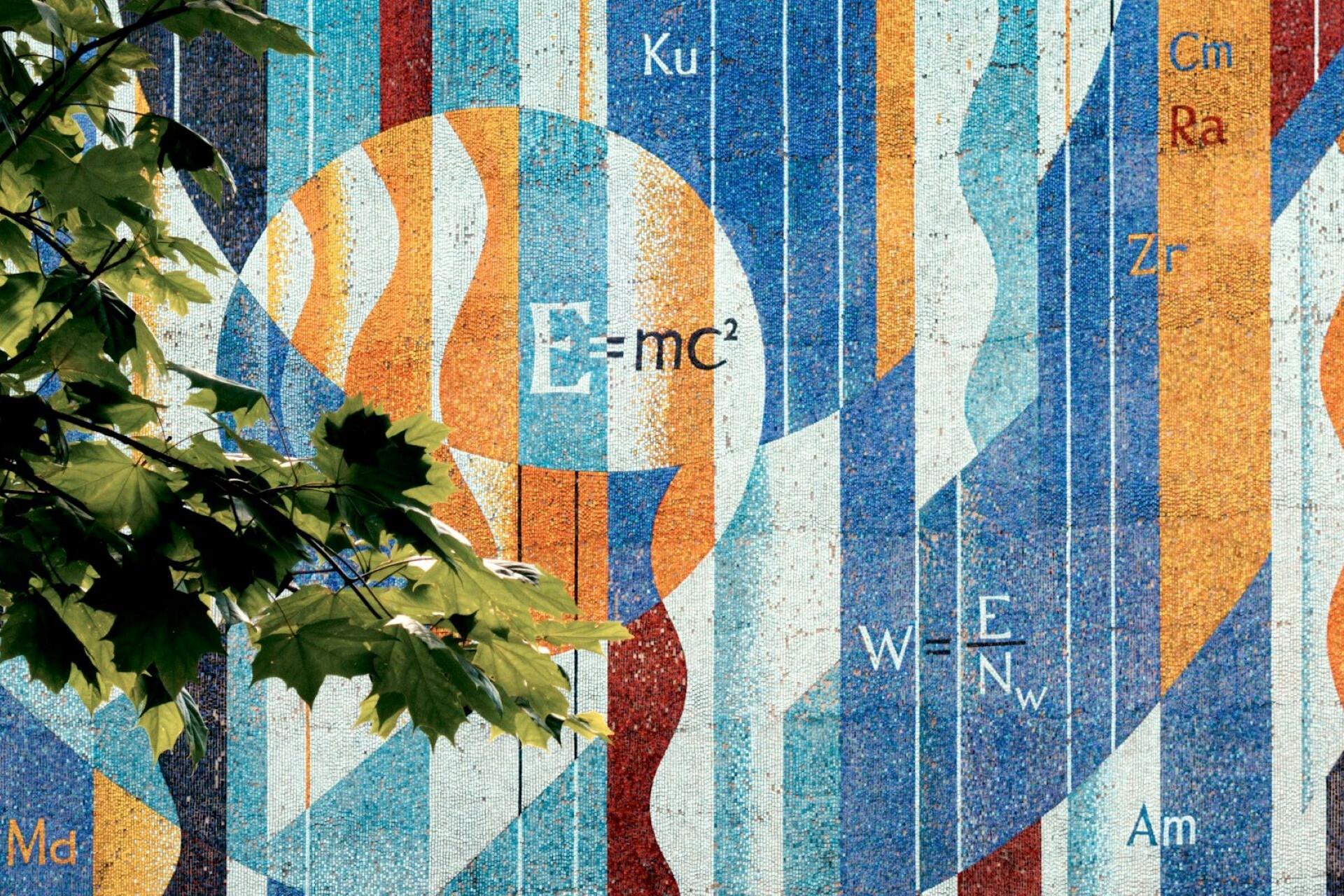
Using Einstein’s equation E = mc^2 , Eddington calculated that stars must be creating immense amounts of energy from a yet-to-be-discovered process. He was correct, discovering nuclear fusion of hydrogen into helium based on mathematical calculations.
1929
Edwin Hubble Discovers the Universe is Constantly Expanding
Expanding on recent discoveries by fellow astrophysicists, Hubble found that galaxies in the Milky Way and beyond are moving away from our solar system in a way that suggests the universe is expanding. This helped scientists come up with the Big Bang theory in the 1930s.
1970s
Vera Rubin and Kent Ford Discover Dark Matter
Their observations showed that galaxies rotate too fast to be held together by visible matter alone. For lack of a better conclusion, they proposed there must be an invisible matter all throughout the universe, which other scientists agree makes sense, given all currently available information. Dark matter had been hypothesised for centuries.
2015
LIGO Scientific Collaboration Discovers Gravitational Waves
Previously predicted by Einstein, the LIGO gravitational wave detectors picked up a signal caused by two black holes merging. The machine and the scientists successfully created a new way to gather previously unknown data about the universe.
Key Areas of Study in Astrophysics
Astrophysics focuses on objects beyond Earth’s atmosphere at an individual or local level. This means that astrophysicists study planets, moons, comets, meteors, asteroids, nebulae, galaxies, gas clouds, the sun, and stars. Additionally, they also study the invisible phenomena in space, such as gravitational waves, the cosmic microwave background, and other types of radiation.
Unlike astronomy, astrophysics seeks to understand not just what and where objects in space exist, but the characteristics of those objects as well as their history and future based on math.
Perhaps someday astrophysicists will find out if there is life on other planets!
Stellar Astrophysics
As the name suggests, stellar astrophysics focuses on stars. Astrophysicists examine how starts from from clouds of gas and dust, what conditions must be met to spark the change from a cloud into a star, and what changes occur and why.
From stellar astrophysics studies, we know that gravity combined with heat creates conditions in the dust and gas clouds to ignite the process of nuclear fusion, which creates the push-and-pull force needed to maintain a star. The process releases heat and light, which is what we see and feel across space.
The most remarkable discovery in all of astronomy is that the stars are made of atoms of the same kind as those on the earth.
Richard P. Feynman
Stellar astrophysics seeks to examine more about a star’s lifecycle, including how the amount of mass contributes to different types of stars. They also aim to discover the interior and exterior chemical compositions and processes of stars. By analysing starlight, scientists can determine qualities like temperature, rotation speed, chemical makeup, and movement through space.
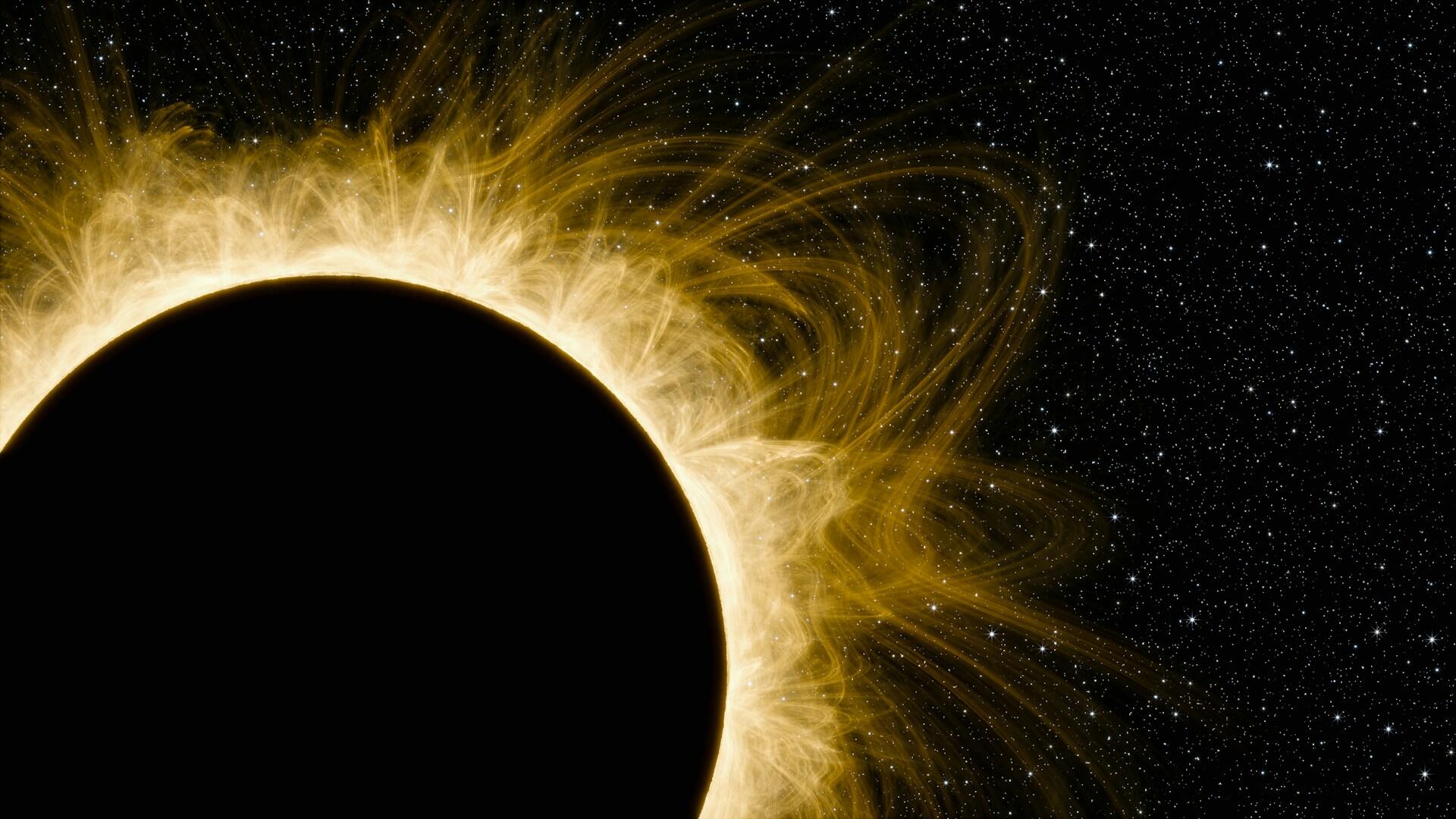
Stellar astrophysics relies a lot on our Sun, since it’s the closest star we can observe. It allows scientists to study energy production, magnetic activity, and events like solar flares. Understanding how stars form, how they disperse matter when they die, and how they produce constant energy gives critical insight into how the universe works.
Learn more about astrophysics with Physics courses here on Superprof!
Galactic and Extragalactic Astrophysics
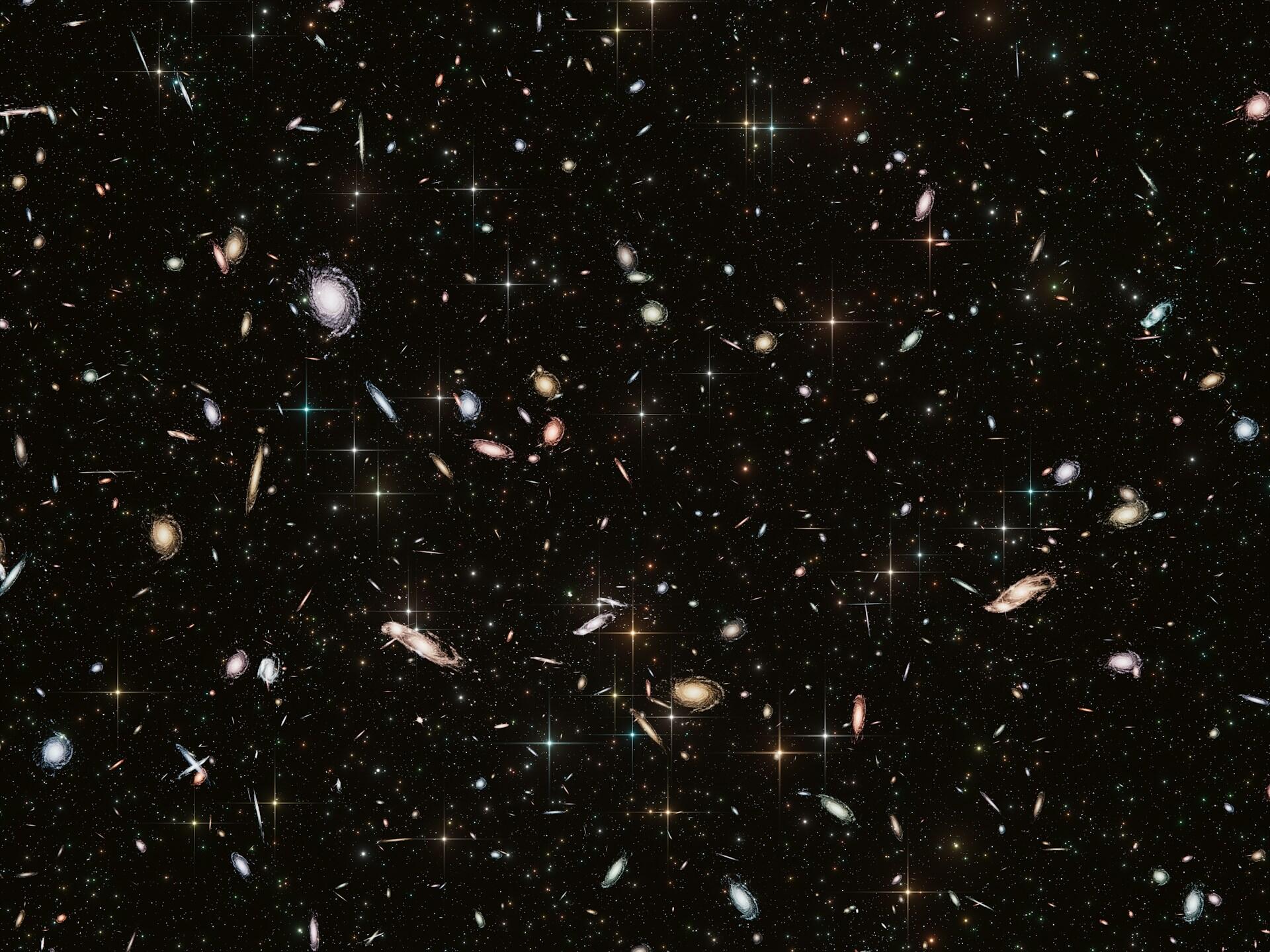
Galactic astrophysics, called galactic astronomy, looks at the structure and dynamics of objects of the Milky Way. Scientists in this discipline study how stars, gas, dust, and dark matter interact to form the objects in our galaxy. Dark matter and dark energy are theorised as being abundant in space, providing an explanation for certain movements and gravitational behaviour observed in the rotation pattern of galaxies.
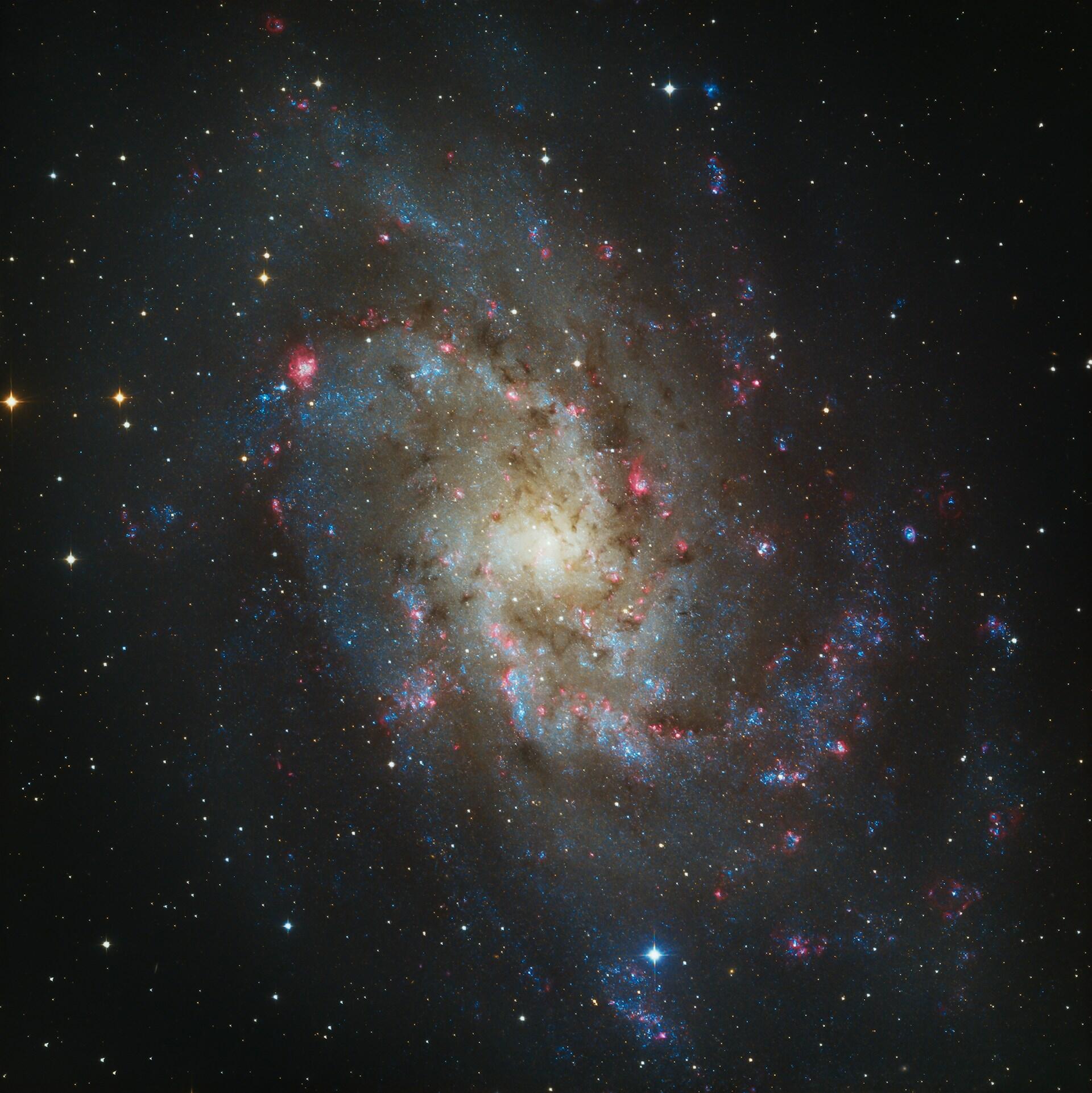
Extragalactic astrophysics, or extragalactic astronomy, examines galaxies besides the Milky Way, observing galaxies that come in all shapes and sizes. It also looks at galaxy clusters and the interactions and relationships between galaxies. By observing distant galaxies, astrophysicists can trace their trajectories back in time, discovering clues about how the entire universe began.
Cosmology
Cosmologists study the universe as a whole, not focusing on the individual parts. That’s what differentiates it from astronomy and astrophysics.
Cosmology relies on much of the same information that astrophysicists do, but instead of focusing on finding out the qualities of individual celestial objects, they look at galaxies in relation to one another to identify possible answers to major questions like “How did the universe begin?” “How did the universe get to be the way it is now?” and “What will happen to the universe in the future?”
Applications and Importance of Astrophysics
Astrophysics has been the driving force behind many important technological and theoretical advances. Often, instruments designed for analysing space objects can be used for practical applications on Earth as well. The mathematical equations and scientific principles developed to explain phenomena in space can also be used on smaller scales to understand physics on Earth.
Technological Advancements
Many instruments and detectors developed for use in astrophysics have been adapted for use on Earth. Some technologies that migrated from astrophysics to other applications include:
- GPS
- Communication satellites (therefore, the internet and long-distance communication)
- Telescopes
- Medial techniques: MRI, PET scans, X-rays, ultrasound, radiation therapy, LASIK, etc
- Lasers (and barcodes)
- Robotics
- Computer technology
- Solar panels
- Airport security scanners
Additionally, remember all the physics equations and laws that have been developed over the years as a result of scientists trying to explain the goings-on they observed in space.
Understanding Fundamental Physics
Atrophysics is important, both as a science in itself and as a contributor to other areas of science, technology, and understanding the world around us. Since astrophysics requires scientists to come up with cutting-edge questions as well as answers to those questions, it is often the most pioneering of the sciences. Many phenomena in space occur in conditions not naturally found on Earth. Astrophysicists develop ways to recreate those conditions, resulting in technology like the Large Hadron Collider.
What happens to space time when cosmic objects collide? Does life exist outside of the solar system? What is the universe made of?
“Big Questions,” Center for Astrophysics | Harvard & Smithsonian
Other conditions are simply not possible on Earth, requiring advanced equipment to study them and associated phenomena from a distance. For example, studying black holes helps scientists learn more about gravity, but only if they have sufficient technology for observation and measurement.
Understanding the data collected requires astrophysicists to have a mastery of physics and mathematics, and they often invent new equations to explain and understand what they observe. Newton’s laws, Einstein’s theories, and inventions are all used in all realms of science, including medicine, engineering, geoscience, environmental science, climate science, and even finance.
Astrophysicists are the scientists coming up with the biggest questions fathomable, as well as the hypotheses for finding the answers, the equipment for observing the answers, and analysing the data to come up with the answers. By studying the universe, astrophysicists, as well as humanity, gain a better understanding of our origins. It reminds us that Earth is just a small part of a much larger system, bigger than we can comprehend. But what unites it all are the laws of physics.
Summarise with AI:
Did you like this article? Leave a rating!

 Loading...