
Poetry is one of the most fundamental creative pursuits humans can do. History often emphasises men’s contributions, but plenty of women throughout history have also made important, impactful poetry. It’s impossible to name them all, but learning about a handful of greats can help you appreciate poetry and female artists on a deeper level. Discover some of the most well-known female poets through time.
| Poet | Life | Nationality | Most Famous Poem |
|---|---|---|---|
| Enheduanna | c. 2285 - c. 2250 BCE | Mesopotamian | The Exhaltation of Inanna |
| Sappho | c. 630 - c. 570 BCE | Greek | Fragment 31 |
| Ono no Komachi | c. 850 | Japanese | No. 9, "Fading blossooms" |
| Elizabeth Barrett Browning | 1806 - 1861 | English | How Do I Love Thee? (Sonnet 43) |
| Emily Dickinison | 1830 - 1886 | American | Because I could not stop for Death |
| Christina Rossetti | 1830 - 1894 | English | Goblin Market |
| Sarojini Naidu | 1879 - 1949 | Indian | In the Bazaars of Hyderabad |
| Maya Angelou | 1928 - 2014 | American | Still I Rise |
| Sylvia Plath | 1932 - 1963 | American | Daddy |
| Audre Lorde | 1934 - 1992 | American | Coal |
| Mary Oliver | 1935 - 2019 | American | Wild Geese |
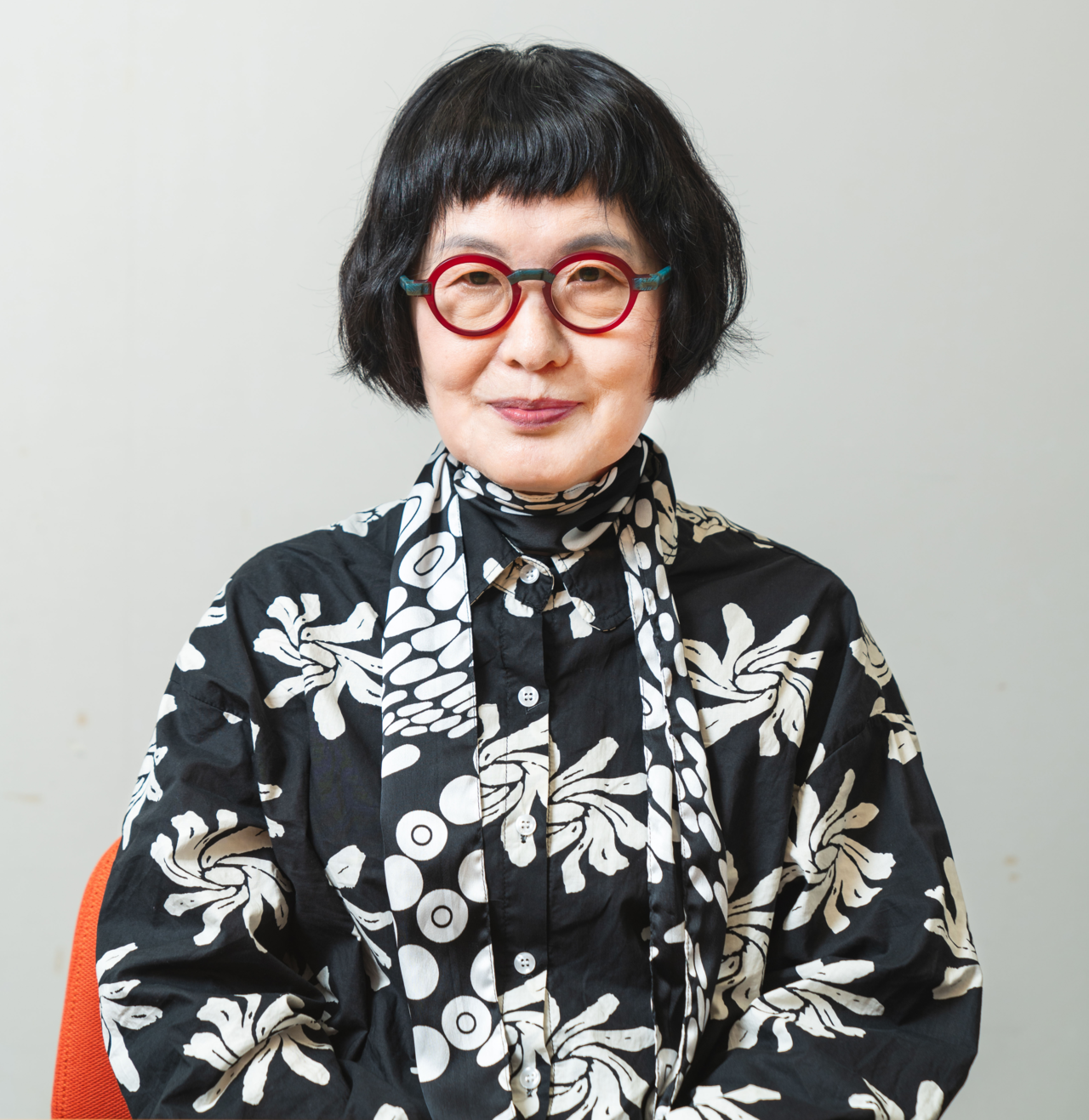
| Kim Hyesoon | 1955 - Present | South Korean | Pitiful Love Machine |
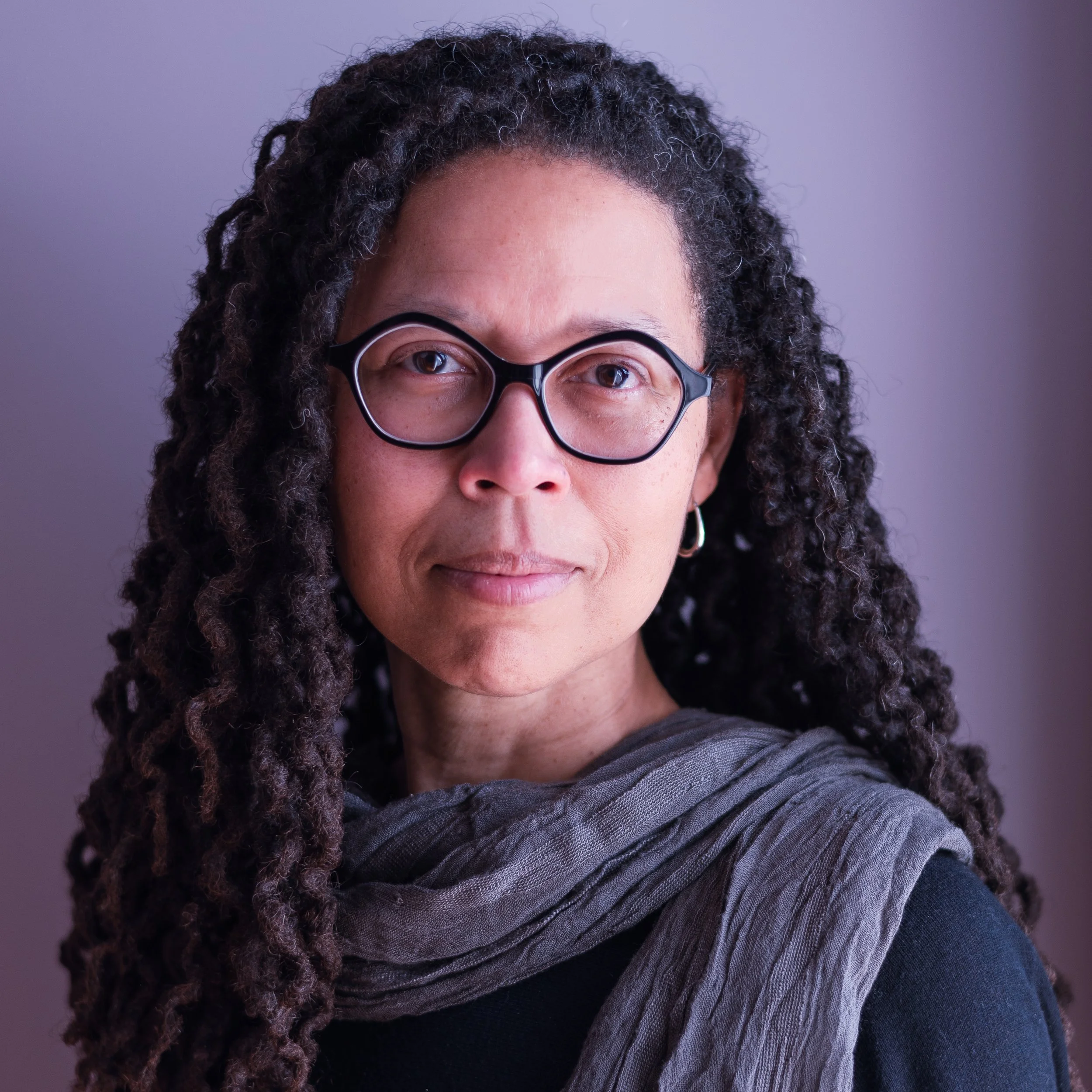
| Evie Shockley | 1965 - Present | American | semiautomatic |
| Robin Walter | 1979 - Present | American | Beyond the meadow |
| Rupi Kaur | 1992 - Present | Canadian | the breaking |


Pioneering Female Poets of Antiquity
Women have been creating poetry since the dawn of language. Finding ancient examples can be difficult, since many artefacts are lost to time. However, there are several notable known examples of influential poetry written by women even in ancient times.
Sappho
Famous Poems / Collections
- “Fragment 31” (“He seems to me equal to the gods…”)
- “Fragment 16” (“Some say an army of horsemen…”)
- “Fragment 94” (“Honestly, I wish I were dead…”)
- “Hymn to Aphrodite”
- “Fragment 58” (on aging)
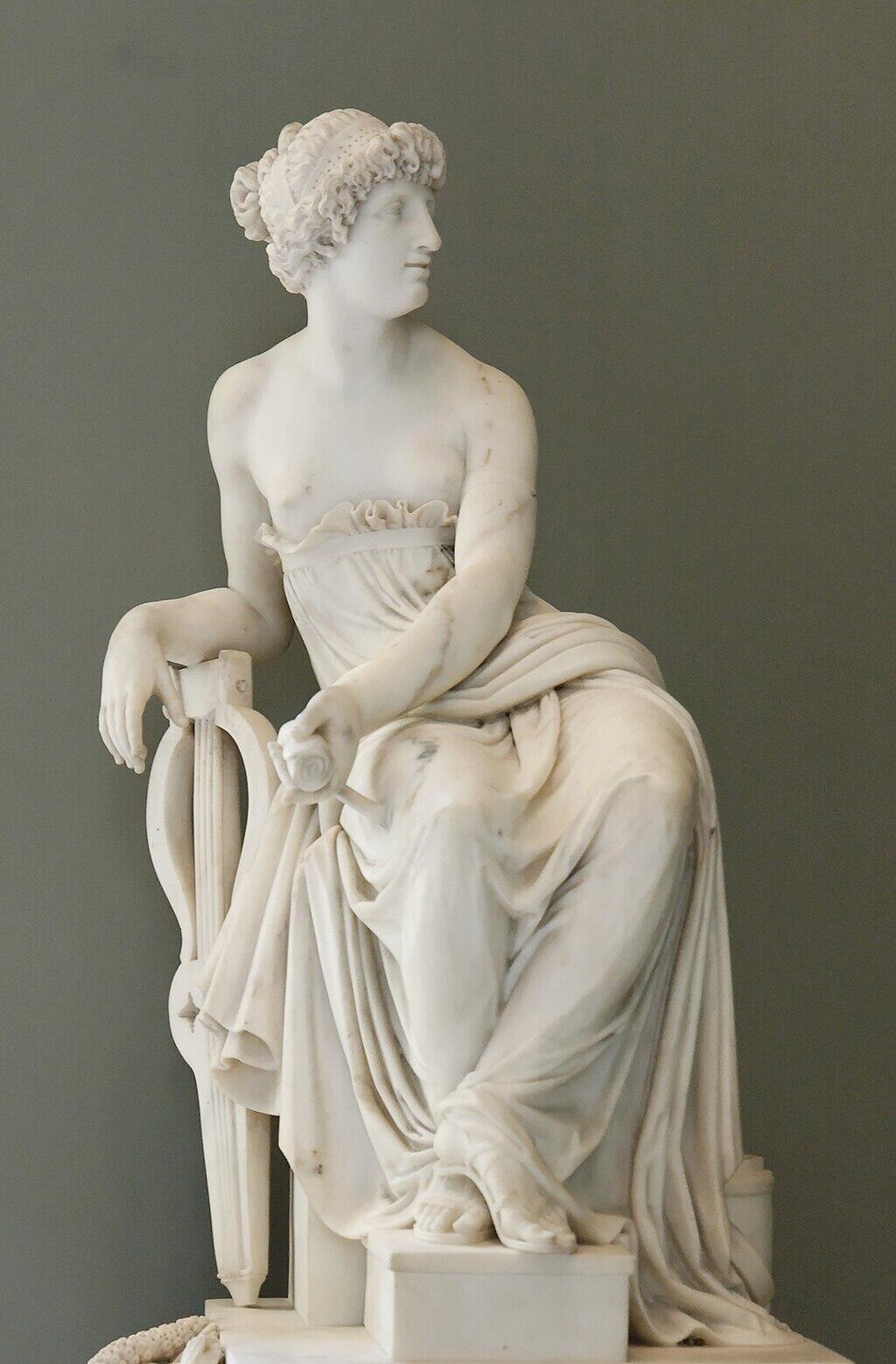
Sappho is one of the earliest and most discussed poets in history, male or female. Her love poems were often addressed to women, a testament to the fact that same-sex love has been part of human society for millennia. She often wrote about desire, intimacy, and the complexity of inner life.
Sappho famously lived on the Greek island of Lesbos. Because many of her love poems were dedicated to women, the word “lesbian” changed from meaning “a person from Lesbos” to “a woman who loves women.” It’s easy to see how one person can directly impact the world in deep, unpredictable ways for centuries to come.
Sadly, only small fragments of her poems survive, so we will never know the full extent of what she wrote. Nevertheless, the portions we do have are direct and emotional, and still inspire readers today. Sappho’s work set the foundations for lyric poetry, with its personal, musical, and meditative qualities.
He seems to me equal to gods that man / whoever he is who opposite you / sits and listens close / to your sweet speaking
Sappho, Fragment 31
Enheduanna
Famous Poems / Collections
- “The Exaltation of Inanna” (Nin-me-šara)
- “A Hymn to Inana” (Inninsagurra)
- “Temple Hymns” (cycle of 36 temple hymns)
- Hymn to Nanna (Ekishnugal hymn)
- “Inanna and Ebih” (some scholars attribute this work)
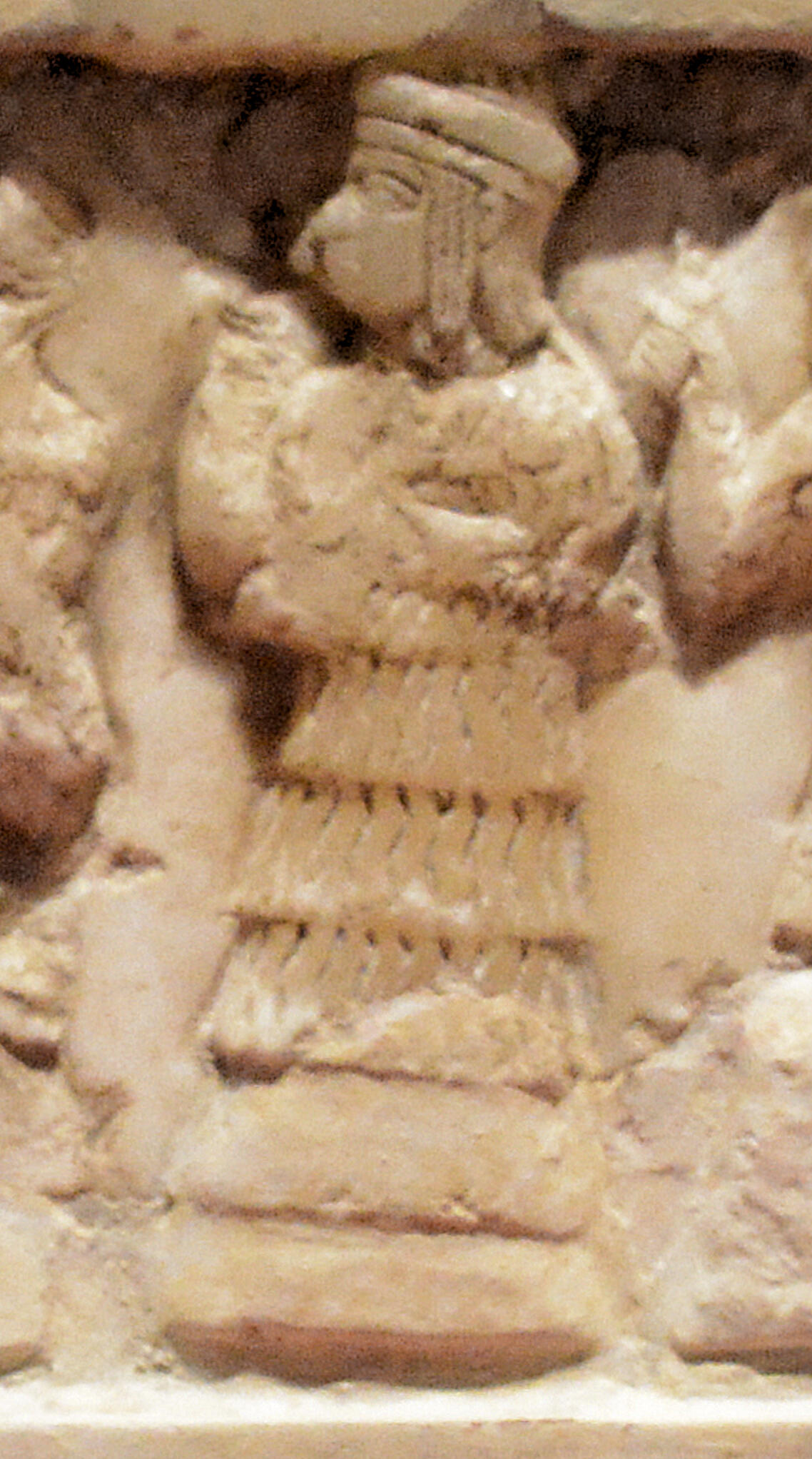
Enheduanna is often recognised as the first named author in history. She was a high priestess in ancient Mesopotamia, in the city of Ur, which is now modern-day Iraq. She wrote complex religious poems and hymns for the temple that facilitated worship for people across many cities.
Her most famous work, “The Exaltation of Inanna,” paints a picture of the priestess having been driven out of Ur by a usurper who is now giving a heartfelt plea to her personal goddess, Inanna. The poem gives us insight into an event that happened more than 4,000 years ago. It shows the political crisis happening at the time as well as Enheduanna’s appeal to her goddess for help, with a deep devotional ode as tribute.
Her work proves that women had a larger part in religion and politics than historians had previously thought, giving all of us something important to consider.
Learn more about other famous poets through the ages.
Great queen of queens, issue of a holy womb for righteous divine powers, greater than your own mother, wise and sage, lady of all the foreign lands, life-force of the teeming people: I will recite your holy song! True goddess fit for divine powers, your splendid utterances are magnificent.
Enheduanna, Exaltation of Inanna
Ono no Komachi
Famous Poems / Collections
- The “fading blossoms” poem from the Ogura Hyakunin Isshu (no. 9: “Hana no iro wa…”)
- Love poems in the Kokinshū (imperial anthology)
- Poems in the Gosenshū anthology
- Selected poems from Ono no Komachi Shū (later collected works)
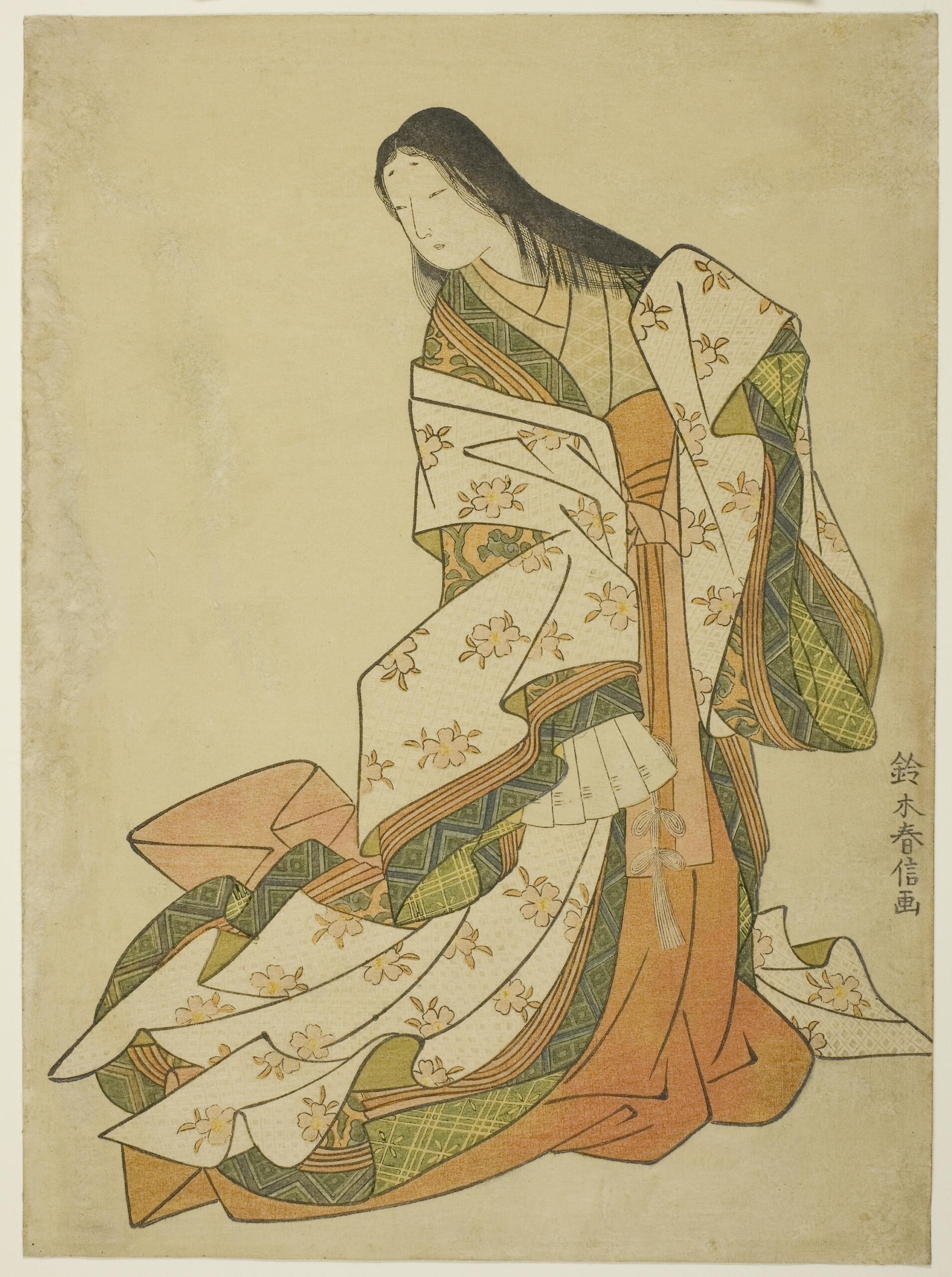
Komachi lived in Heian-period Japan and is known as one of the Rokkasen, which were the six great waka (a style of Japanese poetry) poets in the 9th century, as named by Ki no Tsurayuki. Her poems are incredible testaments to beauty, sorrow, and layered imagery. Komachi’s subtle wordplay and references to nature are paired with intense feelings of love, loneliness, and existential contemplation.
Komachi was revered in her time, being named one of the greatest poets and given the title Poetess.
Her “Fading Blossoms” poem famously compares her own beauty and vitality to flowers, noting how human life goes through seasonal changes just like nature.
She helped shape classical Japanese love poetry, and her work inspired Noh plays, paintings, and countless recitations of her work, making her influence relevant even in modern Japan. There are many different translations of her works as modern translators attempt to convey her meaning in a way that resonates with modern readers, and those who do not read Japanese.
Colour of the flowers / has faded / in vain / my time has gone, while I was / gazing deep in thought, as long rains kept falling.
Ono no Komachi, Poem 9
Influential Female Poets of the 19th Century
In the 19th century, women were able to participate in things like literature and the arts more freely. Though they still had to contend with a lot of restrictions and sexism, privileged women were able to publicly learn to read and write for the first time in centuries.
Additionally, literature scholars through the years have been notoriously misogynistic, erasing women’s contributions in every field, especially before the 19th century. Today, we know there were many other women, even before Austen and Dickinson, who created notable literary works. Sadly, they are not often talked about, so they are not well-known or famous in modern society.
That said, we can still celebrate the female writers from the 1800s for their works and accomplishments.
Emily Dickinson
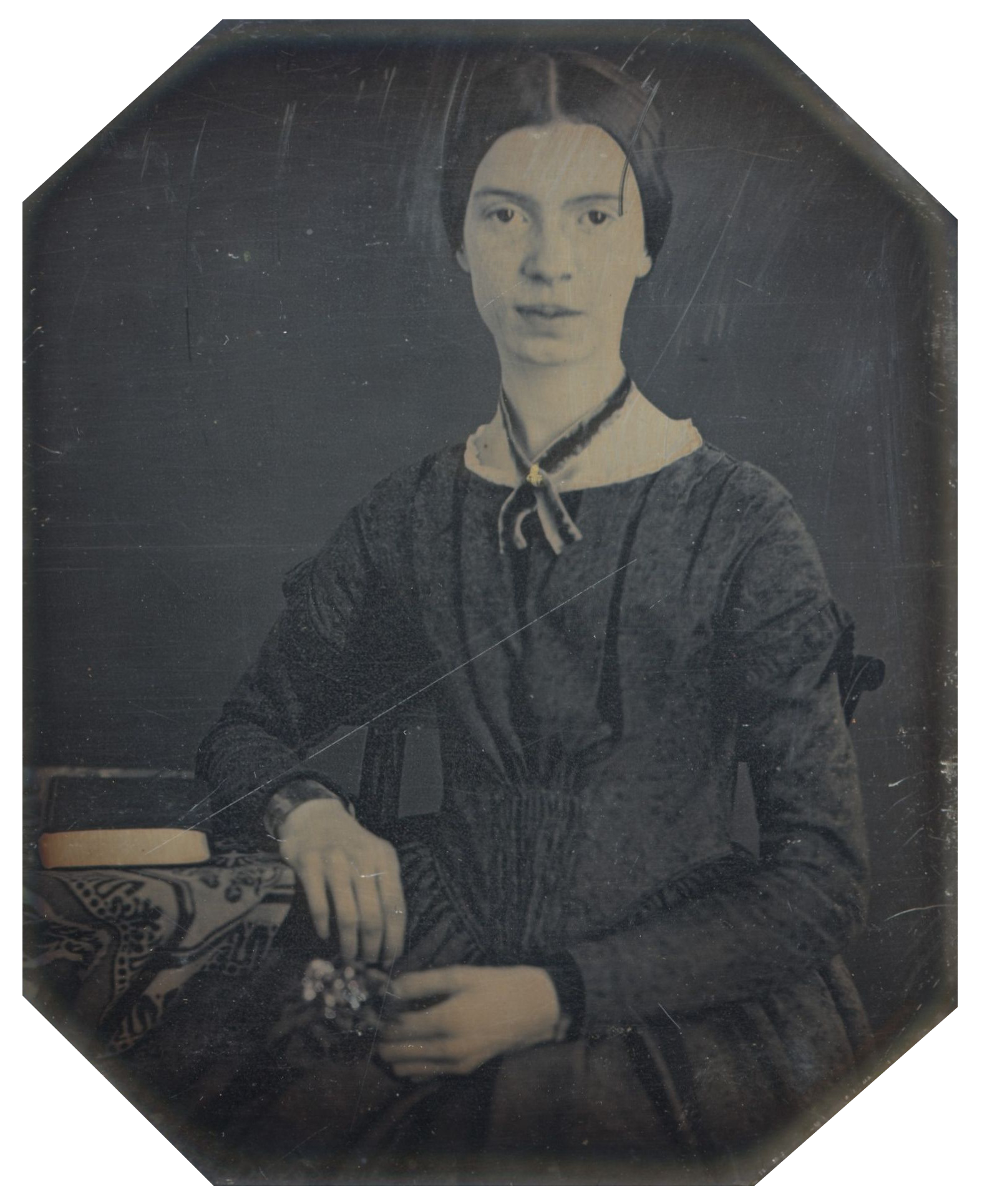
Famous Poems / Collections
- “Because I could not stop for Death”
- “Hope” is the thing with feathers
- “I’m Nobody! Who are you?”
- “I felt a Funeral, in my Brain”
- “Wild nights – Wild nights!”
Dickinson is one of the most recognisable names in all of poetry. In American literature, she is even more prominent as a prolific artist. She wrote nearly 1,800 poems, though most remained unpublished during her lifetime. Her style is known for its short lines, use of slant rhymes, dashes, and unusual capitalisation.
Dickinson’s poems often explore death, faith, love, nature, and the self. She uses precise language to convey ideas in a condensed manner that feels both intimate and sometimes strange.
Today, Dickinson’s works are seen as radiant examples of lyric poetry and the philosophical and emotional depth that can be found even in a mundane, private life.
Because I could not stop for Death – / He kindly stopped for me – / The Carriage held but just Ourselves – / And Immortality
Emily Dickinson, Because I could not stop for Death
Christina Rossetti
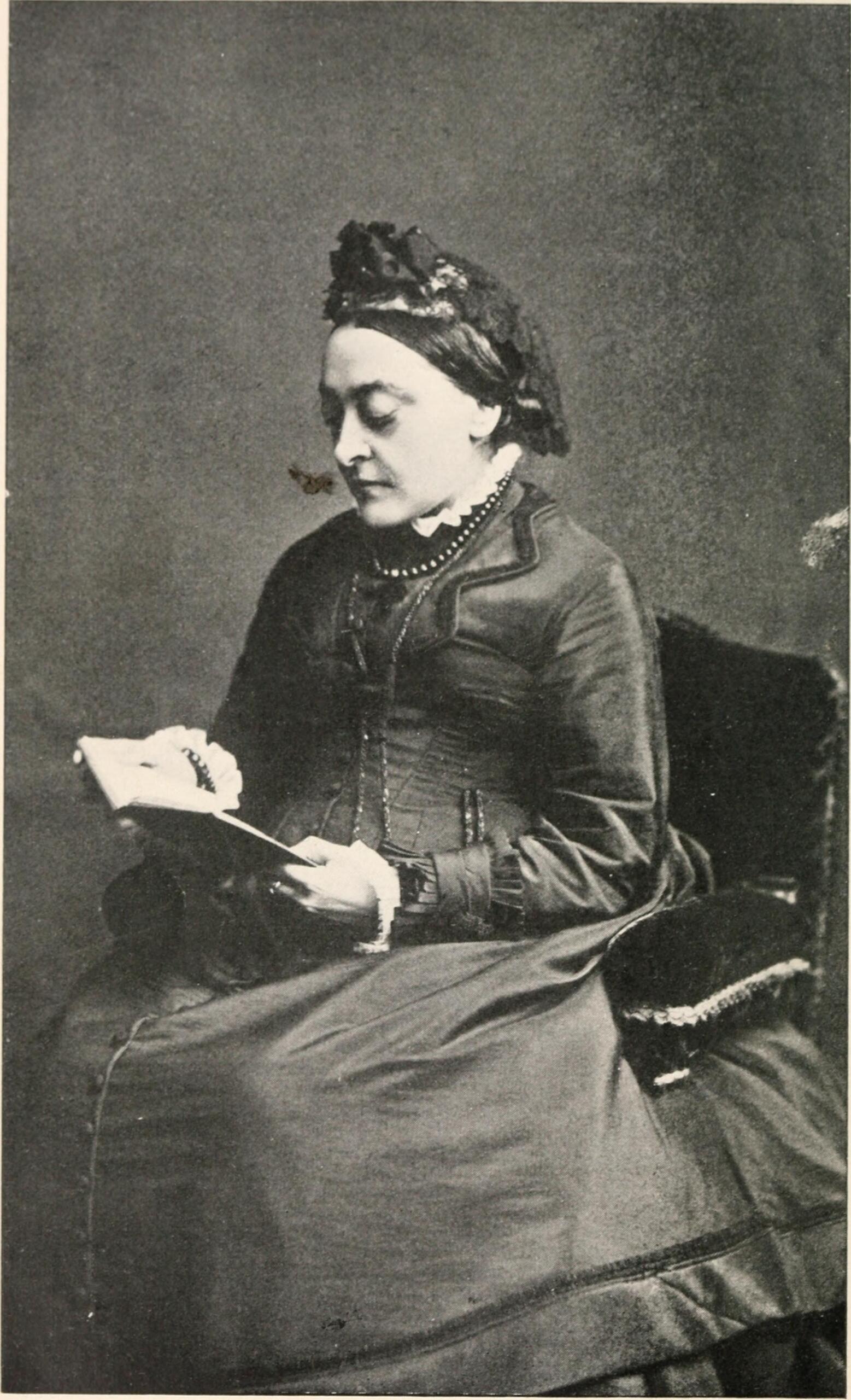
Famous Poems / Collections
- “Goblin Market”
- “Remember”
- “In the Bleak Midwinter”
- “A Birthday”
- “Song: When I am dead, my dearest”
Rossetti is often underappreciated, since she wrote fewer poems than many, especially her contemporary, Emily Dickinson. Still, her poems are powerful and influential.
Rossetti’s works were often devotional and included complex narratives about doubt in faith, temptation, sisterhood, and desire. She also often wrote children’s verse.
Her famous poem “Goblin Market” touches on themes of consumption, sexuality, and women’s solidarity, making it an incredibly progressive piece. Her use of rhythm and repetition influenced later poets. Rossetti’s overall work is central in studies about Victorian poetry, women’s writing, and Christian literature.
We must not look at goblin men, / We must not buy their fruits: / Who knows upon what soil they fed / Their hungry thirsty roots?” / “Come buy,” call the goblins / Hobbling down the glen.
Christina Rossetti, Goblin Market
Elizabeth Barrett Browning
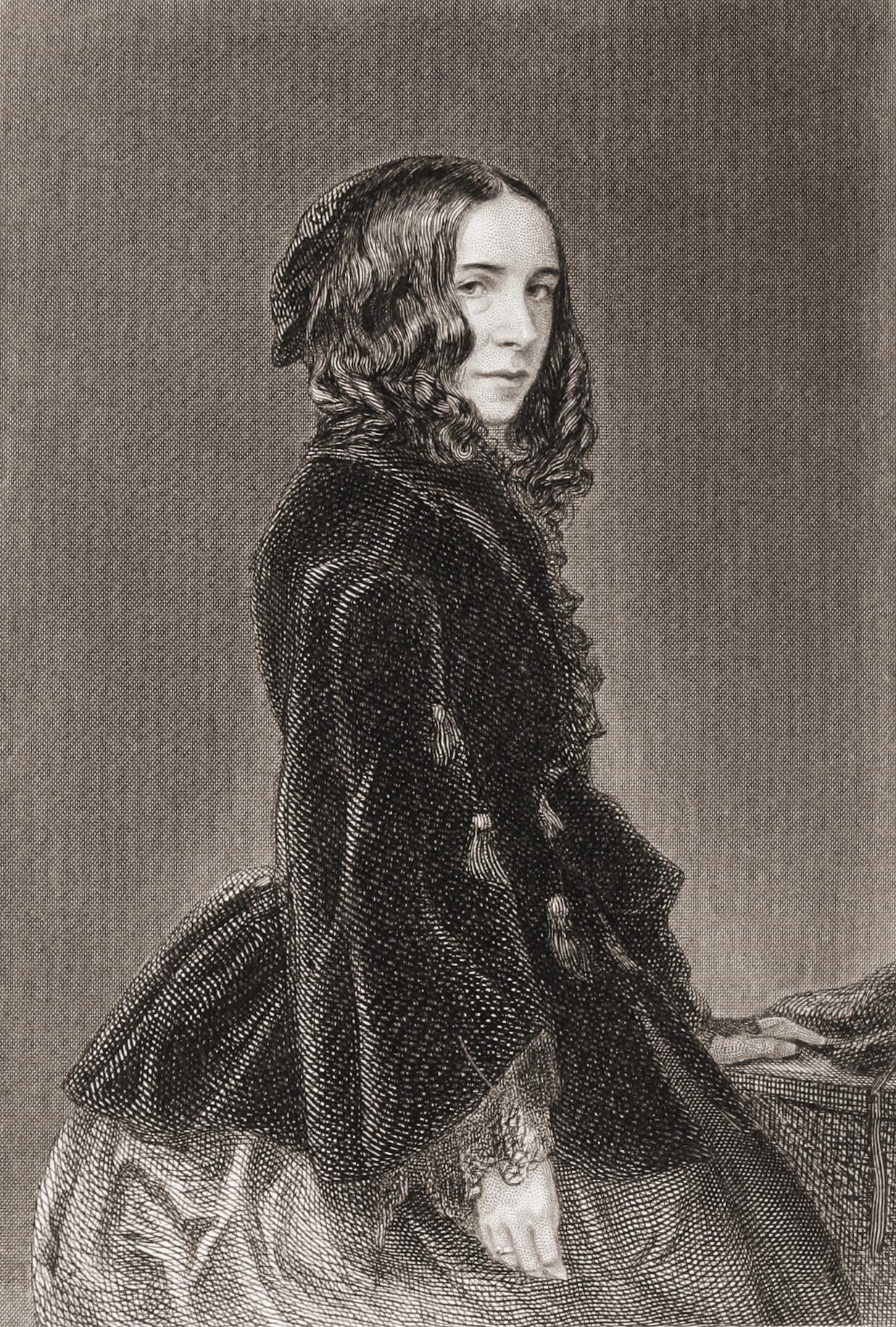
Famous Poems / Collections
- “How Do I Love Thee?” (Sonnet 43)
- Sonnets from the Portuguese (sequence)
- Aurora Leigh
- “The Cry of the Children”
- “A Musical Instrument”
Barrett Browning is one of the most famous poets in Britain, though many who know her most famous poem do not even realise it! The famous opening lines “How do I love thee? Let me count the ways…” are so iconic that they stand out on their own.
She began writing poetry at just 6 years old, and her mother collected all her poems, creating one of the most complete collections of work of any artist.
She was one of the most revered poets in the Victorian age, known for passionate sonnets and more socially-conscious works addressing child labour, slavery, and women’s roles. Barrett Browning’s works and success validated women’s participation in serious literature and influenced feminist and narrative poetry. Barrett Browning’s works even influenced other famous poets like Emily Dickinson and Edgar Allen Poe.
How do I love thee? Let me count the ways. / I love thee to the depth and breadth and height / My soul can reach, when feeling out of sight / For the ends of / Being and ideal Grace.
Elizabeth Barrett Browning, Sonnet 43
Sarojini Naidu
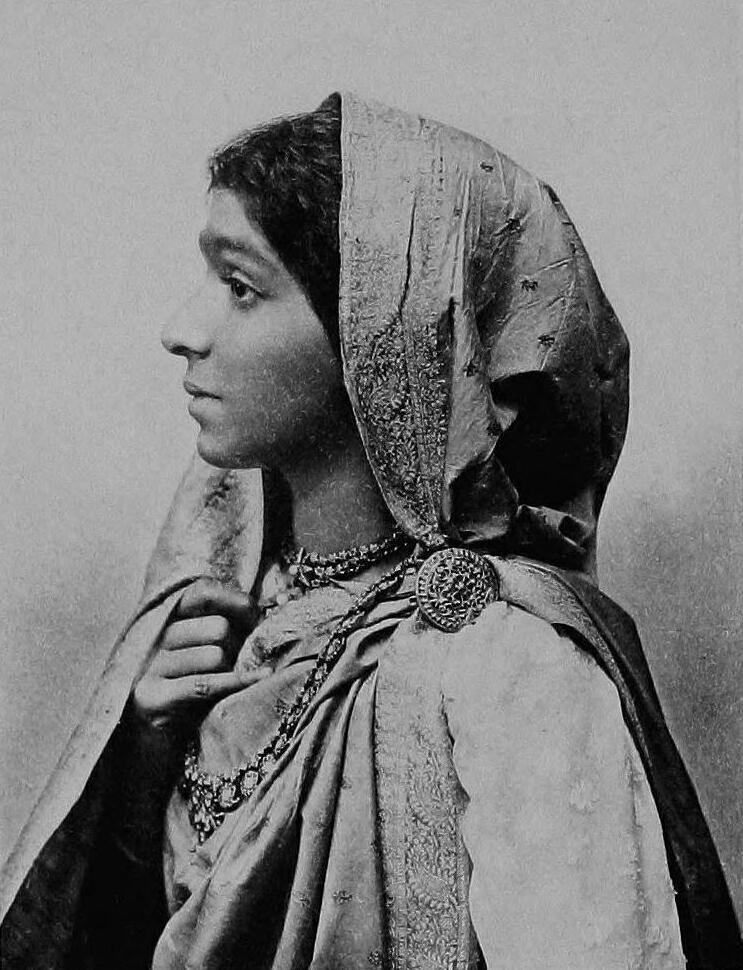
Famous Poems / Collections
- “In the Bazaars of Hyderabad”
- “The Palanquin Bearers”
- “Coromandel Fishers”
- “Indian Weavers”
- “The Gift of India”
Naidu is often referred to as “the Nightingale of India” because of the beautiful qualities of her poetry. She used musical language and vivid colours and imagery to describe scenes of everyday life in India. Naidu also wrote patriotic and elegiac pieces about war and sacrifice. As a major political leader in the Indian independence movement, Naidu used poetry to give a voice to the anti-colonial struggle. Her use of poetry as a tool in her activism is an inspiration to other activists around the world. Naidu’s work is also remarkable for being some of the first recognised works written in English by an Indian woman.
What do you sell O ye merchants ? / Richly your wares are displayed. / Turbans of crimson and silver, / Tunics of purple brocade, / Mirrors with panels of amber, / Daggers with handles of jade.
Sarojini Naidu, In the Bazaars of Hyderabad
Modern Female Poets Shaping Contemporary Literature
Our poetry and literature today is largely informed by poets from the 20th century and beyond. Female poets have been making incredible new strides in the arts, inspiring all people with their creations and insights. Poetry isn’t just art for the sake of art; it allows readers to contemplate new ideas and think of the world in new ways.
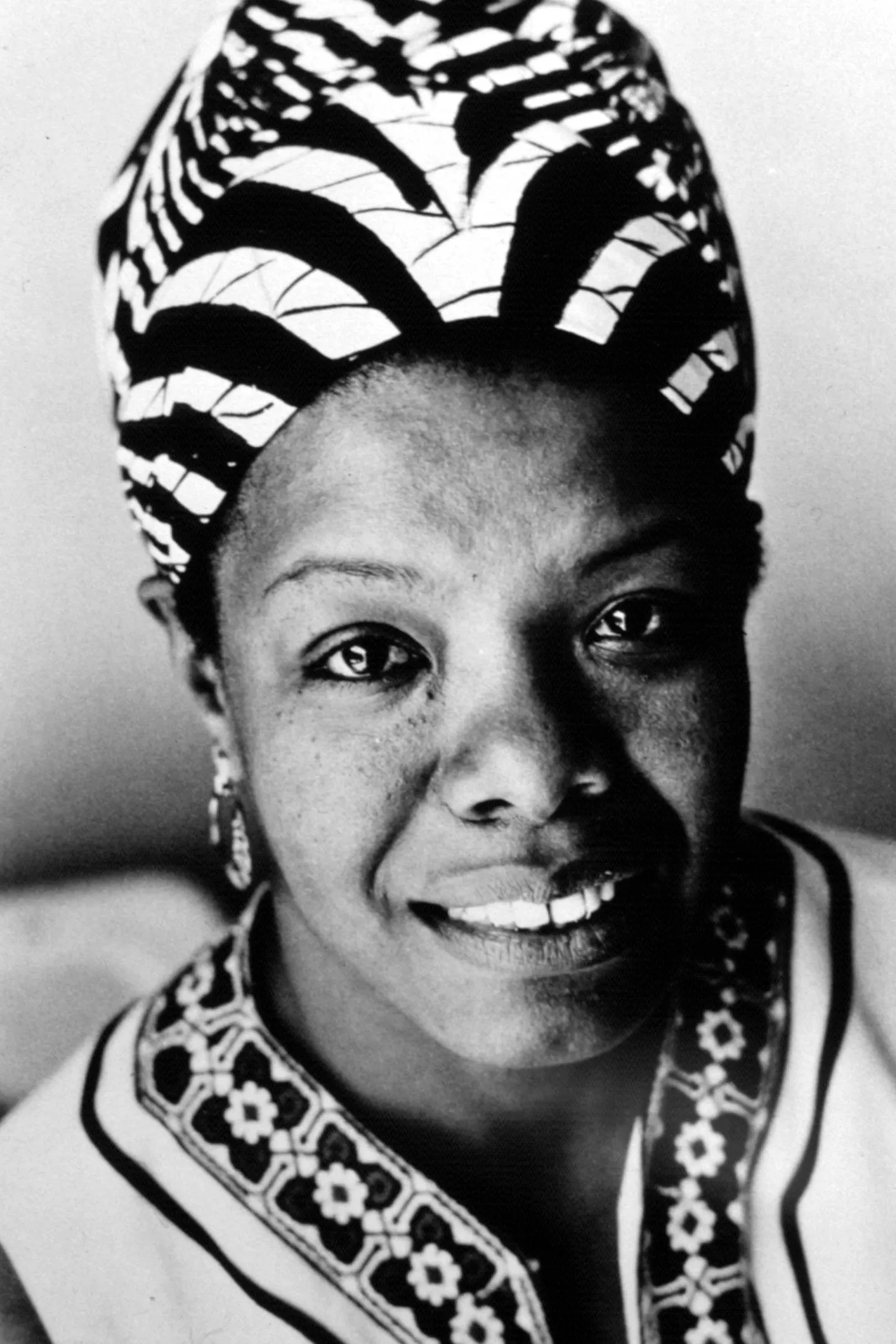
Maya Angelou
Famous Poems / Collections
- “Still I Rise”
- “Phenomenal Woman”
- “Caged Bird” / “I Know Why the Caged Bird Sings”
- “Life Doesn’t Frighten Me”
- “On the Pulse of Morning”
Angelou is easily one of the most famous American poets of all time. Her work expands beyond poetry to include memoirs, and the poems themselves were transformed when she recited them aloud; her tone, cadence, and gestures made the poems into multi-media experiences.
Angelou’s poems blend plain language with strong, evocative images of resilience, Black identity, and female strength. The concise, powerful words she chose for her works make them perfect to use as mantras during protests and in activist circles. Angelou demonstrated how poetry can be used as a tool for self and collective healing and social justice.
Learn about more of the most famous poems of all time.
You may write me down in history / With your bitter, twisted lies, / You may trod me in the very dirt / But still, like dust, I'll rise.
Maya Angelou, Still I Rise
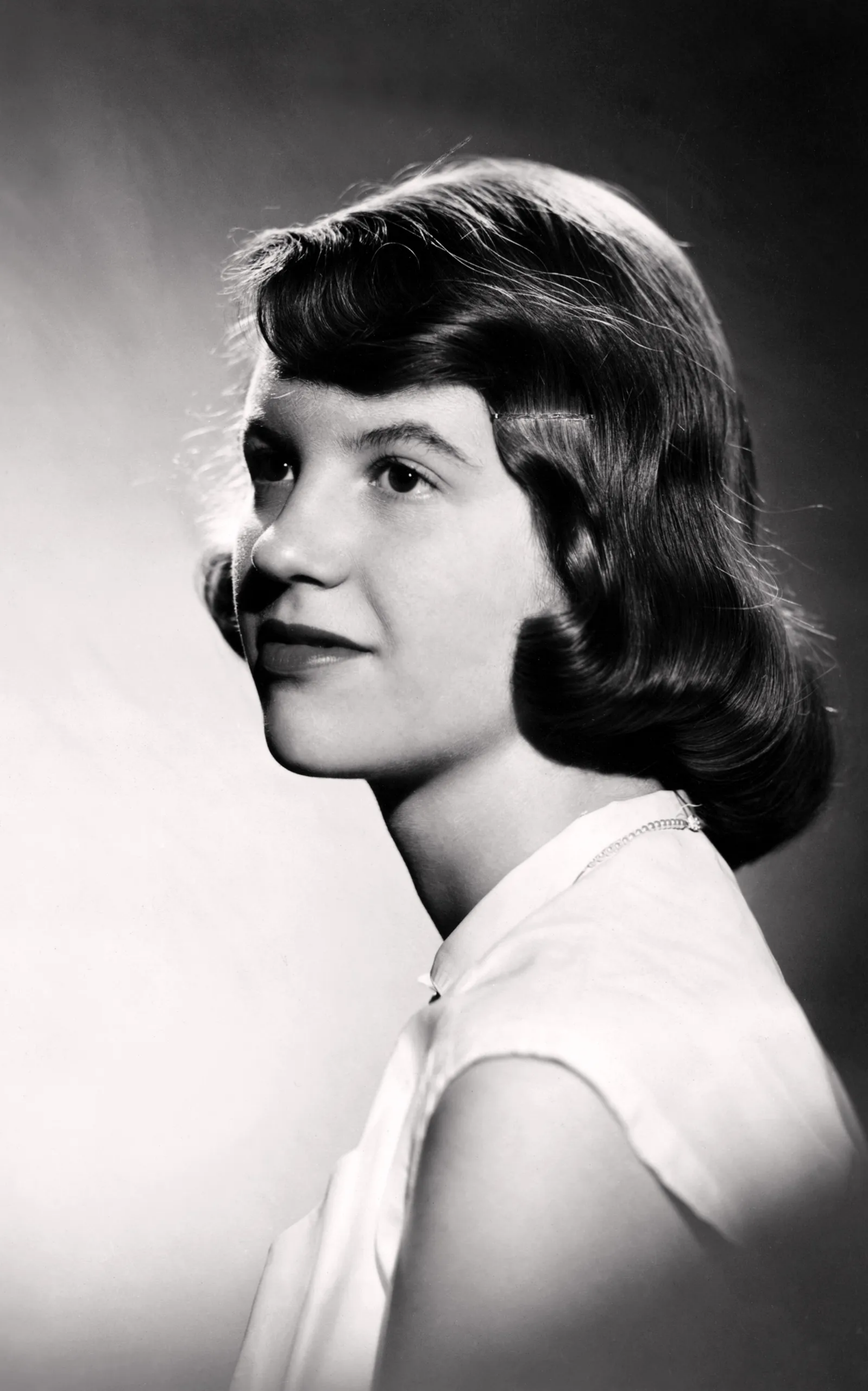
Sylvia Plath
Famous Poems / Collections
- “Daddy”
- “Lady Lazarus”
- “Ariel”
- “Morning Song”
- “Tulips”
Plath is known for her intense poetry as well as her tragic life. Her poems are confessional, offering unflinching and often disturbing insights into depression, anger, and difficult feelings about identity. Plath’s later works often use sharp images and bold metaphors to address experiences like mental illness, motherhood, and the constraints placed on women without holding back.
Readers can feel her raw, emotional state through the exacting language, which gives the feeling of being much more intimate and personal, versus other poets. Plath’s works raise moral questions about whether reading such confessional work is ethical, especially in light of her death. Regardless, Plath’s works stand out as uniquely charged in the world of literature and poetry.
There’s a stake in your fat black heart / And the villagers never liked you. / They are dancing and stamping on you. / They always knew it was you. / Daddy, daddy, you bastard, I’m through.
Sylvia Plath, Daddy
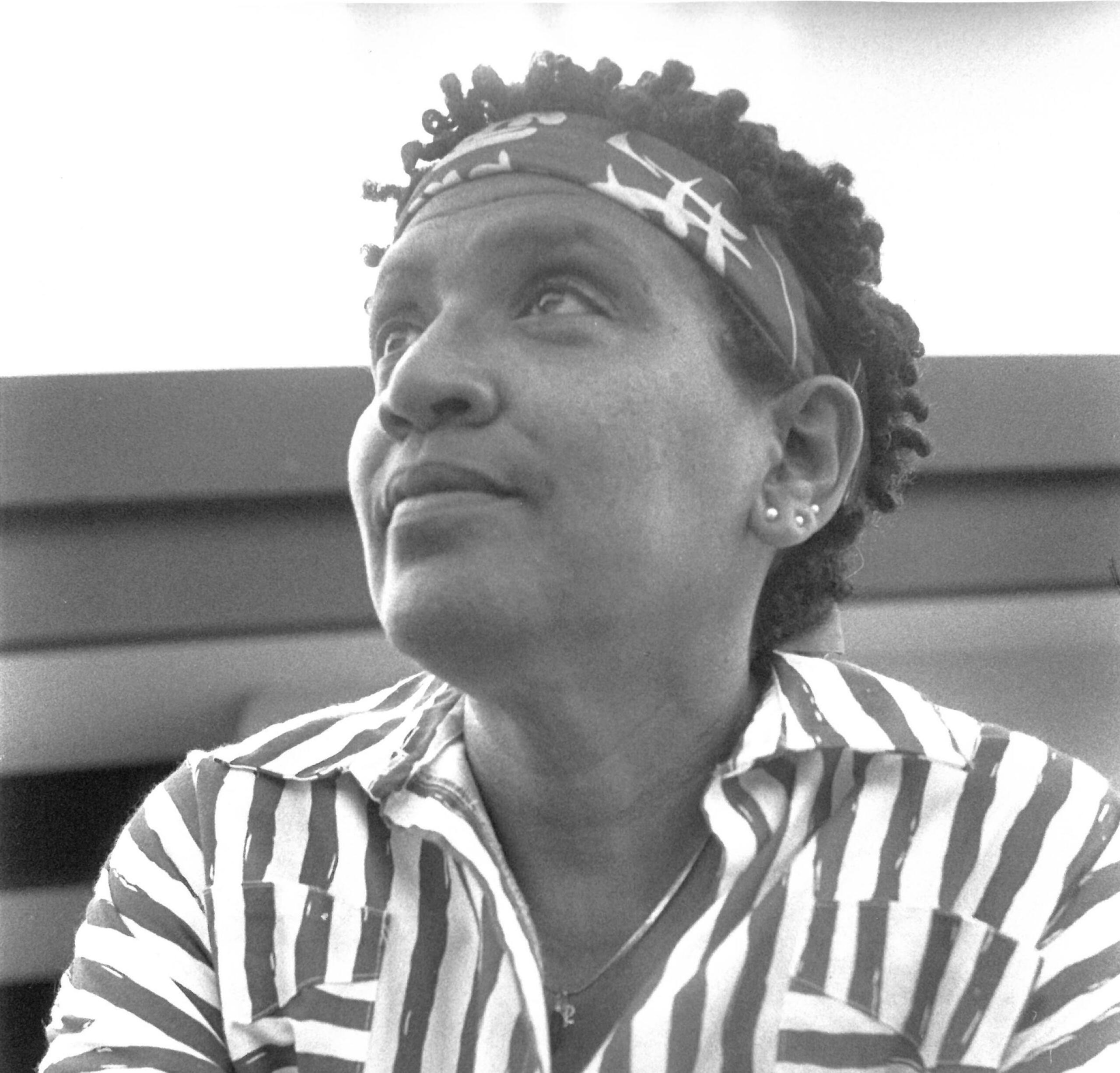
Audre Lorde
Famous Poems / Collections
- “Coal”
- “Who Said It Was Simple”
- “Power”
- “The Black Unicorn”
- “A Litany for Survival”
Lorde has described herself as “Black, lesbian, mother, warrior, poet.” This identity is evident in her works, which she uses as a way to tell political and personal truths. Lorde’s poems grapple with racism, sexism, homophobia, class oppression, and the intersectionality of all these ideas. She uses direct, yet layered, language to evoke different emotions in the reader.
Lorde also writes about love, eroticism, and the idea of harnessing anger as a creative, rather than destructive, force. Lorde’s ideas have helped shape feminist theory, queer studies, and activism, making her influential beyond the literary world.
Love is a word another kind of open— / As a diamond comes into a knot of flame / I am black because I come from the earth's inside / Take my word for jewel in your open light.
Audre Lorde, Coal
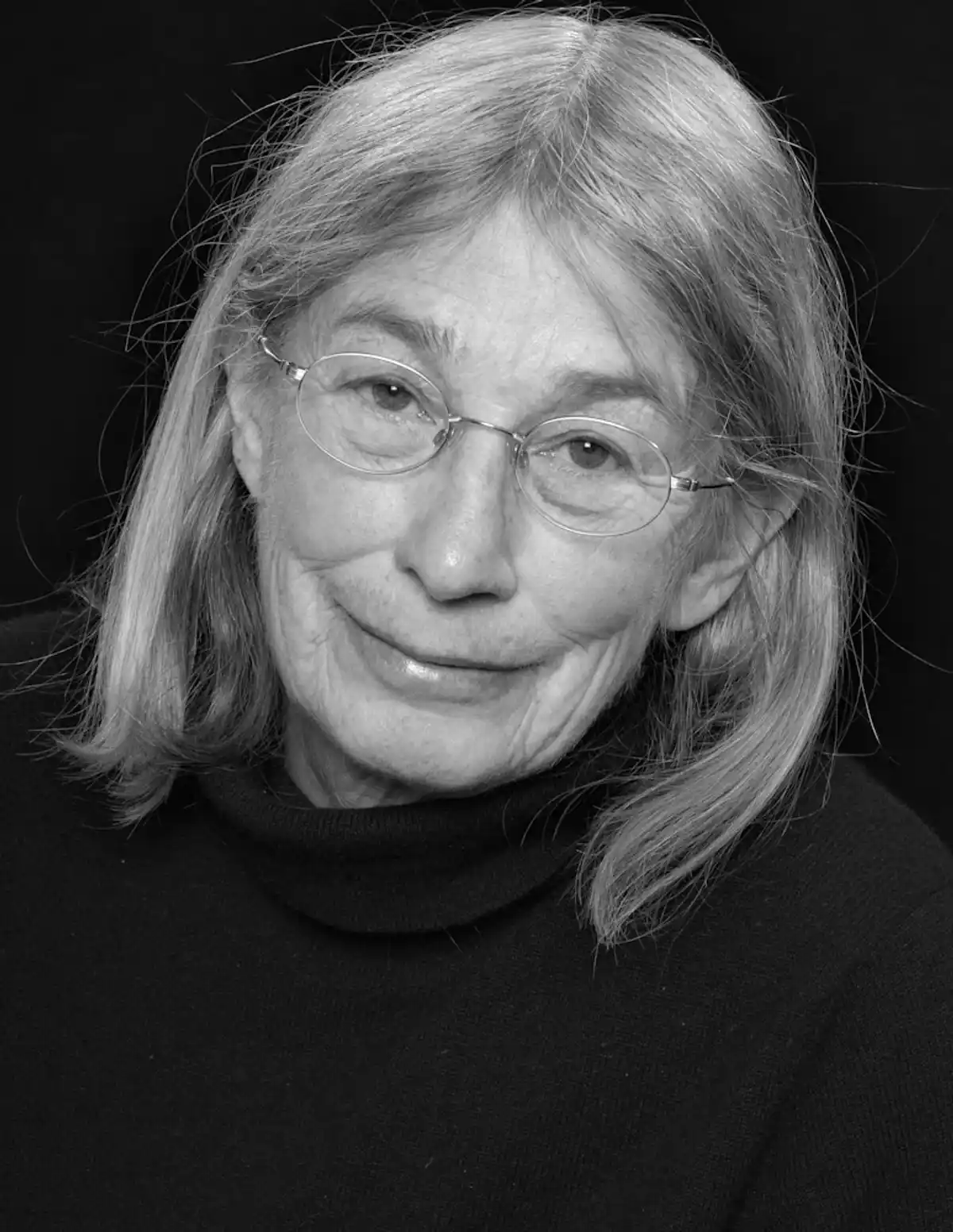
Mary Oliver
Famous Poems / Collections
- “Wild Geese”
- “The Summer Day”
- “When Death Comes”
- “Morning Poem”
- “In Blackwater Woods”
Mary Oliver’s poetry is loved for its clear, accessible language. She often writes about nature, spirituality, and paying attention to everyday things. She often centres her themes on walking in nature and asking reflective questions about how to live well and love the world.
Oliver’s works are simple and therefore easy to reference, showing how plain language that holds philosophical depth can be effective for conveying complex ideas. Oliver’s works remind readers to pay attention to life and enjoy the beauty that is to be found.
You do not have to be good. / You do not have to walk on your knees / For a hundred miles through the desert, repenting. / You only have to let the soft animal of your body / love what it loves.
Mary Oliver, Wild Geese
Kim Hyesoon
Famous Poems / Collections
- “Mommy Must Be a Fountain of Feathers”
- “All the Garbage of the World, Unite!”
- “Autobiography of Death”
- “Poor Love Machine”
- “I’m OK, I’m Pig!”
Hyesoon’s poems are known and renowned globally in their translated versions. Domestically, she is well-recognised for her work. She was the first woman to receive the Kim Su-yeong Literature Award, Midang Literary Award, Contemporary Poetry Award, and Daesan Literary Awards, and she has won other prizes as well.
Her poems are known for their surreal, often grotesque imagery combined with feminist themes. They often challenge patriarchal culture and war.
Hyesoon mixes subjects like the physical body, myth, and political violence in ways that challenge the standing conventions of lyric poetry. Her work is studied around the globe as a brilliant contemporary example of experimental, transnational feminist writing.
On the seat you left, I sit like a garbage god, and do you or don’t you know / that I wait for the green truck heading to the landfill like the dearest dirtiest loftiest god / who has long endured till now because of its hunger for humans? / Do you or don’t you know that every day our hair falls and mixes with the melting water of an iceberg in the faraway sea? / Yournostrilssingledropofapricklynosehairearth god!
Kim Hyesoon, All the Garbage of the World, Unite!
Rupi Kaur

Famous Poems / Collections
- “the breaking”
- “what love looks like”
- “immigrant”
- “home”
- “broken english”
Kaur is easily one of the most visible contemporary poets, but just because her work is “mainstream” doesn’t mean it’s in any way hollow or performative. Her work is compatible with social media formats, like Instagram, making it shareable and accessible for many who might otherwise not see much poetry.
Kaur’s poems incorporate free verse and line drawings with frequent focus on love, trauma, healing, and being a young woman. Her lived experience as part of the Indian Punjabi diaspora informs much of her work.
Critics complain about her style and simplicity, but art is art, and Kaur’s poems speak to many people. Furthermore, she is a pioneer in using new technology like digital platforms and digital design as an integral element in poetry.
Discover the most famous love poems of all time.
In the end I found that the universe / I longed to connect with lived within me / there was no need to look anywhere else / for the answers as long as life was in me.
- Rupi Kaur from “milk and honey”
Emerging Voices
Art and poetry are always evolving, with new voices adding novel ideas every day, shaping eras and movements over time. Today, there are many new female poets contributing their works to the collective body of poetry. Here are just a few women to watch who have recently begun publishing their art.
Robin Walter

Famous Poems / Collections
- “Beyond the meadow”
- “The beginning of July”
- “Three birds”
- “Proximal worlds coupling briefly”
- “Last July light”
Walter published her first poetry collection, Little Mercy, in 2025. It won the Academy of American Poets First Book Award. She often focuses on natural subjects like birds, landscapes, and quiet moments in nature. Walter began writing while in physical recovery from an accident, which was also during the early days of the pandemic, and when civil unrest was sweeping across the U.S. Walter says she was isolated, but surrounded by plants and animals in the Big Horn Mountains of Wyoming, which gave her hope and gratitude.
Her poems carry a meditative quality, but often with the tension of pain and healing in the background. The mainstream success of her first collection shows that the world is ready for eco-poetry with themes of embodiment and reflection.
Sometimes, / I cannot recall / my own name— / I mean, sometimes / can’t sleep, can’t / speak, / forget / all about / wrens— / Still, the day opens. Call me / meadow. Call me horse. / River, call me—
Robin Walter, Robin has always been my name
Evie Shockley
Famous Poems / Collections
- “semiautomatic”
- “the new black”
- “—shall become as—”
- “Where Is It Clean”
- “The Gorgon Goddess”
Shockley blends experimental poetic forms with Black history, politics, and everyday life. She changes style, moving between free verse and structured forms, combining collage, visual layout, and hybrid genres to explore how language carries power.
Her works, both individual poems and her collections, address contemporary events and zeitgeists, including police violence and media culture. Shockley manages to make her poems into memorials and critiques at the same time. Her work as a literary scholar and poet put her in a position of importance in contemporary African American poetry.
you put this pen / in my hand and you / take the pen from / my hand. the night / before the full moon / the moon seems / full. what is missing / is a dark hungry / sickle, the sliver / of shadow eating / us up inside…
Evie Shockley, – shall become as –
The world of poetry is always evolving. Finding new-to-you artists from any time period is a great thing that expands your mind. Keep looking for poetry and other art that speaks to you and expands your ways of thinking!
References
- Arntsen, E. (2019). Why is Jane Austen the only woman in early modern English literature textbooks? Blame the pride and prejudice of men. In Northeastern Global News. https://news.northeastern.edu/2019/09/06/why-is-jane-austen-the-only-woman-in-early-english-literature-textbooks-blame-the-pride-and-prejudice-of-men
- Burch, M. R. (2025). The Greatest Female Poets of All Time. In Michael R. Burch’s Substack. https://michaelrburch.substack.com/p/the-greatest-female-poets-of-all
- Hyakunin Isshu: poem 9 (Ono no Komachi・hana no iro wa). (n.d.). In Hyakunin Isshu. https://onethousandsummers.blogspot.com/2012/07/ogura-hyakunin-isshu-poem-9-ono-no.html
- Little Mercy. (n.d.). In Graywolf Press. Retrieved February 27, 2026, from https://www.graywolfpress.org/books/little-mercy
- The Exaltation of Inana. (2022). In Enheduana. https://enheduana.org/the-exaltation-of-inana
- The Exaltation of Inana (English and Sumerian translation). (n.d.). In www.atour.com. https://www.atour.com/history/4000BC/20110927a.html
Summarise with AI:
Did you like this article? Leave a rating!

 Loading...