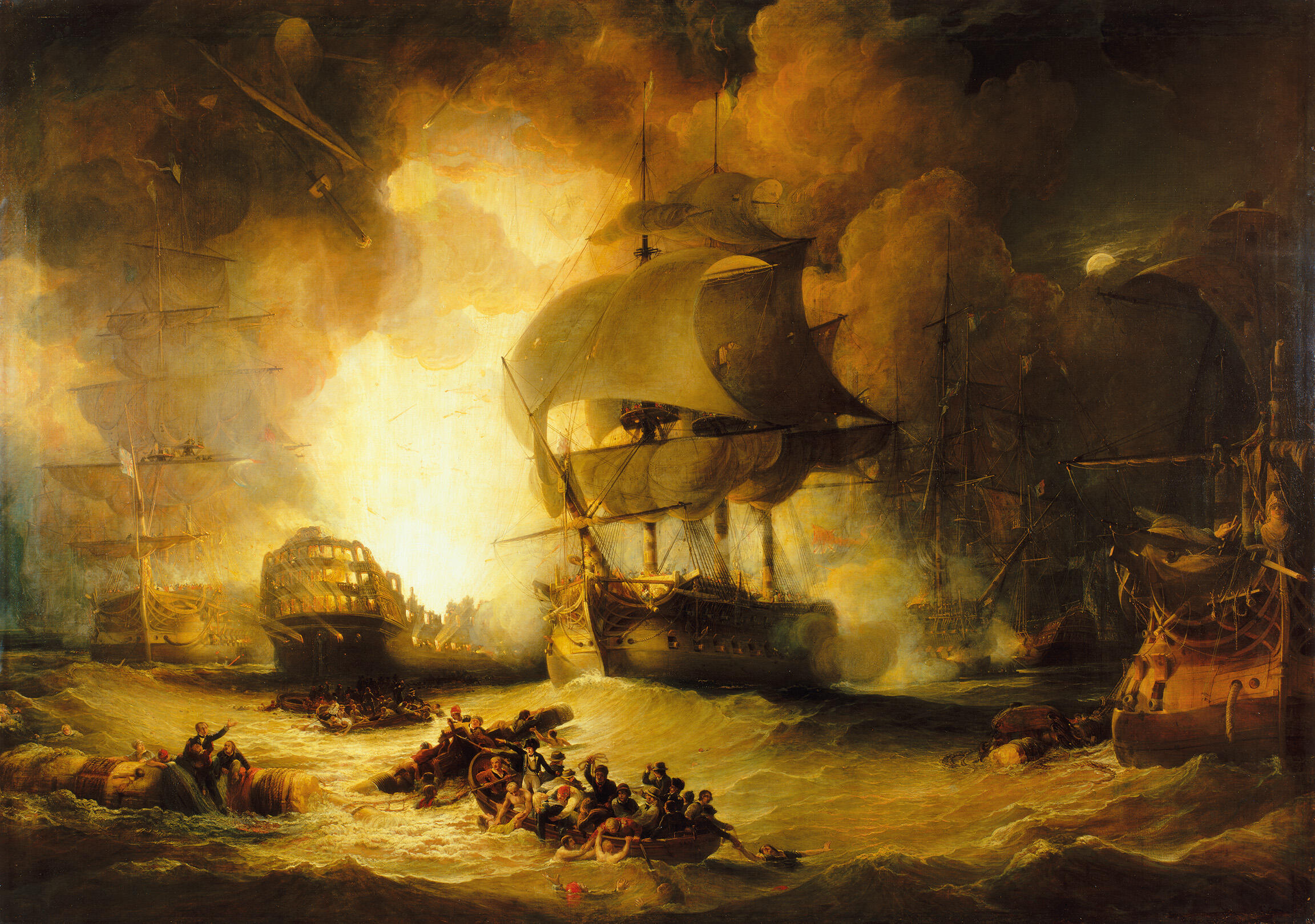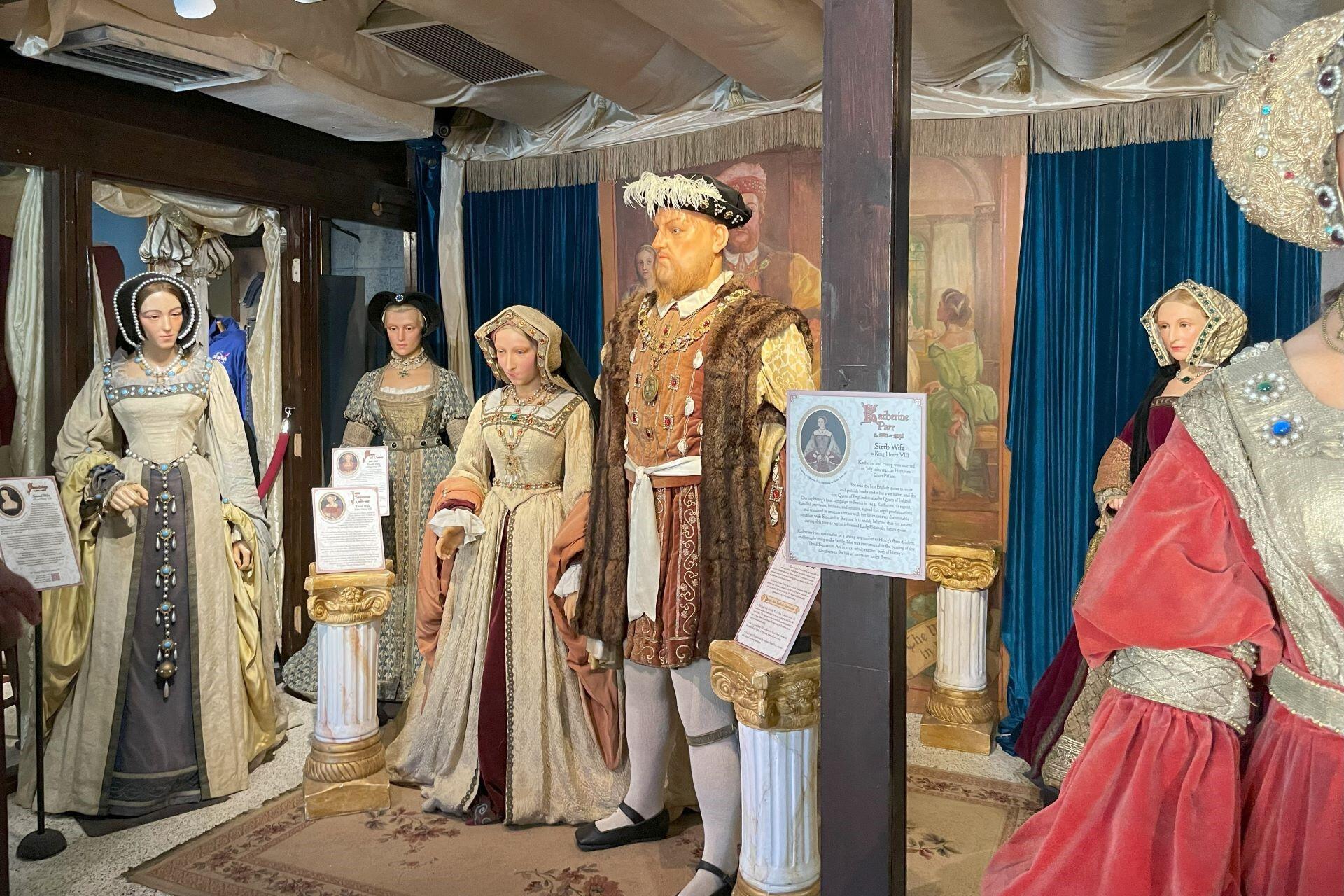

The Tudor period is often described as one of England's most transformative.⁷ It spanned from 1485 to 1603 with the reigns of five Tudor monarchs.² Political upheaval, religious reform, and cultural growth. Let's explore the Tudor times.
Key Takeaways
- The Tudors ruled England for 118 years, beginning with Henry VII's accession after the Wars of the Rose and ending with the death of Queen Elizabeth I.
- King Henry VIII is one of the most famous Tudor monarchs, mainly because of his six marriages, including his marriages to Catherine of Aragon and Anne Boleyn, which helped bring about England's break from the Catholic Church.
- After Henry VIII's death, his son, King Edward VI, continued Protestant reforms during his short reign, ruling England at a very young age.
- Queen Mary I later attempted to restore Catholic rule. At the same time, Queen Elizabeth I stabilised religion and strengthened England politically during her long reign.
- The Tudor royal family faced constant succession challenges, including disputes among nobles, such as powerful Ducal families, and claims linked to earlier royal lines descended from figures like John of Gaunt.
- The Tudor monarchy ended when Elizabeth I died without an heir, leading to the succession of King James VI of Scotland, who united the crowns of England and Scotland.


The House of Tudor: Monarchs and Their Legacies
The Wars of the Roses culminated in a victory for the House of Tudor.⁷ The period during the reigns of the Tudor monarchs between 1485 and 1603 is aptly called the Tudor Period by historians. These rulers helped shape England politically, culturally, and religiously.⁹ Through reform, diplomacy, and expansion, this dynasty left a lasting imprint on the country.
years, from Henry VII’s victory at the Battle of Bosworth Field in 1485 to the death of Elizabeth I in 1603, marking one of the most transformative eras in English history.
Timeline of the Tudor Monarchs
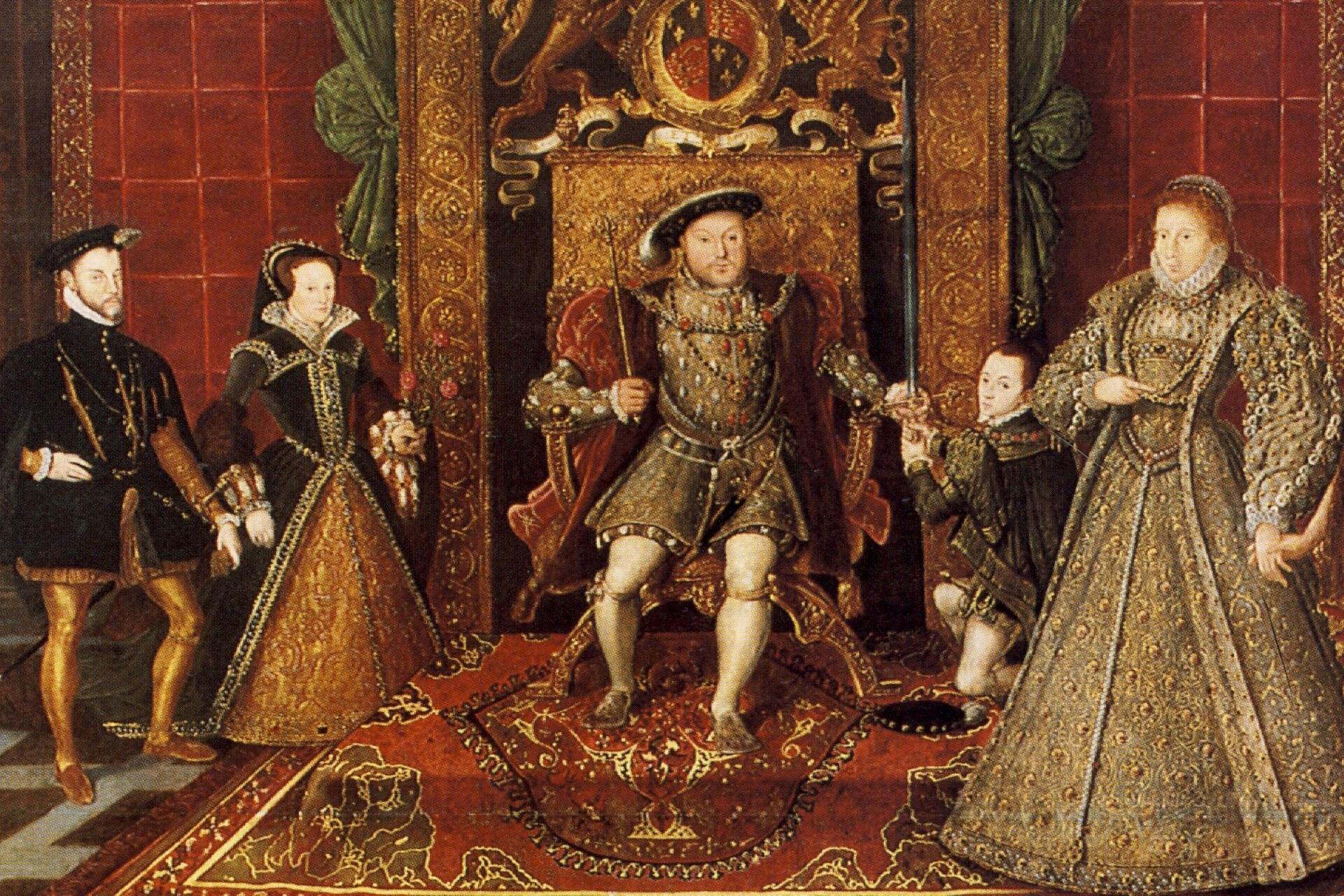
The Tudor dynasty ruled for over a century, with five monarchs. Each left their mark on history, and collectively, they defined the Tudor era. They changed governance, religion, and society. Each of them faced unique political and religious challenges.
1485–1509
Henry VII
1509–1547
Henry VIII
1547–1553
Edward VI
1553–1558
Mary I
1558–1603
Elizabeth I
Tudor Timeline: Key Events and Milestones
Though you can view the Tudor era through the lens of each monarch's reign, you can also see it in terms of the key events that spanned it. Every monarch was there for at least one of them, which is why the period is so fascinating. Here, you can see how the House of Tudor transformed England.
1485
Henry VII wins the Battle of Bosworth Field
Ends the Wars of the Roses and begins the Tudor dynasty.
1509
Henry VIII ascends the throne
The Tudor monarchy enters a high-profile reign that reshapes court politics and religion.
1534
Act of Supremacy
Parliament recognises Henry VIII as Supreme Head of the Church of England, severing ecclesiastical links with Rome.
1536
Dissolution of the Monasteries begins
Monastic wealth and land are transferred to the Crown, transforming England's religious and physical landscape.
1547
Edward VI becomes king
Protestant reforms accelerate under a child monarch and influential regents.
1553
Mary I becomes queen
England returns to Catholicism as religious policy shifts again.
1558
Elizabeth I begins her reign
A new religious settlement stabilises the Church of England and shapes the Elizabethan era.
1588
Defeat of the Spanish Armada
A landmark naval victory that boosts England's security and reputation as a sea power.
1603
Death of Elizabeth I
The Tudor dynasty ends, and the Stuarts succeed, with James VI of Scotland becoming James I of England.
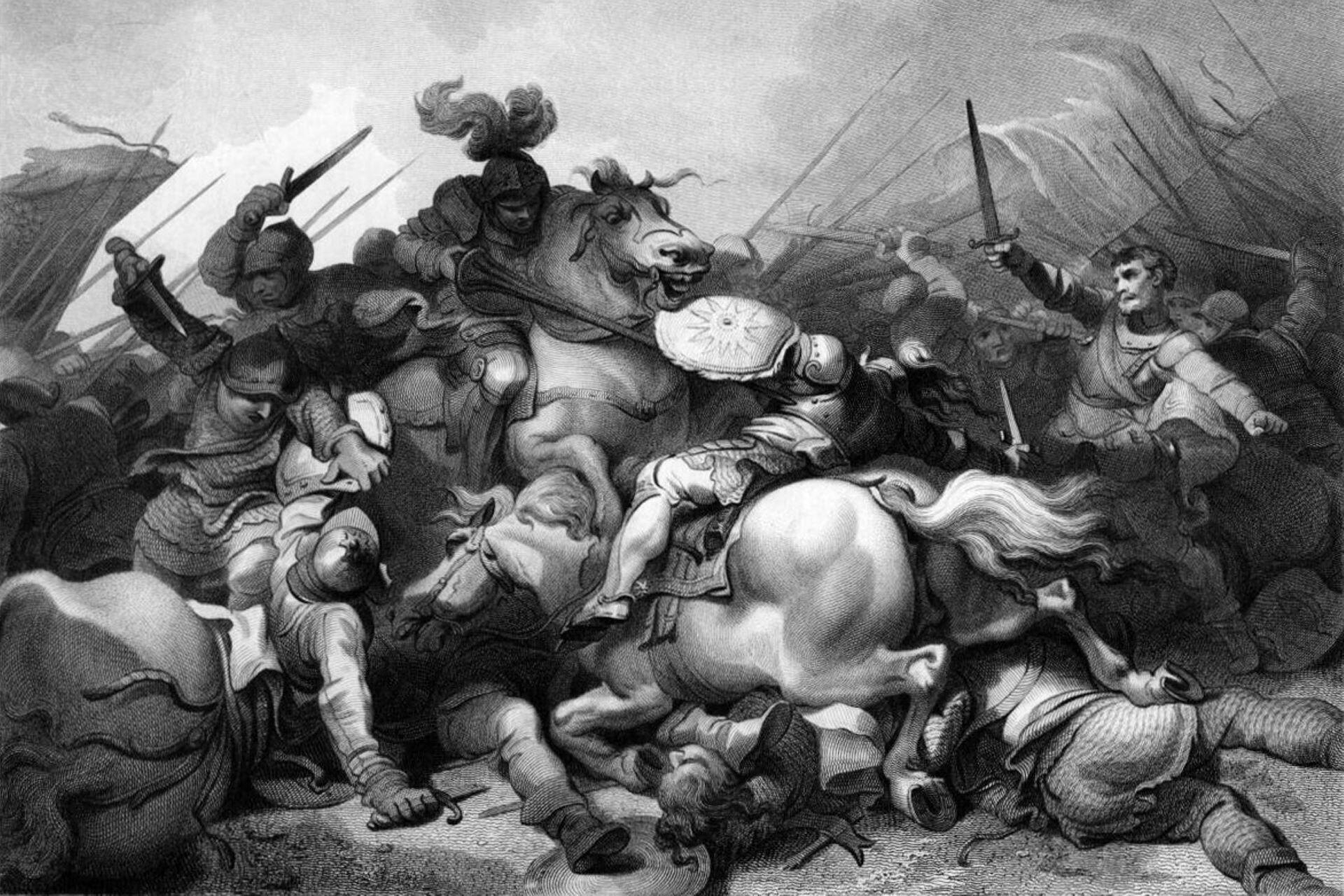
1485 – Henry VII's Victory at Bosworth Field
Henry VII won at the Battle of Bosworth Field.³ This ended the Wars of the Roses and established the House of Tudor on the English throne.⁷ A turning point in history, it brought relative political stability after decades of conflict.
1534 – Act of Supremacy
The Act of Supremacy was the act by which Henry VIII was declared Supreme Head of the Church of England.⁸ This decision separated England from the Roman Catholic Church, beginning the English Reformation.⁸ Royal control over religious institutions was increased, reshaping political power throughout the country.
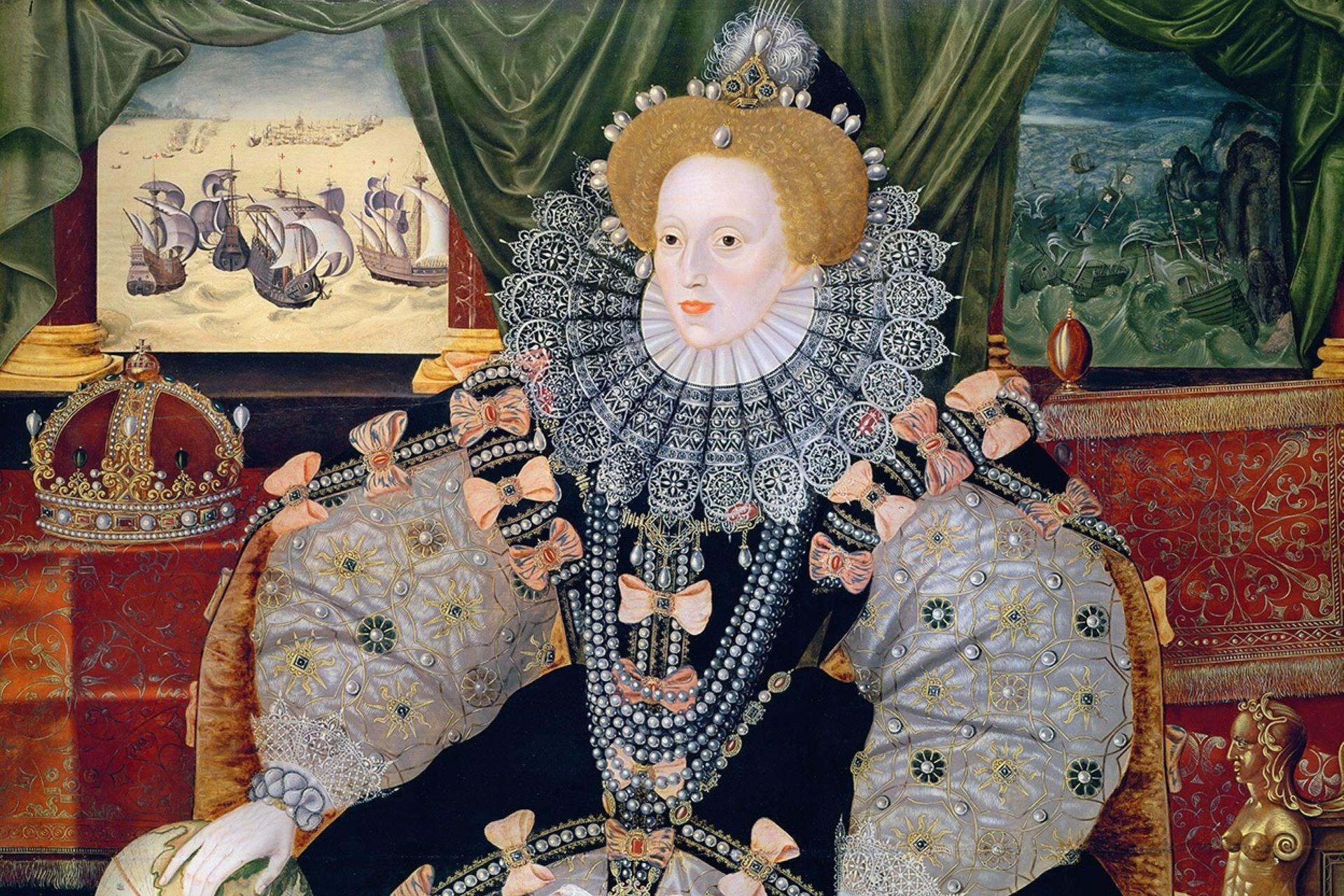
1588 – Defeat of the Spanish Armada
The victory over the "Invincible Armada" was a significant military and symbolic victory for Protestant England.² The failed invasion strengthened Elizabeth I's authority and boosted England's naval reputation at the time. It also encouraged overseas exploration and the expansion of trade, which greatly changed everyday life for certain people in Tudor times.
Tudor Society and Daily Life
Daily life in Tudor times was subject to strict social structures. Your class came with cultural expectations and economic responsibilities. While most people lived in rural communities, growing towns were an example of the Tudor era's relative social mobility.
Social Hierarchy
Society during the Tudor period was strict.⁶ Often described as the Great Chain of Being, Nobles and gentry held political power. At the same time, most people worked as farmers, labourers, or artisans.⁶ Your social status was pretty much decided at birth, and opportunities were mostly limited between classes, except for an emerging merchant class towards the end of the Tudor period.
Education and Literacy
During the Tudor period, education was only available to wealthy boys. Grammar schools promoted classical learning and religious instruction.⁴ The printing press helped spread ideas and increased literacy, but only for the middle and upper classes. Overall, literacy levels were relatively low, but they were notably higher in cities like London than in rural communities.
Fashion and Attire
Fashion reflected social status. There were even strict laws regulating who could wear certain materials and colours. Nobles wore garments made from silk, velvet, and fur. Ordinary people wore clothing made of wool or linen, both of which were more readily available and functional.
Cultural and Scientific Achievements
There was significant cultural growth and intellectual development during the Tudor period. Most of these shifts were influenced by the spread of Renaissance ideas across Europe.⁴ Literature, theatre, and scientific curiosity flourished with education and royal patronage in Tudor England. Much of the cultural output helped shape the national identity of the time.
The English Renaissance
The English Renaissance was marked by a renewed interest in classical learning, humanism, and artistic expression. There were writers, scholars, and artists, which led to increased literary production and cultural innovation. Improved education led to better standardisation of the English language during the Tudor period.
Notable Figures
William Shakespeare is one of the most influential literary figures of the Tudor era, as he's likely one of the most influential writers in the English language.⁴ There were also explorers like Sir Francis Drake and Sir Walter Raleigh. Individuals like these helped England's cultural reputation and promoted knowledge throughout Tudor England.
Religious Transformations
One of the key facts that most people know about the Tudor period is the religious changes of the time. Tudor monarchs introduced new religious policies that would move England away from the Catholic Church and then back toward it.⁸ These transformations created long-lasting divisions and also established the foundations of England's national church.
The English Reformation
The English Reformation was when Henry VIII broke away from the Catholic Church to strengthen royal authority and secure an annulment. Subsequent Tudor rulers chose to either expand or reverse these reforms. The religious landscape of Tudor England was volatile.
Persecution and Tolerance
Religious conflict during the Tudor times led to persecution. Under Mary I, persecution of Protestants was particularly rife, as she sought to restore Catholicism to the country.⁸ However, under Elizabeth I, the Elizabethan Religious Settlement offered a more balanced Protestant framework to reduce religious conflict. Tensions between Catholic and Protestant communities were a defining feature of the period.
religious houseswere closed, permanently reshaping England’s religious, economic, and architectural landscape.
Architecture and Art
During the Tudor period, architecture and artistic expression flourished. This was due to the wealth, authority, and cultural ambitions of the monarchy and nobility. Buildings, decorative arts, and portraiture were all important symbols of power and identity.
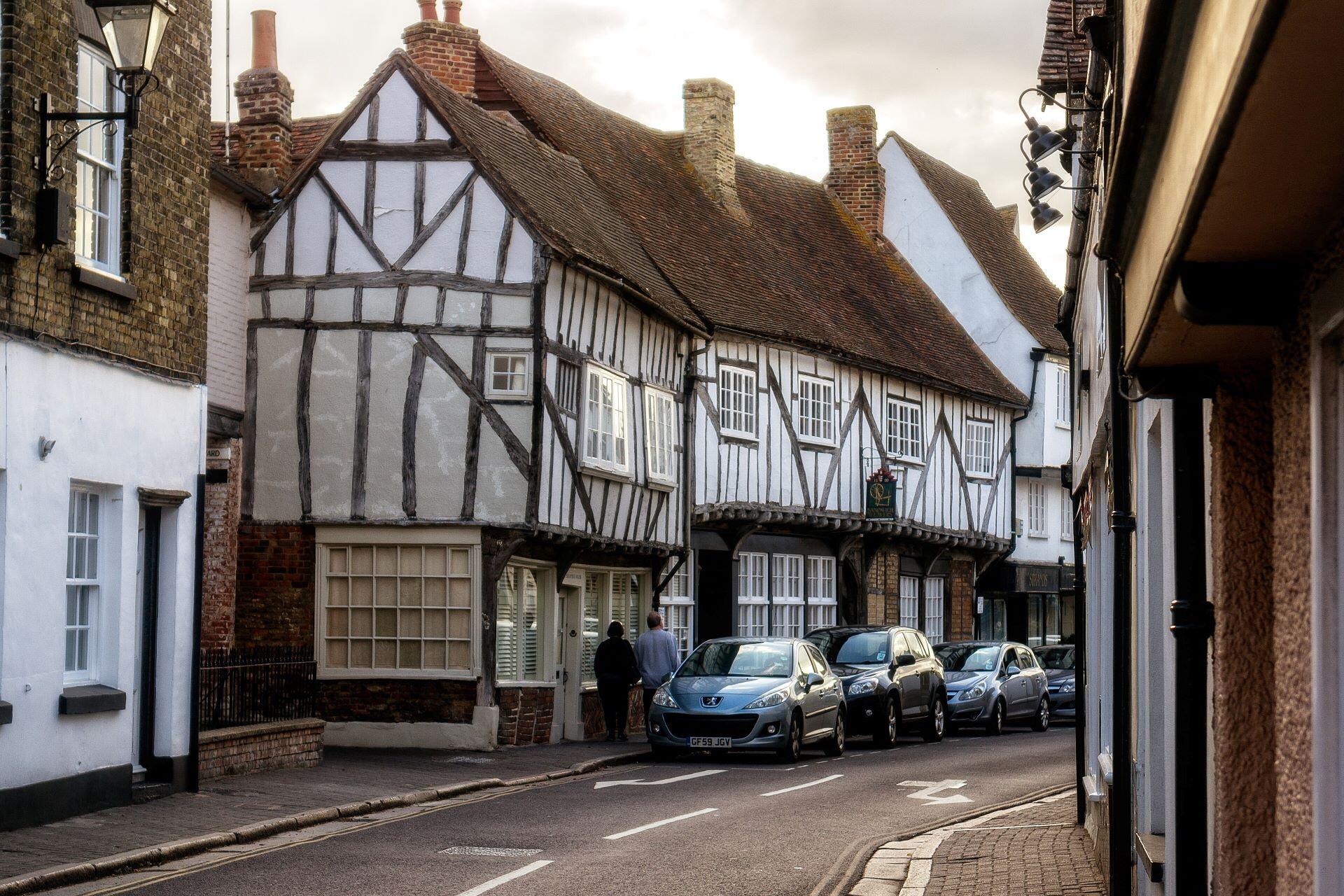
Tudor Architecture
Tudor architecture is most famous for its timber-framed buildings, decorative brickwork, and grand manor houses. Wealthy families commissioned impressive residences to show off their status and political influence. Architecture combined medieval building traditions with Renaissance influences.
Artistic Developments
In art, portraiture allowed monarchs and nobles to display their power. Royal patronage encouraged artists to produce detailed and symbolic works. These artistic traditions helped shape the visual culture and political propaganda during the Tudor era.
Economy and Trade
Agriculture, commerce, and international trade all changed dramatically during the Tudor era.⁵ Population growth, expanding markets, and overseas exploration helped strengthen the economy. The developments during the period would help make England emerge as a commercial and maritime power.
Agricultural Practices
Agriculture was the foundation of the economy during the Tudor period. Most people lived and worked in rural communities. The enclosure movement reorganised farmland more efficiently, but it displaced Tudor peasants.⁶ Rural society was reshaped while the economy was transformed.
Expansion of Trade
Trade expanded slightly during the Tudor era. Merchants established new international trading routes and partnerships. Exploration voyages opened up opportunities for overseas commerce and helped lay the foundations for England's journey towards empire. The growth of merchant wealth strengthened towns' economies and increased England's global influence.
Legacy of the Tudor Period
As the Tudor era ended, England was left a significantly different country from when it began. Its legacy shaped England's political structure, religious identity, and cultural development.⁷ The changes introduced during the House of Tudor established a stronger central government and national unity.
Enduring Impact
The Tudor monarch strengthened royal authority and established Protestantism as part of the English national identity.² Literature, exploration, and art would influence future generations, with the beginnings of England's later imperial expansion and global influence well underway, too. Without the Tudors, England would be a significantly different country.
Historical Interpretations
Historians continue to debate how significant the Tudor period really was. Some view it as a turning point in the creation of modern England. In contrast, others point to instability, religious conflict, and political challenges. Did the era set England back, or did it set the country on a completely different path?
References
- Brigden, Susan. New Worlds, Lost Worlds: The Rule of the Tudors 1485–1603. Penguin Books, 2001.
- Britannica, The Editors of Encyclopaedia. “House of Tudor.” Encyclopaedia Britannica, https://www.britannica.com/topic/House-of-Tudor. Accessed 7 Feb. 2026.
- Church, C. Upchurch. “Timeline of Modern British History.” Florida State University, https://myweb.fsu.edu/cupchurch/Resources/Timeline_ModBrit.html. Accessed 7 Feb. 2026.
- Core Knowledge Foundation. The Renaissance and the Tudor Period Teacher Guide. Core Knowledge Foundation, 2017, https://www.coreknowledge.org/wp-content/uploads/2017/08/CKHG_G5_B1_RenaissanceAge_TG_ONLINE.pdf. Accessed 7 Feb. 2026.
- East Tennessee State University. Tudor Expansion and the Development of the English Empire. https://dc.etsu.edu/cgi/viewcontent.cgi?article=5702&context=etd. Accessed 7 Feb. 2026.
- English Heritage. “The Tudors.” English Heritage – Story of England, https://www.english-heritage.org.uk/learn/story-of-england/tudors/. Accessed 7 Feb. 2026.
- Guy, John. Tudor England. Oxford University Press, 1988.
- MacCulloch, Diarmaid. The Reformation: A History. Penguin Books, 2004.
- ResearchGate. “Tudor Dynasty: An Introduction.” https://www.researchgate.net/publication/389804874_Tudor_Dynasty_An_Introduction. Accessed 7 Feb. 2026.
- Study.com. “Tudor England: Timeline, Fashion, and Facts.” https://study.com/academy/lesson/tudor-england-timeline-fashion-facts.html. Accessed 7 Feb. 2026.
Summarise with AI:
Enjoyed this article? Leave a rating!

 Loading...