
'The British and Americans are two people separated by a common language.'
George Bernard Shaw
The United States is one of the largest countries in the world, and English is the de facto national language. Each of its 50 states has its own accents. Still, we find plenty of overlap between how people in different states speak.
In this article, we discuss what makes the American accent unique among English dialects around the world. And then, we explore each region's accents and share sample phrases unique to those areas.


American English Overview
The United States of America (USA, or US) is, and has always been, a melting pot of cultures and ethnicities. Without discounting this land's indigenous population, its original premise was as an immigrant destination.
Italians, Poles, Russians, and French; Indians, Persians, Chinese, and Lao... People from around the world brought their languages and customs to 'America' with them.
English is the official language by default. This country has never declared an official language, and resists all attempts to do so, as a nod to its immigrant past.
Compared to many other nations, the US is quite a young country. Still, in its nearly 250-year history, Americans have established numerous regional dialects. These vernaculars reflect their areas' histories, as well as the people's experiences.
For the wealth of existing American dialects, most American English speakers content there's no such thing as an American accent. As proof, they point to the Irish English dialect, probably because it's so different from their speech patterns.
Language experts identify 15 American English accents, but evidence exists of many more.
Perhaps Americans believe their brand of English is all the same because their country is so vast. One can hear small differences in vocabulary from, say, Illinois to Indiana. However, one must travel great distances - and step out of one's own cultural boundaries, to hear how varied American English is.
This is the trip we take you on. We cross the US to discover the type of language you won't learn in your Melbourne or Newcastle English lessons. California is our port of entry and from there, we're headed all points east - and north, and south.
The Valley Girl Phenomenon
Few people realise that a 13-year-old girl helped establish American English's most iconic speech patterns. In 1982, Frank Zappa's daughter sang about how people in Encino, California talk. The song was an instant hit; it shaped the American accent for decades to come.
The Western (California) Accent
The Atlas of North American English, published in 2005, pinned the entire Western US under a single accent. In doing so, the authors revealed their language biases.
They recognised the Eastern US, where they lived and studied, as a collection of accents. However, they failed to recognise any diversity in accents in the western states.
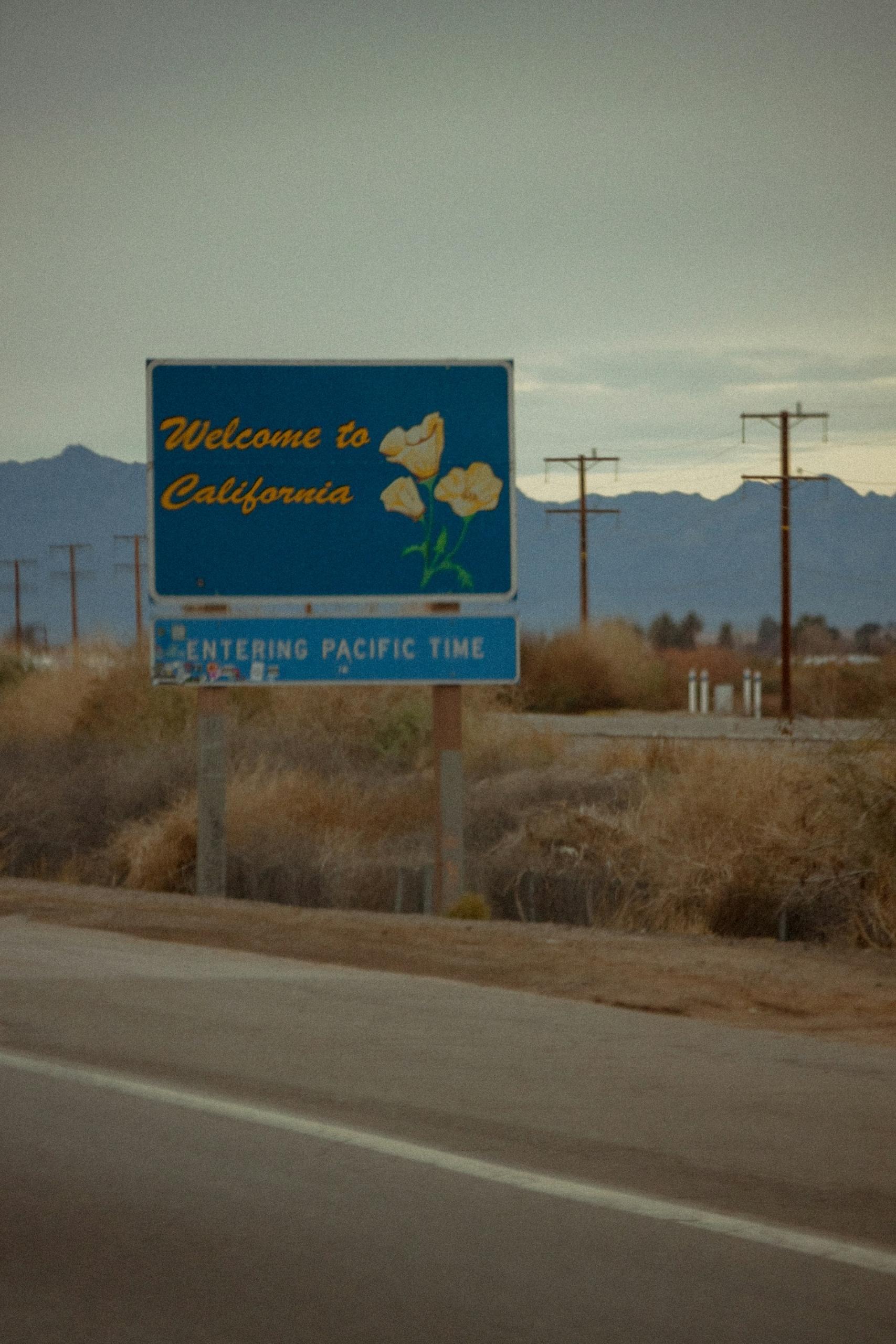
California is a very long state with a diverse population. Southern Californian English does not sound like the language you hear in San Francisco. Despite that, most people consider the speech patterns from the movie Clueless the true California accent. Note the language similarity in this 1995 film, with the song above.
The Pacific Northwest Accent
People native to Seattle, Washington and Portland, Oregon insist they have no accent. Or, more specifically, others have accents, not them. Admittedly, their speech is sharper and more defined than other US regions'. And this region has its own slang lexicon.
| Slang expression | What it means |
|---|---|
| The mountain's out. | It's a clear, possibly sunny day. |
| Liquid sunshine | rain |
| Seattle tuxedo | flannel shirt and jeans |
| Seattle freeze | rejecting outsiders |
| The Sound | Puget Sound area |
| The big dark | The rainiest time of the year. (from November through February) |
| Junuary (also June gloom) | The last blast of winter before the short summer. |
| Sunbreak | When the rain stops for just a few minutes. |
| The Market | Pike Place Market, downtown. |
| The Ave | A major shopping district. |
Still, we hear some slips, for instance: 'bag' is 'beg', and 'egg' is 'aig'. Also, vowel sounds are shorter - 'cot' instead of 'caught' and 'don', rather than 'dawn'. In this region, people don't go to the beach, they go to the coast. See if you can hear these distinctions in this interview with Seattle native (and late Nirvana frontman), Curt Cobain.
Midwestern American English

The aforementioned Atlas set the standard for American accent definition in the US. We've already established that this work has flaws; we now point to another.
It also lumps the country's entire central region into one American accent. It's a bit like lumping all the Indian English dialects together - which often happens, by the way.
That idea poses the gritty Chicago accent in the same context as the more relaxed Ohio Valley tones. And that people in Kansas and Oklahoma speak in the same patterns as those from Michigan and Minnesota. None of this is correct but all American English speakers in the US heartland presumably talk like the actors in Fargo.
Southern American English
No one's quite sure what 'speaking southern' means, or even which region constitutes the southern US. Some say it spans from Texas to Florida and includes half of the East Coast states.
Others insist on a southeast/southwest division, with the line running roughly along the west Tennessee border.
Linguistically, we call Southern American English the 'pin=pen' region. When you ask someone there for a writing instrument - a pen, they'll likely respond with "Oh, a pin!". Calling a cola 'soda' or 'cold drink' is a sure sign of this dialect; nothern American English speakers say 'pop'.
| Expression | What it means | Example |
|---|---|---|
| Bless your heart! | Anything from pity and sympathy to calling you a fool. | "Bless her heart, she ain't the prettiest face to walk the Earth!" |
| Madder than a wet hen | Very angry, indeed! | "She was madder than a wet hen when she found out Billy Joe was cheatin' on her!" |
| Till the cows come home. | Forever | "You can beg till the cows come home, I still ain't gonna do it!" |
| Yonder, over yonder, yon | Some unspecified distance away. | "Reach me that wrench over yonder." |
| Carry me to... | Drive me to, take me to | "My car's tore up, carry me to the store." |
| No bigger 'n' a minute. | Tiny | "That lil Jackie, he ain't no bigger n a minute but got miles of sass on him!" |
| Gimme some sugar Hug my neck | Kiss me Give me a hug | "Give granny some sugar and lemme hug your neck!" |
| Hush your mouth! | Shut up, don't say that. | "You hush your mouth! He ain't never done that!" |
| Well, butter my backside and call me a biscuit | I don't believe it; that's incredible. | "Well, butter my backside and call me a biscuit! I took first prize in the bake-off!" |
| If I had my druthers | I would prefer | "If I had my druthers, she wouldn't be goin' round with that boy at all!" |
This is a twangy American English accent. The degree of twang varies, depending on where in The South you are. The film Steel Magnolias, set in Louisiana, is a fair representation of this distinctive sound.
New Orleans - Cajun English

Many people lump New Orleans' dialect into the southern drawl (or twang) the last chapter describes. Doing so overlooks this region's Cajun and Creole influences, and its tragic history.
This city sits at the mouth of the Mississippi River. It was the country's slave trading capital.
The blend of accents in this city is unique. Part Creole, like the Jamaican English dialect, part Cajun - from the French 'Acadian', this language is nasal and flat. It puts Rs where they don't belong - 'warter' instead of 'water', and 'warsh' rather than 'wash'. The Big Easy - this city's nickname, as well as this film's title, shows this accent off well.
Appalachian English
Even the best English lessons online could not train your ear to this region's accent. Americans call it 'deep country' and 'hillbilly English'.
Those labels describe the Appalachian region well. It's the mountainous spine that runs from Georgia and the Carolinas into upstate New York.
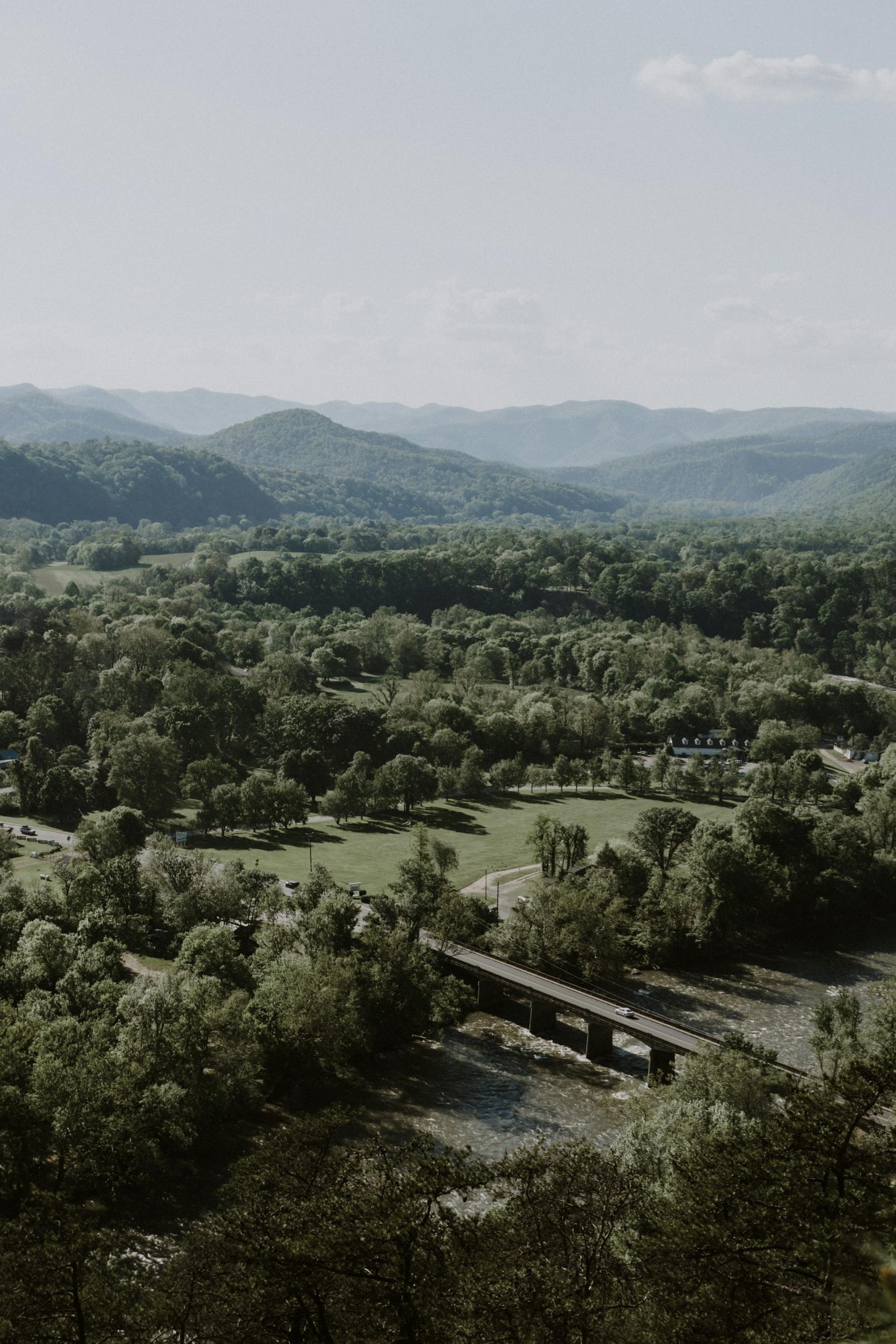
Clans and small communities of people tend to live remotely; disconnected from major society influences. Thus, their language develops apart from mainstream American English. Its grammar is simpler than the standard, and far more inflected.
Vowels are stretched out; 'maaww 'n' paaww' for 'ma and pa' (mother and father), for instance. Consonants are frequently dropped, as are whole syllables. This documentary clip demonstrates this accent and vocabulary perfectly.
New York English

From the Carolinas to roughly Washington, D.C. - the country's capital, accents tend to even out. North of the capital, we encounter New Jersey and New York accents.
Both of them suffer from a lack of R pronunciation, and vowels take on a life of their own. No one is ever first in these areas but, with luck and hard work, one can be 'foist'.
New York/New Jersey English favours hard consonants, particularly at the end of words. 'Long Island's pronunciation has practically become a meme; say 'Lawn Guy Land' to get this phrase right. And, we must mention the unforgettable 'Fuggedaboudit!' - 'forget about it', in this vernacular.
These massive population centres speak the language of a thousand cultures. Much like, say, the Nigerian English dialect, these cities' ethnic groups assimilate into one, overarching vernacular. Even documentary filmmakers can't find isolated accents in this region.
Northerneastern US English
North of New York City, we enter a radically different linguistic region. Here, the letter R disappears from pronunciation altogether, unless it's followed with a vowel.
It follows some of the Northwest region speech patterns, such as shortened vowels - cot-caught, for instance.

The Boston Southie accent is remarkable for its harshness. Native Southie speech comes out like machine gun fire, in hard, rapid bursts, often with vulgarities liberally mixed in. Unlike the Singaporean English dialect, it lacks any musicality.
Former US president John F. Kennedy is perhaps the most renowned Boston accent representative. His speech patterns, (mostly) free from Southie hardness, represent the area's speech patterns well.
African American Vernacular
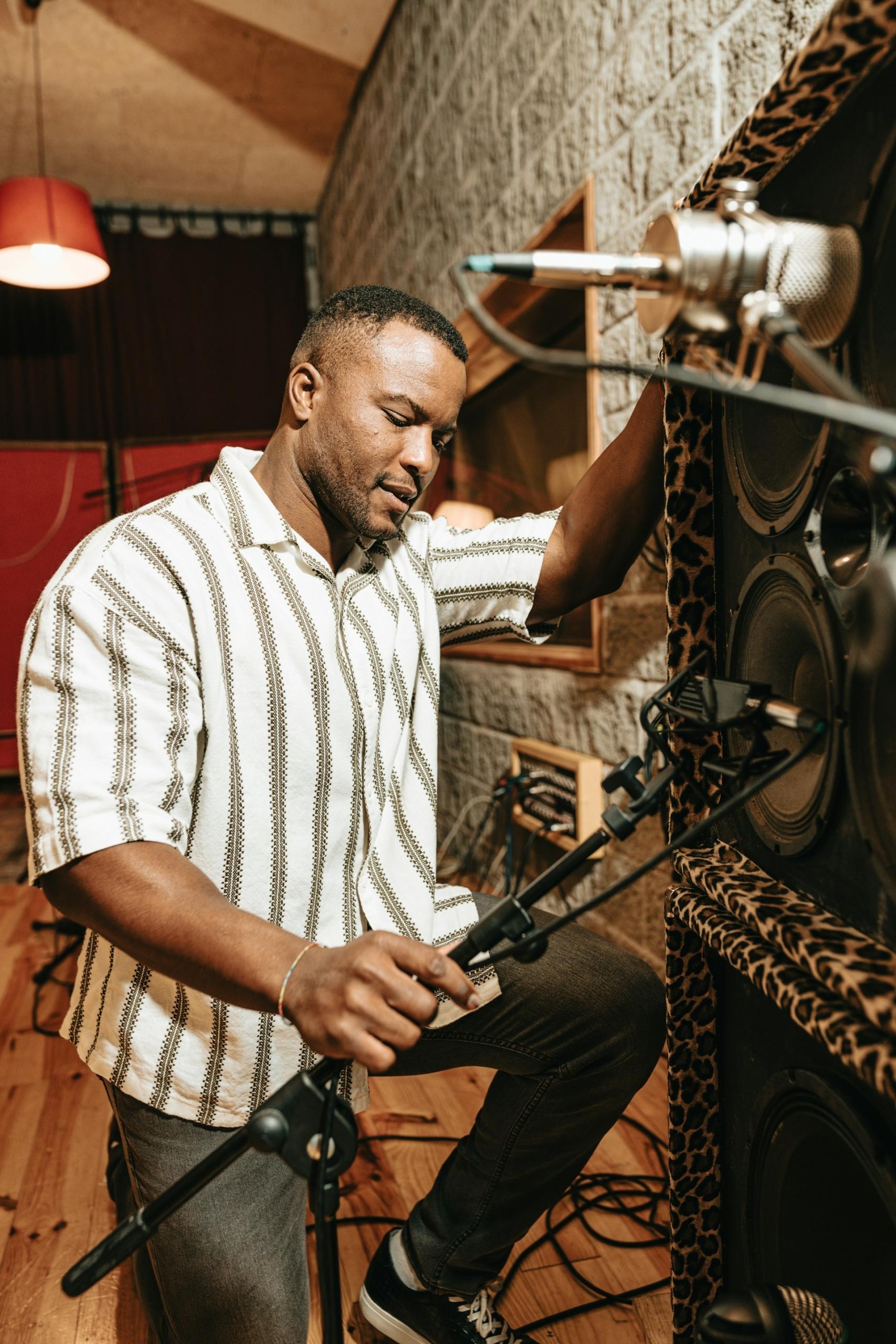
Of all the US's regional accents, African American Vernacular English (AAVE) is the most remarkable and distinctive. It transcends geography, ethicity, race, income, and social status.
Cultural exports, particularly film and music, provide a steady education in this linguistic phenomenon.
Across the US and around the world, AAVE vocabulary and speech patterns infuse Standard English. To wit, this rapper, who grew up speaking in the Australian English accent. The lyrics to her debut song, Fancy, are in the AAVE. Note how it spoofs the film Clueless - which, in turn, mocked the American English accent.
For all that this language is remarkable, its roots are unclear. Linguists argue whether it's a Creole language - born of the slave population, or an organic phenomenon. AAVE shares some grammar and pronunciation with other Southern American dialects, particularly the unique verb usage.
| Expression | Meaning | Example |
|---|---|---|
| Where they be? Where be the ...? | Where are they? Where is the...? | "Boo ain't home? Where they be?" |
| Crib | House | "Nah, bruh. I just chill at the crib tonight." |
| Talk, talking to | Dating, seeing one another | "Yeah, we talk. I been talkin to him since last month." |
| A solid | A favour | "Do a brutha a solid, man. I need me a new crib." |
| AHT! | Don't do that. | "Aht! I done tol' you, you best not be doing that!" |
| You trippin'! | You're crazy; out of your mind. | "You trippin' bruh! I ain't never!" |
| Whippin' | Driving | "I ain't whippin' you all that way less-un you give me some gas money!" |
| Nahmeen | Do you know what I mean? | "She a fine piece of chocolate, nahmeen?" |
| You good. You good? We good? | You didn't do anything wrong. Are you doing okay? I might have offended you. | "You good, Cuz, just don't do it again!" "You good, Bae? You look mad." I din' mean no harm, we good? |
| Going for some bread and cigarettes. | Leaving and not coming back. | "They ain't got no dad, he go for some bread and cigarettes." |
Word order is another distinctive break from Standard American English. This chart outlines examples from the AAVE lexicon. Were you to speak or write this way in your English language courses Melbourne, your teachers would likely reject your efforts.
Discover more about American English with English classes near me on Superprof, where you can find out more about how to understand and even speak with different regional dialects.
Summarise with AI:
Enjoyed this article? Leave a rating!

 Loading...