


Even though the earliest examples of Australian literature were the oral traditions of Aboriginal and Torres Strait Islander peoples, these voices were underrepresented in the Australian literary canon for many, many years.
However, the people of these cultures, with their rich storytelling traditions, have significantly contributed to Australian literature in the Western style and continue to do so.
In this article, we'll look specifically at Australia's greatest Indigenous authors, biographies, and most memorable books by Indigenous Australian authors.
In addition, if your dream is to become a writer, an English tutor can be a game changer. Search online for "tutoring english online" and you will find the Superprof platform, which is the easiest way to connect with local tutors.
| Author | Years | Most Famous Title |
|---|---|---|
| Alexis Wright | 1950- | Carpentaria (2006) |
| Ambelin Kwaymullina | 1975- | Catching Teller Crow (2019) |
| Anita Heiss | 1968- | Am I Black Enough for You? (2012) |
| Archie Roach | 1956-2022 | Tell Me Why: The Story of My Life and My Music (2019) |
| Bruce Pascoe | 1947- | Dark Emu (2014) |
| David Unaipon | 1872-1967 | Legendary Tales of the Australian Aborigines (1930) |
| Ellen van Neerven | 1990- | Heat and Light (2014) |
| Gary Foley | 1950- | Redfern: Aboriginal activism in the 1970s (2020) |
| Kim Scott | 1957- | Benang: From the Heart (1999) |
| Margaret Kemarre Turner | 1938-2023 | Iwenhe Tyerrtye: What It Means to Be an Aboriginal Person (2010) |
| Melissa Lucashenko | 1967- | Too Much Lip (2019) |
| Oodgeroo Noonuccal | 1920-1993 | Stradbroke Dreamtime (1972) |
| Tara June Winch | 1983- | Swallow the Air (2006) |
| Terri Janke | 1966- | Butterfly Song (2005) |
| Tony Birch | 1957- | Blood (2011) |


Alexis Wright (1950- )
Alexis Wright is a Waanyi author. The Waanyi people are from the south of the Gulf of Carpentaria in Queensland and the Northern Territory. Her works often explore indigenous culture and history and how it interacts with the modern world.
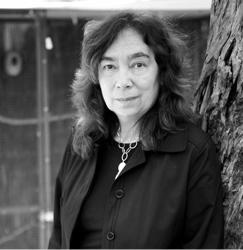
Her very first novel, “Plains of Promise,” (1997) received high acclaim, being shortlisted for the Commonwealth Writers' Prize, The Age Book of the Year, and the NSW Premier's Awards.
Her most famous novel "Carpentaria" (2006) won the Miles Franklin Literary Award, the Queensland Premier's Literary Awards, the ALS Gold Medal and the Vance Palmer Prize for Fiction in 2007. In 2024, she won the Miles Franklin Award for “Praiseworthy.”
In addition to her literary works, Wright is also known for her non-fiction writing, advocacy for indigenous rights, especially as a lands-rights activist, and her work in academia. Her nonfiction, biographical work “Tracker,” about Australian economist Tracker Tilmouth has also been heralded as an important work to record Central Australian political history.
Wright is considered one of the most important voices in the indigenous literary community and uses her writing to bridge the gap between contemporary literature and traditional storytelling.
In 2023, she received the Creative Australia Award for Lifetime Achievement in Literature.
She's also considered one of Australia's greatest female authors.
Ambelin Kwaymullina (1975- )
Ambelin Kwaymullina belongs to the Palyku (Bailgu) people of the Pilbara region in Western Australia. She has written books for children and young adults, often with indigenous themes, storytelling, and cultural elements.
As one of the more popular Australian aboriginal writers, her most known works are The Tribe series, which includes "The Interrogation of Ashala Wolf" (2012), "The Disappearance of Ember Crow" (2013), and "The Foretelling of Georgie Spider" (2015).
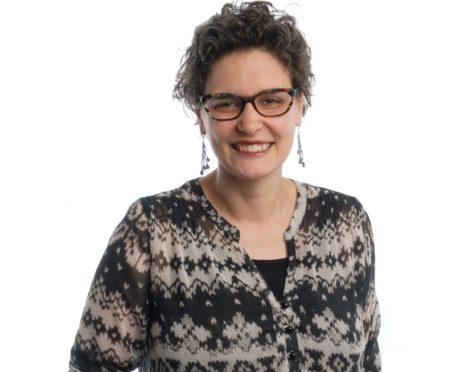
Kwaymullina is also an illustrator who's worked with her brother, Ezekiel, providing the illustrations for books including "The Two-Hearted Numbat". They also write novels for young adults together, including “The Things She's Seen.” One of their most recent novels, “Catching Teller Crow,” won the 2019 Victorian Premier's Literary Awards and an Aurealis Award.
Like many popular Indigenous authors, Kwaymullina is also an advocate for Indigenous rights and cultural awareness, writing or contributing to many non-fiction works like “Living on Stolen Land” and “Growing Up Aboriginal in Australia.”
Much like Alexis Wright, Kwaymullina is also in academia. She's an assistant professor of law at the University of Western Australia.
Her work has helped improve Indigenous representation in Australian literature and played a part in promoting cultural awareness and understanding in Australia.
Anita Heiss (1968- )
Anita Heiss is most famous for her non-fiction work "Am I Black Enough for You?" (2012) which won the Victorian Premier's Literary Award for Indigenous Writing. Her other well-known works include "Tiddas" (2014), and "Growing Up Aboriginal in Australia" (2018), the latter of which she edited. Her work includes novels, essays, poetry, and children's literature.

Her recent historical fiction “Bila Yarrudhanggalangdhuray” (2021), which is about the Great Flood of Gundagai, won several recognitions, notably the NSW Premier's Indigenous Writers' Prize and nominations for the ARA Historical Novel Prize and the ABIA Awards.
Heiss is of Austrian and Wiradjuri heritage, the latter being an Aboriginal group from central New South Wales.
Heiss has a PhD in Communication and Media and was the first Aboriginal student at the University of Western Sydney to gain a doctorate. Her academic work includes media representation, identity, and Indigenous rights.
Heiss does a lot of public speaking, often on the aforementioned topics and issues and the importance of diversity and representation.
Archie Roach (1956-2022)
Although many may only know him for his music along with his wife Ruby Hunter, Archie Roach published several books in addition to his many songs. Some of his books are collections of his lyrics, which highlight important topics like relationships, the spirit of the land, and the stolen generations.
His first and only non-lyrical book, a memoir, titled “Tell Me Why: The Story of My Life and My Music,” (2019), brings to light many of the difficult real-life experiences he and many like him were subjected to as part of the stolen generations.
This memoir is an extremely important addition to the literature that informed and continues to inform people about justice for Indigenous people in Australia and Aotearoa.
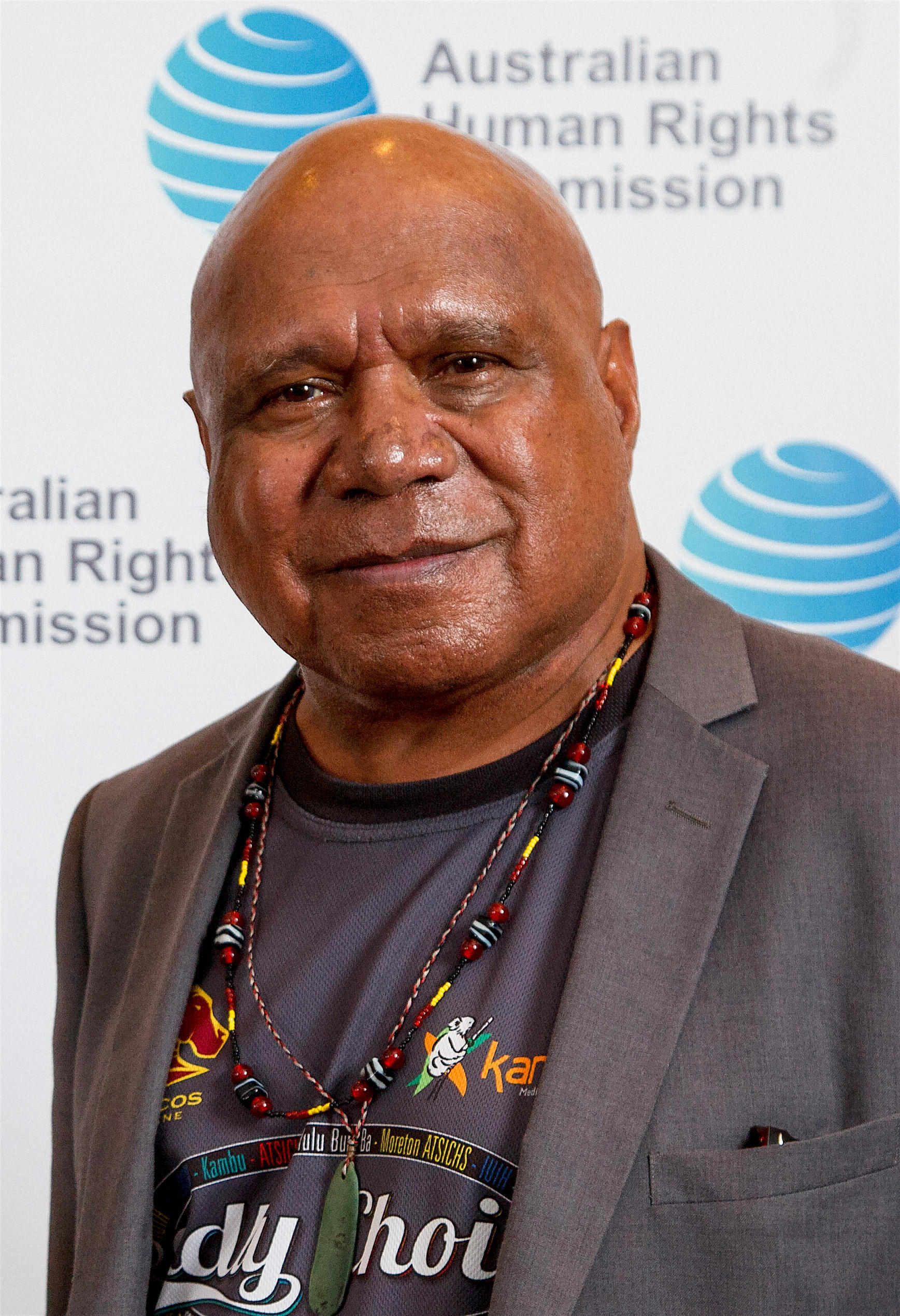
As a Gunditjmara (Kirrae Whurrong/Djab Wurrung) and Bundjalung elder, Roach was a mighty advocate for Aboriginal and Torres Strait Islander people through his music, writing, and activism.
For his efforts, he was awarded the Deadly Award for a "Lifetime Contribution to Healing the Stolen Generations" in 2013.
Archie Roach is best known for his vast discography of songs, most of which were co-written and/or recorded with his wife, also a well-known Indigenous Australian folk singer, Ruby Hunter. His biography, "Tell Me Why" was
Bruce Pascoe (1947- )
Bruce Pascoe is an author, academic, and Indigenous rights activist most famous for "Dark Emu: Black Seeds", which is his 2014 non-fiction book that looks at evidence of Aboriginal agriculture and engineering. "Dark Emu: Black Seeds" challenges the idea that pre-colonial Indigenous Australians were just hunter-gatherers, as is often the preconception and the narrative presented by colonial accounts, but that they had complex agricultural and farming practices.
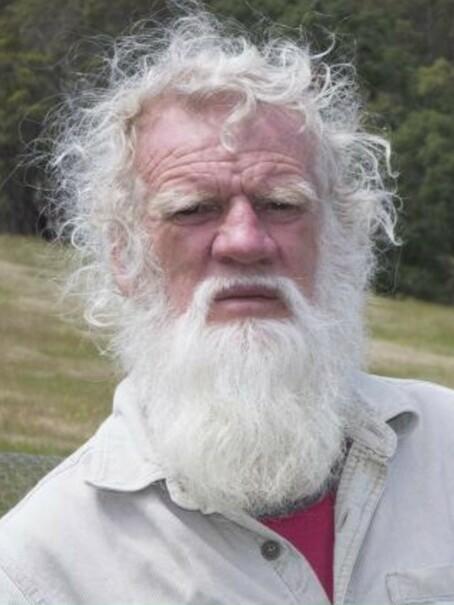
"Dark Emu" helped drive the discourse around the perception of Indigenous peoples, particularly when it came to stereotypes, especially since the argument that said groups were hunter-gatherers was (and still is) used to minimise the importance of these groups and also justify many of the heinous acts perpetrated by colonists.
Pascoe's work not only made this information more accessible to many through its narrative structure (rather than outright academic works) but also proposes that the modern agricultural practices in Indigenous communities predate those in many other parts of the world.
Some of his other notable works include “Convincing Ground: Learning to Fall in Love with Your Country” and “The Little Red Yellow Black Book: An Introduction to Indigenous Australia.”
It should be noted that Pascoe is also a professor in Indigenous Agriculture at the University of Melbourne. He identifies as being of Bunurong and Tasmanian Aboriginal heritage.
David Unaipon (1872-1967)
Not so much an author of memoirs, books, or novels, but of newspaper articles, David Unaipon was one of the earliest people to begin breaking stereotypes against Aboriginal people.
He was a Portaulun/Ngarrindjeri member who excelled in school. He was the first Aboriginal author to be published, back in the 1920s as a commission from the University of Adelaide.
His first article was "Aboriginals: Their Traditions and Customs", published in the Sydney Daily Telegraph on 2 August 1924.
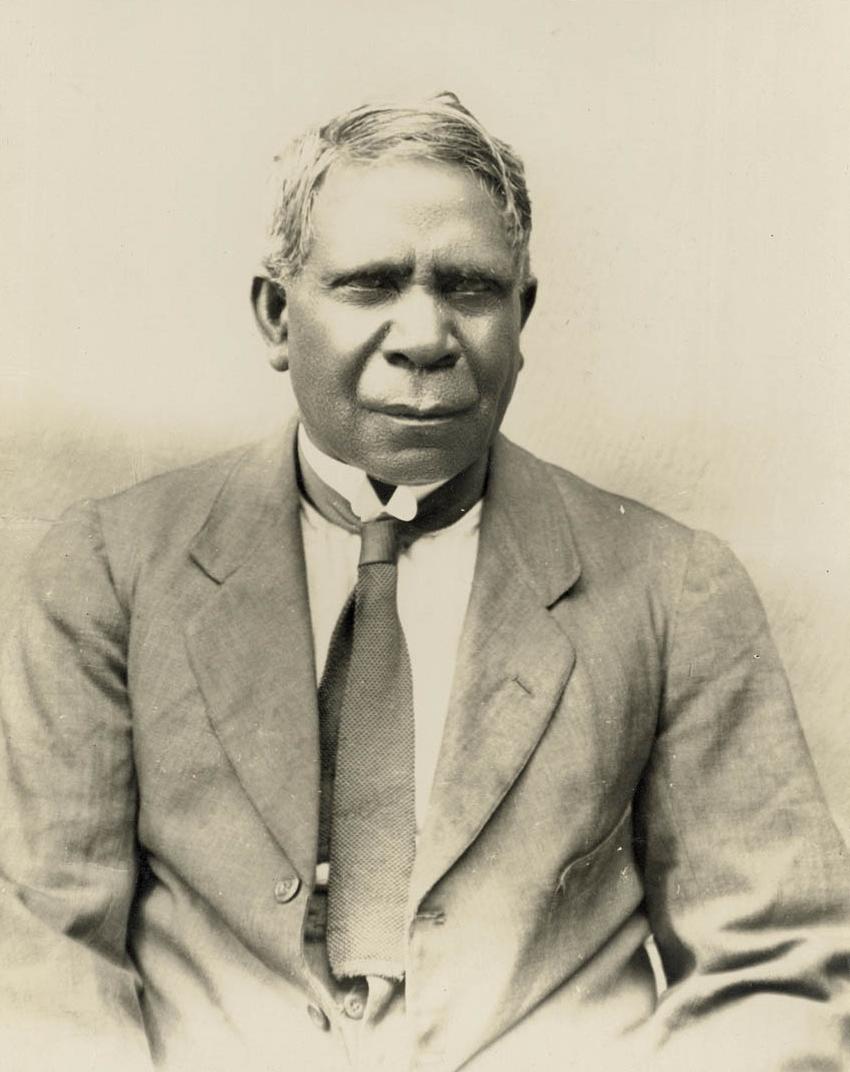
Afterwards, he published several other articles and booklets detailing Aboriginal legends and culture, as well as calls for Aboriginal rights and even about his inventions.
His writings were later compiled into a book, “Legendary Tales of the Australian Aborigines” (1930).
David Unaipon was the first Aboriginal person to publish writing in English. This feat made him incredibly popular and respected across the country.
Ellen van Neerven (1990- )
Ellen van Neerven is an author of Dutch and Aboriginal heritage. On their Aboriginal side, they belong to the Mununjali clan of the Yugambeh nation, located in the Beaudesert area of the Scenic Rim, Queensland. They are one of the newer First Nations authors in the publishing scene.
Their most famous works include the poetry collections "Comfort Food" (2016) and "Throat" (2020), which explore identity and spirituality.
The fiction novel “Heat and Light” (2014) won the Queensland Literary Awards' David Unaipon Award as well as the NSW Premier's Literary Award's Indigenous Writers Prize and was shortlisted for a Stella Prize.
Other notable works include the short works “Confidence Game” and “Personal Score.”
Some of their poetry has even been translated into the Yugambeh language, the language of van Neerven’s grandmother.
In addition to being an Indigenous rights activist, van Neerven is also an LGBTQIA+ activist.
Their work has received many awards including the Queensland Literary Award, the Dylan Thomas Prize, and the NSW Premier's Literary Award.
Gary Foley (1950- )
A prolific activist for Aboriginal rights and the rights of marginalised people in general, Gary Foley is most known for his political activism and demonstration. As a result, his books are not light reads. His publications are more formal and academic in nature, aiming to inform about the political history of rights for Aboriginal people.
His notable works include “The Aboriginal Tent Embassy: Sovereignty, Black Power, Land Rights and the State” (2014), “Pandora's Box: The Council for Aboriginal Affairs 1967-1976” (2015) and “Redfern: Aboriginal activism in the 1970s” (2020).
He has also been a co-author and/or editor for other adjacent titles.
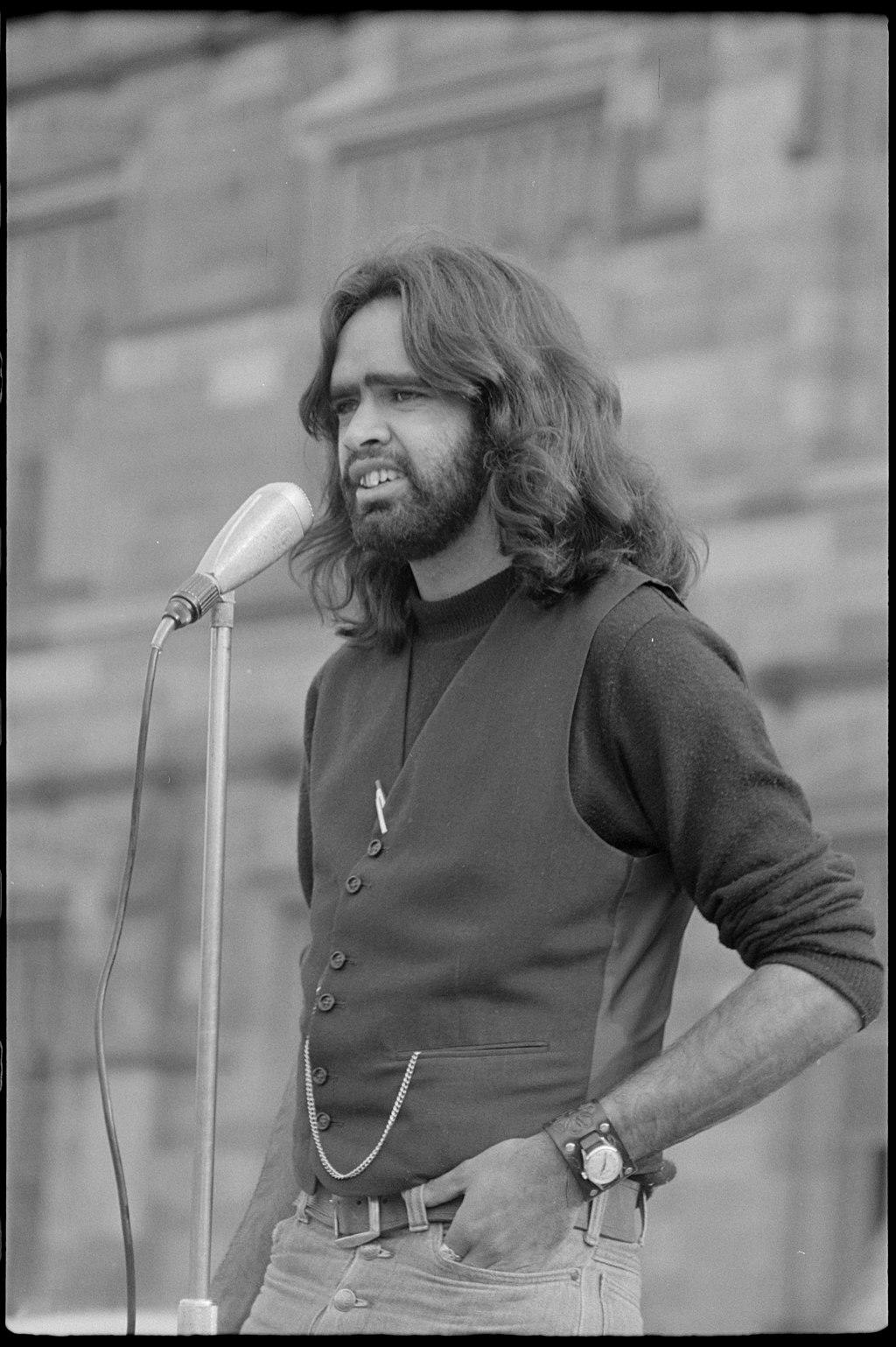
Foley is of the Gumbaynggirr people. In his political activism, he is most known for participating in the Springbok protests of 1971 and co-establishing the Aboriginal Tent Embassy in Canberra in 1972. He is currently a professor at Victoria University’s Moondani Balluk Indigenous Academic Unit.
Gary Foley created the first Aboriginal-owned and -operated website called The Koori History Website, aka Kooriweb, back in 1994.
Kim Scott (1957- )
Kim Scott was born in Perth, Western Australia, and is of Noongar heritage, a group of Aboriginal peoples who mainly live in the south-west of Western Australia.
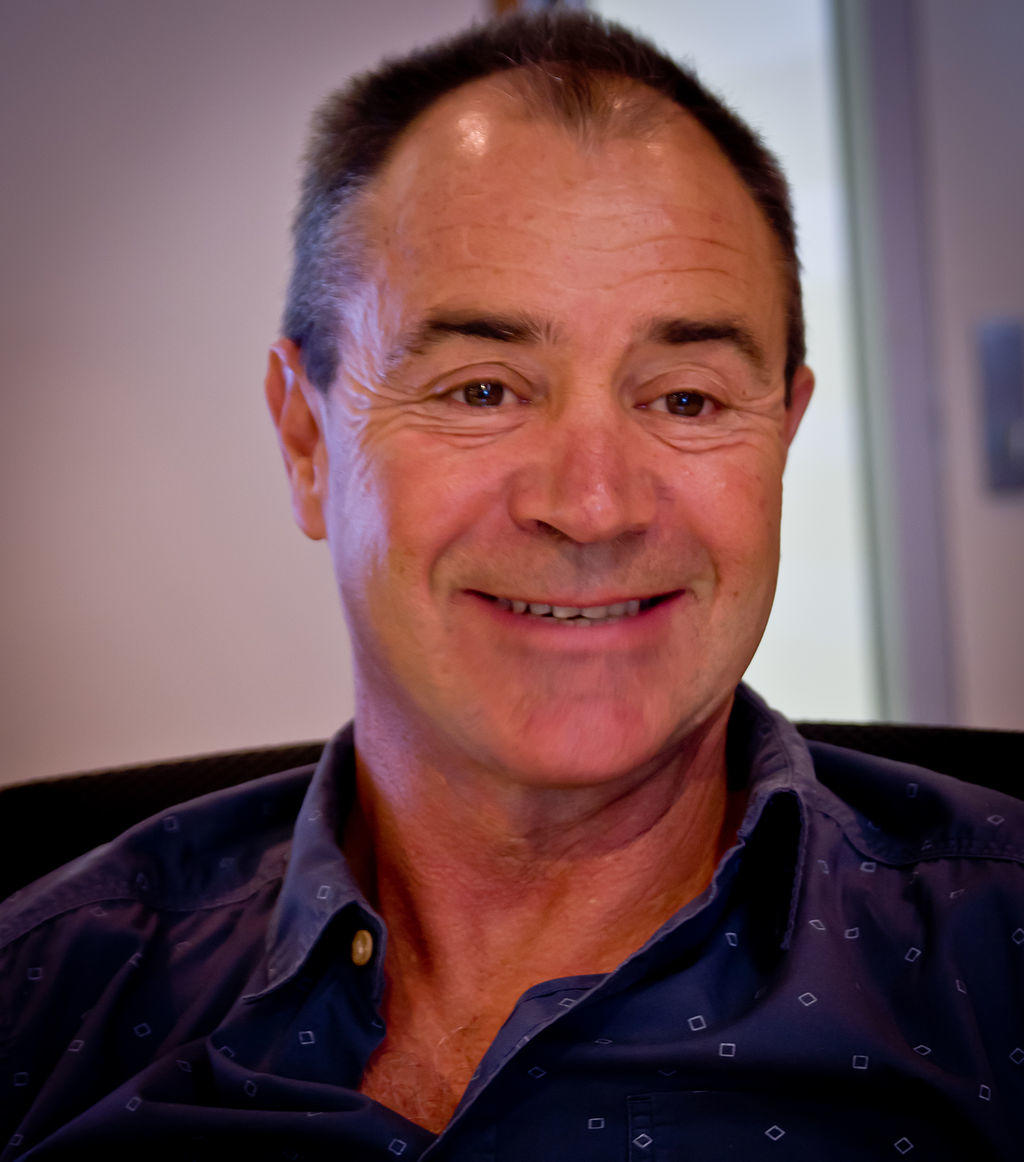
His most popular works include "True Country" (1993), "Benang" (1999), "That Deadman Dance" (2010), and "Taboo" (2017). "That Deadman Dance" won the Miles Franklin Literary Award in 2011 and other works have been shortlisted for awards such as the Commonwealth Writers' Prize.
Thematically, his work often explores Indigenous identity, language, and the relationship between Indigenous and non-Indigenous Australians. Outside of writing, Scott also advocates for the preservation and revival of the Noongar language, which is currently only spoken by around 500 people in the world!
Scott also works in academia as a professor of writing in the School of Media, Culture and Creative Arts at Curtin University and also leads research for the Indigenous Culture and Digital Technologies research program at The Centre for Culture and Technology.
Margaret Kemarre Turner (1938-2023)
A multi-talented communicator, Turner knew three Indigenous languages (Arrernte, Akarre and Akityarre) in addition to a few other languages and also communicated via sign language. She used her linguistic knowledge to translate.
She was an Arrernte woman belonging to the Akarre people. Along with elder Leonie Kngwarraye Palmer, she co-established the Aboriginal-led organisation, Children’s Ground, which takes a First Nations approach to education.
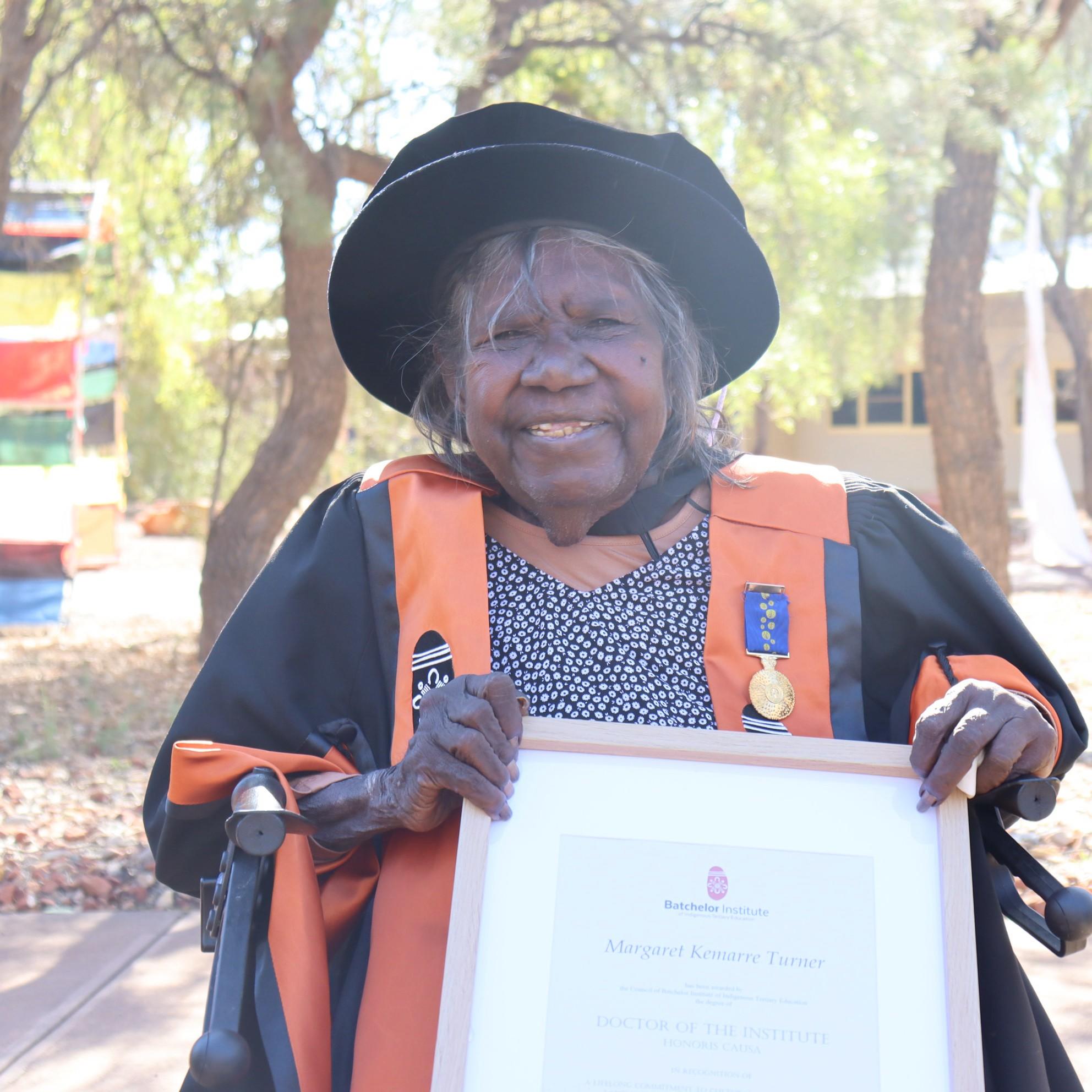
Though Turner only has two published works, one in particular, “Iwenhe Tyerrtye: What It Means to Be an Aboriginal Person” (2010) is an important contribution to Australian publications, especially in the First Nations sphere. She was awarded the Medal of the Order of Australia for her services to the Indigenous Community of Central Australia in 1997.
Melissa Lucashenko (1967- )
Melissa Lucashenko is an author of Koori and European heritage. The Koori region is located in New South Wales and Victoria and is home to the largest Indigenous Australian population.
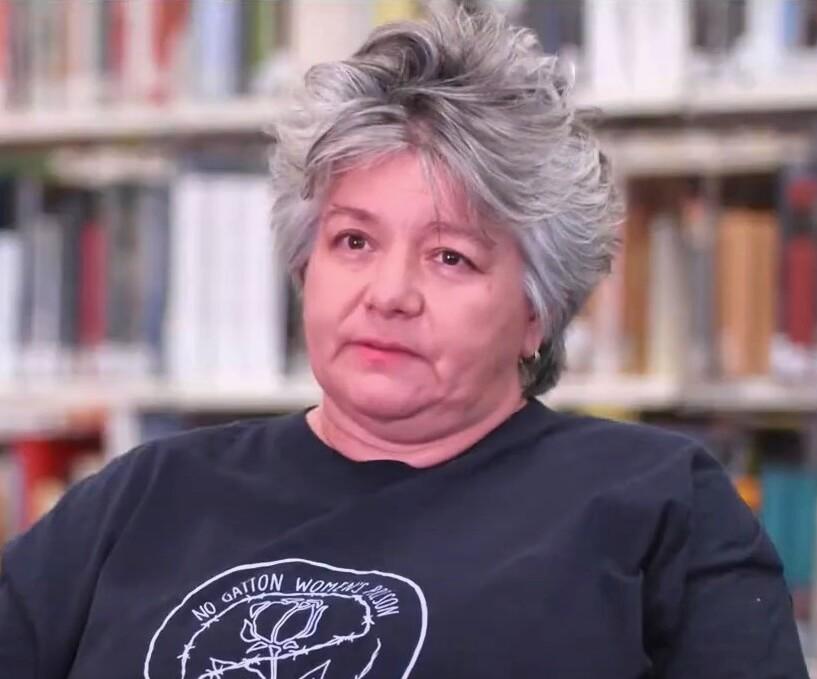
Lucashenko's most famous works include "Mullumbimby" (2013), "Too Much Lip" (2018), and "Steam Pigs" (1997). "Too Much Lip" won the 2019 Miles Franklin Literary Award and was shortlisted for the Stella Prize. "Mullumbimby" was longlisted for both the Miles Franklin Literary Award and the Stella Prize in 2014.
In addition to Indigenous rights advocacy, Lucashenko is also a social justice and environmental activist and uses her work to draw attention to the issues of land rights, climate change, and how Indigenous people in Australia are treated.
Discover more of Australia's greatest novels.
Oodgeroo Noonuccal (1920-1993)
Oodgeroo Noonuccal (also known as Kath Walker) was a poet, activist, and artist and one of the earliest Indigenous contributors to Australian literature; her book "We Are Going" was the first book by an Aboriginal woman to be published.
"We Are Going: Poems" (1964) was hugely successful and dealt with dispossession, discrimination, and other social issues that Indigenous Australians faced, which helped raise awareness of said issues. Noonuccal wrote for children, too, including the books "Stradbroke Dreamtime" (1972) and "Father Sky and Mother Earth" (1981).
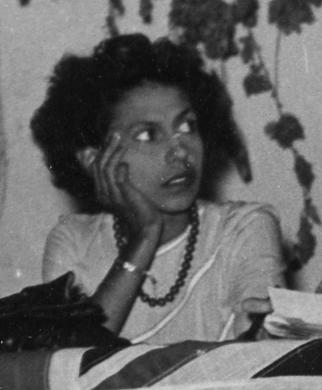
Noonuccal was also a political activist with the Federal Council for Aboriginal Advancement (FCAA) and the National Tribal Council. She changed her name to Oodgeroo Noonuccal in 1988 to reflect her Noonuccal heritage and her Aboriginal advocacy.
Noonuccal was aboard a plane hijacked by terrorists in 1974 and held captive for three days. During this time, she wrote the poems "Commonplace" and "Yusuf (Hijacker)".
The life and work of Oodgeroo Noonuccal are too great to dive into here fully, but if you want to start reading works by Indigenous authors, Noonuccal would be a good start.
Tara June Winch (1983- )
Tara June Winch is an author famous for novels such as "Swallow the Air" (2006), "The Yield" (2019), and "After the Carnage" (2016).
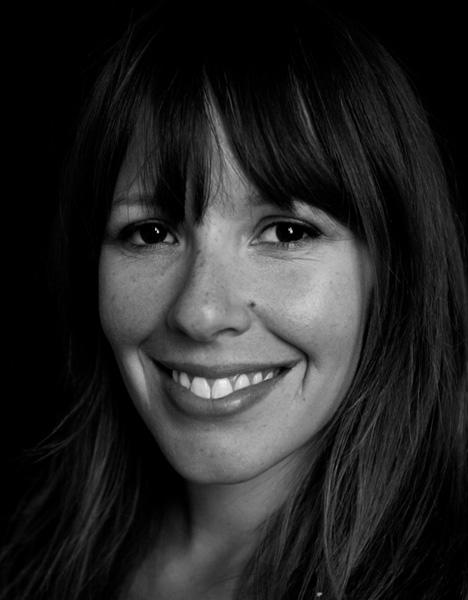
"The Yield" won the Miles Franklin Literary Award, the Voss Literary Prize, and the Prime Minister's Literary Award for fiction in 2020 and "Swallow the Air" won the David Unaipon Award and the NSW Premier's Literary Award.
Much like other Indigenous authors, Winch's work highlights issues impacting Indigenous communities such as the effects of colonisation and the need for cultural and linguistic preservation. "The Yield", in particular, includes a Wiradjuri language dictionary.
On her father’s side, she belongs to the Wiradjuri nation in western New South Wales.
Terri Janke (1966- )
With a heavily academic background, many of Janke’s publications are papers and reports. However, she has also written a few novels and nonfiction, educational books.
Her most well-known novel is “Butterfly Song” (2005), a historical fiction novel about an Indigenous lawyer trying to find her way in a white world while helping another First Nations family.
She is considered a world-leading expert in Indigenous cultural and intellectual property and was awarded NAIDOC Person of the Year in 2011.

Janke has Wuthathi/Meriam heritage and was born in Cairns, QLD.
Tony Birch (1957- )
Tony Birch is an author of Aboriginal, Irish, and West Indian Heritage whose work regularly explores the themes of Indigenous identity, social issues, and Indigenous life in urban Australia.
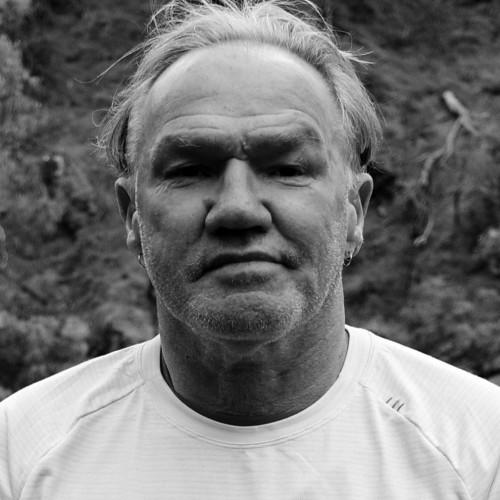
His most famous works include "Blood" (2011), "The White Girl" (2019), and "Ghost River" (2015). "Blood" was shortlisted for the Miles Franklin Literary Award.
Birch's short stories are particularly popular and are often featured in literary journals and anthologies because they explore Indigenous Australians in urban settings.
Birch is a research fellow at Victoria University in Melbourne who conducts research and teaches courses on Indigenous literature, history, and cultural studies.
Find out more about Australia's greatest male authors.
If you're interested in learning more about Indigenous history, literature, language, or creative writing, english tutoring can certainly make a difference, and there are plenty of excellent private tutors out there who can help you.
Here on the Superprof website, for example, there are plenty of experienced and qualified people who can tutor English online. You can browse their profiles, see how much they charge, read reviews left by their other students, and get in touch to arrange a session.
Superprof can help you find local English tutors with the click of a button. If you live in Melbourne, for example, it's as simple as typing on your browser "english tutors melbourne" followed by Superprof, and you'll have access to a long catalogue of English teachers in the city.
Superprof can also help you search for preparation for specific exams and certificates that will help you propel your literary career. Finding vce english tutors on Superprof is simple, and the same can be said of Higher School Certification: just enter "hsc english tutor" and you will have access to an array of English tutors who can help you.
Don't forget that a lot of Superprof tutors offer their first lesson for free so you can connect and make sure you’re a good match before you commit!
Summarise with AI:
Did you like this article? Leave a rating!

 Loading...
