

The Australian poetry we know today began in the colonial period. Since its inception, Australian poetry has evolved from mainly bush ballads and colonial songs into a modern, diverse body of literature. In every era, there have been important and influential poems. Find out some of the top works by authors that have had an impact on culture by exploring Country, national identity, colonisation, and beyond.


“My Country” (1908) by Dorothea Mackellar
I love her far horizons, / I love her jewel-sea, / Her beauty and her terror - / The wide brown land for me!
"My Country" by Dorothea Mackellar
One of the most recognisable Australian poems, the verse earned its memorable status for the loving and powerful descriptions of a “sunburnt country.”
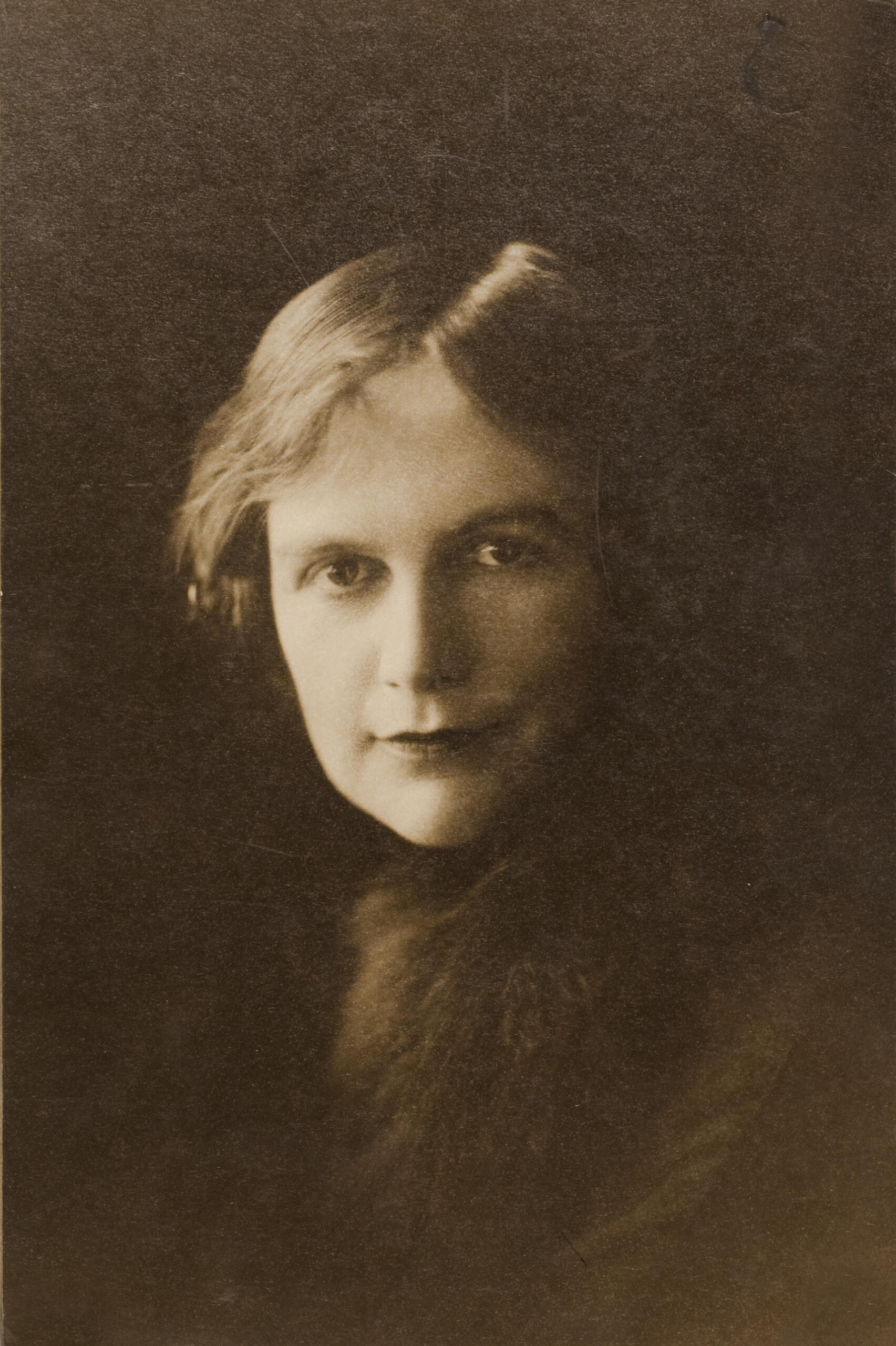
Written in the early 20th century, in the time of the original bush poetry movement, Mackellar contrasts the stereotypical English landscape of her ancestors with the wholly different Australian experience.
She enthusiastically praises the land for all the reasons it’s different from the climate found in the British Isles.
It follows along with and helps establish the tradition of Australian poetry (and much of Australian literature and art) as a patriotic exaltation of the beauty and ruggedness of the landscape.
The poem also demonstrates how early poetry written by settlers was centred on the attachment to land as a thing separate from the self, sidelining First Nations voices and viewpoints. Later Indigenous and Aboriginal poetry gives a stage to these important perspectives.
“Waltzing Matilda” (1895) by Banjo Paterson
But the swagman, he up and he jumped in the water-hole, / Drowning himself by the Coolabah tree; / And his ghost may be heard as it sings in the Billabong, / “Who’ll come a-waltzing Matilda with me?”
"Waltzing Matilda" by Banjo Paterson
Banjo Paterson, one of Australia's best-known poets, wrote this bush ballad in 1895, and the musical arrangement with Marie Cowan was composed in 1903. The verse tells the story of a swagman who steals a sheep and is chased by the troopers.
In the end, he chooses death over being captured and haunts the billabong as a ghost.
The poem’s strong, memorable rhythm and simple refrains made it easy to sing and remember, turning it into the “unofficial national song” of Australia.
The exact history of the lyrical intent is not known, since Paterson never confirmed the meaning. However, it’s widely believed it's a reference to the 1894 shearers’ strike and the resulting violence at Dagworth Station.
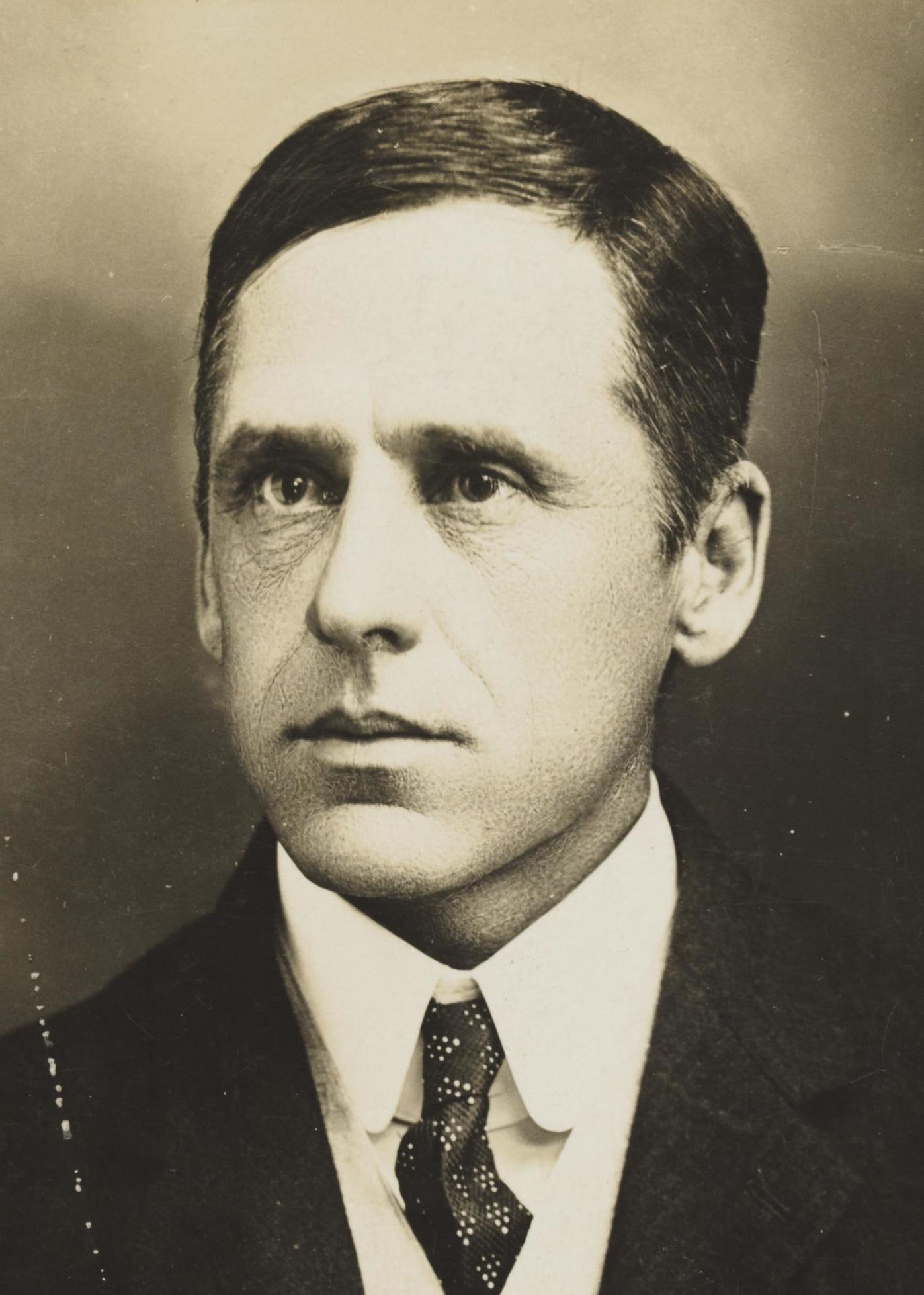
Despite a mysterious background, the tune quickly became an anthem for travelling workers of the era, eventually growing into a folk song that represents the spirit of Australian identity and independence.
“The Shearer’s Wife” (1912) Louis Esson
I patch an’ darn, now evening comes, / An’ tired I am with labour sore, / Tired o’ the bush, the cows, the gums, / Tired, but we must dree for long months more / What no tongue tells. / The moon is lonely in the sky, / Lonely the bush, an’ lonely I / Stare down the track no horse draws nigh, / An’ start . . . at the cattle bells.
"The Shearer's Wife" by Louis Esson
Esson’s verse takes on a new direction by examining the oft-romanticised subject of roaming.
Many bush poets either portray roaming as a challenging yet exciting endeavour or a near-overwhelming hardship. Not many look beyond the surface to the roamer’s vital counterpart: his wife.
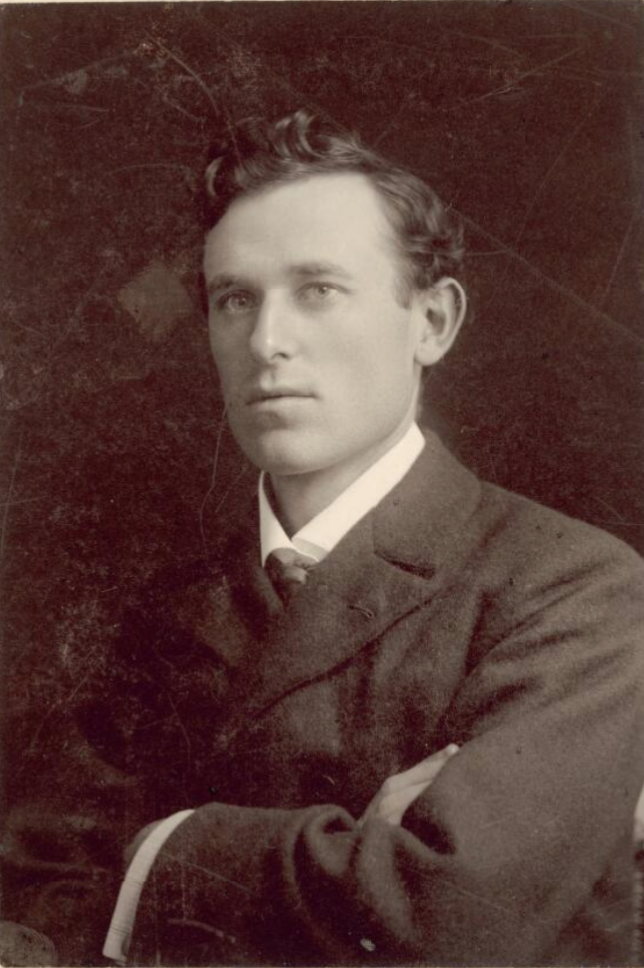
While the shearer obviously labours for work, his wife makes a living possible by taking care of all the other labour required to stay alive and well in their lifestyle.
This angle examines gender and domesticity alongside the emotional and physical demands of rural living.
Esson’s poem is an early entry into a new branch of Australian poetry, moving away from pure patriotism and relationship with the land to more nuanced social observations.
The apt line, “What no tongue tells,” demonstrates the idea that there are many more perspectives and stories yet to be addressed by literature. It points out the question to readers: “What stories have been central in Australian literature so far, and whose stories have been left out?”
“Nine Miles from Gundagai” (1923) by Jack Moses
I’ve done my share of shearing sheep, / Of droving and all that, / And bogged a bullock-team as well, / On a Murrumbidgee flat. / I’ve seen the bullock stretch and strain / And blink his bleary eye, / And the dog sat on the tucker box, / Nine miles from Gundagai.
"Nine Miles from Gundagai" by Jack Moses
Famous for the imagery of the “dog on the tucker box,” Moses’s work takes a humorous yet poignant approach to bush imagery. The poem centres on a dog who sits on top of his owner’s food box, guarding it from anything in the wilderness that might try to steal it… at least that’s how the family-friendly version is told.
The dog-on-the-tuckerbox story was a common tale in the comedic stories roamers (bullock teams) used to tell to pass the time, and it had several different variations.
One common story was known as “Bullocky Bill,” with the notable punchline that when he opened the tuckerbox, he found that the dog had pooped inside.
That version of the story was particularly enjoyed, and was spread it around to a wider audience.
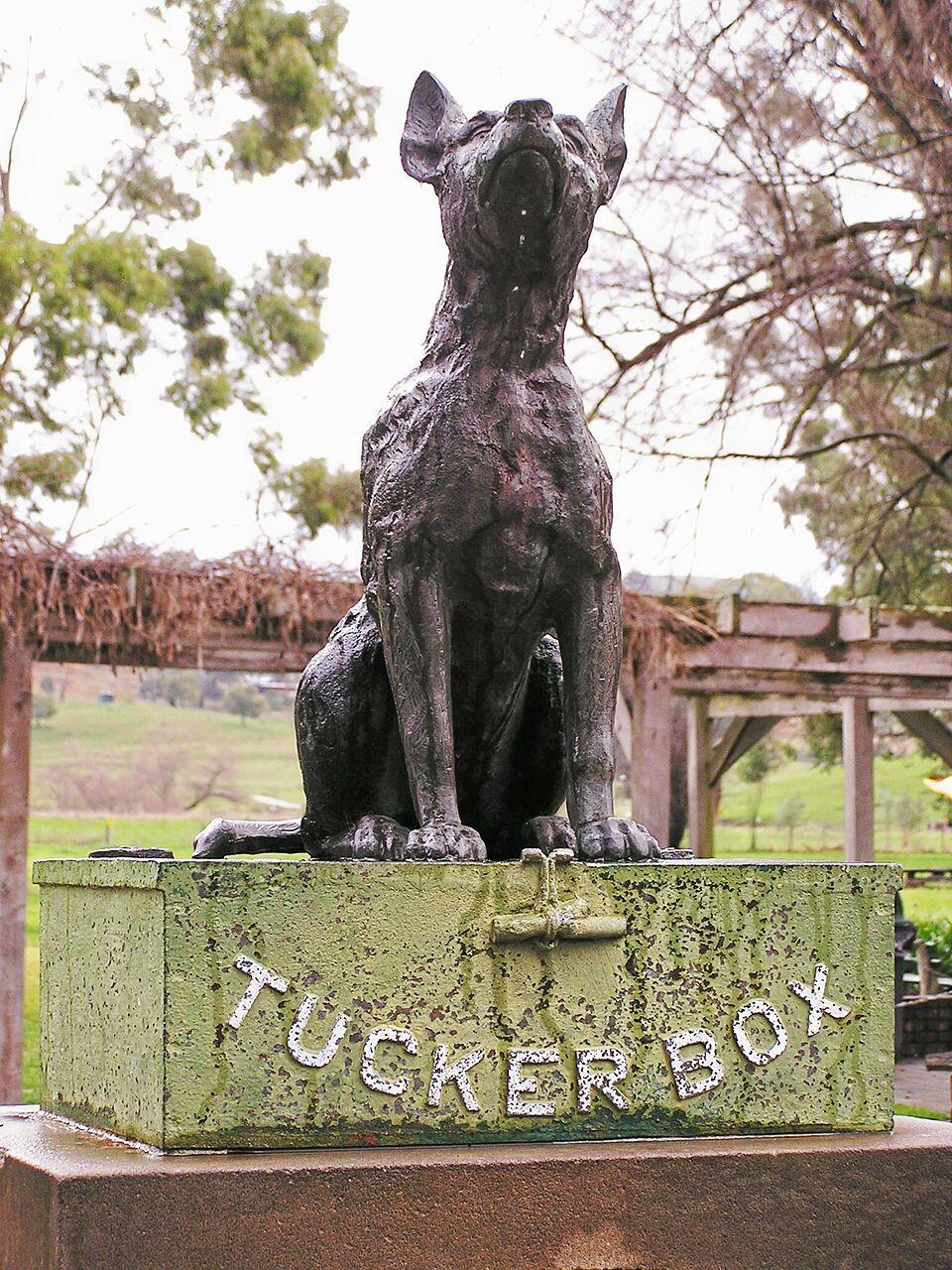
Picking up the story, Jack Moses made a slight change in his version of the story to make it more publish-friendly; he changed one crucial word, removing one letter ‘h’ to change the story to read: “and the dog sat on the tuckerbox.” The small adaptation completely changes the tone of the poem, turning it into a much more sentimental piece about man’s best friend, who is also a fellow bush worker.
Both the original and clean versions of the story became famous across the country, and today, there stands a statue of a dog sitting on a tucker box just outside Gundagai. The verse was originally published in a book of collected Moses’s poems and stories called Beyond the City Gates : Australian Story and Verse.
“The Man from Snowy River” (1890) by Banjo Paterson
He sent the flint-stones flying, but the pony kept his feet, / He cleared the fallen timbers in his stride, / And the man from Snowy River never shifted in his seat — / It was grand to see that mountain horseman ride. / Through the stringy barks and saplings, on the rough and broken ground, / Down the hillside at a racing pace he went; / And he never drew the bridle till he landed safe and sound, / At the bottom of that terrible descent.
"The Man from Snowy River" by Banjp Paterson
Paterson’s work “The Man from Snowy River” is one of the most beloved bush ballads. The poem was the title work for Paterson’s first published book of poetry. It depicts the story of a young horse rider who chases and captures a valuable colt that has escaped into the High Country. His verses convey the skill, courage, drama, and horsemanship of such a mission in the rugged Australian landscape.
Through rhythmic ballad metre and vivid imagery, the verse effectively conveys the sense of movement and risk in the rider’s feat. It helped culturally define the bushmen’s reputation as brave, modest, and deeply connected to animals and the land, especially in the Snowy Mountains region.
As important and loved as the poem is, its focus on white pastoral life in the bush romanticised the outback, shaping widespread cultural beliefs about national identity. While the perpetuated attitude gave many Australians a sense of national pride and identity, it also sidelined First Nations people, their histories, and their contemporary lived experiences. It’s important to recognise the shortcomings of even the most classic literary staples to learn about historical and political contexts.
“After Our Likeness” (1875) by Ada Cambridge
Made "in our image"—sure 'tis that we see, / God's likeness, in the fair face of a child, / By the world's sin and passion undefiled— / Ay, as I look, it seems quite plain to me.
"After Our Likeness" by Ada Cambridge
Ada Cambridge’s body of work focuses on other topics, like religion and philosophy, as well as ahead-of-their-time themes like sexuality and feminism. Cambridge’s second book of verses, Unspoken Thoughts, pushed the envelope on such things.
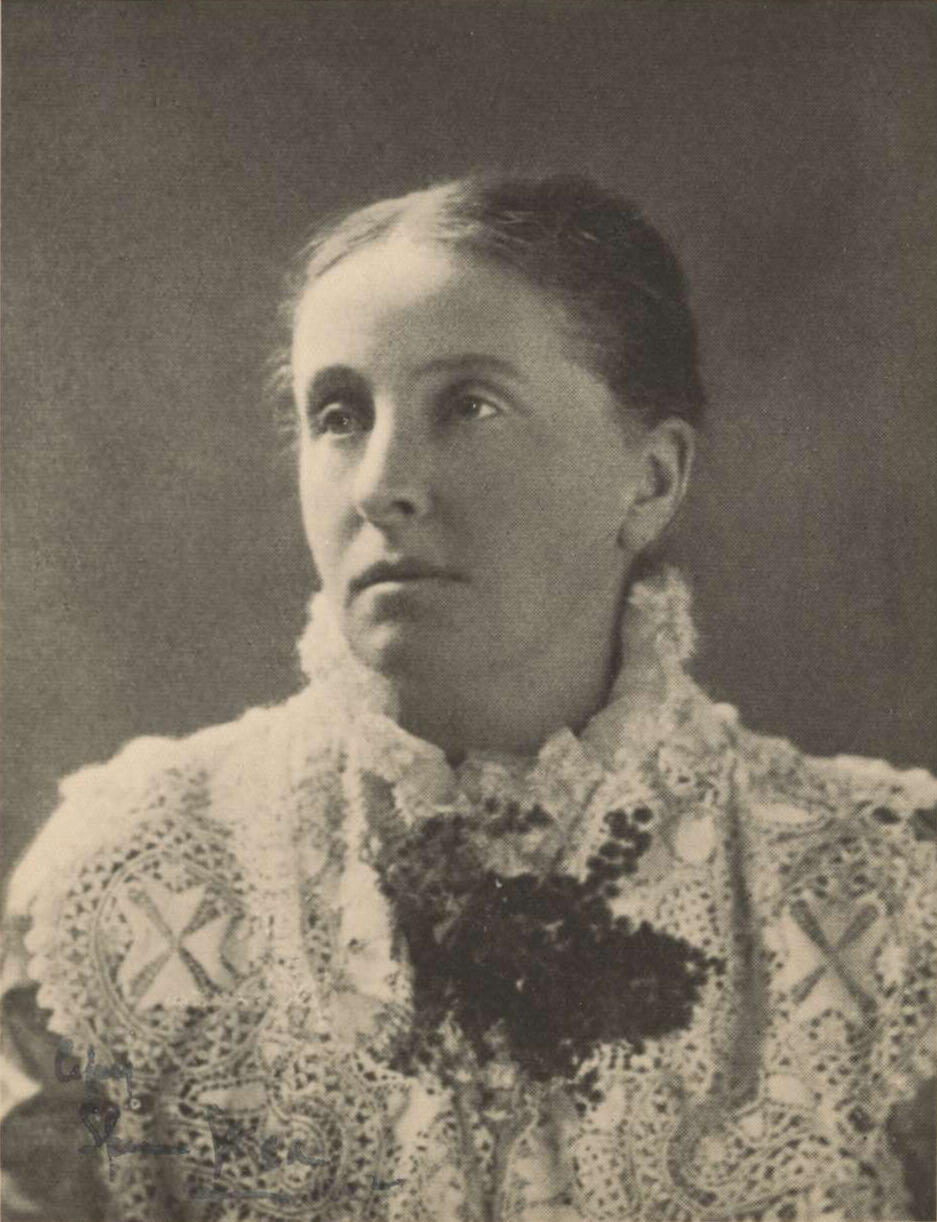
She published it at a time she thought she might die from an illness, likely believing she would pass away and not need to face the fallout of publishing works that explored social taboos.
However, she did survive, and the book was harshly judged, as was to be expected.
Looking back, literary analysts see how valuable the poet’s work was at the time; her works continue to provide insight into the different ways of thinking in the late 19th century.
Ada Cambridge was not born in Australia; she moved to Victoria with her clergyman husband in her late 20s. Perhaps this is why her work didn’t focus on the land as much as those who spent more of their youth in Australia.
“After Our Likeness” examines spirituality, human nature, and mortality. Poets and literature writers in Australia engaged with many themes beyond just the land, including philosophy, religion, intellectual questions, and ethics; Cambridge’s works demonstrate the beginning of that era that would continue on to present day.
Discover more of Australia's famous female poets.
“Up the Country” (1892) by Henry Lawson
Land where gaunt and haggard women live alone and work like men, / Till their husbands, gone a-droving, will return to them again: / Homes of men! if home had ever such a God-forgotten place, / Where the wild selector's children fly before a stranger's face. / Home of tragedy applauded by the dingoes' dismal yell, / Heaven of the shanty-keeper — fitting fiend for such a hell — / And the wallaroos and wombats, and, of course, the curlew's call — / And the lone sundowner tramping ever onward through it all!
"Up the Country" by Henry Lawson
Lawson and Paterson were two poets with opposing viewpoints about bush living. While Paterson’s views were more romantic and fantastical, Lawson was more realistic with a pessimistic edge. The poet effectively criticises “City Bushmen” like Banjo, who made the outback seem like a fun challenge rather than an often gruelling way of life.
The poem is written with Lawson’s signature direct language, conveying the scene with less room for fantastical imaginings. It was a key factor in launching the “Bulletin Debate,” which was a public argument between poets in the pages of The Bulletin magazine about the true nature of the backcountry. This made “Up the Country” one of the key players in shaping the way writers approach Australian storytelling and identity.
“In the Park” (1961) by Gwen Harwood
They stand a while in flickering light, rehearsing / the children’s names and birthdays. “It’s so sweet / to hear their chatter, watch them grow and thrive, ” / she says to his departing smile. Then, nursing / the youngest child, sits staring at her feet. / To the wind she says, “They have eaten me alive.”
"In the Park" by Gwen Harwood
As a poet, Harwood was known for writing about the pressures put on women in Australia (and Western society in general) in the mid 20th century. Her journey of facing consistent rejection in publishing based only on her female name is a testament to the fact that women at the time faced a lot of sexism.
The work depicts a tired mother sitting in a park with her kids, thinking about how her identity has been shaved away by social expectations and domestic duties.
By chance, a former lover passes by, and they exchange small talk.
The woman’s experience talking to someone from her pre-motherhood past and contrasting it with her present leaves her feeling the weight of how life has turned out.
In the end, she admits her children “have eaten [her] alive.”

“In the Park” demonstrates a shift in thinking predating their height of second-wave feminism. Art is a reflection of society, and Harwood’s poem shows two main things: a critique of society, especially about the expectations of women, and that there are meaningful themes to explore in Australian settings besides the bush.
“An Absolutely Ordinary Rainbow” (1969) by Les Murray
The man we surround, the man no one approaches / simply weeps, and does not cover it, weeps / not like a child, not like the wind, like a man / and does not declaim it, nor beat his breast, nor even / sob very loudly--yet the dignity of his weeping / holds us back from his space, the hollow he makes about him / in the midday light, in his pentagram of sorrow, / and uniforms back in the crowd who tried to seize him / stare out at him, and feel, with amazement, their minds / longing for tears as children for a rainbow.
"An Absolutely Ordinary Rainbow" by Les Murray
Murray is known for many published poems; “An Absolutely Ordinary Rainbow” is one of the more emotionally cathartic ones. It centres on a man openly weeping in a public place and the reactions of those around him. Murray shows that modern living in the city has created a distance between people, especially regarding emotions. People are separate from one another, and they are also cut off from their own feelings.
The crowd is concerned or annoyed by the man’s display, but nobody naturally knows how to react. The poet uses free verse and vivid imagery to show the tension between everyone’s desire to appear controlled, at odds with the man’s perceived lack of control.
Murray shows a movement of Australian poetry to explore more psychological and social themes, as many poets since have also touched upon.
“We Are Going” (1964) by Oodgeroo Noonuccal
They came here to the place of their old bora ground / Where now the many white men hurry about like ants. / Notice of the estate agent reads: 'Rubbish May Be Tipped Here'. / Now it half covers the traces of the old bora ring.
"We Are Going" by Oodgeroo Noonuccal
Written by accomplished Aboriginal Australian poet Oodgeroo Noonuccal, the poem describes a group of Aboriginal people visiting a sacred bora ground that has been desecrated by a colonial town’s building over it.
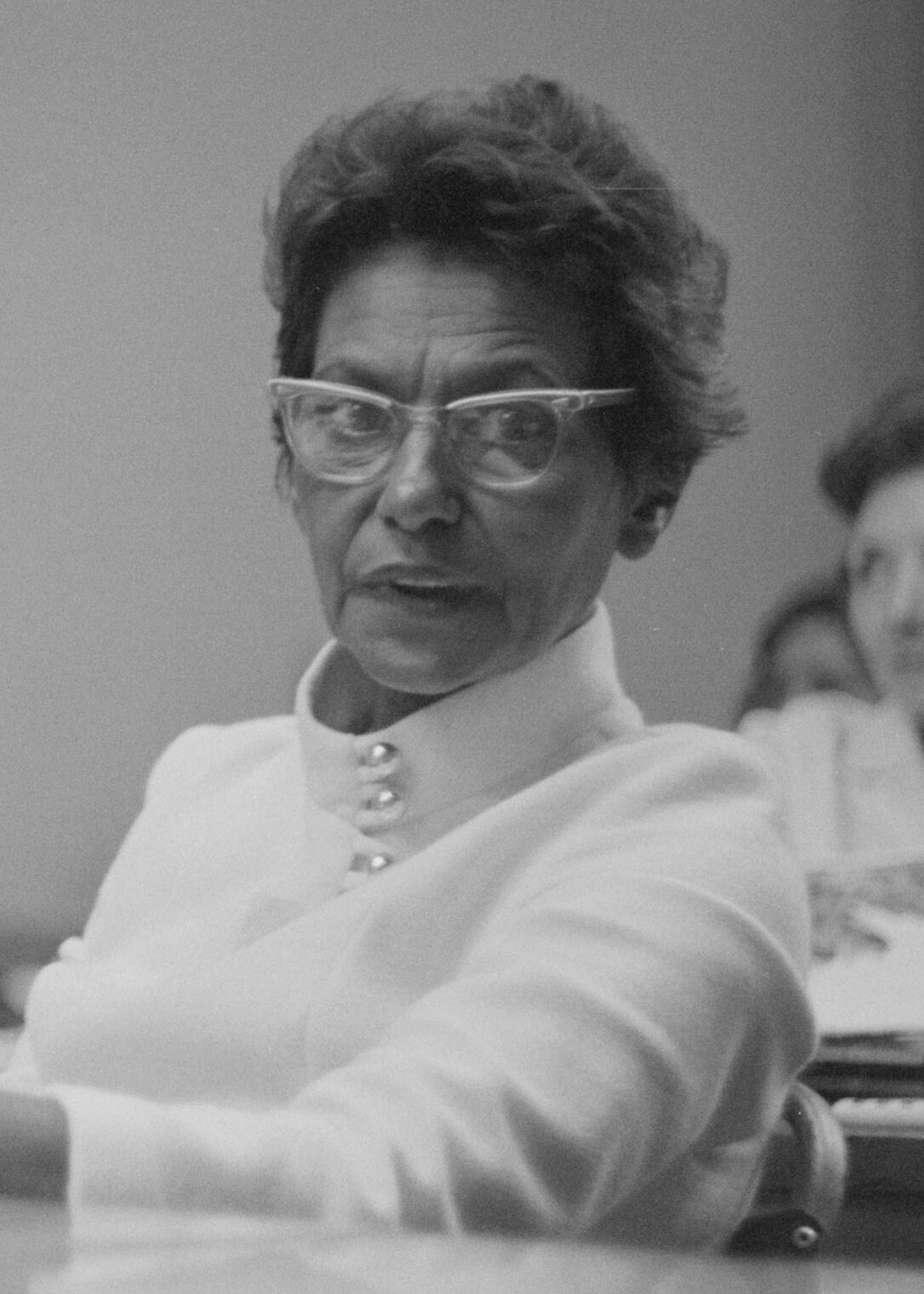
Like many First Nations poets, Noonuccal expresses the pain of loss and dispossession experienced under British colonisation.
It examines the conjoined consequences of environmental damage and cultural erasure that frequently resulted from settler establishments.
The verse conveys a clear political point of view that was unusual at the time, but became much more prevalent among other poets in direct response to this work.
Learn more about First Nations poetry in Australia.
It helped set the stage for future poets to continue to be able to speak openly about land rights, racism, identity, and survival, as well as healing and creating a better future.
There have been many important works of poetry throughout Australia's history. To find out more about influential and famous poetic works, look for published books and collections at your local library. You can explore the shelves or ask a librarian to find you some recommended reading.
References
- A national identity | National Library of Australia (NLA). (n.d.). https://www.library.gov.au/learn/digital-classroom/documenting-federation/national-identity
- Catley, N. (2022, August 9). Power of the dog. Australian Geographic. https://www.australiangeographic.com.au/news/2022/08/power-of-the-dog/
- The Shearers Wife by Thomas Louis Buvelot. (n.d.). Famous Poems, Famous Poets. - All Poetry. https://allpoetry.com/The-Shearers-Wife
Summarise with AI:
Did you like this article? Leave a rating!

 Loading...