
Australian poetry is a distinct body of literature, especially when compared to other places; through history, Australian poets have drawn heavily on inspiration from Country, the landscape, the bush, and the land itself. Often, the poetry also addresses society and relationship to Country, including memory, labour, migration, colonisation, tradition, and more. Discover some top names in Australian poetry you should know when learning about Australian literature.


Banjo Paterson
Paterson is likely the most famous Australian poet. Born in 1864, Paterson was raised in a remote area of New South Wales. He developed a love of the land, so although he lived much of his adult life in Sydney, his poetry remained fond of bush life. As a poet, he often painted a romantic, pastoral image of the bush based on his childhood nostalgia and fondness for the land.
His work popularised rural Australian living for the masses, for better or for worse, and helped shape urban attitudes to consider the bush fondly and with fascination.
His famous song, “Waltzing Matilda,” is the country’s unofficial anthem.
Paterson’s rhythmic style conveys movement, reminiscent of the hoofbeats of horses, which draws the reader in to imagine an exciting, wild landscape in the outback.
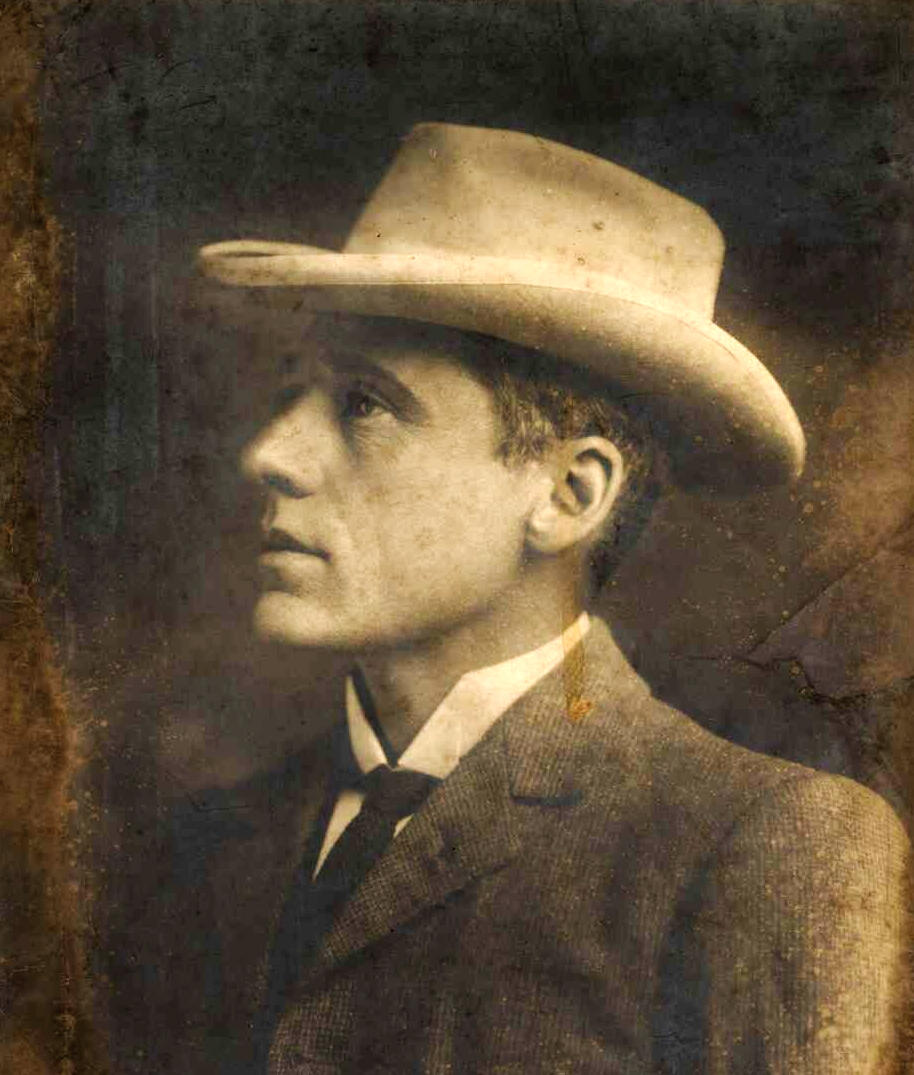
Other famous works include “The Man from Snowy River” and “A Bush Christening.”
Discover other famous bush poets like Dorothea Mackellar, Murray Hartin, and Jim Haynes.
John Kinsella
One of the most prominent voices in environmental writing, John Kinsella is a contemporary poet known for his work focusing on land-based themes. Born in Perth in 1963, John became interested in writing poetry at a young age, in part because his mother was a poet. He uses his poetry (and many other artforms) as a force for change, activism and revolution.
As a self-described pacifist-anarchist-vegan activist, John Kinsella tackles ideas like stolen land, farming, ecology, and identity. His poetry uses place as a central point without turning the landscape into just a symbol, instead diving deeper into exact locations as a vehicle for storytelling and exploration.
Some of his well-known and influential works include “First Lines Typed at Jam Tree Gully,” Peripheral Light, and Jam Tree Gully.
Anne Elder
Anne Elder was originally a dancer with the Borovansky Australian Ballet, and found poetry after a short yet impressive dancing career. Born in Auckland in 1918, she moved to Melbourne with her Australian father and New Zealand mother at a very young age.
Unlike other notable Australian poets, Elder focused less on Country and more on experiences, especially in society and in relation to others. She examined domesticity, loneliness, everyday situations, and mundane horrors.
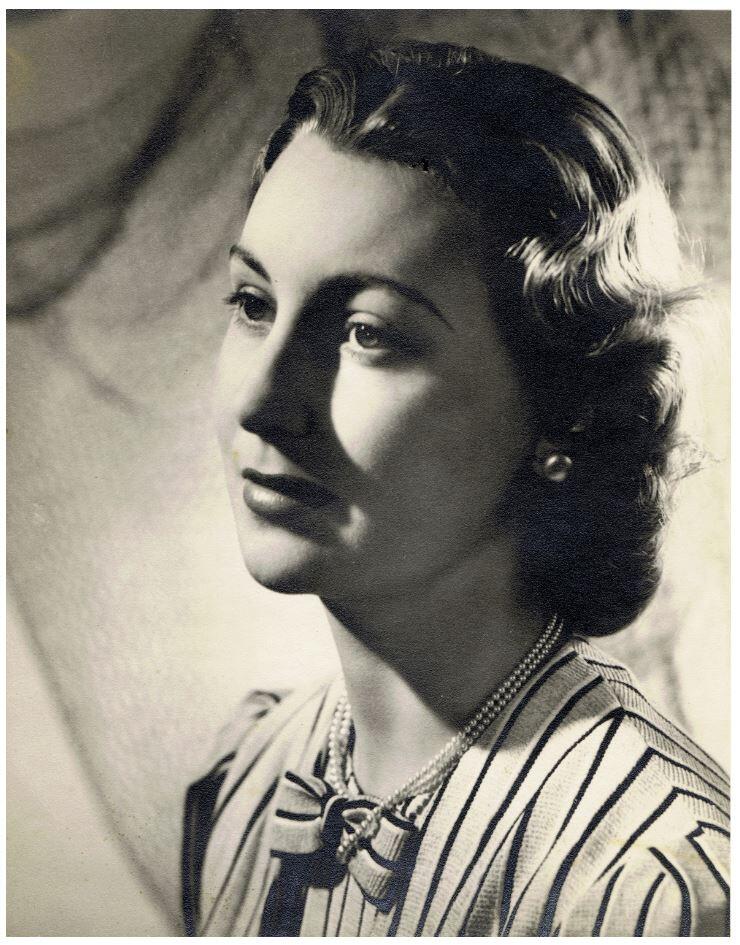
Her first collection of works, For the Record (1972) was a compilation of poems focused on ordinary moments contrasted with the somber presence of death.
Her writing is subtle, thoughtful, and distinctive.
She differs from most other famous female poets in Australian history by not wanting to be considered a feminist writer.
When several of her poems were included in the feminist anthology Mother I’m Rooted (1975), she was upset.
Some of her other famous publications include Crazy Woman and Other Poems and The Bright and the Cold: Selected Poems of Anne Elder.
Anne Elder Award
Bruce Dawe National Poetry Prize
Gwen Harwood Poetry Prize
Judith Wright Prize
Peter Porter Poetry Prize
Henry Lawson
Born in 1867, Henry Lawson is one of the most important writers in Australian literature. He frequently addressed the reality of life in the bush through a non-romantic lens, writing about hardship, drought, labour, survival and loneliness.
His stance on bush poetry was opposed to many of his contemporaries.
He worked to bring a more rounded view to urbanites and others who never experienced backcountry living first-hand.
Some of his most famous poems include “Up the Country,” “Andy’s Gone with Cattle,” and “The Drover’s Wife.”
His writing conveys the sense of danger, struggle, and often miserable conditions faced in the bush.
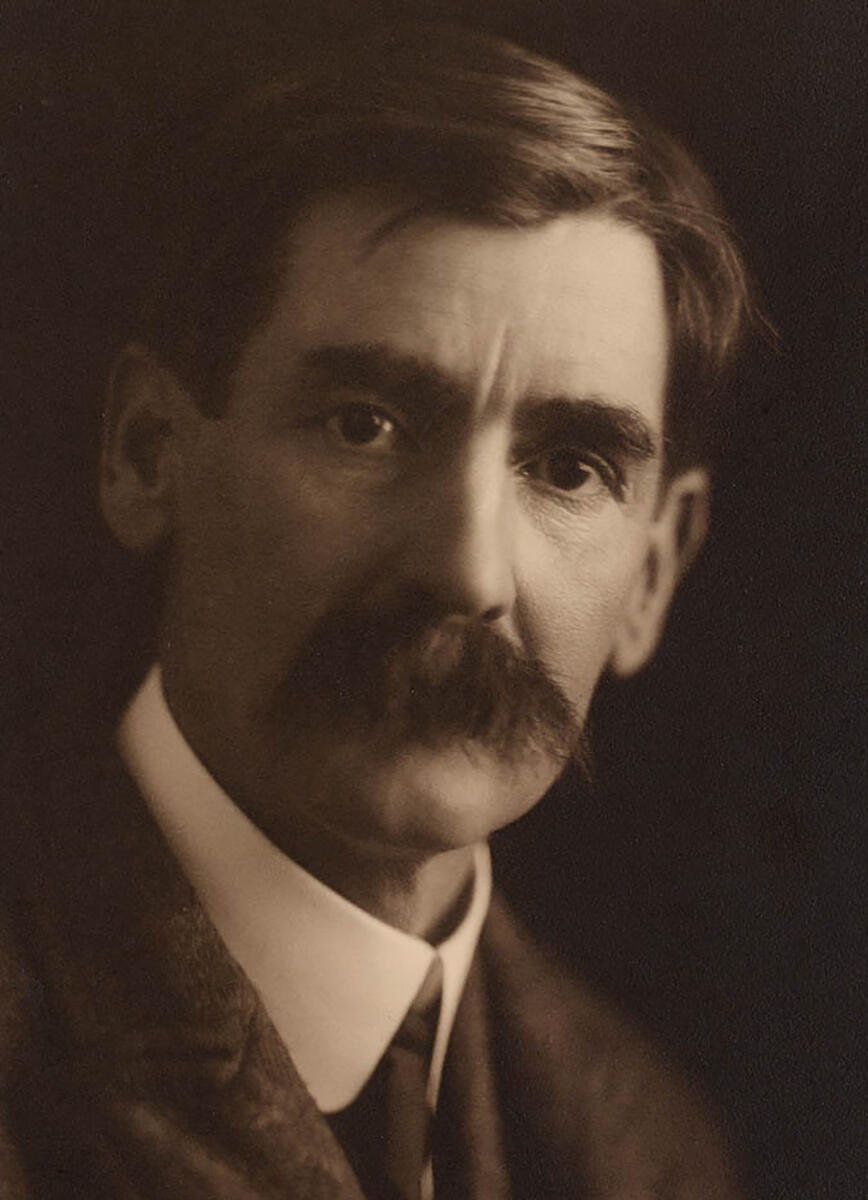
At the same time, the poems read as odes, rather than laments or forsakenings, showing his deep respect for the bush and bush living.
Discover some of Australia’s most famous poems by poets like Les Murray, Jack Moses, Ada Cambridge, and others.
Pam Brown
Pam Brown’s poetic style is known as experimental, urban, and sharply observant. Her work draws on inspiration from the sciences and uses lyric and language as experimental elements. She incorporates locality into her work, allowing it to tint the verse including the themes and language used.
Born in 1948, Brown has been writing poetry since the 1970s. She focuses more on contemporary issues, including city life and modern experiences. She is an interesting poet to read when learning about poetry in Australia, since her work differs from many other popular Australian poets in subject matter and writing style.
Some of her popular works are “This is All,” “Fall to Float,” 50-50, and Authentic Local.
James McAuley
Born in 1917, James McAuley was an important figure in 20th-century Australian literature. In addition to poetry, he was a critic and editor. In his own work, James implemented formal control, serious arguments, and intellectual and religious themes. His poetry often dealt with themes of belief and doubt, history, and public life.
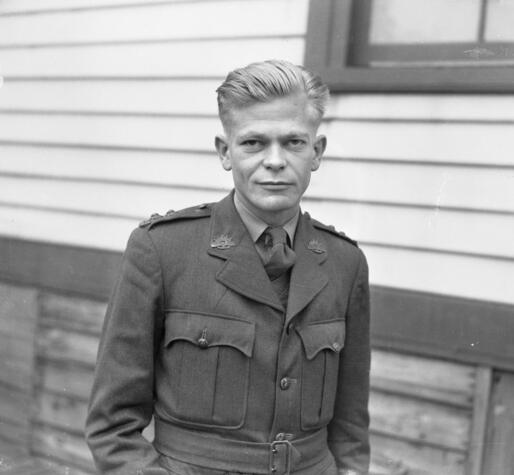
In his personal beliefs about poetry, James McAuley felt that some poets took too many liberties with language, imagery, and melodrama.
Notably, he was involved with the infamous Ern Malley poetry hoax in 1943, which mocked the modernist poetry movement happening at the time.
In his work, he used more academic and formal language, themes, and form, moving away from the more abstract works of the modernists.
Some of his famous works include A Vision of Ceremony, Under Aldebaran, and "Because."
Oodgeroo Noonuccal
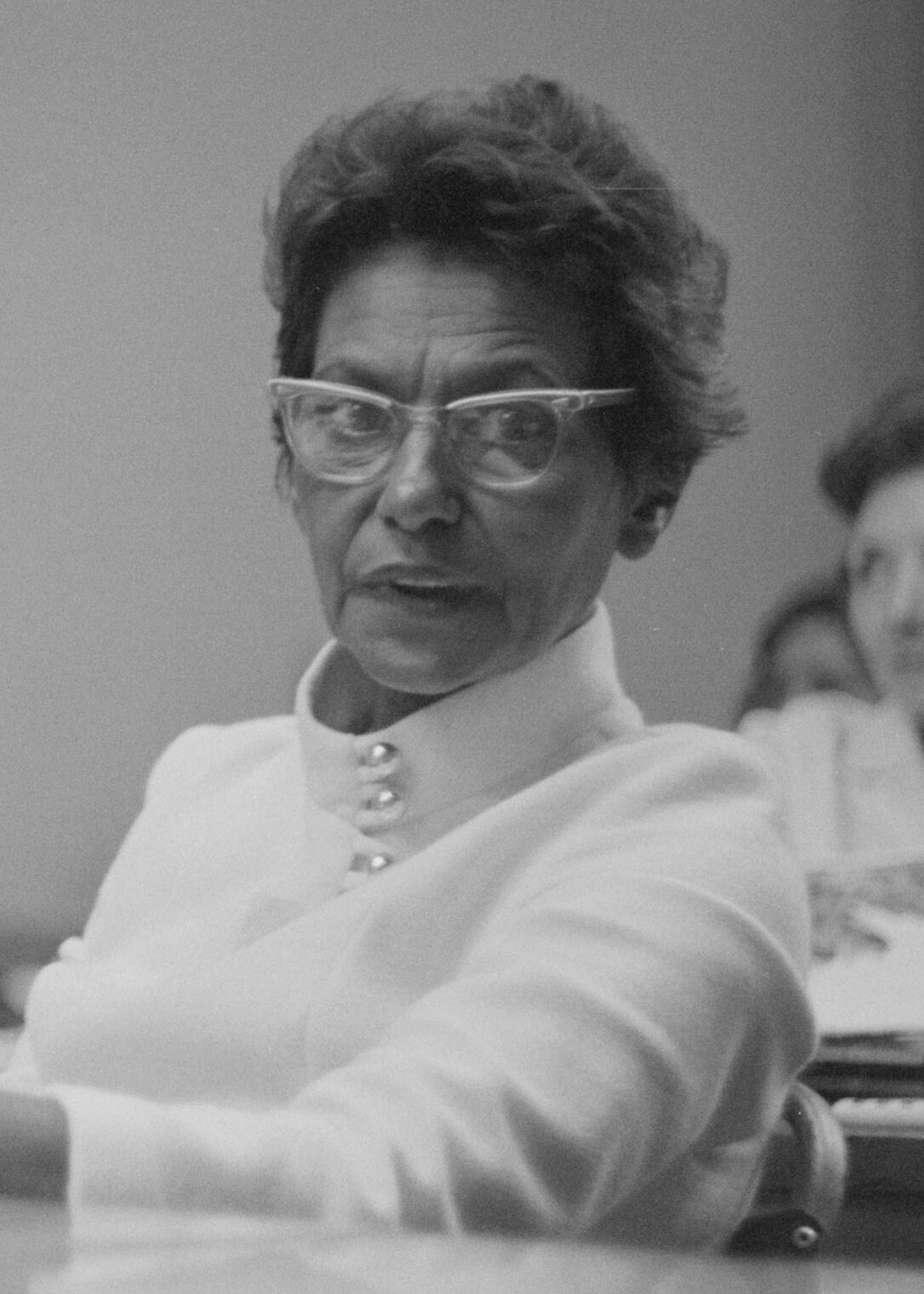
One of the foremost First Nations poets, Oodgeroo Noonuccal (formerly Kath Walker) was the first Aboriginal Australian to publish a book of poetry (We Are Going, 1964). She found immediate success and embraced her poetry as a form of activism; a prospect that alarmed many racists at the time.
Noonuccal’s publications helped bring First Nations’ voices to the mainstream, paving a way for others to follow.
Her work often examines land, loss, identity, injustice, and colonisation.
She used a clear, direct voice that makes it easy to understand the intended message and emotions contained within a poem.
Read these works to understand more about Noonuccal’s writings: Stadbroke Dreamtime, The Dawn Is at Hand, “Municipal Gum,” “No More Boomerang”
Learn about more poetry by First Nations poets like Samuel Wagan Watson, Evelyn Araluen, Kirli Saunders, and Jack Davis.
Peter Porter
Peter Porter was born in 1929 in Brisbane. Though he moved to England in 1951 and stayed there for most of his life afterward, he was still Australian at heart.
He first started publishing poetry in 1958, building his career in Britain. Peter Porter's work is noted for its wit, skill, and use of irony. It’s especially notable as art that holds Australian literary identity within, though the author no longer resides there. Porter often wrote about culture, memory, history, and the pressures of modern life with a unique and distinct voice.
A few of his well-known works include Once Bitten, Twice Bitten; The Cost of Seriousness and Possible Worlds.
David Brooks
Born in Canberra in 1953, David Brooks is known for poetry, short-fiction, and essays. His poetry explores nature, ethics, philosophy, animals, and the relationship between people and the environment.
Among Australian authors and writers, Brooks’ work takes on a unique quality, being inspired by many foreign influences, such as ancient Chinese poetry.
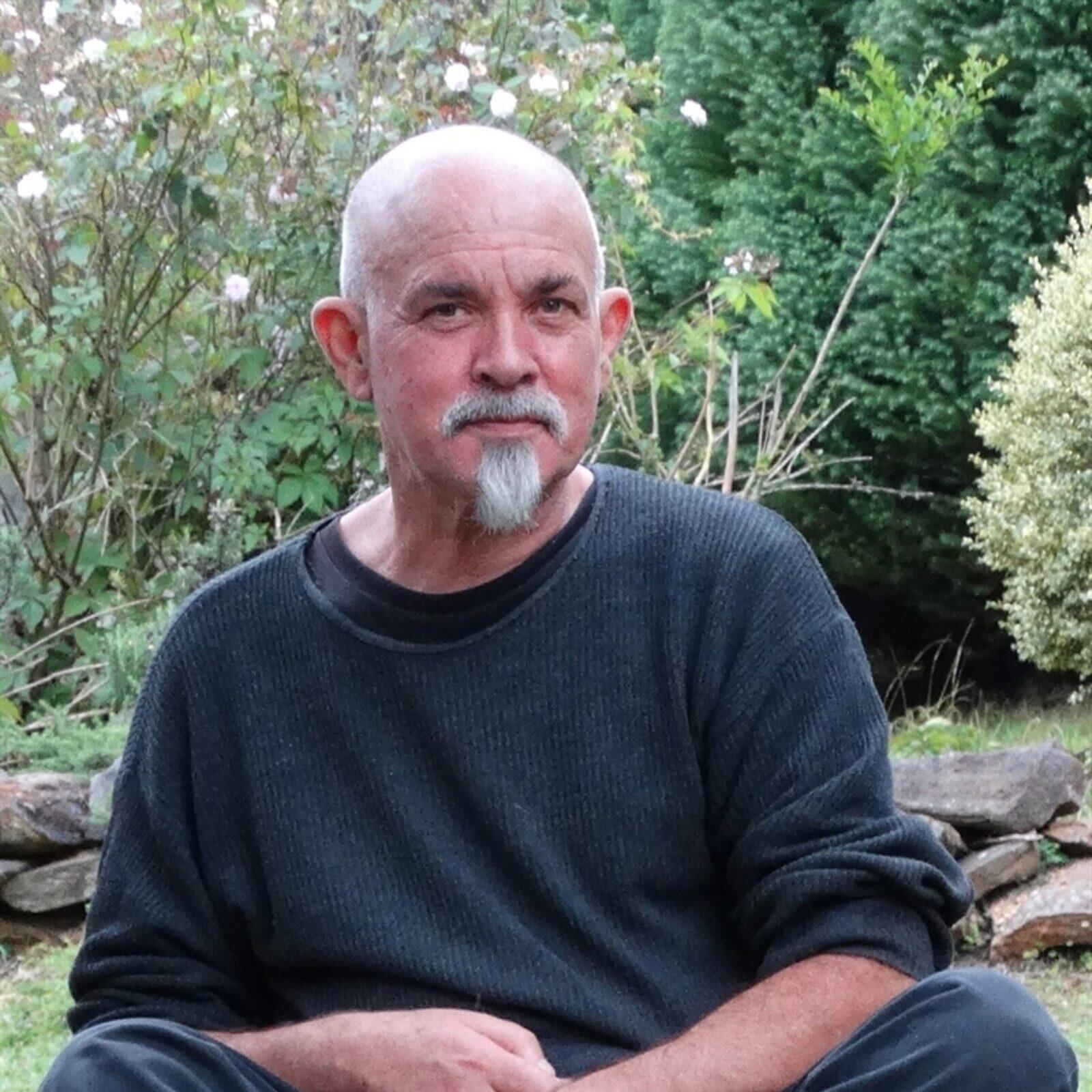
He largely uses poetry as a form of advocacy to raise awareness about many issues facing the world, such as animal rights and human/animal relations.
Brooks’ work is an extension of respecting the land and living in harmony with it, with insights into modern-day practices that change peoples’ relationship with land and Country.
Some of his influential works include The Balcony, Urban elegies, and “A Place on Earth.”
Gwen Harwood
Harwood is a well-known poet famed for her thoughtful and intellectual poetry. She often wrote about female-centred topics like motherhood, gender roles, and domestic expectations. She combined these observations and ponderings with philosophy, religion, and examination of language itself.
Notably, she overcame gendered suppression by submitting her poems to publications under male pseudonyms, since the same works were often rejected when her real name was attached.
Born in 1920, Harwood’s work reflected the stifling conditions for many women at the time, providing an outlet for collective emotions.
She inspired many other female writers at the time and beyond to use poetry as a form of cathartic expression as well as examination and critique of harmful social expectations.

Find out about more famous female Australian poets such as Louisa Lawson, Christina Stead, Charmaine Papertalk Green, and others!
Australia is full of talented poets covering a vast array of themes and viewpoints. There is no shortage of poetry, so explore more literary figures to find your favourite poets!
References
- Brooks, D. (2025, February 18). About David Brooks. David Brooks. https://davidbrooks.net.au/about-david-brooks/
- John Kinsella. (n.d.). Australia - Poetry International. https://www.poetryinternational.com/en/poets-poems/poets/poet/102-674_Kinsella
- McLaren, J. (1996, January 1). Elder, Anne Josephine Chloe (1918–1976). https://adb.anu.edu.au/biography/elder-anne-josephine-chloe-10106
- Pam Brown. (n.d.). Australia - Poetry International. https://www.poetryinternational.com/en/poets-poems/poets/poet/102-685_Brown
- Peter Porter. (n.d.). Australia - Poetry International. https://www.poetryinternational.com/en/poets-poems/poets/poet/102-11699_Porter
- Pierce, P. (2000, January 1). McAuley, James Phillip (1917–1976). https://adb.anu.edu.au/biography/mcauley-james-phillip-10896
Summarise with AI:
Did you like this article? Leave a rating!

 Loading...