
Throughout Australia’s literary history, there have been many female poets contributing to the country’s body of work. The verses of these women reflect the changing ideas in society about topics like nation, gender, identity, land, politics, and more. Their contributions as poets created time capsules about the past and set foundations for future poetry. Discover some of the prominent women in poetry through the years you should know about.


Eliza Hamilton Dunlop (1796-1880)
📚 Check out these works by this author: “The Aboriginal Mother”; “The Eagle Chief”; “The Aboriginal Father”
Dunlop was one of the most prominent names in Australian colonial poetry. Born in Ireland, she moved to Australia in the 1830s and, though a colonist, eventually earned the trust of some of the Aboriginal people who were under her husband’s jurisdiction as police magistrate. She became very interested in the literary value of the folklore, songs, and poetry of the First Nations people she met, even translating some of poet Wullati’s work into English.
Dunlop’s poetry was and is influential not because it is exceptional, but because it was used as a bridge between colonialists and First Nations peoples.
She famously wrote “The Aboriginal Mother” as a lament about the 1838 Myall Creek Massacre to urge empathy and understanding towards Indigenous people, which was not widely held at the time.
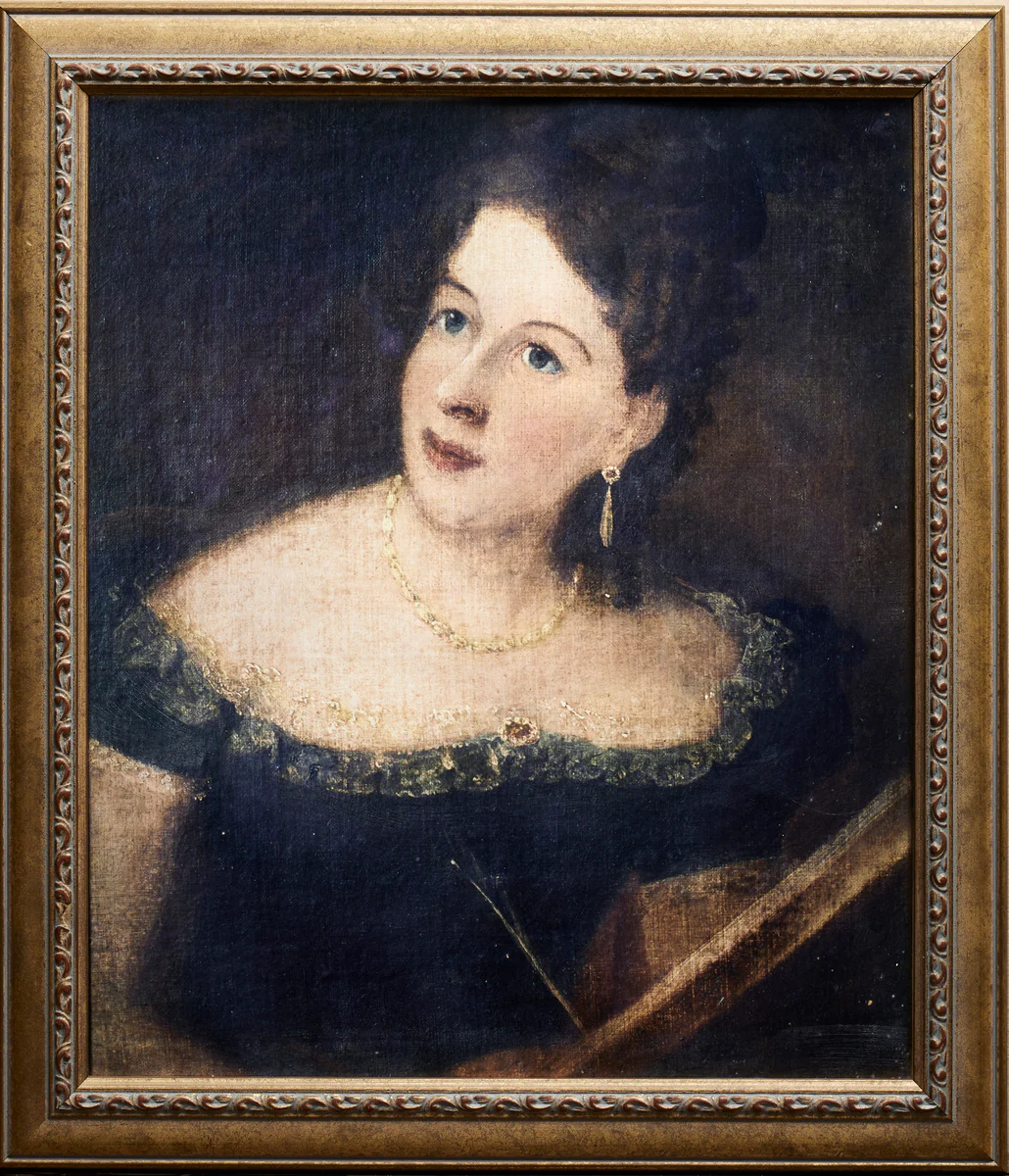
Change takes a lot of actors over long periods of time, and Dunlop’s writing is one important contribution to the social change that began to take place in Australia over the coming decades.
Find out more about other famous poets in Australian history.
Louisa Lawson (1848-1920)
📚 Check out these works by this author: The Lonely Crossing and Other Poems; “All’s Well”; “The Digger’s Daughter”
Lawson is one of the most prominent literary figures in Australian history.
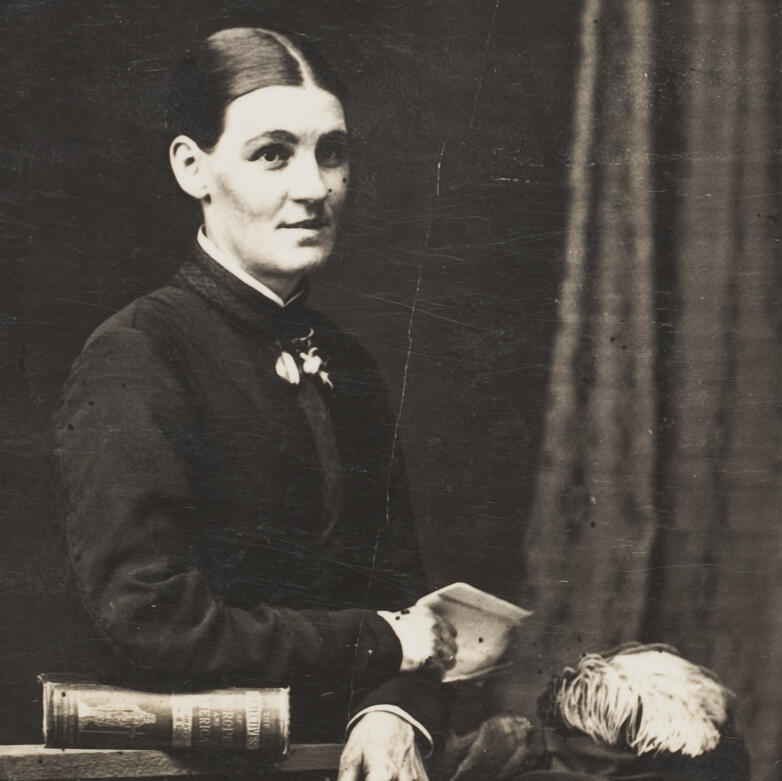
She was a poet, writer, editor, publisher, and feminist activist on top of it all.
In addition to her poetry writing, she notably founded The Dawn, an influential newspaper for women in the late 19th century, in both publication and production, using the platform to advocate for suffrage and social reform.
Furthermore, she was the mother of the famous poet Henry Lawson.
Lawson’s writing is notable in the history of literature for its social and political implications. She used her writing and her platform to give Australian women a voice at a time when they were often ignored or silenced by society.
Christina Stead (1902-1983)
📚 Check out these works by this author: Seven Poor Men of Sydney; The Salzburg Tales; The Man Who Loved Children
Though much of Stead’s work was as a novelist rather than a poet, she is still an important figure in the history of female poets and women writers. Stead’s writing style was more bold, sharp, and psychological than many other works at the time. She pushed Australian literature into new directions, breaking free of narrow local expectations.
In her fiction works, she often explored family, politics, power, and human conflict over more typical romantic or poetic subjects.
Stead is one of the four female authors from this time period mentioned in the non-fiction book by Ann-Marie Priest, A free flame: Australian women writers and vocation in the Twentieth Century.
She, along with Dorothy Hewett, Gwen Harwood, and Ruth Park, was a critical figure in the 20th century literary scene who sought to overcome the gender discrimination in the field.
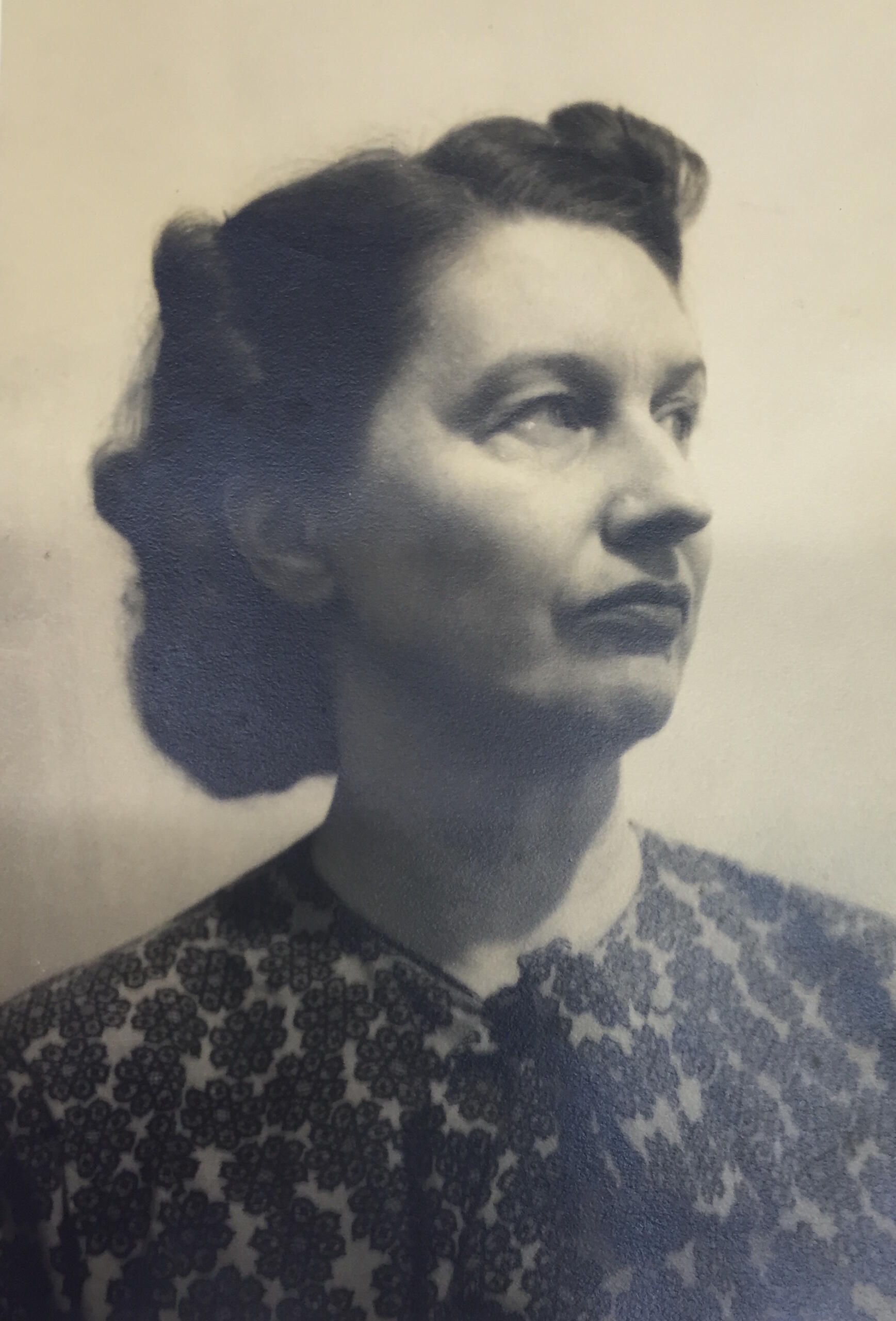
Stead’s efforts and success in the face of suppression in the male-dominated field helped pave the way for future women poets to thrive.
Discover some of the most famous Australian poems.
Judith Wright (1915-2000)
📚 Check out these works by this author: The Gateway; Woman to Man; The Moving Image; “Bullocky”; “South of My Days”
Wright grew up in Wallamumbi station, becoming close with the land and drawing inspiration from it. She had been interested in writing poetry from an early age, and started writing poems as a way to process and express her emotions.
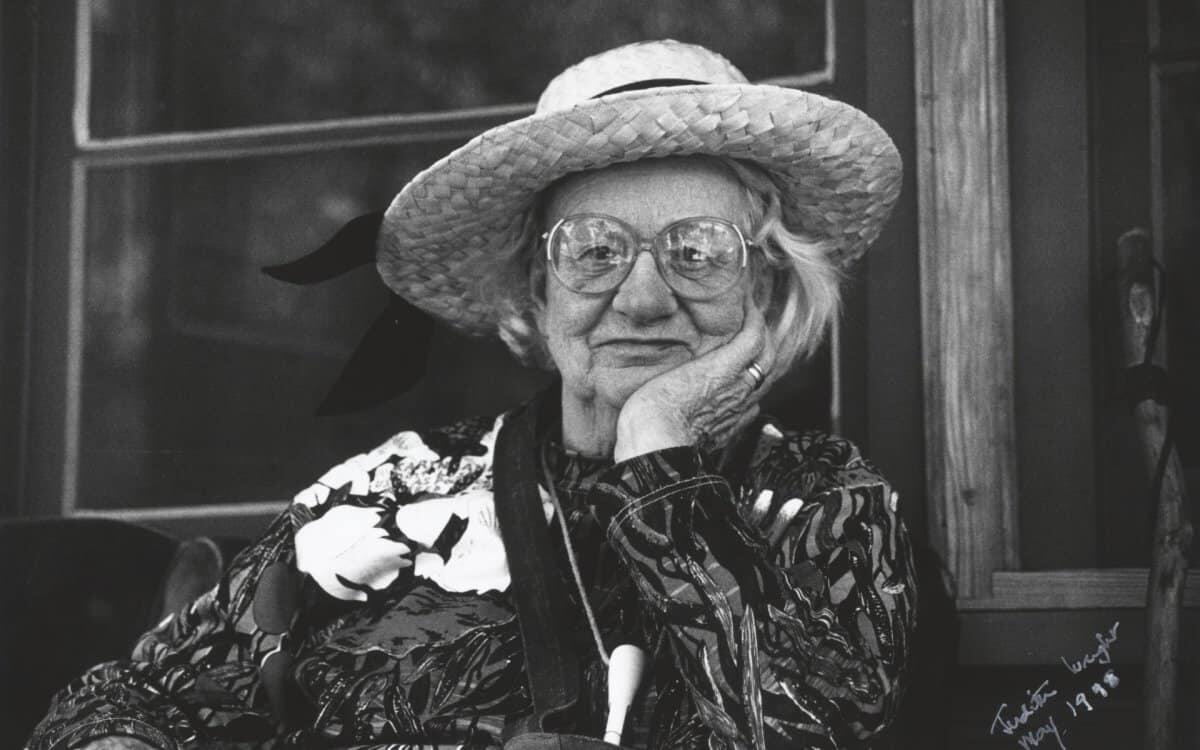
As an adult, she learned more about First Nations peoples, and began writing poems with an angle for public conscience. Her works brought awareness to Indigenous dispossession and environmental issues, contributing to the changing of culture over time. Land and Country, belonging, memory, and responsibility were forefront themes throughout her poems and other writings; she even researched and published a book about her family’s role in colonisation to bring awareness to history and take responsibility.
Gwen Harwood (1920-1995)
📚 Check out these works by this author: “In the Park”; “Suburban Sonnet: Boxing Day” ; “Barn Owl”
Harwood is by far one of the most influential female poets in Australia, if not the world. Her story is detailed by Ann-Marie Priest in more than one book, A free flame as well as My Tongue Is My Own: a Life of Gwen Hawood, just to name a few.
Her poems often explored motherhood and gender roles, as well as wider topics like life, religion, philosophy, and language itself. Her writing combines critical insight and precision with emotional depth, uniting logos, pathos and ethos in critically-acclaimed works.
Writing from lived experience, Harwood created poetry to give a voice to the domestic labour (often unappreciated or recognised) done by women. She was a curious intellectual who sought to look deeper into the mundane, and she approached writing with a strong awareness of literary traditions. Her work influenced future poets by demonstrating that poetry could be intelligent, refined, and deeply human all at once.
Dorothy Hewett (1923-2002)
📚 Check out these works by this author: Green Matter; Rapunzel in Suburbia; Selected Poems
Hewett’s poetic voice was shaped by politics, family life, personal beliefs and rebellion, and changing social expectations in her time. Notably, her tone often took on an energetic and confident quality, which was unusual “for a woman” at the time. The style gave Hewett a powerful and original voice that especially stood out during the time of great changes in gender norms.
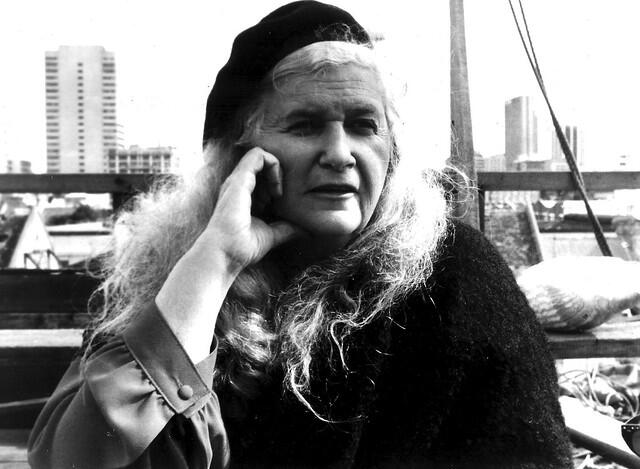
She helped broaden literary culture in Australia by unapologetically writing with an outspoken, passionate, feminist spirit.
She refused to stay quiet or polite, breaking barriers for women and female artists in her time and those who came afterwards.
She was also known for her plays in the 1970s and 1980s; across all her works, she wrote of progressive ideals, politics, spirituality and humanity, and even fantasy.
Hewett was awarded many awards in her lifetime, including: Poetry Prizes, Australian Writer’s Guild Awards, International Women’s Year grant, member of the Order of Australia, Lifetime Emeritus Grant from the Australian Council, just to name a few.
Ruby Langford Ginibi (1934-2011)
📚 Check out these works by this author: “Twilight Time”; Didgeridoo Thunder: Poems from the Dreamtime; My Bundjalung People
Ruby Langford Ginibi is one of the most influential female writers, as well as Indigenous Australian writers, in the country’s history. She is known for her work in memoir and prose as well as verse.
Her life, especially her teen years to middle age, were very difficult. She experienced many of the problems that tend to plague people who have been marginalised, their lineages disrupted and their stability taken away. In her many autobiographical writings, Ginibi describes having many abusive relationships and having children with different fathers, taking whatever work she could find, and living in a tin shack in the bush.
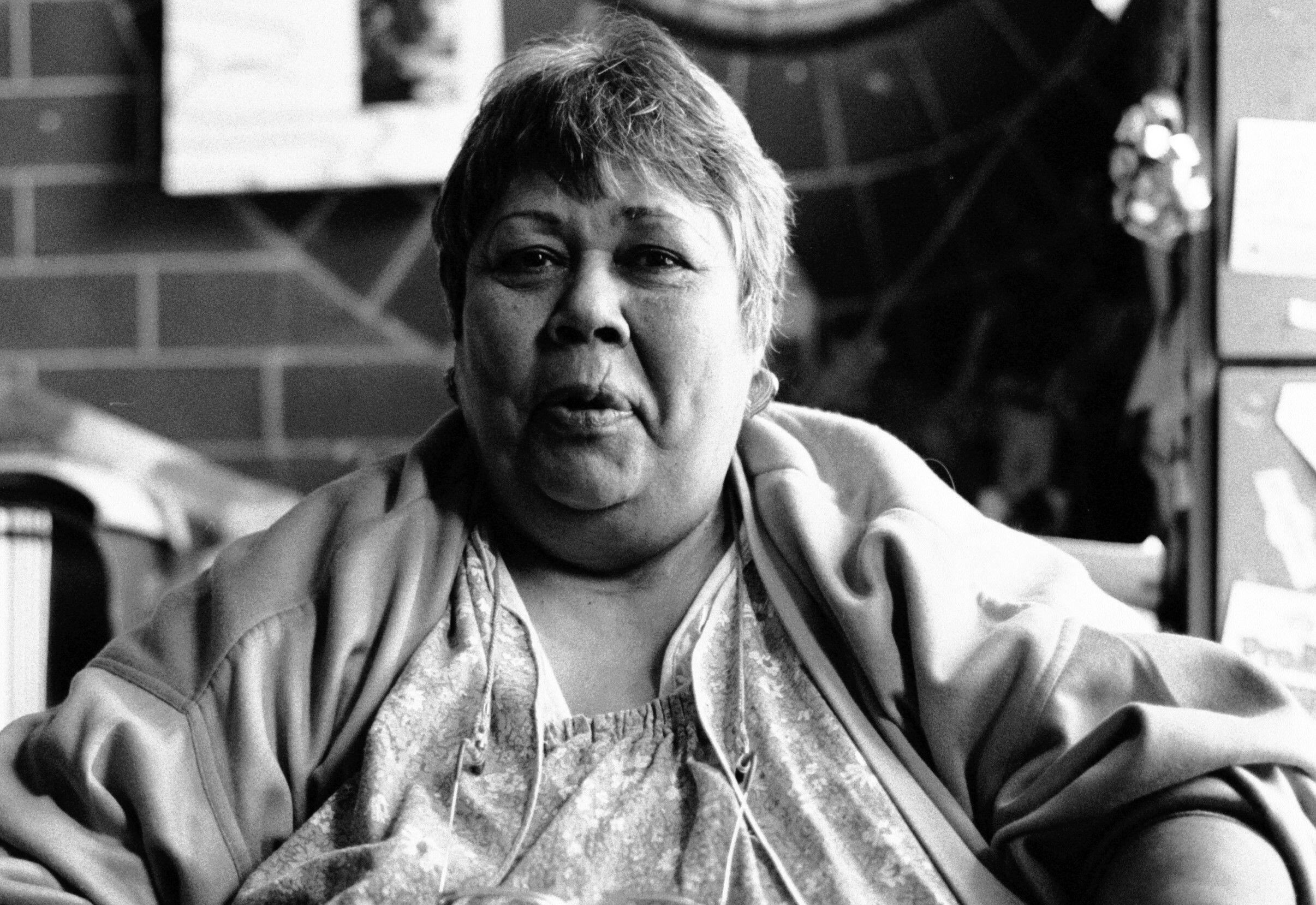
Eventually, she decided to try to make a change through publishing writing. Creating life writings and poetry about family, survival, racism, identity, and community, Ginibi gave a voice to Indigenous viewpoints. She directly criticised colonisers and their ongoing behaviours, calling for change.
Through the years, her work has remained pivotal in Australian literature, serving as powerful reminders of truth, memory, and resilience.
Discover more famous Australian bush poets.
Kate Jennings (1948-2021)
📚 Check out these works by this author: Come to Me My Melancholy Baby; Cats, Dogs and Pitchforks; Mother I’m Rooted
Jennings serves as an inspiration for women everywhere, turning her anger and rage into powerful written works and speeches that really instigated change. She’s known as one of the foremost figures in Australia’s second wave feminism in the 1970s, which erupted in tandem with outrage against the Vietnam War.
Her work refused to be toned-down and instead conveyed all the frustration, even the parts that may be irrational and hyperbolic, of the women in society who were tired of a lack of progress. Critics might say some of her work is incendiary, but why shouldn’t a person’s writings convey the depths of human emotions including anger?
She often collaborated with contemporary feminists, bringing vital unity and cooperation to the movement. Her steadfast and unflinching voice in politics made her a vital figure in cultural transformation.
Charmaine Papertalk Green (1962-2025)
📚 Check out these works by this author: Nganajungu Yagu; Just One More Song; False Claims of Colonial Thieves; Our Mob, Our Stories
One of the most notable Australian poets in modern history, Dr Charmaine Papertalk Green is remembered as a vital force in bringing the experiences of First Nations people to the mainstream.
Charmaine Papertalk Green received several notable awards for her literary works and activism over the years. Among others, she was awarded the Australian Literary Society gold medal, Victorian Premier Literacy Award for Poetry, entry into the WA Women’s Hall of Fame, and Red Room Poetry Fellowship.
Her art and writing was focused on Country, identity, family, and culture. She managed to convey much-needed Indigenous perspectives while constructively challenging existing colonial viewpoints that often crowd out authentic voices.
Papertalk Green’s work and activism helped more people, especially First Nations people, find freedom and expression through art.
Alison Whittaker (1993-present)
📚 Check out these works by this author: Lemons in the Chicken Wire; Blakwork; “Many Girls White Linen”
Named “Australia’s most important recently emerged poet” by a review on World Literature Today, Whittaker combines academia and art in her powerful poetry. With a background in Race, Gender and Criminal Law from Harvard, she writes poetry and prose unmistakably critical of the current status quo regarding apologies and reparations (or the lack thereof) and social norms regarding Indigenous identity.
Whittaker’s writing style is knife-sharp and vivid, flowing from poetic verses to social criticism easily. She utilises modern imagery and vocabulary, stressing the idea of the ‘now’ rather than let the reader believe she might be referring to the past or future. Whittaker uses her poetry to challenge assumptions and norms, opening space for new thoughts and ways of living.
Learn about some of the famous Australian Indigenous poems.
Many women have contributed to Australia's literary history. Many of them used their artistic skills as tools to call for and facilitate social change for the better. Learning about the history of women's poetry goes hand-in-hand with learning about social reform movements in Australian history.
References
- A swan who penned struggles of a divided society. (2011, October 12). The Sydney Morning Herald. https://www.smh.com.au/national/a-swan-who-penned-struggles-of-a-divided-society-20111012-1lkxn.html
- Arnott, G. (2024, December 19). Wright, Judith Arundell (1915–2000). https://adb.anu.edu.au/biography/wright-judith-arundell-34325
- Blakwork by Alison Whittaker. (n.d.). World Literature Today. https://worldliteraturetoday.org/2019/winter/blakwork-alison-whittaker
- Dorothy Hewett | Biography | Research Starters | EBSCO Research. (n.d.). EBSCO. https://www.ebsco.com/research-starters/biography/dorothy-hewett
- Gunson, N. (1966, January 1). Dunlop, Eliza Hamilton (1796–1880). https://adb.anu.edu.au/biography/dunlop-eliza-hamilton-2007
- Harris, M. (2012, December 11). Stead, Christina Ellen (1902–1983). https://adb.anu.edu.au/biography/stead-christina-ellen-15545
- Hoddinott, A. (2019, April 12). Harwood, Gwendoline Nessie (Gwen) (1920–1995). https://adb.anu.edu.au/biography/harwood-gwendoline-nessie-gwen-22407
- Moore, N. (2021, May 5). ‘Famously fed up’. How the work of feminist writer Kate Jennings changed Australia. The Conversation. https://theconversation.com/famously-fed-up-how-the-work-of-feminist-writer-kate-jennings-changed-australia-160267
- Radi, H. (1986, January 1). Lawson, Louisa (1848–1920). https://adb.anu.edu.au/biography/lawson-louisa-7121
- Vale Dr Charmaine Papertalk Green. (n.d.). Creative Australia. https://creative.gov.au/news-events/news/vale-dr-charmaine-papertalk-green
Summarise with AI:
Did you like this article? Leave a rating!

 Loading...