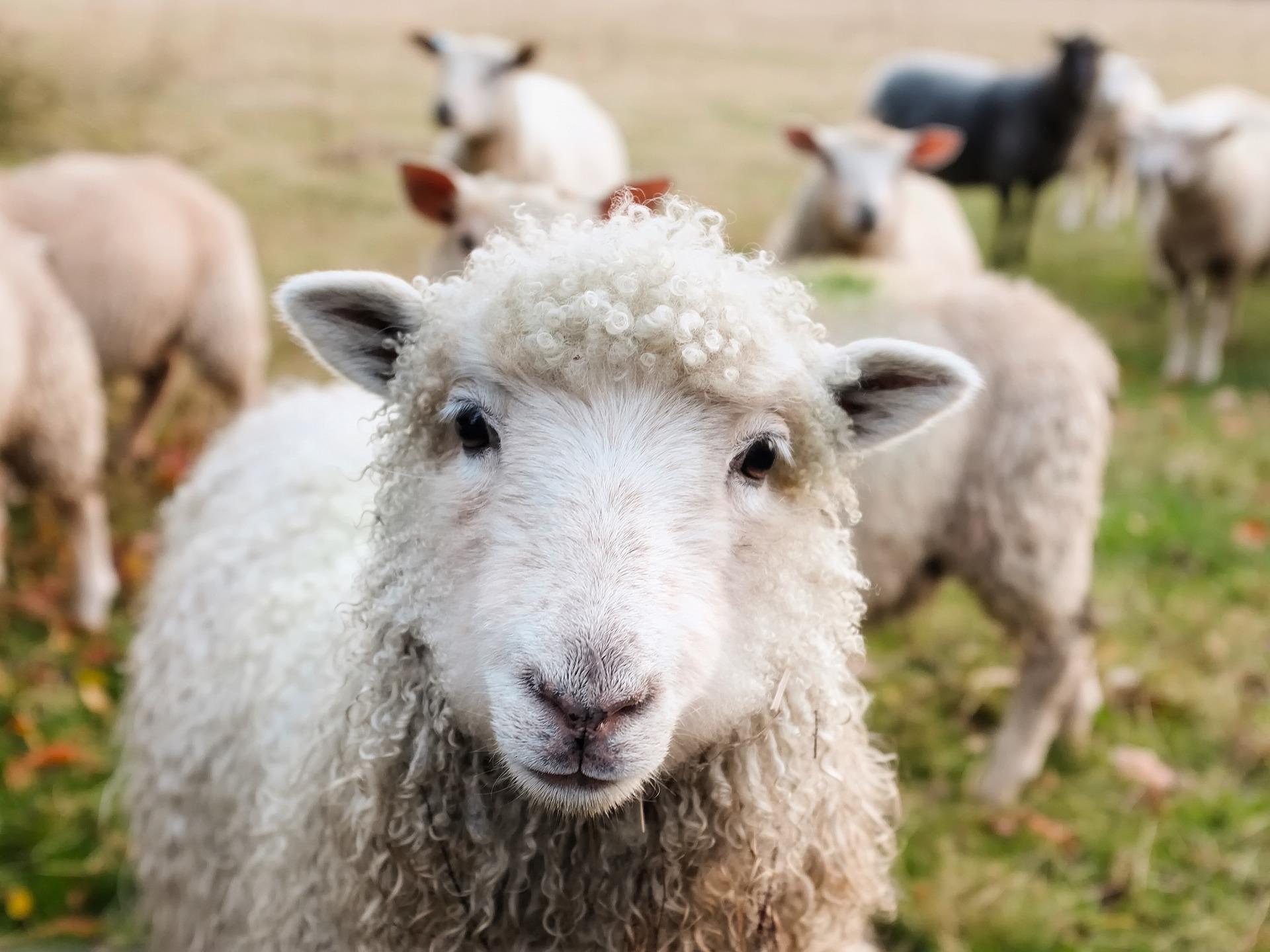

A man with an Irish accent could sound wise and poetic and interesting even if he wasn’t.
Kate Atkinson
When people picture Ireland, they typically see emerald-green, rolling landscapes and St Patrick's Day festivities. Many thirst for a Guinness beer or search for music by U2. Few are aware that Irish is less widely spoken than Irish English, though the number of people who can speak Irish grows steadily.
That's such a pity because Dame Atkinson is right. This language is musical and magical, even when reading a perfectly ordinary text. Fortunately, the Irish accent carries over into Irish English, a dialect which is also full of quirks. Join us as we explore one of the most intriguing English dialects around the world.


English Arrives in Ireland
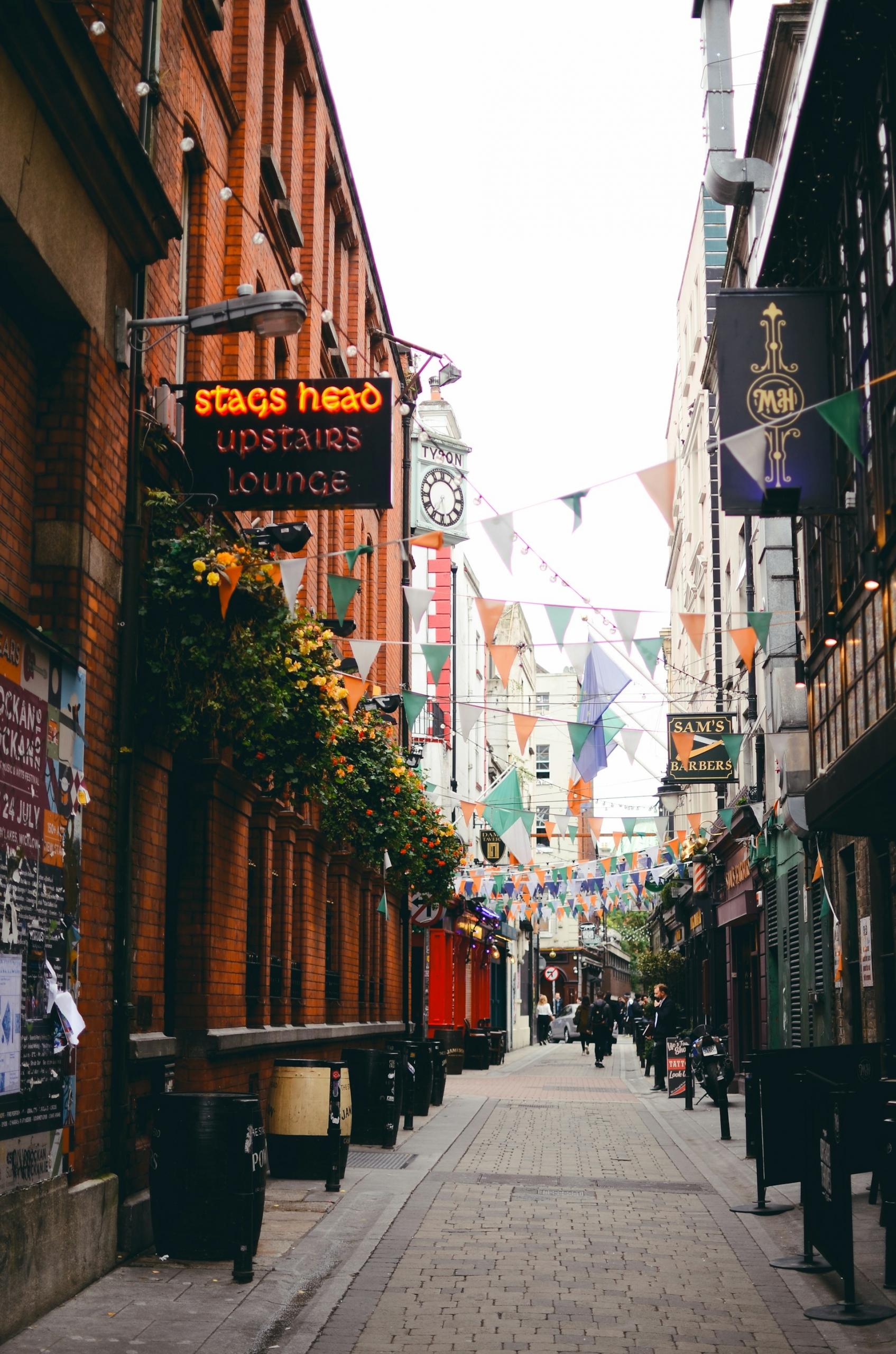
The English lessons you attend teach a relatively new language. Three versions of English existed before the one we speak today: Old English, Middle English, and Early Modern. More than 800 years ago, a few people in Ireland spoke Middle English.
They arrived around the time of the Anglo-Norman invasion of Ireland. That band of warriors snatched large parcels of land from the Irish people to give to the small English-speaking group. That's how and when the English language gained a foothold in Ireland.
At the time of invasion, they spoke many dialects, the Forge and Bargy dialects, and the Fingallian dialect, among them.
Four centuries later, during Queen Elizabeth I's reign, another wave of English speakers settled in Ireland. They might have felt out of place because by that time, Irish languages dominated once again. We know these events as the Tudor Conquest.
Starting in the 16th Century, the English monarchy barraged Ireland with military troops and weapons. Soldiers confiscated Irish-owned lands in the name of the crown, and forbade speaking any language other than English. This timeline sums up these events and then, reports a critical event.
May 1169
Normans invade Ireland
Took over large parts of the land; brought the English language.
1530
The Duke of Leinster leads the rebellion against the crown.
The effort fails but the Irish gain some of their lands back.
1603
The Nine-Year War
The Irish lose the fight against English rule; more English speakers arrive and take land.
1603 onwards
The Tudor conquest of Ireland is complete
Ireland is fully colonised; the Irish language is suppressed.
December 1922
Establishment of the Irish Free State
26 Irish counties gain independence from the United Kingdom
English became the language of administrations, the court, judiciary institutions and many businesses. Native Irish speakers suffered heavy discrimination. English speakers considered them poor, low-class and unintelligent. This history is similar to Indian English's origins.
From December 1922 on, the Irish people could decide for themselves how they would govern and what language they would speak. It wasn't an easy road to travel, though. Nearly a century after regaining their independence, the Irish government put forth initiatives to preserve the Irish language.
Irish English Today
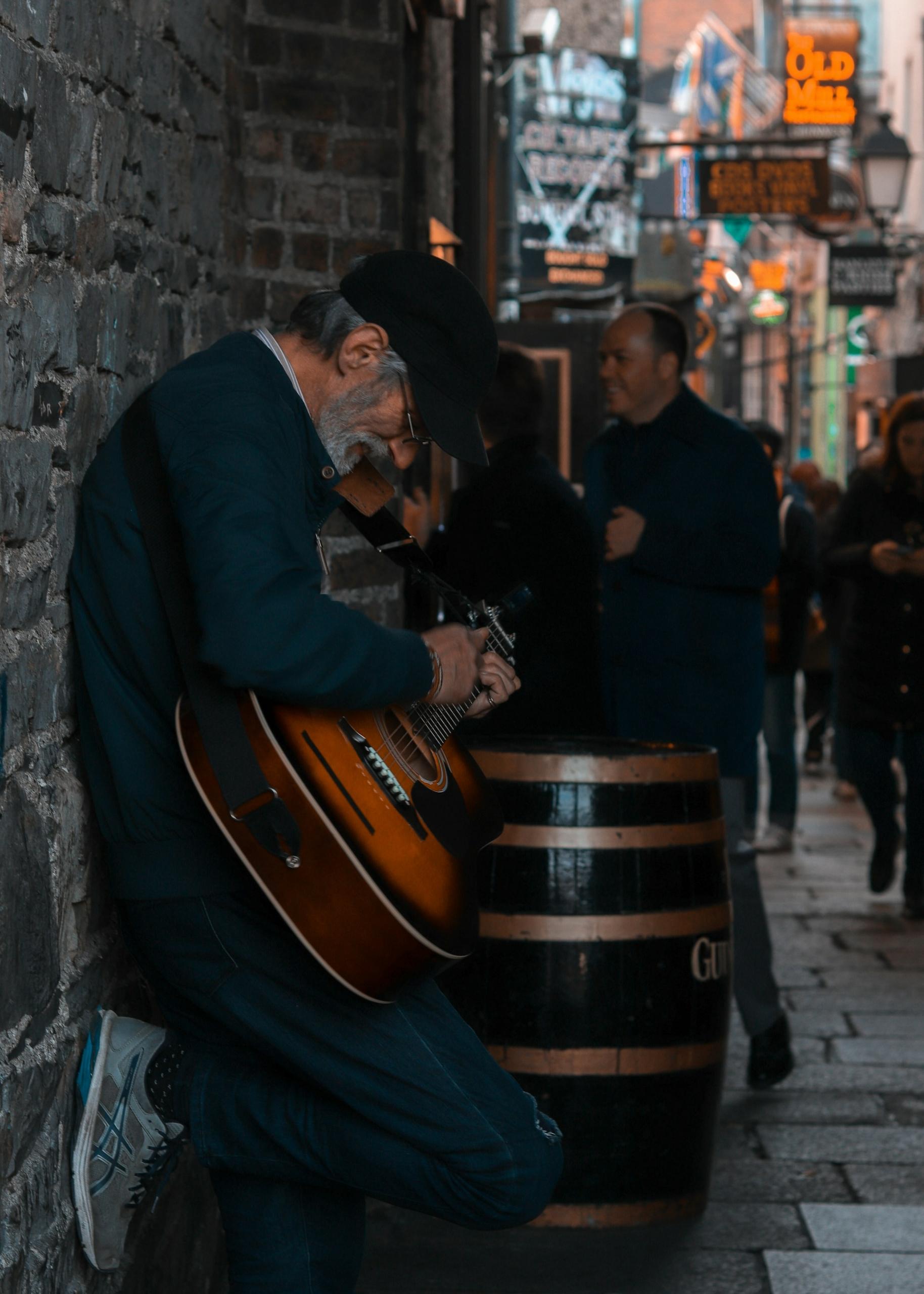
The Irish people are proud of their history and revere their culture. For them, being Irish is the national as well as personal identity. That's why we find so many Irish accents in the varieties of English spoken there.
That's not so unusual; our Australian English vocabulary reflects our culture's quirks. The Republic of Ireland distinguishes two official languages: Irish and English.
These are, of course, separate tongues. Still, the brand of English Irish people speak differs from the type of English their British neighbours communicate with. In fact, it resembles the Jamaican English dialect, to an extent.
This is the official name for the set of dialects spoken in Ireland and Northern Ireland. 'Hiburno' comes from Hiburnia, the Latin name for Ireland.
Still, we have to wonder. As the Irish lived under British rule for so long - more than 300 years, how different can Irish English be? Treat yourself to this native Irish speaker for a preview of the Irish English accent and speech patterns.
💬The Difference(s) Between Irish and British English
You might have picked out particular features of Irish English in this short conversation. You may even have had to slow the playback speed down, or paused to read the subtitles and explanations.
The 'at-all at-all' repetition is a stellar example of Irish native language influence on English. This speech pattern features in the Singaporean English dialect, too. Let's discover other differences between Standard British English (SBE) and Irish English.
The Existence of Yes and No
The words 'yes' and 'no' obviously exists in the English language. You just read them, and you likely use them all the time. However, they don't feature in Irish English. To answer a yes/no question, you must use a pronoun/verb construction, which looks like so:
Question
- Do you have class tomorrow?
- May I borrow your mobile?
- Do you have no sense of fashion?
Irish English response
- I do. (I do not.)
- You may. (You may not.)
- Do I not?
Comparing Vocabulary
People who speak the American English dialect often make fun of the British vocabulary. "Lorries have bonnets but no boots" is nearly incomprehensible to them. Irish English speakers also have trouble understanding British English speakers sometimes. Especially with these words:
British English
- trainers
- bacon
- pencil sharpener
- cupboard
- police
Irish English
- runners
- rasher
- pencil parer
- press
- gardai
In Irish English, things don't to happen to us, they happen 'on' us. The standard advice "Don't let her get to you" becomes "Don't let her get on you!" in this language. Also, you might have occasion to say "My mobile is dying on me; I'm going now."
Doubling for Emphasis
In this chapter's introduction, you learned that Irish English speakers double their adjectives. It gives the idea that the described fact is twice as important. Doubling also serves to add an extra layer of feeling.
For instance, compare 'She was quite beautiful.' (BSE) with 'She was a beautiful, beautiful girl, that one.'. The first is quite 'tea and biscuits' civilised; more of an impartial observation than a heartfelt expression. The Irish English expression conveys a host of feelings: admiration, and perhaps a longing to enjoy that beauty once more.
Irish English speakers affirm their statements before they finish them. The 'that one' in the example above is one instance of such. The ender 'so she was' makes the sentence even more intimate and personal.
Typically, English lessons you might take in Ballarat or Sydney would overlook this aspect of Irish English entirely. Indeed, these are generalities. Each of Ireland's 32 counties has its own linguistic style, as this clip demonstrates. Keep that in mind, going forward.
Pronunciation
You might think that, after centuries of conditioning, Irish English speakers would have the BSE pronunciation down pat. However, remember how hard the Irish people fought for their culture and identity. One small, defiant act of theirs was strong R pronunciation, a nod to their Gaelic tongue.
Where British English speakers might say "Pahk the cah over they-ah", the Irish English speaker says: "Parrk the carr overr therre!".
As much devotion as the R pronunciation gets, T struggles for definition. Irish English speakers pronounce T with a 'ch' sound, like in 'chew'. In fact, that's what 'two' sounds like. Care to venture a guess how to pronounce 'teacher'?
Finally, we have the Irish English 'D', which sounds like a hard 'J'. By contrast, the 'Th' sound comes out as 'D' - 'dose' for 'those', for instance.
We must talk about vowels before trying to pronounce Irish English words and phrases. Flattening them, and speaking with your mouth slightly closed is the way to start. The verb 'are' should sound like 'airr'. The 'ai' sound in 'play' and 'day' comes out as 'I' - ply and dye, respectively.
Practise These Irish English Words and Phrases
At the start of this article, we mentioned how poetic this language is. We left out the part about how mainstream Irish English has become. That clip, from the 2008 film In Bruges, features a tune from an Irish folk band, The Dubliners.
Indeed, this entire film is an Irish masterpiece. It's writer/director, Martin McDonagh, and the lead actors - Colin Ferrell and Brenden Gleeson are all Irish. If you're taking an English language course Melbourne, you might ask your teacher to show this film on your next movie day. Unfortunately, it lacks any Irish words, such as these.
| Irish English word | Meaning | Example |
|---|---|---|
| Craic, minus craic | fun, relevant, important - a general purpose word. 'Minus craic' means no fun at all; the worst. | "What's the craic?" - what's going on? "That teacher's minus craic, he is!" |
| Dryshite | boring, cheerless, no fun. | "Don't be a dryshite!" "The whole evening was dryshite. Be glad you didn't go." |
| Gas | hilarious Can be said of a person or thing. | "He's a real real gas!" "I wouldn't have done that! That's gas!" |
| Grand | Describes anything from wonderful to awful. | "Another exam! how grand." "Grand of you to let me borrow your car!" |
| G'wan | Contraction of 'go on'. Can be used playfully or to express frustration. | "You look grand!" "Oh, g'wan!" |
| Cailín Cailíni (plural) | Slang for 'girl' | "I'ma marry that cailin someday!" |
| Fella | slang for males of any age. | "I met that fella just yesterday." |
| Banjaxed | Broken | "Car's banjaxed. Come get me!" |
| Poxy | Something unreliable. | "Couldn't get that poxy car of mine to start today." |
| Manky | disgusting, dirty, rotten; often used to describe the weather. | "Throw that manky shirt away, already!" "It's absolutely manky out, today!" |
Mastering these words does not mean the Irish English learner knows how to use them. I discovered this while studying Nigerian English words and phrases. Learning proper context is just as important as honing pronunciation skills. Dropping the wrong phrase at the wrong time could make you a laughingstock.
Or it could cause you a lot of trouble. Thus, we end our exploration into how to speak in an Irish accent with a list of popular Irish English phrases, along with what they mean, and how and when to use them.
| Expression | Meaning | Example |
|---|---|---|
| In rag order | in terrible shape | "He's in rag order since his accident." |
| Up to 90 | very busy | "Can't come 'round today, I'm up to 90." |
| Now we're suckin' diesel! | making progress | "Now we're suckin diesel! Keep goin', fella!" |
| Give it a lash | trying something | "Never made bread before but I'll give it a lash." |
| On the lash | drinking | "I was on the lash last night. I'm feeling grand today." |
| Acting the maggot | messing around | "Stop acting the maggot!" |
| Delira and exira | delight and excitement | "And it was all delira and exira after she left." |
| C'mere to me | listen to me | "C'mere to me an' stop acting the maggot!" |
| I will, yeah | definitely not | "Give it a lash?" "I will, yeah." |
| What's the craic? | What's up? What's going on? | "What's the craic?" "Dunno, but they're suckin' diesel at it!" |
Summarise with AI:
Did you like this article? Leave a rating!

 Loading...