
Australian slang is pretty special. If you're learning English, it can be confusing, and even if you already speak English, it can still be confusing. The thing is, across Australia, you'll hear it at work, at school, in a café or while chatting with friends, and it's often not very clear what the words mean. Here, we'll look at some useful Australian slang words that have fairly straightforward meanings.
Key Takeaways
- Australian slang is common in everyday speech, but some well-known expressions now sound dated or stereotypical.
- Useful terms to recognise include mate, arvo, no worries, reckon, heaps, servo, mozzie and tradie.
- Context matters. Words such as mate can sound friendly, neutral or confrontational depending on tone and situation.
- Greetings and responses such as g’day, how ya going?, no worries, too easy and good on ya are best learned as complete phrases.
- Some Australian words can confuse speakers of other English varieties. Thongs means flip-flops, crook can mean sick or bad, and yeah nah often signals disagreement.
- Australian vocabulary varies by region, with differences such as potato cake/potato scallop and bathers/swimmers/togs.
- Around 350 words and phrases in the Australian National Dictionary are identified as state- or territory-specific.
- Shortened forms such as arvo, brekkie, servo, mozzie, tradie and sunnies commonly use endings such as -ie/-y and -o.
- It is usually better to recognise slang first and listen to how Australians use it before trying it yourself.
Australian slang keeps changing, so not every famous Aussie expression is equally common today. Words such as mate, arvo and no worries remain familiar in everyday speech, while some older expressions are now more likely to sound dated, humorous or deliberately stereotypical.³


Australian Slang Words and Meanings: A–Z Guide
The easiest way to learn Australian slang is like with any other word. Don't try and memorise everything at once. Some words are shortened forms (quite common in Australian English), and others have no clear equivalents in other versions of English. We've provided them here for reference, but don't try to tackle them all at once!
| Australian slang | Meaning | Example |
|---|---|---|
| Ambo | Ambulance officer or paramedic. | The ambos were there in minutes. |
| Arvo | Afternoon.³ | See you this arvo. |
| Aussie | Australian; used for a person or something Australian. | She's an Aussie living overseas. |
| Barbie | Barbecue. | We're having a barbie on Saturday. |
| Bikkie | Biscuit. | Want a bikkie with your tea? |
| Bloke | Man; an informal way to refer to a male person. | He's a nice bloke. |
| Bludger | Someone seen as lazy or avoiding work. | Don't be a bludger and leave it all to me. |
| Bogan | A person regarded as uncultured or unsophisticated; it can be insulting, joking or self-deprecating depending on context.³ | He jokingly calls himself a bogan. |
| Bottle-o | Bottle shop or liquor store. | I'll stop at the bottle-o on the way home. |
| Brekkie | Breakfast; part of a common Australian pattern of shortening words.⁵ | Let's grab brekkie before work. |
| Chockers | Very full, crowded or busy. | The car park was chockers. |
| Chook | Chicken, especially a live chicken.³ | They keep a few chooks in the backyard. |
| Chuck a sickie | Take a day off work by claiming to be sick, often when you are not. | He reckons he'll chuck a sickie tomorrow. |
| Crook | Ill, injured, bad or in poor condition, depending on context.⁷ | I'm feeling a bit crook today. |
| Dag | An unfashionable or socially awkward person, often used affectionately. | You're such a dag. |
| Devo | Devastated or very disappointed. | I was devo when the gig was cancelled. |
| Dunny | Toilet; historically especially an outside toilet.³ | Where's the dunny? |
| Esky | Portable insulated cooler for keeping food and drinks cold.³ | Put the drinks in the esky. |
| Fair dinkum | Genuine, true or serious; also used to express disbelief. | Is that fair dinkum? |
| Footy | Football; the code meant depends on where you are and who is speaking. | Are you watching the footy tonight? |
| G'day | Informal greeting meaning hello.¹ | G'day, how are you going? |
| Good on ya | Well done, good for you or an expression of approval; tone can also make it sarcastic. | You passed? Good on ya! |
| Heaps | A lot or very much. | Thanks heaps for your help. |
| Hoon | A person who drives dangerously or irresponsibly, especially for speed or display. | The police were targeting hoons. |
| Larrikin | A cheeky, irreverent or mischievous person, often with an affectionate Australian connotation. | He's got a bit of a larrikin streak. |
| Lollies | Sweets or candy. | The kids bought a bag of lollies. |
| Maccas | McDonald's. | We grabbed Maccas on the way home. |
| Mate | A friend or familiar form of address; tone can make it warm, neutral or confrontational.² | Thanks, mate. |
| Mozzie | Mosquito. | There are heaps of mozzies outside. |
| No worries | No problem, that's fine or you're welcome.¹ | No worries, I'll sort it out. |
| Old mate | Informal way to refer to a person whose name is unknown, forgotten or deliberately not used. | Old mate at the counter helped me out. |
| Pash | A passionate kiss; also used as a verb. | They had a pash at the party. |
| Reckon | Think, suppose or believe. | I reckon it'll rain later. |
| Righto | OK, understood or let's get on with it. | Righto, let's head off. |
| Ripper | Excellent or very good. | That was a ripper game. |
| Root | Vulgar slang for having sex; this can make the North American phrase 'root for a team' sound very different in Australia. | Be careful using 'root' in Australian conversation. |
| Rort | A dishonest scheme, scam or manipulation of a system for personal benefit. | The report exposed a funding rort. |
| Sanga | Sandwich. | I made a ham sanga for lunch. |
| Servo | Service station or petrol station. | I'll stop at the servo for fuel. |
| She'll be right | Everything will be fine or the situation will work itself out. | Don't stress, she'll be right. |
| Shout | Pay for a round of drinks, food or another shared purchase. | It's my shout this time. |
| Smoko | A short work break, historically associated with a smoking break. | We'll finish it after smoko. |
| Snag | Sausage. | Chuck another snag on the barbie. |
| Sook | A person who complains, sulks or is seen as overly sensitive; also used as a verb. | Don't be a sook. |
| Stubby | A small bottle of beer; the exact bottle size can vary. | He grabbed a cold stubby from the fridge. |
| Sunnies | Sunglasses. | Don't forget your sunnies. |
| Thongs | Open rubber or plastic footwear worn between the toes; what North Americans commonly call flip-flops.⁶ | I wore thongs to the beach. |
| Too easy | No problem, easily done or happy to help. | Can you send it today? Too easy. |
| Trackie dacks | Tracksuit pants. | I'm staying home in my trackie dacks. |
| Tradie | Tradesperson, such as a plumber, electrician or carpenter. | We need a tradie to fix the leak. |
| True blue | Genuinely or characteristically Australian; also loyal or dependable. | He's a true-blue Aussie. |
| Tucker | Food. | There's plenty of tucker for everyone. |
| Ute | Utility vehicle with an open cargo area at the back. | Throw the tools in the ute. |
| Whinge | Complain, especially repeatedly or annoyingly. | He had a whinge about the traffic. |
| Yakka / hard yakka | Work, especially hard physical work; the term ultimately comes from the Yagara language of the Brisbane region.³ | Landscaping is hard yakka. |
| Yeah nah | A conversational response whose meaning depends on context, but it commonly introduces disagreement or a negative answer.⁸ | Yeah nah, I don't think I'll go. |
Of course, this isn't a comprehensive list; it's just the words we felt you'd benefit most from. Even within the list of words that are classified as slang, each term can have its own accepted use according to context and even who uses it. Even if Australian workplace slang sounds more casual than you're used to, that doesn't mean you can automatically use all slang in the workplace. For our list, we've included words you'll likely encounter, not niche and obscure Australianisms.
words and phrases identified as state- or territory-specific.⁴
Australian English isn't uniform. In the same way that there are differing accents, slang usage can vary across the huge country. Words like potato cake and potato scallop, or bathers, swimmers and togs, can vary depending on where you are.⁹ Don't worry about learning every regional alternative, but it can be useful to recognise a few of them if you know you'll be somewhere where one term is preferred over another.
Australian Greetings and Everyday Responses
Start your foray into Australian slang and vocabulary by starting a conversation with Aussies. Australian phrases and sayings can work as a greeting, acknowledgement, reassurance, or response, depending on the situation. A few of them don't sound like what you'd expect, so don't think too much about what each word means and instead learn what the whole phrase means.
G’day
An informal way to say hello.
How ya going?
A casual way of asking "How are you?" rather than literally asking how someone is travelling.¹
No worries
Used to mean "no problem", "that's fine" or "you're welcome".¹
Too easy
A relaxed way of saying something is no problem or easy to do.
Good on ya
Usually means "well done" or "good for you", although tone can make it sarcastic.
Yeah nah
Often introduces disagreement or a negative response, although its exact meaning depends on context.⁸
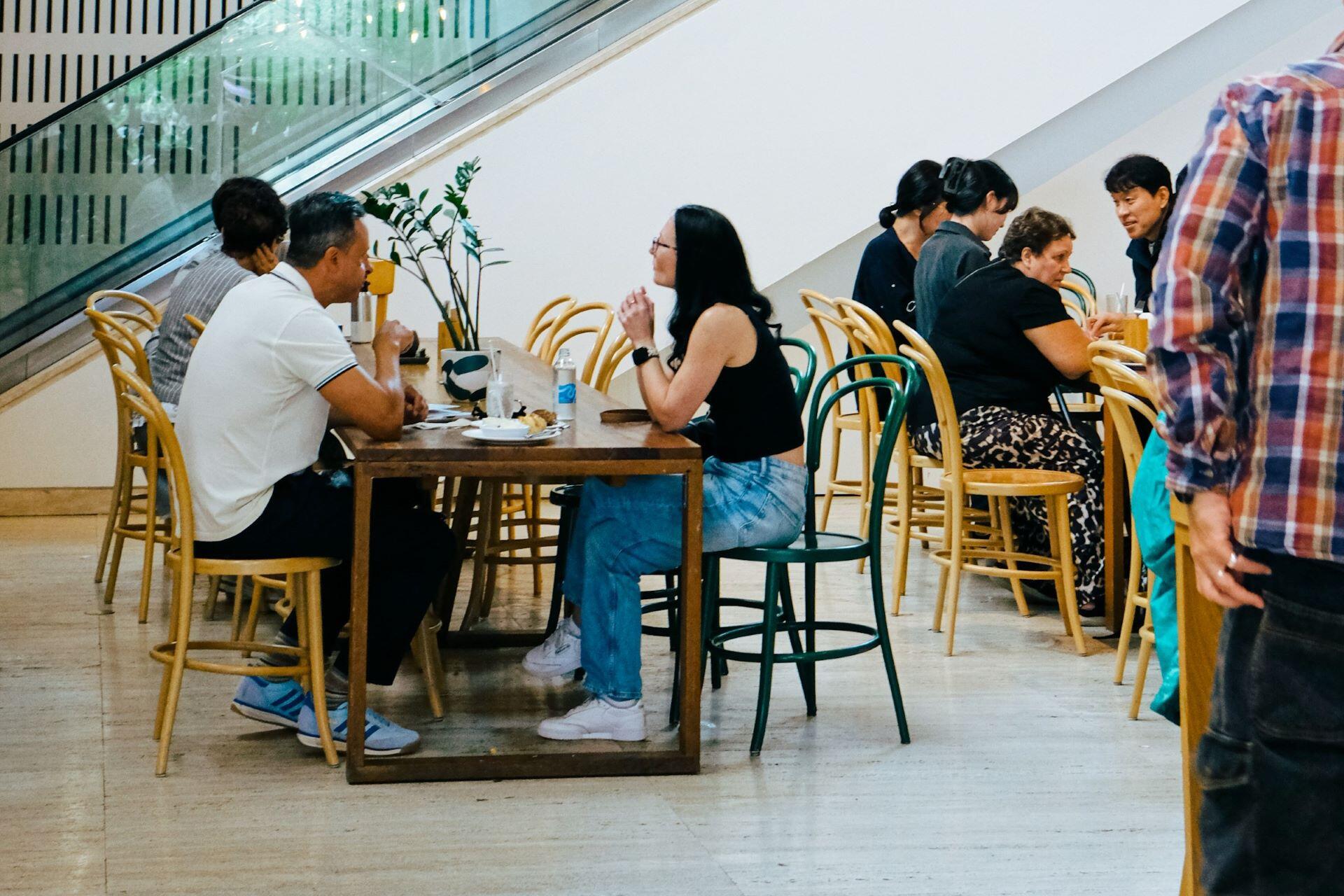
The term mate is synonymous with Australian English. It doesn't necessarily refer to close friends, even if Australians can use it for them, too. You can use it casually with strangers or even somewhat aggressively in tense situations. As a versatile term, make sure you listen to the tone and context, too.²
Australian Slang That Can Confuse English Learners
This section could have almost been an article on its own. The tricky thing about slang is that it's often less widely documented or used, which is what makes it slang: its informal usage means it isn't as often recorded or written down as everyday or formal terms. Don't forget that slang terms can also be very idiomatic. Don't take slang literally. It'll lead you down the wrong path.
Australian slang doesn't always translate neatly, word for word. The meaning or tone of words like mate can shift depending on the situation.² Terms such as crook can also carry several meanings depending on context.⁷ Yeah nah is another good example because its meaning depends heavily on the conversation.⁸
The most common mistakes and misunderstandings with Australian slang fall into a few patterns. One such mistake is knowing a word from another variant of English whose meaning is different in Australian English. Another is register, where a word's formality or accepted use differs between Australian English and other variants. Certain words are fairly acceptable in everyday Australian English that wouldn't ever be uttered in American English. We won't go into them here, but you can easily find them online if you're curious.

- Thongs - flip-flops rather than underwear.⁶
- Crook - can mean sick, injured or simply bad.⁷
- Root - has a vulgar sexual meaning in Australian English.
- How ya going? - means “How are you?”, not “How are you travelling?”¹
- Stuffed - can mean exhausted, very full after eating or broken, depending on context.
- Yeah nah - often introduces disagreement or a negative response, but context matters.⁸
Remember that even though Australian English may have a more relaxed approach to slang than some other variants of English, that doesn't mean you should throw all the slang words you know together in a sentence. As with any slang or vernacular, it's always best to let the native speakers use the terms, ensure that you're intimately familiar with their accepted use, and then choose to use them in informal conversations with close friends who'll definitely forgive you if you get it wrong.
Why Do Australians Use Words Like Arvo, Servo and Brekkie?
Australian English has a fascinating habit of shortening longer words, often in similar ways. They aren't as random as they might seem, either. Linguists have found that many of these shortened terms follow a familiar pattern.⁵
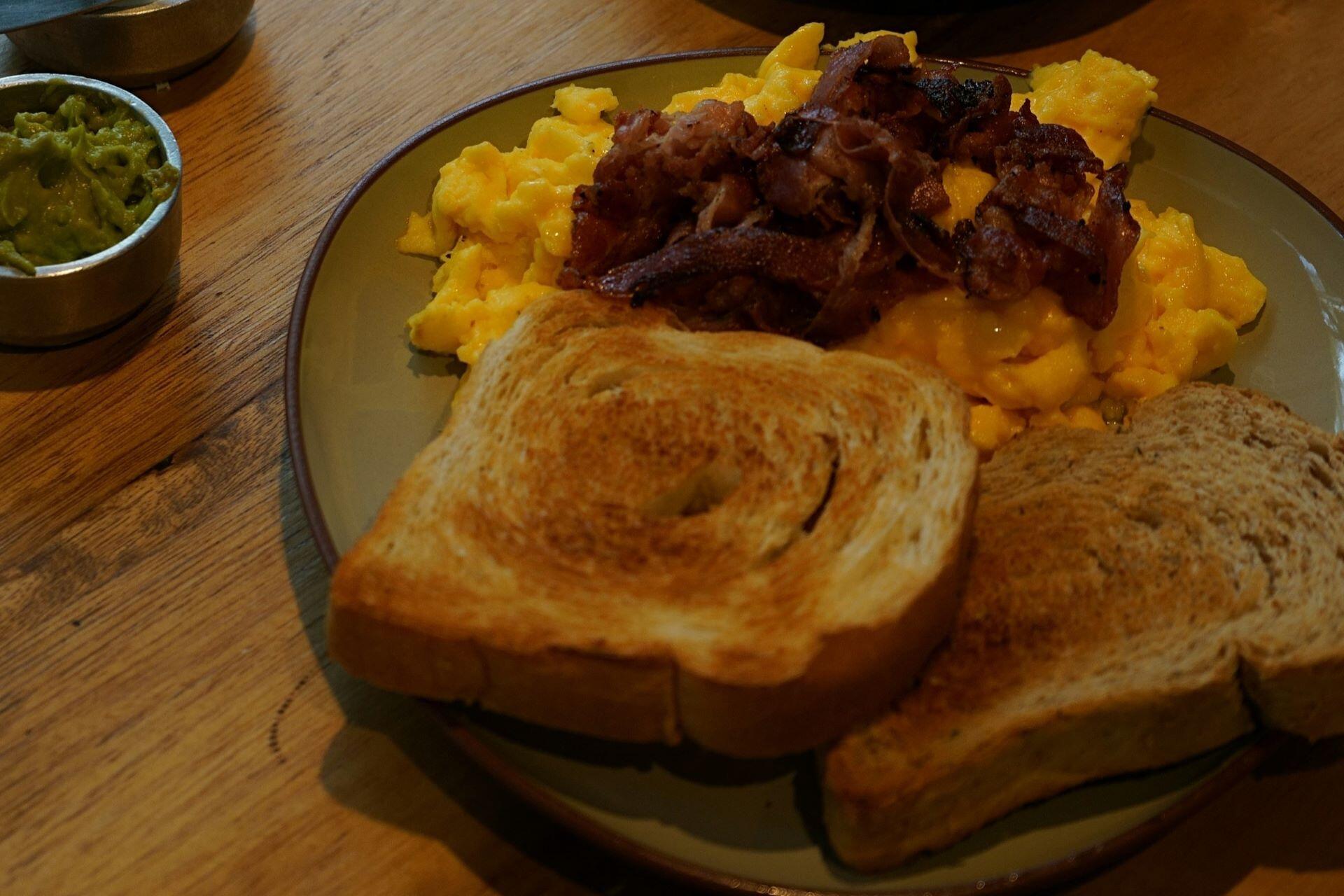
Afternoon becomes arvo, service station becomes servo and breakfast becomes brekkie.
Shortened forms ending in sounds such as -ie/-y and -o are a particularly noticeable feature of informal Australian English.⁵
Another pattern is that shortened words are often everyday terms, not specific or technical ones. This is probably why they're shortened, because they're commonly used. Have you heard any of them before? Here are a few of the most commonly heard ones.
- Arvo - afternoon
- Brekkie - breakfast
- Servo - service station
- Mozzie - mosquito
- Tradie - tradesperson
- Sunnies - sunglasses
If you'd like more help with your English, or Australian English in particular, look to the private tutors on Superprof. You'll find tutors all over Australia and around the world to help you. With most offering the first session for free, you can even try them out before picking the one that's right for you.
References
- Author blabla https://press.babbel.com/shared/downloads/studies_research/Babbel-Spanish-2018-Study.pdf
- Australian Government Department of Home Affairs. “Intermediate Learning English: Everyday English Flashcards 1: Aussie Slang.” Adult Migrant English Program. https://immi.homeaffairs.gov.au/amep-subsite/Files/intermediate-learning-english-everyday-english-flashcards-1-aussie-slang.pdf. Accessed 8 Sept. 2026.
- Australian National Dictionary Centre. “Changes in Language: Mate.” Australian National University, School of History. https://history.cass.anu.edu.au/centres/andc/changes-language-mate. Accessed 8 Sept. 2026.
- Australian National Dictionary Centre. “Meanings and Origins of Australian Words and Idioms.” Australian National University, School of History. https://history.cass.anu.edu.au/centres/andc/meanings-origins/all. Accessed 8 Sept. 2026.
- Australian National Dictionary Centre. “2026 Annual Appeal – Regional Australian English.” Australian National University, School of History, 26 Aug. 2026. https://history.cass.anu.edu.au/centres/andc/news/2026-annual-appeal-regional-australian-english. Accessed 8 Sept. 2026.
- Burridge, Kate, and Howard Manns. “Brekkies, Barbies, Mozzies: Why Do Aussies Shorten So Many Words?” ABC News, 6 Jan. 2023. https://www.abc.net.au/news/2023-01-06/why-do-aussies-shorten-so-many-words/101823374. Accessed 8 Sept. 2026.
- Edwards, Lydia. “Flip Flop: The Un-Australian History of the Rubber Thong.” ABC News, 30 Dec. 2020. https://www.abc.net.au/news/2020-12-30/the-un-australian-history-of-the-flip-flop-thong/13009514. Accessed 8 Sept. 2026.
- Macquarie Dictionary. “Catching a Crook.” Macquarie Dictionary, 9 Sept. 2021. https://www.macquariedictionary.com.au/catching-a-crook/. Accessed 8 Sept. 2026.
- Oxford University Press. “What’s New in the Oxford English Dictionary? June 2026 Update.” Oxford University Press, 2 July 2026. https://corp.oup.com/news/oxford-english-dictionary-update-june-2026/. Accessed 8 Sept. 2026.
- Scott, Kellie. “Divide over Potato Cake and Scallop, Bathers and Togs Mapped in 2015 Linguistics Roadshow.” ABC News, 5 Jan. 2016. https://www.abc.net.au/news/2016-01-05/what-do-you-call-battered-deep-fried-potato-snack-linguistic/7069684. Accessed 8 Sept. 2026.
Summarise with AI:
Did you like this article? Leave a rating!

 Loading...