
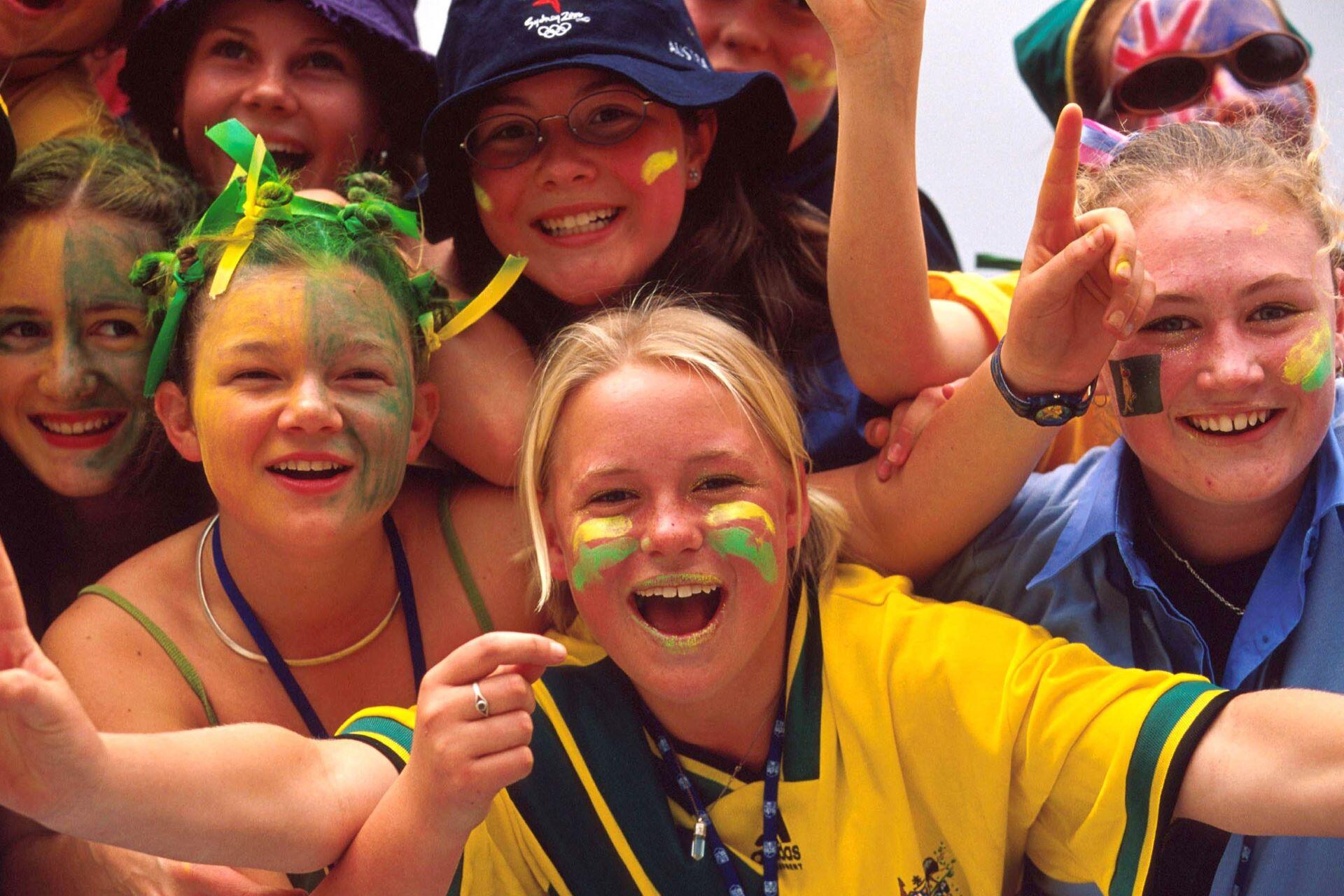

For athletes, supporters, and national teams, Australia's green and gold is unmistakable. However, if you know the flag, those colours aren't present. So why does Australia wear green and gold? Let's explore why.
Key Takeaways
- Australia's national colours are green and gold, officially proclaimed on 19 April 1984.
- Green and gold became associated with Australian sport during the nineteenth century, including the 1899 cricket tour of England.
- The colours reflect Australia's natural environment, particularly the green foliage and yellow flowers of golden wattle.
- Before 1984, red, white and blue; blue and gold; and green and gold all unofficially represented Australia.
- The official national colour specifications are Pantone 348C for green and Pantone 116C for gold.


What Are Australia’s National Colours?
National colours are the colour or colours used to represent a country. They don't have to necessarily match the flag. Unlike the red, white, and blue Australian flag, athletes compete in green and gold. Unlike the flag, Australia's national colours can appear in different patterns and proportions.⁶
Where Do Australians Use Green and Gold?
Australian teams and athletes wear green-and-gold uniforms, tracksuits and accessories when competing internationally. The balance of the two colours varies between sports, but the combination remains instantly recognisable.²
Fans embrace green and gold through shirts, scarves, hats and face paint. These colours help create a shared identity in stadiums and at public screenings, regardless of the sport.
Schools, local sporting clubs and community organisations can also use green and gold for decorations, uniforms and Australia-themed activities. Their unrestricted use helps keep the national colours accessible beyond professional sport.⁶
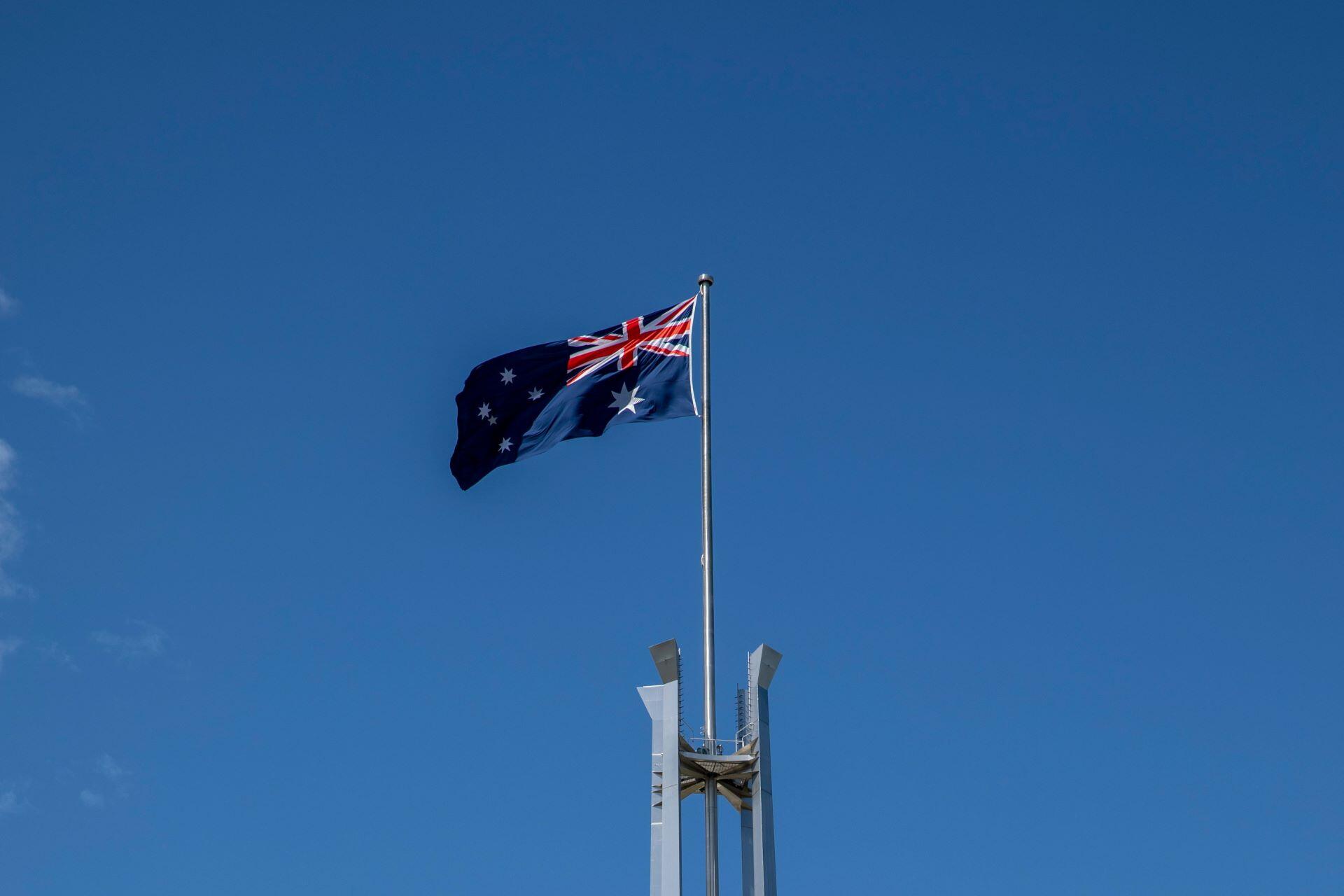
Australia's official national colours are green and gold. The specified shades are Pantone 348C (green) and Pantone 116C (gold). When displayed together, the colours should appear without another colour separating them.⁶
How Did Green and Gold Become Associated with Australia?
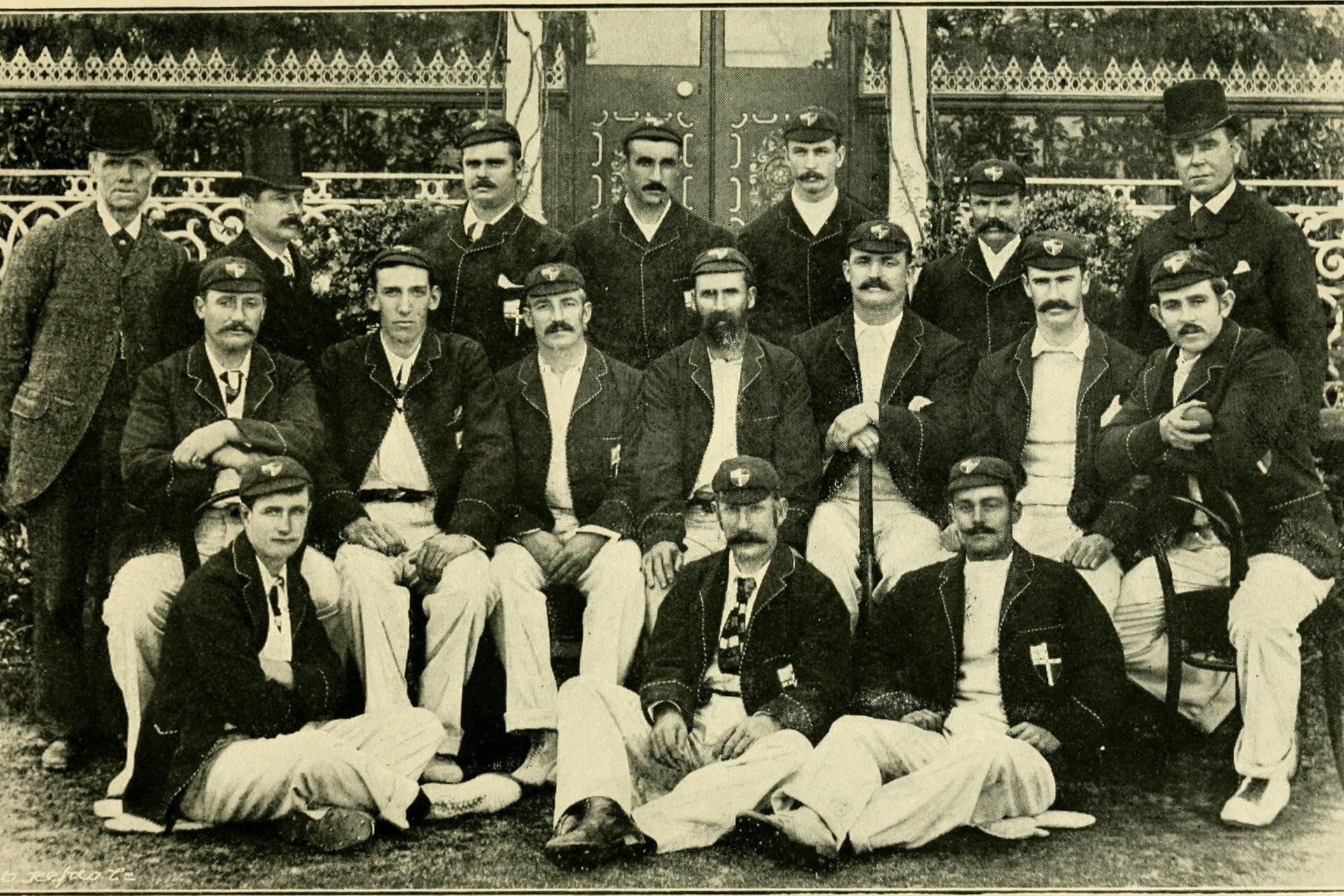
Australian sporting teams representing the colonies before Federation in 1901 helped popularise the national colours. Cricket was one of the earliest opportunities. The Australian side of 1899 wore age-green caps and displayed a green flag outside its London headquarters.¹⁰
Not every sport took to these colours immediately, though. Some teams retained other colours for a while. For example, at the 1908 London Olympics, Australia's rugby union team won gold while wearing light-blue jerseys featuring a waratah, while green and gold and a kangaroo would probably feel more apt today.¹ That said, increasing international competition made the colours familiar and eventually, most teams would adopt them.
1890s
Australian Sporting Colours Emerge
Green and gold begin appearing on the uniforms of Australian international sporting teams, establishing a recognisable national identity before Federation.⁶
1899
Australian Cricket Team Tours England
Australia's cricket team adopts green blazers with gold trim for its tour of England, helping establish the colours as symbols of Australian sport.²
1908
Olympic Adoption
Australian athletes wear green and gold at the London Olympic Games, extending the colours beyond cricket and strengthening their international recognition.²
1975
Blue and Gold Remain Significant
The Order of Australia is established with a blue-and-gold ribbon, demonstrating that other colour combinations still represent Australian national identity.³
19 April 1984
Official National Colours
Governor-General Sir Ninian Stephen formally proclaimed green and gold as Australia's national colours, officially recognising a sporting tradition dating back to the nineteenth century.⁸
Why Green and Gold?
The connection between green and gold and Australia's natural environment developed alongside the use in sport. Many sources say that they represent Australian nature, from eucalyptus forests and grazing land to harvested grain and mineral wealth. That said, this could also be a retrofitted meaning for colours already worn, not necessarily why the earliest sporting teams selected them.⁶
What Do Green and Gold Represent?
Green: Australian Landscapes
Green evokes Australia's forests, eucalyptus trees, pastures and growing crops. These natural associations reinforce the country's established national sporting colours.⁶
Gold: Natural Resources and Sporting Success
Gold is associated with Australia's beaches, mineral wealth, grain harvests and the golden fleece of Australian wool. It also represents Australian sporting achievements.⁶
The connection with the golden wattle is a good example of how Australia's national symbols have a sort of symbiotic relationship, where one reinforces the other. In sport, Australian cricket and Olympic teams' continued use of green and gold helped establish the colours as a recognisable national combination.² The wattle and its distinctive appearance provide a natural connection to a colour combination Australians already recognised.⁴
Golden Wattle and Australia's National Colours
Golden wattle (Acacia pycnantha) is Australia's national floral emblem, formally proclaimed in 1988. Native to south-eastern Australia, it produces clusters of bright yellow flowers against green foliage.
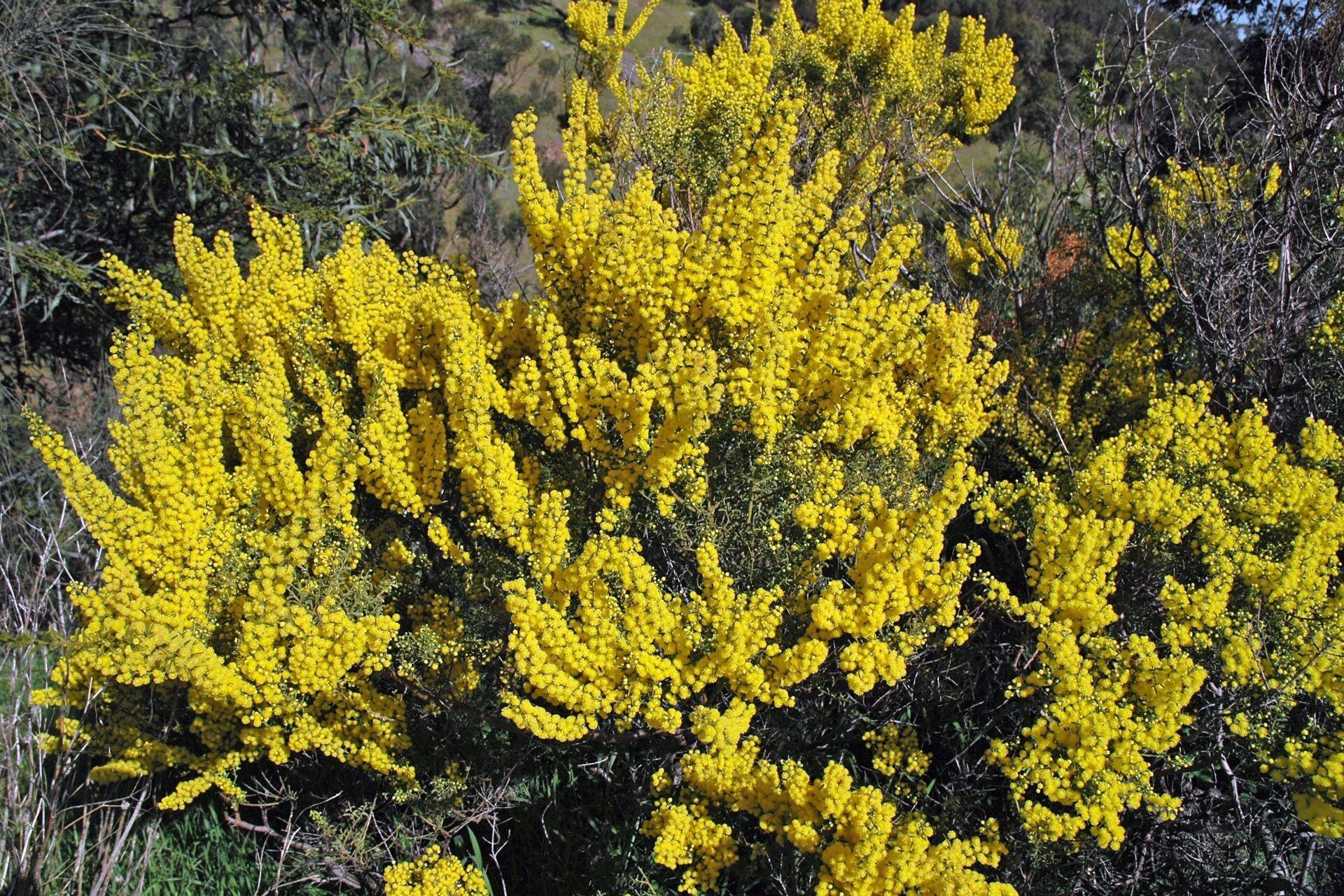
Wattle has long featured in Australian national symbolism, including the Commonwealth Coat of Arms.⁴ Its appearance reinforces the association between Australia's natural environment and the green and gold colours established through sport.⁶
What Colours Represented Australia Before Green and Gold Became Official?
Australia had several colour traditions before green and gold. Some colours came from British colonial history, while others developed through Federation and sport. The Australian flag uses neither green nor gold, as it combines the Union Jack, the Southern Cross, and the Commonwealth Star. The design was selected through a 1901 competition.⁹
The Commonwealth Coat of Arms has its own tradition. The first version, from 1908, featured a blue and white shield with a red cross. The 1912 replacement used gold and blue as its heraldic identifying colours.⁷ At the same time, green and gold were becoming increasingly familiar in sport.
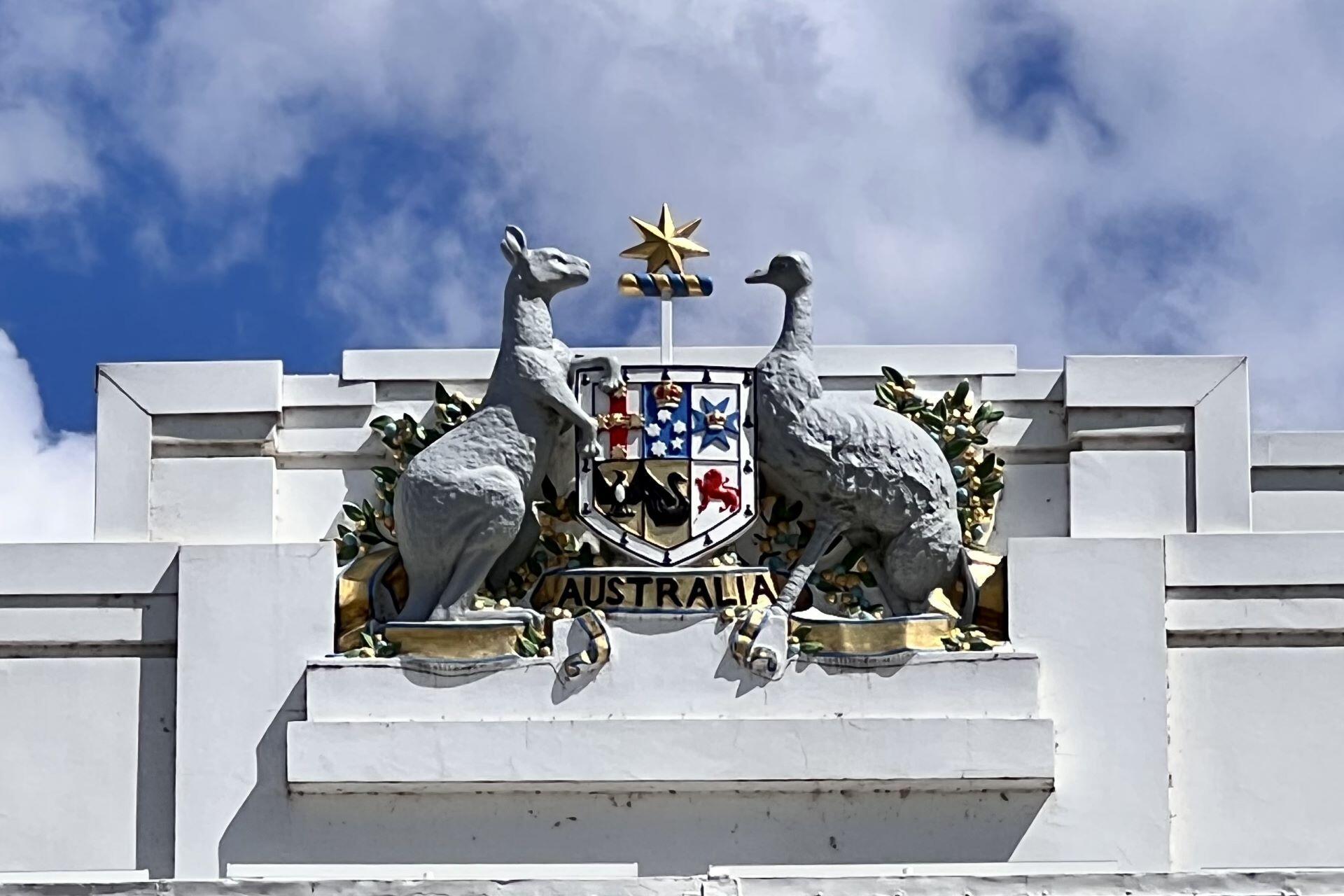
No single colour scheme lasted long. Before the Government settled on official national colours, combinations of red, white and blue; blue and gold; and green and gold all had established roles.⁶ Each combination was equally valid in its own context.
| Colour combination | Historical association | Status |
|---|---|---|
| Red, white and blue | Australian National Flag and the first Commonwealth Coat of Arms | Unofficial national colour combination before 1984 |
| Blue and gold | Wreath on the 1912 Commonwealth Coat of Arms and the Order of Australia ribbon from 1975 | Unofficial national colour combination before 1984 |
| Green and gold | Australian sporting teams and international representation since the late nineteenth century | Formally proclaimed Australia’s national colours on 19 April 1984 |
When Did Green and Gold Officially Become Australia’s National Colours?
By the 1980s, green and gold were almost synonymous with Australia, even if they lacked formal recognition. The Government of the time decided to establish a national standard. This didn't mean changing the Australian flag; instead, Prime Minister Bob Hawke presented the proclamation as recognition of colours already associated with Australia's international sporting achievements.⁸
The decision came as part of a broader effort to clarify Australia's other ceremonial symbols. The Government formally proclaimed Advance Australia Fair as the national anthem, while God Save the Queen became the royal anthem for specified occasions.⁵ Basically, Australia formally got some official branding, even if a lot of it had been used for decades unofficially.
Rather than reinventing the wheel, the Government reaffirmed a fairly common practice. Australians had used these colours for generations. The declaration gave them formal status, allowing their use for national occasions and establishing the specifications still used today.
On 19 April 1984, Governor-General Sir Ninian Stephen formally proclaimed green and gold Australia's national colours. The declaration specified occasions when national colours were customarily used. The same proclamation also established Advance Australia Fair as Australia's national anthem.⁸
To learn more about Australia, its history, its cultures, and even the colours its sporting teams wear, consider working with a private tutor through Superprof. With tutors available for almost every subject, skill, level, and budget, it's easy to find someone to help you. Many even offer the first session for free, so you can try a few options before choosing the one that suits you, like the green and gold that suit Australia's athletes. Find your Superprof today!
References
- Australian Olympic Committee. "Daniel Carroll." Australian Olympic Committee, https://www.olympics.com.au/olympians/daniel-carroll/. Accessed 14 Oct. 2026.
- Australian Sports Museum. "Symbols of Australian Sport." Google Arts & Culture, https://artsandculture.google.com/story/symbols-of-australian-sport/SAWhLK5yMxssIg. Accessed 14 Oct. 2026.
- Department of Defence. "Order of Australia – Military Division." Australian Government, https://www.defence.gov.au/adf-members-families/honours-awards/australian-awards/order-australia-military-division. Accessed 14 Oct. 2026.
- Department of the Prime Minister and Cabinet. "Australian Floral Emblem." Australian Government, https://www.pmc.gov.au/honours-and-symbols/australian-national-symbols/australian-floral-emblem. Accessed 14 Oct. 2026.
- Department of the Prime Minister and Cabinet. "Australian National Anthem." Australian Government, https://www.pmc.gov.au/honours-and-symbols/australian-national-symbols/australian-national-anthem. Accessed 14 Oct. 2026.
- Department of the Prime Minister and Cabinet. "Australian National Colours." Australian Government, https://www.pmc.gov.au/honours-and-symbols/australian-national-symbols/australian-national-colours. Accessed 14 Oct. 2026.
- Department of the Prime Minister and Cabinet. "Commonwealth Coat of Arms." Australian Government, https://www.pmc.gov.au/honours-and-symbols/commonwealth-coat-arms. Accessed 14 Oct. 2026.
- Hawke, Robert. "Media Release, 19 April 1984." PM Transcripts, Australian Government, 19 Apr. 1984, https://pmtranscripts.pmc.gov.au/release/transcript-6380. Accessed 14 Oct. 2026.
- National Archives of Australia. "The Australian Flag." National Archives of Australia, https://www.naa.gov.au/help-your-research/fact-sheets/australian-flag. Accessed 14 Oct. 2026.
- National Museum of Australia. "Public Conversation: Bowled over by Gideon Haigh." National Museum of Australia, 20 June 2010, https://www.nma.gov.au/audio/uncategorised/public-conversation-bowled-over-by-gideon-haigh/transcripts/public-conversation-bowled. Accessed 14 Oct. 2026.
Summarise with AI:
Did you like this article? Leave a rating!

 Loading...

