
Australia has a wide range of national symbols. Some are official, and some are less official, with cultural significance that the Government may not recognise, but many Australians do. Let's take a look at them.
Key Takeaways
- Australia has six officially recognised national symbols, including its flag, Coat of Arms, anthem, national colours, golden wattle and opal.
- The country's national symbols developed over centuries, with several receiving formal recognition during the twentieth century.
- The kangaroo is an established national icon and appears on the Commonwealth Coat of Arms, but Australia has no separately proclaimed national animal.
- Aboriginal cultural objects, including boomerangs, have histories and meanings that extend far beyond their use as Australian national imagery.
- Landmarks, wildlife, food and everyday traditions have also become unofficial symbols of Australian identity.
| Category | What it means | Examples |
|---|---|---|
| Official national symbols | Symbols formally selected or recognised by the Australian Government. | Australian National Flag; Commonwealth Coat of Arms; Advance Australia Fair; green and gold; golden wattle; Australian opal.⁵ |
| Established cultural icons | Places, animals, objects and products associated with Australian identity through history and repeated cultural use. | Kangaroo; Uluru; Sydney Opera House; Sydney Harbour Bridge; boomerang; Vegemite.⁹ |
| Popular stereotypes and lifestyle shorthand | Familiar associations with aspects of Australian life that do not necessarily represent all Australians. | Barbecues; thongs (flip-flops); surfboards; backyard cricket. |


What Are Australia's Official National Symbols?
These are the iconic Australian symbols that the Government has recognised. There are six, and each represents an aspect of the country. You'll find these symbols in public institutions, national ceremonies and other expressions of Australian identity.⁵
The Australian Aboriginal Flag and Torres Strait Islander Flag were officially proclaimed as flags of Australia on 14 July 1995. Each represents a distinct cultural identity, with colours and designs reflecting the histories and traditions of the peoples it represents. Both are officially recognised flags, although they are separate from the six principal national symbols identified by the Australian Government.¹
Australian National Flag
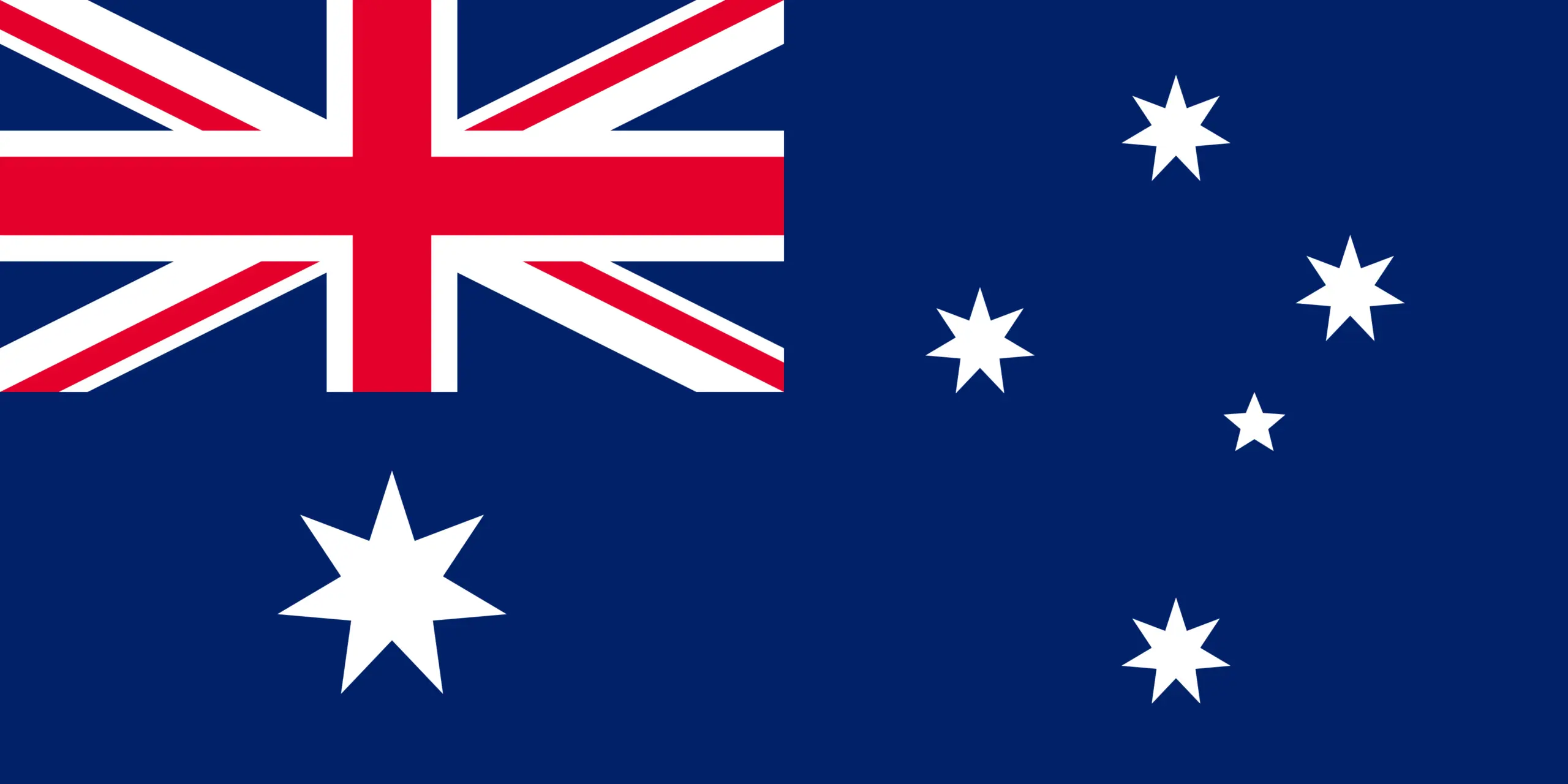
The Australian National Flag features the Union Jack, the Southern Cross, and the seven-pointed Commonwealth Star. The public competition selected its original design in 1901, although the Commonwealth Star did not gain its seventh point until 1908. The Flags Act 1953, which received royal assent in 1954, established its legislative status.⁷
Commonwealth Coat of Arms

The Commonwealth Coat of Arms features a kangaroo and emu supporting a shield containing the emblems of Australia's six states. Above the shield sits the seven-pointed Commonwealth Star, while golden wattle decorates the background. King George V granted the current design in 1912.⁶
Golden Wattle
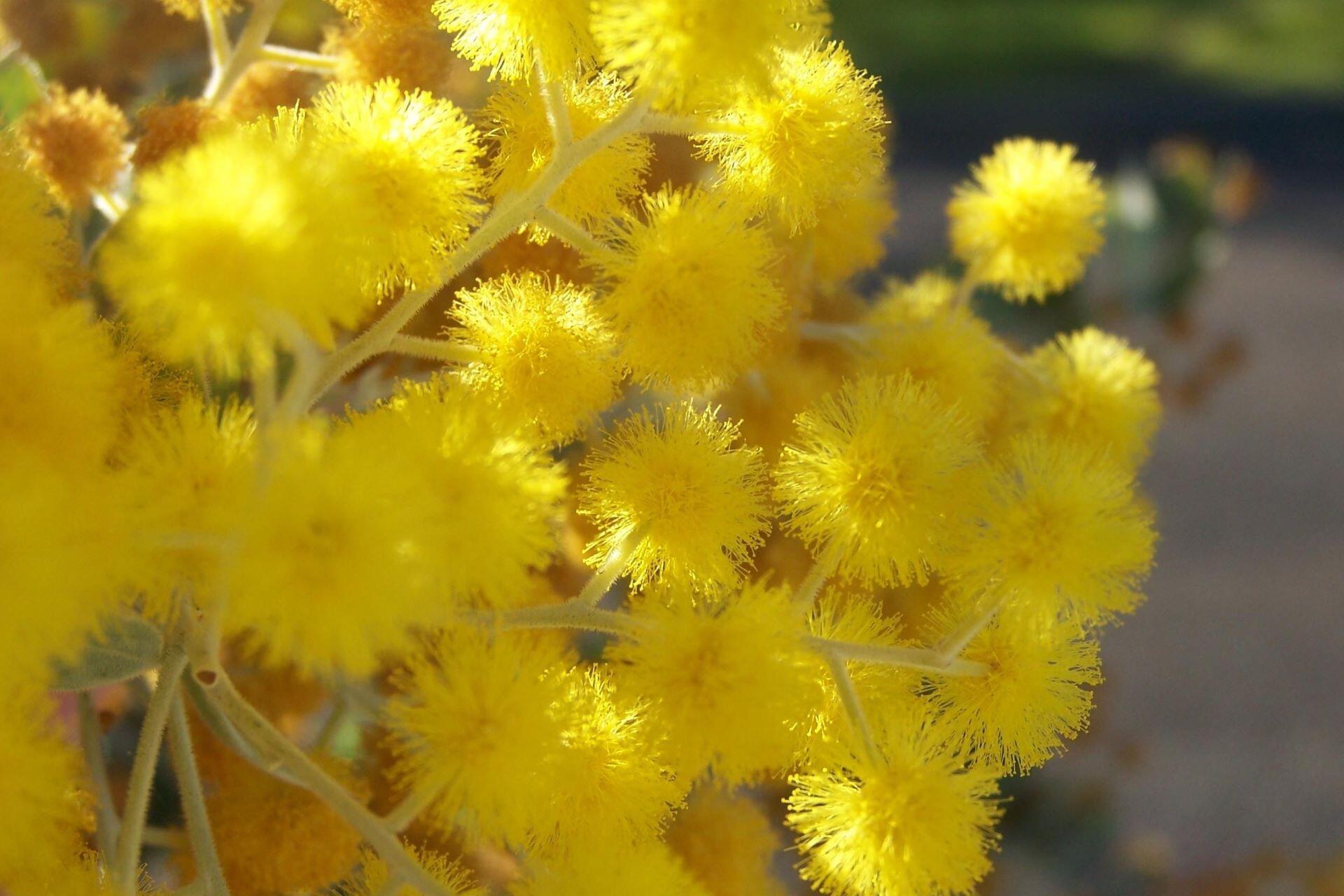
Golden wattle (Acacia pycnantha) is Australia's national floral emblem, recognised for its bright yellow flowers and green foliage. Its colours are closely associated with Australian national identity, particularly in sport. The Government officially proclaimed it the national floral emblem on 19 August 1988.²
Green and Gold

Green and gold are Australia's official national colours, inspired by the country's native golden wattle. They are particularly recognisable in the uniforms worn by Australian athletes and national sporting teams. The Government formally proclaimed them Australia's national colours on 19 April 1984.⁷
Australian Opal

Australian opal is the country's national gemstone, celebrated for its remarkable play of colour. Australia is internationally renowned for its opal deposits, particularly in South Australia, Queensland, and New South Wales. The gemstone received official national recognition on 23 July 1993.⁴
Advance Australia Fair

Peter Dodds McCormick wrote and composed Advance Australia Fair in 1878. The song became increasingly associated with Australian national identity during the twentieth century. It officially replaced God Save the Queen as the national anthem on 19 April 1984.⁷
How Did Australia's National Symbols Develop?
Australia's national symbols didn't emerge at Federation. Some emerged in earlier colonial traditions. Others came much later. The following timeline shows how history reflects changing ideas about what should represent Australia and its people.⁷
Colonial Era
British Flags and Australian Imagery
British flags dominated official imagery during the colonial period. By the nineteenth century, symbols such as the Southern Cross were appearing on unofficial Australian flags.
1901
Federation and the Australian Flag
Australia's six colonies united to form the Commonwealth of Australia. A national competition produced the design that would become the Australian National Flag.
1908
The First Commonwealth Coat of Arms
King Edward VII granted Australia's first Commonwealth Coat of Arms, featuring a kangaroo and emu supporting a shield.
1912
The Current Coat of Arms
King George V granted a redesigned Coat of Arms. The new shield incorporated the emblems of Australia's six states.
1953–1954
The Australian Flag Gains Legislative Recognition
Parliament passed the Flags Bill in December 1953. The resulting Flags Act 1953 received royal assent in February 1954 and took effect on 14 April 1954.⁷
1984
National Colours and Anthem Recognised
On 19 April, green and gold were officially proclaimed Australia's national colours. On the same day, Advance Australia Fair was proclaimed the national anthem.
1988
Golden Wattle Becomes the National Floral Emblem
The Golden Wattle (Acacia pycnantha) was officially proclaimed Australia's national floral emblem on 19 August 1988.²
1993
Australian Opal Becomes the National Gemstone
Australia officially proclaimed opal as its national gemstone on 23 July 1993, recognising its significance to Australia's natural and geological heritage.⁴
What Are Australia's Unofficial Cultural Icons?
Unofficial symbols are those that the Government doesn't officially recognise. However, you probably know these just as well as the official ones. The thing about these is that they won't necessarily mean the same thing for every Australian.⁹
Australian Animals and Nature
- Kangaroo: European explorers associated the kangaroo with Australia after encountering the animal in the eighteenth century. It subsequently appeared in advertising, government emblems and sporting imagery, becoming one of the country's most recognisable icons.¹⁰
- Koala: With its distinctive appearance and close association with eucalyptus forests, the koala has become an internationally recognised symbol of Australian wildlife.
- Emu: Australia's largest native bird appears alongside the kangaroo on the Commonwealth Coat of Arms. Its presence connects the national emblem with Australia's unique wildlife.⁶
The kangaroo is one of Australia's most recognisable national icons and appears alongside the emu on the Commonwealth Coat of Arms. However, Australia has never separately proclaimed the kangaroo its official national animal. Its significance comes from its place in the national emblem and its long association with Australian identity.⁶
The Kangaroo as an Australian Icon

The kangaroo first appeared in European illustrations of Australia in the eighteenth century. Its unusual appearance made it a popular subject for artists and naturalists, while its image gradually spread into commercial designs and national imagery. Over time, the kangaroo became one of the most widely recognised representations of Australia worldwide.¹⁰
Famous Australian Landmarks
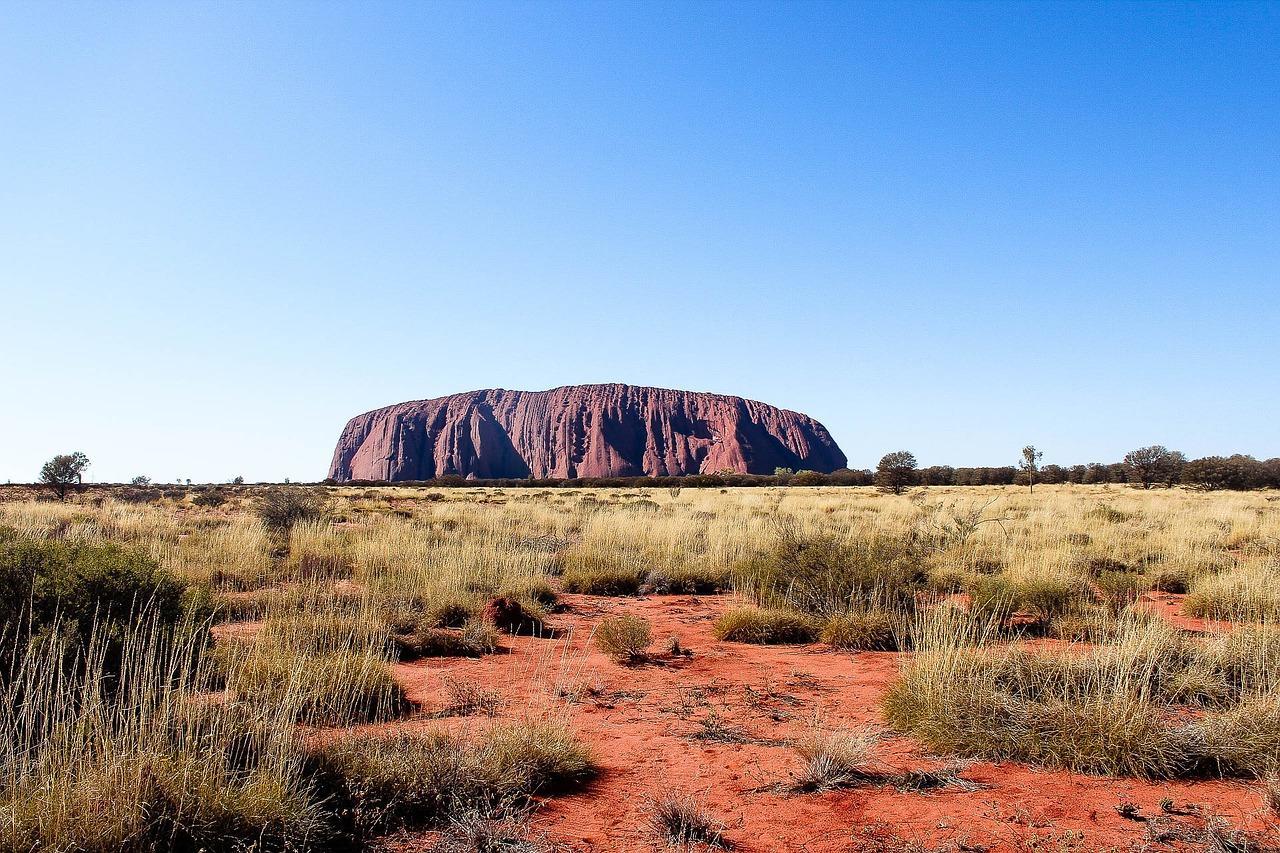
- Uluru: This enormous sandstone formation in Central Australia holds profound spiritual significance for its Traditional Owners, the Aṉangu. Its distinctive appearance has also made it one of Australia's most recognisable natural landmarks.
- Sydney Opera House: Opened in 1973, the Opera House became an international symbol of modern Australia through its distinctive architecture and prominent position on Sydney Harbour.
- Sydney Harbour Bridge: Opened in 1932, the bridge became a symbol of Australia's engineering achievements and economic development. Its appearance during major national celebrations has reinforced its cultural significance.
- Great Barrier Reef: The world's largest coral reef system represents Australia's extraordinary marine biodiversity. It has become an international symbol of the country's natural heritage and the importance of environmental conservation.⁹
Culture and Everyday Australian Life
- Vegemite: Introduced in 1923, this distinctive yeast-extract spread became a household staple and a symbol of Australian tastes. Its advertising campaigns helped establish its place in popular culture.
- The Billy: Traditionally used for boiling water over a campfire, the billy became associated with Australian bush life. It frequently appeared in stories and imagery celebrating rural traditions.
- Australian Sport: Cricket, Australian rules football and international sporting competitions have helped shape Australian identity. National teams wearing green and gold are particularly recognisable expressions of national pride.
- Surf Lifesaving and Beach Culture: Australia's surf lifesaving movement and its red-and-yellow patrol flags have become familiar features of coastal life. Images of beaches, surfing and volunteer lifesavers also contribute to Australia's international identity.⁹
Objects and Visual Symbols
- Boomerang: Boomerangs have deep and diverse histories within Aboriginal cultures. Their later appearance in advertising, souvenirs and tourism promotion helped establish them as internationally recognisable Australian symbols.⁸
- Southern Cross: Australians have used this constellation in flags and political imagery since the nineteenth century. Its five stars on the national flag represent Australia's geographical position in the Southern Hemisphere.³
- Holden: Holden vehicles became closely associated with Australian manufacturing and motoring culture during the twentieth century. The brand's history, particularly its locally manufactured cars, made it a recognisable symbol of Australian industry.⁹
Aboriginal peoples have used boomerangs for thousands of years, including for hunting, digging and ceremonial purposes. Despite the familiar image of a boomerang flying back to its thrower, most traditional examples were not designed to return. The boomerang later became a widespread Australian symbol through tourism, advertising and souvenirs.⁸
The Boomerang and Aboriginal Cultural Heritage
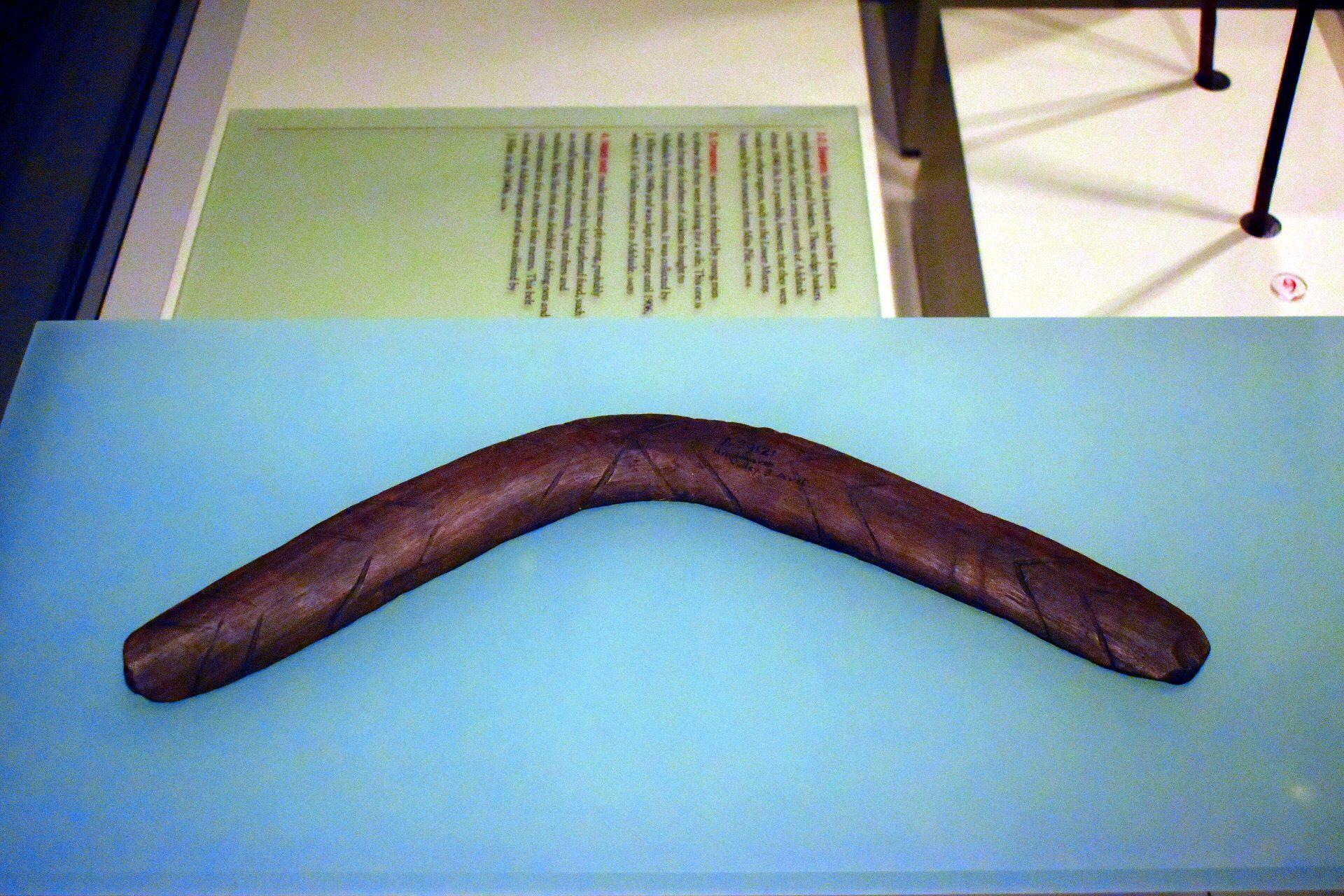
Boomerangs reflect the knowledge and craftsmanship of Aboriginal peoples, with designs and uses varying between communities. Later, mainstream Australian imagery adopted them, transforming them into familiar motifs on souvenirs, advertisements, and commercial products. Understanding their Aboriginal origins is essential to appreciating their significance beyond these modern representations.⁸
Which unofficial symbol best represents Australia?
References
- Department of the Prime Minister and Cabinet. “Australian Flags.” Australian Government, https://www.pmc.gov.au/honours-and-symbols/australian-national-symbols/australian-flags. Accessed 14 Oct. 2026.
- Department of the Prime Minister and Cabinet. “Australian Floral Emblem.” Australian Government, https://www.pmc.gov.au/honours-and-symbols/australian-national-symbols/australian-floral-emblem. Accessed 14 Oct. 2026.
- Department of the Prime Minister and Cabinet. “Australian National Flag.” Australian Government, https://www.pmc.gov.au/honours-and-symbols/australian-national-symbols/australian-national-flag. Accessed 14 Oct. 2026.
- Department of the Prime Minister and Cabinet. “Australian National Gemstone.” Australian Government, https://www.pmc.gov.au/honours-and-symbols/australian-national-symbols/australian-national-gemstone. Accessed 14 Oct. 2026.
- Department of the Prime Minister and Cabinet. “Australian National Symbols.” Australian Government, https://www.pmc.gov.au/honours-and-symbols/australian-national-symbols. Accessed 14 Oct. 2026.
- Department of the Prime Minister and Cabinet. “Commonwealth Coat of Arms.” Australian Symbols Booklet, Australian Government, https://www.pmc.gov.au/resources/australian-symbols-booklet/national-symbols/commonwealth-coat-arms. Accessed 14 Oct. 2026.
- Department of the Prime Minister and Cabinet. “Symbols Timeline.” Australian Government, https://www.pmc.gov.au/honours-and-symbols/australian-national-symbols/symbols-timeline. Accessed 14 Oct. 2026.
- National Museum of Australia. “Boomerang.” Defining Symbols of Australia, https://www.nma.gov.au/exhibitions/defining-symbols-australia/boomerang. Accessed 14 Oct. 2026.
- National Museum of Australia. “Defining Symbols of Australia.” https://www.nma.gov.au/exhibitions/defining-symbols-australia. Accessed 14 Oct. 2026.
- National Museum of Australia. “Kangaroo.” Defining Symbols of Australia, https://www.nma.gov.au/exhibitions/defining-symbols-australia/kangaroo. Accessed 14 Oct. 2026.
Summarise with AI:
Did you like this article? Leave a rating!

 Loading...