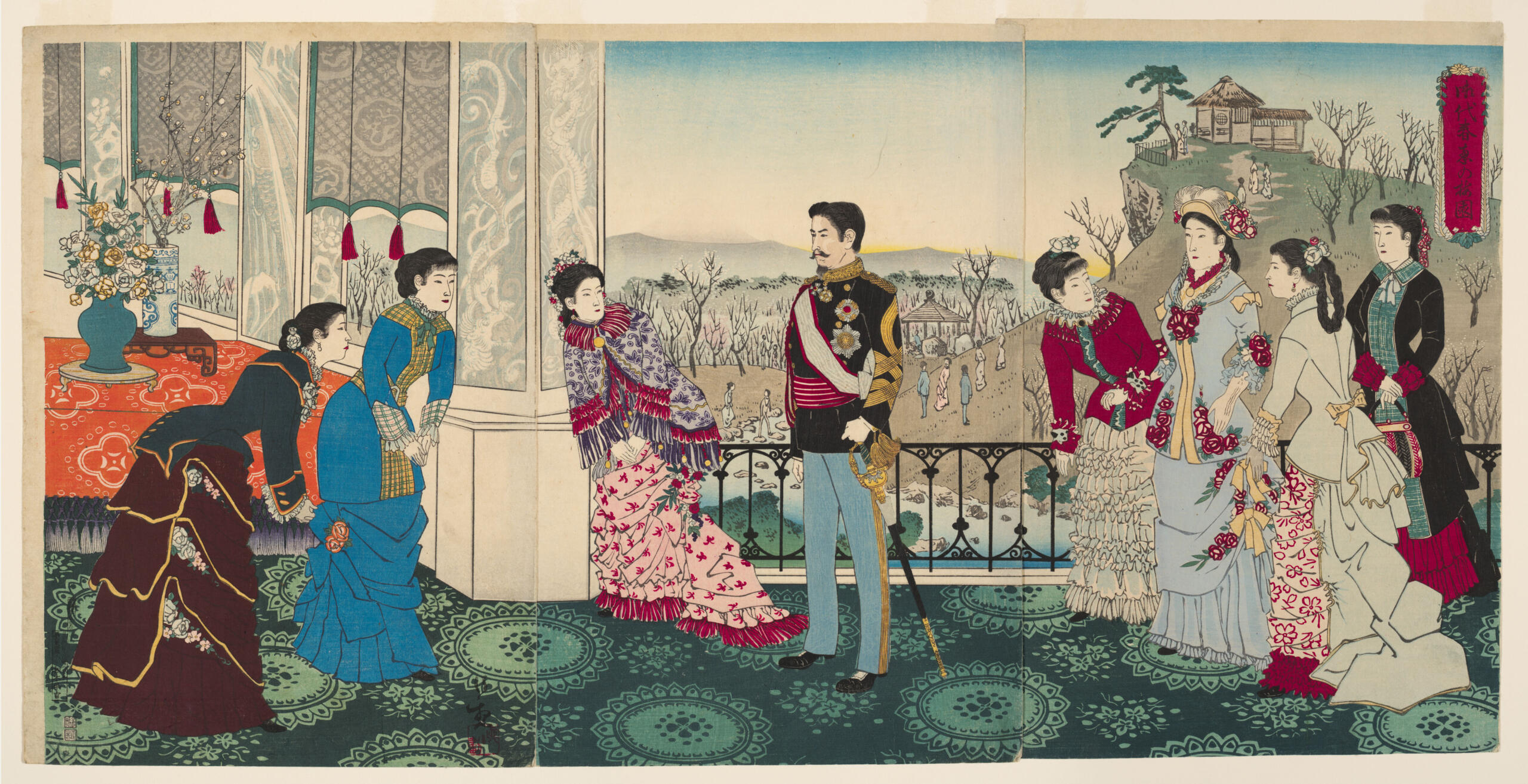

Japan’s history is long and storied. Notably, the foundations of the culture and national identity through the years have been directly shaped by the leading political figures of each age. While other influential figures, like the shogun, and natural social progressions also shaped the eras, the emperor or empress of the period set the tone. While the power of an emperor has shifted through the years, they are still seen as important figures, even to modern-day Japan.
| Period | Years |
|---|---|
| Kofun | c. 250 - 538 CE |
| Asuka | 538 - 710 |
| Nara | 710 - 794 |
| Heian | 794 - 1185 |
| Kamakura | 1185 - 1333 |
| Muromachi | 1333 - 1568 |
| Azuchi-Momoyama | 1568 - 1600 |
| Edo | 1600 - 1868 |
| Meiji | 1868 - 1912 |
| Taishō | 1912 - 1926 |
| Shōwa | 1926 - 1989 |
| Heisei | 1989 - 2019 |
| Reiwa | 2019 - Present |


Early Emperors of Japan
Emperors in Japan are called Tennō, which means “Heavenly sovereign.” They were believed in legend to have been descended from the Shinto sun goddess Amaterasu.
Historically, the reputation of emperors oscillated between someone to worship and complete irrelevance in everything other than name. Depending on the time period, the specific tenno, and other political leaders, the average Japanese person might have adored, scorned, or felt indifferent towards the emperor. Often, they were seen as ‘ethereal’, existing so far out of average society that they were completely unrelatable. Most of the time, the real political leaders of the state were the shogun and other influential groups, with the emperor serving as a figurehead more than anything. Even so, a few names stand out.
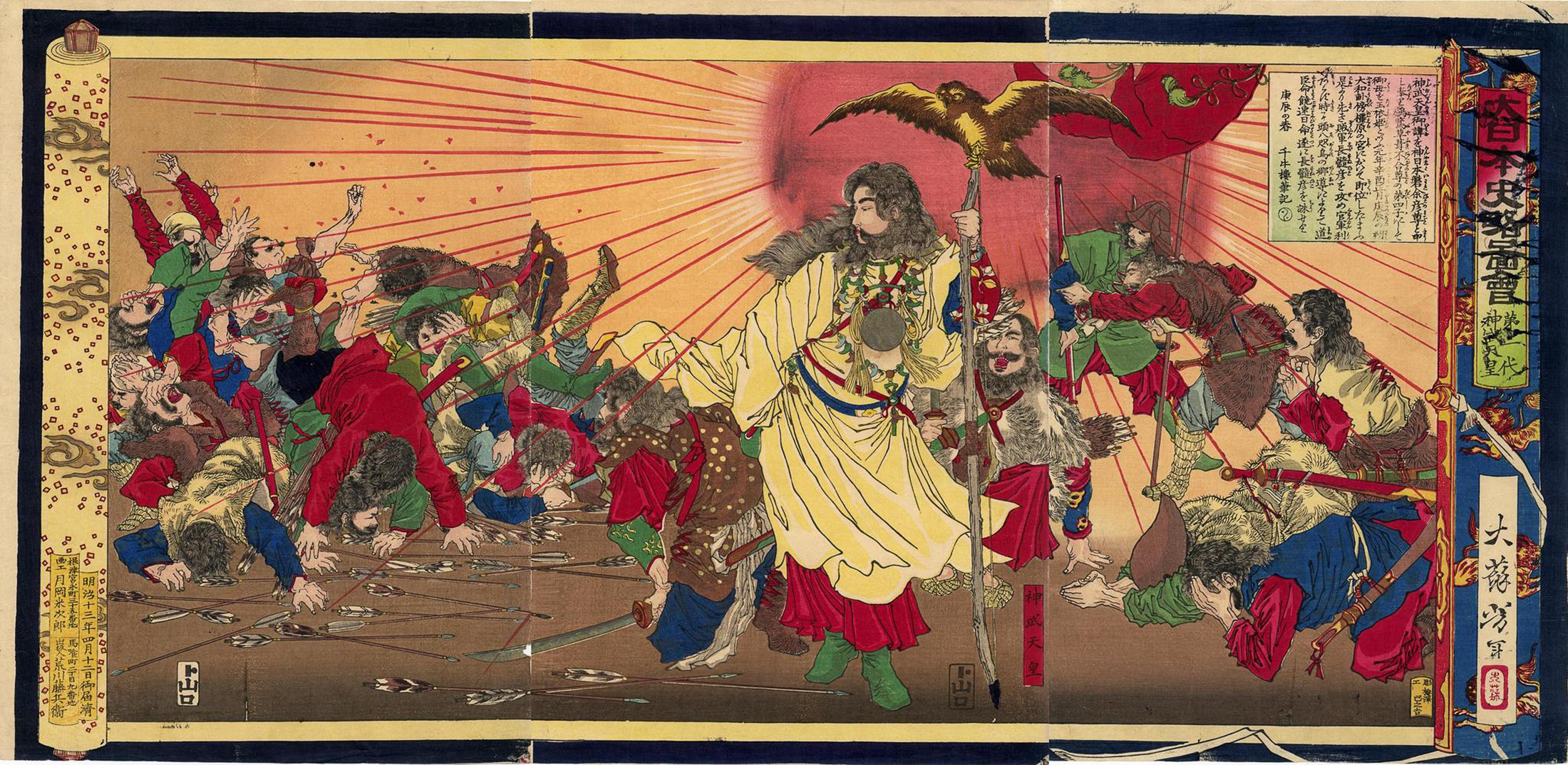
Emperor Jimmu (660–585 BCE)
The tale of Emperor Jimmu is recorded in Japan’s earliest texts, the Kojiki and Nihon Shoki. They blend history with myth, creating a legendary portrait of Japan’s first emperor.
According to the texts, Jimmu was a descendant of Ameratsu, the Shinto sun goddess. He received her help in spreading his reign of peace from his small kingdom on Kyushu island to the rest of the world (meaning the rest of the Japanese main island). This tale was likely invented to give legitimacy to Jimmu’s reign; as the descendant of a divine being, who also received help from the gods and overcame many challenges in the quest for a peaceful rule, his throne is worthy of reverence.
Despite no archaeological evidence to verify his role as emperor, Jimmu was a real person who remains important in Japanese culture today. His legacy supports the claim of an unbroken imperial lineage, which is one of the oldest in the world.
Emperor Sujin (97–30 BCE)
Unlike Jimmu, there is decent evidence to support the idea that Sujin’s reign really happened. Details are still limited, but historians consider him a transition between the legendary or mythical part of ancient history books and actual events.
Under Sujin’s rule, efforts to stabilise the early Japanese state began allowing the country to form. Local clans were organised under one rule, strengthening the emperor’s central authority.
Notably, a deadly plague fell upon the people during Sujin’s reign. The mythological historical reasoning behind the event was that the local kami (spirits) were not being worshipped properly. When a descendant of Ōkuninushi (patron saint or deity relating to nation-building and medicine) was installed as high priest, the plague finally passed. From then on, Sujin made sure to appoint a custodian of divine relations, regularly offering worship to the kama to maintain the peace.
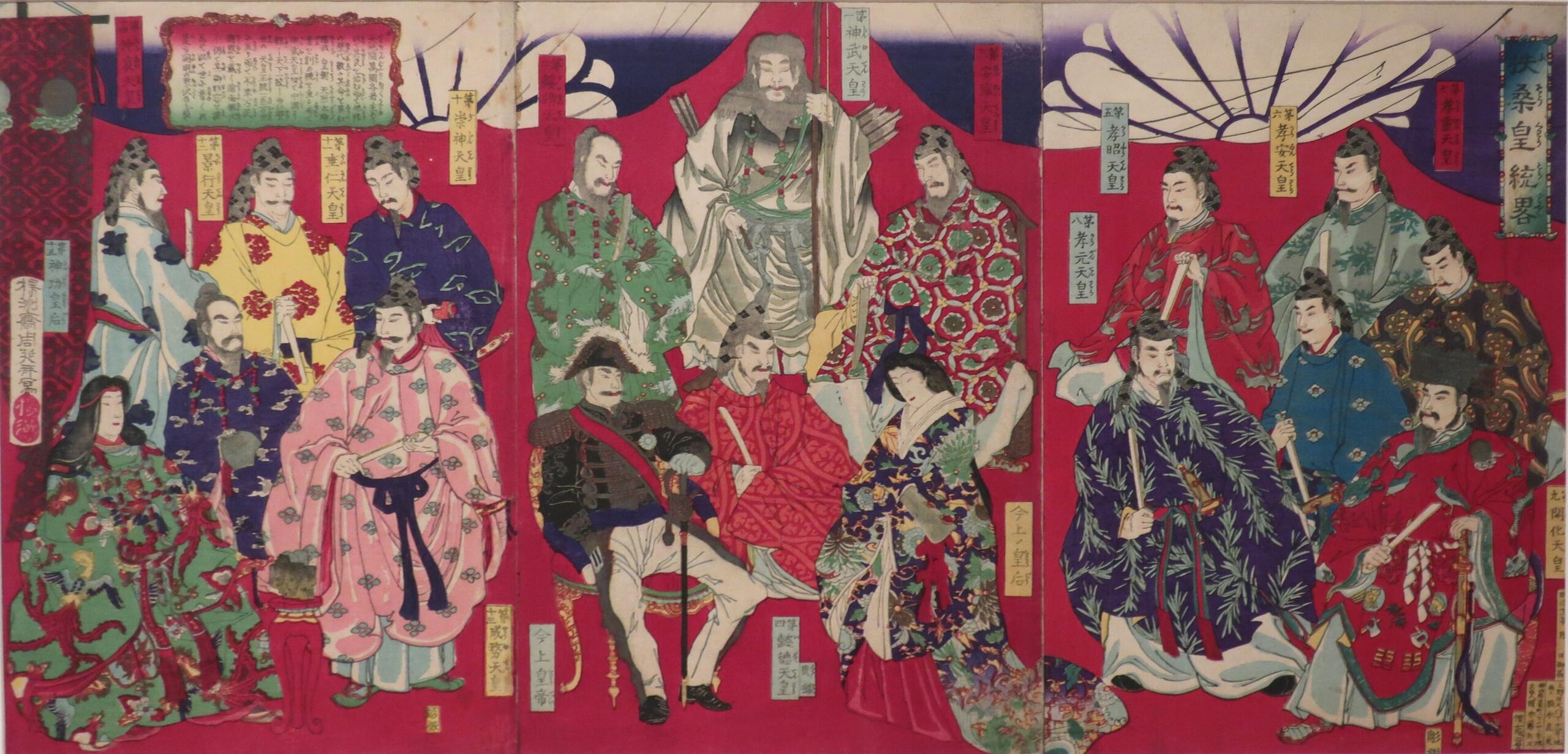
Emperors of the Classical Period
More complete historical records kept around this time period mean there is more information available about these emperors. Notably, this period saw heavy influence and manipulation by the Fujiwara clan, which in turn influenced the perception of emperors as leaders. It was a pivotal time in Japanese history, with many foundational changes in culture and religion.
Since Emperor Jimmu, Japan has had 126 emperors.
Emperor Shōmu (724–749)
Shomu is best known for promoting Buddhism, which had been imported from China, as the state religion and unifying force across the empire. He used religion as a way to bring commonality and stability to the people in the face of natural disasters, disease and civil unrest (to varying degrees of success). Still, traditional Japanese weapons were useful, even in times of peace.
Notably, under his rule, a faction of the Fujiwara clan declared rebellion when, instead of receiving aid during a smallpox epidemic, the government commissioned a Buddhist temple to appease the gods.
Still, Shomu’s most famous project was a Buddhist monument, Daibutsu (the Great Buddha) in Nara, in the Tōdai-ji temple.
It’s still one of the most iconic symbols of Japanese Buddhism today.
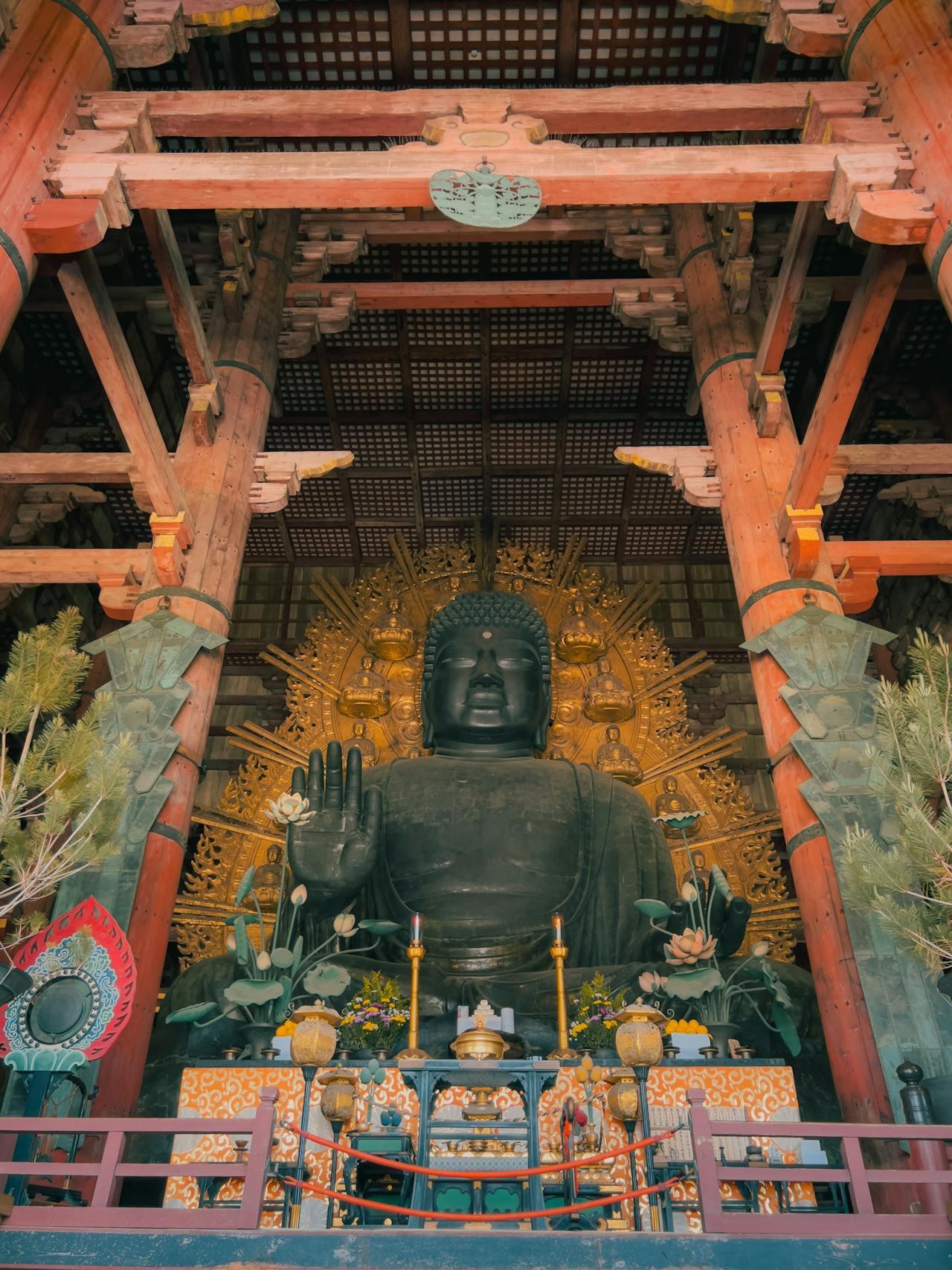
Overall, Shomu’s policies reinforced the connection between religion and government. They also shifted Japan’s religious foundations to merge Shinto and Buddhist concepts.
Emperor Kanmu (781–806)
Kanmu (or Kammu) is one of the most powerful emperors in Japanese history. Most notably, in 794, he moved the capital city to Heiankyo, which means “capital of peace and tranquillity” (now called Kyoto). This action initiated the start of the Heian period (named after Heinkyo) and a time of great cultural development and refinement.
Kanmu applied more Chinese principles to the government, especially philosophical and secular ideas from Confucianism and Taoism, which reduced Buddhism’s religious influence over government. He eliminated some of the extraneous imperial roles to save money and consolidate power.
Non-rebelling members of the Fujiwara in the government, which had intertwined itself with the court through marriage, usually acted as Sessho (regent) for underage emperors and empresses. They frequently pressured emperors to abdicate their position in their 30s, leading to another underage successor and continued Fujiwara power.
Loyal followers of the empire were granted land rights and government positions, which granted more power to aristocratic families while establishing a gratitude debt to the emperor. A natural consequence was the rise of private samurai forces in each clan’s territory.
Emperors of the Feudal Era
By this time, emperors were little more than figureheads. The shogunate, the military government, held all the real power. The dynamics changed several times through the next few centuries, with some emperors acting only as ornaments for the sake of tradition and others grasping their power and acting in authority.
Emperor Go-Daigo (1318–1339)
Go-Daigo inherited a weak throne; the shogunate was the real leader of the government. In an attempt to take back the emperor’s power, he initiated the Kenmu Restoration, in which he attempted to overthrow the Kamakura shogunate. His efforts were not successful, however, and he was exiled.
The Japanese monarchy has been called the "Chrysanthemum Throne" for over one thousand years.
Go-Daigo retreated to a separate court he had established in the southern region of Yoshino, creating two rival courts. For about 60 years, the state functioned with Dual Courts until the southern court was tricked into dissolving after the northern court promised to alternate emperors but failed to follow through.
His reign highlights the tension between the shogun and the emperors in the feudal era and how much the position of emperor had changed over the past millennia.
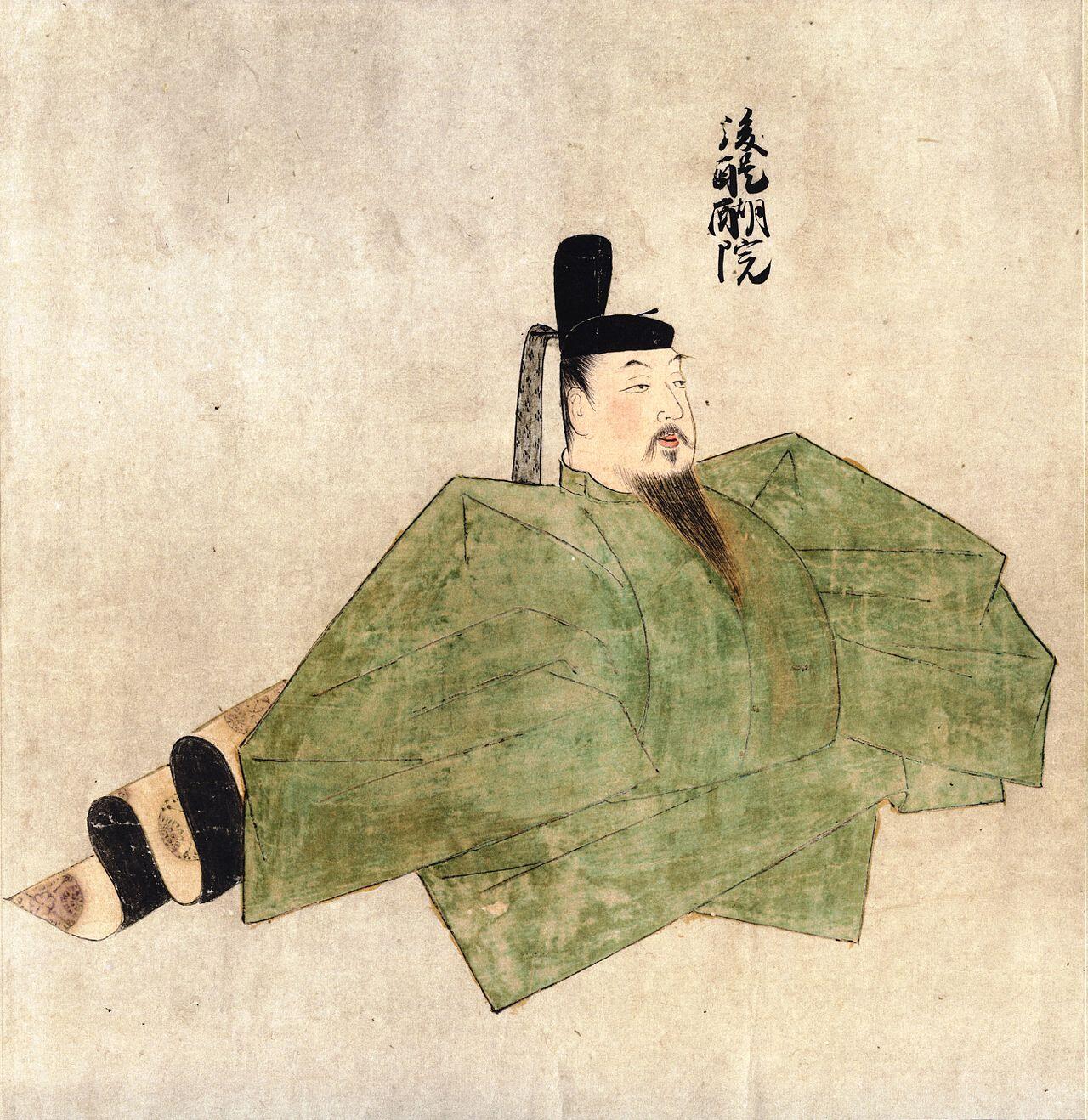
Emperor Meiji (1867–1912)
Meiji took the throne at a time when the shogunate was under intense scrutiny from the populace and civil unrest was mounting. They were blamed for handling threats from foreign powers like Great Britain and the United States poorly. The people began demanding the reinstatement of the emperor as the political power.
The Meiji Restoration was made possible due to public support and organised, reform-minded leaders. The reformers transformed the Japanese government, economy and society by restoring empirical power and modernising the country.
Western technology and systems were adopted, railroads built, the military was modernised, education was made more available, and a constitutional government was adopted. Japanese traditions like geisha declined in the face of globalisation.
Emperor Meiji’s presence as a familiar and steadfast symbol helped legitimise the reforms. Japan emerged as a contender on the world stage as it sought to earn respect from Western powers.
Emperors of the Modern Era
The past century has required empirical rules to change rapidly. The role of the emperor shifted both with modern ways of thinking and with the adoption of a constitutional government. Leaders have begun staying in power much longer and are faced with new challenges.
Emperor Hirohito (Shōwa) (1926–1989)
The Showa era in Japanese history was one of the most complex for the country. It saw both wartime and post-war recovery on a rapidly shifting world stage soon after Japan started integrating with the outside world.
Hirohito is one of the most controversial political leaders in history. Under his rule, Japan allied with Nazi Germany and bombed the U.S.’s Pearl Harbour. Hirohito claimed he was merely a constitutional monarch with very little military power at the time, but many believe he took an active role.
After Japan’s defeat in 1945, the emperor's position lost all its status. Hirohito even made an official announcement renouncing his status as a divine figure, which devastated many traditional-minded Japanese.
His actions caused a rift in Japan’s society between conservative, nationalist movements who wanted to preserve Japan’s old ways, and progressives who wanted Japan to modernise more.
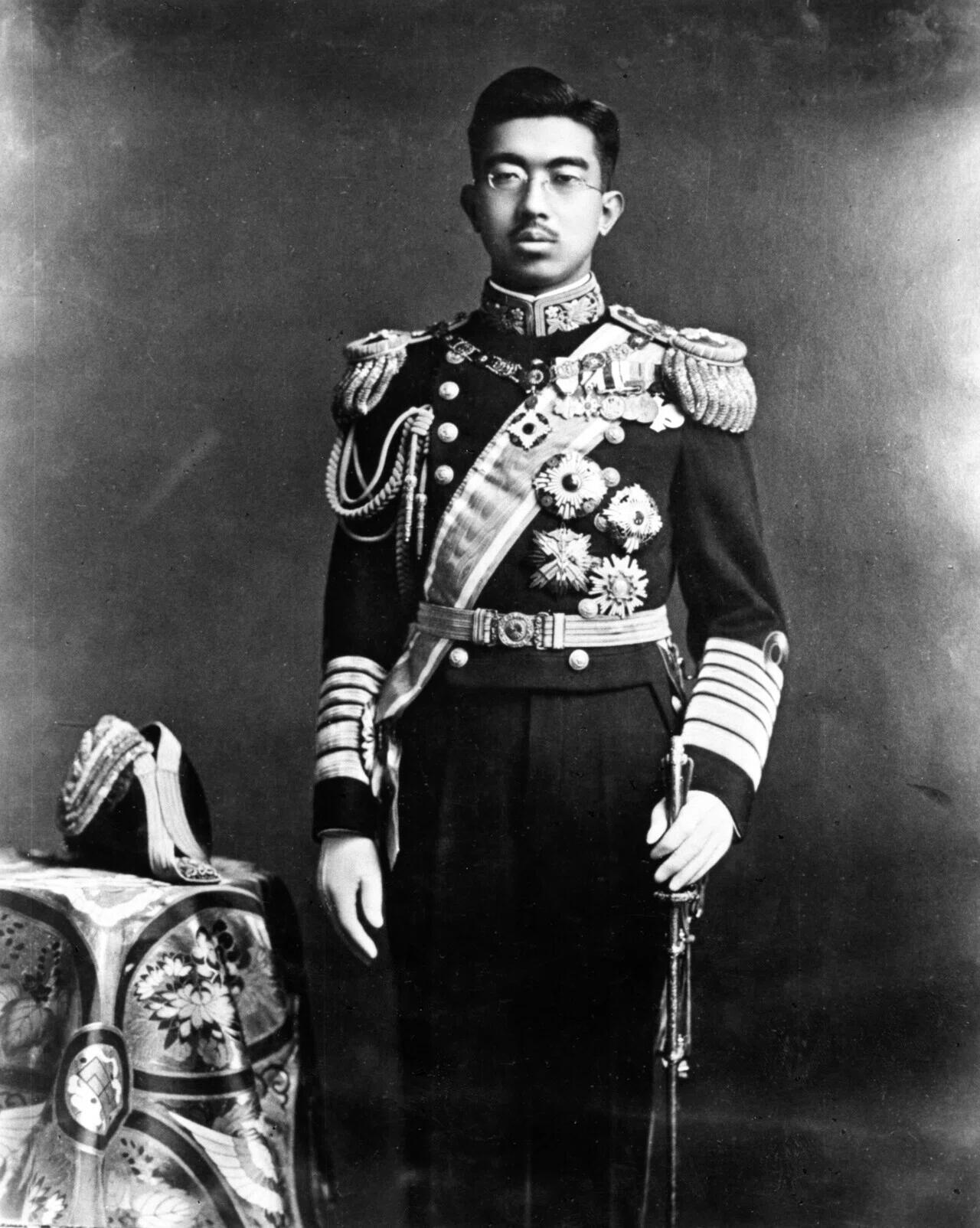
After the war, the imperial institution adapted into a democratic system with elected officials, propelling Japan into a new era of politics. Hirohito was tasked with being a leader during an unprecedented and extremely difficult time in history. Many of his actions are condemnable, but others have helped thrust Japan into its place as a respected, modern, and even cutting-edge country.
Emperor Akihito (Heisei) (1989–2019)
After the war, the emperor’s duties and power were greatly reduced to mainly include:
- Performing ceremonial functions such as opening the Diet (parliament).
- Receiving foreign ambassadors and representing Japan internationally.
- Participating in cultural and national events.
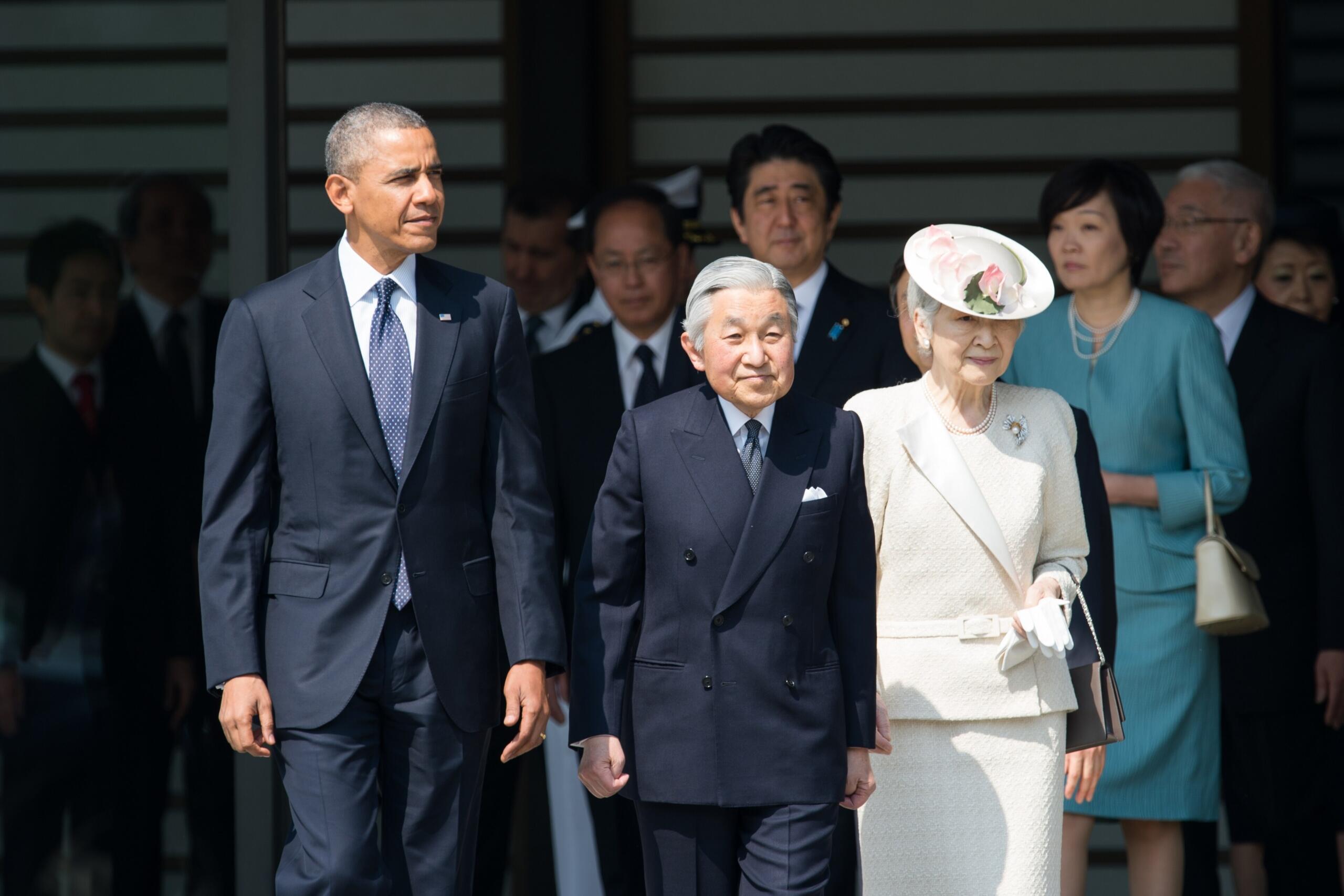
No longer does the emperor make political decisions under the constitutional government. Instead, the role is symbolic and provides a sense of unity of the nation and the continuity of the culture. Traditions like sumo have bounced back in popularity as Japan re-embraces its history.
Akihito was known for attempting to humanise the imperial role, actively engaging with the public and addressing difficult aspects of Japan’s past publicly. He visited countries that had been affected by Japan’s wartime actions, expressing remorse, as a way to seek reconciliation.
The current emperor of Japan is Emperor Naruhito, who is Akihito's son.
His involvement with helping people during times of crisis, such as natural disasters, created an image of a compassionate and accessible imperial family. He became the first emperor in over two centuries to abdicate his role, citing age and health concerns, and ending the Heisei era.
Japan’s emperors have remained an important influence in history, no matter their power. They act as the thread that ties together Japan’s ancient past with the present, keeping traditional culture and patriotism alive. For a deeper connection to the language behind these traditions, many learners study with a japanese teacher.
References
- Cartwright, Mark, and Kingturtle. “Fujiwara Clan.” World History Encyclopedia, May 2026, www.worldhistory.org/Fujiwara_Clan. Accessed 21 May 2026.
- Cartwright, Mark, and Fujiwara No Tamenobu. “Emperor of Japan.” World History Encyclopedia, Sept. 2022, www.worldhistory.org/Emperor_of_Japan. Accessed 21 May 2026.
- Early Japan (Until 710). 9 June 2002, www.japan-guide.com/e/e2131.html. Accessed 21 May 2026.
- “Emperor Sujin.” A History of Japan, 25 May 2018, historyofjapan.co.uk/wiki/emperor-sujin. Accessed 22 May 2026.
- HISTORY.com Editors. “Hirohito - Emperor, WW2 and Japan | HISTORY.” HISTORY, 27 May 2025, www.history.com/articles/hirohito. Accessed 21 May 2026.
- Japanese Emperors | Unofficial Royalty. www.unofficialroyalty.com/current-monarchies/japanese-royals/japanese-emperors. Accessed 22 May 2026.
- Linfamy. “Japan’s Legendary First Emperor: The Chosen One Who Almost Failed | Jimmu 1.” YouTube, 25 Feb. 2026, www.youtube.com/watch?v=lnwBLNBz3RY. Accessed 21 May 2026.
- Paquette, William A. “Akihito | Biography | Research Starters.” EBSCO Research, 2024, www.ebsco.com/research-starters/biography/akihito. Accessed 22 May 2026.
- “Shomu.” Britannica, www.britannica.com/biography/Shomu-emperor-of-Japan. Accessed 21 May 2026.
- Tincher, Diane. “Fujiwara Hirotsugu'S Rebellion and the Forgotten Role of the Hayato Warriors.” More Than Tokyo, 7 May 2023, www.morethantokyo.com/fujiwara-hirotsugus-rebellion. Accessed 21 May 2026.
Summarise with AI:
Did you like this article? Leave a rating!

 Loading...