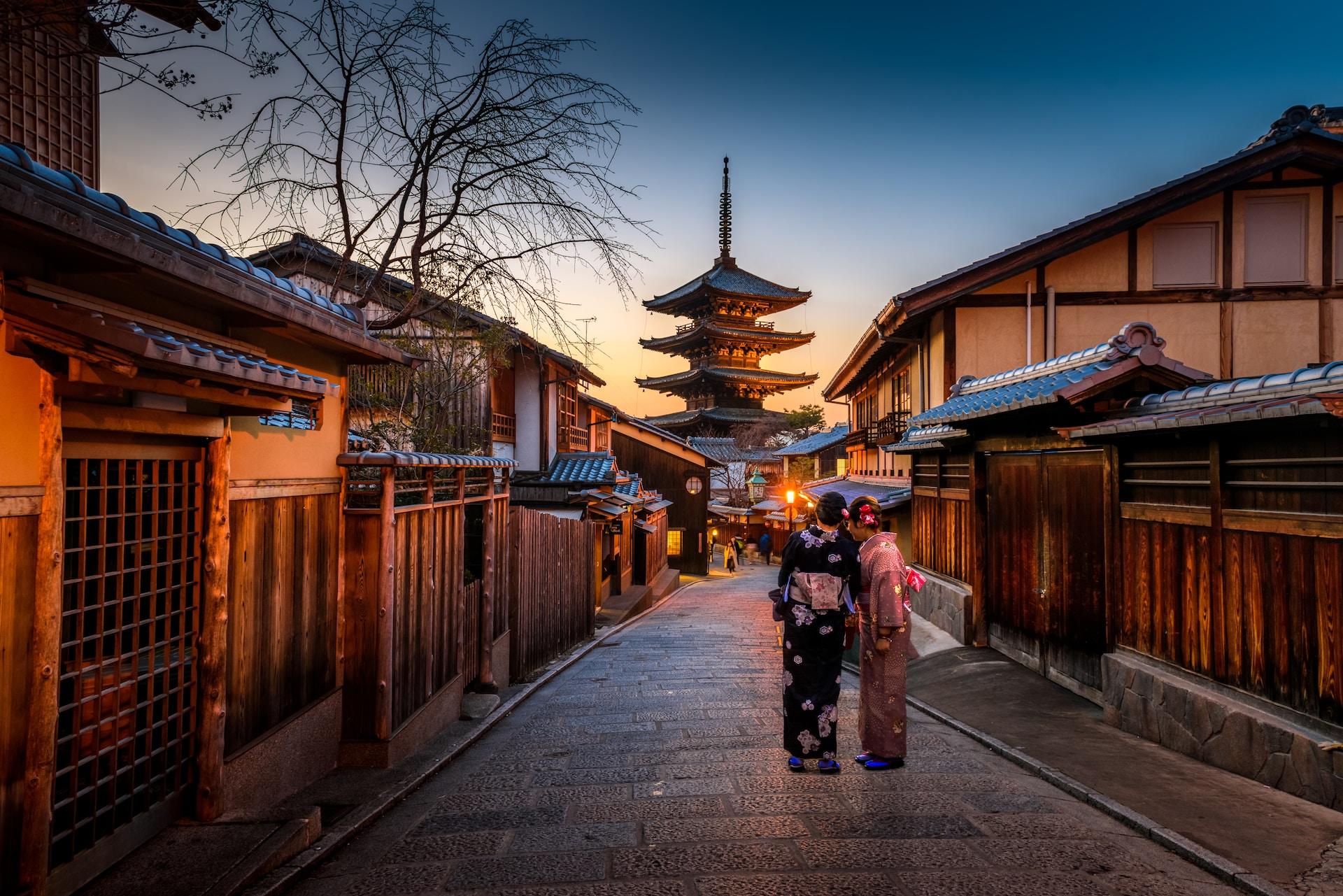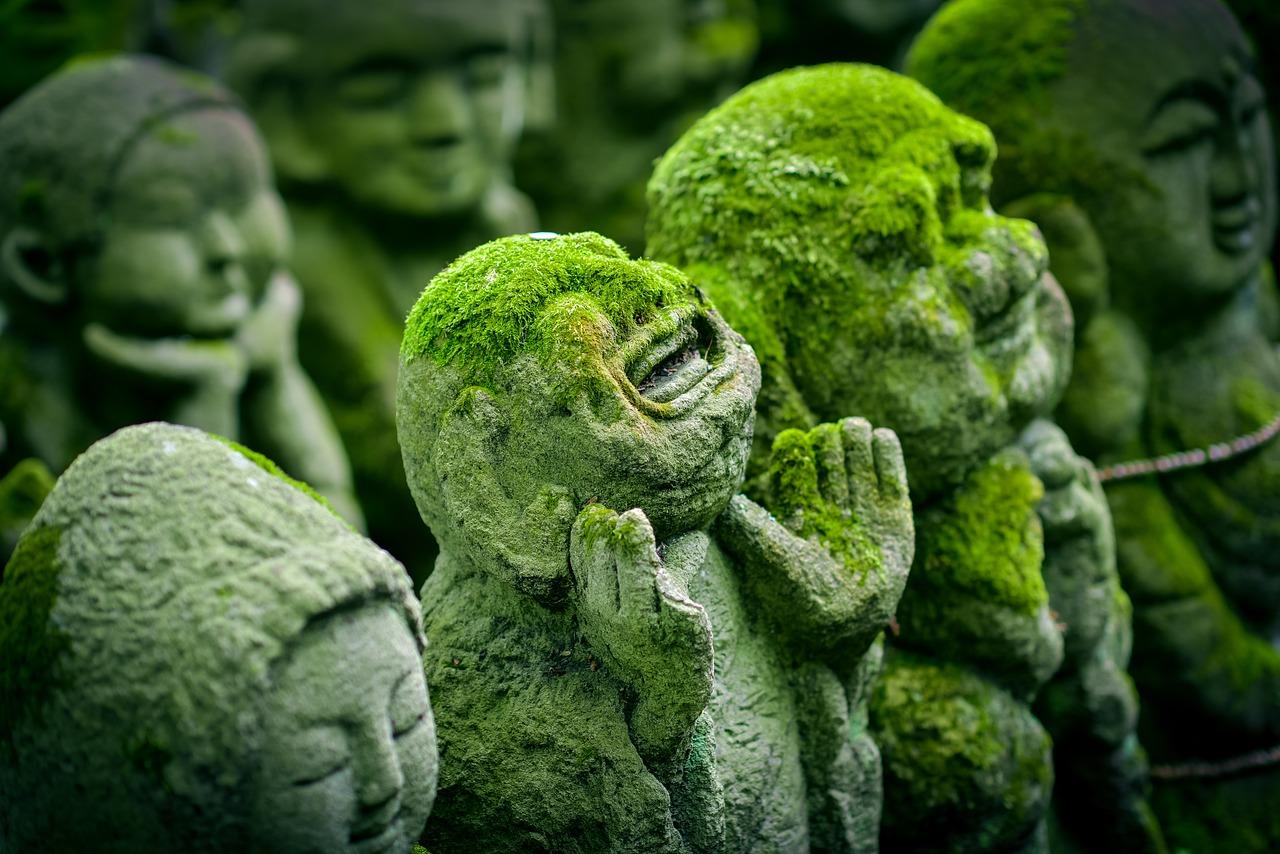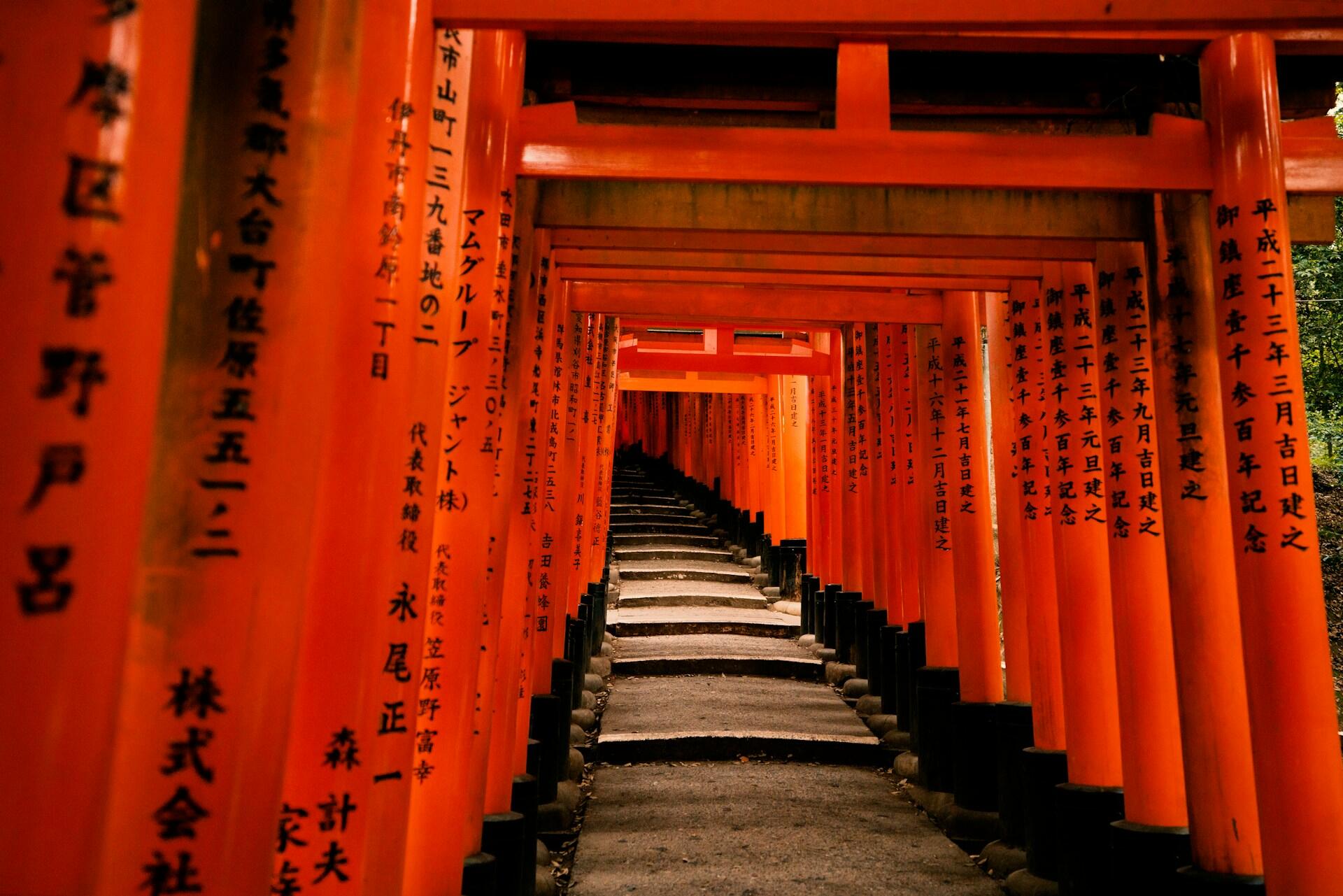

Japanese culture has long been shaped by its strong values and storied history. From the ancient Shinto and Buddhist temples to the bustling streets of Tokyo, the foundations of Japan’s culture carry through to every corner of daily life. Discover interesting facts about Japan’s history and traditions and how they continue to influence modern culture.


Historical Influences on Japanese Culture
Japan’s culture is fascinating because it’s rooted in events that took place thousands of years ago. While many other regions and countries across the globe have the same claims, it’s harder to find places where these ancient influences are easily identified in modern life outside of organised religion. Here are just a few of the events and forces that have created the foundation for all of Japanese culture through the centuries.
Early Chinese and Korean Influences
Early in the region’s history, Japan, Korea, and China all made contact with one another. Japan adopted some ideas, especially in the 5th and 6th centuries, and adapted them to fit Japanese culture. Japanese emperors influenced much of the culture that came into Japan, as well as what was encouraged domestically.
From Korea and China, Japan adopted Buddhist philosophical and religious ideas. It highly influenced art and architecture and had long-term effects on governance and religion. Philosophical and governing ideas from Confucianism and Taoism were also integrated into politics and society, especially regarding hierarchy, loyalty and respect.
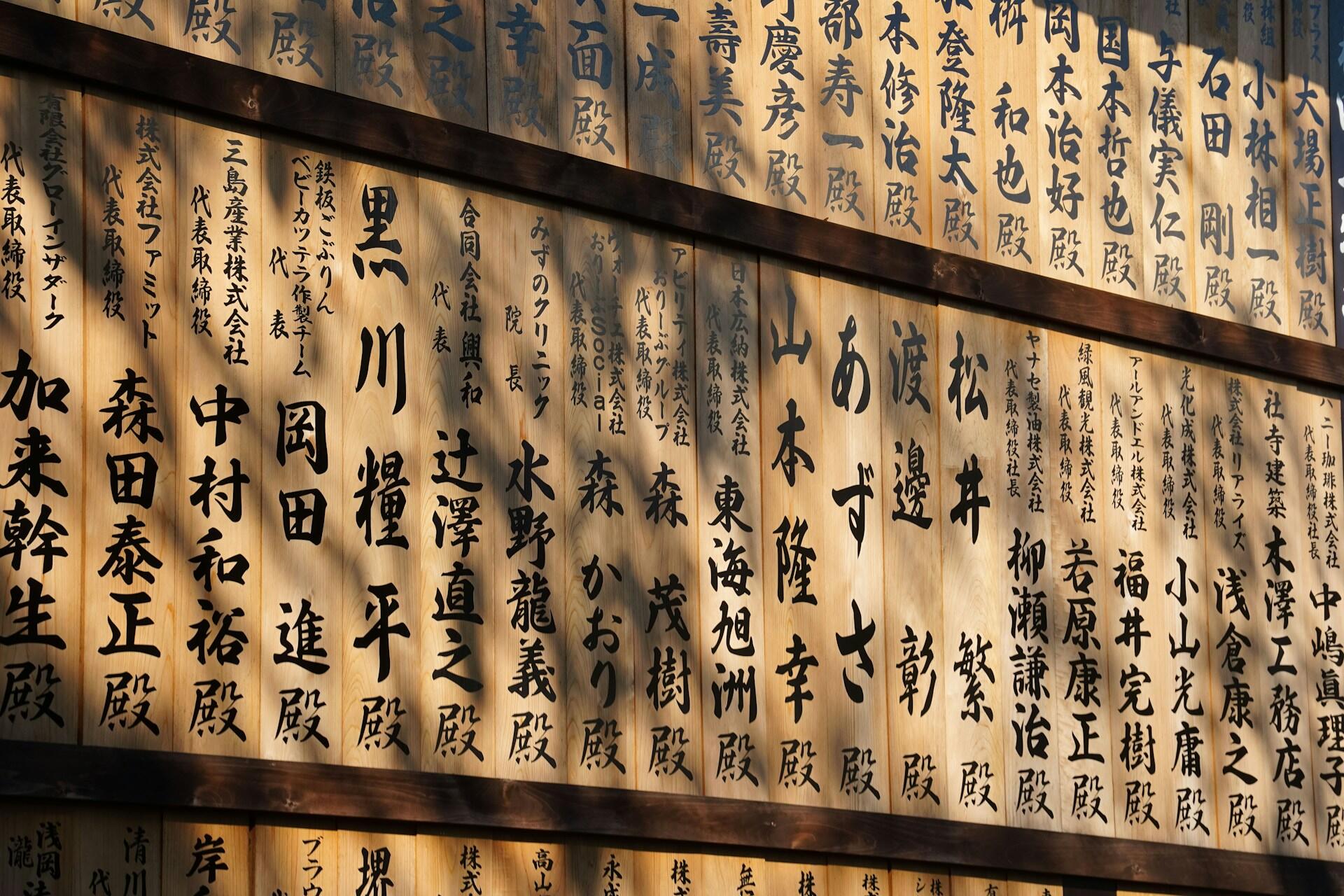
The Japanese writing system was rooted in kanji, the Chinese character writing system, which is why many Japanese words are still written with Chinese characters today. Over time, Japan also started using hiragana and katakana writing systems as well.
Early Japanese architecture clearly exhibits Chinese influence, especially in temples and government buildings. The Tokyo National Museum is one of the top places to learn more about the country's history.
The Edo Period and Cultural Isolation
The Tokugawa government isolated Japan from most foreign contact in a policy known as sakoku, focusing instead on domestic stability. The Edo Period (1603-1868) was a time when many of Japan’s distinct cultural functions developed.
Arts like haiku poetry, bonsai gardening, kabuki theatre, woodblock printing, and tea ceremonies grew more refined and advanced. Professions like sumo and geisha became more popular and integrated into society. Socially, clear roles such as samurai, aristocrats, farmers, artisans, and merchants were strengthened, creating deep class divisions.
Cities like Edo (modern Tokyo) developed into centres for culture. Education, commerce and even natural resource planning advanced, while technology and social order stagnated. It was an important period of time that ensured Japan’s local culture remained strong; however, at the expense of falling behind on the world stage.
Core Values and Social Norms
Japan is known for its strong and unique social expectations. Much of East Asia shares similar foundations, but Japan is distinct from Korean and Chinese social norms in a few ways. These functions are rooted in the Shinto, Buddhist, Confucianist, and Taoist beliefs backing the country for centuries.
Harmony and Community
One of the defining values in Japanese society is harmony, known as wa. It emphasises group cohesion, working together and avoiding conflict. People are encouraged to think about how their actions affect others, discouraging things that cause distress, discomfort, or dishonour to fellow citizens.
Often, cooperation is more highly valued than an individual’s preferences or self-expression, especially at school and work. Directness is not often appropriate. For example, it’s common for individuals to avoid direct disagreement and instead put forth concerns in indirect ways to get the point across while maintaining harmony.
Ometanashi is the concept of “Japanese service and hospitality.” The country is known for exceptional customer service as an extension of wa.
Respect and Etiquette
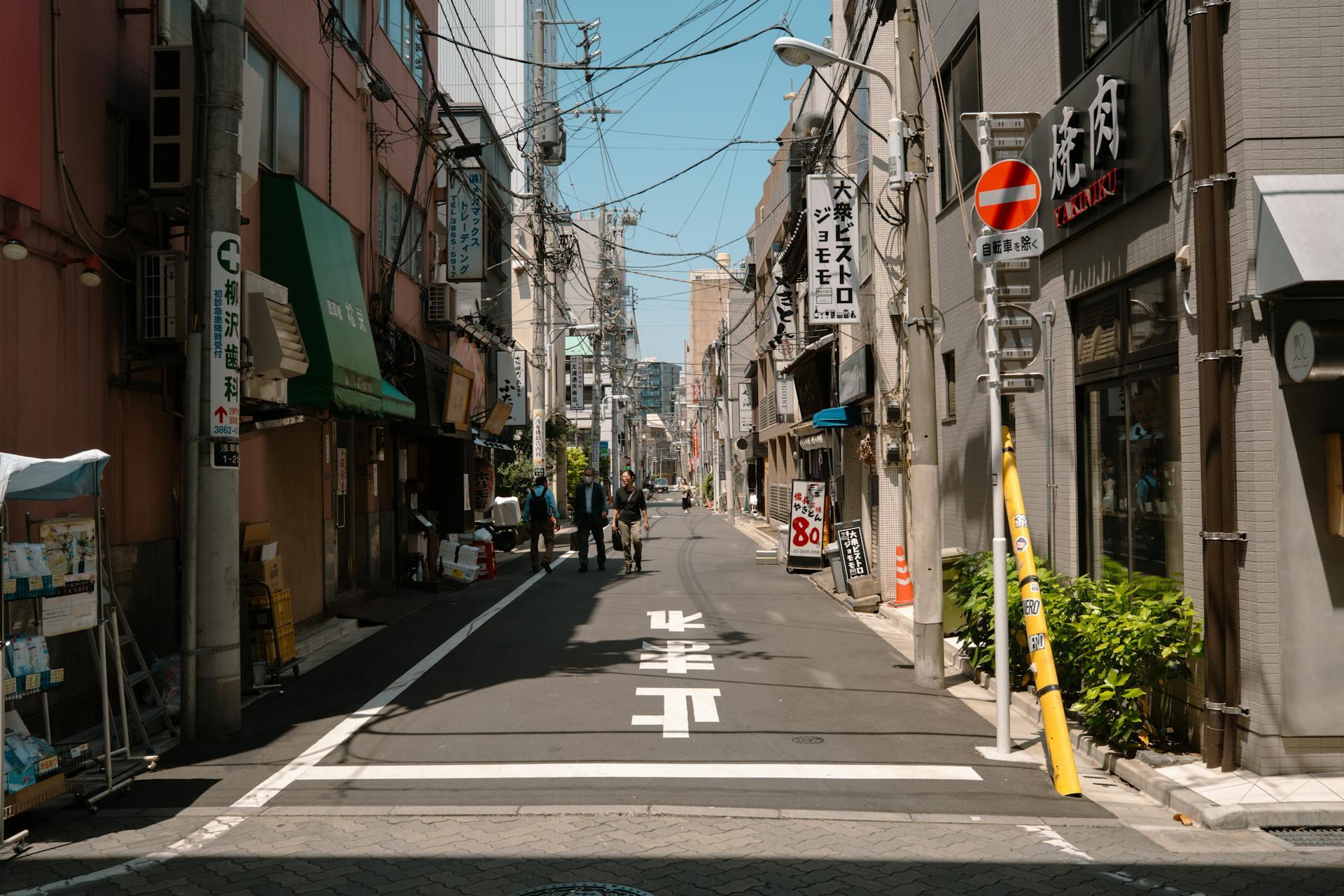
Along with harmony comes respect. It’s largely expected, with disrespect resulting in severe consequences. Respect is often shown through:
- Physical gestures and body language, like bowing and giving and receiving money with two hands
- Language, like using honorifics, thanking and apologising, and avoiding interruption
- Actions, like not bringing bad or strong smells (perfume, food, cigarette smoke, etc.) to places they don’t belong, maintaining personal space, not putting belongings on the floor, and wearing a paper mask when feeling ill
Humility and politeness are required, especially when interacting with strangers or acquaintances and/or in public. The Japanese often downplay their successes and achievements to avoid making others feel uncomfortable. Doing or saying the wrong thing unapologetically can create a deep rift. Though tourists are given more grace for not being fluent in social norms, they are still expected to do their best at all times.
Religion’s Role in Society
Though there are many religious people in Japan of a variety of faiths, much of society runs on Shinto and Buddhist practices and beliefs. Even those who are not Shintoists or Buddhists likely participate in some practices rooted in these religions since they are so thoroughly enmeshed in daily life.
Shinto focuses on nature and spirits, known as kami. Many festivals throughout the year and frequent rituals are rooted in Shintoism. Respect for the natural world also comes from Shinto and Daoist/Taoist beliefs.
The average home has both the Shintō family shrine (kamidana, or “god-shelf”) and the Buddhist family altar (butsudan).
Britannica
Buddhism affects more attitudes, rituals, and philosophy regarding life, death and suffering. Many funeral rites are conducted according to Buddhist beliefs.
Confucianism is almost entirely practised as a practical philosophical and ethical system rather than a religion. It influences the practices of social etiquette, like hierarchy, harmony, and respect.
For centuries, each religion has influenced Japanese culture, leading to the eclectic and thorough Japanese culture examples found today. Shinto encouraged respect for nature and rituals, Buddhism brought new attitudes regarding art and meditation, Daoism introduced new ideas about spirituality and worldly understanding, and Confucianism acquainted people with firm social concepts.
All contributed to the central tenets of culture and practices like martial arts, which were not only for practical fighting, but were forms of maintaining honour and inner peace.
Traditional Arts and Cultural Practices
Many of Japan’s traditional and folk arts and cultural norms have developed over thousands of years. During the Edo Period and Meiji Restoration, many were created or refined into the versions we see today. What they have in common is bringing elements from the multifaceted belief system to the forefront and celebrating the virtues seen as valuable in Japanese society.
Tea Ceremony (Chanoyu)
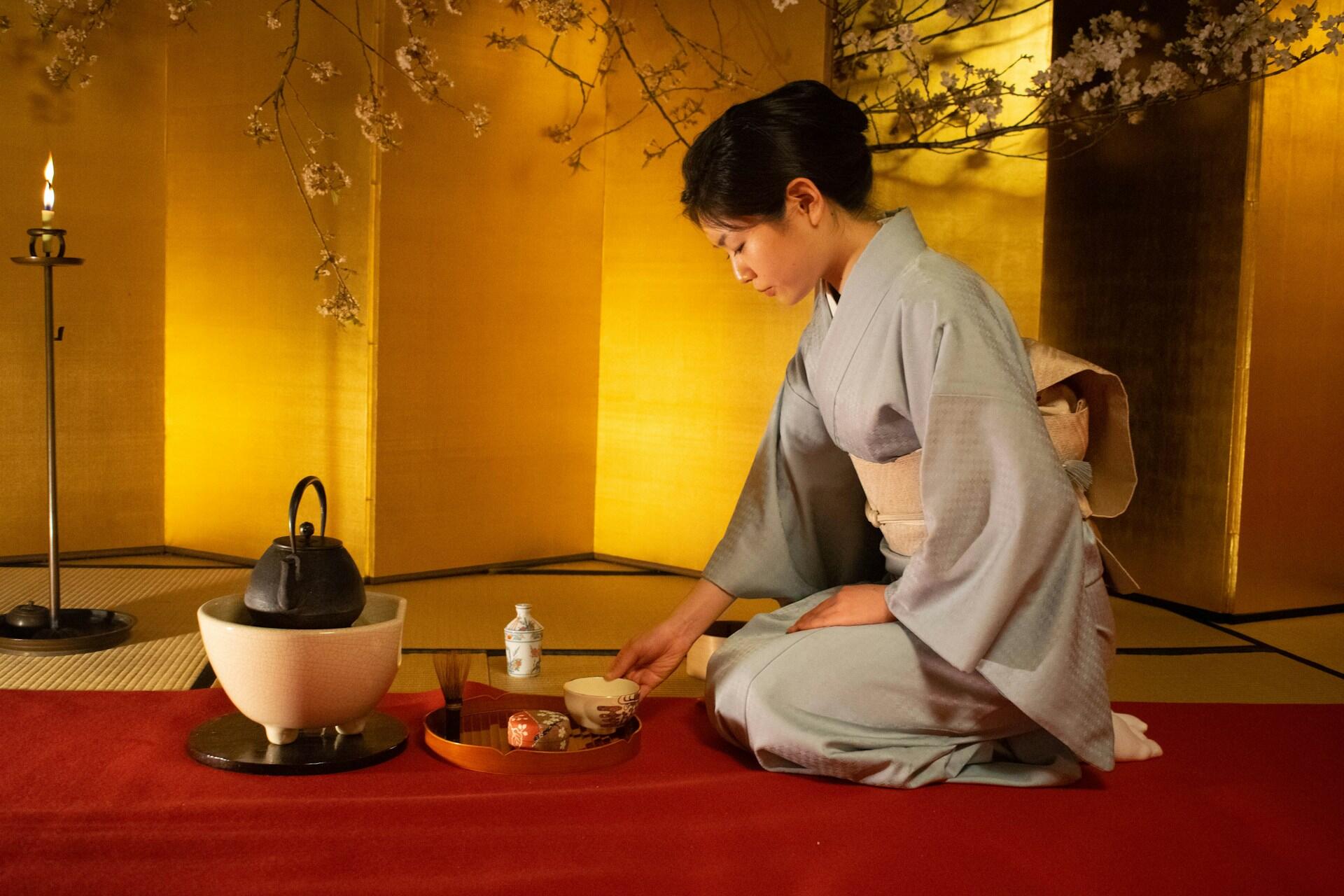
The tea ceremony is one of the most famous Japanese traditions, and tea is highly valued across most of East Asia. In Japan, the traditional brew is made of matcha, powdered green tea.
The ceremony involves slow, deliberate, meditative actions from preparation, to serving, to drinking. The goal is not to drink tea. It’s to create a calm and respectful atmosphere enhanced by the action of making and drinking tea.
The tea ceremony is also a very significant cultural activity that combines silence, respect, and symbolic purification altogether.
Kimono Tea Ceremony Maikoya
Teishu (host) or chajin (tea person) are the ones who set the stage and make the tea step by step. Even opening and closing the doors, walking, and sitting on the floor requires specific etiquette. The tea is made with care, with a special whisk and whisking movement.
The entire ceremony reflects values like harmony, respect, gracefulness, mindfulness, purity, and tranquillity. Socially, the tea ceremony is an opportunity for the host and guest(s) to bond. It can be used as a networking opportunity for businesspeople. Overall, it provides a peaceful atmosphere to disconnect from the demands of the modern world for a while.
Calligraphy (Shodō)
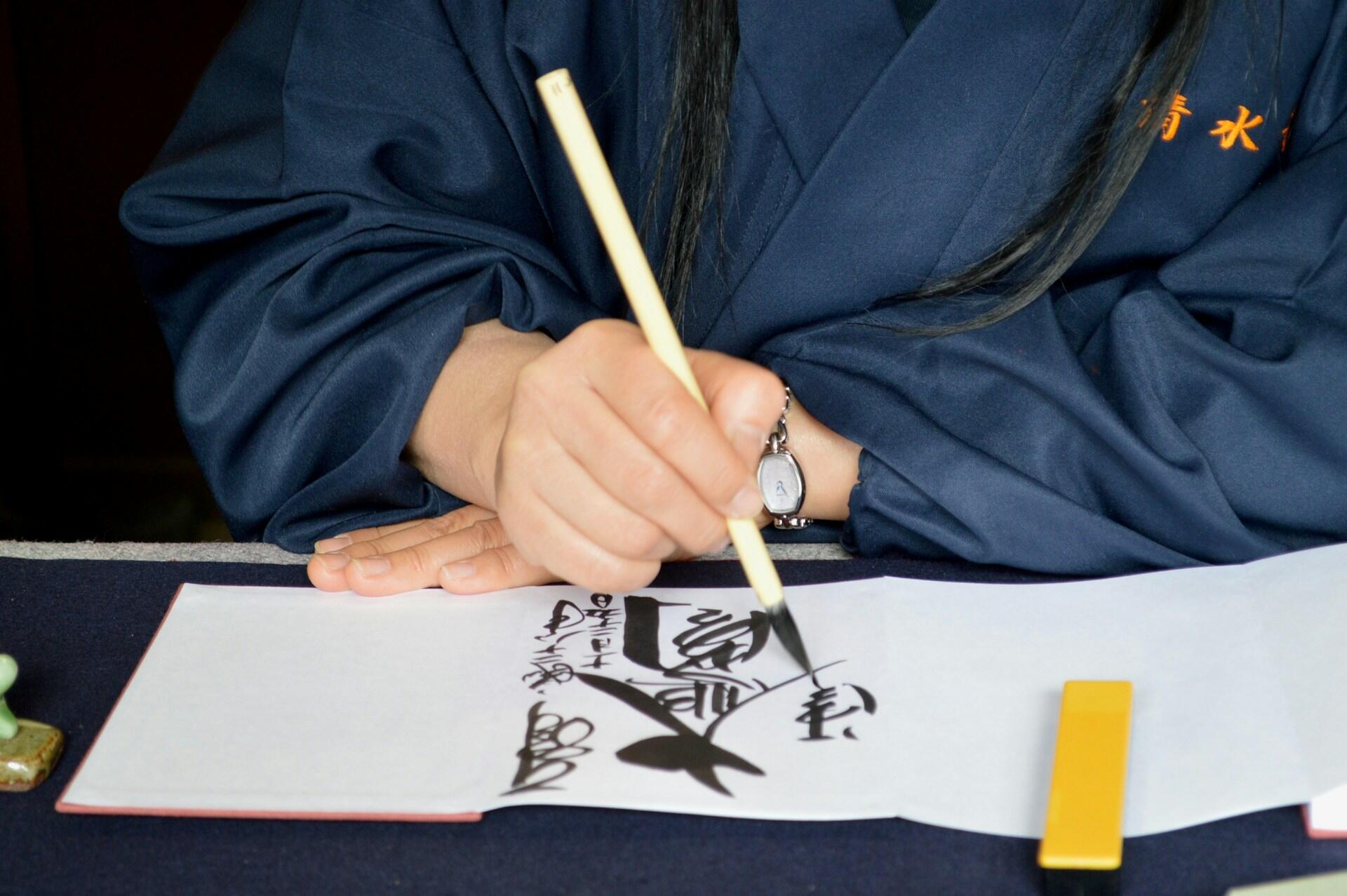
The art of writing characters with a brush and ink in Japan is known as shodo. It combines language with visual expression. The practice began in the 6th century as an adaptation for Chinese characters, which had just been introduced.
Shodo is not only a way to write information, but the art of shodo includes lots of controlled, intentional movement. Shodo is often linked with Zen Buddhism, since it emphasises simplicity and focus. The discipline to move the brush and make only the desired marks takes lots of practice. The art of Zen and shodo focuses on intentionality and blank space. Since the characters are irreversible, the writer must approach each stroke with confidence and commitment.
Many students learn shodo for at least a few years as part of their school education in Japan.
Geisha
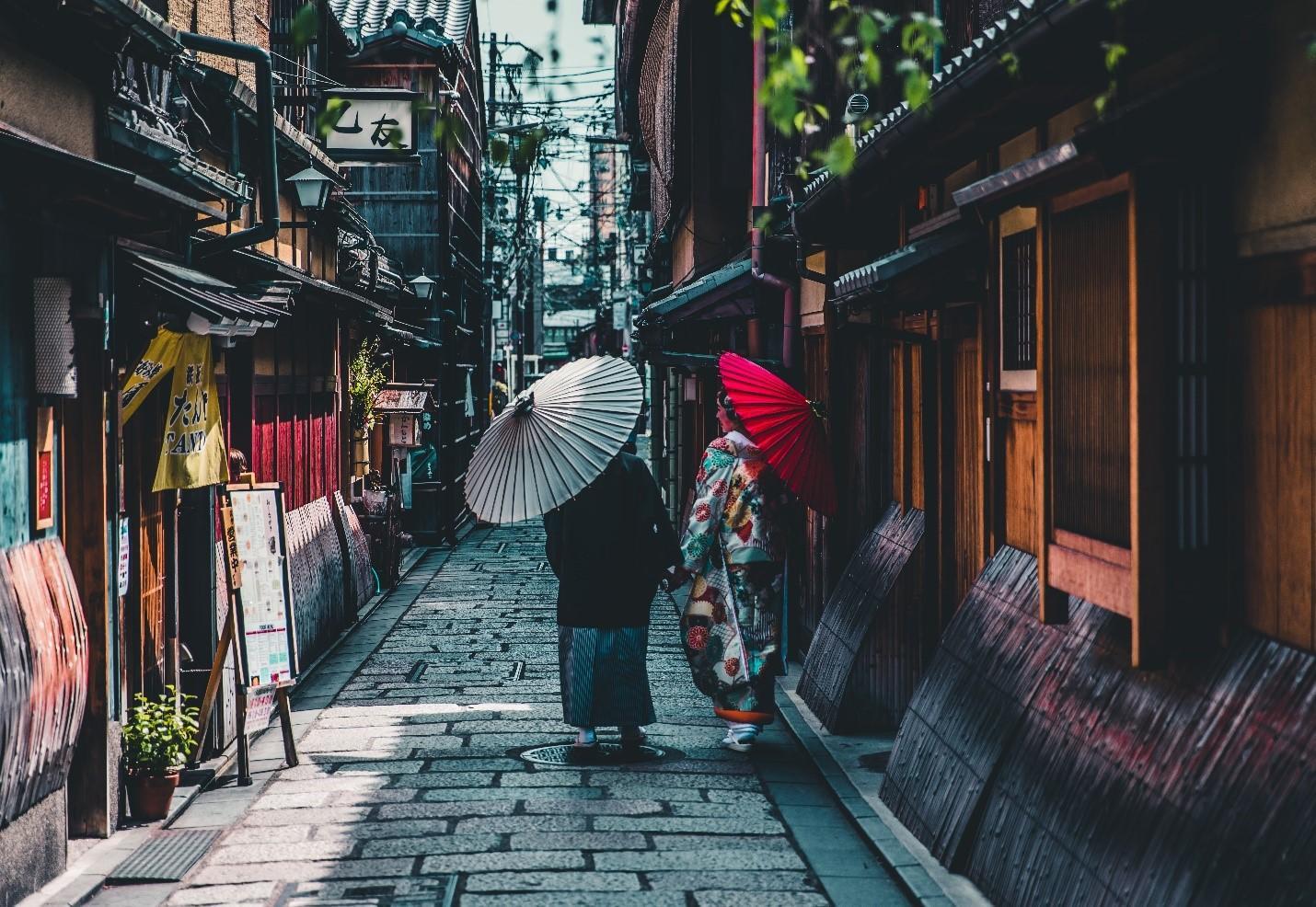
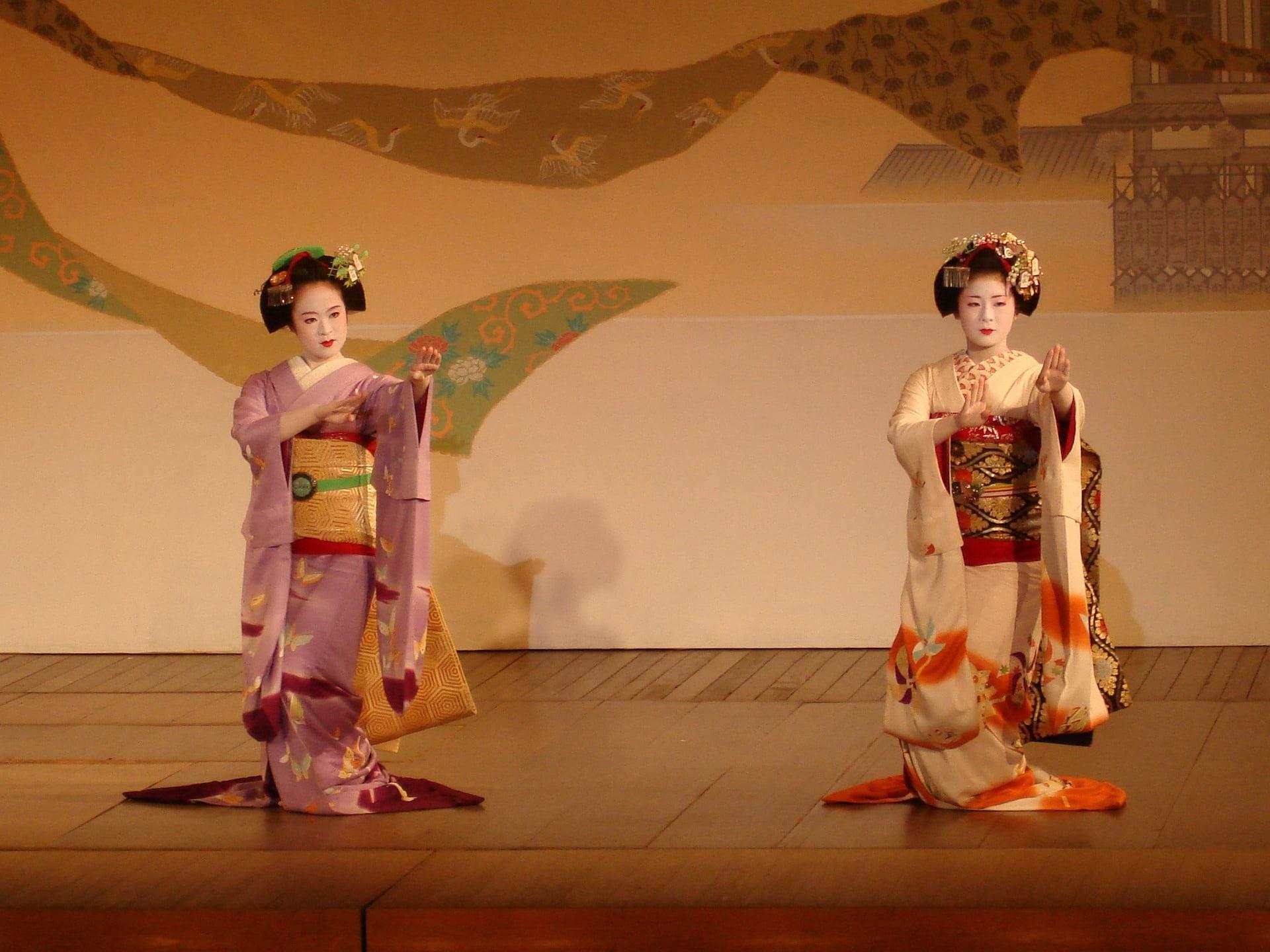
The geisha profession has been around for over a millennium. Geisha are multidisciplinary artists trained in tea ceremony, calligraphy, dance, and music, as well as social arts like hosting and conversation. Their role is to facilitate a refined and enjoyable atmosphere for guests.
Historically, geisha were an important part of society. Today, their popularity has waned, but they are still around, mostly in Kyoto and Tokyo.
Martial Arts
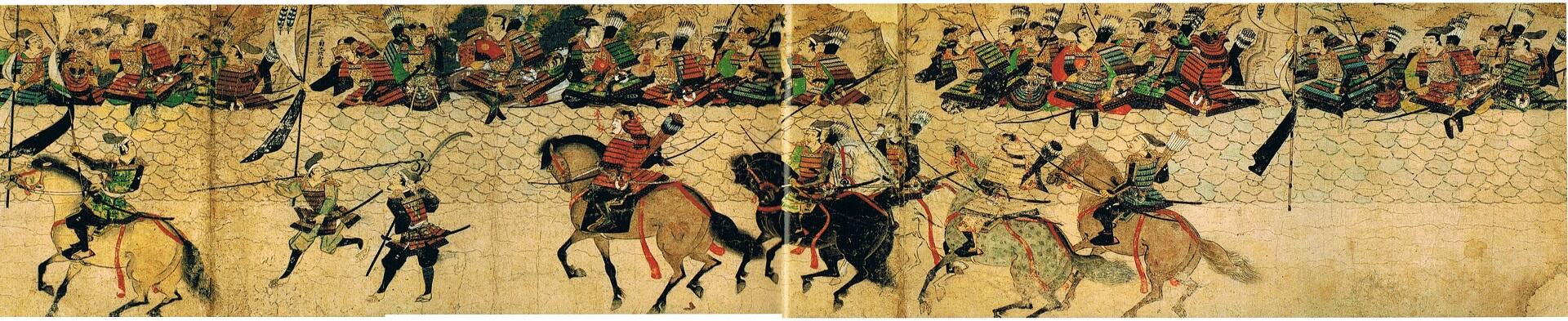
For hundreds of years, the samurai warrior class was one of the top social classes in Japan. The shogunate even had more power than the emperor for multiple centuries. They generally followed a code, bushido, which held samurai to a high standard of loyalty, honour, and discipline.
Martial arts like jiujutsu, judo, karate, and others are said to have stemmed from sumo, which began as a practical and ritual fighting style. All the martial arts embody the tenets that are important to the Japanese: hierarchy, discipline, honour, and commitment, just to name a few. They often incorporate specialised weapons as extensions of the art. Discover more at the Kodokan Judo Museum or the Shinjuku Samurai Museum.
Martial arts were used on the battlefield and for training the Samurai. Today, these martial arts still train samurais but represent piece. Martial arts are designed to nurture peace.
Hiroo Mochizuki
Festivals and Seasonal Celebrations
Being in touch with nature is central in Japanese culture. Seasons and their ephemeral qualities are respected and embraced. Whether to celebrate the turning of the seasons or annual holidays, festivals play a large part in traditions in Japan.
Hanami (Cherry Blossom Viewing)
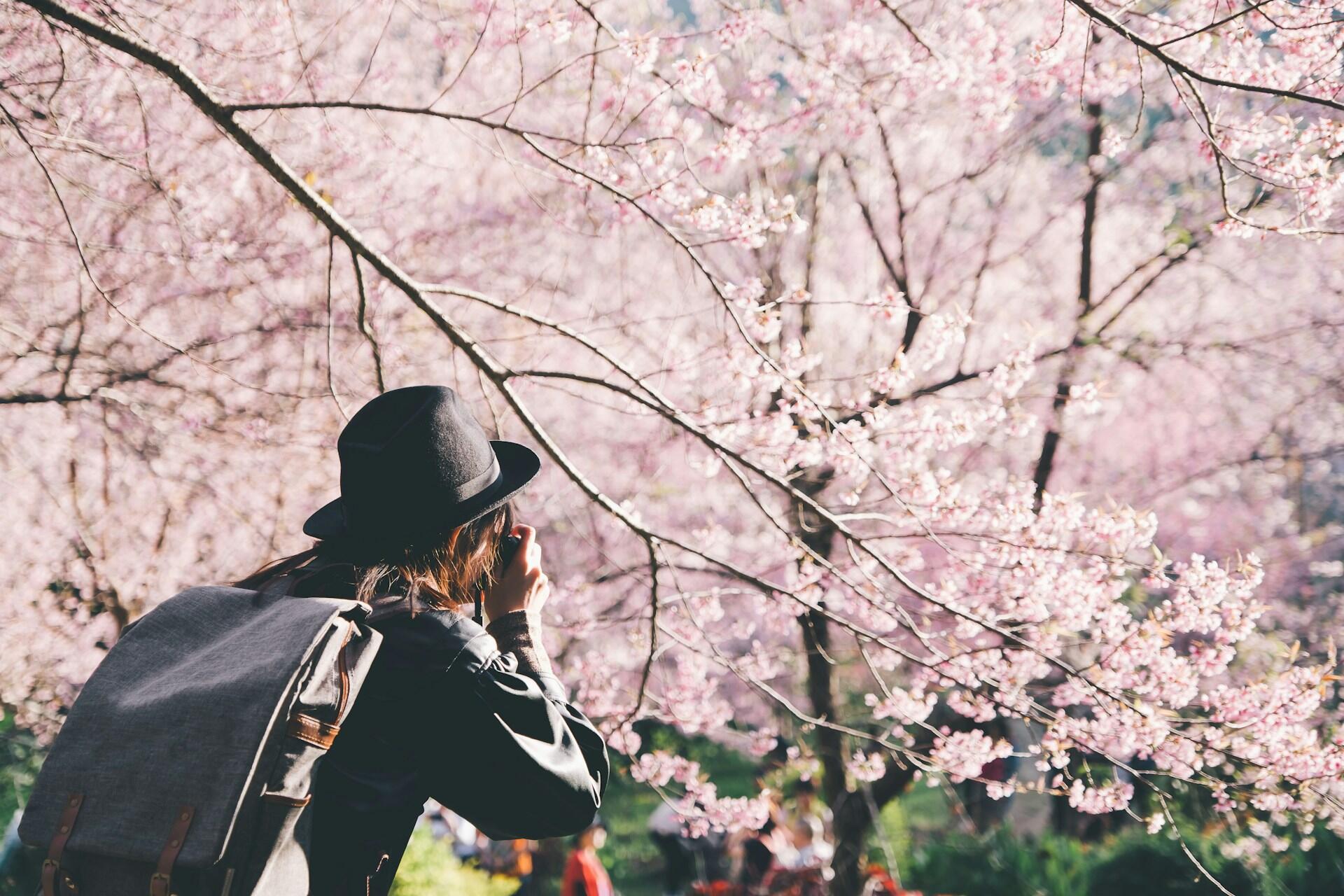
Hanami is the tradition of viewing cherry blossoms in spring. It is one of the most popular cultural events in Japan for locals and tourists alike. The beautiful trees bloom only for a short time. Many tourist attractions extend their opening hours during these few weeks to accommodate larger crowds. Families, friends and coworkers all share food and appreciate time outdoors together. The blossoms are a reminder to enjoy the present moment.
Obon Festival
A national Buddhist festival, Obon honours the spirits of the ancestors. Families return to their hometowns to visit graves, light lanterns, and participate in traditional dances, called Bon Odori, while spending time together. The festival highlights the importance of honour and respect, as well as family.
Daily Customs and Etiquette
The everyday rituals found in Japanese culture impress the points of respect and harmony. They are typical between friends and strangers, preserving social order. Everyone is expected to follow the intricate rules and social customs, even tourists, though to a lesser extent.
Bowing (Ojigi)
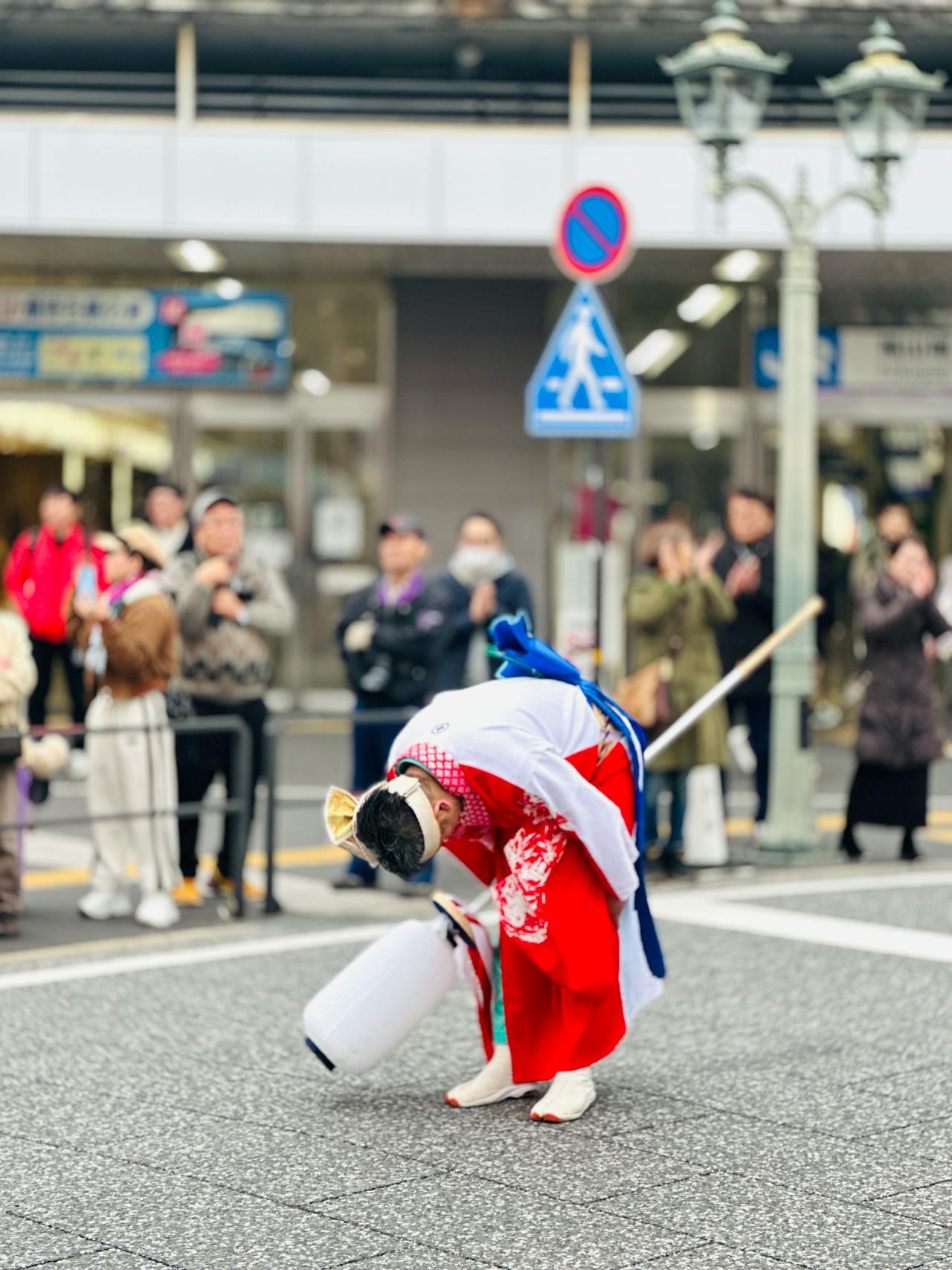
The most well-known among the Japanese customs is bowing. Ojigi is used in many situations, including greetings and giving apologies or thanks. Slight bows are used in casual settings, while deeper ones show great respect or remorse.
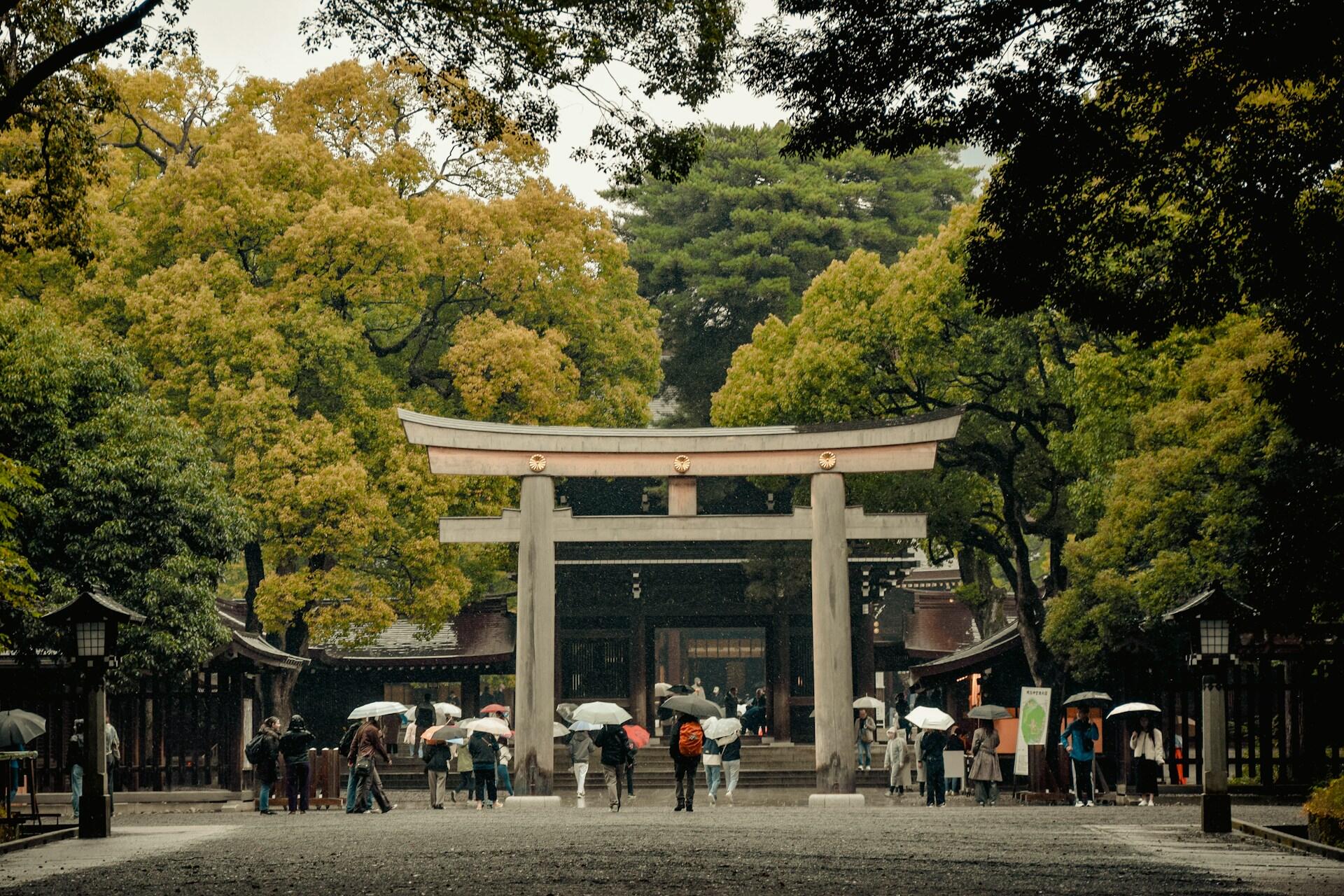
People often bow at local religious sites as a form of respect to the kami.
One of the most fun facts about Japan is that bowing is so ingrained in the culture that even the deer in Nara know how to do it! Knowing how deeply to bow is a skill that comes with time.
Removing Shoes Indoors
In the culture of Japan, cleanliness is one of the most basic forms of respect. Although the streets are kept very tidy, they are not sanitary. Removing one's shoes when entering a home, hotel room, traditional restaurant, or temple or shrine is common practice to keep the interior clean. In some instances, indoor slippers are provided, or shoe covers may be given. In some instances, separate slippers may be used for the toilet.
Fun and Interesting Facts About Japan
Japan is full of unique things not found elsewhere in the world. Much of the love from foreigners comes from the sense of novelty outsiders can find in the country. They are often based in practicality, though there are just as many just-for-fun things to be found!
Unique Vending Machines
One unique aspect of Japan is its wide range of vending machines. They are found in rural areas as well as cities. These machines sell more than just drinks and snacks. You can find entire hot meals, fresh eggs, specialty beverages, fresh food, items like umbrellas, free emergency items during a disaster, and clothing. Their popularity showcases the trust in public safety and order found in Japanese society, as well as thoughtfulness.
Capsule Hotels
Efficient use of space is paramount in Japan, which is home to some of the most populous cities in the world, including Osaka and Tokyo. Capsule hotels offer small sleeping spaces in a compact pod rather than a full room or shared hostel-style room, perfect for privacy and functionality.
They’re often used by travellers or workers who just need a place to stay the night. They’re more cost-effective than a full hotel room and easier to pop in and out of quickly. They often have a shared bathroom facility and lockers for travellers to keep their belongings.
Modern Influences and Cultural Evolution
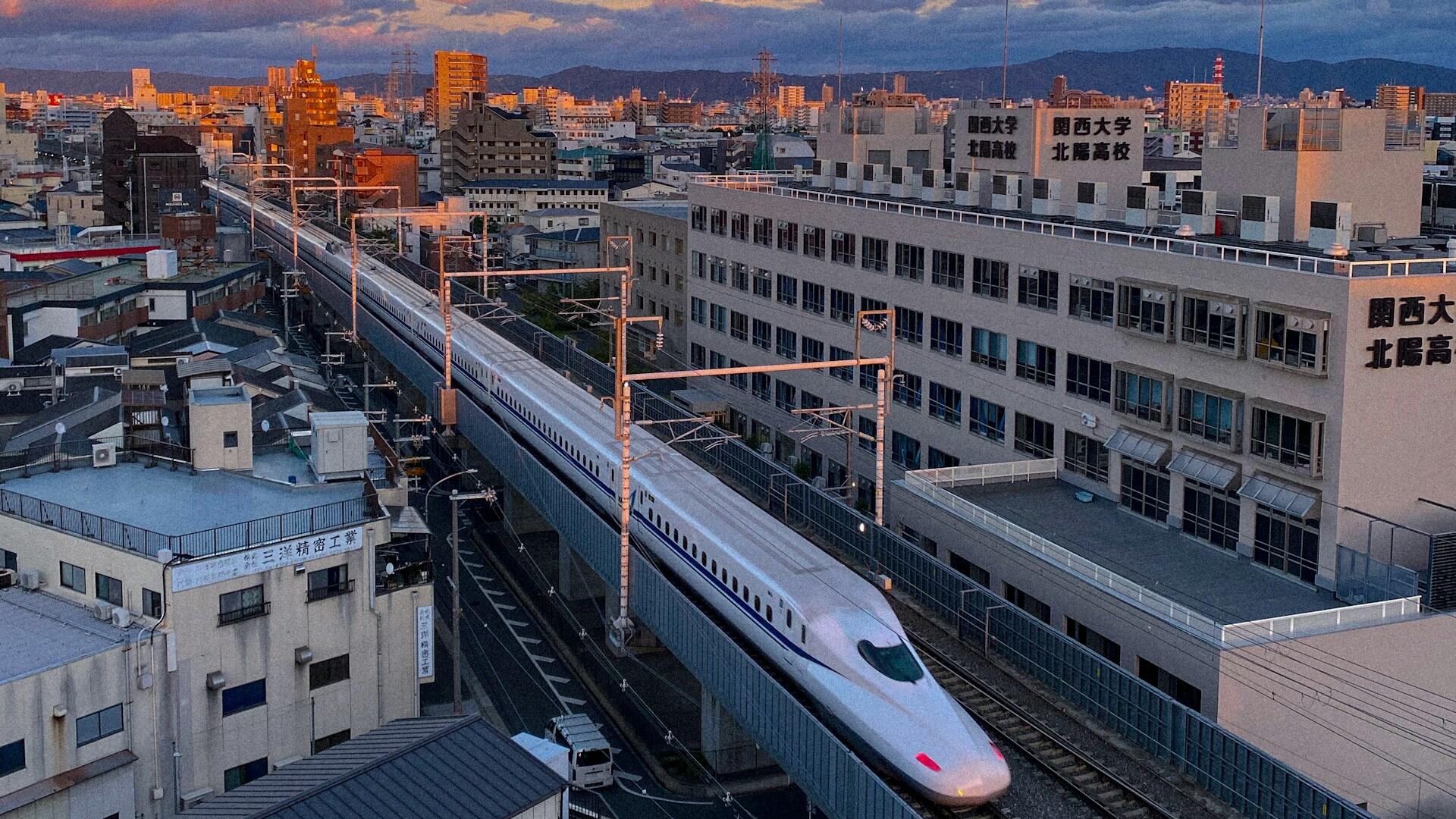
Perhaps one of the more impressive Japanese culture facts is that modern Japan developed incredibly rapidly. As mentioned, the Edo period saw Japan fall behind in terms of global technology. When the country emerged from isolation, it found that the world had been modernised with things like railroads and military advancements. Japan's government quickly sought to catch up with other global powers. Not only that, it innovated to surpass them in many ways within 120 years.
Westernisation and Globalisation
Sakokou ended in 1868 with the start of the Meiji Restoration. During this time, Japan opened its borders and began exchanging ideas with the mainland as well as European traders. These Western ideas influenced everything from education and technology to fashion, art, and daily life. Railways, modern schools and new communication methods (like telegraphs) were quickly adopted.
Japan saw the value of maintaining a strong international presence, leading to its aggression during World Wars I and II. After their defeat, they pivoted to more soft power forms, like exporting culture and art, such as film, classical art, and animation.
Domestically, the country combines tradition with modernity. It’s common to see modern buildings constructed next to ancient temples, and many new buildings also incorporate traditional architectural elements. Modern workplace culture and other new practices have been integrated with existing ancient rituals, festivals, and social etiquette and hierarchy customs.
Japanese culture continues to evolve, but it remains firmly rooted in some of its most important ancient foundations. As the world continues to change shape, the Japanese of the future will be challenged to maintain tradition in ways that help their society function better (as will we all!).
References
- “The Art of Calligraphy.” Japan National Tourism Organization (JNTO), www.japan.travel/en/au/story/art-calligraphy. Accessed 22 May 2026.
- “A Guide to Japanese Social Etiquette and Manners.” Tea Ceremony Japan Experiences MAIKOYA, mai-ko.com/travel/culture-in-japan/manners-in-japan/etiquette-in-japan-moral-behavior-rules-in-japan-manners. Accessed 23 May 2026.
- “Japanese Religion.” Britannica, www.britannica.com/topic/Japanese-religion. Accessed 22 May 2026.
- “Sakoku.” Britannica, www.britannica.com/topic/sakoku. Accessed 22 May 2026.
- Siagian, Natalie. “15 Fun Facts About Japan You Need to Know.” Six-two by Contiki, 25 June 2025, www.contiki.com/six-two/article/fun-facts-about-japan. Accessed 23 May 2026.
- "Tea Ceremony in Japan.” Tea Ceremony Japan Experiences MAIKOYA, mai-ko.com/travel/culture-in-japan/tea-ceremony/japanese-tea-ceremony. Accessed 22 May 2026.
Summarise with AI:
Did you like this article? Leave a rating!

 Loading...