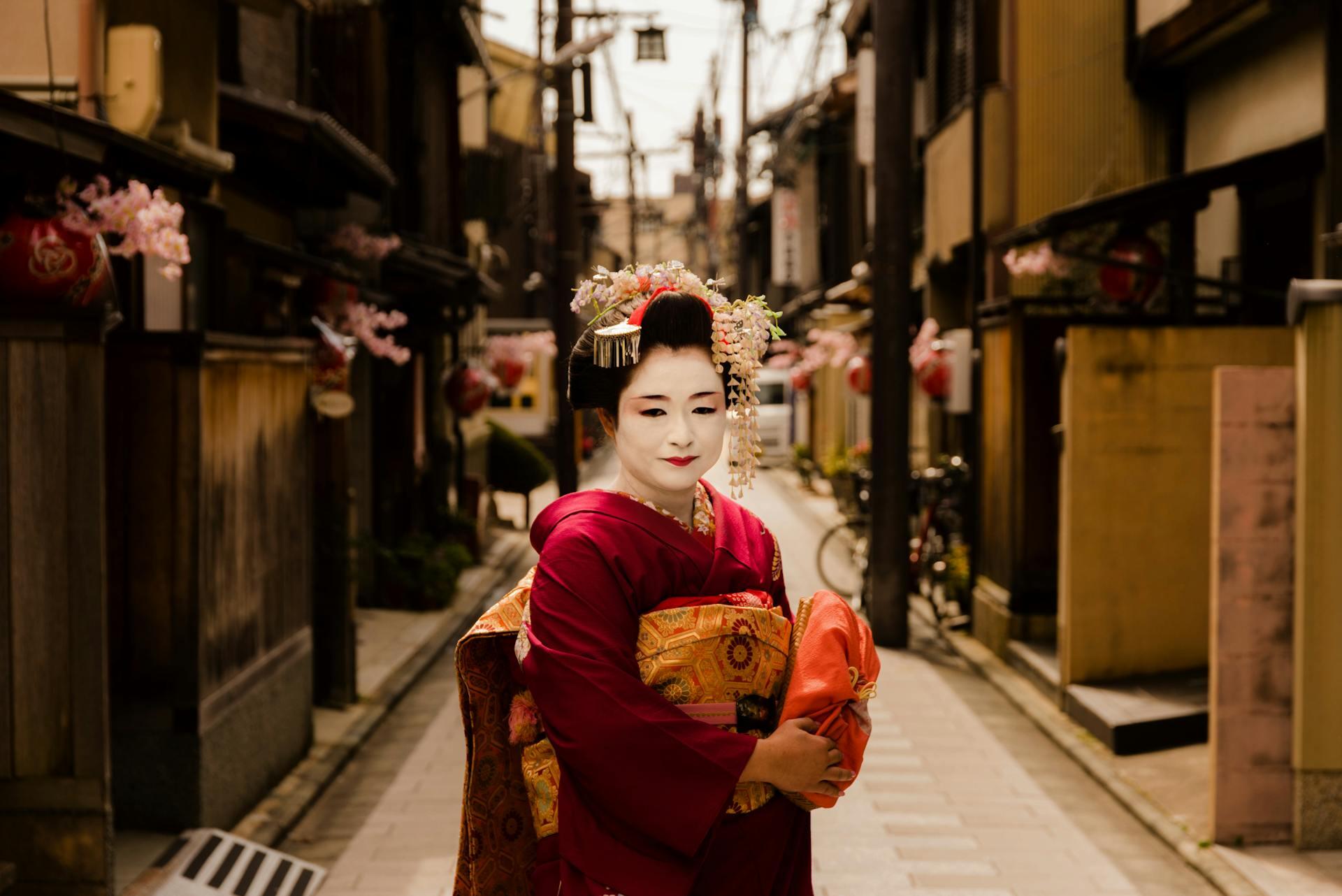

Geishas are highly trained Japanese female entertainers specialising in traditional arts such as dance, music, and conversation. They continue to exist today, primarily in Kyoto and Tokyo, preserving cultural traditions and offering performances to select audiences.
| Word | Meaning |
|---|---|
| Danna | Patron or sponsor who invests in a maiko or geisha's education and supplies |
| Geiko | Geisha specifically in Kyoto |
| Geisha | "art person" |
| Geta | Wooden sandals worn by maiko |
| Hanamachi | "flower towns" where geisha live and work |
| Maiko | "dance young person"; Geisha in training |
| Ochaya | Tea houses where maiko live |
| Okiya | Teahouses where maiko live |
| Saburuko | "those who serve"; title for geisha-precursors |
| Shamisen | Traditional plucked string instrument |


The Historical Evolution of Geishas
The history of the geisha is often misunderstood in modern times. In reality, the chronicles of the intricate art are well documented. Geisha culture is closely tied to Japanese culture and social development over the centuries, even up to and including modern day.
Origins and Emergence
Surprisingly, the precursor for geisha were men who performed dances and songs for pilgrims on their way to temples, known as taikomochi. They may have even entertained with rude and lewd humour at establishments like inns and tea houses. However, women quickly took over the role, and the title saburuko (those who serve) emerged.
Saburuko were servers, entertainers, and often, prostitutes. This is where the assumption that geisha are sex workers stems from.
Role in the Edo Period
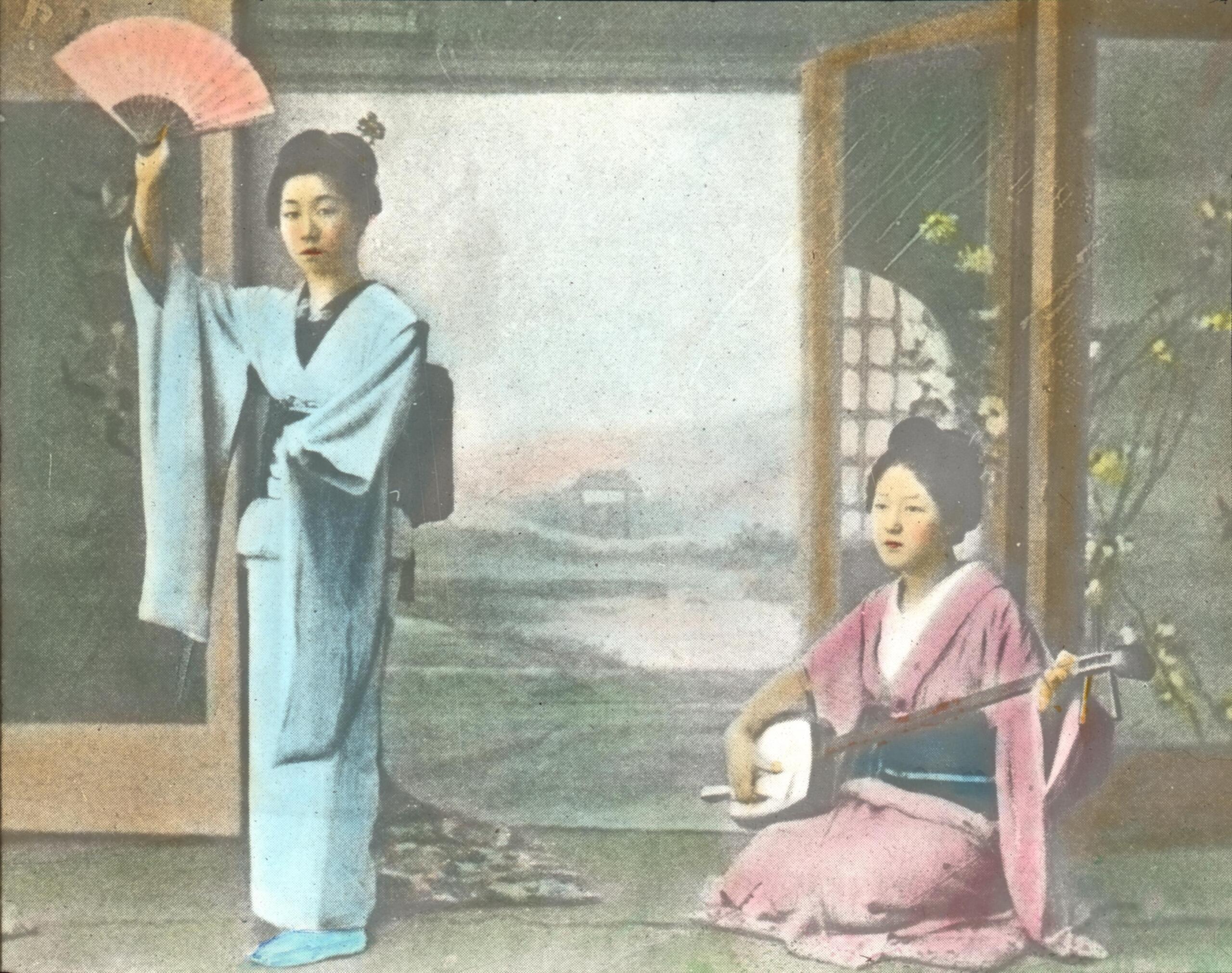
Over time, girls and women with more education and charisma focused on providing artistic and intellectual entertainment instead, paving the way for geisha to unfold. Geisha and courtesans were separate, but often worked together, with geisha entertaining clients before the courtesans took over for the evening.
Geisha exclusively profess in high art, mainly dance, music, singing, storytelling, calligraphy, flower arranging, conversation and hospitality.
By the 18th century Edo Period, the geisha profession was almost exclusively women and their job description had been refined and codified.
They worked in designated entertainment districts known as Hanamachi. Geisha would be hired to attend events like banquets and social gatherings to provide entertainment through performances and stimulating conversation.
These districts, such as the Gion district in Kyoto, became cultural centres. Live-in teahouses called okiya allowed young maiko to train and work in the same place. Their presence became as prevalent as sumo.
Post-War Decline and Modern Resurgence
During modernisation and after World War II, the profession saw a steep decline. Economic hardship and social change meant that fewer people could afford a geisha, and fewer people saw it as a respectable activity.
In recent years, geisha have made a slight recovery as Japan gently embraces its cultural roots. Local communities are supporting training programmes that fit in with modern lifestyles to strike a balance between tradition and contemporary life.
Tourism also maintains interest in the art, but geisha are careful to avoid cheapening their history and profession. The art and who can experience it remains exclusive, with simple demonstrations and samplings available to tourists, but real experiences being reserved for serious patrons.
600 CE
First Entertainers
Men acting as hosts and entertainers for traveling pilgrims are surpassed by women who become known as saburuko.
17th Century
Edo Period Structuring
During the culturally isolated Edo Period, geisha honed their profession as artists. They become staples in social gatherings, especially among the higher classes.
Early 19th Century
Meiji Restoration, Globalisation, Modernisation
As Japan opened its borders to foreign cultures, many exciting new ideas started taking over. Additionally, the government sought to improve Japan’s reputation globally and be seen as a modern society. Many old practices were discouraged and fell out of favour naturally; geisha was one of them.
1950s
Post-War Reconnection with Tradition
In the wake of WWII, geisha and many other traditions started to increase in popularity again as Japan rebuilt and reconnected with its history.
Today
Modern Geisha Activities
Geisha, once staples at any social gathering, are now very exclusive. Tourists and those with lower budgets may find offers for experiences with geisha and maiko. Authentic gatherings with genuine geisha interaction are highly exclusive, reserved for recommended and wealthy customers only.
The Role and Training of a Geisha
Traditional training for maiko and geisha differs greatly from modern procedures, but it still takes years of dedication and practice to become a full-fledged geisha or geiko. Trainees and geiko must be committed and disciplined; they are expected to be married to their work.
Artistic Skills and Performances
The role of a geisha is primarily to entertain. Through performing arts and the art of hospitality, geisha conduct social gatherings with mastery. They leave guests feeling inspired and thoughtful about art as well as intellectually stimulated through engaging conversation. Just like how samurai honed their martial arts, geisha honed their social arts.
Central roles for geisha include:
Known as nihon buyo, this dance style uses controlled movement and gestures to tell stories.
Often, the dance is accompanied by music, usually created by other maiko or geisha at the event. They typically learn shamisen, a traditional three-stringed instrument with an iconic sound.
Whether matcha or another type of tea, geisha and maiko are experts at conducting chanoyu.
Geisha are master conversationalists. They are highly knowledgeable in both history and current affairs and can speak intellectually about many topics. Not only that, but they also learn how to guide conversations and social situations to keep them interesting and favourable to maintain a pleasant atmosphere. A geisha’s every move is thoughtfully taken to create the most enchanting experience possible for each guest.
Training Process
As mentioned, geisha in the Edo Period trained differently from geisha today. We’ll take a brief look at the differences between traditional and modern geisha training.
Traditional Geisha Training
Girls usually began training by age 15, after finishing their essential school years. They would then move to an okiya and live under the supervision of a senior geisha and become maiko, geisha-in-training. The older maiko and the geisha who worked for the okiya would help train the young women.
Maiko are traditionally trained for five years, from ages 15-20, before debuting as geisha.
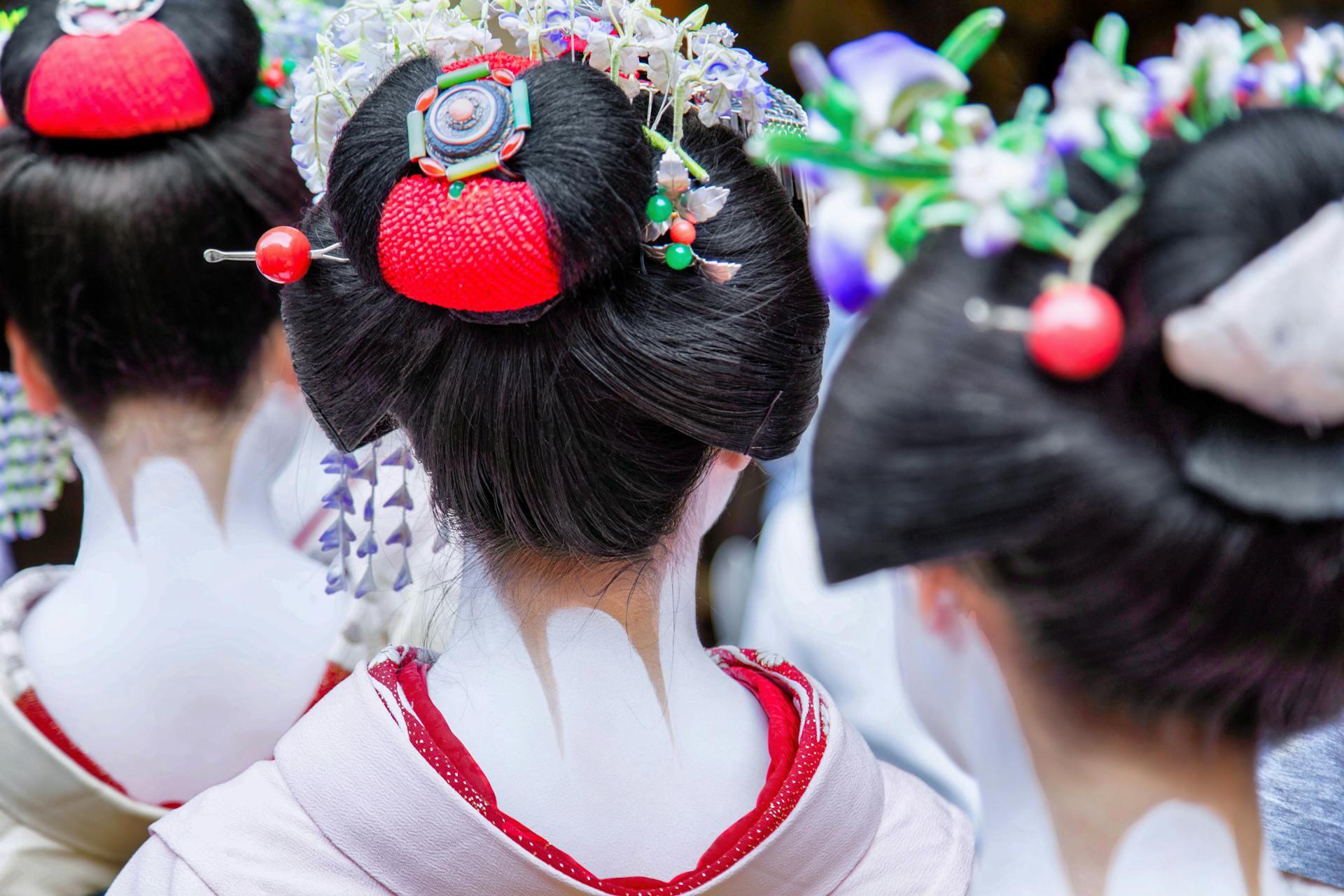
As a place for residential training, maiko were expected to dedicate almost all their time to classes, rehearsals, and practical experience. They would eat, sleep, and breathe geisha, learning how to dress, apply makeup, walk, eat, sing, dance, and converse professionally. Notably, maiko were required to style their natural hair into an elaborate updo and secure it with wax. They’d then need to sleep using a wooden neck pillow and keep their hair from touching the floor to avoid restyling it each day.
After achieving geisha status, they could live on their own, reporting for work each day at the okiya or other venues. Geisha are allowed to arrange their own schedule and take clients independently.
Modern Geisha Training
While contemporary geisha still need to learn all the same skills as their predecessors, the method by which they learn is a bit different. Some maiko still exclusively train by living in an okiya, while others may live at home or on their own and report to the okiya for work each day. Others take private classes instead of or in addition to training at an okiya.
Maiko and geisha off the clock usually dress in modern clothes and live average lives, which is a big change compared to the geishas of yore!
What remains consistent is that maiko training takes years, and geisha continuously hone their skills.
Geisha were known for their ability to create a refined atmosphere. Their presence added a high level of elegance and credibility to social events, which was both valuable and enjoyable for merchants and the upper class.
Geisha Clothing and Makeup
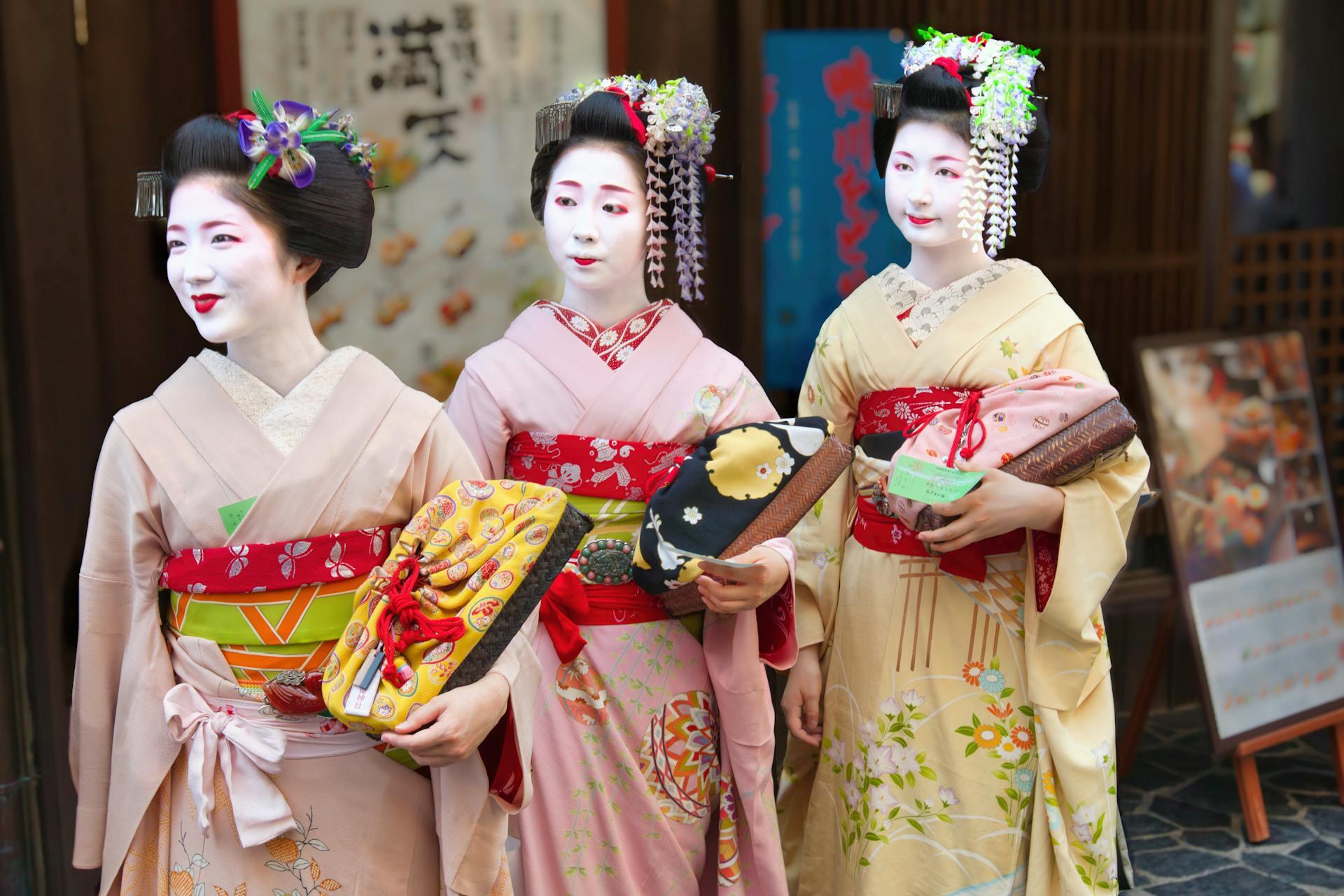
Both maiko and geisha wear intricate attire and makeup, but their fashions are distinct. Maiko wear more elaborate kimonos, hairstyles, hair accessories, makeup and shoes to compensate for their unrefined skills. Geishas’ stylings are subdued and mature, signalling their mastery of other arts aside from appearance.
Maiko must style their natural hair with wax; it’s a time-consuming and intricate process. Geisha get to wear pre-styled wigs instead, which helps protect their natural hair and saves a lot of time.
The white face, lined eyes, and painted lips of a geisha signify status. They also served a practical purpose back before electricity; the exaggerated facial features are easier to see in candlelight.
Geishas in Contemporary Japan
Modern geishas operate differently from their historical counterparts. While the core of the profession is the same, the way geisha navigate the world is quite different in many ways.
Current Numbers and Locations
One of the reasons geisha life is so different today is because of the lack of demand. While there remains a segment of Japanese culture that still wants to see geisha trained and hired, plus a strong tourist interest, the demand is nowhere near what it once was.
Are there still geishas in Japan? Though there are not many compared to the imperial days of the Edo period, there are still hundreds. Gion in Kyoto is the only place in the world that resembles traditional Japan with traditional geisha practices. Even then, there are few geiko and maiko, and it can be rare to see them. Geisha can also be found in the entertainment district in Tokyo, such as Asakusa and Kagurazaka, but the culture is a little more modernised compared to Gion.
Full geisha performances are highly exclusive: they are only provided to patrons, and new patrons can only be accepted by referral. A social gathering with a geisha can cost as much as $10,000 USD.
To make geisha more accessible to others, public and semi-private performances give tourists and non-elite Japanese a taste. Geisha/geiko and maiko often perform during important ceremonies and festivals, offering a rare opportunity to see the art of geisha in action.
Cultural Significance and Public Perception
Across the globe, geisha are seen as cultural ambassadors. They embody a form of Japanese tradition that has survived for thousands of years, despite immense social and economic changes.
Their artistry preserves historic dances, musical techniques and etiquette practices that might otherwise be lost to time. And since these arts are taught through direct learning from teacher to student, there is a direct link between today’s geisha and the ones who performed thousands of years ago.
No. The profession of geisha split off from the other entertainment roles, like courtesan and prostitute, to be distinctly not a sexual job.
Public perception of geisha varies depending on who you ask. Many people, including Japanese, are unaware of what maiko and geisha/geiko do and their importance. Some believe them to be prostitutes. Others feel they hold feminism back by centring their work around entertaining men.
Limited and inaccurate knowledge of geisha often leads to harmful misunderstandings. Still, as cultural organisations and geisha work to share more about the truth of the profession, public opinion is generally positive. Geisha are generally highly respected for their dedication and skill.
Addressing Common Misconceptions
Geisha culture, like many other aspects of Japanese culture, such as weaponry, is often misunderstood. Inaccurate media portrayals (especially Memoirs of a Geisha) and a general air of mystery often lead to uninformed opinions about the art.
Geishas and Prostitution
One of the most persistent myths is that geishas are sex workers. This is not correct.
Geishas are professional entertainers. Their role is to provide engaging artistic performance and refined company at social gatherings. They do not engage in prostitution as part of their work.
This confusion partly stems from the history of entertainment districts, where different professions operated side by side. Courtesans, who offered sexual services, were separate from geishas, although the two may have both worked at the same social function.
Under the strict rules that govern geisha, they are not even allowed to offer sexual services.
Geishas in Popular Culture
Many films, novels, and TV series have featured geisha and shaped global perceptions. Some portrayals are respectful, but many others are inaccurate.
Most often, stories romanticise, exaggerate, or simplify the geisha lifestyle. They tend to focus on romance or drama rather than the discipline, art and business sense that really goes into the profession.
The alluring kimono, hairstyles and makeup may be highlighted without examining their importance, cheapening their role and reducing geisha to an aesthetic.
Tourists often think of geisha as a costumed performer, similar to a Disney actor, rather than a real person at a real job.
Maiko and geisha value their privacy; they have neither the time nor the desire to pose and behave out-of-character with tourists for photos.
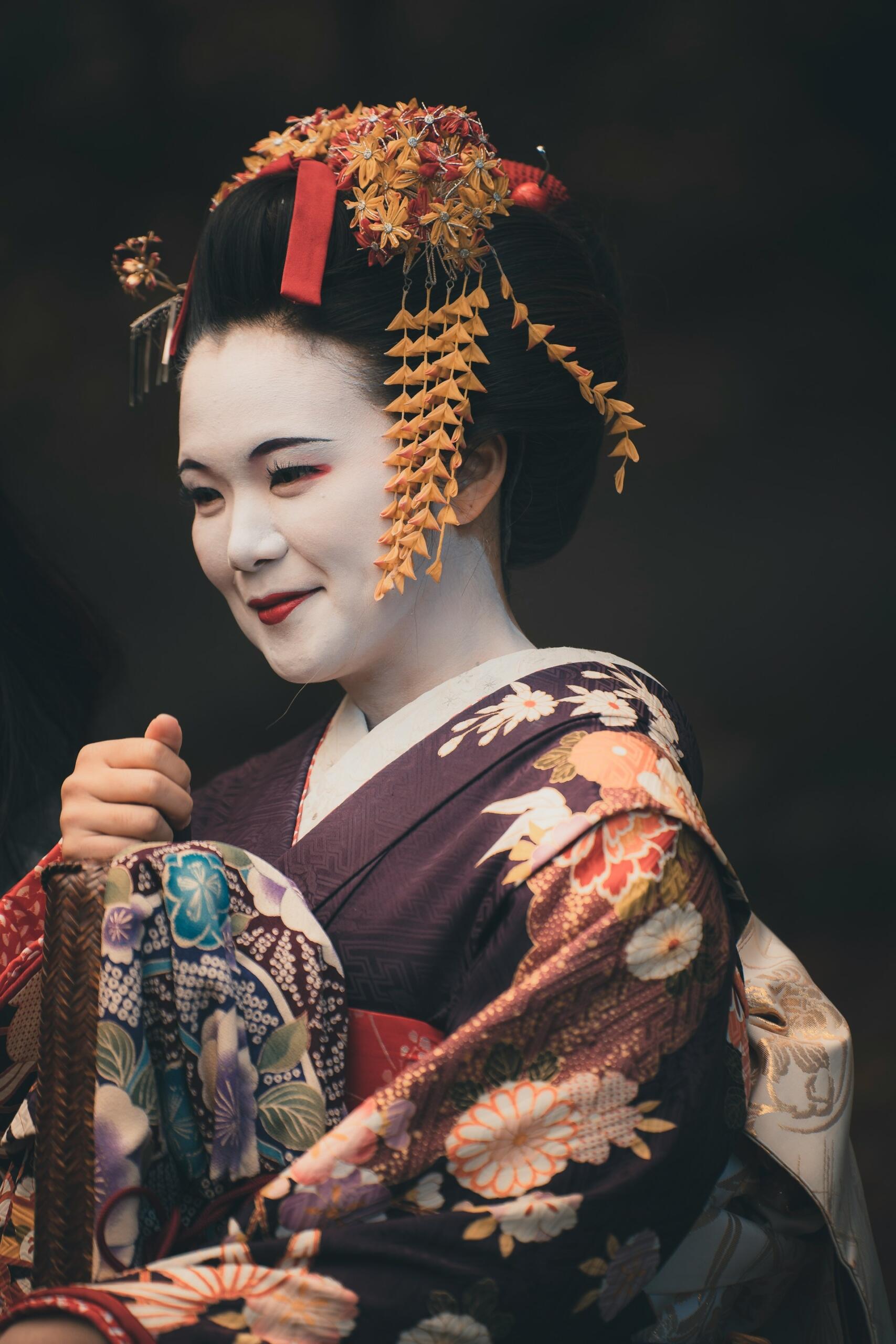
Due to disrespect and aggression from tourists in Gion, some areas of the hanamachi are now photography-free zones. It’s important to remember that geisha have a profession, and it doesn’t involve posing for photos on the street.
Today, the geisha lifestyle looks a lot different from how it did hundreds of years ago, but the women who keep the tradition alive are proud to be part of living history.
References
- “Differences Between Maiko and Geisha and Geiko.” Tea Ceremony Japan Experiences MAIKOYA, mai-ko.com/travel/culture-in-japan/geisha/differences-between-maiko-and-geisha-and-geiko. Accessed 21 May 2026.
- “Geisha and Geiko | the Complete Guide.” InsideJapan Tours | Japan Holidays 2026/2027 | Japan Tour Packages From Australia, www.insidejapantours.com/au/japanese-culture/geisha. Accessed 21 May 2026.
- Harrison, Genie. “The War on Geisha: Identity in the Face of Tradition, Modernity, and the West.” Deeper Japan, 20 Apr. 2026, www.deeperjapan.com/deeper-views/the-war-on-geisha?srsltid=AfmBOorj_dOjpV5Acte4_YafMOKA_rBQWJqPG2us7gRtnDVs4ZhFCKhb. Accessed 21 May 2026.
- Ohlaurashley, and Ohlaurashley. “The Modern Geisha: An Interview.” LAURA WHEATLEY PHOTOGRAPHY, 24 May 2022, www.laurawheatley.com/themoderngeisha. Accessed 21 May 2026.
- “What Is a Geisha?” Tea Ceremony Japan Experiences MAIKOYA, mai-ko.com/travel/culture-in-japan/geisha/what-is-a-geisha. Accessed 21 May 2026.
- What Is a Geisha? (2026 Update) | All Japan Tours. 2 Jan. 2024, alljapantours.com/japan/culture/arts-&-entertainment/What-is-a-Geisha-in-Japanese-Culture. Accessed 21 May 2026.
Summarise with AI:
Did you like this article? Leave a rating!


 Loading...