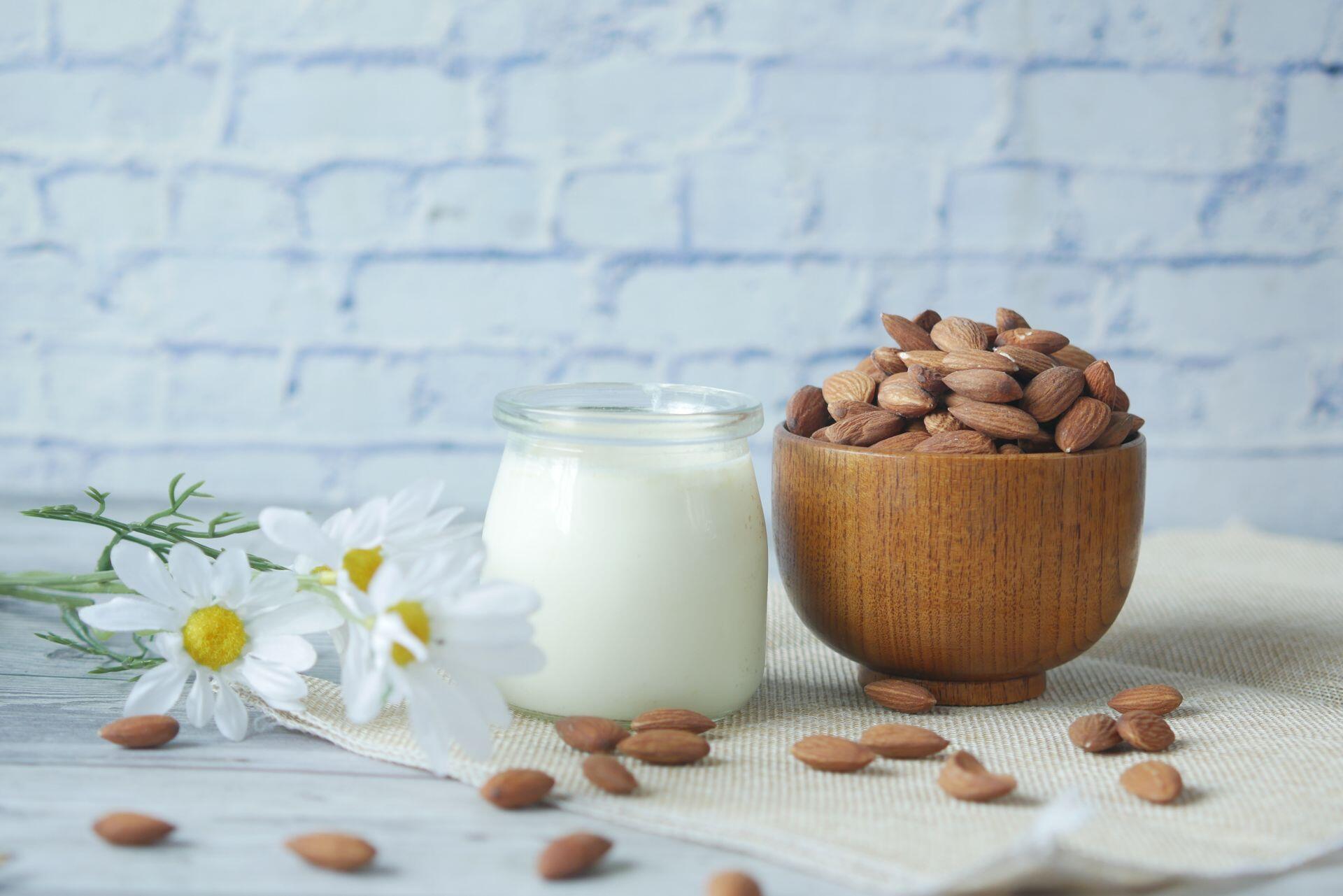

Dairy is one of the main food groups outlined by the Australian government. These days, there are many dairy alternatives to choose from for those who do not consume dairy, whether due to allergies or preferences. Common ones include drinks (milks), yoghurt, cream, cheese and butter made from rice, oats, coconuts, soy, peas, almonds, cashews, hazelnuts, and more. The important part is getting all the right nutrients in a well-rounded diet.


What Dairy Offers in a Healthy Diet
Dairy has long been named a staple food group because dairy (especially cow milk) contains several vital nutrients in high amounts, including:
- Calcium
- Iodine
- Vitamin A
- Vitamin D
- Riboflavin
- Vitamin B12
- Zinc
Especially in the past, these nutrients were harder to find, making dairy a critical source of much-needed energy. Today, people can generally get all these vitamins and minerals from alternative sources, making dairy just one option as a food source, not the only option.
Dairy is often touted as the best (or only) source of dietary calcium, and it’s often believed that not consuming dairy directly leads to osteoporosis and other bone problems. However, there are many places in the world where dairy is not largely consumed, and the rate of osteoporosis is not higher. While it’s true that dairy is one of the most efficient ways to get calcium per kilojoule or gram/milliliter, it’s not the only way.
Why Do People Choose Dairy Alternatives?
There is a cultural shift happening in many places in the world these days: plant-based milks and other non-animal dairy alternatives are becoming more popular. This is the result of many factors.
The rate of lactose intolerance in Australia can be as high as 25%. People with caucasian ancestry are less likely than all other ethnicities to have a severe intolerance to lactose or a cow milk allergy (CMA), but mild intolerances can be common. Many people may not even know they have an intolerance, since dairy is so ingrained in much of society, so they attribute their symptoms to other things or don’t even realise they are having symptoms. These days, more and more people are recognising their allergies and intolerances, increasing the demand for non-dairy products.
Many people don’t like the taste of animal milk. Choosing oat milk in a latte, for example, is increasingly common even among people who otherwise use dairy. Rich plant milks like hazelnut and cashew can offer an elevated taste experience that milk simply cannot (at least, not without a lot of thickeners, additives and sugars).
Plant-based and vegan diets are also on the rise. People who eat these diets do not consume any animal products. For some, it’s about health and avoiding saturated fats. For others, it’s about ethics and environmentalism.
Animal milk tends to have a heavy environmental impact. From raising and feeding the animals, to gathering the milk, to processing the milk and shipping it, the process is usually resource-heavy. Plant milks are usually less taxing on the environment.
Dairy can be full of fat, especially saturated fat, as well as salt. Some health-conscious people choose to avoid or limit their animal milk intake in an effort to control their weight or other health aspects. Choosing low-fat dairy can also be a partial solution, but sometimes comes with added sugar.
Since non-dairy alternatives are more popular, people who cook and bake are becoming more fluent in which milks perform better in different recipes. Even people who typically use cow milk sometimes substitute coconut milk, for example, in order to achieve a certain taste or texture in a food.

Popular Dairy Alternatives Compared
To put it simply, dairy alternatives are substitutes for foods typically made from cow’s milk. Other animal milks, like goat’s milk, are beginning to get their own substitutes as well. Most milk substitutes are made from plants, usually soybeans, almonds, oats, coconuts, rice, or peas. Some use oils along with the plant ingredients, sometimes combined with fermentation bacteria, to mimic dairy foods like cheese, yoghurt, sour cream and butter.
These products are now easy to find in most Australian supermarkets. They are sold as drinks, spreads, cooking ingredients, and snack foods. Some are designed to taste close to the original dairy product. Others are made with nutrition in mind, such as higher protein or added calcium. They are usually low-fat, but some nuts (like cashews and coconuts) contain a lot of natural oil, so be sure to read labels.
In Australia, non-dairy products are typically not allowed to be labelled as “milk”, “ice cream”, “cream”, etc., since they contain no dairy fat. Don’t let that confuse you! Products called ‘nut drink’, ‘non-dairy frozen dessert,’ or other such names are just the legal ways companies are allowed to refer to their plant-based products. Check the ingredients label, nutrition facts, and company information to inform your opinion on the product.
The most common dairy alternatives are milk substitutes. Each type of plant milk has a different mix of nutrients and flavour profile that suits different cooking and baking recipes. Here’s a rough guideline for using plant milks in lieu of dairy.
| Item | Calcium (per 100g) | Protein (per 100g) | Overall nutrient profile | Taste and texture | Best use |
|---|---|---|---|---|---|
| Cow's milk (regular fat ~3.5%) | 106mg | 3.3g | Contains essential vitamins, but can be high in fat | Creamy, slightly sweet | Baking, cereal and prridge, coffee, smoothies |
| Soy beverage (fortified with Ca & vitamins A, B1, B2 & B12) | 115mg | 4.4g | Usually high in protein, often fortified with calcium and vitamins, typically comes in many flavours (watch for added sugar) | Mild, smooth, closest to cow’s milk | Tea, coffee, cereal, smoothies, cooking |
| Rice beverage (fortified with Ca) | 70mg | 0.3g | Usually low in protein and fat; often higher in carbohydrate | Light, sweet, thin | For people avoiding soy, nuts, or oats; drinking on its own; cereal, porridge |
| Almond beverage (no added sugar, added Ca) | 66mg | 0.5g | Low in protein and often low in kilojoules; usually lower in fat | Light, nutty, thin | Smoothies, baking, cereal |
| Coconut beverage (fortified with Ca) | 90mg | 0.2g | Usually low in protein; can be higher in saturated fat depending on the product | Distinct coconut flavour, creamy | Cooking, baking, desserts, flavour-rich recipes |
| Oat beverage (fortified with calcium & vitamins) | 69mg | 0.5g | Often higher in carbohydrate; some versions are higher in fibre; protein is usually modest | Creamy, slightly sweet | Coffee, desserts, porridge, baking |
Most non-dairy beverages are fortified with vitamins and minerals to make them nutritionally comparable to dairy milk. This isn’t because they are inferior products; it’s so that the average person can make a 1:1 swap from what’s typically used in our society (cow milk) to a different option. Note, however, that most plant milks (aside from soy) typically have less protein than cow milk, even with fortification. Some may also contain too many carbohydrates or sugars, and should be used with discretion.
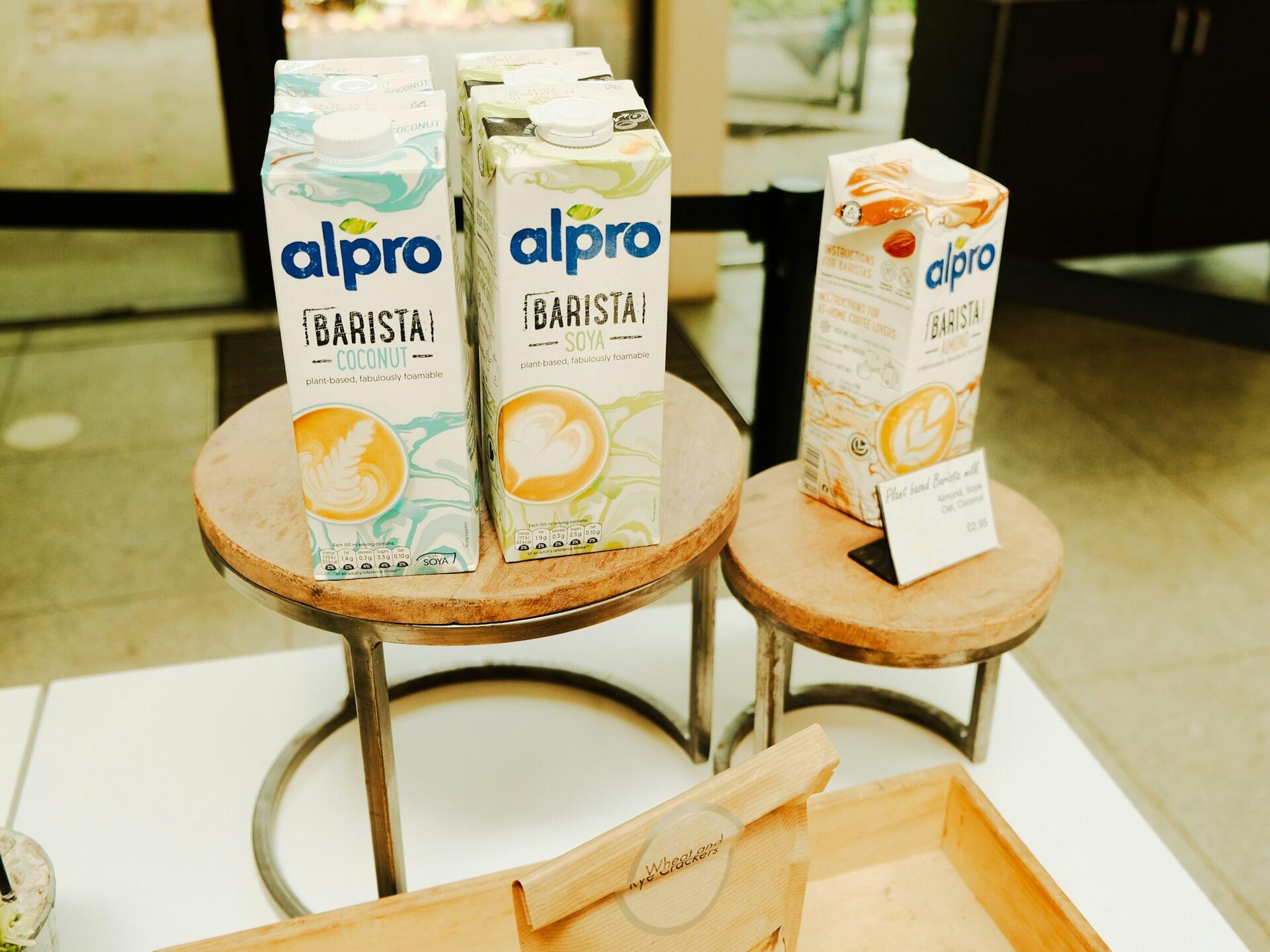
A useful rule to remember can be this: if nutrition matters most, choose soy. If taste or texture matter most, you might choose oat or almond instead. For curry or desserts, coconut might work best. If you need to avoid nuts and soy, rice milk is a good option.
Exploring the world of plant milks can be exciting because it unlocks many new flavours and textures you simply can’t experience when you stick to only cow milk. Decadent plant drinks like hazelnut, cashew and pecan offer a rich, sweet flavour profile. Heartier options like pea and hemp are perfect for protein smoothies for the health-conscious person or athlete.
Beyond Milk: Other Non-Dairy Products
Dairy alternatives also include cheese, yoghurt, butter, cream, and ice cream. These products have improved in quality and flavour a lot in recent years, but they still vary widely in nutrition. Here’s what you need to know about common options today.
Yoghurt
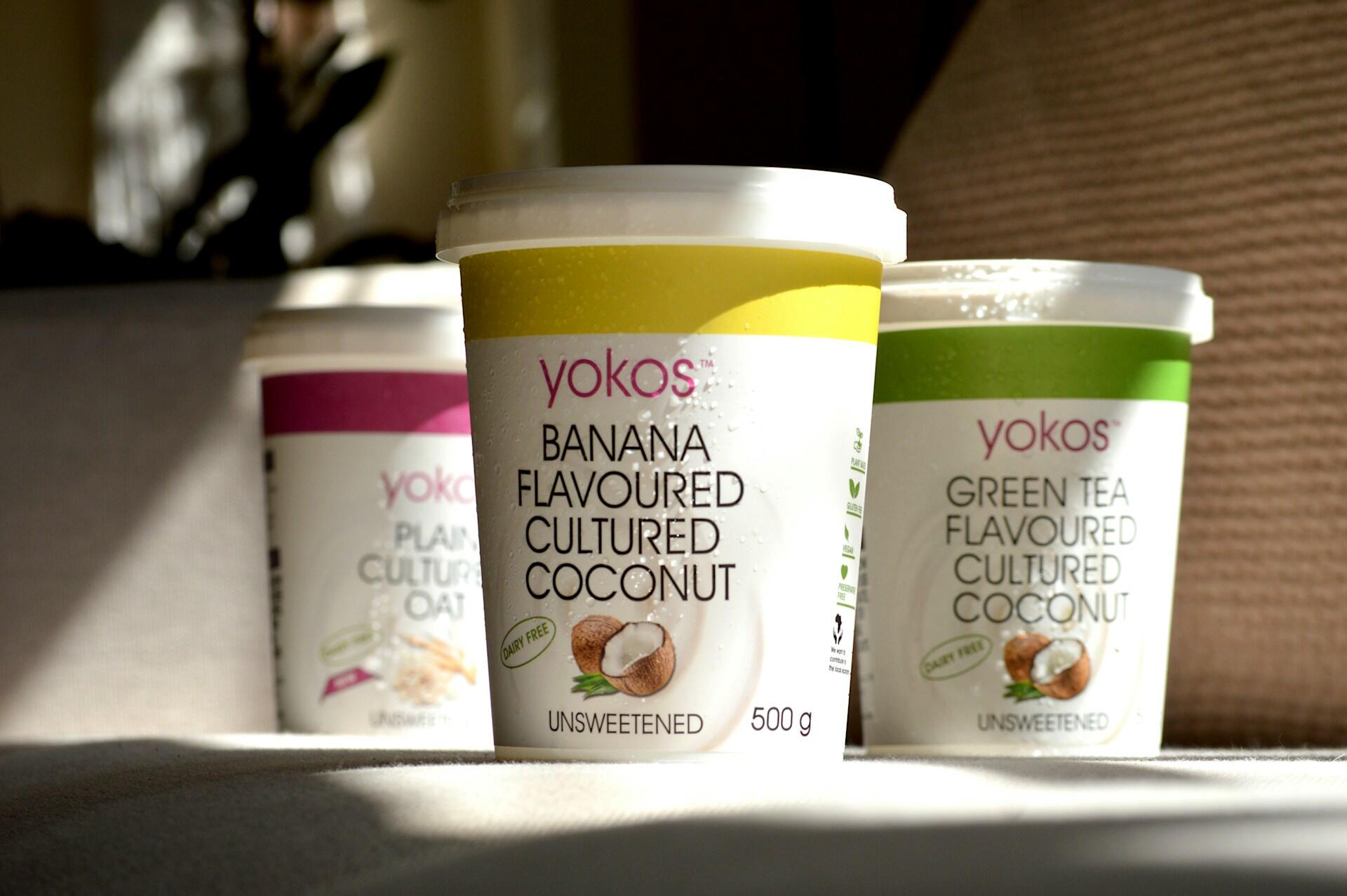
Plant-based yoghurt is usually soy- or coconut-based, though almonds and oats can also be used. The base is sometimes fermented with cultures just like dairy yoghurt. Some brands might use thickeners rather than cultures to create that familiar creamy texture. Look for versions with live cultures that are good for gut health.
Protein levels can vary widely. Soy-based yoghurt tends to be the healthiest, with the highest protein content. All yoghurts (including dairy) tend to be high in sugar, so watch out for sugar content and the protein to sugar ratio.
Cheese
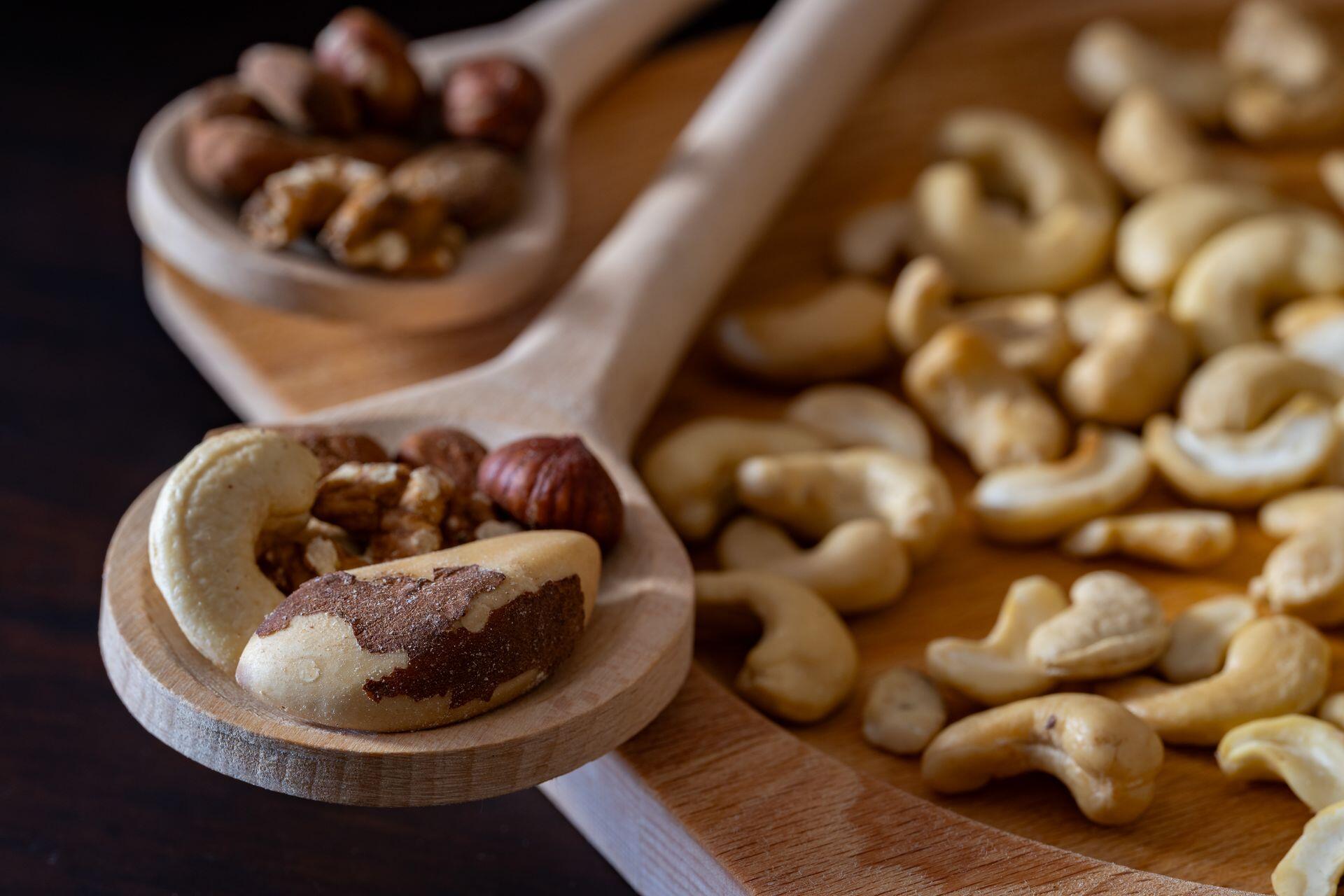
Cheese alternatives are usually made from nuts, oils, and starches, along with soy products. Some are designed to melt, while others are created to be used as solid slices or shreds. They are usually lower in protein than cow cheese, and may contain more salt or saturated fat.
Plant-based cheeses often contain a lot of oils and should not be considered a 1-to-1 replacement for dairy cheese. This is because the cheese-making process was designed for animal milks. To mimic the natural fat content of animal milk, lots of oil and other thickeners are usually added to plant-based cheese, making them a discretionary food rather than a nutritional staple.
Butter
Butter alternatives are usually made from plant oils such as canola, olive, or coconut oil. They are made to spread, cook, or bake like butter. Some contain less saturated fat than dairy butter, while others do not. Coconut-based spreads, for example, can still be high in saturated fat.
Cream
Cream alternatives are common in cooking. These are often made from soy, oat, or coconut. Coconut cream is rich and creamy, making it a good choice in curries or desserts. Oat cream is milder and works well in sauces. Soy cream is useful when a more neutral flavour is needed.
Ice Cream
Non-dairy frozen desserts are usually made of soy, oat, or coconut bases. They can be quite sweet, as with any ice cream, and may contain a lot of fat. The texture and flavour are often comparable or even preferable to dairy desserts.
Is It Dairy?
There is often some confusion surrounding what is dairy food, exactly. Dairy is defined as food made from the milk of mammals. Most commonly, this is cow milk, but goat, sheep, camel, yak, and buffalo milk are also common in some parts of the world.
Here’s a quick reference list of items that are and are not dairy products:
Is Dairy
- Ghee
- Butter
- Milk chocolate
- Sherbet
- Kefir
- Skyr
- Traditional pesto
Is Not Dairy
- Eggs (come from birds, not mammals)
- Mayonnaise (contains eggs, not milk)
- Milk-free chocolate and dark chocolate
- Dairy-free kefir
- Vegan cheese
- Soy milk (and other plant “milks”)
- Tofu
Is Sometimes Dairy, Sometimes Not Dairy
- Dark chocolate
- Nougat, caramel, etc
- Margerine
- Salad dressing
- Artificial sweeteners
- Flavoured chips, snacks
- “Non-dairy” creamers
- Cocktails and mocktails
- Battered foods (e.g. tempura, corn dogs, fish fillets)
- Sorbet
- Beef hot dogs, deli meats
- Canned tuna
- Chicken broth, gravy
- Protein and energy drinks, supplements
- Bread crumbs
- “Plant-based” items
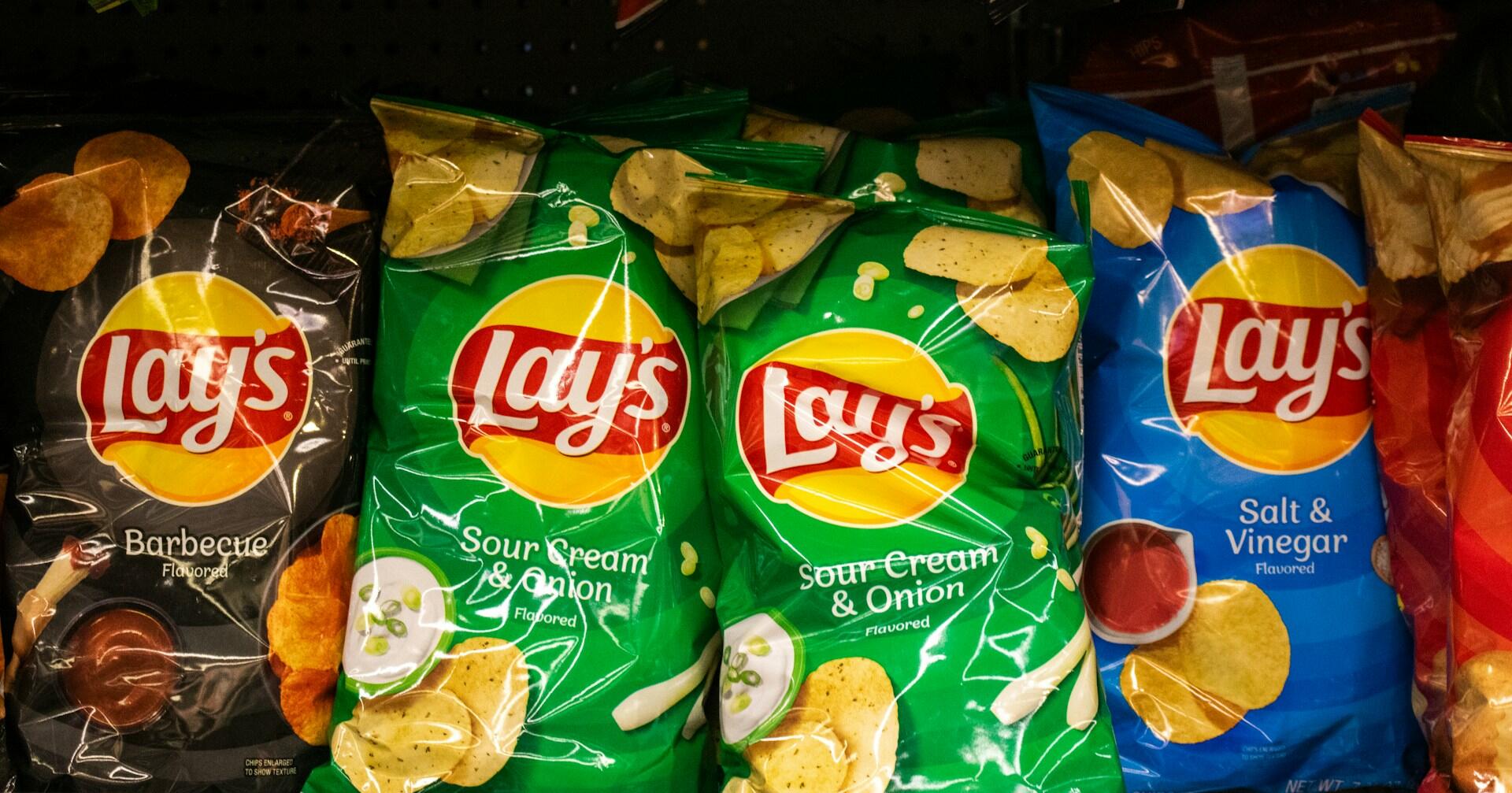
Some items are labelled “non-dairy” because they don’t have milk as an ingredient, but they still contain milk-derived ingredients, like whey. Always look at ingredient labels for milk powder, casein, caseinate, and lactalbumin, which mean there are milk-derived substances in the product.
Lactate, lactic acid, and lactylate can sometimes be derived from milk, but can also be derived from plants. If you have an allergy, the origin doesn’t matter, and you should avoid these ingredients. But if you’re avoiding dairy as a plant-based or vegan person, then plant-based versions of these ingredients are okay for you.
“Lactose-free” foods can still contain dairy, but the lactose has been removed or broken down. “Dairy-free” foods are generally made without any dairy at all.
People with lactose intolerance (which is different from a milk allergy) should avoid milk, soft cheeses, and ice cream. Hard cheeses, yoghurt and lactose-free dairy options can be safe, since they are processed in ways that generally turn the lactose into different substances (like lactic acid or lactate).
Getting Enough Calcium Without Dairy
One of the biggest concerns with dairy alternatives is the lack of calcium. The concern is reasonable, since most people get the majority of their calcium from dairy; plus, most Australians don’t get enough dairy in their daily diets. Not many people suffer from a complete calcium deficiency in modern society, but many people do have a mild insufficiency. Lack of calcium throughout life can lead to problems with bone health later in life, like osteoporosis, among other things.
The good news is that you can still get enough calcium without dairy. The key is the same as general dietary advice: focus on a variety of healthy food choices. Many plant milks are fortified with calcium, which means calcium is added during processing to make them comparable to dairy milk. They also often contain fortified vitamins and minerals, which can make them more nutritious than cow milk in some ways (aside from protein content).
Beyond milk alternatives, many other foods are rich in calcium. Emphasising vegetables and legumes can be a healthy choice.
- Leafy greens (kale, spinach, seaweed/nori, grape leaf, etc)
- Fruits (figs)
- Seeds & nuts (chia, poppy, sesame, almond, lupin, flax)
- Herbs (thyme, sage, oregano, rosemary, etc)
- Meat alternatives (mycoprotein, soy-based)
- Beans (soy, textured vegetable protein, tofu, tempeh, chickpeas)
- Fortified grain products (cereal, bread)
- Fish & meat (sardine, sprat, prawn, gelatine, salmon with bones, oysters)
- Supplements (if needed)
Be sure to check labels. Not every plant milk is fortified, and not every yoghurt or cheese alternative gives useful amounts of calcium or protein. For people cutting out dairy, monitoring calcium, protein, and vitamin D intake is important to take note of when planning what to eat during the average week.
References
- “10 Foods You Didn’t Realise Contain Milk.” Australian Institute of Food Safety, 20 Nov. 2024, blog.foodsafety.com.au/10-surprising-foods-contain-milk. Accessed 26 July 2026.
- Australian Food Composition Database | Food Standards Australia New Zealand. www.foodstandards.gov.au/science-data/food-nutrient-databases/afcd. Accessed 26 July 2026.
- “Australian guide to healthy eating.” eatforhealth.gov.au, www.eatforhealth.gov.au/guidelines/australian-guide-healthy-eating. Accessed 26 July 2026.
- “Dairy and Alternatives in Your Diet.” nhs.uk, 19 July 2024, www.nhs.uk/live-well/eat-well/food-types/milk-and-dairy-nutrition. Accessed 26 July 2026.
- “Dairy and Dairy Alternatives.” Better Health Channel, www.betterhealth.vic.gov.au/health/healthyliving/Dairy-and-dairy-alternatives. Accessed 26 July 2026.
- Healthdirect Australia. “Dairy Foods.” Healthdirect, www.healthdirect.gov.au/dairy-foods. Accessed 26 July 2026.
- “Milk, yoghurt, cheese and / or their alternatives ( mostly reduced fat ).” eatforhealth.gov.au, www.eatforhealth.gov.au/food-essentials/five-food-groups/milk-yoghurt-cheese-andor-their-alternatives-mostly-reduced-fat. Accessed 26 July 2026.
Summarise with AI:
Did you like this article? Leave a rating!

 Loading...