

Fat has been at the centre of dietary debates for decades. Foods high in saturated fat tend to come from animal products and heavily processed foods: fatty meat, butter, cream, cheese, coconut and palm oil, packaged snacks, pastries, and fried food. This type of fat is generally the kind health officials recommend avoiding. Unsaturated fat, on the other hand, tends to be found in foods like olive oil, avocados, seeds, and certain fish. Find out what each type of fat does to the body, and how much you should be getting per day.


The Four Types of Fat in Food, Explained Simply
Emerging research about fat suggests that different types of fats affect the body in different ways. Some fats contribute to worse health outcomes, especially in terms of cardiac and insulin function. Others appear to be helpful for health. Here’s what you need to know about the main types of fats found in the average diet.
Saturated fat
Saturated fat (known as "bad" fat) is usually solid at room temperature. It is found in animal products such as meat and dairy, as well as some plant oils like coconut oil and palm oil. Low-fat dairy can have less saturated fat, but often has more sugar. It’s especially prevalent in fried foods, processed snacks and pastries. Eating high amounts is linked to higher LDL cholesterol, which can increase the risk of heart disease. There are different kinds of saturated fat: small, medium, and long-chain saturated fats.

Unsaturated fat
Unsaturated fats (known as "good" fats) are generally liquid at room temperature and are considered more beneficial for health. They come mostly from plant-based foods and fish. These fats can support heart health when they replace saturated fats in the diet. There are two types of unsaturated fat: monounsaturated fatty acids (MUFA) and polyunsaturated fatty acids (PUFA).
Monounsaturated fat
This is a type of unsaturated fat found in foods like olive oil, avocado, and certain nuts. It is associated with improved cholesterol levels and lower heart disease risk.
Polyunsaturated fat
This includes omega-3 and omega-6 fatty acids. These are essential fats, meaning your body cannot make them. They are found in fatty fish, seeds, and some plant oils. Omega-3 fats, in particular, support heart and brain health.
Trans fat
Trans fats are mostly artificial and found in some processed foods like baked goods and fried foods. They are also known as hydrogenated fats. However, they can also occur naturally in animal products, especially full-fat dairy and fatty fish. They raise bad cholesterol and lower good cholesterol. Health authorities recommend avoiding them as much as possible.
There is no ban on trans fats, nor is there a strict labelling law in Australia that requires manufacturers to disclose if trans fats were used in the production of a food. However, they are rarely used in Australian foods, and a 2009 survey from Food Standards Australia New Zealand showed that most Australians consume well below the recommended limit outlined by the World Health Organisation (WHO).
Saturated vs Unsaturated Fat: The Key Difference
The difference between saturated and unsaturated fat comes down to their chemical structure and how they behave in the body. This small variance between carbon atoms completely changes how cells use them and the effect they have on the body.
Saturated fats do not have double bonds between their carbon atoms. This means they are more stiff and stable, typically assuming a solid state at room temperature.
Monounsaturated fats have one double bond between carbon atoms, and polyunsaturated fats have two or more double bonds. This makes them more flexible; unsaturated fats are usually liquid at room temperature.
This structural difference affects how the different fats interact with cholesterol. The exact science is difficult to explain in a simple way. What you need to know is that saturated fats raise low-density lipoprotein (LDL) “bad” cholesterol levels, which can contribute to an increased risk of cardiac disease and stroke. High LDL levels can lead to a buildup of plaque in the arteries, causing blockages.
Trans fats take this a step further, appearing to lower HDL while increasing LDL. That’s why trans fats are considered so harmful.
Unsaturated fats appear to have the opposite effect, reducing LDL cholesterol and even increasing high-density lipoprotein (HDL) “good” cholesterol. The outcome is that excess cholesterol is removed from the bloodstream.
Eating a diet with all the main food groups is the key to a healthy lifestyle.
When you replace saturated fats with unsaturated fats in your diet, you actively make your body healthier. If you start buying low-fat versions of products in an effort to reduce saturated fat intake, be sure to thoroughly read the nutrition information. Many products replace saturated fat with sugar or carbs rather than unsaturated fat. Some studies show that replacing saturated fats with sugars or carbs can lead to even worse health outcomes than just sticking with the saturated fat.
Is It a Healthy Fat? Common Foods Explained
Determining if a food is a “good” or “bad” fat isn’t a simple yes or no question. The answer usually depends on the different types of fat they might contain, how often you eat them, and what other things you usually eat. Here’s a quick run-down on some common sources of fat and their health implications.
Avocado
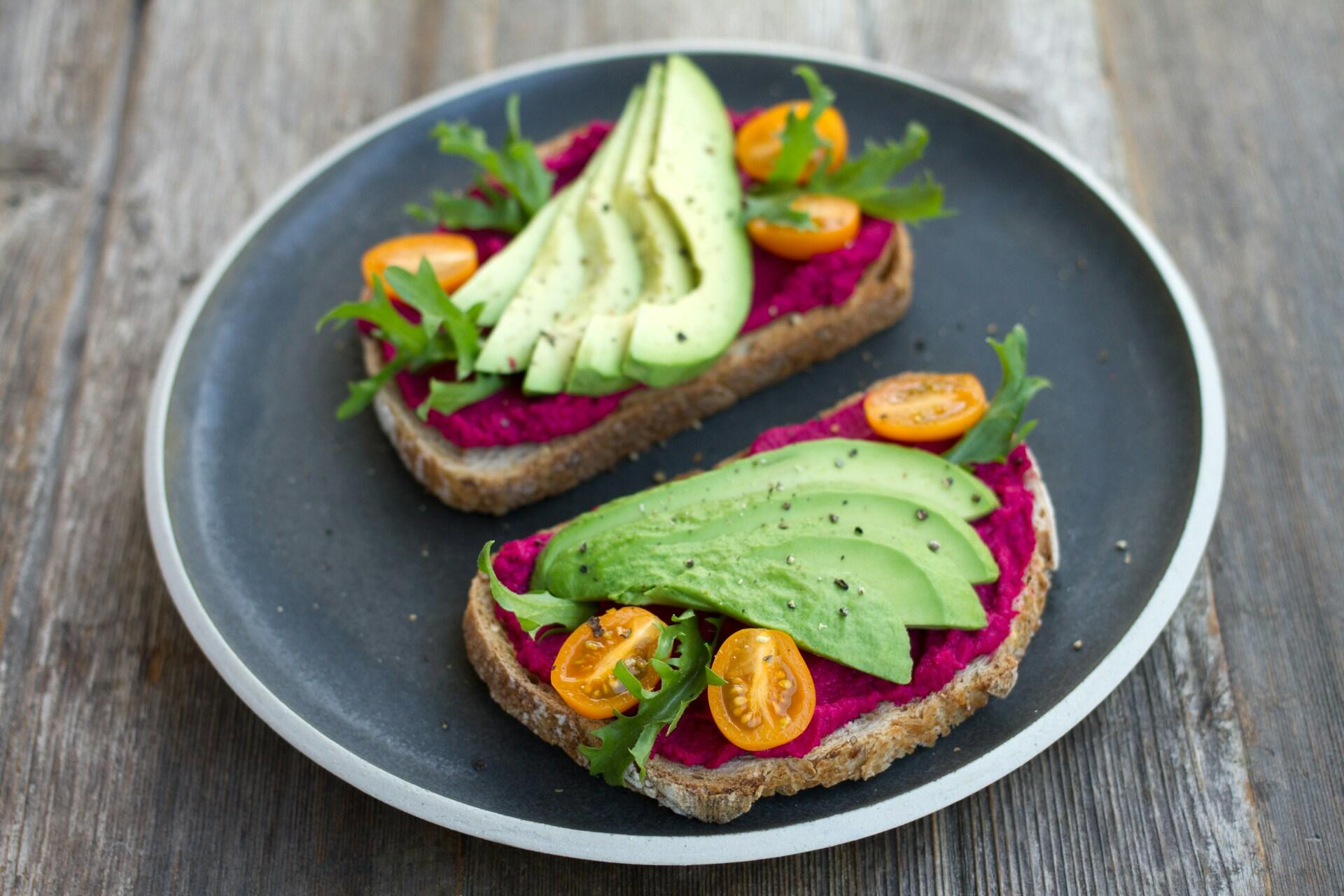
Avocados are high in monounsaturated fat. They are considered a healthy fat and are linked to improved heart health when eaten in moderation. If you replace coconut oil, lard or butter with avocado oil in recipes, you can improve your health.
Olive oil
Olive oil is rich in monounsaturated fat and antioxidants. It is one of the best oils for everyday cooking and salad dressings. It can be eaten uncooked or as part of a cooking or baking recipe.
Coconut oil
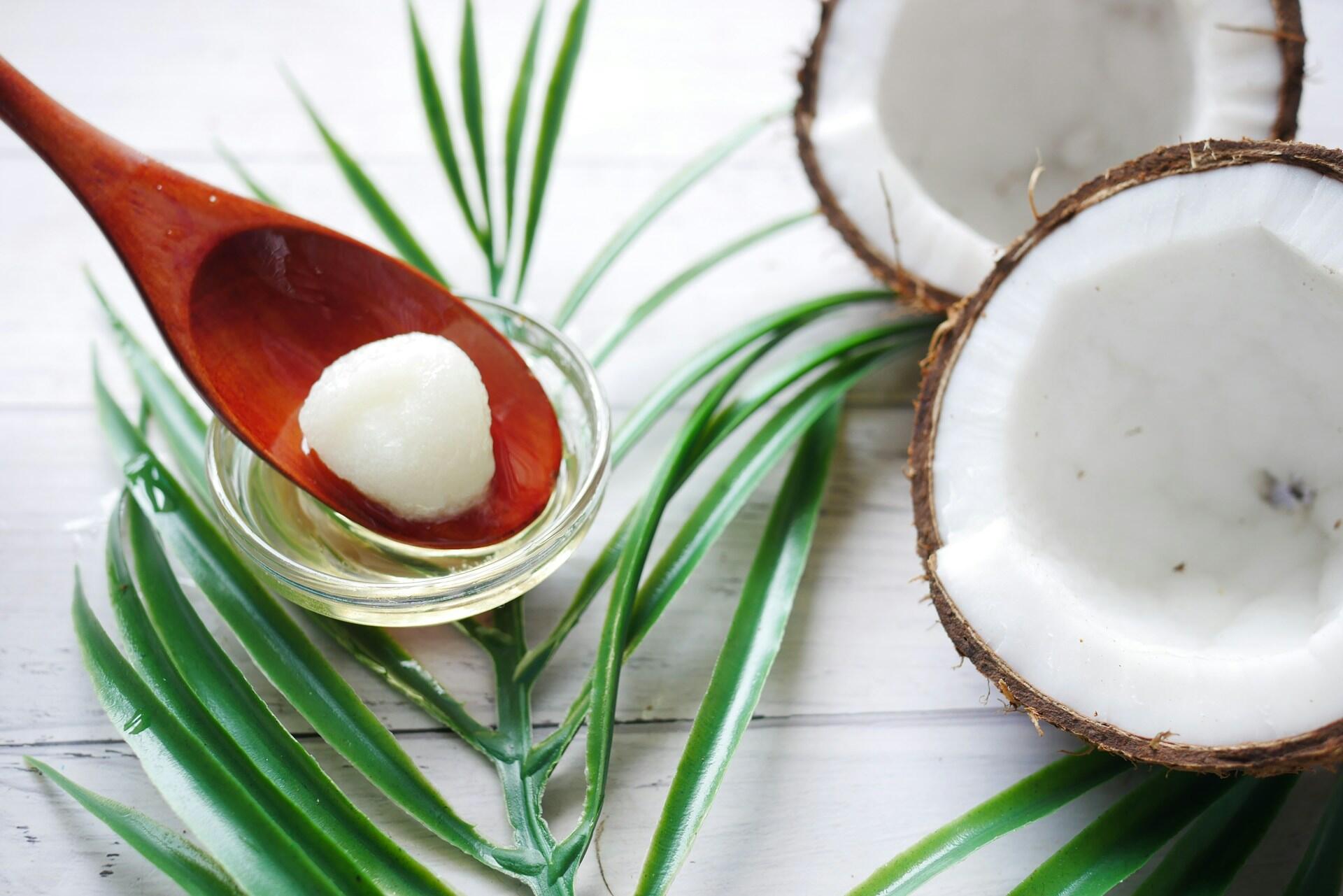
Coconut oil is high in saturated fat, despite being plant-based. It can raise LDL cholesterol, but also HDL cholesterol. It also contains medium-chain triglycerides (MCTs) that can be beneficial for brain health. It also contains no carbohydrates. All in all, coconut oil is a mixed bag of health effects. It is best used sparingly rather than as a main cooking oil, but can be healthy in occasional small quantities.
Nuts
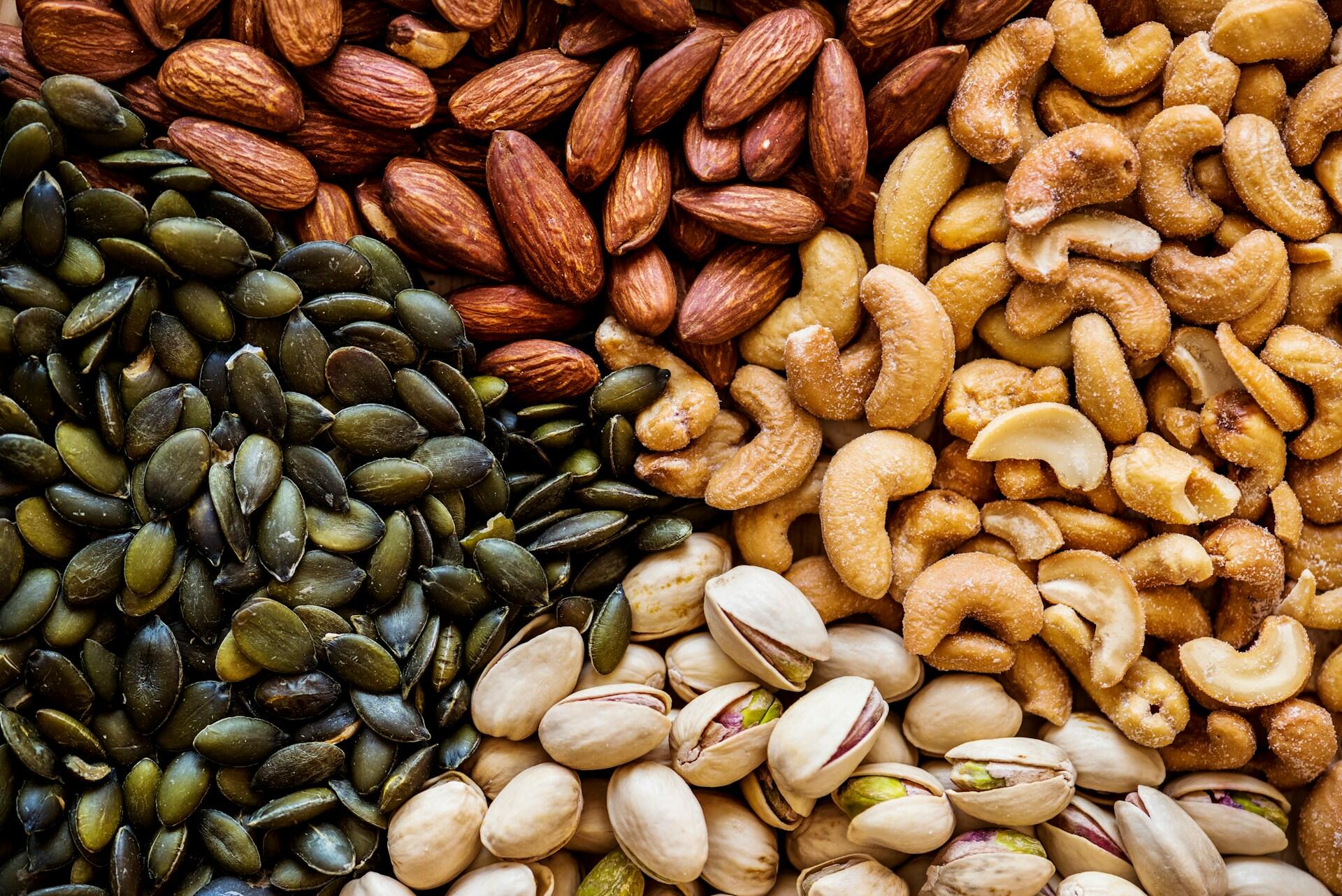
Most nuts contain a mix of monounsaturated and polyunsaturated fats. They are nutrient-dense and support heart health when eaten in small portions. Nuts can be a great replacement for crisps, as long as they do not have too much added salt or sugar. Nuts are very energy-dense (have a lot of kilojoules per gram), so stick to one or two handfuls per day.
Butter
Butter is high in saturated fat. While small amounts are fine, frequent use can contribute to higher cholesterol levels. It can be better to replace butter with vegetable oil, olive oil, or avocado oil whenever possible.
Foods High in Saturated Fat
Knowing which foods are high in saturated fat can help you make better choices. You can come up with a practical solution, such as replacing the items with a healthier alternative whenever possible. These foods tend to be high in saturated fats:
- Fatty cuts of beef, lamb, and pork
- Processed meats such as sausages, bacon, and salami
- Butter and ghee
- Cream and full-fat milk
- Cheese, especially hard and processed varieties
- Coconut oil and palm oil
- Pastries, cakes, and biscuits
- Fried takeaway foods
Foods Lower in Saturated Fat and Healthier Swaps
Swap out the foods listed above with foods with low saturated fat to create a healthier overall diet. Remember to avoid adding more sugar or carbs while making your swaps!
Unsaturated fats are considered a healthy nutrient for most people. Like anything, consuming too much can be harmful, but it’s also necessary to have fat for a functioning body. Unsaturated fat can reduce the risk of heart disease, lower triglycerides, and reduce inflammation. The body uses fat and HDL to perform vital functions that have to do with blood viscosity, brain function and hormone production.
These foods are lower in saturated fat and higher in unsaturated fat. They can be a healthier choice, making the decision to swap a simple one.
- Olive oil or canola oil: Use instead of butter, tallow, or lard
- Lean meats and skinless poultry: Use instead of fatty meats
- Fish, legumes (faux meats in moderation): Use instead of processed meats
- Low-fat dairy products: Use in moderation to replace full-fat dairy; be aware of increased sugar or carb content
- Nuts and seeds: Eat these as snacks instead of crisps or other fatty processed options
- Avocado: Use instead of mayonnaise or cream in salad dressings
Many foods with unsaturated fat also contain a lot of protein, making them a good choice for hitting multiple nutrients.
How Much Fat Do You Actually Need?
Fat is not a nutrient you need to completely cut out of your diet. Fat is essential for energy, hormone production, and nutrient absorption.
Saturated fats should be limited, but unsaturated fats are essential for health and bodily functions. It’s recommended to get about 2 serves of 250 kJs of unsaturated fats per day. The focus is on the amount of energy (kilojoules) you consume that comes from fat, rather than the number of grams.
of your daily energy intake
of your daily energy intake
This means that a serving of fat can look very different depending on its source. 250 kJ of almonds is about 10 almonds, but 250 kJ of olive oil is about half a tablespoon.
Certain modern fad diets emphasise ingesting large amounts of animal fats. While these diets can sometimes lead to weight loss due to complex body chemistry, they can also lead to poor heart health. Remember that even people who appear thin and muscular can have arteries full of plaque if they eat too much saturated fat! The focus should be on a well-rounded diet that incorporates recommended amounts of fat alongside other vital nutrients, like fibre from fruits and vegetables.
References
- “4364.0.55.012 - Australian Health Survey: Consumption of Food Groups From the Australian Dietary Guidelines, 2011-12.” Australian Bureau of Statistics, 11 May 2016, www.abs.gov.au/ausstats/abs@.nsf/Lookup/by%20Subject/4364.0.55.012~2011-12~Main%20Features~Unsaturated%20spreads%20and%20oils~10002. Accessed 26 July 2026.
- Australian Food Composition Database | Food Standards Australia New Zealand. www.foodstandards.gov.au/science-data/food-nutrient-databases/afcd. Accessed 26 July 2026.
- “Australian guide to healthy eating.” eatforhealth.gov.au, www.eatforhealth.gov.au/guidelines/australian-guide-healthy-eating. Accessed 26 July 2026.
- DiNicolantonio, James J., and James H. O’Keefe. Monounsaturated Fat Vs Saturated Fat: Effects on Cardio-Metabolic Health and Obesity. 1 Feb. 2022, pmc.ncbi.nlm.nih.gov/articles/PMC9312452. Accessed 26 July 2026.
- Dowden, Angela. The Truth About Saturated Fat. 24 Feb. 2022, www.bbc.com/future/article/20190712-saturated-fat-worse-than-unsaturated-fat. Accessed 26 July 2026.
- “Fats and trans fats.” NSW Government | Food Authority, www.foodauthority.nsw.gov.au/consumer/keeping-food-safe/other-topics/fats-and-trans-fats. Accessed 26 July 2026.
- World Health Organization: WHO. Healthy Diet. 26 Jan. 2026, www.who.int/news-room/fact-sheets/detail/healthy-diet. Accessed 26 July 2026.
Summarise with AI:
Did you like this article? Leave a rating!


 Loading...