

So you’ve taken French courses, learned to speak French, know everything there is to know about French culture and French etiquette and have been living in France for some time. Now you're ready to take the next step - becoming a French citizen!
France is renowned for its byzantine bureaucracy and often frustratingly slow administration. Becoming a citizen is no different - it isn't a very straightforward process - and it is clearly not an option available for everyone. It is only applicable to those who were born on French soil, who were born to French parents, who have lived in France for five years, or who are married to a French spouse.
If you're at the beginning of your French citizenship journey and feeling daunted by the task, let us walk you through some of the conditions set by the French government to determine who can be French citizens - and the process of acquiring the papers you need.
Start taking French lessons Brisbane here on Superprof.


Becoming A French Citizen at Birth
The easiest way to obtain French citizenship is to be born to it - which, of course, is not an option for everyone. But, in the interests of completeness, let's talk through the two ways a newborn can become a citizen of France through birthright citizenship. This can happen either by being born on French soil or being born to citizens of France somewhere else in the world.
See how you can find out about how to take effective french classes in Adelaide here.

Be born in France: jus soli
First thing's first: you are entitled to French citizenship if you were both born on French territory and you meet one of the following requirements:
- You have been a permanent resident of France since at least the age of 8. In this case, your parents can apply to have you granted dual citizenship when you reach the age of 13. That means that you've lived in France for at least five years.
- You are 16 years of age and have resided in France for a total of five consecutive or non-consecutive years since the age of 11. In this case, you are entitled to apply for citizenship status before you reach the age of consent at 18. Again, five years is the magic number.
- You have lived in France for 5 years since you turned 11. Here, you automatically become a French citizen at the age of 18.
This principle of jus soli is common in the Americas, but nowadays in uncommon in France and throughout Europe. Jus soli is also known as "birthright citizenship" and it is the principle that any child born in a certain country automatically has the right to citizenship in that country. Contrast this to jus sanguinis (sanguinis = blood!), which means receiving citizenship through your parents - ie. if they are French citizens you'll automatically become a state citizen.
However, the growth of 'birth tourism' - in which people would give birth in a foreign country merely to have their kid be entitled to citizenship - encouraged states to change their laws.
These days, any youth born in France automatically becomes a French citizen if they serve in the military. So perhaps it's time to weigh up your options - is a stint in the military worth a quick route to French citizenship?
Good to know: jus soli is applied today in Europe to help stateless persons obtain at least one nationality. France is a signatory of the 1961 Convention On The Reduction Of Statelessness, which means that it is obligated to grant naitonality to anyone who was born on their territory who cannot obtain any other nationality.
Be born to French parents: jus sanguinis
Anyone born to at least one French parent is automatically a French citizen. As you can see, this one is pretty straightforward.
By submitting the child’s birth certificate (naming both its parents) and a copy of the French parent’s proof of citizenship to your consulate or local town hall and you will receive the French “livret de famille”. If the child was born in a foreign country, you'll be given a French birth certificate where any marriages or divorces will be entered.
Underage children of a naturalized immigrant also automatically can become a legal permanent resident of France.
Becoming Naturalized a French Citizen
If you are not lucky enough to be born French - don't fret! You still have a few options for becoming a citizen of France. However, these will all take considerably more time, effort and money on your part.
If You are Married to a French Citizen
Citizenship through marriage is something you should only consider if you are already married to a Frenchie. Entering into a hymenal relationship simply to acquire citizenship does not often lead to a happy wedded life.
Especially since you need to have been married at least four years before you can apply for citizenship by marriage, and your spouse needs to have been a citizen at the time of your marriage.
To prevent fraud, further requirements for naturalization include:
- If you were married outside of France, the marriage certificate needs to be transcribed in the civil register in France. This means that you can provide a written record of your marital status to the French authorities.
- You should have a residence card or similar document proving that you reside entirely or frequently in France.
- If you are residing outside of France, your spouse needs to be registered as an expatriate. (Famous French expatriates include the French philosopher Albert Camus, who was born in Algeria.)
- You should still be living with your French spouse - otherwise, the marriage may look a little suspicious.
- Your spouse should not have relinquished their citizenship during that time.
- You cannot have been deported from France or be barred from travelling into France.
- You cannot have a criminal record.
- You need to show sufficient command of the French language.
If by some chance you cannot prove that you have been a permanent resident of France for at least 3 years since your marriage or your spouse did not register his or her expatriation, the delay before you can apply for naturalization is five years.
Dream of getting swept off your feet in the City of Lights - you'll need to know French! There's a reason French is called "the language of love". If flirting in French is your goal, you'll need a teacher (preferably native!) with a good command of the language. You can find French lessons near you through Superprof, or even take find a tutor offering French lessons online through our platform! Learn the language of love - wherever you are in the world!
Find great French class Melbourne here on Superprof.
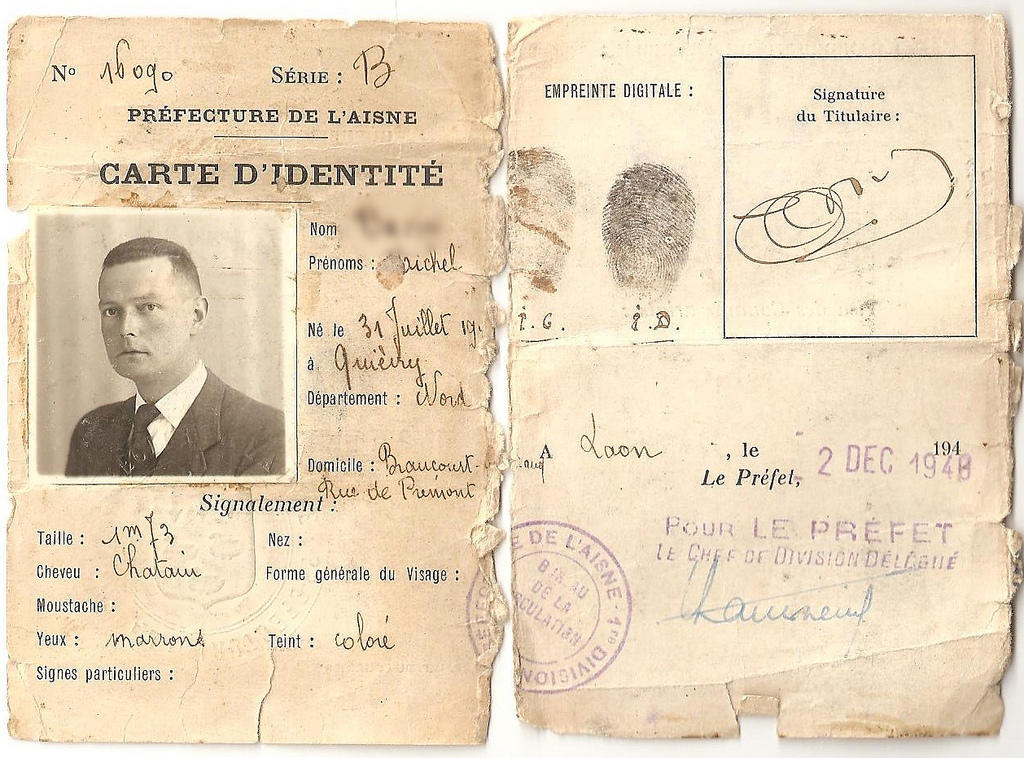
If you Have French Offspring
Another way to become a naturalized citizen through family is to have children who, by birth or another requirement, are French citizens.
In this case, you are eligible for citizenship if:
- You are over 65 years of age
- Have been a permanent resident of France for at least 25 years
- Are the direct ancestor of a French citizen (parent or grandparent)
- Do not have a criminal record.
It’s never too late to start the naturalization process! And we'll let you in on a little secret - the French are a lot more friendly if you also speak French! You're more likely to receive good service at your local French prefecture if you already have a good command of the language, plus you'll feel more on top of things when going through the naturalisation process.
Curious about French history and linguistics? We have tutors specialising in the history of the French language, on our platform. Look up 'French courses Melbourne' or 'French courses Sydney' - or put in your city! - for a wide selection.
You can check out French lessons Perth on Superprof AU.
Residency in France
The naturalisation process for a foreigner living in France varies slightly depending on which of the following citizenship requirements you fulfil:
- Be 18 or over
- Have your permanent residence in France, generally for at least five years. Different situations (work as a civil servant, in the army) can shorten the wait to two years or no time at all.
- You have an eligible visa or residence permit at the time of applying or are already a citizen of the European Union. This might mean you are already a British citizen by descent or hold dual citizenship with Australia and Italy or Australia and Greece.
- You have been working since coming to France.
- Show a certain level of integration, ascertained in a personal interview at the end of which you will be asked to read and sign the charter of rights and duties of every French citizen.
- You have a basic knowledge of the French language. (Improve it by reading books written by French authors!)
- Show that you adhere to the values of the French Republic: equality, democracy, and civil liberties.
- Don’t have a criminal record.
How to Become a French Citizen: a Summary
Be born in France If you are born in France and meet the residence requirements, you can apply to French citizenship. Be born to French parents If at least one parent is a French citizen, you are eligible. Marry a French person If you have been married to a French citizen for over four years, you are welcome to apply. Reside in France for five years If you have a permanent address in France, and have lived their for five years, you can apply. Have descendants who are French citizens. If you child or grandchild is a French citizen, you can apply too.
Multiple Citizenship
France generally doesn’t mind if a foreign national wishes to retain their birth nationality (or nationalities). The only exception is if they join the armed forces or the diplomatic corps. If you are in the army or working in a consulate or embassy, you must prove your allegiance to France by renouncing any other citizenships.
Find great French language course here on Superprof.

A child born on French soil wishing to give up French citizenship needs to prove they have another citizenship to be certain they are not without papers. Under international law, people cannot be stateless - and so there might be an obligation for you to take up citizenship if this is the case.
How to Apply for Citizenship
The paperwork involved in applying to become a French citizen varies depending on how you are eligible for it. Administrative costs are around 55€.
Here is what you need for your citizenship application based on permanent residency of five years or more:
- First, you need to find out which 'préfecture' processes naturalisation papers in your departement; if you are living abroad, you should contact your consulate or embassy.
- You will need to fill out form cerfa n°12753*02 in duplicate
- You will have to furnish proof of the information given on form cerfa n°12753*02, such as a certificate of birth, marriage certificate and the relevant residence and work permit.
- You can also decide if you want your name and that of your children to be Gallicised or not. For example, famous French actor Jean Reno was born Juan Moreno y Herrera-Jiménez of Andalusian immigrants in Morocco.
If something changes (residence or work situation) after having deposited your application, there is an additional form to fill out to inform the authorities.
Legally, the préfecture is charged with sending on your dossier to the ministry in charge of naturalisation within six months; the delay for processing your petition is of eighteen months, twelve if you have been resident in France for at least ten years.
If the decision is favourable, you will be notified by post and the naturalisation decree will be published in the official Journal. Unlike acquiring American citizenship after you had been issued a Green card, there is no naturalization ceremony.
If your application has been rejected, you have a two-month delay to appeal.
Find great French courses Sydney here on Superprof.
Is There a French Citizenship Test?
You will be required to sit an interview - as we mentioned earlier - and a test is part of this process. This will test your knowledge and respect for the values and culture of France and its civil code. The French government states that this test is designed "to verify, pursuant to Article 21-24 of the Civil Code, that the applicant has in particular sufficient knowledge of French history, culture and society."
Some people say that this interview can go on for hours and include difficult questions about all things French, whilst others report that it is a piece of cake. Either way, it is incredibly important to be prepared as, depending on your interviewer, this could make or break your citizenship application.
Similar to the practice test that the Australian government hosts on its website, the French government has published a handbook for those seeking to gain French citizenship to work in France or to receive education in France. This is known as the Livret du Citoyen.
This book covers the main principles and ideas behind the structure of the country's government, and the rights and responsibilities you have as a citizen.
At the end of the interview, you will be required to make a declaration that you have understood your duties as a citizen.
Find good online French courses here on Superprof.
Tips for Applying for French Citizenship
Dot Your I's and Cross Your T's - Keep All the Right Documents In Good Order!
As soon as you are moving to France, ensure that you keep all records proving that you are living in that country. These could be certificates of enrollment in a university or school, doctors appointment letters, payslips and proof of employment, or housing contracts.
You need only contact the chief clerk at your local courthouse (préfecture) to present the proof and you will automatically be awarded a certificate of naturalisation, enabling you to apply for an identity card or passport. You can refuse citizenship if you can prove you are a citizen of another country.
If you do not have proof, the whole process of applying for citizenship becomes much more difficult.
Ask the Right People for Advice
Our best advice is to get to know the people working at your local prefecture, and always go in with a smile when presenting your documents. At the end of the day, they're the people who can provide you with the right information. It's important to get things right, and no question is too small - ask about what documents to provide and the timeline for your eligibility.
You can also check in with other Australians who have gone through the citizenship process for advice and moral support. Try to find people who have taken the same route as you - ie. other people with French spouses, or other people who have lived in France for more than 5 years. If you're new to France and haven't connected with your local expat community yet, the best place to reach out first is online. There are Facebook groups you can join where Australian ex-pats in France can connect, plan meetups, and ask questions about administrative processes such as getting a visa or applying for citizenship.
Whilst it's great to find a supportive group of fellow expats, make sure you clarify any burning questions you have with the people in the know: the people working at the prefecture.
Make Sure Your French is up to Scratch
The French government requires that, if you are hoping to naturalise, you need to have at least an 'intermediate' grasp of French to be able to gain citizenship. This means that you need to be at a B1 level or above.
If you have studied at a university in France, then you are okay. If you have a degree in French or have passed the B1 DELF exam, then you are all set. But if you don't have proof of either of these - or proof of any French language proficiency - then part of your citizenship test will be a language test.
You can look up practice tests online. If you've lived in France for a year or more, chances are you'll have a good enough grasp of French to pass, but checking out practice tests will reassure you about the level of French you actually need.
Here you can search for some of the best french lessons in Gold-coast
Save Up To Pay For The Process - Especially The Translation!
People report that applying for French citizenship can be a little pricey. This might be a little surprising, as the official cost of the 'timbre fiscal' for French citizenship is 55 euros.
However, if you have documents in English, they will need to be translated by an official translator. These can charge up to 60 euros per page. You probably have more of these than you think you do.
Be Patient
These things always take a little longer than anyone would like - especially when it comes to the French bureaucracy!
People that Can Help Your Application.
There are loads of organisations - charities, publications, and legal bodies, to name just a few - that can help you in your application to become French. They all recognise that it is a tough process, but, usually, they have plenty of experience in helping people get there.
As such, it's not going to harm your chances to just drop them a line, review their websites, or meet up with any advisors. And it's definitely a good thing to know that, even if you are struggling with the process, other people are too.
So, let's take a brief look at some helpful resources.
The Local France
The Local is a website that gives advice and news, in English, for people living in - or interested in living in - different countries in Europe. There are different sites for France, Italy, Germany, and many others, keeping people informed about what is happening in different countries, and helping them with day to day concerns such as applying for citizenship.
The Local France includes interviews with people who have been successful in applying, as well as step-by-step guides on how to get there yourself. They are a great resource - pointing out things about the process that you may not have known, or that weren't clear from the official resources.
Remain in France
If you're an Australian who also holds British citizenship - either you were originally born there or born to English parents, you may be living in France on your British passport rather than an Australian one. This means you're in the same boat as thousands of Brits affected by Brexit.
Remain in France is a new organisation set up to help British citizens living in the country during the period following the EU referendum. Its primary aims are to advocate for the rights of such people and to promote information about citizens' rights in France.
However, it also has a lot of great information on how to apply for French citizenship. This includes surveys on attitudes towards the process of applying to French citizenship and on the knowledge of the possible loss of rights suffered by British people living in Europe.
A very helpful - and politically active - organisation.
Dual Citizenship
Dual Citizenship is a website that offers services to those seeking citizenship of a different country. They hope to streamline the process - and make sure that you don't forget anything that you might need.
The website works through a central dashboard in which you can see all aspects of your application, with all instructions, necessary forms, and required tasks made as clear as possible.
However, be aware that this website charges for its services. So for those who are not interested in such benefits, this may not be worth your time.
Maisons de justice et du droit
These are places which provide free and confidential legal advice. Whilst you might wonder whether these are for people are not citizens, be reassured that they are.
However, something that you might find is that none of the advisers can speak English. If this is a problem for you, take someone along who can translate - either a professional or a friend.
This is the best option for Australian citizens who are in France already.
The Advantages of Being a French Citizen
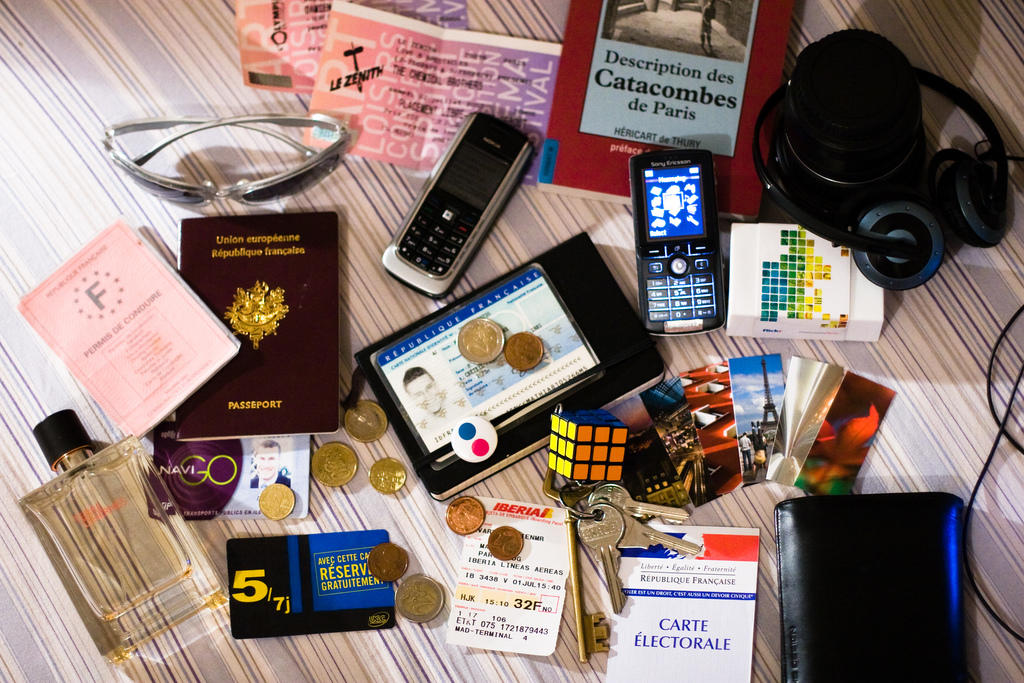
You might wonder if it’s all worth it - after all, if you study in France or get a job, you are at least guaranteed a residence permit. So why apply for citizenship?
But there are definite advantages to applying for a French nationality.
One of them is that you will be a citizen of the EU - this means you'll be able to move freely through all of the EU as you like!
You will be able to vote - if you are already an EU citizen, you will only be allowed to vote in local elections; once a French citizen, you shall be allowed to vote in local and national elections and in the presidential election.
Voting and taxes are two sides of the same coin; it’s up to you whether it’s worth all the red tape.
If you should then move abroad, your children will be eligible - if they, too, have the French nationality through you - to obtain a permit allowing them to study at a foreign French school - these Lycées Français are found in every major global city, stick to the French curriculum and are ideal for those who move around a lot for work.
What a Tutor Can Do for You
If you're thinking of moving to France and/or applying for French citizenship, you might find that your French needs a bit of a polish. A native tutor can do so much more than just teach your grammar and beef up your vocabulary - you'll also get lots of conversation experience and insider tips on French slang to drop into your day-to-day speech. They'll also help deepen your knowledge of French culture - invaluable for helping you to make friends and create professional networks around you in your new chosen home.
Applying for French citizenship is a big decision not to be undertaken lightly! As we mentioned before, you'll need at least a B1 level of French, and you'll be tested on your level. When the stakes are this high - i.e. when the risk of failure is having to wait a further two years - it's worth making sure that your chances are as high as they can possibly be. You may even like to seek out a French tutor who has specific experience training students to sit the B1 DELF exam, so you can enter your citizenship language test secure in the knowledge that you'll pass with flying colours.
Good to know: DELF stands for : Diplôme d'études en langue française (translated: Diploma of French language studies)
We've said it before, but we'll say it again: you'll also get much better service at the many different French institutions you'll need to interact with if you already speak the language. So why not make the application process as pain-free as possible by going in confident in your French skills?
So, if you are worried about your level of French, get a French tutor to settle your nerves. And if you can't tell Louis XII from Louis XIV, it might be worth taking some classes a tutor of French history.
How to find a French tutor on Superprof?
Talented tutors from all over the world list their profiles on our site - so there's bound to be a French tutor near you who can help! If you are still in Australia, simply search for a French tutor and your city or town, or cast your net a little wider and find someone open to teaching online. Many of our tutors will come to you, other teachers have a dedicated teaching space, and some will offer to meet at a mutually convenient location such as a local cafe or library that suits you both.
For those still in Australia who want to benefit from a native speaker - yes you can search for a French tutor in France! Simply ensure you've calculated the time difference, find a slot that works for the two of you, and Skype or Zoom with them until you're ready to move!
To truly perfect your French, we recommend a combination of lessons and immersion. If you've never bee to France but want to live there one day, seek out work or study programs which allow you to live there for a year. You can see if you like it and start speaking like a local!
Bon courage!
Summarise with AI:
Did you like this article? Leave a rating!

 Loading...